Top 14 Natural Monuments around Kobiór
Best natural monuments around Kobiór are situated within extensive forest areas in the Silesian Voivodeship of Poland. The region features diverse ecosystems, including nature reserves, ancient trees, and geological formations. These areas offer opportunities for outdoor exploration and appreciating local biodiversity. Kobiór's natural landscape is characterized by protected forest ecosystems and significant individual natural creations.
Best natural monuments around Kobiór
- The most popular natural monuments is Babczyna Dolina Nature Reserve, a natural monument protecting specific wetland and riparian habitats.…
Last updated: August 9, 2026
Tadeusz Oak Natural Monument
Highlight • Natural Monument
Translated by Google •
Tip by

Babczyna Dolina Nature Reserve
Highlight • Natural Monument
Translated by Google •
Tip by

Sign up now to discover places like this
Get recommendations on the best single tracks, peaks, & plenty of other exciting outdoor places.
Sign up for free
Bear Park
Highlight • Structure
The park itself is known primarily for three bear cubs carved by the sculptor Augustyn Dyrda (born in 1924), who, years …
Translated by Google •
Tip by
Commemorative stone of Hans Heinrich XI von Pless’s hunt
Highlight • Monument
Prince von Pless …
Translated by Google •
Tip by
Oak Avenue REITWEG Pszczyna-Piasek
Highlight (Segment) • Trail
Translated by Google •
Tip by
Sign up for free to discover even more natural monuments around Kobiór.
Sign up for free
Already have an account?
Start today with a free account
Your next adventure awaits.
Login or Signup

Tips from the Community

It's hard to find a native of Tychy who doesn't have a childhood photo on the back of one of these teddy bears. In 2018, the bears officially got their names (chosen by residents in a competition). The park itself is a clean, densely wooded square with a central fountain, which is perfect as a cool stop on hot afternoons.
1
0

One of the characteristic places in Tychy. Where all children and adults know where the sculpture of three bears is located
0
0

Dąb Tadeusz - a natural monument in Katowice, located in the southern part of the city, near Hamerla, located in the Murcki district, in the Murckowskie Forest complex. It is a 300-year-old [1] tree of the English oak species (Quercus robur L.) with a height of 30 meters and a diameter at breast height of 437 centimeters (Wikipedia)
2
0

interesting place, worth visiting.
2
0

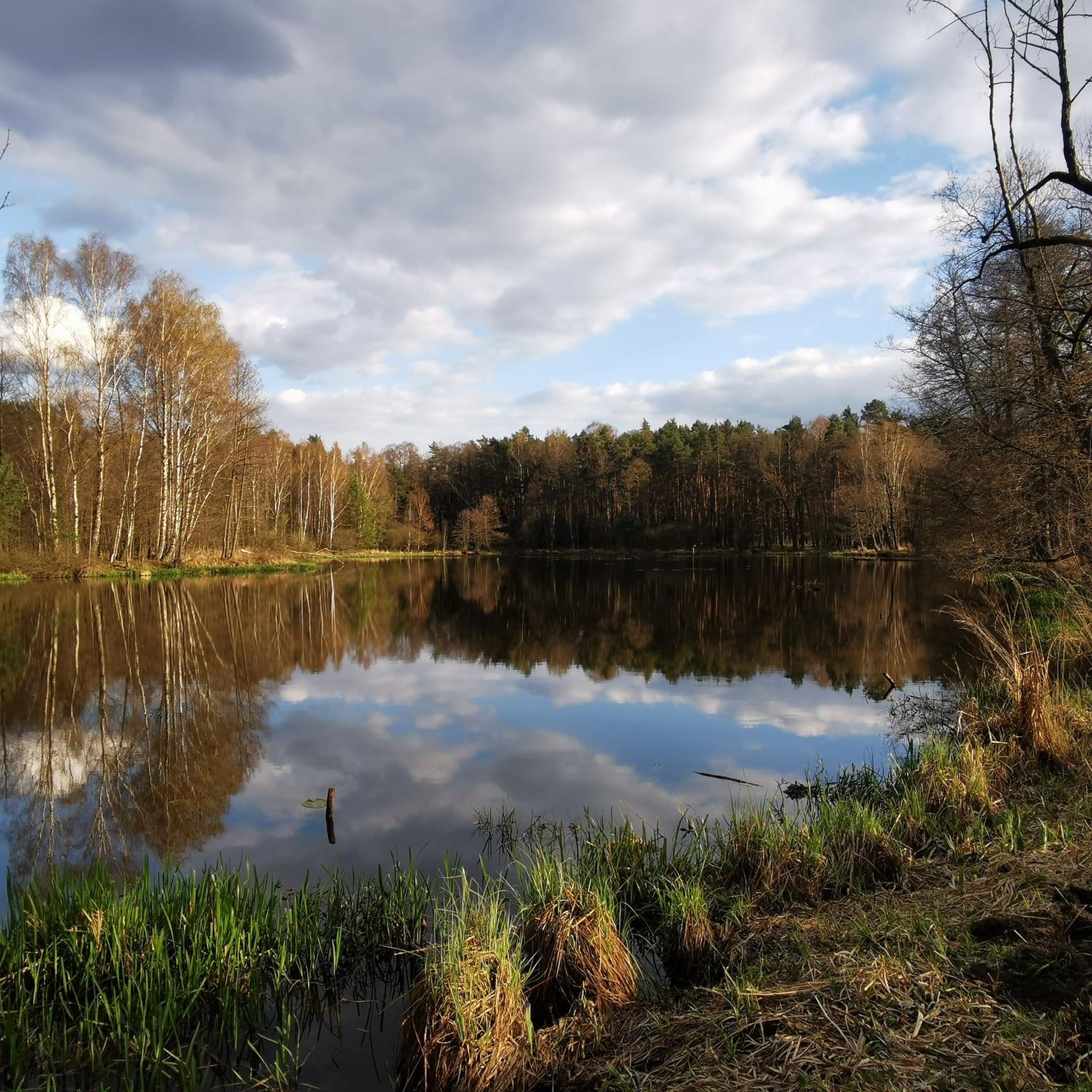
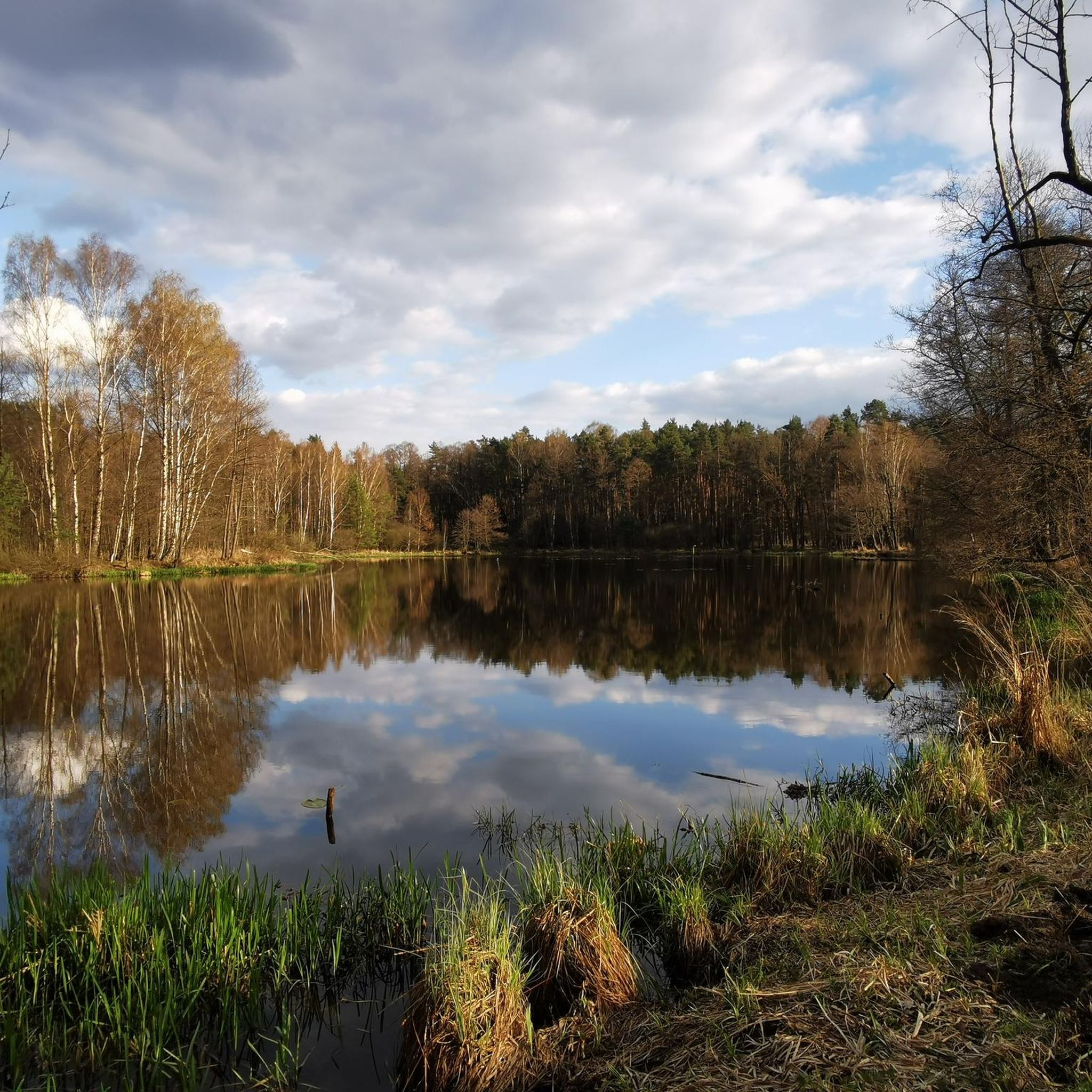
The main part of the reserve, with an area of almost 76 ha, is located in the Radostowice forestry in the Kobiór Forest Inspectorate, in the center of the Kobiórski forests, where biocenotic systems characteristic of river valleys are protected in the upper course of Korzeniec Południowy. The subject of protection here are, among others: reed forest patches, sphagnum alder forest, forest reed complex, riparian forest, i.e. forest communities formed under the influence of stagnant waters, where no economic activities are carried out. The South Korzenic on the Pszczyna Plain is one of the few watercourses that has resisted the negative impact of anthropopressure while preserving rare vegetation. The greatest wealth of "Babczyna Dolina" is the bryoflora, i.e. a huge number of bryophytes - 61, and liverworts - 20. This is a sensation in the Pszczyna-Kobiórski managed forests dominated by pine monoculture, but also on the map of the Silesian Voivodeship there are not many such places. https://kobior.katowice.lasy.gov.pl/aktualnosci/-/asset_publisher/1M8a/content/babczyna-dolina-w-dobrej-kondycji https://www.youtube.com/watch?v=5nDb9hH4pL0
2
0
Hans Heinrich XI von Pless (1833-1907) was one of the most powerful magnates in Europe. It was estimated that his fortune was the fifth largest in Germany. Prince von Pless collaborated with two emperors of the Hohenzoller dynasty: William I and William II. He was present at the proclamation of the German Empire. He went on diplomatic missions to St. Petersburg and Rome. In the Żwakowski Forest, on the border of Wyry and Tychy, on June 7 this year. the granite stone with an inscription commemorating the last hunt of Prince Hans Heinrich XI Hochberg von Pless was placed again. It took place on October 23, 1906, 10 months before his death. This is where the old prince shot a huge deer then. In 1964, the monument was dismantled and placed in the area of the Kobiór Forest District. The original inscription was covered with a plaque devoted to a skirmish between Kobiór foresters and Germany in September 1939. In the former Pszczyna Forest, you can still encounter memorial boulders - the so-called dynkmale (from German monuments). Andrzej Brandys from Kobióra, an enthusiast of local history, and in particular the history of the Pszczyna forests and hunting, estimates that there were about 20 such objects in the Hochberg estates. ruling or hunting). Most of the dynkmali was destroyed in the Polish People's Republic, where any remnants of the presence of the Germans in Upper Silesia were not tolerated (not only in the times of the Third Reich). - People had no knowledge of these souvenirs. A granite boulder weighing about 7 tons and a height of more than two meters (with the base) commemorated the last hunting of the old prince in the forest on the border of Wyrów and Żwaków, on October 23, 1906. Then Hans Heinrich XI shot his last deer. It was a "sixteen", that is, a male (bull) with at least eight legs on one pole of antlers. According to Andrzej Brandys, the granite boulder is carved in German: "Seine Durchlaucht Hans Heinrich XI Herzog von Pless erlegte hier am 23.10.1906 seinen letzten Hirsch von XVI ender", which can be translated as follows: "His Ducal Majesty Hans Heinrich XI von Pless laid here his last sixteen-year deer. October 23, 1906 ”. https://noweinfo.pl/glaz-upamietniajacy-ostatnie-polowanie-ksiecia-pszczynskiego-wrocil-do-lasu-zwakowskiego/
6
0
Tadeusz Oak - a natural monument in Katowice, located in the southern part of the city, near Hamerla, in the Murcki auxiliary unit, in the Murckowski Forest complex. It is a 300-year-old tree of the species pedunculate oak (Quercus robur L.), 30 meters high and 437 centimeters high at breast height. This tree was established as a natural monument by the Katowice City Council by a resolution of June 1, 2017, along with 23 other trees. On the basis of the same resolution, the City Council named the tree Tadeusz. This name commemorates Tadeusz Norman, a long-standing forest inspectorate of the Katowice Forest District, who worked for the shaping, durability and development of Upper Silesian forest complexes. Hamerla - a forest settlement in Katowice, in the Murcki auxiliary unit, in the southern part of the Murckow Forest. It is located one kilometer from the border between Katowice and Lędziny. The settlement was founded by the Hamerla family (hence its name). In the 1940s, the inhabitants moved out, leaving the area as a gift for the Katowice Forest District. Currently, it consists of two residential houses. In Hamerla, there is the seat of the Daniel hunting club in Tychy and a drone belonging to the Silesian Beekeepers Association. Trutowisko was established in 1953 by the Poviat Beekeepers Association in Tychy. Meetings of beekeepers are organized here, and beekeeping is also popularized here. https://pl.wikipedia.org/wiki/D%C4%85b_Tadeusz https://pl.wikipedia.org/wiki/Hamerla https://www.youtube.com/watch?v=jbaxOaLr0iw
1
0
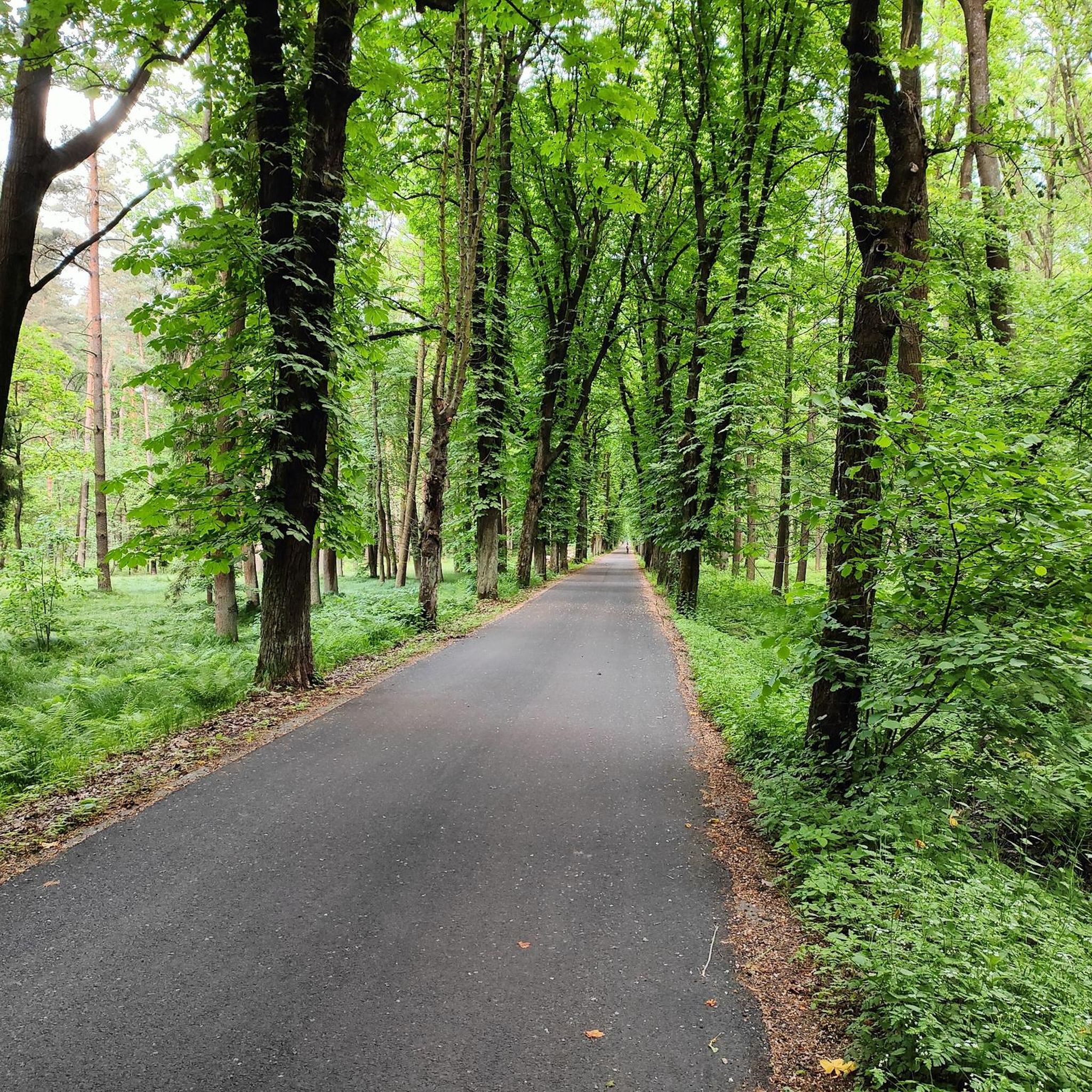
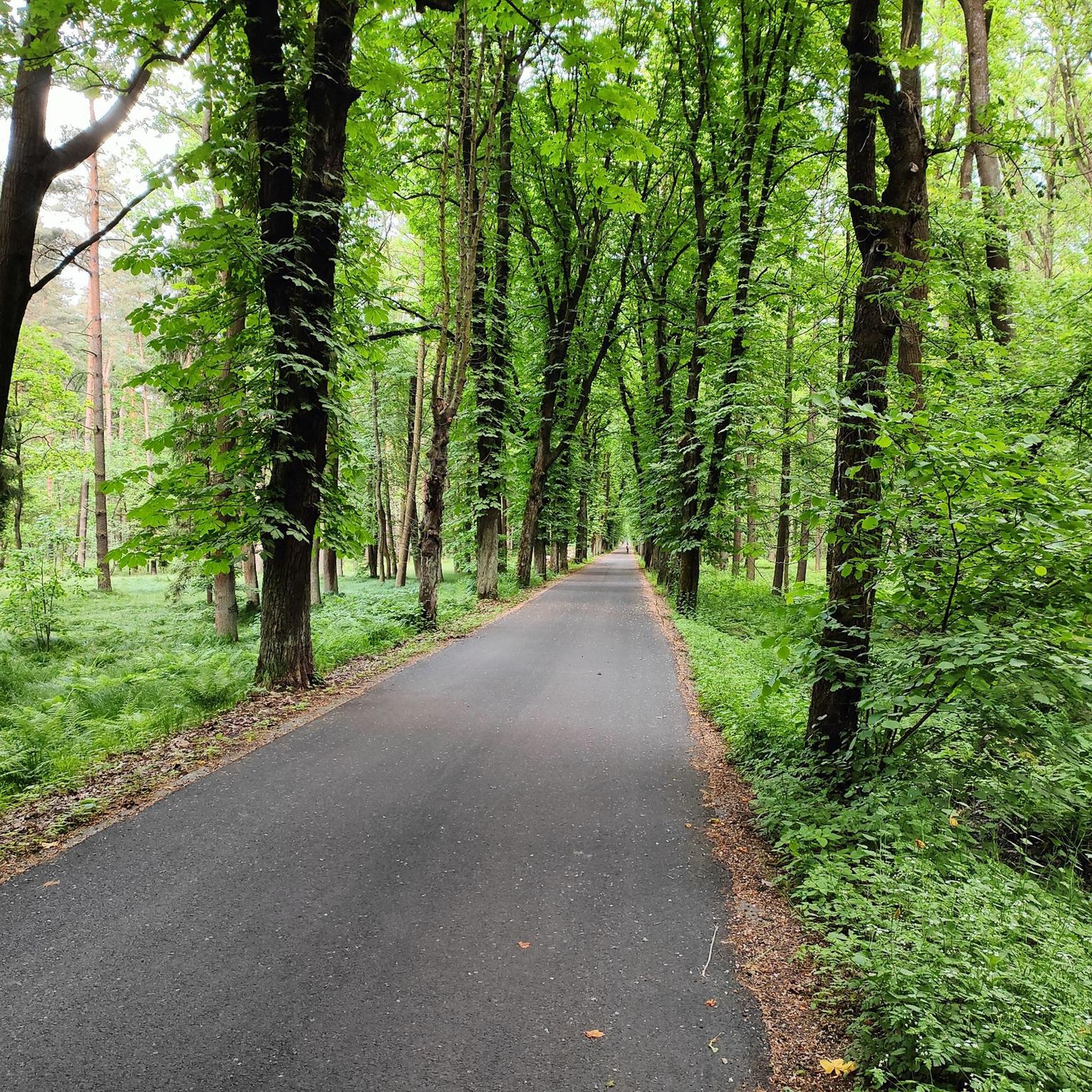
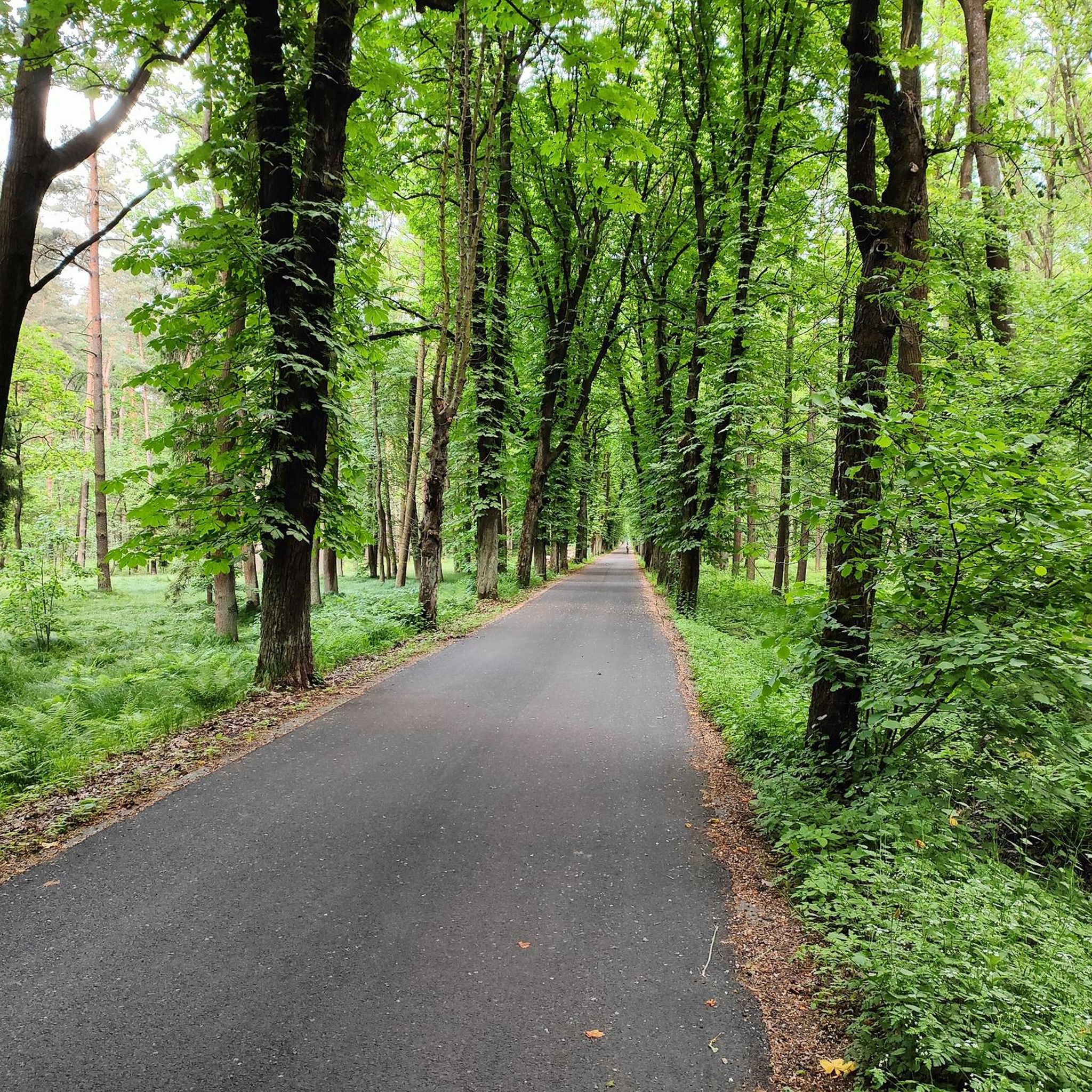
Aleja Dębowa is a part of the former horse trail connecting the Pszczyna castle with the Promnice Hunting Castle by the Paprocańskie Lake. 150 or even 250-year-old oaks grow in the over 3-kilometer stretch. The Pszczyna part of this trail runs through Łowiecka Street. In Piasek, the historical road is simply called Aleja Dębowa. pless.pl/wiadomosci/64312-trasy-rowerowe-przez-aleje-debowa-do-promnic-i-dalej-kkieta-piasek-pszczyna-tychy pszczynska.pl/rowerowa-aleja-debowa.html
4
0
Frequently Asked Questions
What are some of the most significant natural monuments to visit around Kobiór?
The region around Kobiór is home to several notable natural monuments. A must-see is the Babczyna Dolina Nature Reserve, which protects diverse forest communities and river valley ecosystems. Another impressive site is the Tadeusz Oak Natural Monument, a 300-year-old English oak near Katowice. You can also explore the Oak Avenue REITWEG Pszczyna-Piasek, a historical trail lined with oaks up to 250 years old.
Are there any natural monuments with historical significance near Kobiór?
Yes, the Oak Avenue REITWEG Pszczyna-Piasek is a prime example. It's part of a former horse trail that connected Pszczyna Castle with Promnice Hunting Castle, featuring ancient oaks that are up to 250 years old. Additionally, the Commemorative stone of Hans Heinrich XI von Pless’s hunt marks a historical event related to the powerful magnate in the Żwakowski Forest.
What kind of natural features can I expect to see in the Babczyna Dolina Nature Reserve?
The Babczyna Dolina Nature Reserve is dedicated to protecting biocenotic systems characteristic of river valleys. You'll find diverse forest communities, including reed forest patches, sphagnum alder forests, and riparian forests, which have developed undisturbed. It's particularly known for its rich bryoflora, with a large number of bryophytes and liverworts.
Are the natural monuments around Kobiór suitable for families?
Many natural monuments and areas around Kobiór are family-friendly. For instance, the Oak Avenue REITWEG Pszczyna-Piasek offers an easy, scenic walk or bike ride suitable for all ages. The Bear Park, while not strictly a natural monument, is a popular spot for families with its unique sculptures and park setting.
What outdoor activities can I do near the natural monuments in Kobiór?
The extensive forest areas around Kobiór are ideal for various outdoor activities. You can enjoy gravel biking on routes like the 'Paprocański gravel path' or explore running trails such as the 'Wild Beach loop'. Road cycling is also popular, with routes like the 'Belgian Asphalt Road' available. For more details on these activities, you can explore the Gravel biking around Kobiór, Running Trails around Kobiór, and Road Cycling Routes around Kobiór guides.
Are dogs allowed on trails and in nature reserves near Kobiór?
While specific regulations for each natural monument or reserve can vary, generally, dogs are welcome on many trails in the broader Pszczyna Forest area, often requiring them to be on a leash. For specific nature reserves like Babczyna Dolina Nature Reserve, it's advisable to check local signage or official websites for the most current rules regarding pets to ensure responsible visiting.
What is the best time of year to visit the natural monuments around Kobiór?
The natural monuments around Kobiór, being largely forest-based, offer beauty throughout the year. Spring brings lush greenery and blooming flora, while autumn showcases vibrant fall colors, making both seasons excellent for hiking and cycling. Summer is ideal for longer days and warmer weather, perfect for extended outdoor exploration. Even winter can offer a serene, snow-covered landscape for those who enjoy colder weather activities.
Are there any easy walking trails to natural monuments in the Kobiór area?
Yes, for an easy and pleasant walk, consider the Oak Avenue REITWEG Pszczyna-Piasek. This historical trail is relatively flat and offers a beautiful, shaded path through ancient oak trees, making it suitable for a leisurely stroll. Many sections of the broader Pszczyna Forest also offer accessible paths.
Where can I find parking when visiting natural monuments near Kobiór?
Parking availability varies by specific location. For popular areas like the Babczyna Dolina Nature Reserve or the Oak Avenue REITWEG Pszczyna-Piasek, you can often find designated parking areas or roadside spots near trailheads. It's recommended to check maps or local information for specific monuments you plan to visit to locate the most convenient parking.
What do visitors particularly enjoy about the natural monuments in the Kobiór region?
Visitors frequently appreciate the tranquility and untouched nature of places like the Babczyna Dolina Nature Reserve, where ecological processes unfold undisturbed. The impressive stature and historical significance of ancient trees like the Tadeusz Oak Natural Monument and the Oak Avenue REITWEG Pszczyna-Piasek are also highly valued. The komoot community has shared 27 photos and given 132 upvotes, highlighting the scenic beauty and enjoyable outdoor experiences.
Are there any natural monuments that are particularly impressive in size or age?
Absolutely. The Tadeusz Oak Natural Monument stands out as a magnificent 300-year-old English oak, reaching 30 meters in height with a diameter of 437 centimeters. Similarly, the Oak Avenue REITWEG Pszczyna-Piasek features oaks that are up to 250 years old, creating an impressive natural tunnel.
Can I find cafes or pubs near the natural monuments around Kobiór?
While many natural monuments are situated within extensive forest areas, the town of Kobiór itself and nearby villages offer cafes and pubs where you can refresh. For specific locations, it's best to check local listings or maps for establishments in Kobiór center or along main routes leading to the natural areas.
Most popular routes around Kobiór
Most popular attractions around Kobiór

Get inspired with the komoot mobile app


Explore more
Extend your search for the best caves by checking out these guides of the top ones around Kobiór:
