Top 5 Natural Monuments around Cieszyn
Best natural monuments around Cieszyn are found in a historic town situated on the Polish-Czech border, offering a blend of natural beauty and historical significance. The region is characterized by its location in the Carpathian Mountains foothills and the Olza River, which divides the town. Visitors can explore a variety of unique trees and natural landscapes that have been officially protected. These sites provide opportunities to connect with nature within the urban and historical settings.
Best natural monuments around Cieszyn
…Last updated: May 17, 2026
Zahrada Dvou Břehů Wooden Sculpture
Highlight • Structure
Translated by Google •
Tip by

Budzin Glade
Highlight • Viewpoint
Translated by Google •
Tip by

Sign up now to discover places like this
Get recommendations on the best single tracks, peaks, & plenty of other exciting outdoor places.
Sign up for free
Aviators' Memorial / Żwirkowisko
Highlight • Monument
Translated by Google •
Tip by

Iron Spring
Highlight • Natural Monument
Translated by Google •
Tip by

Avenue of Pedunculate Oaks in Kończyce Wielkie
Highlight • Forest
Translated by Google •
Tip by

Sign up for free to discover even more natural monuments around Cieszyn.
Sign up for free
Already have an account?
Start today with a free account
Your next adventure awaits.
Login or Signup


Tips from the Community

It is worth seeing an oak tree dating back to the Battle of Grunwald and a nearby castle with a vineyard on the slope.
0
0

Entrance from the Równica sanatorium
0
0


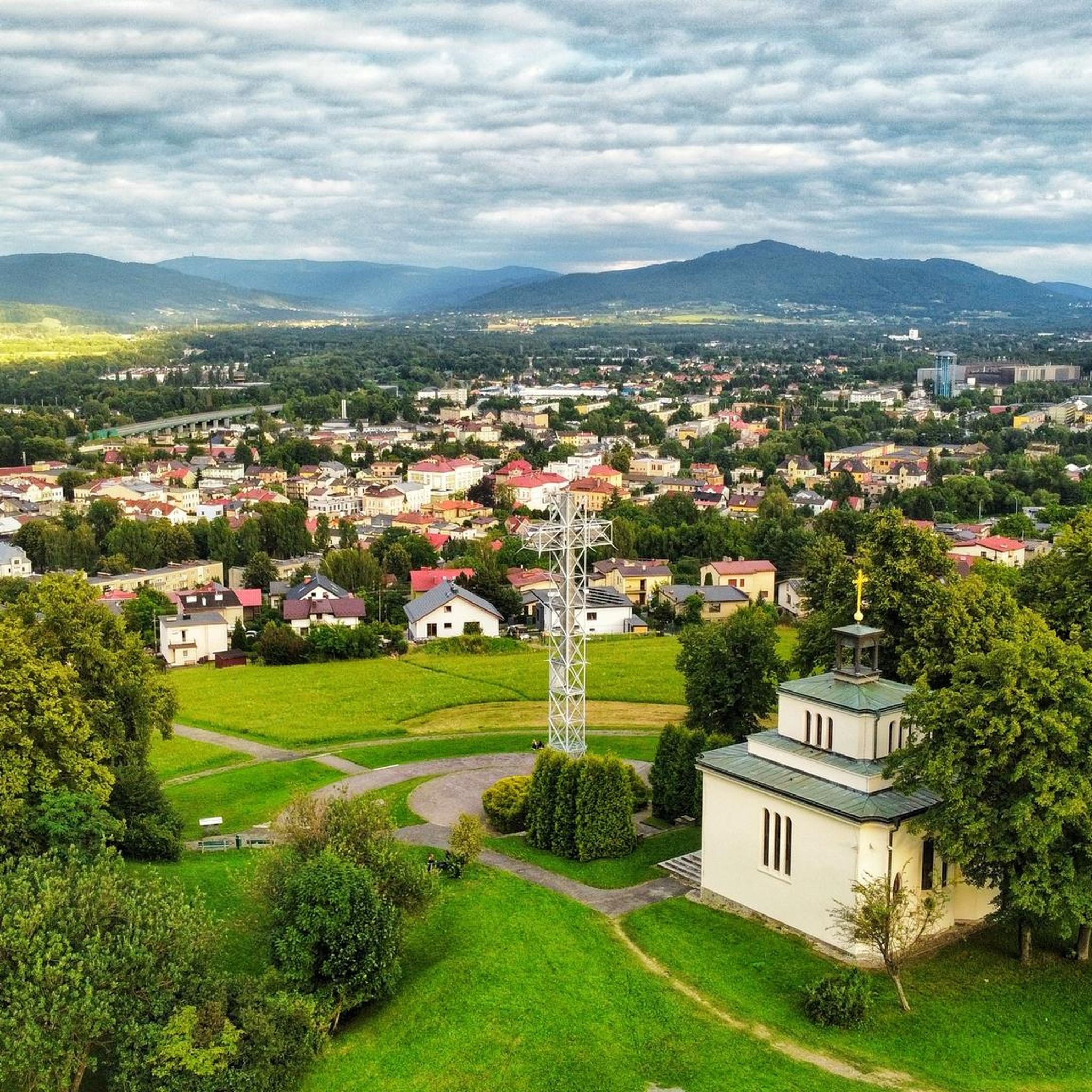
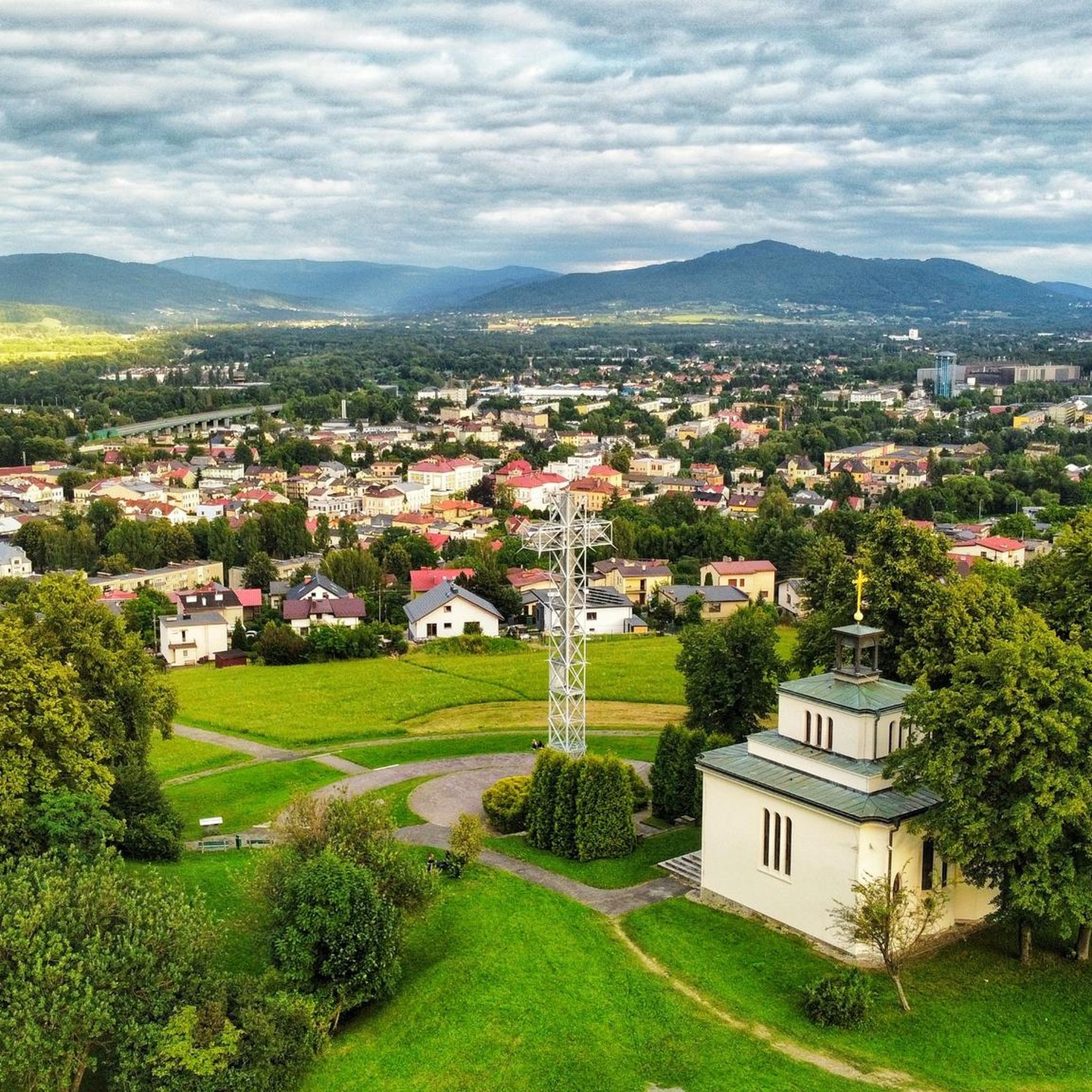
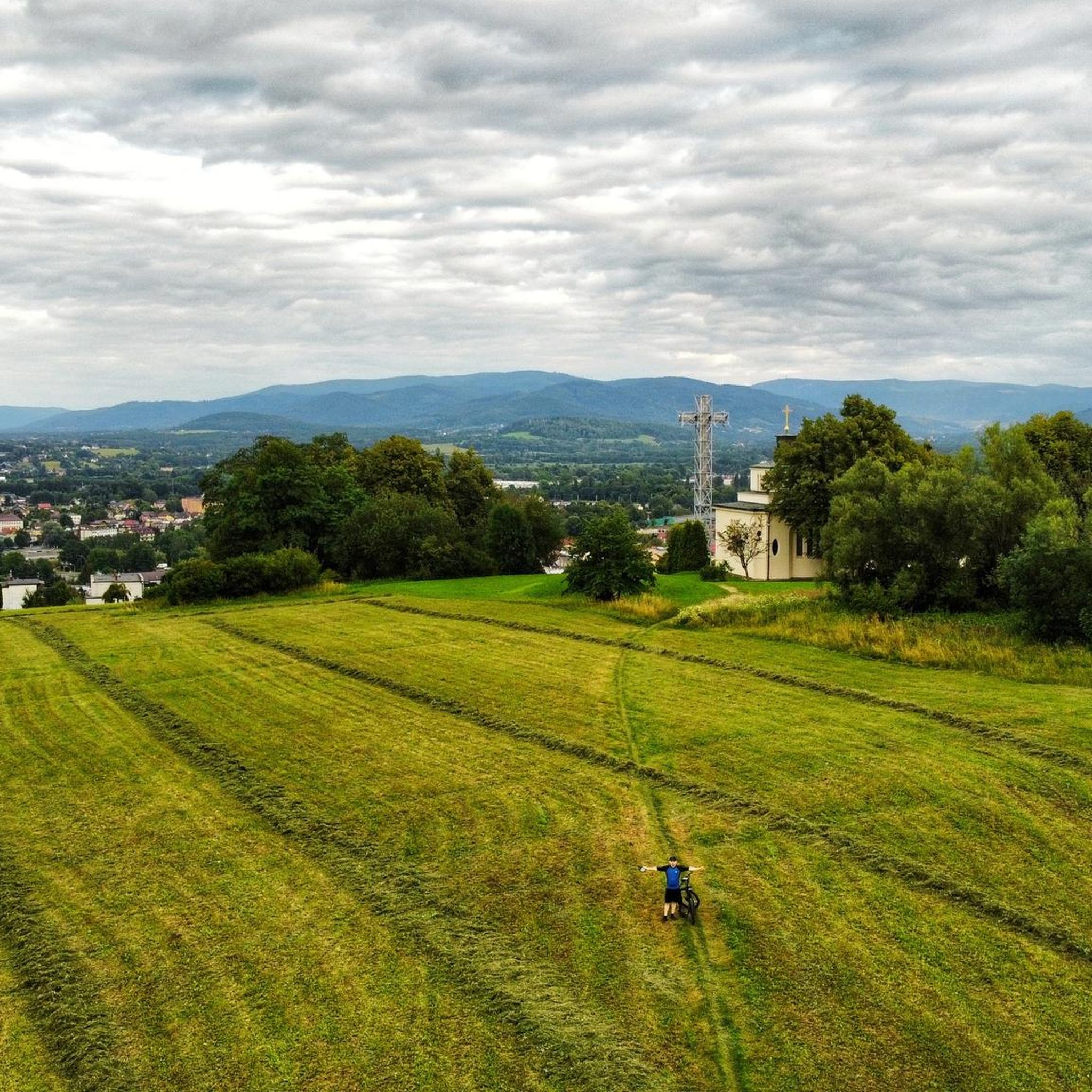
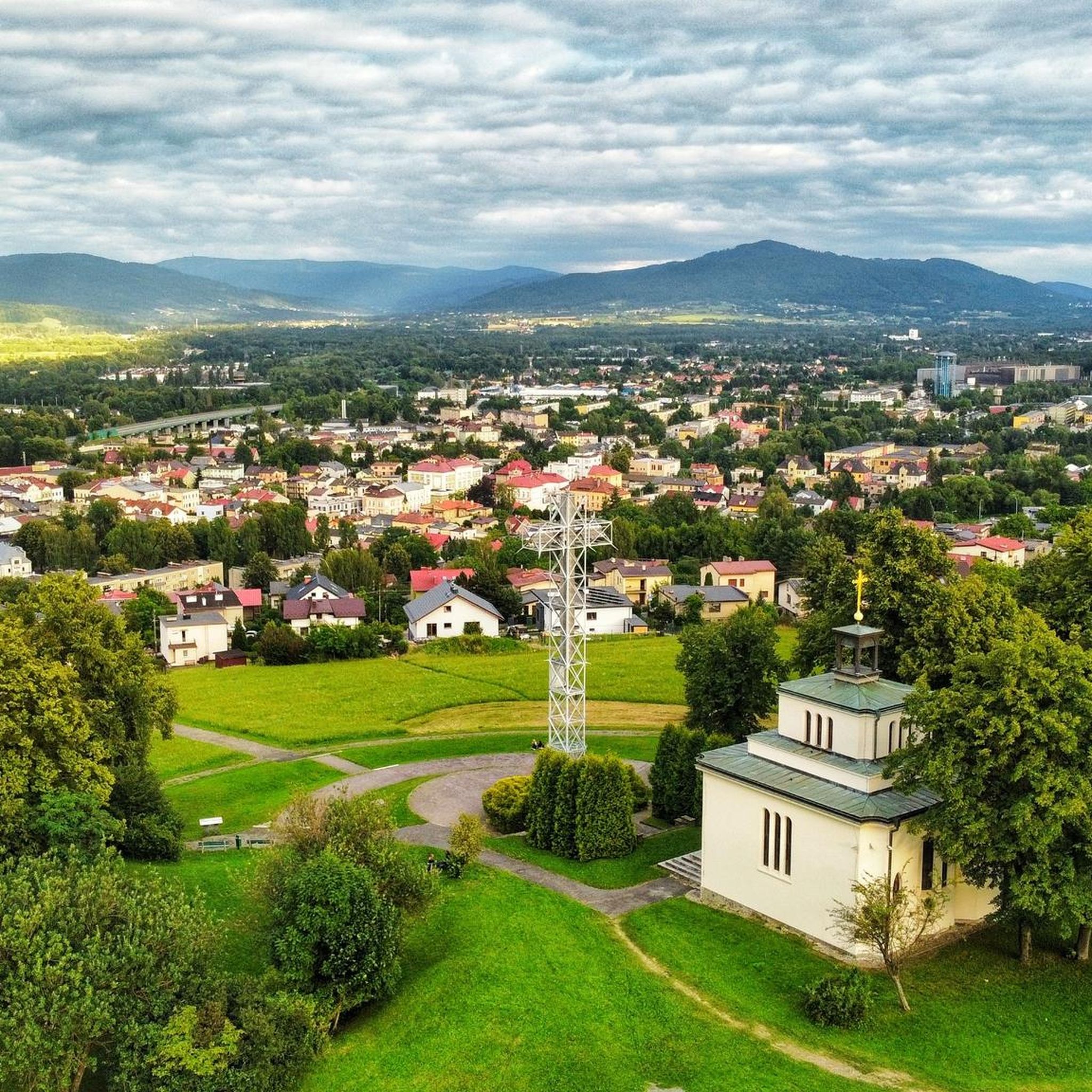
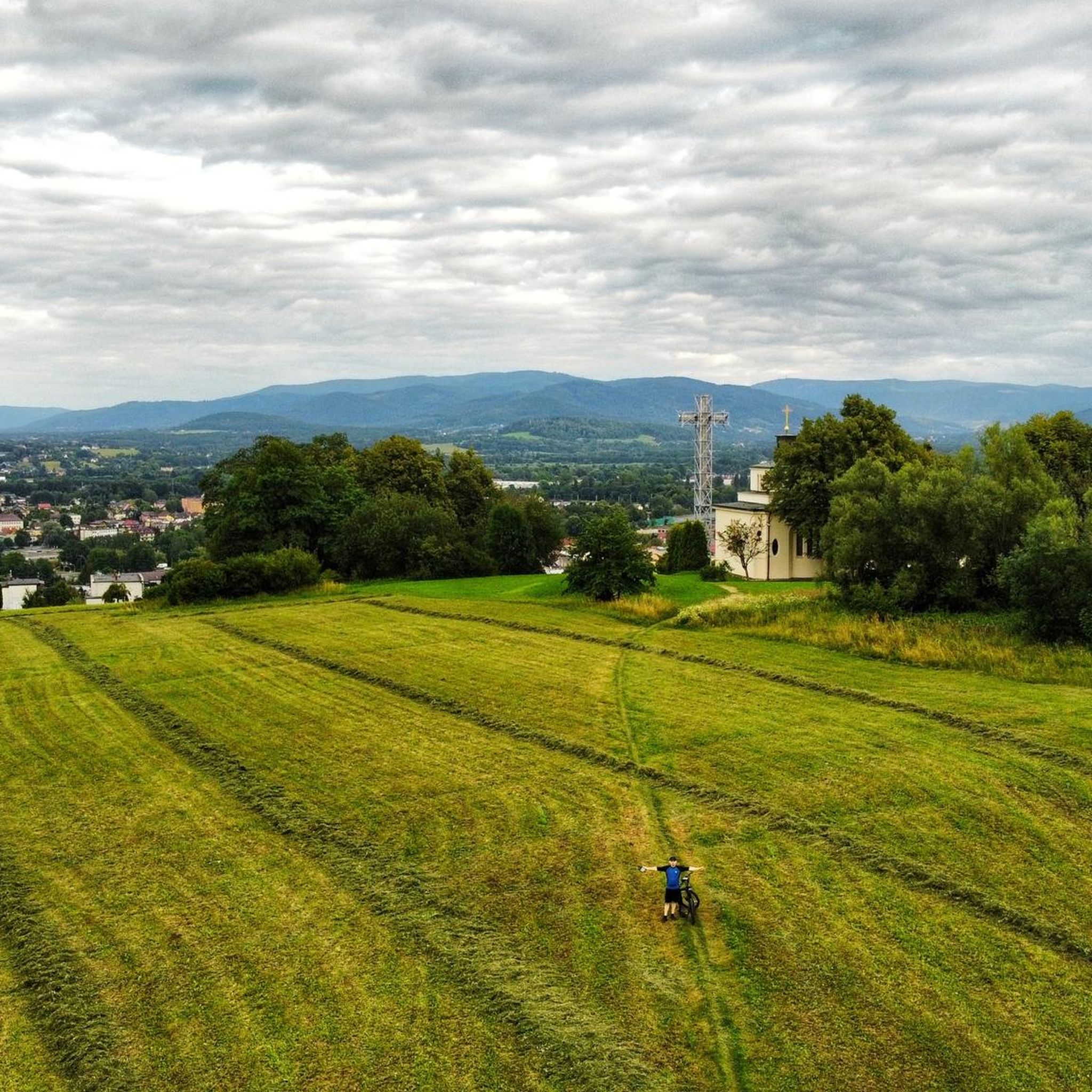
Polana Budzin (596 m above sea level) is a picturesque clearing located in the Silesian Beskids, near Czantoria. It is a great resting point on running and trekking routes, offering beautiful views of the nearby peaks and valleys. Thanks to its location, it is a good place to relax before continuing your climb to Wielka Czantoria. The trails leading through the clearing are steep in places and can be muddy after rain, so it is worth having good trail shoes.
0
0

Yes, many people get water from here
0
0

The avenue is located in the park surrounding the palace in Kończyce Wielkie.
0
0

The wooden statue seems more interesting to me, the owl probably a symbol of wisdom. And I think it's extremely wise to overcome a division of the city.
2
0

Żwirkowisko - the place of the tragic death of Polish pilots Stanisław Wigura and Franciszek Żwirka on September 11, 1932 in Cierlicko Górne near Cieszyn in Cieszyn Silesia (in Zaolzie), in what was then Czechoslovakia. The accident of Polish pilots took place during their flight to an air rally in Prague. During a violent storm, the wing of the RWD-6 aircraft was torn off and the machine fell to the ground. The pilots died on the spot. At the site of the tragic event, a birch cross with a propeller was initially placed, and preserved trunks of spruces, against which the plane crashed, were left. Symbolic graves of airmen were also created. In 1935, a small mausoleum and a gate with the inscription "Żwirki i Wigury start to eternity" were built. The authors of this layout were: the builder Rygiel from Frysztat and the sculptors Julius Pelikán from Olomouc and Jan Raszka. The bell was funded by the readers of the Illustrated Courier Codzienny. Soon Żwirkowisko became a place of worship of Polishness in Zaolzie. After the occupation of Czechoslovakia by the Germans in December 1940, the mausoleum was demolished and the area was destroyed. We managed to save a commemorative stone and an inscription from the gate. https://pl.wikipedia.org/wiki/%C5%BBwirkowisko https://www.youtube.com/watch?v=No4zcr8n6bk
2
0
Frequently Asked Questions
What are some unique natural monuments to visit in Cieszyn?
Cieszyn is home to several unique natural monuments. You can explore the Budzin Glade, a picturesque clearing offering beautiful views in the Silesian Beskids. Another notable site is the Avenue of Pedunculate Oaks in Kończyce Wielkie, featuring ancient oak trees within a park. Don't miss the Iron Spring, known for its mineral-rich water and a pleasant forest path leading to it.
Are there any natural monuments in Cieszyn with historical significance?
Yes, Cieszyn's natural monuments often intertwine with its rich history. The Ivies on Castle Hill, for example, are part of a historical park from the 19th century. The Aviators' Memorial / Żwirkowisko, while primarily a historical site commemorating Polish pilots, is also recognized as a natural monument, preserving the location of a significant event. Additionally, the Peace Park, home to a protected lime tree, is historically connected to the 1779 Cieszyn Peace treaty.
Which natural monuments in Cieszyn are suitable for families?
Many natural monuments in Cieszyn are family-friendly. The Budzin Glade is a great resting point with views, and the Avenue of Pedunculate Oaks in Kończyce Wielkie offers a pleasant walk in a park setting. The Iron Spring is accessible via a nice forest path, making it an enjoyable outing for all ages. The Zahrada Dvou Břehů Wooden Sculpture is also considered family-friendly and symbolizes the connection between the Polish and Czech parts of Cieszyn.
Where can I see impressive old trees in Cieszyn?
Cieszyn boasts several locations with impressive, protected trees. In Plac Kościelny, you can admire a large-leaved lime with a girth of 397 cm and three horse chestnuts. The Peace Park features a designated natural monument lime tree. Near Gymnasium No. 3, two exotic ginkgo trees stand as natural monuments, and the University Campus grounds host a significant Schwedler variety maple.
What kind of natural landscapes can I expect to see around Cieszyn?
Beyond individual trees, Cieszyn offers diverse natural landscapes. The region is situated in the foothills of the Carpathian Mountains, providing scenic views and varied terrain. The Olza River, which divides the town, is a significant natural feature with picturesque promenades and cycling paths. You can also find unique micro-ecosystems like the Ivies on Castle Hill, protecting a rich growth of ivy and other plants.
Are there hiking or running trails near Cieszyn's natural monuments?
Yes, Cieszyn and its surroundings offer various outdoor activities. For running, you can explore routes like the 'Cieszyn Town Hall – Cieszyn Castle loop' or 'Łęg nad Puńcówką loop'. Mountain hikers can tackle trails such as 'Čantoryja Mountain Hut – Great Czantoria (995 m) loop'. You can find more details on these and other routes in the Running Trails around Cieszyn and Mountain Hikes around Cieszyn guides.
Can I go cycling near the natural monuments in Cieszyn?
Absolutely. The area around Cieszyn is suitable for cycling, including gravel biking. Routes like 'Bicycle Path Along the Vistula – Ustroń Waterfalls loop' or 'Czerniańskie Reservoir Dam – Czerniańskie Lake loop' offer opportunities to explore the natural beauty on two wheels. For more cycling options, check out the Gravel biking around Cieszyn guide.
What is the Ivies on Castle Hill and why is it protected?
The Ivies on Castle Hill is a natural-landscape complex on the southwest slope of Castle Hill. It's protected for its rich growth of ivy, including many flowering specimens, some with impressive diameters of up to 12cm. This area, historically transformed into a park, also features single specimens of arums, making it a unique micro-ecosystem and an important site for ecological preservation.
What do visitors say about the natural monuments in Cieszyn?
Visitors appreciate the blend of nature and history in Cieszyn. For instance, the Budzin Glade is praised for its picturesque views and as a great resting point on trekking routes. The Zahrada Dvou Břehů Wooden Sculpture is noted for its symbolic representation of the city's connection. Many enjoy the serene spots for reflection and the opportunity to connect with nature within the town's historical setting.
Is there a good time of year to visit Cieszyn's natural monuments?
While Cieszyn's natural monuments can be enjoyed year-round, spring and autumn often offer the most pleasant conditions for exploring. Spring brings blooming flora, especially around the Ivies on Castle Hill and the various parks. Autumn showcases vibrant foliage, particularly among the many mature trees like the oaks and maples. Summer is also popular, though trails can be muddy after rain, as noted for the Budzin Glade.
Are there any natural monuments that offer good viewpoints in Cieszyn?
Yes, the Budzin Glade is specifically highlighted as a viewpoint, offering beautiful vistas of the nearby peaks and valleys in the Silesian Beskids. The Iron Spring is also listed as a viewpoint, providing a scenic spot within the forest.
Most popular routes around Cieszyn
Most popular attractions around Cieszyn

Get inspired with the komoot mobile app


Explore more
Extend your search for the best caves by checking out these guides of the top ones around Cieszyn:
