Top 5 Natural Monuments around Będzin
Natural monuments around Będzin showcase the diverse natural beauty of this city in southern Poland. The region features protected landscape areas, ancient forests, and unique geological formations. These sites provide opportunities for outdoor activities and appreciating the area's ecological and historical heritage. Będzin's natural attractions contribute to its distinct character.
Best natural monuments around Będzin
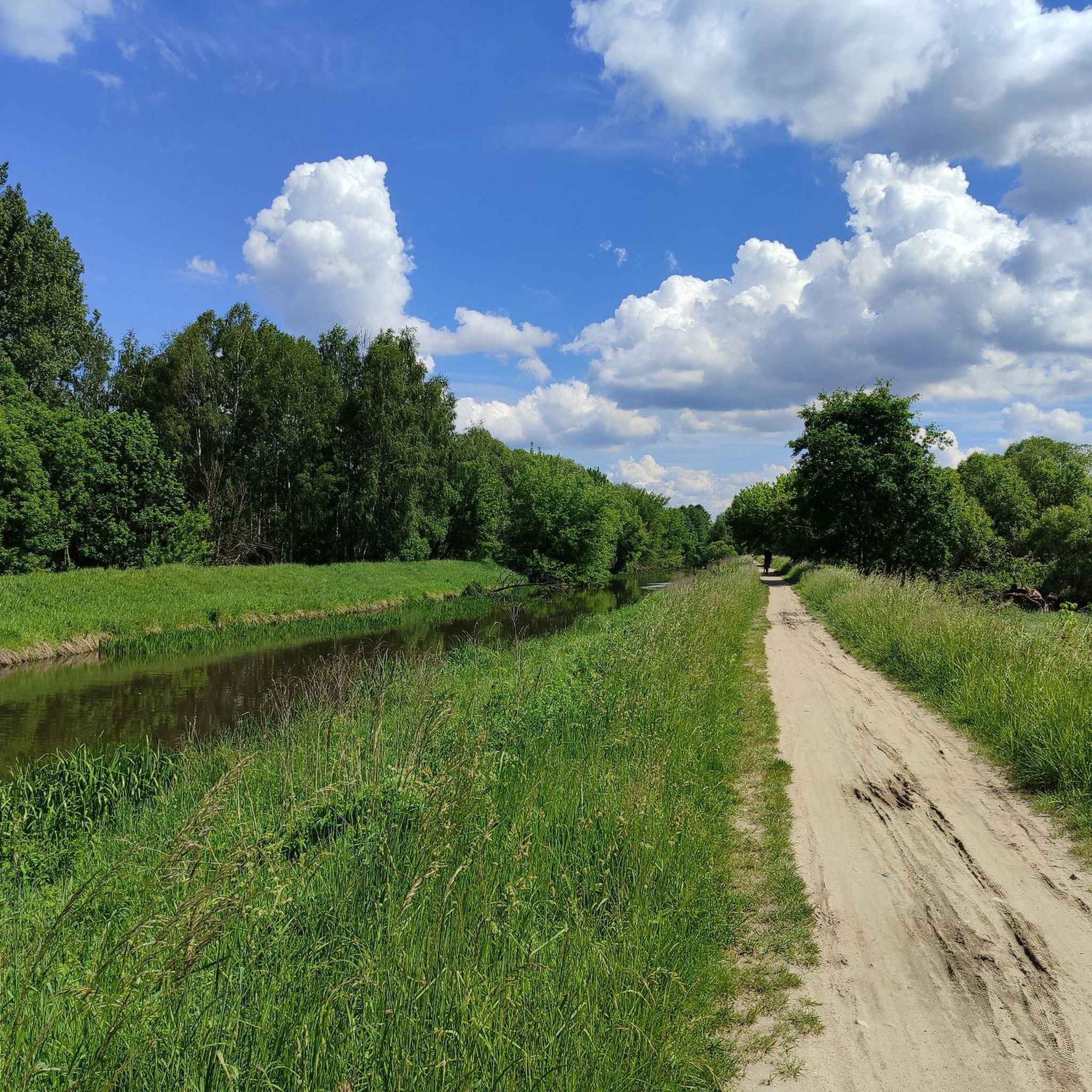
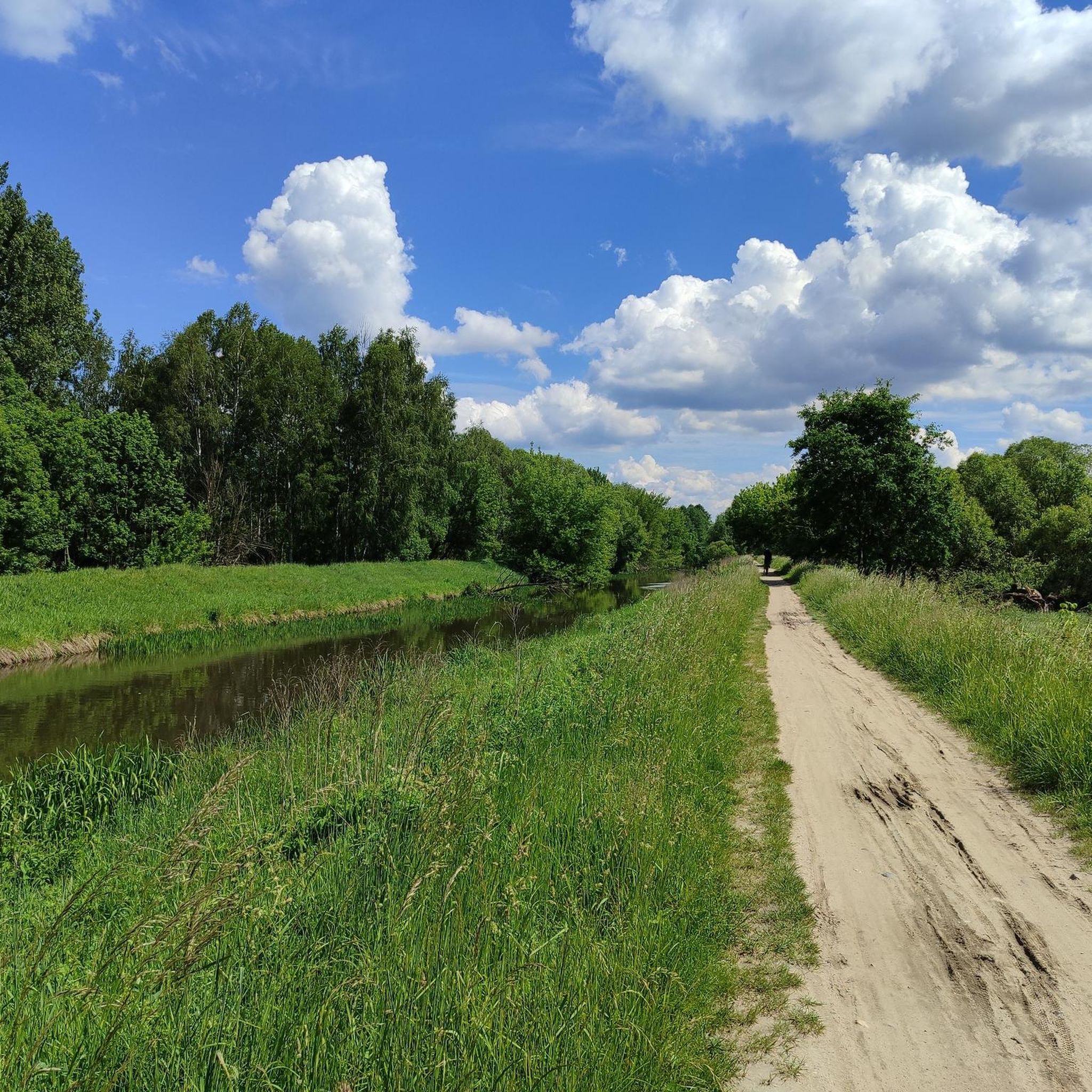
- The most popular natural monuments is Żabie Doły Nature Reserve, a natural monument that features various bird species and murals on bridges. It is…
Last updated: August 9, 2026
Żabie Doły Nature Reserve
Highlight • Natural Monument
Translated by Google •
Tip by

MEGALITHS from Bukowa Góra
Highlight • Historical Site
It has just …
Translated by Google •
Tip by

Sign up now to discover places like this
Get recommendations on the best single tracks, peaks, & plenty of other exciting outdoor places.
Sign up for free
19th Meridian East Monument – Silesian Park
Highlight • Monument
Translated by Google •
Tip by

Spring and Cross by the Promenade
Highlight • Natural Monument
Translated by Google •
Tip by

Fountain in Kuronia Park
Highlight • Structure
Translated by Google •
Tip by

Sign up for free to discover even more natural monuments around Będzin.
Sign up for free
Already have an account?
Start today with a free account
Your next adventure awaits.
Login or Signup

Tips from the Community

During my visit to the mountain, I had the pleasure of meeting Mr. Maciej, a guide, who recorded a very interesting material about this place https://youtu.be/7ll4xYFyk34?si=ghWUFmwA5MwMdEuE
0
0

Fountain with colorful illumination in the middle of the Round Pond in Kuronia Park. Access via asphalt paths, looks best after dark 🙂
0
0

The murals were removed when the new viaduct was built.
0
0

Probably in 1873 the three emperors sealed their alliance with water from this spring (due to lack of wine).
0
0

The 19th meridian of eastern longitude divides Poland into two equal parts and passes through the Silesian Park, and more precisely through the Planetarium Avenue
0
0

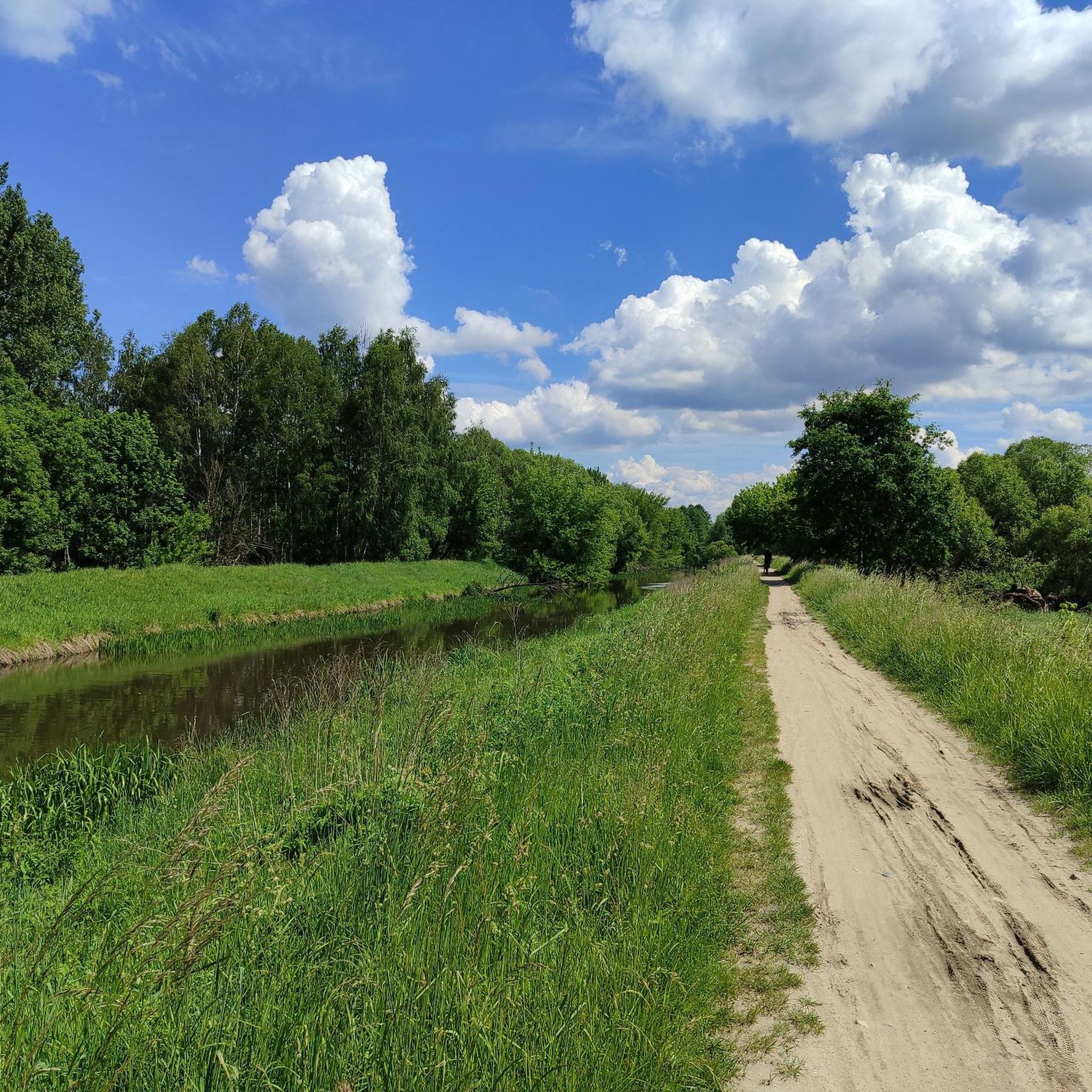
A tragic place, driving over sharp stones and debris can end the ride before it even begins. The section to Bytom is full of garbage, glass, holes and puddles under the bridges. Like in a landfill. Glinianki is quite nice, but not worth the drive. I avoid it as much as I can, but sometimes it's impossible🤨
2
2

It's nice to combine a ride through Żabie pits with a ride through Park Śląski
4
0

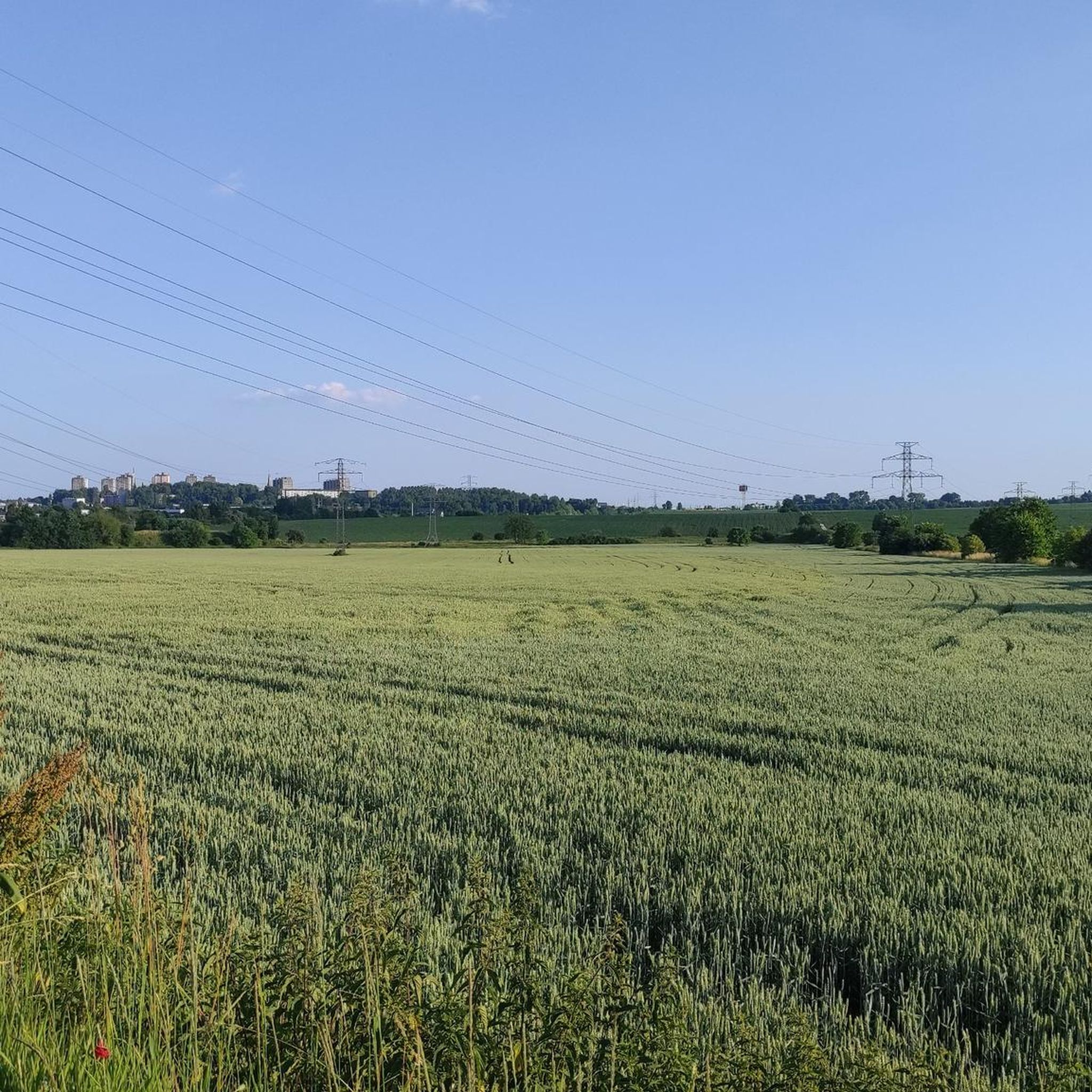
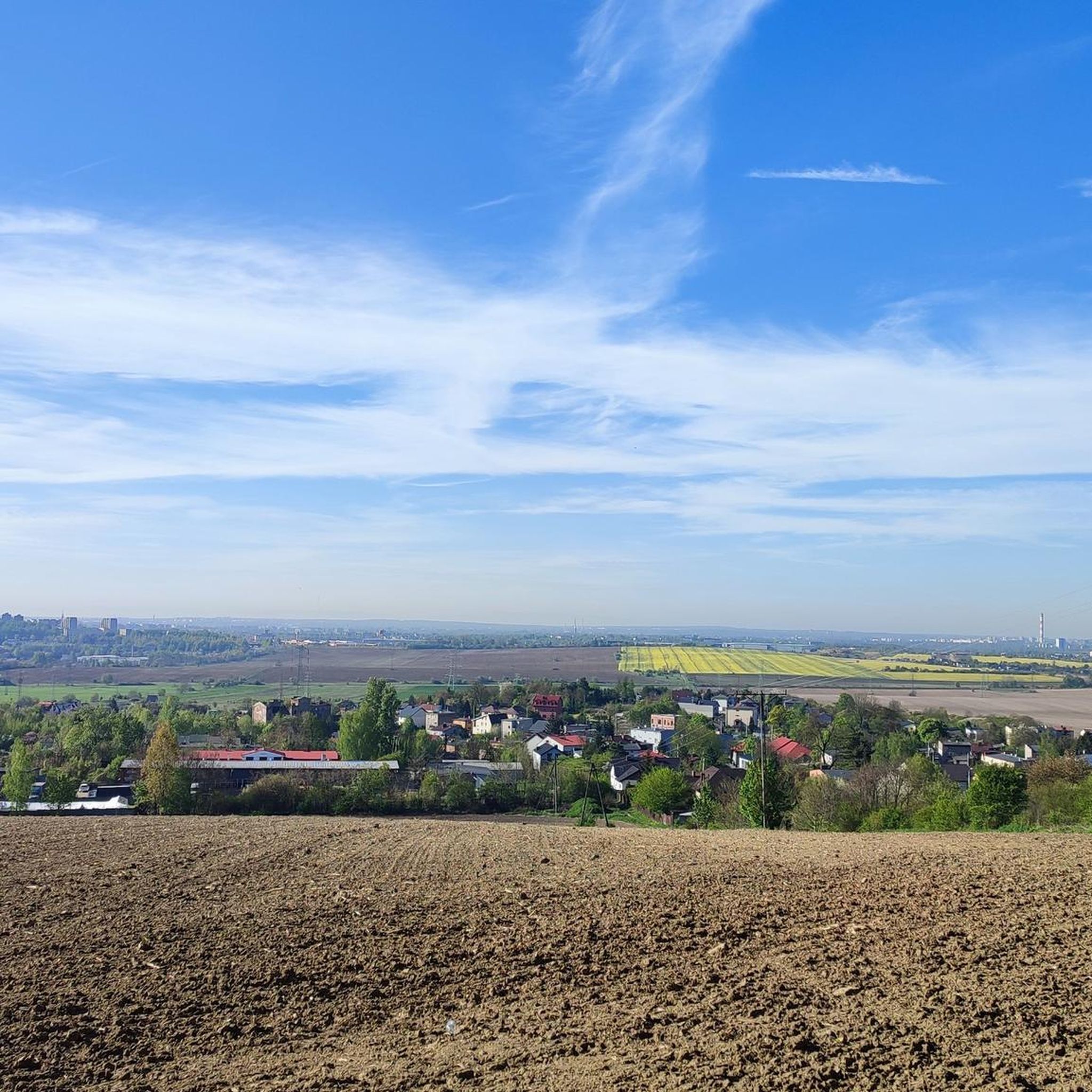
The sensational, almost epoch-making discovery of traces of life on Mount Bukowa in Dąbrowa Górnicza raises more and more interest in the country and in the world. It has just turned out that the results of recent research confirmed a burial from the 7th or 8th century in this place. And this is only the beginning, because the Neolithic site, dated much earlier, still holds many secrets. This work will take years, maybe decades. With each new discovery, with each confirmed sample, we learn more. So when did man first appear on Mount Bukowa and what was he doing there? This should be discovered with further research. The Neolithic site is made up of rock slabs arranged vertically in a shape similar to a circle, as well as blocks and fragments of rocks constituting cobblestones. They are the result of human activity thousands of years ago. The study area is located at an altitude of 357-366 meters above sea level. What rock was this building made of? Observations indicate that these are diploporic dolomites, formed in a shallow, warm sea in the Middle Triassic, about 240 million years ago. These rocks occur in the form of several shoals on the flat top surface of Bukowa Góra. The people who came to this place several thousand years ago used the natural divisibility of these rocks and perhaps built a temple from the obtained blocks on a steep mountain perch protruding to the west. Below, there are ore-bearing dolomites, which do not give rock blocks, but contain metal ores, as evidenced by the numerous remains of medieval mining at the foot of Bukowa Góra. https://dabrowagornicza.naszemiasto.pl/dabrowa-gornicza-sensacyjne-odcisk-na-gorze-bukowa-to/ar/c1-8917431 https://www.youtube.com/watch?v=wuhKYEQhB3s
6
0
Frequently Asked Questions
What kind of natural features can I expect to see around Będzin?
Będzin offers a diverse range of natural features, from protected landscape areas like Góra Świętej Doroty and Las Grodziecki to unique geological formations and ancient trees. You can explore expansive forests, kserothermic grasslands, and areas with natural springs. The region is also home to several monumental trees, particularly within Ciechanowski Park and Mieroszewski Palace Park.
Are there any unique geological formations to explore in Będzin?
Yes, Będzin features interesting geological formations. Góra Świętej Doroty is composed of middle Triassic limestones and dolomites. Additionally, you can visit MEGALITHS from Bukowa Góra, a site featuring rock slabs arranged vertically, believed to be a Neolithic site from thousands of years ago, made of diploporic dolomites formed about 240 million years ago.
Where can I observe wildlife in Będzin's natural monuments?
For wildlife observation, Żabie Doły Nature Reserve is an excellent choice, known for its various bird species. Las Grodziecki is also a vital refuge for diverse forest fauna, including common buzzards, goshawks, ravens, woodpeckers, hawfinches, roe deer, foxes, and wild boars.
Are there any natural springs or water sources in the area?
Yes, Będzin has several natural springs. On the eastern slope of Góra Świętej Doroty, you can find a historical healing spring. There's also Saint James Spring, a small, atmospheric hideaway in the forest where pure water gushes, and the Spring and Cross by the Promenade.
What outdoor activities are available near Będzin's natural monuments?
The natural monuments around Będzin offer various outdoor activities. You can enjoy hiking, cycling, and mountain biking. For specific routes, explore the Hiking around Będzin guide, the Gravel biking around Będzin guide, or the MTB Trails around Będzin guide.
Are there hiking trails suitable for different skill levels?
Yes, there are hiking trails for various skill levels. For easy walks, consider routes like 'Deer in Grodziecki Forest' (4.4 km) or 'Grodziecki Forest loop' (6.4 km). Góra Świętej Doroty also offers popular routes like the Polish Hussars' Route and the Via Regia trail. You can find more details in the Hiking around Będzin guide.
Do any natural monuments in Będzin have historical significance?
Many natural monuments in Będzin are intertwined with history. Góra Świętej Doroty was a pagan cult site and later the location of a 17th-century church, with archaeological evidence of a Lusatian culture settlement. The MEGALITHS from Bukowa Góra are a Neolithic site. The historic park surrounding Mieroszewski Palace also blends natural splendor with historical architecture.
Are there family-friendly natural monuments around Będzin?
Yes, several natural monuments are suitable for families. Ciechanowski Park, with its monumental trees, offers a serene environment for strolls. Las Grodziecki features an educational nature path with informative boards. The 19th Meridian East Monument – Silesian Park is also categorized as family-friendly.
What is the 19th Meridian East Monument?
The 19th Meridian East Monument – Silesian Park is a man-made monument that marks the 19th meridian of eastern longitude, which passes through Silesian Park. It's a unique spot where you can stand on a significant geographical line that divides Poland into two equal parts.
What do visitors enjoy most about Będzin's natural monuments?
Visitors particularly enjoy the diverse natural beauty and the opportunities for active recreation. The panoramic views from Góra Świętej Doroty are highly appreciated. Many find places like Żabie Doły Nature Reserve charming for hiking and biking, noting the various bird species and unique murals. The historical and geological significance of sites like the MEGALITHS from Bukowa Góra also captivates visitors.
Can I find monumental trees in Będzin?
Absolutely. Ciechanowski Park is home to 20 officially designated natural monument trees, including impressive Pedunculate Oaks, Japanese Pagoda Trees, Common Beeches, and many more species, valued for their age and size. The historic Mieroszewski Palace Park also features old, towering trees like plane trees, tulip trees, and hickories.
Is Góra Świętej Doroty suitable for hiking and does it offer good views?
Yes, Góra Świętej Doroty is an excellent destination for hiking and offers superb views. Standing at 382 meters, it's the highest point in Będzin, providing panoramic vistas of the Zagłębie and Silesia regions from various viewpoints. It's a popular spot for both recreational hikers and pilgrims.
Most popular routes around Będzin
Most popular attractions around Będzin

Get inspired with the komoot mobile app


Explore more
Extend your search for the best caves by checking out these guides of the top ones around Będzin:
