Top 4 Natural Monuments around Pruszcz Gdański
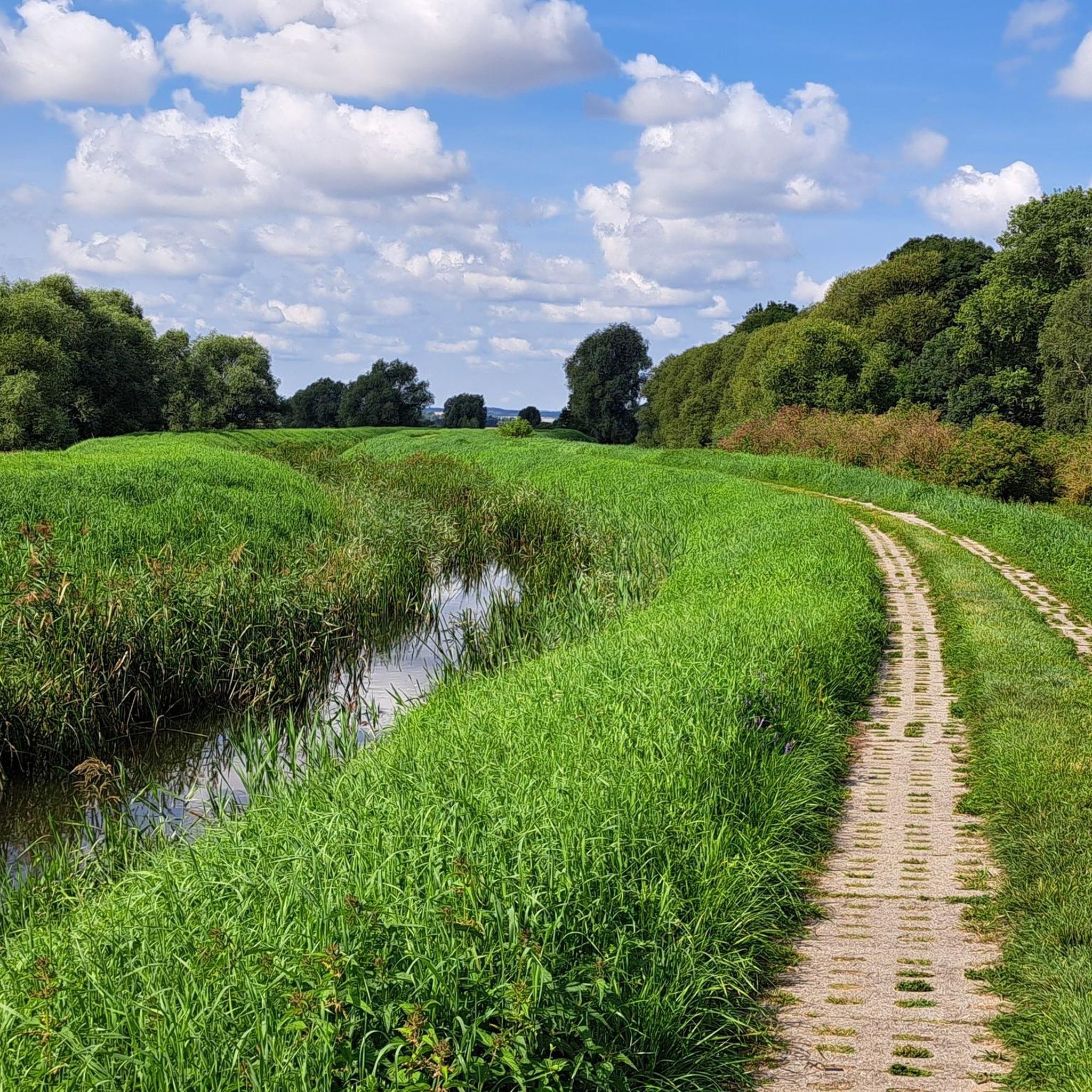
Best natural monuments around Pruszcz Gdański are shaped by its location within the unique Żuławy Wiślane region and the Radunia River. Pruszcz Gdański is situated at the border of the Żuławy Wiślane, a low-lying delta area characterized by rivers, canals, and fertile soils. The Radunia River, a significant tributary, flows through diverse landscapes, including a notable gorge section upstream. This area offers varied natural features for exploration.
Best natural monuments around Pruszcz Gdański
- The most popular natural monuments is Lake…
Last updated: June 29, 2026
Lake Otomińskie
Highlight • Lake
Translated by Google •
Tip by

Millennium Tree Monument (Pomnik Tysiąclecia Gdańska)
Highlight • Monument
The commemorative plaque on the "Millennium Tree" commemorates 1000 years of the city of Gdańsk!
Translated by Google •
Tip by

Sign up now to discover places like this
Get recommendations on the best single tracks, peaks, & plenty of other exciting outdoor places.
Sign up for free
Góra Gradowa (Gradowa Hill) Viewpoint
Highlight • Viewpoint
Translated by Google •
Tip by

Bursztynowa Góra Nature Reserve
Highlight • Natural Monument
Translated by Google •
Tip by

Urban Microforest in Orunia Górna
Highlight • Forest
Translated by Google •
Tip by

Start today with a free account
Your next adventure awaits.
Login or Signup

Tips from the Community

Unfortunately, the name of this highlight isn't quite accurate. The tree is made of steel and, sadly, less than 1,000 years old. The monument honoring Gdansk's Millennium is shaped like a metal tree and was erected in 1997. The tree symbolizes the solidarity of people from different countries around the world.
0
0

Reserve, information board with interesting information about history and genesis. Easy access - I recommend.
0
0

A micro forest planted in 2024 in the middle of the estate, by a small water reservoir. It is an ecological element of the City of Gdańsk project.
0
0

Great viewing point and easy to reach from the train station.
0
0

Creative tree sculpture made of stainless steel! The commemorative plaque on the "Millennium Tree" commemorates 1000 years of the city of Gdańsk!
7
0

Nice beach. Beautiful oaks growing above it. There are plenty of walking and cycling paths in the area.
0
0

A great place to unwind. There is a path leading to the opposite shore of the lake.
0
0

The Grodzisko ( German Hagelsberg ) is a 46 meter high elevation in Gdansk in Poland. It is located in the Śródmieście District (downtown) on the outskirts of the Main Town (Główne Miasto). The elevations on the outskirts belong to the Baltic ridge, an ice-age moraine. To the south, Biskupia Górka (Bishop's Hill) rises to a height of 60 meters. The Wzgórze Kawowe (Coffee Hill) near Oliwa (Oliva) reaches 115 meters. The hill is one of the first settled places in the city area. Findings of numerous coins from the 9th and 10th centuries and traces of pre-Christian burials support this thesis. The Hagelsbergh (Góra Gajowa) was first mentioned in 1385. The current name was set in 1949, before that it was called Góra Gradowa. It was property of the Teutonic Order and was on the road that led along the Potok Siedlecki (Temple Castle Water) to the main town. Between 1655 and 1668 Georg von Strackwitz had two bastions of the Danzig Fortress (Twierdza Gdańsk) built on the Hagelsberg. After the surrender of the Prussian occupation, the French built a reduit in 1811. After the occupation of Gdańsk, they continued to expand the fortifications from 1807 to 1813. A reduit was built on the Hagelsberg in 1811. Between 1867 and 1874 the works underwent thorough reconstruction in the New Prussian style. The main radio station of the garrison, which has existed since 1913, was used by the radio station of the Free City of Danzig from 1926 to 1945. Part of the fortifications were demolished for use as a park, and the buildings were converted into apartments. After 1945 the buildings were used by the Milicja Obywatelska (MO). Since 1997 the area has been laid out as a park. The cultural park "Twierdza Gdańsk" was transformed into "Centrum Hewelianum" in 2009. The interdisciplinary training center has been called "Hewelianum" since October 2018 and is located in the fortifications. The 16-metre high Millennium Cross by Jacek Łuczak on the Jerusalem bastion commemorates two millennia of Christianity and the city's thousand-year history. https://de.wikipedia.org/wiki/Grodzisko_(Gda%C5%84sk)
3
0
Frequently Asked Questions
What unique natural features define the landscape around Pruszcz Gdański?
The natural landscape around Pruszcz Gdański is significantly shaped by the Radunia River and its location within the unique Żuławy Wiślane region. The Radunia River offers diverse characteristics, from tranquil sections to a notable gorge, while Żuławy Wiślane is a low-lying delta area with numerous rivers, canals, and fertile soils, often referred to as 'mini Holland'.
Are there any significant lakes to visit near Pruszcz Gdański?
Yes, Lake Otomińskie is a popular natural monument located at the eastern end of the Kashubian Lake District, in the valley of the Radunia River. It's surrounded by beech forests with ancient oaks and serves as a recreational spot for anglers and visitors.
Can I explore river gorges or nature reserves in the area?
Yes, the Radunia River features a canyon section known as the 'Radunia River Gorge' or 'Jar Rzeki Raduni' reserve, located upstream from Pruszcz Gdański. While challenging for canoeists in its central section, it can be explored on foot via a marked tourist trail. Additionally, you can visit Bursztynowa Góra Nature Reserve, which offers easy access for exploration.
What outdoor activities can I do near these natural monuments?
The region offers varied outdoor activities. The flat terrain of Żuławy Wiślane is excellent for cycling, with picturesque routes along its waterways. The Radunia River provides opportunities for kayaking. For cycling, you can explore various routes mentioned in the nearby guides, such as Road Cycling Routes around Pruszcz Gdański, MTB Trails around Pruszcz Gdański, and Gravel biking around Pruszcz Gdański.
Are there family-friendly natural monuments around Pruszcz Gdański?
Several natural monuments are suitable for families. Lake Otomińskie is a popular spot for rest and recreation. Góra Gradowa (Gradowa Hill) Viewpoint offers historical fortifications and views that can be interesting for families. The Bursztynowa Góra Nature Reserve and the Urban Microforest in Orunia Górna are also considered family-friendly.
Do any natural monuments have historical significance?
Yes, Góra Gradowa (Gradowa Hill) Viewpoint in Gdańsk is a 46-meter high elevation with historical fortifications dating back centuries, including bastions of the Danzig Fortress. It also features an interdisciplinary training center. The Radunia River itself has historical significance with its 14th-century Radunia Canal built by the Teutonic Knights and a cascade of historic water power plants.
When is the best time to visit the natural monuments around Pruszcz Gdański?
The natural monuments can be enjoyed throughout the year, but each season offers a different experience. Spring and summer are ideal for water activities and cycling. Autumn is particularly noted for the picturesque beauty of the Radunia River, surrounded by meadows and forests. For cycling, any period with good weather is suitable due to the flat terrain of the Żuławy region.
What are the terrain characteristics of the natural areas?
The terrain varies significantly. The Żuławy Wiślane region is characterized by its flat, low-lying delta landscape, making it excellent for easy cycling. The Radunia River, however, offers diverse terrain, from tranquil sections to challenging, fast-flowing stretches and a deep gorge. Góra Gradowa is a 46-meter high elevation, part of the Baltic ridge, an ice-age moraine.
Are there any natural monuments accessible for wheelchairs?
The Millennium Tree Monument, a creative steel sculpture commemorating 1000 years of Gdańsk, is noted as wheelchair accessible.
What do visitors enjoy most about the natural monuments in this region?
Visitors appreciate the diverse natural beauty, from the serene waters of Lake Otomińskie, a favorite spot for anglers and relaxation, to the historical views from Góra Gradowa (Gradowa Hill) Viewpoint. The easy access and interesting information at Bursztynowa Góra Nature Reserve are also highly valued. The unique cultural landscape of Żuławy Wiślane and the varied character of the Radunia River provide a tranquil and engaging experience.
Are there opportunities for water tourism in the Żuławy Wiślane region?
Yes, the Żuławy Wiślane region, with its extensive network of rivers and canals, is well-suited for water tourism. You can enjoy activities like kayaking along its waterways or exploring the 'Żuławy Loop' waterway by houseboat, offering a unique perspective of this 'mini Holland' landscape.
Most popular routes around Pruszcz Gdański
Most popular attractions around Pruszcz Gdański

Get inspired with the komoot mobile app


Explore more
Extend your search for the best caves by checking out these guides of the top ones around Pruszcz Gdański:
