Top 4 Natural Monuments around Hyżne
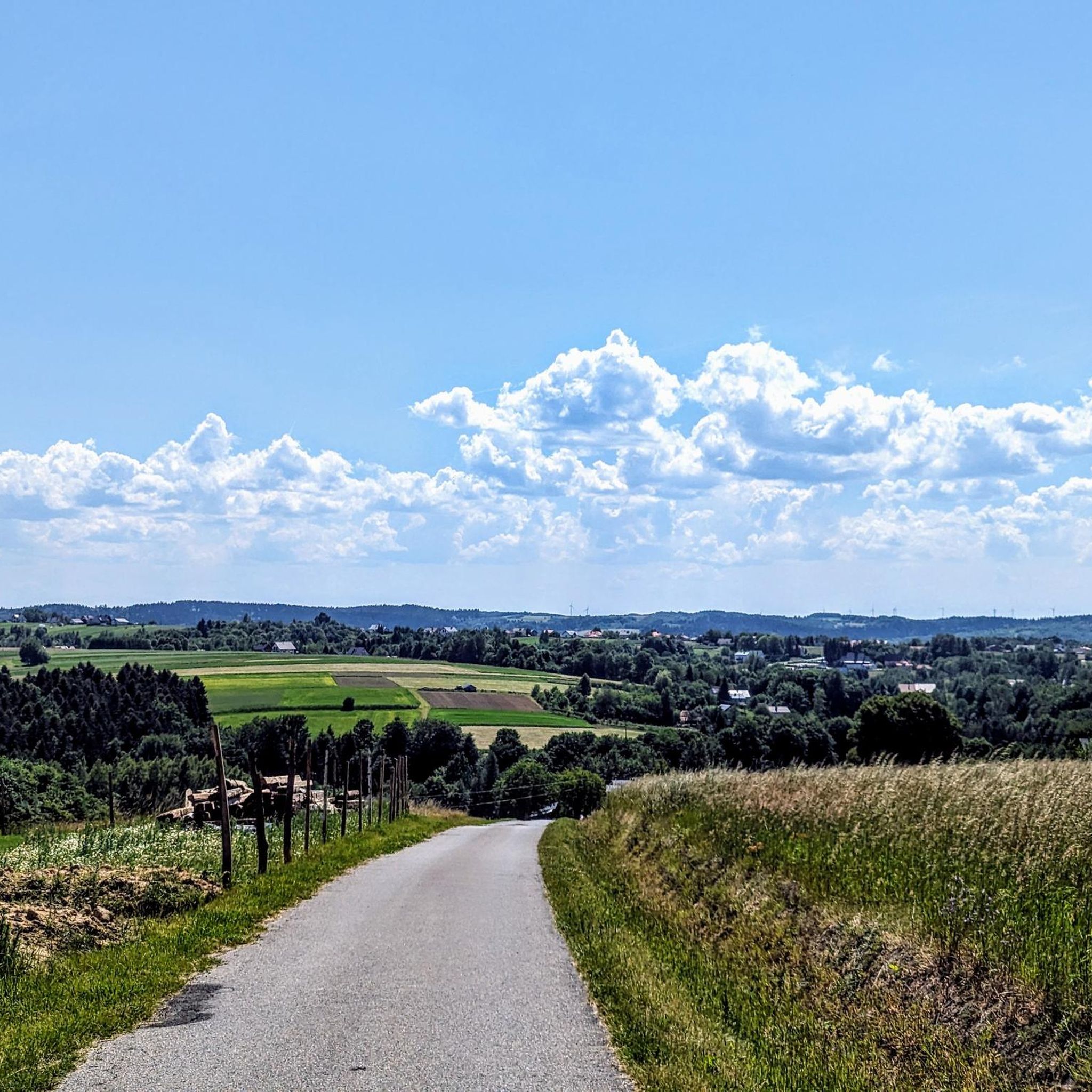
Best natural monuments around Hyżne include diverse natural sites and protected areas. The region features a landscape characterized by forests, wetlands, and valleys, offering opportunities for outdoor exploration. These areas are recognized for their ecological importance, protecting specific tree species and wildlife. Visitors can find various trails and viewpoints that showcase the natural environment surrounding Hyżne.
Best natural monuments around Hyżne
- The most popular natural monuments is Studzianka Chapel and Miraculous Spring, a religious building and other natural site…
Last updated: June 29, 2026
Chapel in the Well and Miraculous Spring
Highlight • Religious Site
Showing Translation
Tip by

Mójka Nature Reserve
Highlight • Forest
Two nature trails run through the reserve: one …
Translated by Google •
Tip by

Sign up now to discover places like this
Get recommendations on the best single tracks, peaks, & plenty of other exciting outdoor places.
Sign up for free
Brodoszurki Nature Reserve
Highlight • Natural Monument
Translated by Google •
Tip by
View of Rzeszów from Matysa Hill
Highlight • Viewpoint
Translated by Google •
Tip by

Husówka Nature Reserve Educational Trail
Highlight (Segment) • Trail
Translated by Google •
Tip by
Sign up for free to discover even more natural monuments around Hyżne.
Sign up for free
Already have an account?
Start today with a free account
Your next adventure awaits.
Login or Signup
Tips from the Community

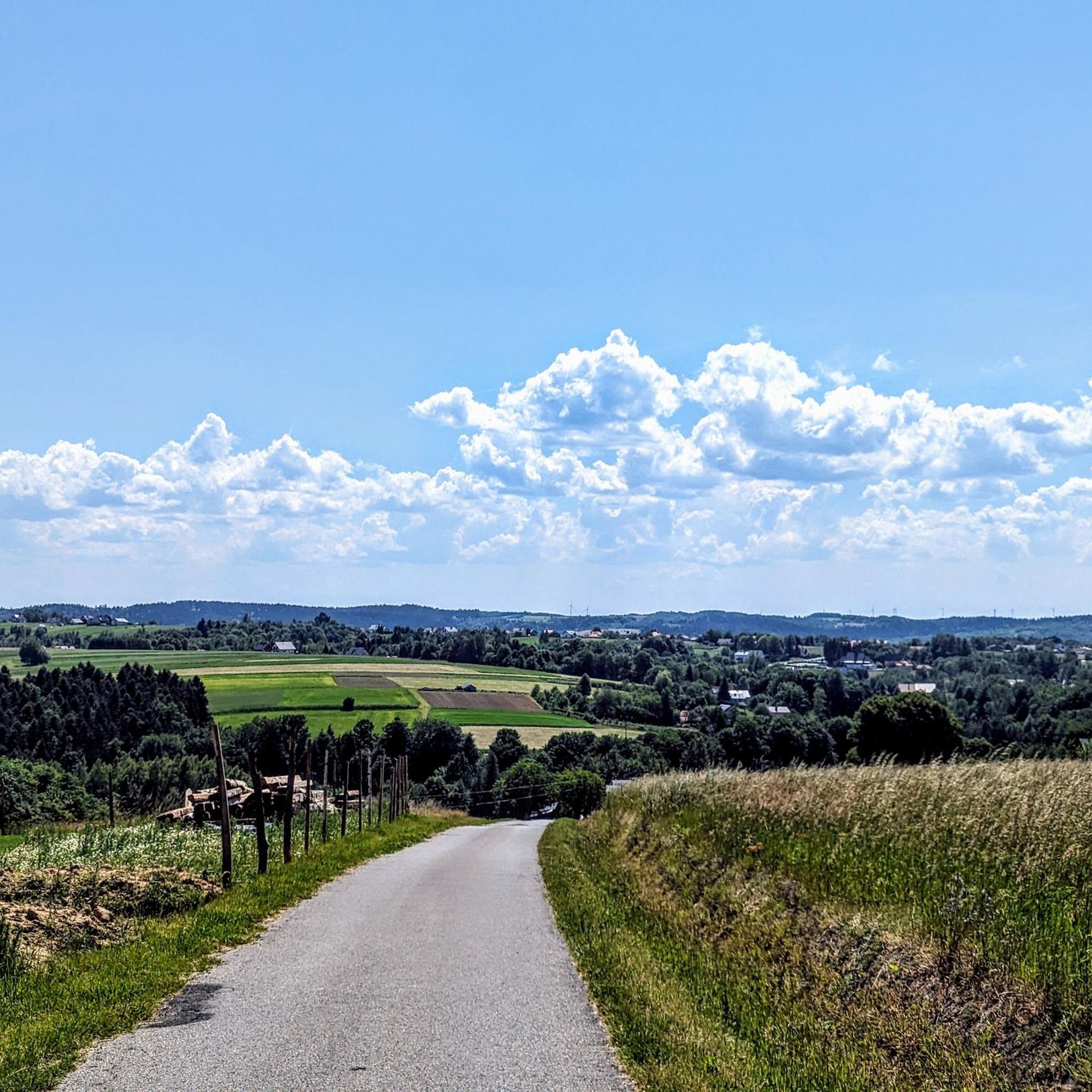
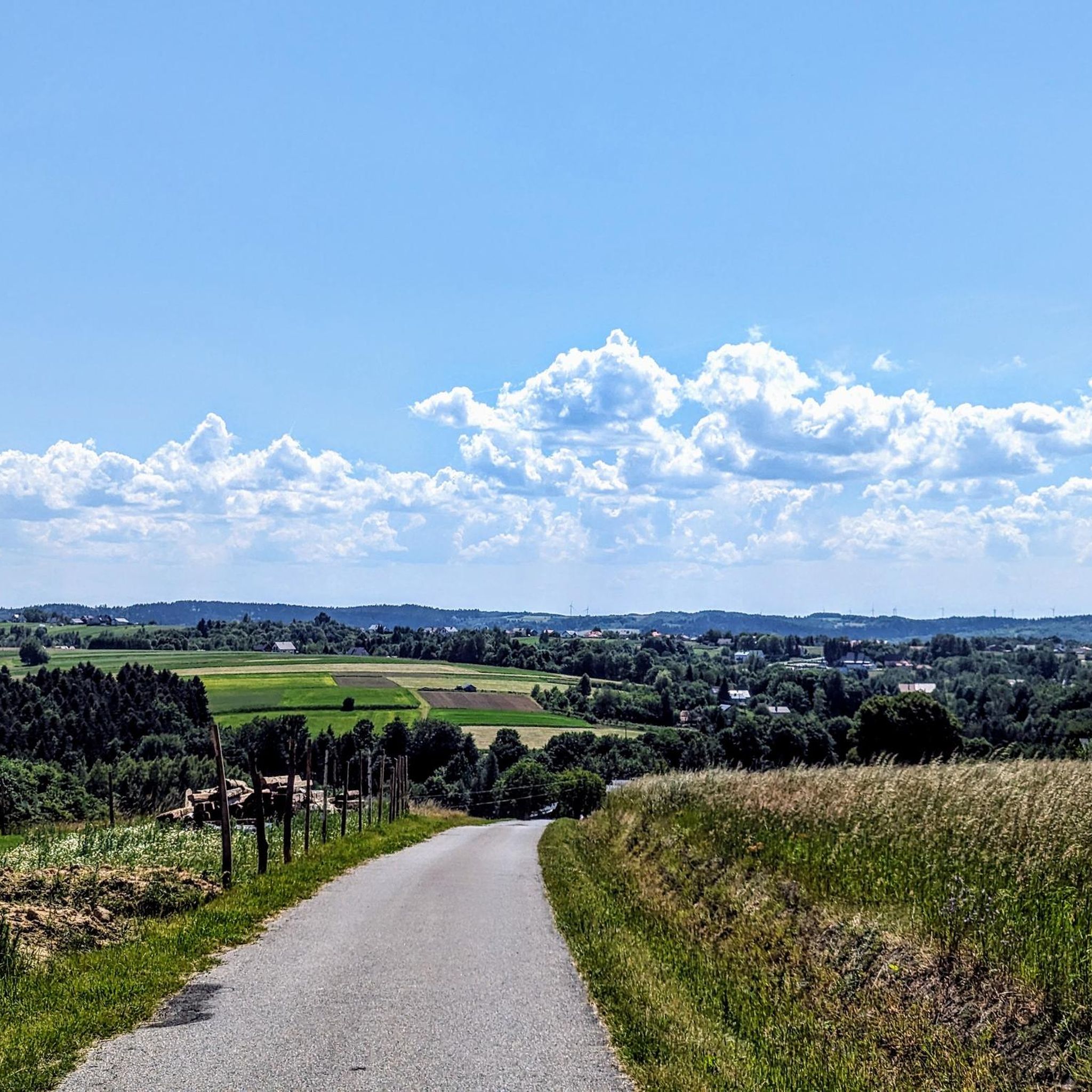
Matys Hill (300) is one of the best places to see the panorama of Rzeszów. The hill itself is a bit out of the way; you can recognize it by a tall cross. Unfortunately, the land right next to the cross was bought by a private person, which makes it more difficult to climb the hill - although it is possible
0
0

Studzianka is a chapel in Przylasku, near Rzeszów, known for the sanctuary of Our Lady of Studzianka. A legend says that the Virgin Mary saved the locals from a Tatar raid in 1624. The chapel seen today was built in 1995, and the area around it was also redesigned. The chapel is particularly known for its healing spring water, from which pilgrims come to draw water and pay homage to Our Lady of Studzianka.
1
0

The Mojeka nature reserve was established in 196 to protect the beech and fir forest and the beaver living in wetland communities. Two nature trails run through the reserve: one loop - the Beaver Trail and two loops - the Deer Trail.
1
0
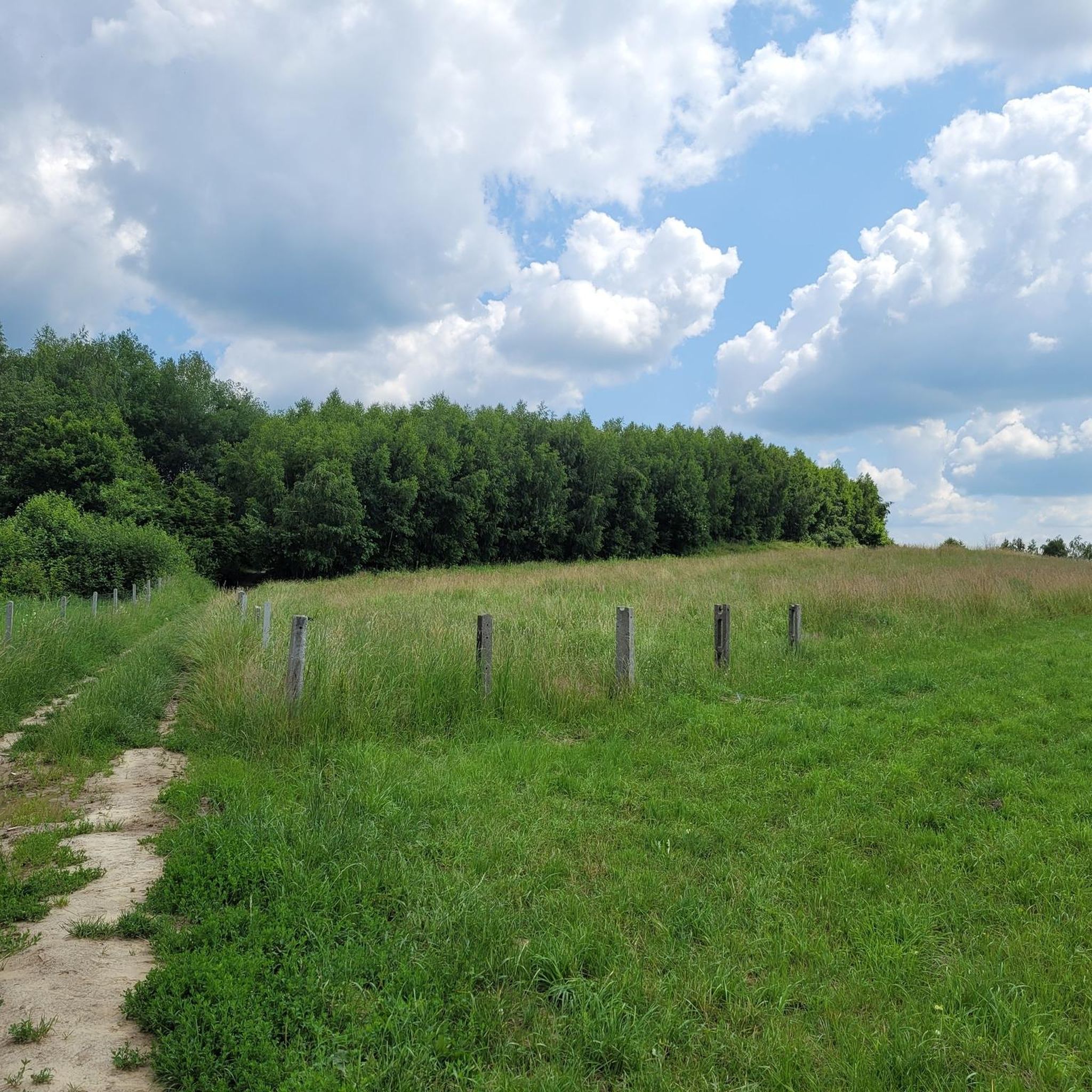
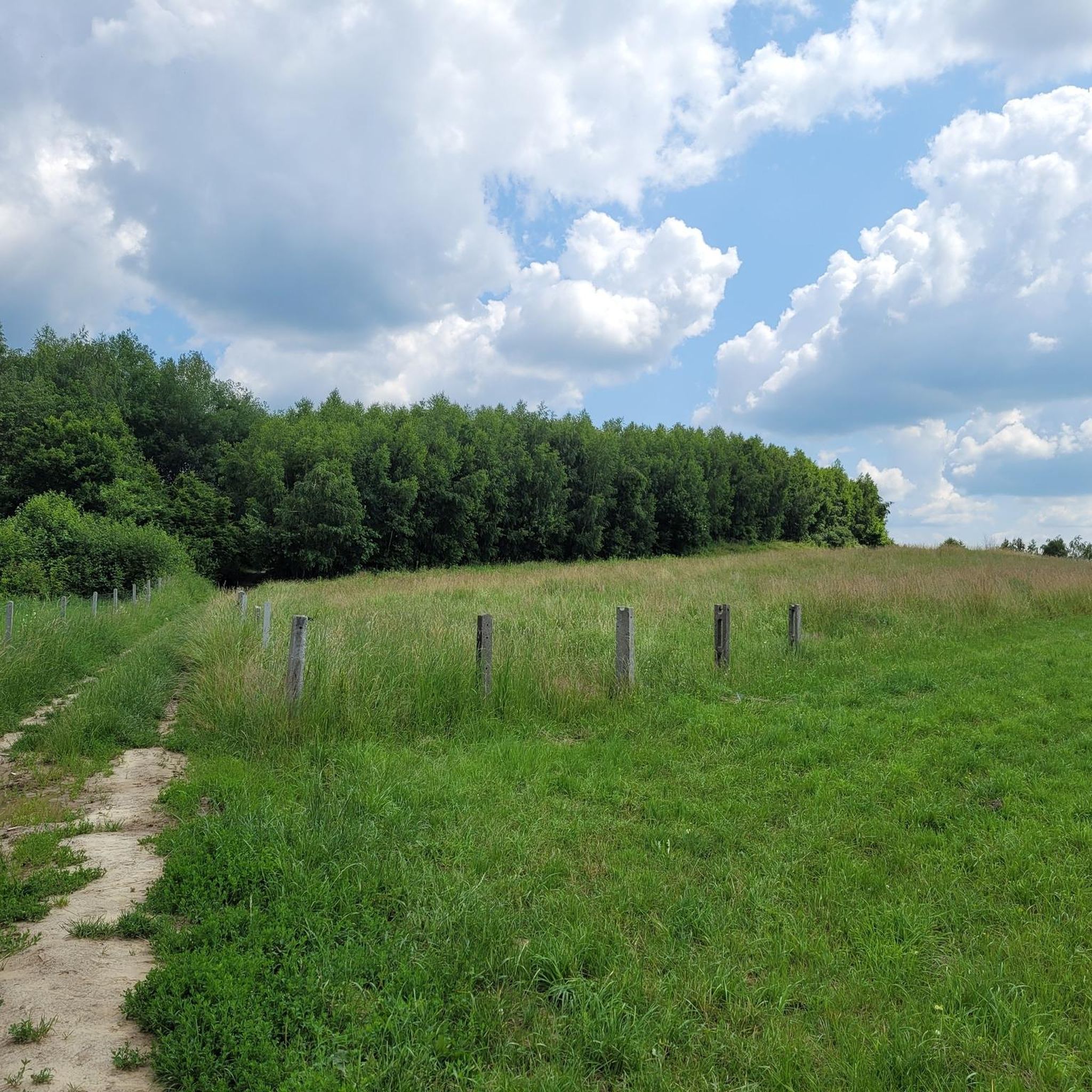
An educational trail in the Husówka nature reserve, established in 1995 to protect the natural site of the southern kłokoczka (a tree with white flowers). In addition, we can observe oak-hornbeam forests, beeches and old larch trees here. The educational trail is 1 kilometer long and equipped with educational boards.
1
0
The Mojeka nature reserve was established in 196 to protect the beech and fir forest and the beaver living in wetland communities. Two nature trails run through the reserve: one loop - the Beaver Trail and two loops - the Deer Trail.
2
0
The Brodoszurki nature reserve was established in 1996 in order to preserve, for scientific, educational and landscape reasons, well-developed peat bog communities with a large number of protected plants. The reserve is located within the boundaries of the Przemyśl Foothills Landscape Park and the Natura 2000 area. The "Three paths of identity - environment, history, culture" tourist route runs through here.
3
0

A chapel and a spring considered miraculous by the locals. Possibility of free water refill. Masses are held here on Sundays.
0
0
Frequently Asked Questions
What are some of the most notable natural monuments around Hyżne?
The region around Hyżne features several significant natural monuments. Among them, the Mójka Nature Reserve stands out for its protected beech and fir forests and beaver population. Another important site is the Husówka Nature Reserve Educational Trail, which protects the rare southern kłokoczka tree. Visitors also appreciate the Studzianka Chapel and Miraculous Spring, a site of both natural beauty and cultural significance.
What kind of natural features can I expect to see in the natural monuments around Hyżne?
The natural monuments around Hyżne offer diverse natural features. You can explore protected beech and fir forests, observe wetland communities, and discover unique plant species like the southern kłokoczka tree. The region also features natural springs, such as the miraculous spring at Studzianka, and expansive views of the Tatyna and Mleczka valleys from various observation points.
Are there any natural monuments with historical or cultural significance in the area?
Yes, the Studzianka Chapel and Miraculous Spring is a natural monument with deep cultural and historical roots. It's a religious site known for its healing spring water, where pilgrims visit to draw water and pay respects. Masses are held here on Sundays, adding to its spiritual importance.
Are there family-friendly natural monuments around Hyżne?
Absolutely. The Mójka Nature Reserve offers two nature trails, the 'Beaver Trail' and the 'Deer Trail', which are suitable for families to explore. Similarly, the Husówka Nature Reserve Educational Trail is a 1-kilometer path equipped with educational boards, making it an engaging and family-friendly option for learning about local flora.
What kind of trails are available at these natural monuments?
The natural monuments offer various trails for exploration. At Mójka Nature Reserve, you can follow the 'Beaver Trail' (a single loop) or the 'Deer Trail' (two loops) through the forest and wetland habitats. The Husówka Nature Reserve Educational Trail is a 1-kilometer path designed for educational walks, featuring informative boards.
Is there wildlife to observe in the natural monuments around Hyżne?
Yes, wildlife observation is a key feature of some reserves. The Mójka Nature Reserve was established to protect, among other things, a population of beavers residing in its wetland communities. The trails and observation points within the reserve provide opportunities for quiet contemplation and wildlife viewing.
What outdoor activities can I do near the natural monuments around Hyżne?
The region around Hyżne is excellent for outdoor activities. You can enjoy various forms of cycling, including touring and gravel biking, with routes like the 'Gravel Pit Lake Beach – Wisłok Dam loop' or the 'Nefrytowa Street – Fallow Deer Near Krzemienica loop'. For hikers, there are easy trails such as the 'Mójka Deer Trail' and the 'Husówka Nature Reserve Educational Trail'. You can find more details on these activities in the easy hikes around Hyżne guide, the cycling around Hyżne guide, and the gravel biking around Hyżne guide.
Are there specific hiking trails recommended near these natural monuments?
Yes, several hiking trails are easily accessible. The 'Mójka Deer Trail' (6.75 km) and the 'Husówka Nature Reserve Educational Trail' (2.07 km) are both considered easy and offer a great way to experience the natural beauty. Another option is the 'Mójka Nature Reserve – Observation hut loop' (3.33 km). For more options, refer to the easy hikes around Hyżne guide.
What do visitors particularly enjoy about the natural monuments in this region?
Visitors to the natural monuments around Hyżne appreciate the serene natural environments, well-marked trails, and opportunities for wildlife observation. The ecological importance of sites like Mójka Nature Reserve and the unique flora protected in Husówka Nature Reserve Educational Trail are often highlighted. The cultural aspect of the Studzianka Chapel and Miraculous Spring also draws many, with its healing waters and peaceful atmosphere.
Are there any unique natural features protected in these reserves?
Yes, the reserves are dedicated to protecting specific and unique natural features. The Husówka Nature Reserve Educational Trail, for instance, was established to protect the natural site of the southern kłokoczka, a tree known for its white flowers. The Brodoszuki Nature Reserve focuses on preserving well-developed peat bog communities with a large number of protected plants.
Where can I find viewpoints to enjoy the natural scenery around Hyżne?
Beyond the designated natural monuments, the region around Hyżne offers various scenic viewpoints. You can find expansive views of the Tatyna and Mleczka valleys, as well as the Srebrnik area. The Mójka Nature Reserve also includes an observation point with a small shelter, ideal for taking photos or simply enjoying the natural environment.
What is the best time to visit the natural monuments around Hyżne?
The natural monuments around Hyżne can be enjoyed throughout the year, but spring and autumn often offer the most pleasant conditions for hiking and exploring. In spring, you can witness the blooming flora, while autumn brings vibrant fall colors to the forests. Summer is also popular, though it can be warmer. Winter visits are possible, offering a different, serene landscape, especially in the forested reserves.
Most popular attractions around Hyżne

Get inspired with the komoot mobile app


Explore more
Extend your search for the best caves by checking out these guides of the top ones around Hyżne:
