Top 7 Natural Monuments around gmina Dynów
Best natural monuments around gmina Dynów offer a diverse natural landscape characterized by ancient forests, river features, and protected reserves. The region's terrain includes river valleys and forested areas, providing habitats for various flora and fauna. These natural landmarks contribute to the ecological and historical value of the area. Visitors can explore these sites to experience the local biodiversity and natural heritage.
Best natural monuments around gmina Dynów
- The most popular natural monuments is Mójka Nature Reserve, a forest…
Last updated: June 29, 2026
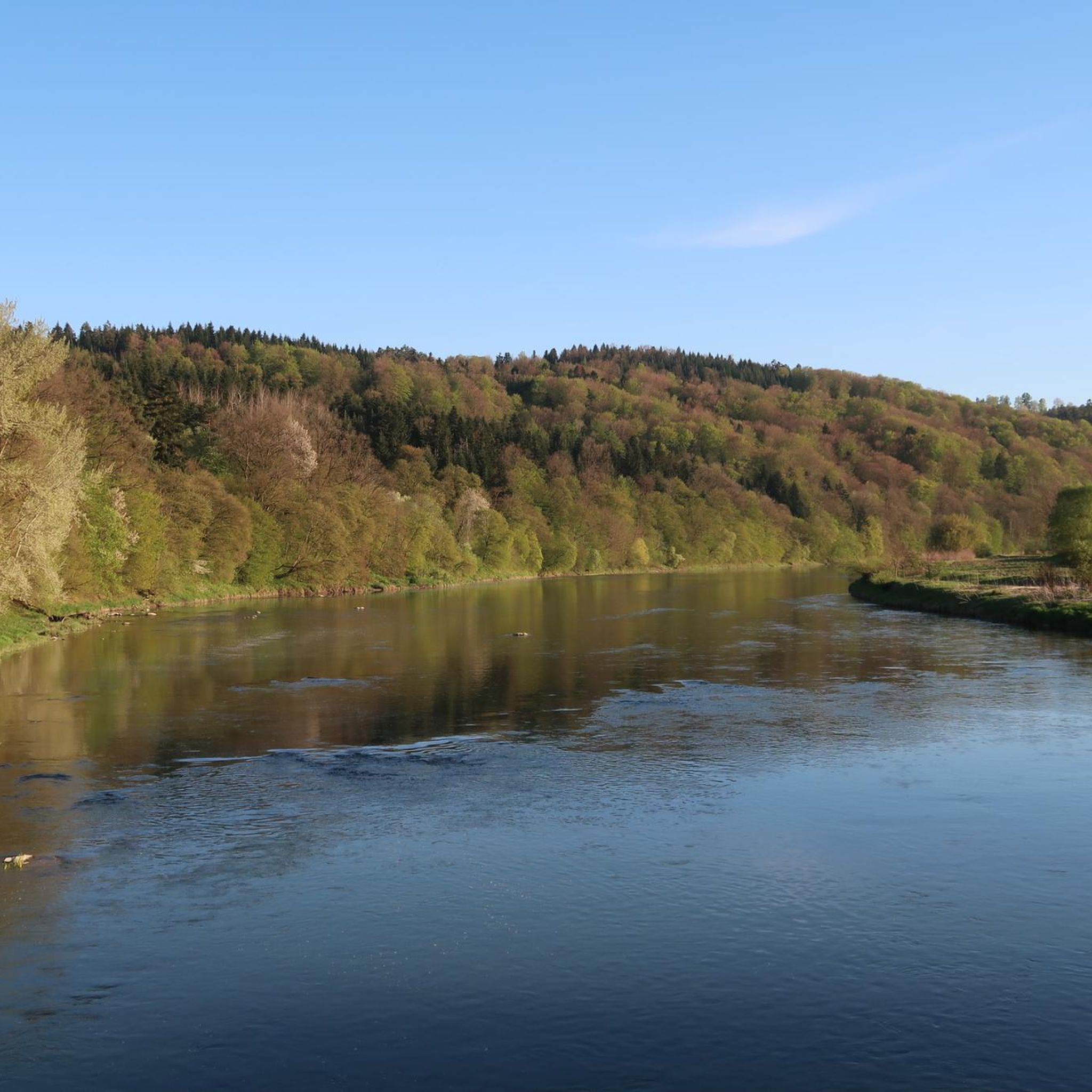
Island and Weir on the San River
Highlight • River
Translated by Google •
Tip by

Mójka Nature Reserve
Highlight • Forest
Two nature trails run through the reserve: one …
Translated by Google •
Tip by

Sign up now to discover places like this
Get recommendations on the best single tracks, peaks, & plenty of other exciting outdoor places.
Sign up for free
Ignacy Krasicki Monument, Dubiecko Castle
Highlight • Monument
Translated by Google •
Tip by
London Plane Tree, Dubiecko Castle Park
Highlight • Natural Monument
Translated by Google •
Tip by
Brodoszurki Nature Reserve
Highlight • Natural Monument
Translated by Google •
Tip by
Sign up for free to discover even more natural monuments around gmina Dynów.
Sign up for free
Already have an account?
Start today with a free account
Your next adventure awaits.
Login or Signup
Tips from the Community

Added to the collection: https://www.komoot.com/de-de/collection/3600632/-naturdenkmaeler-besondere-baeume-und-weitere-schaetze-der-natur
1
0
Added to the collection: https://www.komoot.com/de-de/collection/3600632/-naturdenkmaeler-besondere-baeume-und-weitere-schaetze-der-natur
2
0

According to the Register of Polish Monument Trees, the Dewajtis oak measured in 2013 had a trunk circumference of 5.80 m.
2
0
According to the Register of Polish Monumental Trees, the circumference of this plane tree was 7.07 meters in 2013, and it is known that the circumference of a living tree increases year by year. A photo of the tree with a short description can be found in Krzysztof Borkowski's album POLISH TREES (DALPO, Poznań 2014). Source and more: REGISTER OF POLISH MONUMENTAL TREES - Tree https://share.google/1x8rJT91Tlhe4AGIU https://www.rpdp.hostingasp.pl/Default.aspx
3
0
In the 18th century, known as the century of philosophers, Ignacy Krasicki was born in the castle, later Bishop of Warmia and Archbishop of Gniezno, poet and publicist, one of the main representatives of the Enlightenment in Poland, participant of the famous Thursday dinners of King Stanisław August Poniatowski. (...) Thanks to his intellectual qualities, Ignacy Krasicki was called the prince of poets and with this title he went down in history. Ignacy Krasicki took great care of his family park. From his trips abroad, he often sent his sister-in-law Róża née Charczewski new tree seedlings, which he ordered to be planted in the Dubiecko park with appropriate instructions. Source and more: https://ogrody.podkarpackie.travel/trasy/dubiecko/
1
0
"Dewajtis" is a magnificent oak tree growing in the castle courtyard. During Countess Konarska's life, she could often be found reading her favorite novels in the shadow of its crown. One of them was Rodziewiczówna's novel Dewajtis. This is also how she named her inseparable companion, who has been growing in the castle courtyard for over 300 years, i.e. since the birth of the prince of Polish poets Ignacy Krasicki in this place. The name of the town - Dubiecko, comes from the Russian word "dub", meaning oak, because there were many oaks in this area. Source and more: https://ogrody.podkarpackie.travel/trasy/dubiecko/
2
0
I have never seen such a plane tree in Poland, it has a thick trunk like a baobab from Africa. There are old oaks nearby, but their trunks are inferior to plane trees in terms of thickness. I regret not taking a 15 m measuring tape, so I could measure the circumference of these trees. WW ---------------------------- Over 700 trees (32 species) have been inventoried in the park area. The largest share in the species composition is made up of lime trees, maples, ashes and English oaks. Species of foreign origin also deserve a mention. Here we can list the stately London plane trees, ginkgo biloba and American tulip trees. The plane tree growing in the eastern part of the park has reached a circumference of over 6 m at breast height, which makes it one of the largest trees in Poland. Old trees make up a significant share of the stand and that is why there are over 70 natural monuments here. However, the most eye-catching feature is the stately oak tree growing in the courtyard – the 300-year-old Dewajtis. Source and more: https://ogrody.podkarpackie.travel/trasy/dubiecko/
3
0

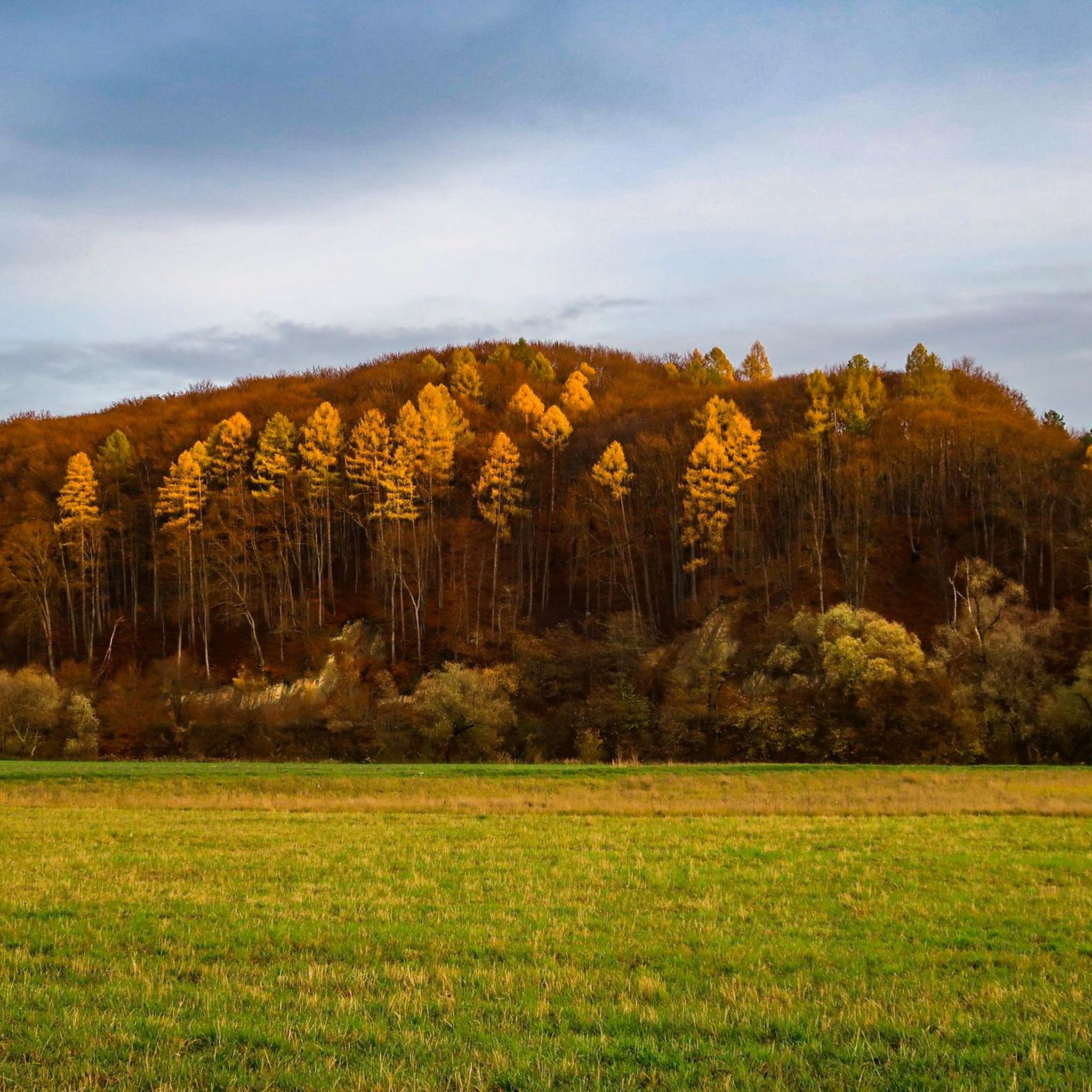
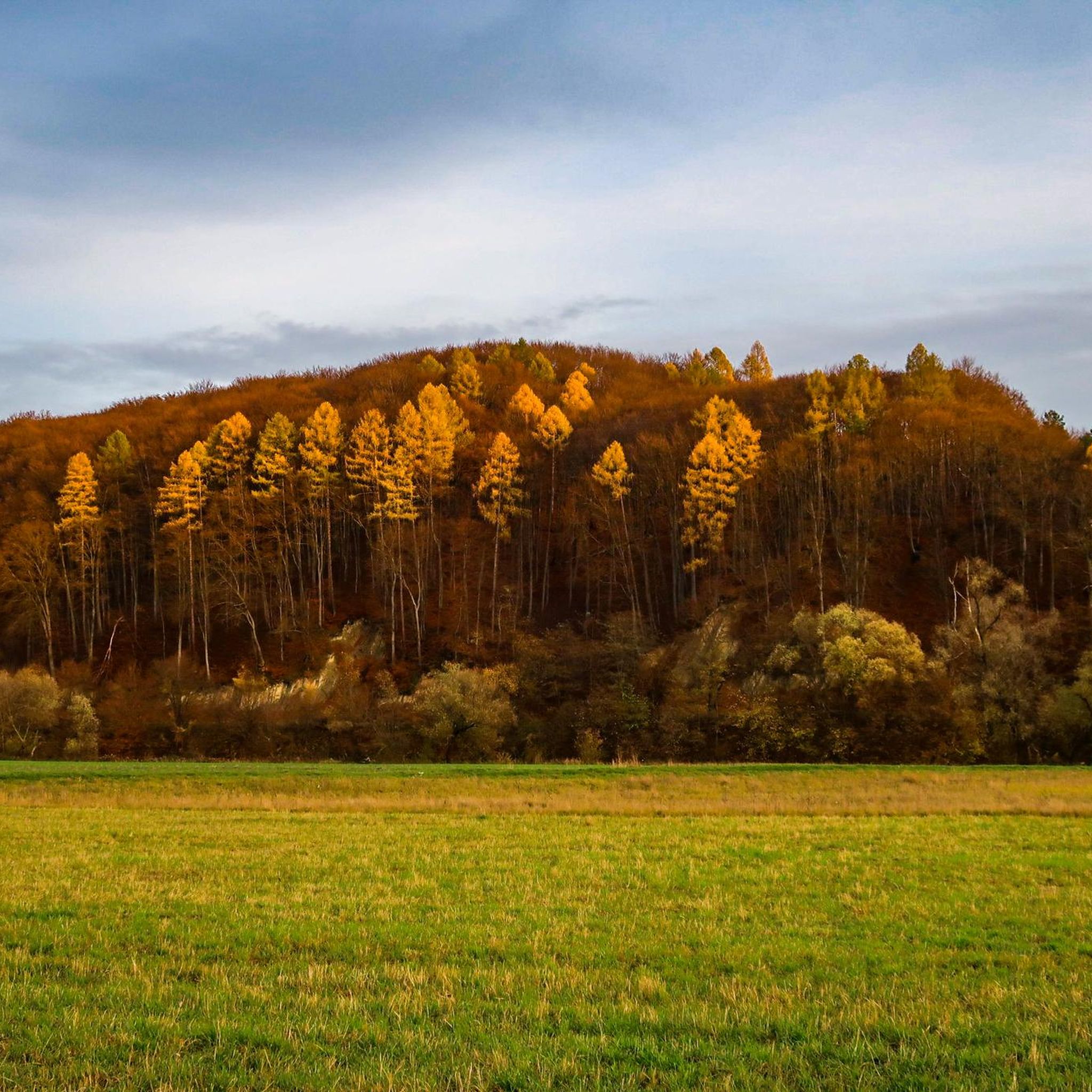
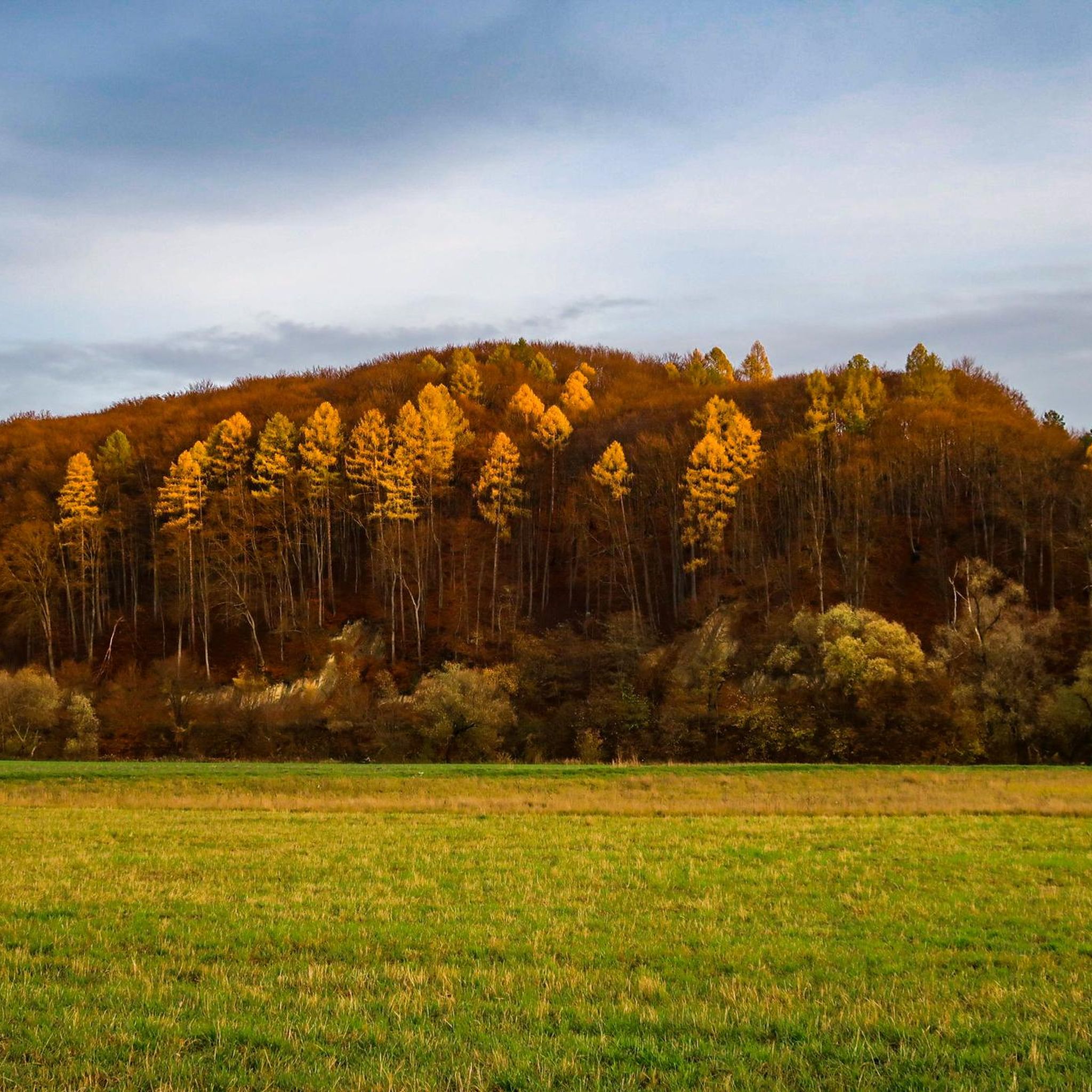
The Mojeka nature reserve was established in 196 to protect the beech and fir forest and the beaver living in wetland communities. Two nature trails run through the reserve: one loop - the Beaver Trail and two loops - the Deer Trail.
1
0
Frequently Asked Questions
What types of natural monuments can I explore in Gmina Dynów?
Gmina Dynów offers a diverse range of natural monuments, including ancient trees, significant nature reserves, and unique river features. You can discover centuries-old oaks and lindens, protected forest ecosystems, and peat bog communities. The region's natural heritage provides a rich experience for nature enthusiasts.
Are there any ancient or notable trees to visit in Gmina Dynów?
Yes, Gmina Dynów is home to several impressive ancient trees. Within a historic park in Dynów, you can find a magnificent 500-year-old Pedunculate Oak and a large Small-leaved Linden, both designated natural monuments. Additionally, at Dubiecko Castle Park, you can see the over 300-year-old 'Dewajtis' oak, and a stately London Plane Tree, which is one of the largest in Poland with a trunk circumference exceeding 7 meters.
Which nature reserves can I visit in Gmina Dynów?
You can explore two significant nature reserves. The Mójka Nature Reserve protects valuable beech and fir forests and is known for its beaver population, offering two distinct nature trails: the Beaver Trail and the Deer Trail. Another option is the Brodoszurki Nature Reserve, established to preserve well-developed peat bog communities with numerous protected plants, located within the Przemyśl Foothills Landscape Park.
Are there opportunities for hiking near the natural monuments?
Absolutely. The Mójka Nature Reserve features dedicated nature trails like the Beaver Trail and the Deer Trail, perfect for exploring the forest ecosystem. For more hiking options, you can find various routes, including easy loops like the Mójka Deer Trail and the Footbridge over the San loop, in the Hiking around gmina Dynów guide.
Can I observe wildlife in the natural monuments of Gmina Dynów?
Yes, the Mójka Nature Reserve is particularly known for its wildlife. It provides a habitat for beavers within its wetland communities, and its Deer Trail offers opportunities to observe local fauna in their natural environment. The reserve's protected forests also support diverse flora and other animal species.
Are the natural monuments in Gmina Dynów suitable for families?
Many of the natural monuments are family-friendly. The Mójka Nature Reserve, with its well-marked Beaver and Deer Trails, is ideal for families to explore. The Island and Weir on the San River offers a tranquil spot for a relaxed visit, and the historic parks with ancient trees also provide pleasant settings for all ages.
What kind of river features can I see in the area?
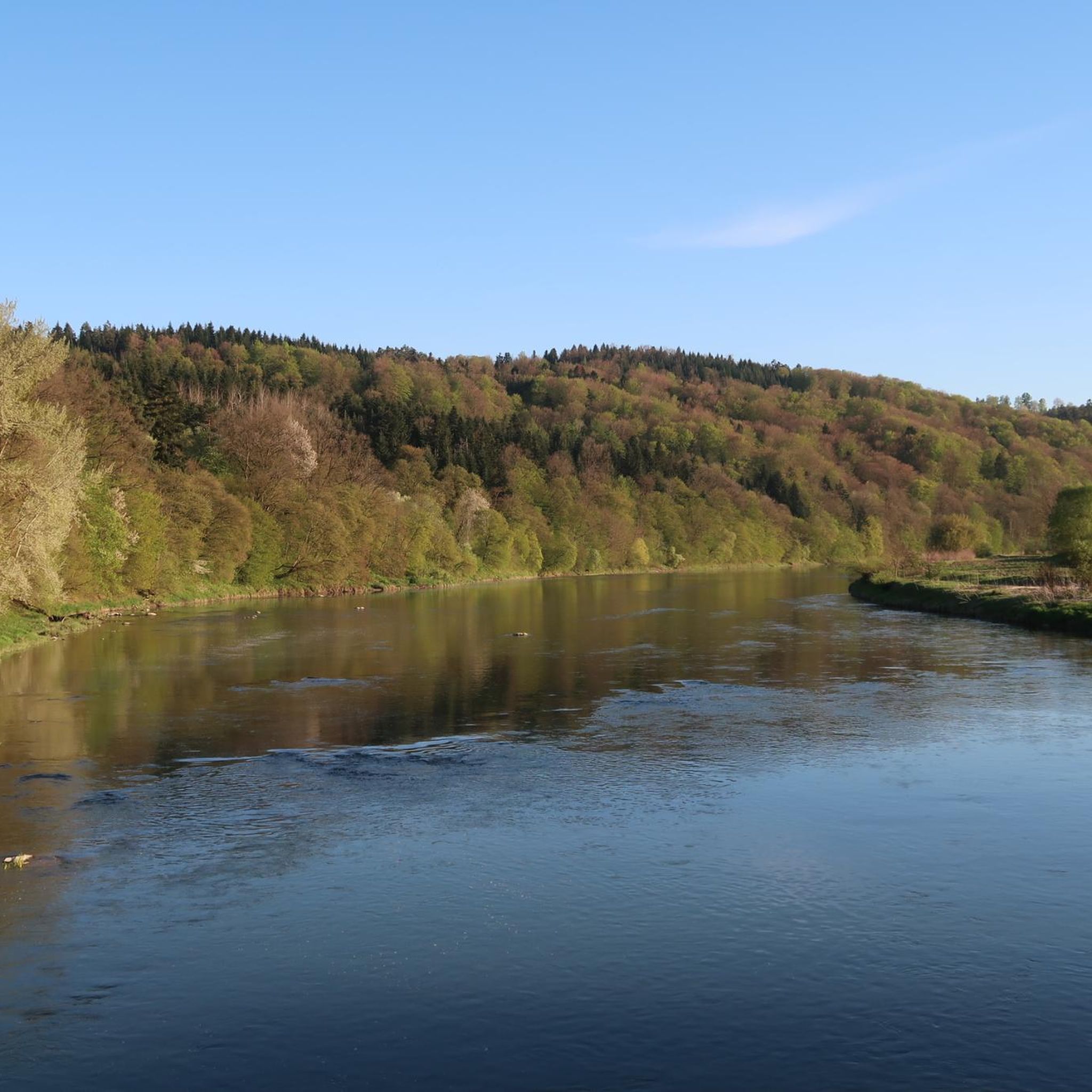
You can visit the Island and Weir on the San River. When water levels are low, a small island becomes visible near the weir, offering a tranquil riverine viewpoint. It's a peaceful spot to appreciate the natural flow of the San River.
Are there cycling routes available near these natural monuments?
Yes, Gmina Dynów offers several cycling routes. You can find various options, from easy to difficult, including the Bachórz Railway Station – Dynów Narrow-Gauge Railway loop. For a comprehensive list of routes, check the Cycling around gmina Dynów guide.
What do visitors enjoy most about the natural monuments in Gmina Dynów?
Visitors appreciate the ecological significance and historical value of the natural monuments. The ancient trees offer a sense of history and a picturesque setting for quiet contemplation. The nature reserves, particularly Mójka, provide an engaging experience for nature enthusiasts, with opportunities to observe local flora and fauna, including beavers. The tranquil river views also receive positive feedback for their peaceful atmosphere.
Can I go running on trails near the natural monuments?
Yes, there are dedicated running trails in the vicinity. The Mójka Deer Trail is a popular option for runners. For more challenging and longer routes, you can explore the Running Trails around gmina Dynów guide, which includes routes like the Rezerwat Kozigarb loop.
Are there any historical sites connected to the natural monuments?
Yes, the Dubiecko Castle area is significant. Within its park, you'll find the ancient 'Dewajtis' oak, which has stood for over 300 years. The castle itself is a historical site where Ignacy Krasicki, a prominent Polish poet of the Enlightenment, was born. The park also contains over 70 natural monuments, blending natural beauty with rich history.
What is the terrain and difficulty like for exploring these natural monuments?
The terrain around Gmina Dynów's natural monuments generally includes river valleys and forested areas. Trails within reserves like Mójka Nature Reserve are typically easy, designed for accessibility. Some areas, like Brodoszurki Nature Reserve, might offer intermediate sections due to their natural peat bog communities. Overall, there's a mix of easy and moderate paths suitable for various fitness levels.
Most popular routes around gmina Dynów
Most popular attractions around gmina Dynów

Get inspired with the komoot mobile app


Explore more
Extend your search for the best caves by checking out these guides of the top ones around gmina Dynów:
