Top 7 Natural Monuments around gmina Leżajsk
Best natural monuments around gmina Leżajsk showcase the region's diverse natural heritage in southeastern Poland. This area features protected forest ecosystems, unique bog landscapes, and significant individual trees. Visitors can explore well-preserved fragments of the former Sandomierz Forest and rare high bog environments. The natural attractions offer insights into the local biodiversity and geological history.
Best natural monuments around gmina Leżajsk
- The most popular natural monuments is Boża Męka Tree Shrine in Jagiełła, a religious building and natural monument.…
Last updated: June 29, 2026
Sobieski Pine in Żołynia
Highlight • Natural Monument
Translated by Google •
Tip by

Boża Męka Tree Shrine in Jagiełła
Highlight • Religious Site
Translated by Google •
Tip by

Sign up now to discover places like this
Get recommendations on the best single tracks, peaks, & plenty of other exciting outdoor places.
Sign up for free
Pontic Azalea Nature Reserve Kołacznia
Highlight • Natural Monument
Translated by Google •
Tip by
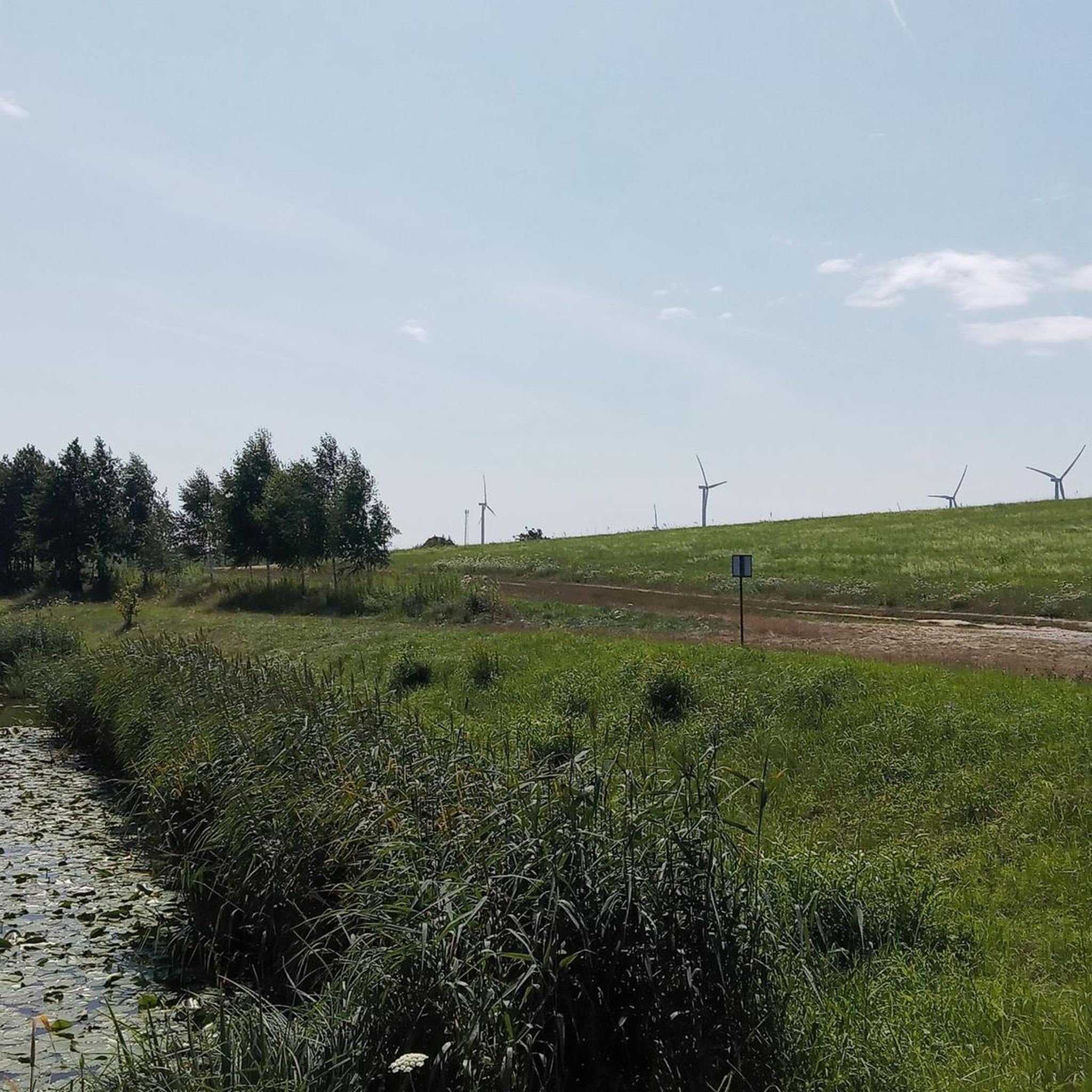
Area Destroyed by Tornado near Leżajsk
Highlight • Natural
Translated by Google •
Tip by
Memory Oak for Major Józef Czajka
Highlight • Monument
Translated by Google •
Tip by

Sign up for free to discover even more natural monuments around gmina Leżajsk.
Sign up for free
Already have an account?
Start today with a free account
Your next adventure awaits.
Login or Signup

Tips from the Community

The Sobieski Pine in Żołynia is an impressive natural monument and the thickest single-trunk Scots pine in Poland. Its trunk has a circumference of 442 cm and a height of up to 14.5 m. The tree is estimated to be around 250 years old, although some doubt this, pointing to comparisons with other ancient pines in the country. According to local legend, it was under this pine that Jan III Sobieski rested on his way to the relief of Vienna, which adds an additional charm to this place. It is worth cycling here and stopping for a moment by this extraordinary tree - it is an interesting place for lovers of history and nature.
4
0

Józef Czajka (1885–1940) – major of infantry of the Polish Army, surveying engineer, awarded the Cross of Valour (twice), murdered in Katyn.
0
0

In the Nowa Sarzyna commune, a curiosity on a European scale is the natural site of the Pontic azalea, also known as the yellow rhododendron, located in the hamlet of Kołacznia near Wola Zarczycka - the only one in Europe, outside of Volhynia and Polesie. The golden color of the flowers gives its surroundings an incomparable charm and exotic beauty in May.
1
0
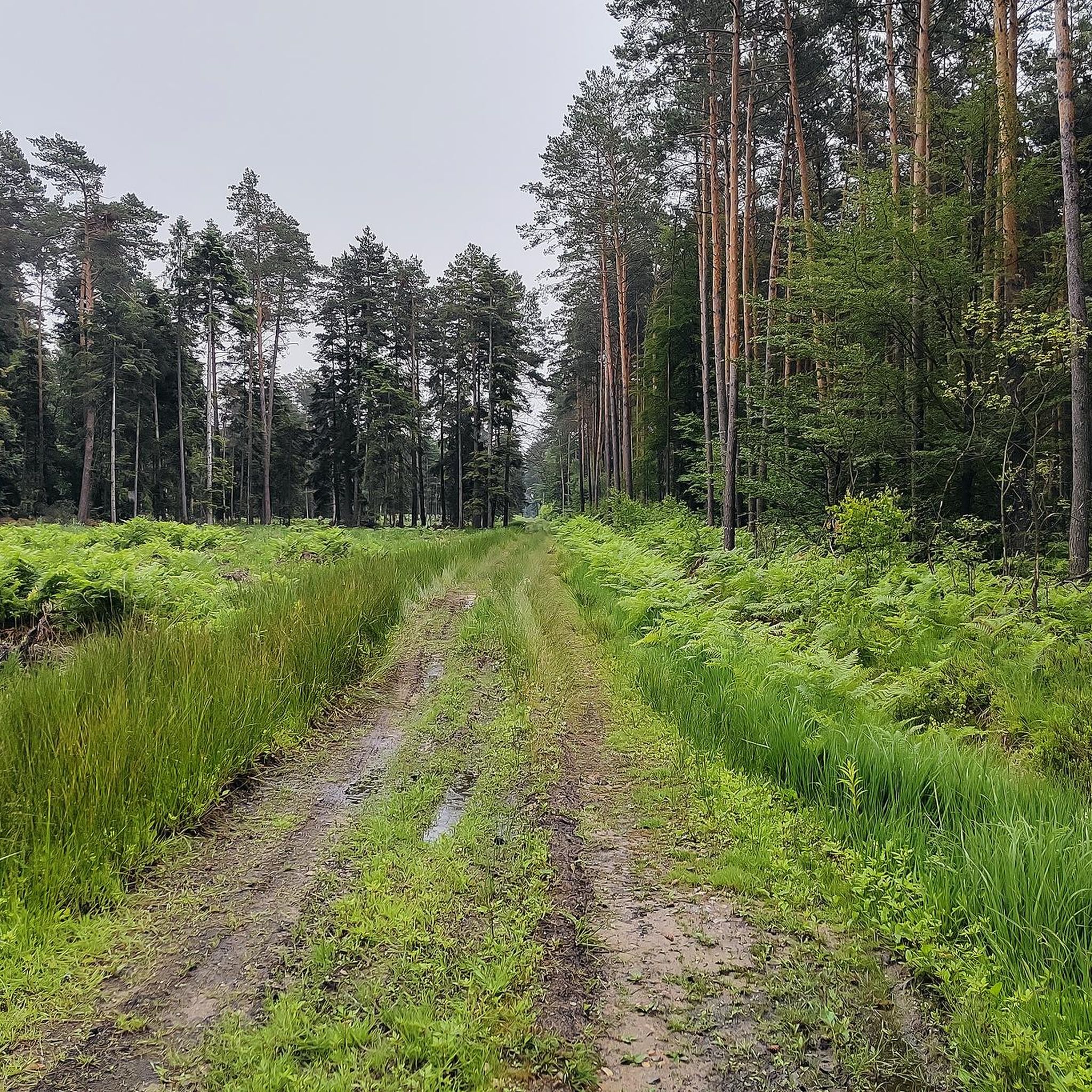
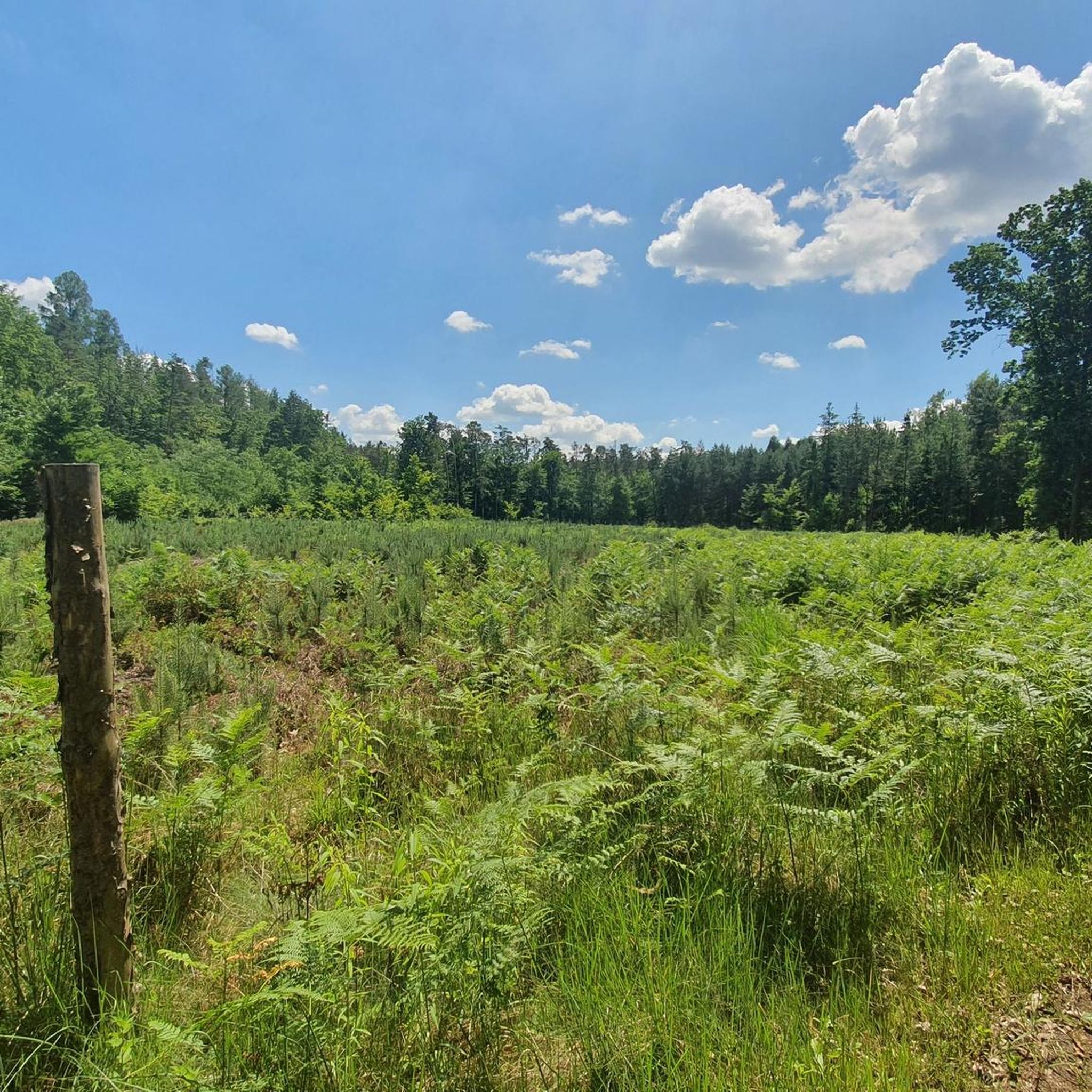
Link to article. https://www.lasy.gov.pl/pl/informacje/aktualnosci/traba-powietrzna-w-lasach-pod-lezajskiem
1
0

The chapel, called by the locals "God's Passion", was built during the partition period.
0
0
Very strange place, looks a bit spooky, because of the shape of the tree. It's worth seeing for yourself ;)
1
0

"God's Passion" is a tree shrine with a figure of the Crucified Jesus, located in the trunk of an old, withered pine tree. The year the chapel was hung is unknown, it probably comes from the mid-19th century.
0
0

A beautiful old pine, a powerful tree. I recommend it
1
2
Frequently Asked Questions
What types of natural monuments can I explore in Gmina Leżajsk?
Gmina Leżajsk offers a diverse range of natural monuments, including protected forest ecosystems, unique bog landscapes, and significant individual trees. You can discover well-preserved fragments of the ancient Sandomierz Forest, rare high bog environments, and special botanical sites like the Pontic Azalea reserve.
Are there specific nature reserves worth visiting in Gmina Leżajsk?
Yes, two prominent nature reserves are Rezerwat przyrody Las Klasztorny and Rezerwat Suchy Ług. Las Klasztorny is known for its old-growth mixed forest and ancient trees, while Suchy Ług preserves a rare raised bog ecosystem with unique flora.
What can I expect to see at Rezerwat przyrody Las Klasztorny?
At Las Klasztorny, you'll find a well-preserved fragment of the former Sandomierz Forest. It features impressive over two-hundred-year-old pine, beech, and fir trees, including the notable 'Hubert' beech. The reserve is rich in flora, with protected species like northern wintergreen and martagon lily, and diverse animal life including various birds and mammals.
What is special about Rezerwat Suchy Ług?
Rezerwat Suchy Ług is a partial nature reserve preserving one of the last raised bogs of the former Sandomierz Forest. It's home to rare plant species such as round-leaved sundew, great sundew, bog-rosemary, and cranberry, as well as rare animals like the European tree frog and adder. It offers a unique glimpse into a distinct bog ecosystem.
When is the best time to visit the natural monuments in Gmina Leżajsk?
The natural monuments offer different seasonal highlights. Las Klasztorny is particularly beautiful in spring when the forest floor is covered with anemones and lilies of the valley. The Pontic Azalea Nature Reserve Kołacznia is best visited in May when the yellow rhododendrons are in full bloom, creating a vibrant landscape.
Are there any unique botanical sites in the region?
Yes, the Pontic Azalea Nature Reserve Kołacznia is a unique natural site on a European scale. It's known for its distinctive natural occurrence of Pontic azalea, also called yellow rhododendron, which transforms the landscape with its golden flowers, especially in May.
What historical or cultural natural monuments can I find?
You can visit the Boża Męka Tree Shrine in Jagiełła, a unique religious building and natural monument. It features a figure of the Crucified Jesus located within the trunk of an old, withered pine tree, with the chapel likely dating from the mid-19th century. Another is the Memory Oak for Major Józef Czajka, which combines natural beauty with historical remembrance.
Are there family-friendly natural monuments or activities in Gmina Leżajsk?
Many natural monuments, such as the Boża Męka Tree Shrine in Jagiełła and the Memory Oak for Major Józef Czajka, are suitable for families. Exploring the nature reserves like Las Klasztorny also offers educational opportunities to observe diverse flora and fauna in a natural setting.
What outdoor activities can I do near the natural monuments in Gmina Leżajsk?
The area around Gmina Leżajsk is excellent for various outdoor activities. You can find numerous routes for MTB cycling, road cycling, and easy hikes. These trails often pass through or near the region's natural attractions, allowing you to combine sightseeing with physical activity.
Is there a particularly impressive tree monument in the vicinity?
While located in the neighboring Gmina Żołynia, the Sobieski Pine in Żołynia is a remarkable natural monument. This Scots pine is notable for its circumference of 442 cm and a height of up to 14.5 m, estimated to be around 250 years old. Local legend suggests Jan III Sobieski rested under it, adding to its charm.
What kind of wildlife can be observed in the nature reserves?
The nature reserves are rich in wildlife. In Las Klasztorny, you might spot lizards (sand, green, viviparous), snakes (grass, smooth, adder), various birds (raven, great tit, goshawk), and mammals (roe deer, wild boar, fox). Suchy Ług is home to rare species like the European tree frog, adder, European green toad, and the black woodpecker.
Are there any unique geological or natural phenomena to see?
Beyond the ancient forests and bogs, you can visit the Area Destroyed by Tornado near Leżajsk. This site offers a stark reminder of nature's power and the processes of forest regeneration after significant natural events.
Most popular routes around gmina Leżajsk
Most popular attractions around gmina Leżajsk

Get inspired with the komoot mobile app


Explore more
Extend your search for the best caves by checking out these guides of the top ones around gmina Leżajsk:
