Top 11 Natural Monuments around Chorkówka
Natural monuments around Chorkówka are characterized by ancient trees, unique rock formations, and historical springs, reflecting the region's rich botanical and geological heritage. The landscape often integrates these natural features with historical sites, such as old manorial parks and religious grounds. These natural treasures provide insights into the enduring natural history of the Chorkówka municipality. Exploring these locations offers an appreciation for the area's natural beauty and ecological significance.
Best natural monuments around Chorkówka
- The most popular natural monuments is Prządki Nature Reserve, a natural monument established to preserve a group of sand rocks. These distinctive forms were created as a result of aeolian erosion.
- Another must-see spot is Golden Spring (Holy Spring of St. John of Dukla), a religious building and natural monument. This site, accessible via a nature trail, is associated with the hermit's life of St. John of Dukla and remains a pilgrimage site.
- Visitors also love The "Bełkotka" spring, a natural monument and viewpoint. The spring's name comes from the sound of natural gas escaping, and it is the oldest and most famous spring in Iwonicz-Zdrój.
- Chorkówka is known for significant individual trees, clusters of trees, and unique geological formations. Visitors can explore ancient pedunculate oaks, broad-leaved and small-leaved lindens, and distinctive sand rock formations.
- The natural monuments around Chorkówka are appreciated by the komoot community, with more than 30 upvotes and over 15 photos shared by visitors.
Last updated: August 9, 2026
Golden Spring (Holy Spring of St. John of Dukla)
Highlight • Religious Site
The Golden Well remains a pilgrimage site, and indulgence masses are held there on the third Sunday of July.
Translated by Google •
Tip by

Prządki Nature Reserve
Highlight • Natural Monument
The name of the reserve comes from a legend that says that the rocks are girls who spun flax on holiday days and were punished for it.
Translated by Google •
Tip by
Sign up now to discover places like this
Get recommendations on the best single tracks, peaks, & plenty of other exciting outdoor places.
Sign up for free
The "Bełkotka" spring
Highlight • Natural Monument
Translated by Google •
Tip by
Pavilion on the Amelia and Karol Springs
Highlight • Monument
Source and archival photos:
m.fotopolska.eu/Iwonicz-Zdroj/b55415,Pawilon_nad_zrodlami_Amelia_i_Karol.html
Translated by Google •
Tip by

Lourdes Grotto in Czarnorzecko-Strzyżowski Landscape Park
Highlight • Religious Site
Translated by Google •
Tip by
Sign up for free to discover even more natural monuments around Chorkówka.
Sign up for free
Already have an account?
Start today with a free account
Your next adventure awaits.
Login or Signup

Tips from the Community

More information and photos: https://goryaktywnie.pl/rezerwat-przadki https://rzeszowpodkarpackie.com/rezerwat-przadki/ https://czarnorzeki.pl/rezerwat-przadki/ https://podkarpackie.travel/produkt/rezerwat-przadki
1
0

The name of the spring comes from the sound caused by natural gas escaping from the spring. The spring is located on the slopes of Góra Przedziwna and is the oldest and most famous spring in Iwonicz-Zdrój.
2
0
Prządki nature reserve named after prof. Henryk Świdziński is an inanimate nature reserve established in 1957 in order to preserve a group of sand rocks distinguished by characteristic forms created as a result of aeolian (i.e. wind) erosion. The name of the reserve comes from a legend that says that the rocks are girls who spun flax on holiday days and were punished for it.
3
0
The "Golden Well" is the name given to the site with the chapel of St. John of Dukla above a spring on the trail from Dukla to Cergowa. This site, also accessible via the nature trail from Cergowa, is, according to local tradition, associated with the hermit's life of St. John of Dukla, born around 1414. He founded a well here, dubbed the "Golden Well." The Golden Well remains a pilgrimage site, and indulgence masses are held there on the third Sunday of July.
2
0

Another place of devotion to St. John of Dukla is the so-called Golden Well. Chroniclers first noted its existence in 1896. A spring flows next to the chapel, situated on the wooded peak of Cergowa Mountain, enclosed by a well. According to tradition, St. John spent entire nights in solitude here, praying and undergoing various mortifications. Prepared by: Father Dr. Aleksander Sitnik OFM Source: https://dukla.bernardyni.pl/sanktuarium/zlota-studzienka/
0
1
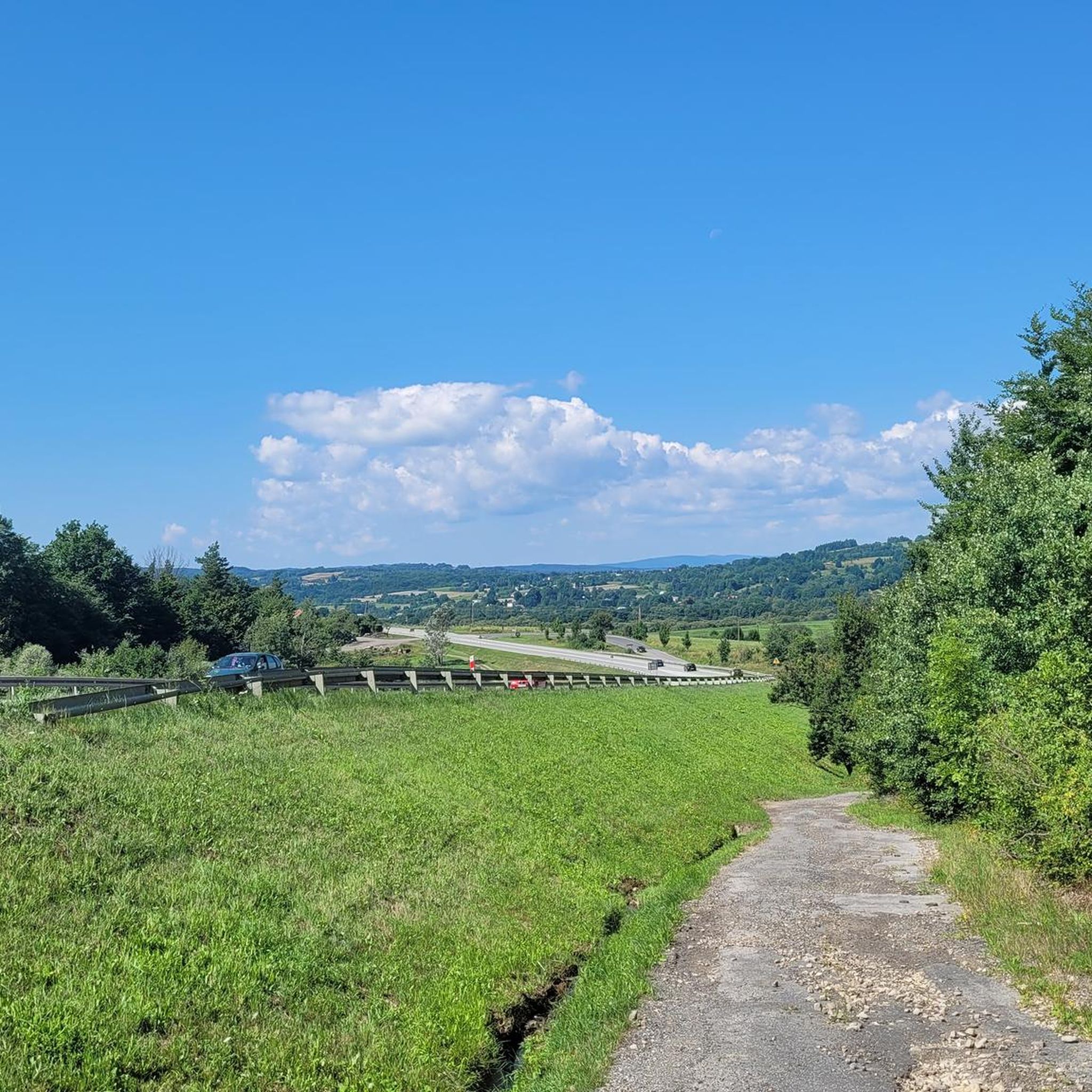
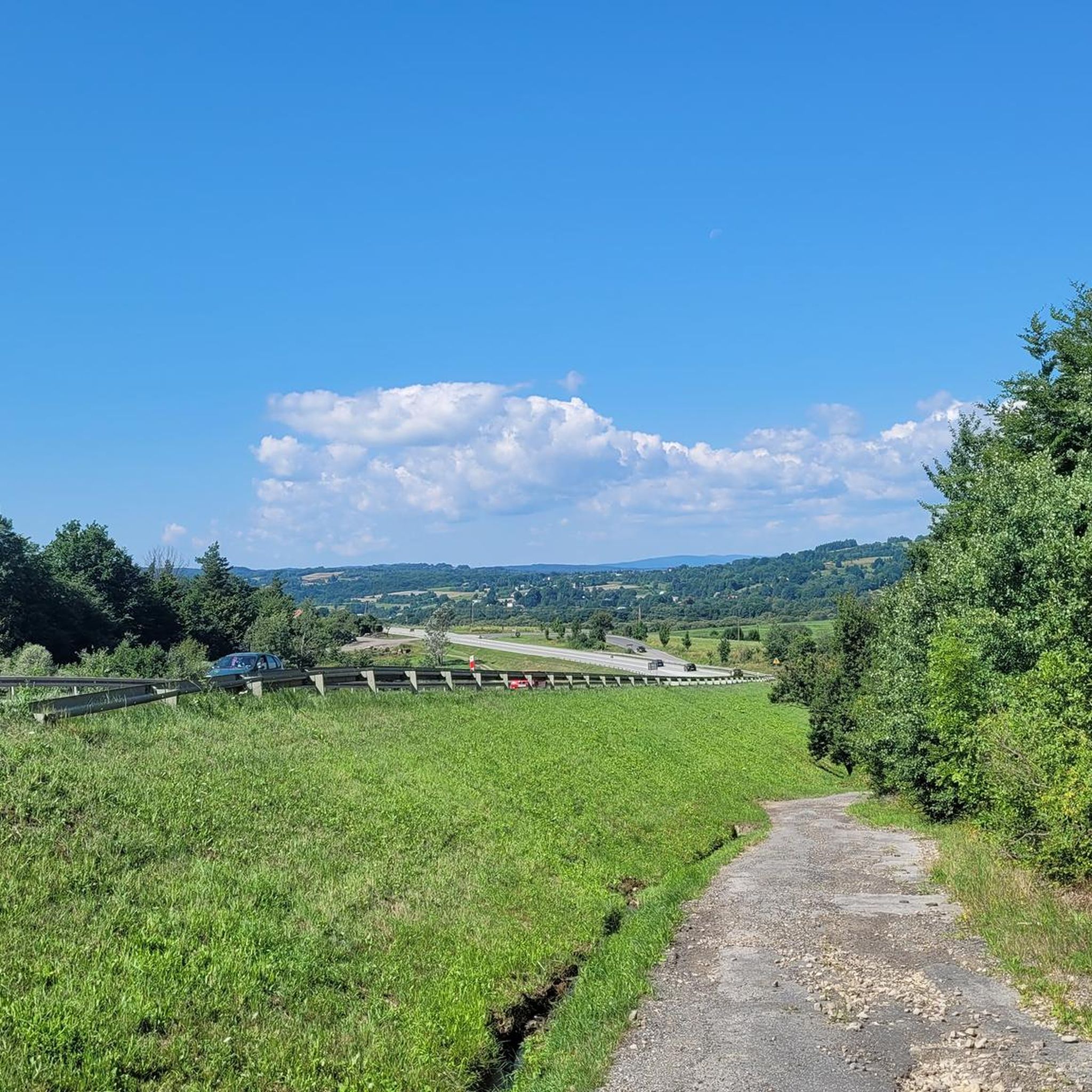
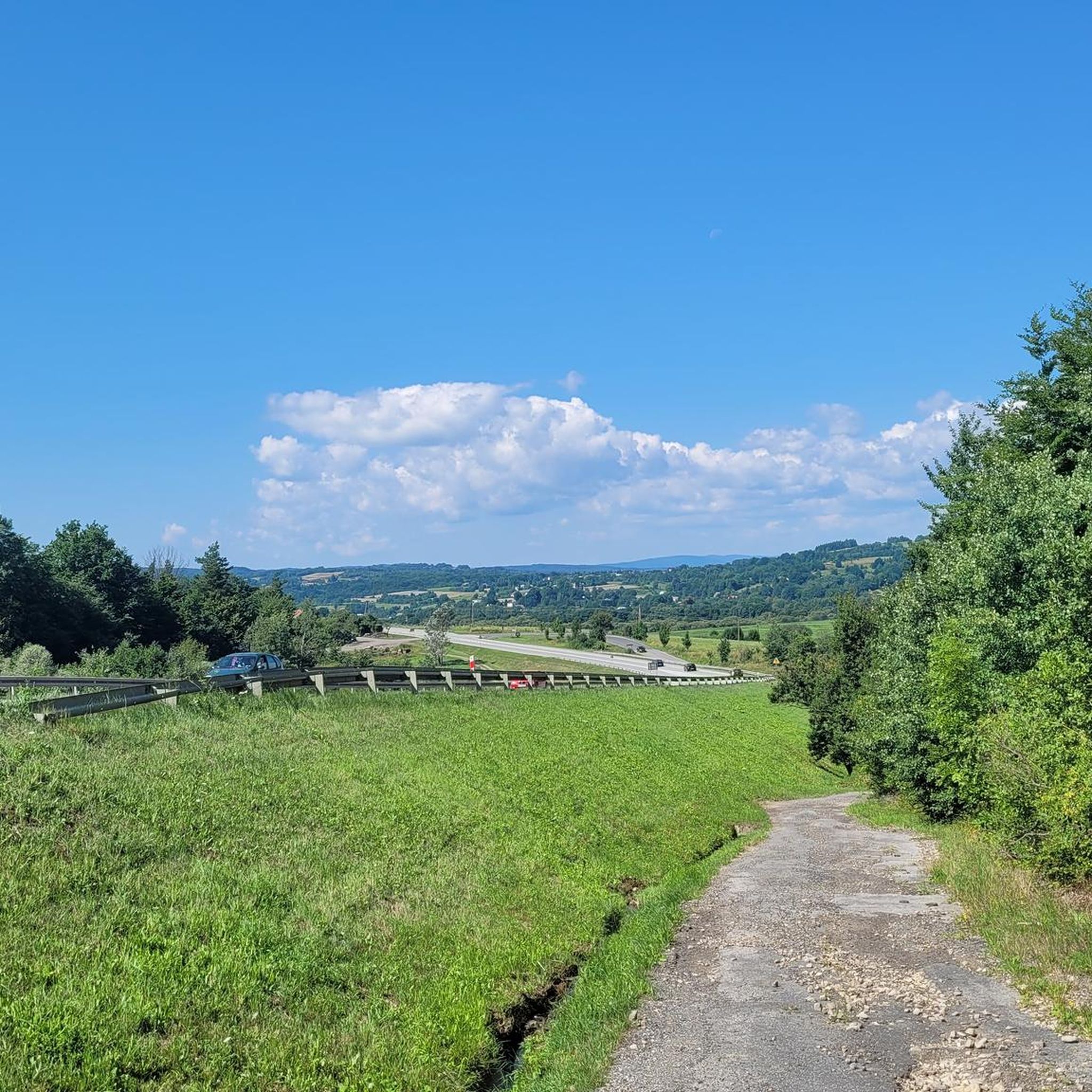
A dangerous place due to the combination of pedestrian, bicycle and car traffic on the narrow road that curves over the hill. Be very careful, especially in the presence of children. Moreover, groups of pilgrims come to the grotto from time to time, because of the lack of a pavement, moving along the road.
0
0
The wooden pavilion built in 1837 above the Karol and Amelia springs has retained its original shape to this day. It is an octagonal gloriette, with eight columns in the corners, on high pedestals, supporting a Doric entablature and a domed roof. Unfortunately, you can only drink mineral water in the nearby pump room. Source and archival photos: https://m.fotopolska.eu/Iwonicz-Zdroj/b55415,Pawilon_nad_zrodlami_Amelia_i_Karol.html
0
0
It is a secluded, western part of the spa, devoid of buildings and traffic. Access to the center by foot via two paved roads on both sides of a narrow valley with steep slopes. The fanciful compositions made of tree roots, sometimes covered with chaga or moss, are worth admiring. There are many oil mining facilities in the area, some still in operation. Beside Bełkotka, there are crossroads enabling further hiking.
1
0
Frequently Asked Questions
What unique natural features can I explore around Chorkówka?
The region is known for its ancient trees and distinctive geological formations. You can discover unique sand rock formations at the Prządki Nature Reserve, which were shaped by wind erosion. Additionally, the area features significant individual trees such as broad-leaved lindens and pedunculate oaks, often centuries old, contributing to the botanical heritage.
Are there any natural monuments with historical or religious significance?
Yes, several natural monuments in the area hold historical or religious importance. The Golden Spring (Holy Spring of St. John of Dukla) is a pilgrimage site associated with the hermit's life of St. John of Dukla. You can also find the Lourdes Grotto in Czarnorzecko-Strzyżowski Landscape Park, another significant religious site.
What kind of trees are designated as natural monuments in Chorkówka?
Chorkówka's natural monuments primarily include ancient trees. You'll find impressive pedunculate oaks in Kobylany and Draganowa, as well as broad-leaved and small-leaved lindens in Zręcin and Kobylany. These trees are valued for their age, size, and ecological role within the local landscape.
Are there family-friendly natural monuments to visit?
Absolutely. The Prządki Nature Reserve is considered family-friendly, offering an interesting landscape of sand rocks. Another great option is The "Bełkotka" spring, which is also suitable for families and offers a unique natural phenomenon.
What makes The "Bełkotka" spring a unique natural monument?
The "Bełkotka" spring is unique because its name comes from the distinct sound of natural gas escaping from the spring. It is the oldest and most famous spring in Iwonicz-Zdrój and also serves as a viewpoint, offering a secluded experience away from traffic.
Are there hiking opportunities near the natural monuments around Chorkówka?
Yes, the area offers various hiking opportunities. You can find several routes, including moderate hiking loops from Krosno or easier ones from Dolina potoku Badoń. For more details and route options, explore the Hiking around Chorkówka guide.
Can I go cycling or mountain biking near these natural monuments?
Definitely. Chorkówka and its surroundings provide excellent routes for both cycling and mountain biking. You can find easy to moderate cycling loops, such as the Cholera Cemetery in Głowienka loop from Zręcin. For mountain biking, there are moderate trails like the Prządki Nature Reserve loop from Krosno Miasto. Check the Cycling around Chorkówka and MTB Trails around Chorkówka guides for more options.
What do visitors enjoy most about the natural monuments in Chorkówka?
Visitors particularly appreciate the blend of natural beauty and historical significance. The ancient trees offer a peaceful experience and a connection to the region's botanical heritage, while sites like the Golden Spring provide a unique cultural and spiritual dimension. The distinctive geological formations at Prządki Nature Reserve are also a popular highlight.
Is there a historical structure associated with the Amelia and Karol Springs?
Yes, the Pavilion on the Amelia and Karol Springs is a notable historical structure. This wooden octagonal gloriette, built in 1837, has maintained its original shape and stands above the springs, adding a touch of architectural history to the natural setting.
What is the best time to visit the natural monuments around Chorkówka?
The natural monuments, particularly the ancient trees, can be appreciated year-round. However, spring and autumn offer pleasant weather for exploring and showcase the changing foliage. Summer is also popular for outdoor activities, while winter can provide a serene, snow-covered landscape, though some trails might be more challenging.
Are the natural monuments around Chorkówka easily accessible?
Many of the natural monuments, especially the individual trees, are located near residential areas or historical sites, making them generally accessible. For specific locations like the pedunculate oaks in Kobylany or the linden in Zręcin, access is typically straightforward. For reserves and springs, trails are usually well-marked.
Most popular routes around Chorkówka
Most popular attractions around Chorkówka

Get inspired with the komoot mobile app


Explore more
Extend your search for the best caves by checking out these guides of the top ones around Chorkówka:
