Top 4 Natural Monuments around Liw
Best natural monuments around Liw offer insights into the region's diverse natural landscape, characterized by river valleys and protected areas. The area features the Liwiec River Valley and is part of the broader Nadbużański Landscape Park. These natural attractions provide opportunities to observe local flora and fauna within established reserves and viewpoints. The landscape around Liw is shaped by its waterways and forested sections, contributing to its ecological significance.
Best natural monuments around Liw
- The most popular natural monument is…
Last updated: June 29, 2026
View of the Liwiec Valley from Sowia Góra
Highlight • Viewpoint
Translated by Google •
Tip by

Natura 2000 Area, Kostrzynia Valley
Highlight • Natural Monument
Translated by Google •
Tip by

Sign up now to discover places like this
Get recommendations on the best single tracks, peaks, & plenty of other exciting outdoor places.
Sign up for free
Moczydło Nature Reserve
Highlight • Forest
Translated by Google •
Tip by

Smooth asphalt road in the Nadbużański Landscape Park
Highlight • Cycleway
Translated by Google •
Tip by
Moczydło Nature Reserve
Highlight • Natural Monument
Translated by Google •
Tip by
Start today with a free account
Your next adventure awaits.
Login or Signup
Tips from the Community

A faunal nature reserve established in the Stoczek commune, Stoczek forest district, Łochów forest district.
1
0
Most of the roads leading through the Bug Landscape Park are asphalt.
1
0
A fauna nature reserve established in the Stoczek commune, Stoczek forest district, Łochów forest district. The reserve is located within the Nadbużański Landscape Park. The purpose of protection is to preserve breeding sites of rare and endangered bird species and a rich group of birds in terms of the number of species for scientific and educational reasons. The presence of 66 species of birds has been recorded in the reserve, including 48 breeding species, such as: little grebe, common reed bunting, water hen, mallard, black stork, solitary sandpiper, tufted duck, common teal and marsh harrier.
1
0
One of the largest landscape parks in Poland. It was established in 1993 and then expanded several times. It consists of one large and three smaller, separate patches, and covers the left bank of the Lower Bug Valley (between the mouths of the Toczna and Liwiec), as well as a fragment of the lower Narew and Liwiec valleys. The Nadbużański Landscape Park includes the forest areas of Puszcza Biała, Bory Łochowskie and Lasy Ceranowskie.
1
0

A beautiful smooth asphalt road runs through the entire area of the Kostrzyn Valley. It is worth making a longer stop at the Kostrzyn River Valley, which is surrounded by breeding forests, alders and numerous thickets. The Kostrzyn Valley is an important area for birds, including rare and endangered species such as the corncrake, lesser spotted eagle, black stork, kingfisher, white-tailed eagle, honey buzzard, marsh harriers, quail, snipe, black woodpecker, nightjar, common tern, black tern and ortolan bunting.
0
0
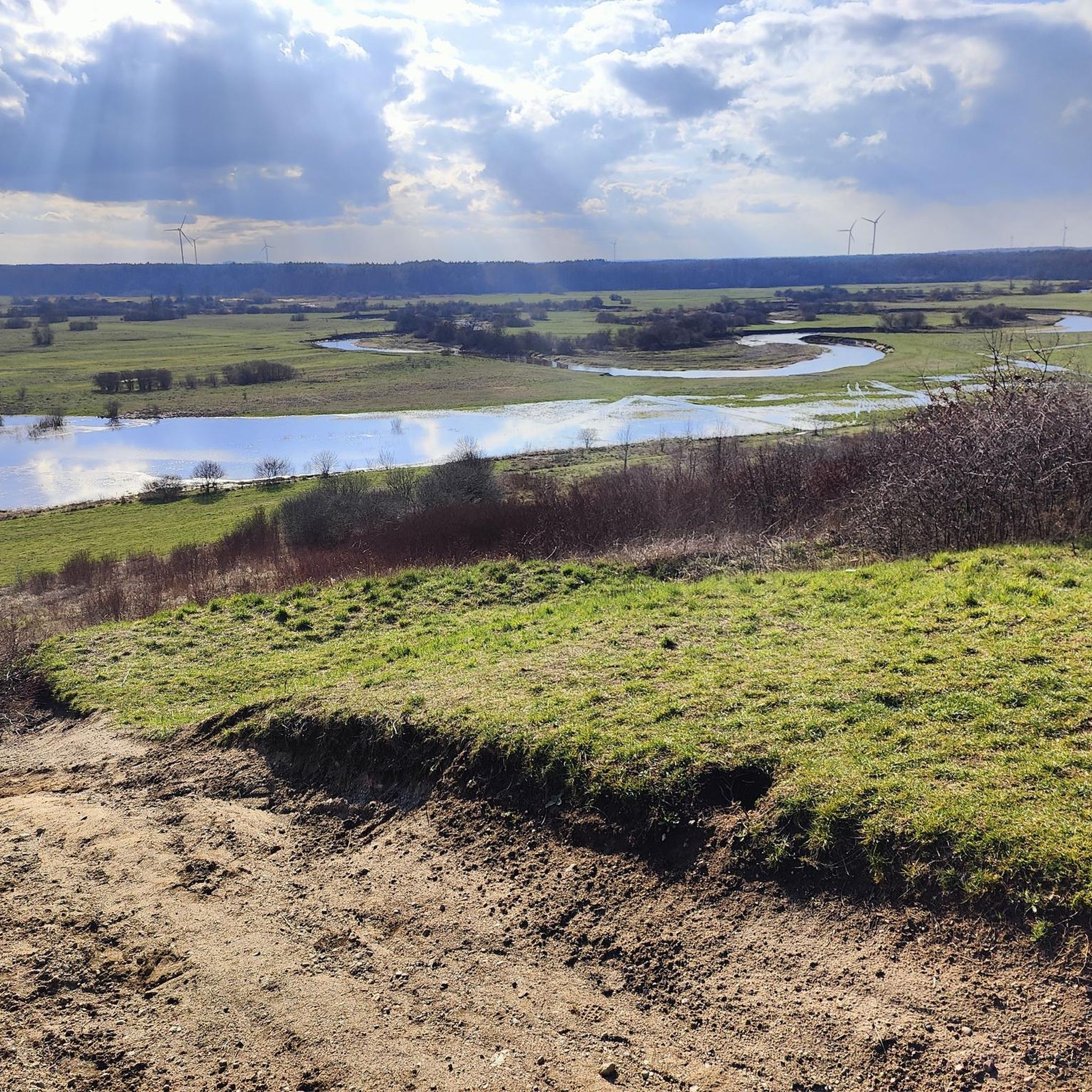
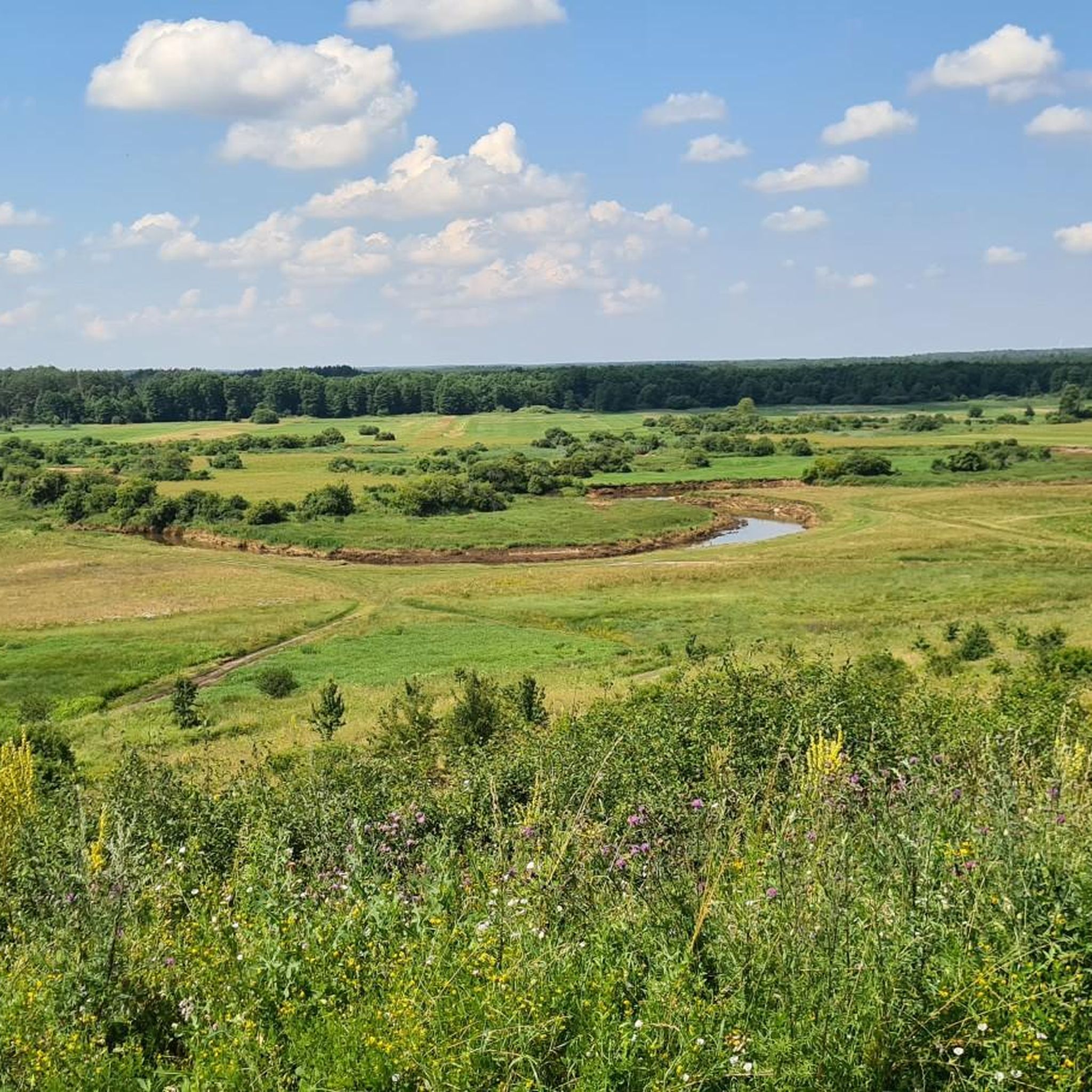
We will come across Sowia Góra by driving the road from Liwo to Węgrów and turning right just after the bridge over the Liwiec River. The elevation is located about 1.5 km just behind the town of Jarnice. Sowia Góra is a famous hill in the area, quite high, from which there is a beautiful view of the Liwiec Valley, the large and irregular bend of this river, where local residents and tourists relax from spring to summer.
0
0

Nice viewpoint, you can relax at the tables
0
0

Impressive view of the Liwiec valley
2
0
Frequently Asked Questions
What types of natural features can I expect to see around Liw?
The natural monuments around Liw primarily feature river valleys, such as the Liwiec River Valley and the Kostrzynia Valley, and protected forest areas. You can also find scenic viewpoints, like the one at Sowia Góra, offering panoramic views of the landscape. These areas are significant for their ecological value, especially for bird species.
Are there any family-friendly natural monuments in the Liw area?
Yes, several natural monuments around Liw are suitable for families. The View of the Liwiec Valley from Sowia Góra is easily accessible from a paved road and offers a relaxing spot with tables. The Natura 2000 Area, Kostrzynia Valley, features a smooth asphalt road, making it pleasant for walks or cycling with children. Moczydło Nature Reserve is also categorized as family-friendly, offering opportunities to observe nature.
What outdoor activities can I do near the natural monuments around Liw?
The area around Liw offers various outdoor activities. You can enjoy cycling on routes like the 'Węgrów Reservoir – Campsite at Liw Castle loop' or 'Liwiec – Liwiec River loop'. For hiking, there are trails such as the 'Węgrów Artificial Lake loop' or 'Rezerwat Kantor Stary loop'. Many of these routes pass through or near the natural monuments, allowing you to combine sightseeing with physical activity. You can find more details on these activities in the Cycling around Liw, Road Cycling Routes around Liw, and Hiking around Liw guides.
What is the best time to visit the natural monuments around Liw?
While specific seasonal recommendations are not available, the natural monuments, particularly those focused on birdwatching like the Natura 2000 Area, Kostrzynia Valley and Moczydło Nature Reserve, would likely be most vibrant during spring and early summer when birds are breeding and flora is in full bloom. Autumn also offers beautiful scenery with changing foliage.
Are there specific nature reserves or protected areas near Liw?
Yes, the natural monuments around Liw are situated within significant protected areas. The region is part of the broader Nadbużański Landscape Park, which is one of the largest landscape parks in Poland. Within this park, you'll find specific reserves like the Moczydło Nature Reserve, established to preserve breeding sites for rare and endangered bird species.
What kind of wildlife can be observed in the natural monuments near Liw?
The natural monuments around Liw are particularly rich in birdlife. The Natura 2000 Area, Kostrzynia Valley, is an important habitat for rare and endangered species such as the corncrake, black stork, and kingfisher. The Moczydło Nature Reserve has recorded 66 bird species, including breeding species like the little grebe, common reed bunting, and marsh harrier.
Is there parking available near the natural monuments?
While specific parking locations are not detailed for every monument, the View of the Liwiec Valley from Sowia Góra is accessible from a main paved road by a short gravel section, suggesting nearby parking. For other areas, especially within the Nadbużański Landscape Park, it's generally advisable to look for designated parking areas at trailheads or near main access points.
What are the most popular natural monuments according to visitors?
The View of the Liwiec Valley from Sowia Góra is the most popular natural monument, highly appreciated for its impressive perspective of the Liwiec valley and information boards about local birds. Visitors also enjoy the ecological significance of the Natura 2000 Area, Kostrzynia Valley, and the birdwatching opportunities at Moczydło Nature Reserve.
Are there any easy hiking trails near the natural monuments?
Yes, there are easy hiking options available. For instance, the 'Węgrów Artificial Lake loop' is an easy 5.2 km hike, and the 'Rezerwat Kantor Stary loop' is another easy 3.7 km trail. These can be found in the Hiking around Liw guide, offering accessible ways to explore the natural surroundings.
Can I bring my dog to the trails and natural monuments around Liw?
While specific dog policies for each natural monument are not provided, many natural areas in Poland, especially nature reserves, have regulations regarding dogs to protect wildlife. It's recommended to keep dogs on a leash and check local signage or specific park rules for the Nadbużański Landscape Park or individual reserves like Moczydło before visiting.
What is the Nadbużański Landscape Park and how does it relate to Liw's natural monuments?
The Nadbużański Landscape Park is one of Poland's largest landscape parks, encompassing the left bank of the Lower Bug Valley and fragments of the lower Narew and Liwiec valleys. Many of Liw's natural monuments, including the Moczydło Nature Reserve, are located within this park. The park protects diverse ecosystems, including forests and river valleys, and offers a network of roads and trails for exploration.
Are there any cafes or accommodation options near the natural monuments?
The guide data does not specifically list cafes or accommodation directly adjacent to the natural monuments. However, Liw and nearby towns like Węgrów would offer various options for dining and lodging. It's advisable to check local listings for cafes, pubs, and accommodation in these areas.
Most popular routes around Liw
Most popular attractions around Liw

Get inspired with the komoot mobile app


Explore more
Extend your search for the best caves by checking out these guides of the top ones around Liw:
