Top 20 Natural Monuments around Warszawa
Best natural monuments around Warszawa include a diverse range of protected areas, ancient trees, and geological formations. The region features expansive forest reserves, river valleys, and significant glacial erratics, providing green spaces within and around the city. These sites offer opportunities to connect with nature and explore the area's ecological and geological heritage. Warszawa's natural landscape is characterized by its blend of urban parks and designated natural monuments.
Best natural monuments around Warszawa
- The most popular natural monuments is Torfy…
Last updated: June 29, 2026
Mosty Kalińskie Nature Reserve
Highlight • Natural Monument
Translated by Google •
Tip by

Zawadowskie Islands Nature Reserve
Highlight • Natural Monument
Translated by Google •
Tip by

Sign up now to discover places like this
Get recommendations on the best single tracks, peaks, & plenty of other exciting outdoor places.
Sign up for free
Łuże Dune Boardwalk
Highlight • Trail
Translated by Google •
Tip by

Marconiego Fountain, Saxon Garden
Highlight • Monument
Translated by Google •
Tip by

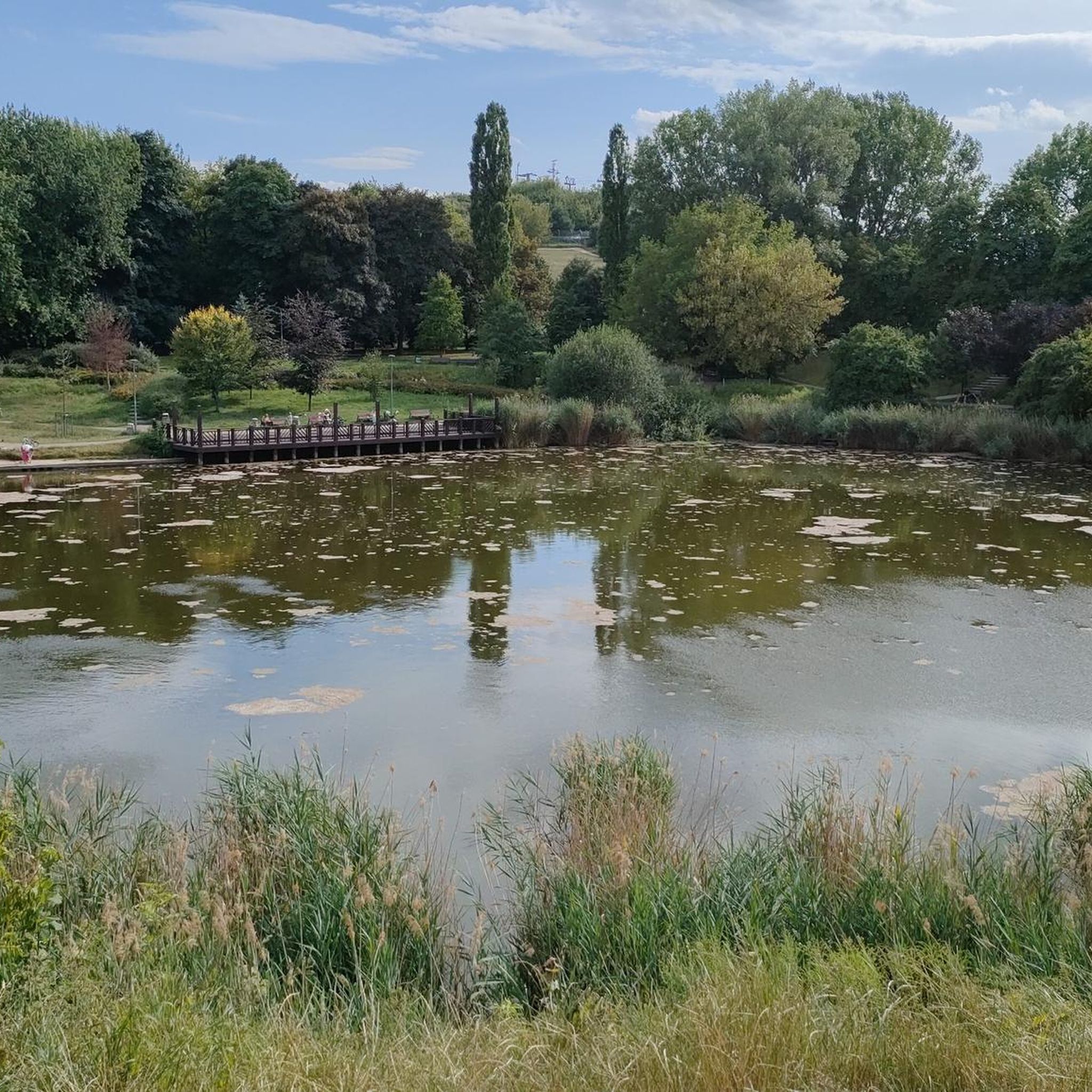
Torfy Lake
Highlight • Lake
Translated by Google •
Tip by

Sign up for free to discover even more natural monuments around Warszawa.
Sign up for free
Already have an account?
Start today with a free account
Your next adventure awaits.
Login or Signup

Other adventures around Warszawa

Tips from the Community

Beautiful fountain in the park, inviting you to relax and linger
0
0


The bridge is in a slightly better condition, a charming place, clean and rushing water. It is worth going along the path a bit to the side to find 3 footbridges that will lead us across the branches of the Długa river
3
0

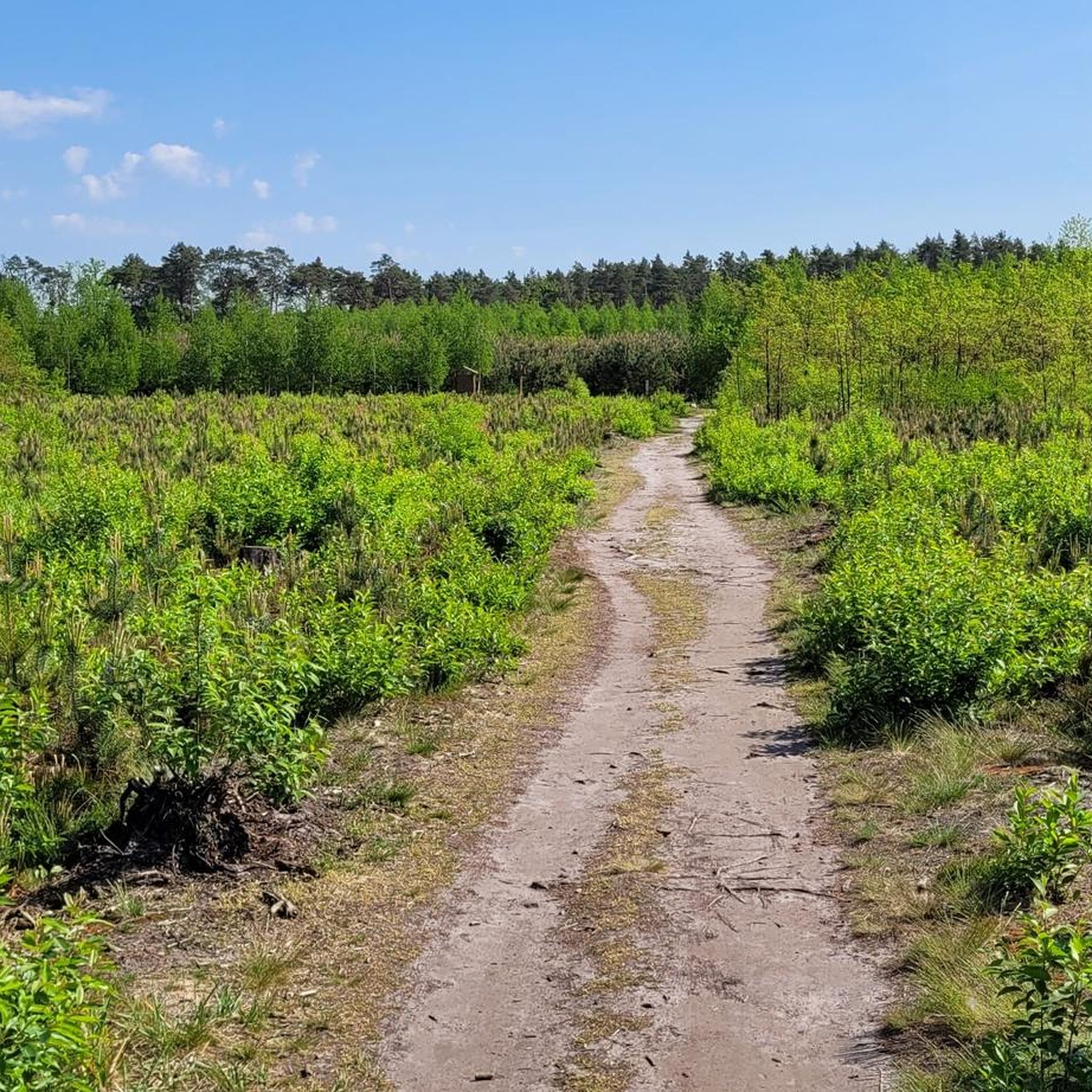
Łużowa Góra is a picturesque walking trail in Kampinos National Park, located near the bunker of the Warsaw Pact Reserve Command. Built in the times of the Polish People's Republic, the facility was intended to serve as the headquarters of the communist bloc's military in the event of a global nuclear war. However, construction was halted in the 1980s, after the introduction of spy satellites, which made it impossible to hide such facilities. Today, all that remains is an underground hall with a sealed entrance, where seven species of bats hibernate, which contributed to the creation of a mural depicting a bat on the front. The trail leads through a beautiful forest, and one of the main points is a 200-meter footbridge over a dune, ending with stairs. Łużowa Góra is a walk that can be completed in about an hour, with easy access to the parking lot. With a stroller, you can only get as far as the stairs behind the footbridge, but the rest of the route requires carrying.
1
0
The Atomic Command Headquarters is an inactive military facility located in the Kampinos Forest, in the Dąbrowa Leśna region, near the Łuże dune, in the Kampinos National Park. It was designed in the 1960s as a command post in the event of a nuclear war. Its construction began in 1962 and work continued until the 1980s, when it was suspended due to the use of reconnaissance satellites. Due to the lack of supervision, after the facility was transferred to the National Park in 2004, it was gradually stolen. In 2017, the above-ground parts of the facility were demolished, and a bat habitat was created in the underground parts. In 2019, the area was made available to tourists, where an educational trail was marked out and information boards were placed. The facility is now an interesting tourist attraction, as well as a reminder of the Cold War era and preparations for nuclear conflict.
1
0
The Saxon Garden is one of the oldest city parks in Warsaw, located in the city center. Founded in the early 18th century as a palace garden, in 1727 it became the first public park in Poland. Initially maintained in the French style, in the 19th century it was transformed into a landscape park. For years it was a place of recreation, concerts and cultural events. Partially destroyed during World War II, it was restored after 1945. The park includes, among others, the Tomb of the Unknown Soldier, the Marconi Fountain and numerous historic sculptures.
4
0

The garden was laid out in the Baroque style between 1713 and 1733 at the instigation of the Saxon-Polish King Augustus II the Strong from the House of Wettin. In 1727, the king opened the garden for use by the public, which was the first time this had happened in Poland.[1] In the mid-19th century, the planner Enrico Marconi created a pond, a water reservoir in the shape of the Temple of Vesta from Tivoli and a large fountain (1855). The 21 allegorical sandstone sculptures in the park were mostly created in the workshop of Johann Georg Plersch. They show the four seasons, the sciences and the arts.
7
2
Frequently Asked Questions
What unique natural monuments can I visit in Warszawa?
Warszawa offers a variety of unique natural monuments. You can explore the recently designated Geralt Oak, an impressive tree linked to local legends, or discover various Glacial Erratics scattered across parks like Małkowskich Park and Morskie Oko Park, which are significant geological remnants from the ice age. For a different experience, visit the Mosty Kalińskie Nature Reserve, a landscape reserve preserving a fragment of the Długa river valley with diverse habitats.
Are there any natural monuments in Warszawa with historical significance?
Yes, several natural monuments in Warszawa are intertwined with history. The Marconi Fountain in Saski Garden is a natural monument within one of Poland's oldest public parks, dating back to the early 18th century. The park itself features baroque statues and trees up to 250 years old. Additionally, the Glacial Erratics throughout the city offer a tangible connection to the region's geological past.
What kind of natural features can I expect to see among Warszawa's natural monuments?
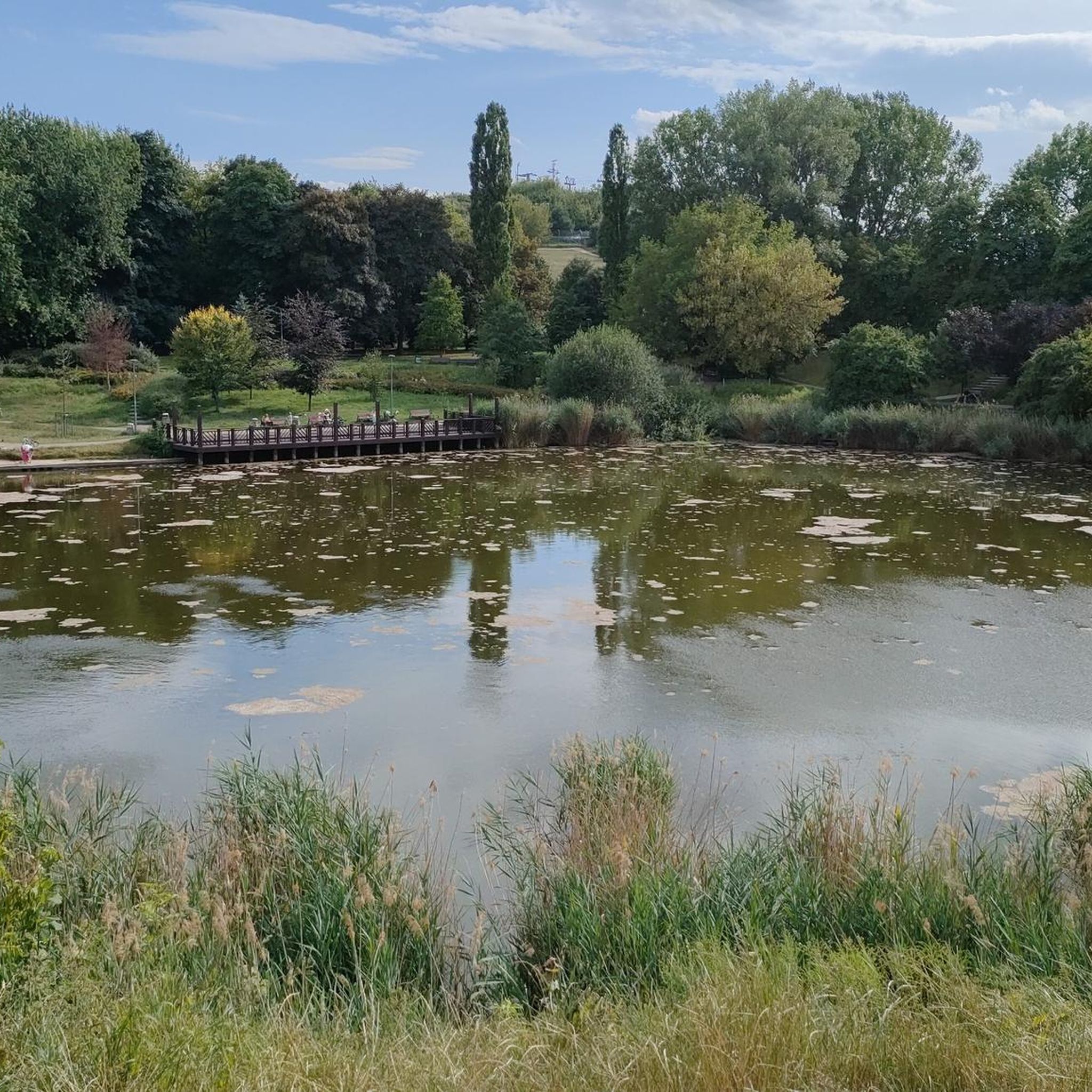
Warszawa's natural monuments showcase diverse features. You'll find protected lakes like Torfy Lake, formed in an old turf excavation pit, and expansive river valleys such as those found in the Mosty Kalińskie Nature Reserve. The city also features ancient trees like the Geralt Oak, significant geological formations like Glacial Erratics, and protected forest ecosystems in reserves like Kawęczyn Nature Reserve and Zawadowskie Islands Nature Reserve.
Are there family-friendly natural monuments in Warszawa?
Absolutely! Many natural monuments and green spaces in Warszawa are great for families. Torfy Lake is a nice spot for a small bicycle trip with children, featuring a wooden viewing platform. The Marconi Fountain in Saski Garden is within a beautiful historical park perfect for leisurely strolls. Łazienki Królewskie Park, while not strictly a natural monument, is a vast park where children can enjoy seeing peacocks and squirrels. Skaryszewski Park also offers picturesque landscapes and recreational activities.
What outdoor activities can I do near these natural monuments?
You can enjoy various outdoor activities near Warszawa's natural monuments. For hiking, explore routes like 'Pętla Fort Radiowo - Rezerwat Łosiowe Błota' or 'Wokół Opalenia Educational Trail'. If you prefer cycling, consider gravel biking routes such as the 'Kampinos Bicycle Trail' or the 'Kalińskie Bridges Nature Reserve – Gravel Forest Road loop'. You can find more details on these and other routes in the hiking around Warszawa guide and the gravel biking around Warszawa guide.
Which natural monuments are suitable for dog owners?
Many of Warszawa's larger parks and forest areas, which contain or are near natural monuments, are dog-friendly. Kabaty Forest and Bielański Forest offer extensive paths for walks with dogs. While specific natural monuments like individual trees or erratics are generally accessible, always ensure dogs are kept on a leash and follow local regulations, especially within nature reserves like Kawęczyn or Mosty Kalińskie to protect wildlife.
What is the best time of year to visit natural monuments in Warszawa?
The best time to visit natural monuments in Warszawa largely depends on your preferences. Spring (April-May) offers blooming flora and pleasant temperatures, ideal for parks and gardens. Summer (June-August) is perfect for enjoying lakes, rivers, and longer days, though it can be warmer. Autumn (September-October) provides stunning fall foliage, especially in forest reserves like Kabaty and Bielański. Even winter can be beautiful, with snow-covered landscapes offering a serene experience, though some paths might be less accessible.
Are there any natural monuments that are wheelchair accessible?
Yes, some natural monuments and associated parks in Warszawa offer wheelchair accessibility. The Marconi Fountain in Saski Garden is located within a historical park that is generally wheelchair accessible. Larger urban parks like Łazienki Królewskie and Skaryszewski Park also have paved paths suitable for wheelchairs, allowing visitors to enjoy the natural beauty and historical elements. It's always advisable to check specific access points for individual sites.
What do visitors particularly enjoy about the natural monuments around Warszawa?
Visitors particularly enjoy the tranquility and natural beauty these sites offer within or close to the bustling city. For instance, the Zawadowskie Islands Nature Reserve is loved for its sandy areas, wild adventures, and abundant birdlife. The Torfy Lake is appreciated for its peaceful views and changing vegetation. The blend of nature with historical elements, as seen in Saski Garden, is also a significant draw.
Where can I observe wildlife near Warszawa's natural monuments?
Several natural monuments and reserves are excellent for wildlife observation. The Zawadowskie Islands Nature Reserve is renowned for its diverse bird species. Łazienki Królewskie Park is home to freely roaming peacocks and squirrels. In larger forest areas like Bielański Forest and Kabaty Forest, you might spot deer, foxes, and various bird species, especially during quieter times of the day.
How can I reach natural monuments around Warszawa using public transport?
Many natural monuments and significant green spaces in Warszawa are well-connected by public transport. Parks like Łazienki Królewskie, Saski Garden, and Skaryszewski Park are centrally located and easily accessible by bus or tram. For reserves slightly further out, such as Kawęczyn Nature Reserve or areas near Kabaty Forest, local bus lines often provide access. Planning your route with a local public transport app is recommended for the most up-to-date information.
Most popular routes around Warszawa
Most popular attractions around Warszawa

Get inspired with the komoot mobile app


Explore more
Extend your search for the best caves by checking out these guides of the top ones around Warszawa:
