Top 20 Natural Monuments around gmina Leszno
Best natural monuments around gmina Leszno are primarily found within the Kampinos National Park, which covers a significant portion of the gmina's territory. This region in Warsaw West County, Poland, is characterized by its vast forests and protected natural areas. The natural monuments predominantly consist of ancient and impressive trees, offering both ecological value and historical interest.
Best natural monuments around gmina Leszno
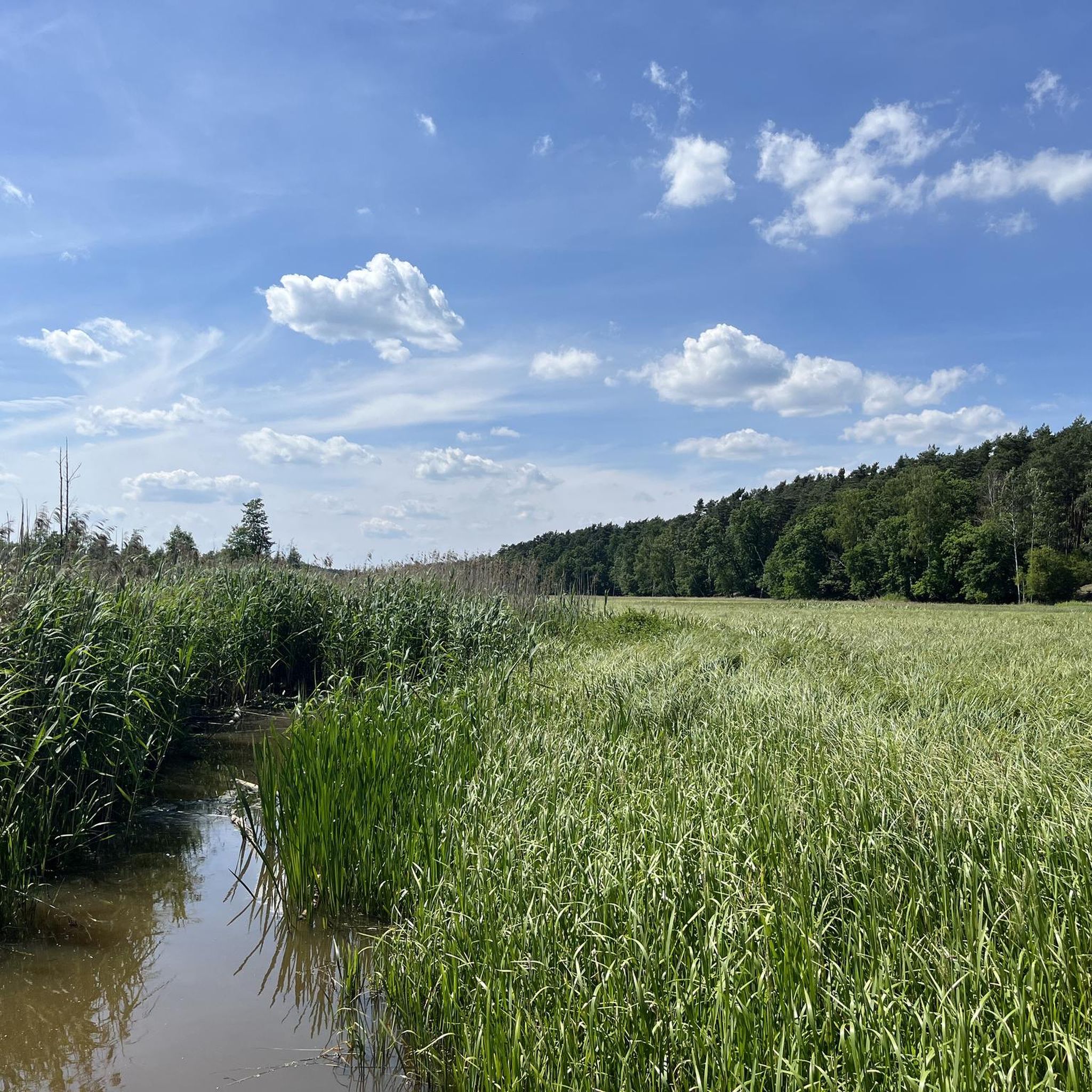
- The most popular natural monuments is Educational Trail "To Karczmiska", a trail that is approximately 3 kilometers long and starts at the parking lot in Truskaw. It leads through swampy valleys with wooden footbridges and diverse forests. This path is known for its varied nature and recently updated, solid footbridges.
- Another must-see spot is Cyganka Nature Reserve, a forest and strict protection area established in 1977 within the Kampinos National Park. Visitors can expect to see a fragment of the Niepust swampy valley, dunes, and various forest types, with two hiking trails running nearby.
- Visitors also love 1863 Insurgents' Pine and Memorial Site in Górki, a historical site located in the Kampinos National Park. This site features the remains of a 170-year-old pine tree, felled by lightning, next to a monument commemorating insurgents and a field chapel.
- gmina Leszno is known for ancient trees, historical pines, and protected forest reserves. These sites offer a chance to explore centuries-old living history and preserved natural beauty.
- The natural monuments around gmina Leszno are appreciated by the komoot community, with over 190 upvotes and 20 photos shared.
Last updated: August 23, 2026
Jerzyki Memorial Cross
Highlight • Monument
Translated by Google •
Tip by

Educational Trail "To Karczmiska"
Highlight (Segment) • Trail
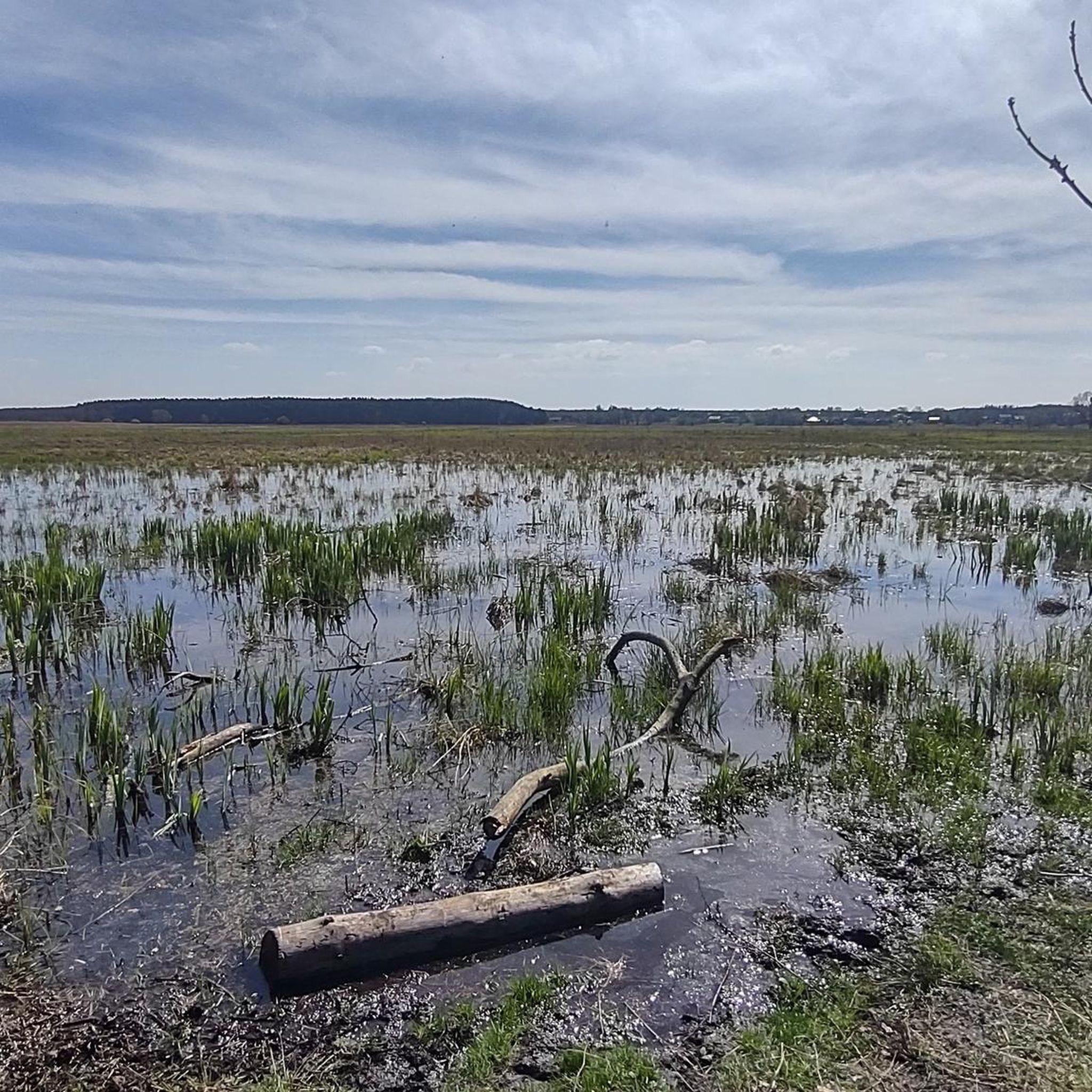
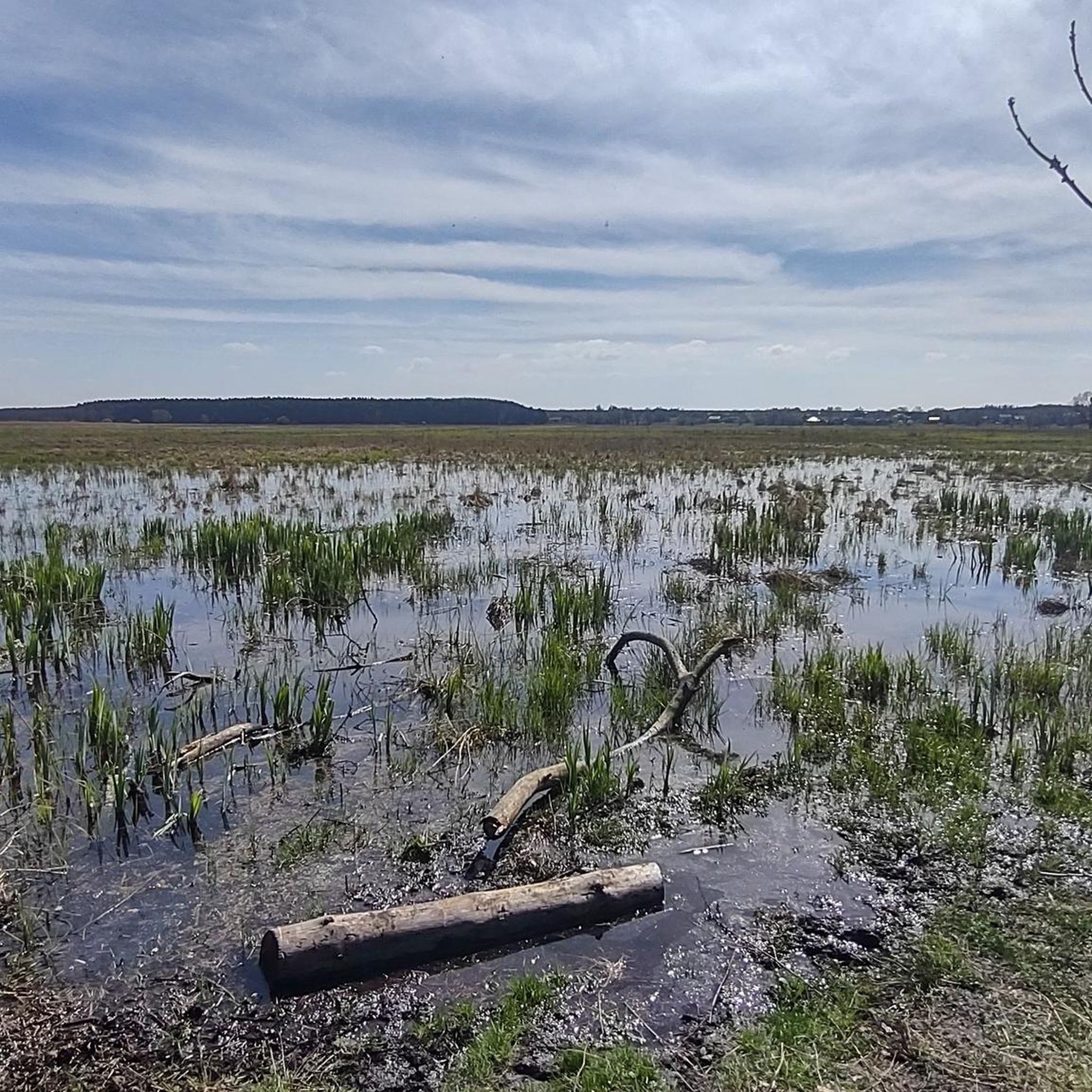
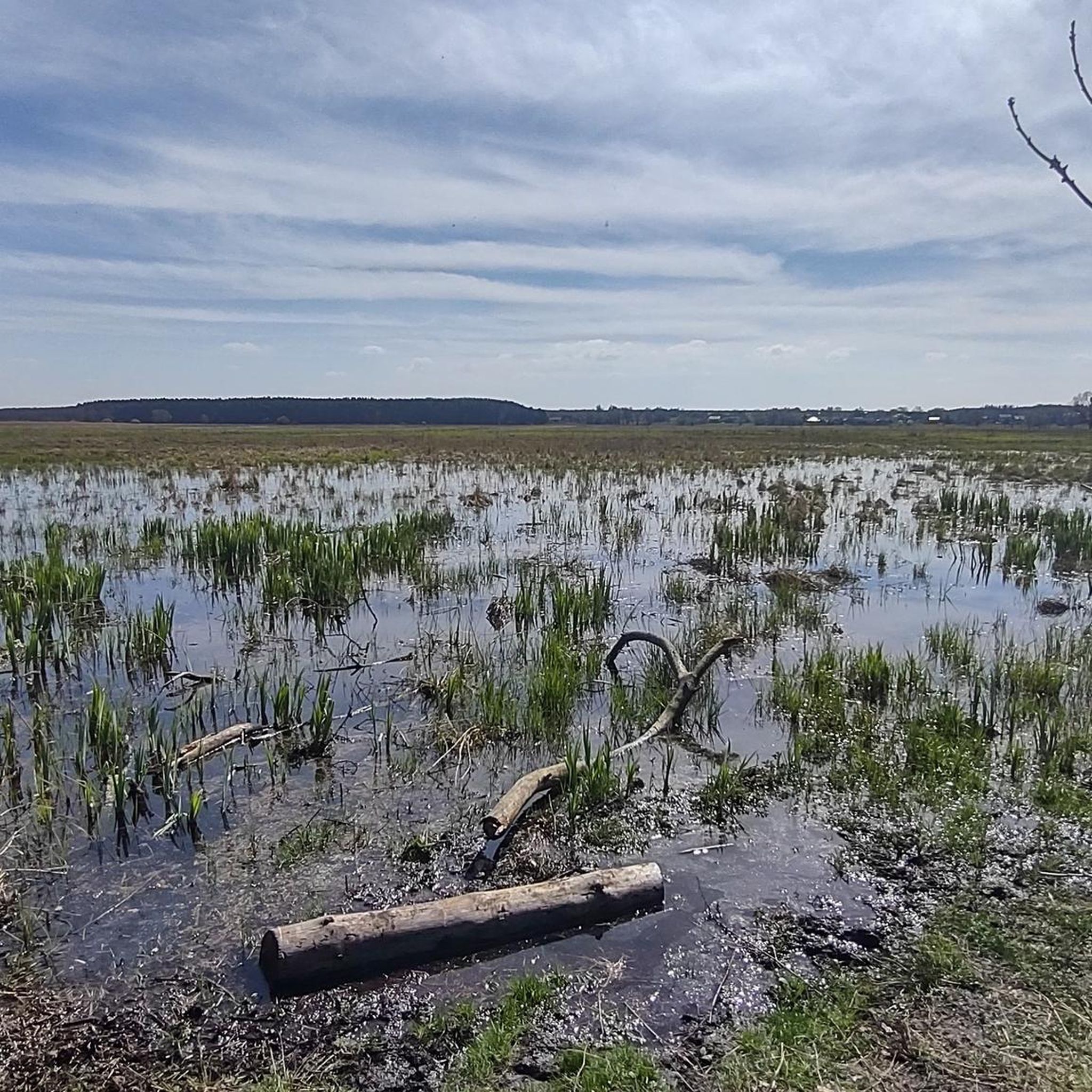
The path is very interesting and diverse in nature, first it leads through the swampy Niepust valley with many wooden footbridges, and then through oak-hornbeam forests, riparian forests and pine forests.
Translated by Google •
Tip by
Sign up now to discover places like this
Get recommendations on the best single tracks, peaks, & plenty of other exciting outdoor places.
Sign up for free
1863 Insurgents' Pine and Memorial Site in Górki
Highlight • Historical Site
Translated by Google •
Tip by
Cyganka Nature Reserve
Highlight • Forest
There are two hiking trails running near the reserve: the trail named after Kazimierz W. Wójcicki (black) and the "To Karczmiska" educational trail (green).
Translated by Google •
Tip by
Forest Trail in Kampinos National Park
Highlight • Trail
There is a whole network of hiking and cycling trails on which you can run comfortably.
Translated by Google •
Tip by
Sign up for free to discover even more natural monuments around gmina Leszno.
Sign up for free
Already have an account?
Start today with a free account
Your next adventure awaits.
Login or Signup
Tips from the Community

A cross commemorating the battle of the Jerzyki unit with the RONA formation near Pociecha in the Kampinos Forest on 28 August - 2 September 1944. Insurgent Special Units "Jerzyki" (POS "Jerzyki") - a clandestine military-civilian organization founded in 1939 by Jerzy Strzałkowski on the initiative of President Starzyński. It operated mainly in the General Government, conducting armed combat and civilian activities (including secret education, helping Jews, distributing the press). In 1943 it was subordinated to the Home Army. Some of the structures in Łódź came under the influence of the PPR, creating the PPP "Wyzwolenie". After the Warsaw Uprising it continued sabotage operations. Disbanded in January 1945. In 1987, the POS banner was awarded the Order of Virtuti Militari.
1
0

Insurgent Special Units "Jerzyki" (POS "Jerzyki") - Polish military-civilian underground organization, operating from autumn 1939 to January 1945 in the area of the General Government and part of the lands incorporated into the Reich. More at: https://pl.wikipedia.org/wiki/Powsta%C5%84cze_Oddzia%C5%82y_Specjalne_%E2%80%9EJerzyki%E2%80%9D
0
0

On the southern edge of the village of Górki grew a magnificent 170-year-old pine tree, whose branches hung down to the ground. On these branches, the Cossacks hanged the insurgents who had escaped into the forest after the Battle of Buda Zaborowska (April 10, 1863) and were captured in this area. During the fight, the commander of the insurgent unit, Major Walerian Remiszewski, sent some of the unarmed insurgents into the forest. After defeating the unit, the Russians chased the escapees, and those captured without trial were hanged. A pine tree struck down by lightning on April 1, 1984 lies next to a small monument in the form of a boulder in honor of the Insurgents of 1863. Traces of the severed branches, from which commemorative crosses were made, are visible. Next to it, on a hill, there is a field chapel in the form of two wooden roofs-tents with figures of saints (by Małgorzata Tomaszkiewicz) and a stone altar table. The whole is crowned by a high wooden cross.
1
0

It is impressive, on the side of the memorial there is a rest area and a bus stop
0
0

Sosna Powstańców 1863. Worth a visit.
0
0

One of the most beautiful, swampy sections in the Kampinos Forest. In 2024, new, very solid footbridges were laid.
0
0

Sosna Powstańców 1863 is located in the Kampinos National Park at the intersection of the red Main Trail of the Kampinos Forest and the green Southern Forest Trail. The pine tree was felled by lightning in 1984 and lies next to the monument commemorating the insurgents killed after the Battle of Buda Zaborowska (April 10, 1863).
2
0
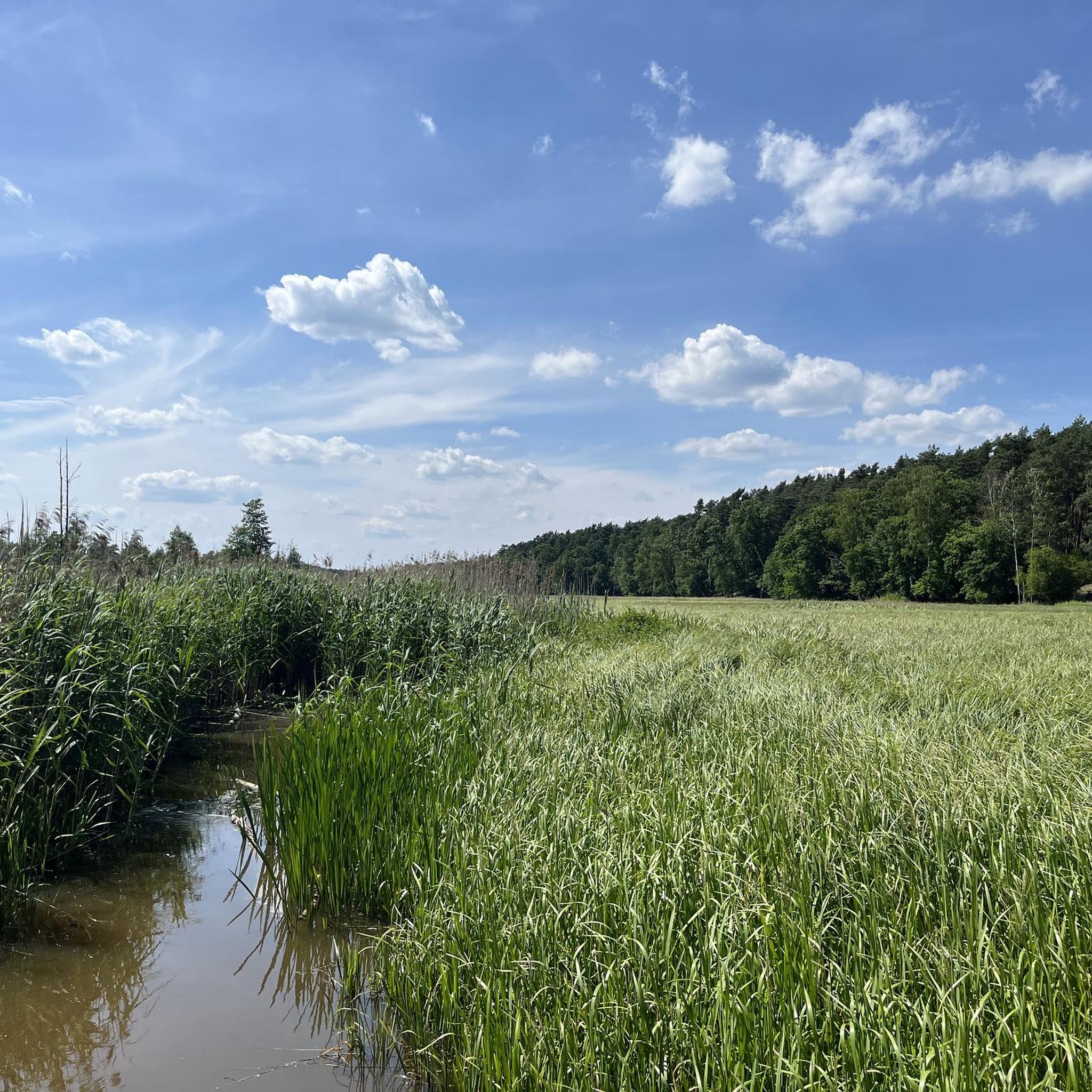
The Kampinos National Park, simply called Kampinos, is a place worth a trip at any time of the year. Created in 1959, it covers the area of the Kampinos Forest. However, it is not only a beautiful forest - it also includes sand dunes, swamps and many strictly protected areas where human interference has been completely limited. You can meet moose, deer, wild boars and cranes here. There is a whole network of hiking and cycling trails on which you can run comfortably.
2
1
Frequently Asked Questions
What types of natural monuments can I find in gmina Leszno?
Gmina Leszno is primarily known for its ancient and impressive trees, many of which are protected within the Kampinos National Park. You'll discover monumental oaks, avenues of lime and ash trees, and protected forest reserves. The area also features unique natural landscapes like swampy valleys and dunes.
Are there any particularly old or significant trees to see?
Yes, one of the most impressive natural monuments is the Dąb Kobendzy (Kobendza's Oak), located within the Kampinos National Park. This pedunculate oak is over 300 years old, stands 27 meters tall, and has a trunk circumference of 590 cm. It's named after Professor Roman Kobendza, a key figure in the park's establishment.
What historical natural monuments are there in gmina Leszno?
You can visit the 1863 Insurgents' Pine and Memorial Site in Górki, which features the remains of a 170-year-old pine tree that was struck by lightning. This site commemorates insurgents from the Battle of Buda Zaborowska. Another historical site is the Jerzyki Memorial Cross, dedicated to the memory of insurgent special forces from World War II.
Are there any natural monuments suitable for families with children?
Absolutely! The Educational Trail "To Karczmiska" is a family-friendly option, approximately 3 kilometers long, leading through diverse forests and swampy valleys with solid wooden footbridges. The Cyganka Nature Reserve also has hiking trails nearby that are suitable for families to explore its unique ecosystems.
What kind of trails can I find near the natural monuments?
Many natural monuments are located within or near the Kampinos National Park, offering various trails. For example, the Educational Trail "To Karczmiska" is a popular option. You can find more detailed information on hiking routes in the area by visiting the Hiking around gmina Leszno guide.
Can I go cycling near the natural monuments in gmina Leszno?
Yes, the area around gmina Leszno and the Kampinos National Park offers opportunities for cycling. You can explore various routes suitable for gravel biking or mountain biking. For specific routes and difficulty levels, check out the Gravel biking around gmina Leszno guide or the MTB Trails around gmina Leszno guide.
Are there any notable tree avenues in the area?
Yes, within the Kampinos National Park and its buffer zone, which includes parts of Gmina Leszno, you can find impressive tree avenues. Aleja Chopina (Chopin's Avenue) features 759 small-leaved lime trees, 11 common ash trees, and a single pedunculate oak. There's also the Leszno Avenue, comprising 36 small-leaved lime trees and 17 common ash trees.
What is the Cyganka Nature Reserve known for?
The Cyganka Nature Reserve is a strict protection area established in 1977 within the Kampinos National Park. It protects a fragment of the Niepust swampy valley and the dunes of the Niepusty Forest, featuring diverse forest types like oak-hornbeam, riparian, and alder forests, as well as sedge meadows.
What do visitors enjoy most about the natural monuments in gmina Leszno?
Visitors particularly appreciate the opportunity to connect with centuries-old living history through the ancient trees and historical sites. The diverse natural landscapes, including swampy valleys and protected forests, and the well-maintained educational trails like the Educational Trail "To Karczmiska", are also highly valued for their beauty and accessibility.
Is there a place to learn about the history of the area while visiting natural monuments?
Yes, sites like the 1863 Insurgents' Pine and Memorial Site in Górki offer a direct link to historical events, commemorating the 1863 January Uprising. Additionally, the Jerzyki Memorial Cross provides insight into World War II history in the region.
Are there any former natural monuments with interesting stories?
Yes, the Topola Lesznowska was once considered one of Poland's largest and oldest white poplars in Karpinek Park. Although it sadly broke due to natural causes in 2012, its legacy as a monumental natural feature is still recognized, and its base might still be visible.
Where can I find more information about the Kampinos National Park, which protects many of these monuments?
For more detailed information about the Kampinos National Park, including its attractions and natural monuments, you can visit the official park website: kampn.gov.pl.
Most popular routes around gmina Leszno
Most popular attractions around gmina Leszno

Get inspired with the komoot mobile app


Explore more
Extend your search for the best caves by checking out these guides of the top ones around gmina Leszno:
