Top 4 Natural Monuments around Maciejowice
Best natural monuments around Maciejowice include protected forest areas and river ecosystems. The region, situated in Mazowieckie Voivodeship, Poland, features diverse natural elements such as ancient trees and peat bogs. These natural monuments contribute to the area's environmental and landscape value, offering opportunities for exploration. Maciejowice natural monuments trails provide access to these protected natural sites.
Best natural monuments around Maciejowice
- The most popular natural monuments is Guść Nature Reserve, a forest that preserves a mosaic of forest habitats…
Last updated: May 17, 2026
Guść Nature Reserve
Highlight • Forest
Translated by Google •
Tip by

Dęby Biesiadne Nature Reserve
Highlight • Forest
Translated by Google •
Tip by
Sign up now to discover places like this
Get recommendations on the best single tracks, peaks, & plenty of other exciting outdoor places.
Sign up for free
Orońskie Peat Bog Nature Reserve
Highlight • Natural Monument
Translated by Google •
Tip by

Zagożdżonka River in Kozienicki Landscape Park
Highlight (Segment) • River
Translated by Google •
Tip by

Czerwony Krzyż Nature Reserve
Highlight • Forest
The main roads in the protected area are rather inaccessible. Lots of fallen trees. …
Translated by Google •
Tip by

Start today with a free account
Your next adventure awaits.
Login or Signup
Tips from the Community

Currently, the road in OSM is fairly precisely drawn. After leaving the forest and entering the peat bog, the road is difficult to see, but if you find it, you can easily drive to the town of Ciosny. The terrain is very nice and it is definitely worth a trip if it is not too wet. I recommend solid tires, because it can be bumpy.
0
0

I had a flat tire there so be careful
0
0

The purpose of protection is to preserve one-sided taiga positions. The reserve was established in 1990. The main roads in the protected area are rather inaccessible. Lots of fallen trees. More to walk around. The roads bordering the reserve are easily passable.
0
0

By bike you will reach the board, then rather on foot.
0
0

The nature reserve “Dęby Biesiadne im. Mariana Pulkowski" - was established in 2006 by the Regulation of the Mazowieckie Voivode No. 19 of August 8, 2006 in order to preserve natural typical hailstones (Tilio-Carpinetum typicum). The total area of the reserve is 17.20 ha, including land related to farming forest area is 0.31 ha, the dominant forest habitat is Lśw, and the BMśw, Lw and LMw habitats are also listed.
0
0

It is worth deviating from the main forest road into the reserve to admire the peat bogs. Although the road is marked on the map, it is not possible to pass or walk - after a few hundred meters you reach vast, marshy peat bogs and there is no road further. Maybe during the drought it would be possible to get through here somehow?
0
0
The "Guść" reserve - with an area of 87.07 ha, it is the youngest reserve of the Kozienicka Primeval Forest. It was established by the Regulation No. 79 of the Mazowieckie Province Governor of September 11, 2002 (Journal of Laws of the Mazowieckie Province of 2002, item 6182). The current legal basis for the existence of this reserve is the Order of the Regional Director for Environmental Protection in Warsaw of April 10, 2017 (Journal of Laws of the Mazovia Province of 2017, item 3955). The aim of the reserve protection is to preserve the mosaic of forest habitats growing on the geologically and geomorphologically diversified terrace of the Vistula River. The ash alder covers the largest area here, which along with the abovementioned ash-alder riparian forest, which is the natural habitat of 91E0, is the most valuable part of the reserve. These habitats are located in a local depression filled with river sands with low peats in places. There are alder stands of various, sometimes advanced ages here. They are surrounded by dunes made of aeolian sands, overgrown with pine trees, mostly over 100 years old, with an admixture of oak and birch.
0
0

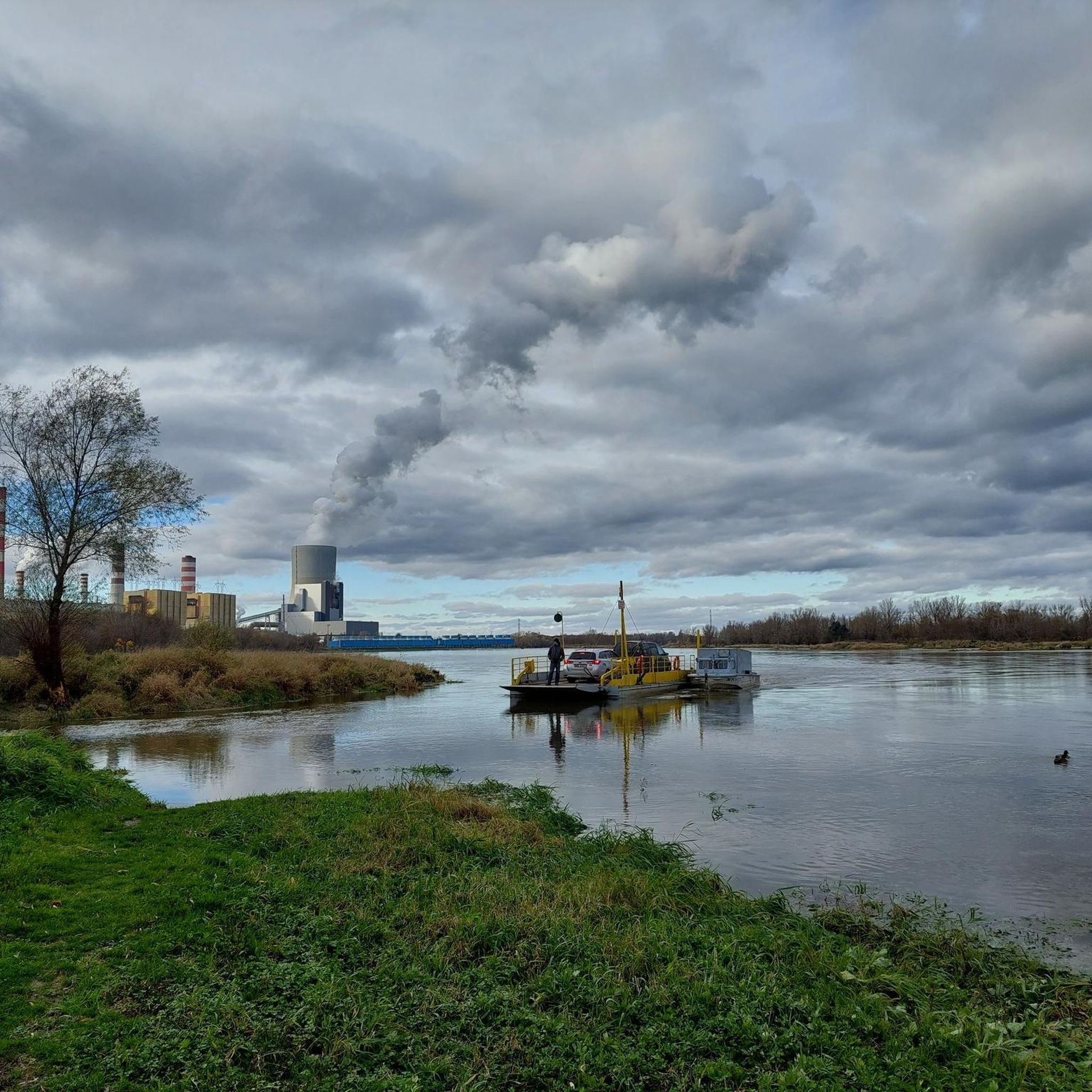
The Zagożdżonka is the left tributary of the Vistula with a length of about 42 km and the largest river in the Kozienicka Forest. It flows through two Mazovian nature reserves: the Royal Spring and Brzeźniczka.
89
2
Frequently Asked Questions
What types of natural monuments can I explore around Maciejowice?
The region around Maciejowice features diverse natural monuments, including protected forest areas like the Guść Nature Reserve with its ash-alder riparian forest and ancient pine dunes, and the Dęby Biesiadne Nature Reserve known for its hornbeam stands. You can also find significant waterways such as the Zagożdżonka River in Kozienicki Landscape Park, home to European beavers, and unique ecosystems like the Orońskie Peat Bog Nature Reserve.
Are there any family-friendly natural monuments or trails in the area?
Yes, the Dęby Biesiadne Nature Reserve is considered family-friendly. While you can reach a certain point by bike, exploring the hornbeam stands on foot is recommended. For general easy hikes, you can find several routes in the Easy hikes around Maciejowice guide, such as the Pizzeria Olivia – Camping 74 loop from Kozienice.
What kind of wildlife might I encounter near these natural monuments?
The natural monuments around Maciejowice are home to various wildlife. For instance, the Zagożdżonka River in Kozienicki Landscape Park is particularly known for its European beaver population. Forest reserves also support diverse flora and fauna typical of riparian and mixed forest habitats.
Are there hiking opportunities near the natural monuments?
Absolutely. The region offers numerous hiking trails. You can explore options in the Hiking around Maciejowice guide, which includes easy to moderate routes like the Drugi Staw loop from Janów. For easier walks, check the Easy hikes around Maciejowice guide.
Can I cycle to or around any of the natural monuments?
Yes, cycling is possible in some areas. For example, you can reach a certain point of the Dęby Biesiadne Nature Reserve by bike before continuing on foot. If you're interested in gravel biking, the Gravel biking around Maciejowice guide offers routes like the Royal Springs Nature Reserve – Brzeźniczka Pond loop.
What should I know before visiting the Orońskie Peat Bog Nature Reserve?
The Orońskie Peat Bog Nature Reserve is a challenging area. While it's worth deviating from the main forest road to admire the peat bogs, the path can be difficult to pass or walk, especially after a few hundred meters where it becomes marshy. Solid tires are recommended if attempting to cycle, and be prepared for potentially impassable sections, particularly during wet periods.
Are there any historical sites or natural monuments with historical significance nearby?
While not directly accessible, the **Zamoyski Palace in Trzebień**, located near Maciejowice, features an old park with numerous ancient trees officially designated as natural monuments. These trees contribute to the historical and natural value of the palace grounds, offering a glimpse into the region's historical landscape architecture, even if the palace itself is privately owned.
What makes the Guść Nature Reserve unique?
The Guść Nature Reserve is notable for preserving a mosaic of forest habitats on the geologically and geomorphologically diversified terrace of the Vistula River. It features a valuable ash-alder riparian forest and surrounding dunes with pine trees that are over 100 years old, making it the youngest reserve of the Kozienicka Primeval Forest.
What is the best time of year to visit the natural monuments around Maciejowice?
While specific recommendations for Maciejowice are not available, generally, spring and autumn offer pleasant weather for exploring natural monuments in Poland. Spring brings blooming flora, and autumn showcases vibrant foliage, both providing comfortable conditions for hiking and cycling before winter's cold or summer's heat.
Are there any specific challenges or accessibility considerations for the Czerwony Krzyż Nature Reserve?
For the Czerwony Krzyż Nature Reserve, be aware that the main roads within the protected area are rather inaccessible due to many fallen trees, making it more suitable for walking around the perimeter. The roads bordering the reserve, however, are easily passable.
What is the Zagożdżonka River known for?
The Zagożdżonka River in Kozienicki Landscape Park is the largest river in the Kozienicka Forest, flowing for about 42 km and through two Mazovian nature reserves: the Royal Spring and Brzeźniczka. Its natural attraction includes the presence of European beavers.
Most popular attractions around Maciejowice

Get inspired with the komoot mobile app


Explore more
Extend your search for the best caves by checking out these guides of the top ones around Maciejowice:
