Top 8 Natural Monuments around Zielona Góra
Best natural monuments around Zielona Góra include a variety of ancient trees and protected natural areas. The region is characterized by green hills and a rich natural heritage, offering tranquil spots for exploration. These sites are officially recognized for their scientific, historical, and aesthetic value. Zielona Góra's landscape provides diverse natural attractions for visitors.
Best natural monuments around Zielona Góra
- The most popular natural monuments is Bukowa Góra Nature Reserve, a forest that is the oldest post-war forest reserve…
Last updated: August 23, 2026
Wilkanów Meteorite Memorial
Highlight • Monument
Translated by Google •
Tip by

Railway Oaks by the Żagań–Wolsztyn Line
Highlight • Natural Monument
Translated by Google •
Tip by

Sign up now to discover places like this
Get recommendations on the best single tracks, peaks, & plenty of other exciting outdoor places.
Sign up for free
Three Oaks
Highlight • Natural Monument
Translated by Google •
Tip by
Napoleon Oak
Highlight • Natural Monument
Translated by Google •
Tip by

Bukowa Góra Nature Reserve
Highlight • Forest
Translated by Google •
Tip by

Sign up for free to discover even more natural monuments around Zielona Góra.
Sign up for free
Already have an account?
Start today with a free account
Your next adventure awaits.
Login or Signup
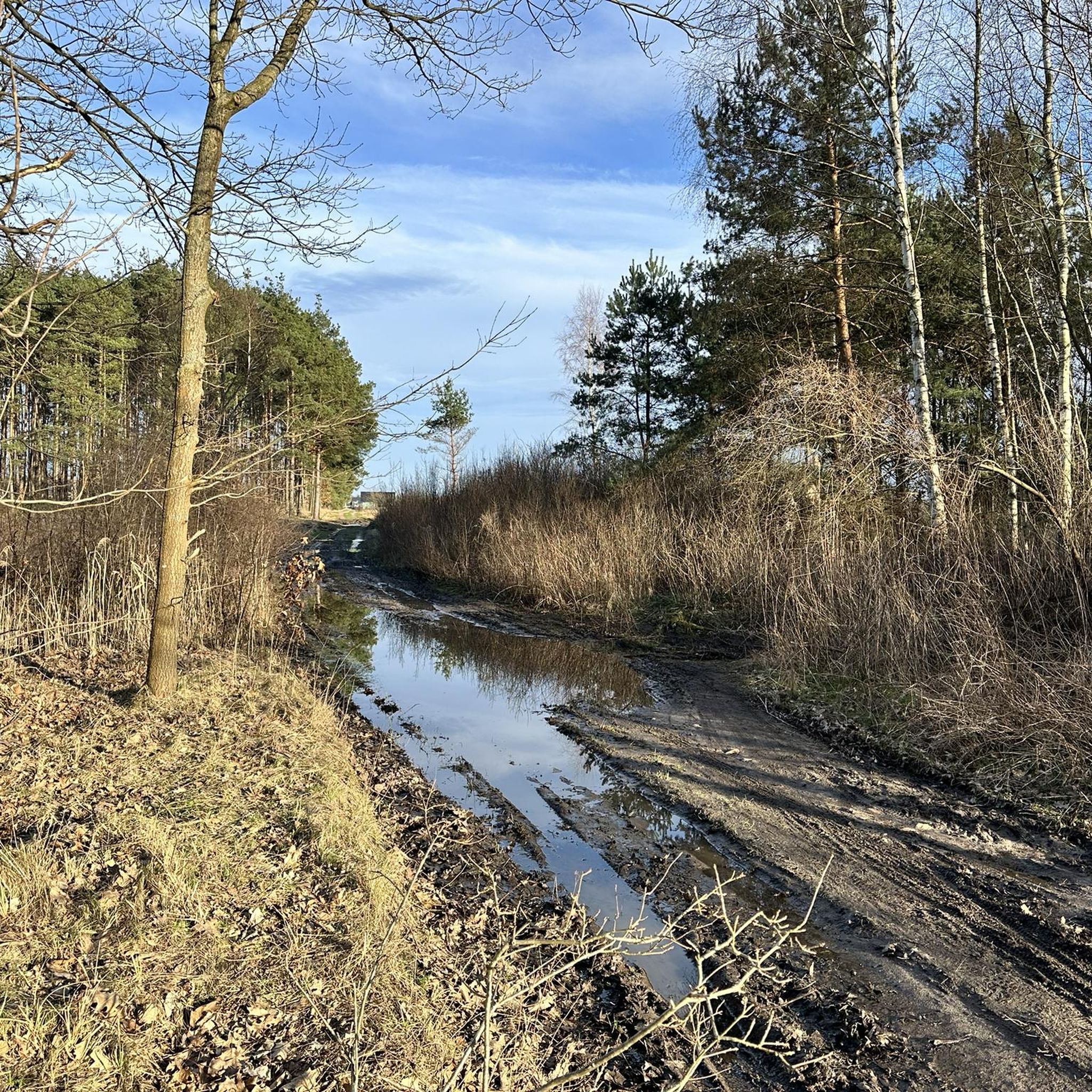

Tips from the Community

The Napoleon Oak (Dąb Napoleona) – a now-defunct natural monument, this English oak growing in Zabór was the thickest tree of its species in Poland. It burned down on November 15, 2010, most likely set on fire by vandals. Its circumference was 1,052 cm (at a height of 1.3 meters from the highest point of the tree's base). At 22 meters high, the oak is estimated to have been an acorn tree around 1300 (its age is 660-700 years). The tree had a large hollow inside that could accommodate a dozen people at once. The tree's habit was typical of trees growing in open spaces (a massive trunk and spreading crown) – different from, for example, the Białowieża oaks, such as the Car Oak or the Jagiełło Oak. Before the war, it was listed among 78 natural monuments in the Zielona Góra district. In 1920, the then Princess Hermine von Schönaich-Carolath of the Reuss family personally named the tree after Professor Theodor Schube (a German botanist and nature conservationist who studied Silesian natural monuments and authored, among other works, the Waldbuch von Schlesien). After her husband's death, the Princess became the second wife of former Emperor Wilhelm II in 1922, receiving the title of Empress. This brought the oak fame both locally and throughout Silesia. In 1936, the tree was listed in the "Book of Nature Conservation" kept by the starost of Zielona Góra. The tree's Polish name comes from a legend that Napoleon Bonaparte rested under its branches after crossing the Oder River during his expedition to Russia in 1812. Before it finally burned down, the oak was set on fire several times by vandals.
0
0

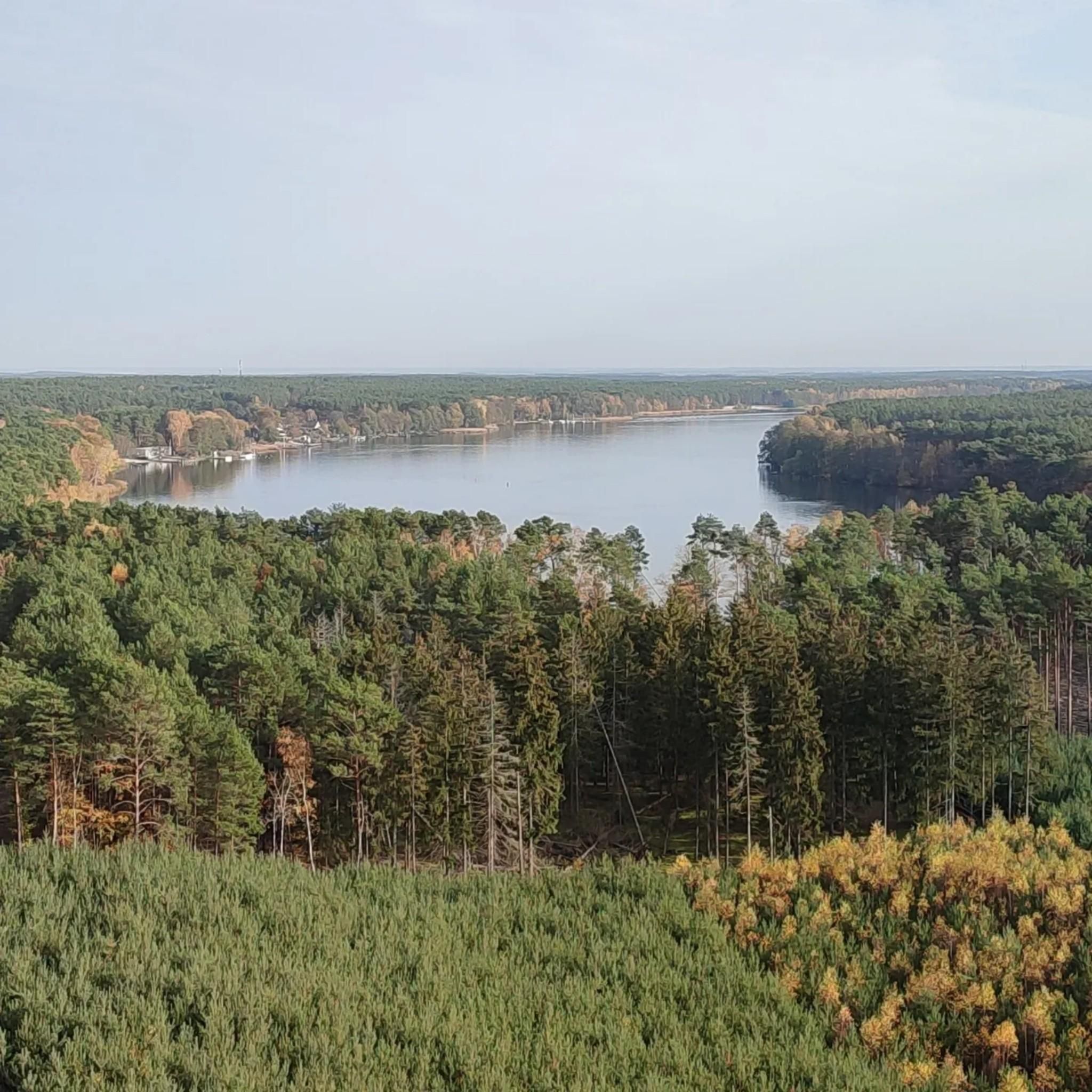
Bukowa Góra Reserve is the oldest post-war forest reserve in the former Zielona Góra Voivodeship, currently in the Lubuskie Voivodeship. It was established on November 30, 1954.
3
0

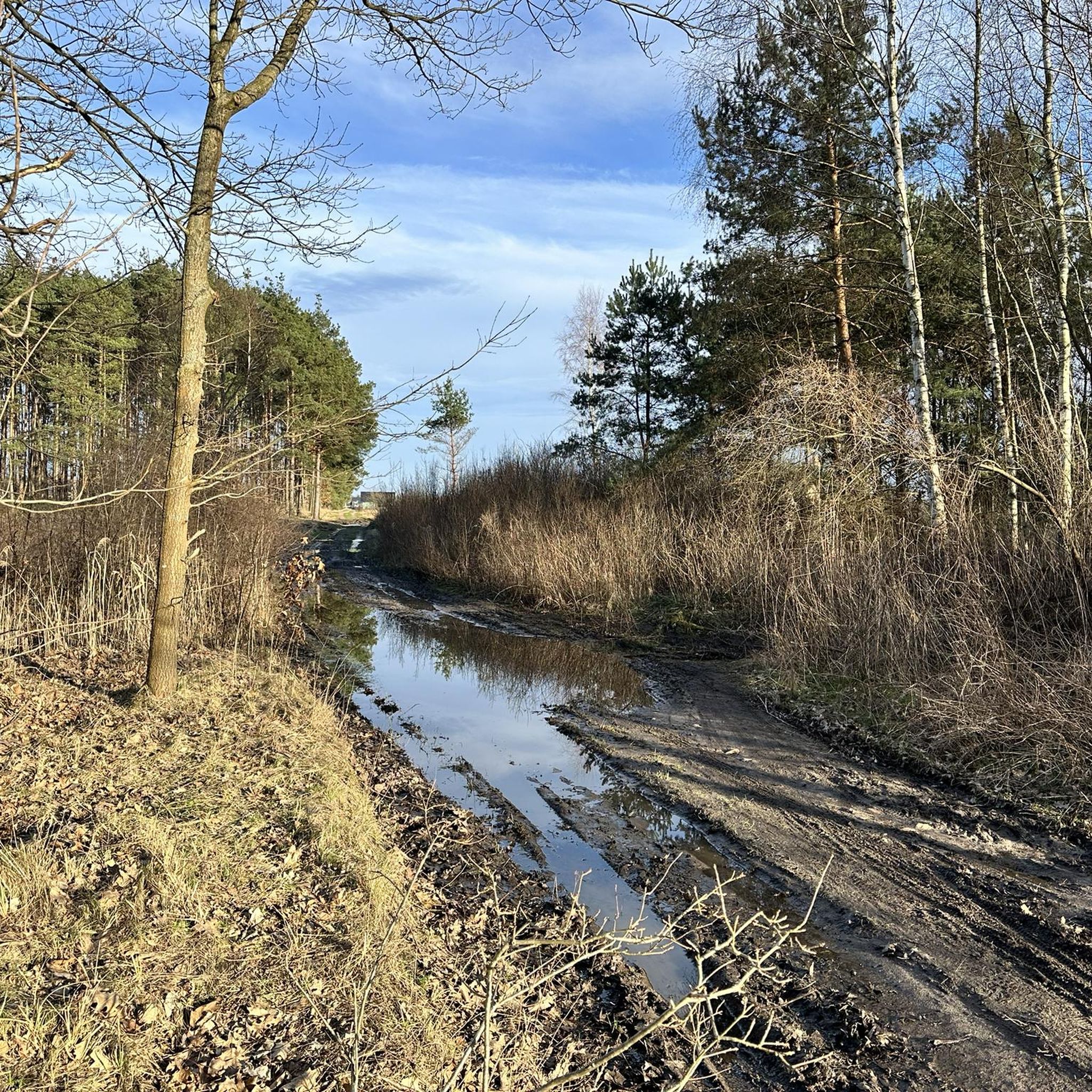
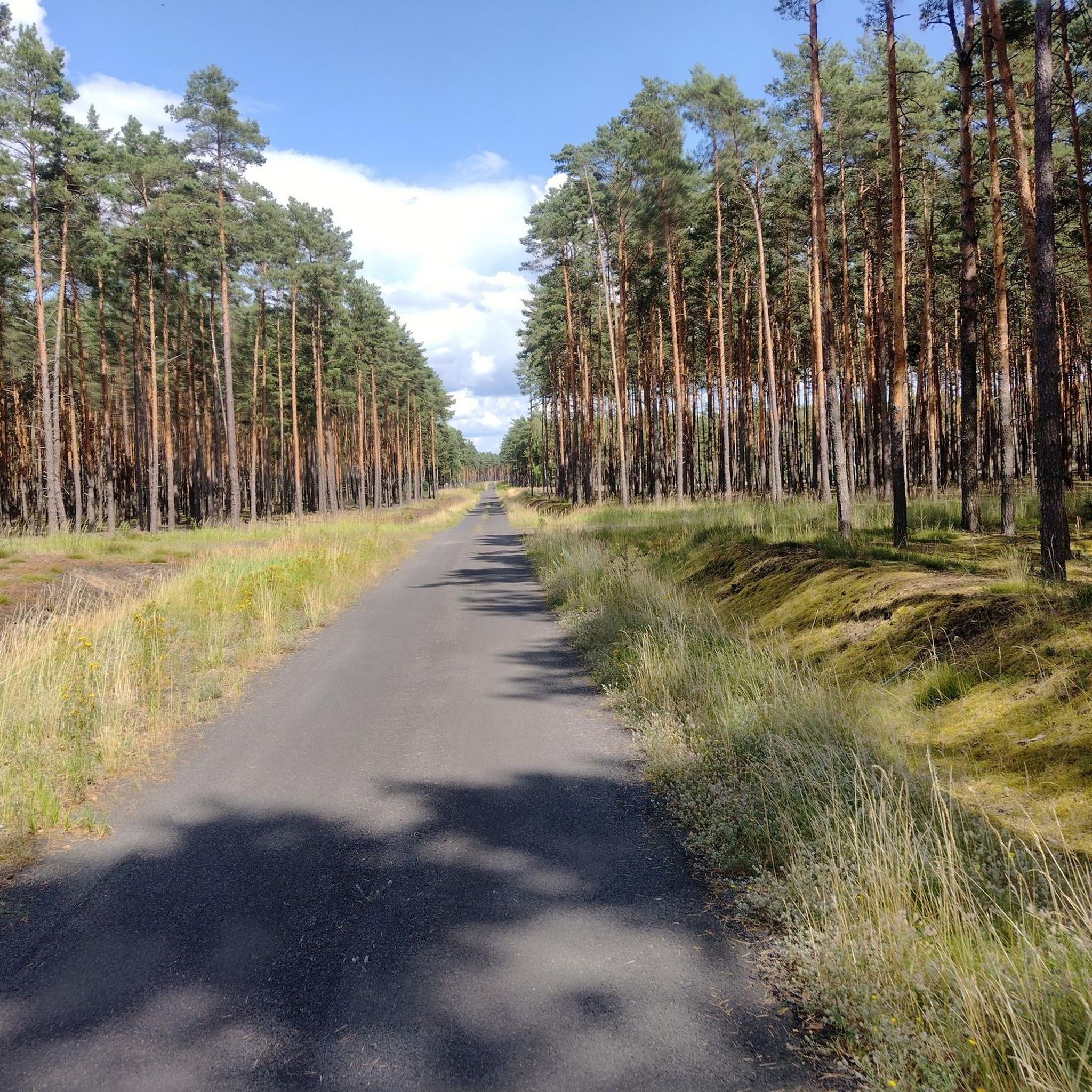
Along the former railway line, currently by the "Kolej na rower" bicycle path, there are 4 English oaks of outstanding size. The most impressive of them measures 320 cm at breast height. This thickness qualifies it for recognition as a natural monument. The others are not much worse. They were planted about 120 years ago. It is very likely that they are the same age as the railway line no. 371 Żagań - Wolsztyn. It is worth paying attention to them during a bicycle ride.
2
1
During the Silesian foresters' congress in 1895, 3 oaks were planted near the former forester's lodge of the Przyborów Forest District: Katarzyna, Matylda and Mikołaj. "Katarzyna" commemorated Katharina Emma Jenny Helena von Reichenbach-Goschuetz, (1861-1941) the second wife of Karol Ludwik Erdmann Ferdinand V, Prince of Siedlisko and Bytom. "Matylda" commemorated Matylda Gruchwitz-Lilliendahl (1825-1909), wife of Aleksander Gruchwitz - a famous factory owner from Nowa Sól. The person of Matylda Gruschwitz is associated with the large-scale, famous donations of the Gruschwitz family for social purposes. "Nicholas" was dedicated to Nikolaus Prince von Handjery (1836-1900), doctor of law, president of Legnica until 1894, whom the German emperor entrusted with delivering congratulations on the occasion of the 150th anniversary of the founding of Nowa Sól. Currently, only two are still standing. Due to the risk of falling onto the roadway, it was necessary to cut down one of them.
1
0

On March 22, 1841, at 3:30 p.m., the residents of Wilkanów working in the surrounding fields heard three strong booms similar to cannon shots. The explosion could be heard for many kilometers. Immediately afterward, a loud whistle could be heard, growing from the west, and something heavy fell nearby. In a small depression, witnesses found a 30-ounce stone (about 930 g). A second, smaller specimen was found later between the villages of Heinrichau and Schloin. The Wilkanów meteorite is a geologically gray veined chondrite, currently located in the most important geological museums in the world. On the 161st anniversary of that event, a three-ton boulder with a plaque commemorating the meteorite's fall was placed on a bend in the county road in Wilkanów.
1
0
Frequently Asked Questions
What unique natural monuments can I find in Zielona Góra?
Zielona Góra is home to several distinctive natural monuments, primarily ancient trees. You can visit the venerable Yew Tree on Kopernika Street, estimated to be over 700 years old, potentially predating the city itself. Another impressive sight is the "Lubuszan" Hungarian Oak on Plac Bohaterów, which is approximately 300 years old and likely the thickest Hungarian oak in Poland. Additionally, Moniuszki Street features a unique pairing of a 100-year-old Ginkgo biloba and a 150-year-old Swamp Cypress, both non-native species that add botanical curiosity to the urban landscape.
Are there any natural monuments with historical significance in the Zielona Góra region?
Yes, several natural monuments in the region carry historical weight. The ancient Yew Tree on Kopernika Street is a living testament to the city's history, quietly standing for over 700 years. While no longer alive, the historical "Napoleon" Oak near Zabór, once Poland's thickest pedunculate oak, has a poignant story of its destruction and a young oak grown from its branches planted nearby. The Railway Oaks by the Żagań–Wolsztyn Line are also historically significant, believed to have been planted around 120 years ago, coinciding with the railway line's construction.
What kind of trees are protected as natural monuments in Zielona Góra?
The natural monuments in Zielona Góra primarily consist of various protected tree species. These include ancient Yew trees, impressive Hungarian Oaks, unique Ginkgo biloba and Swamp Cypress trees, and robust Pedunculate Oaks. You can also find an exceptionally large Common Ivy near the Co-Cathedral and the notable "Waligóra" Scots Pine, which is the second thickest pine in Poland.
Are there family-friendly natural monuments around Zielona Góra?
Yes, many natural monuments in the area are suitable for families. The Railway Oaks by the Żagań–Wolsztyn Line are located along a popular bicycle path, making it easy to visit with children. The Three Oaks, with their interesting historical background, are also a pleasant spot for a family outing. The "Lubuszan" Hungarian Oak on Plac Bohaterów is centrally located and a great starting point for exploring the city's green spaces.
What outdoor activities can I do near these natural monuments?
The natural monuments around Zielona Góra are often situated in areas perfect for outdoor activities. For cycling, the "Lubuszan" Hungarian Oak is a popular starting point for exploring the picturesque surroundings. The Railway Oaks by the Żagań–Wolsztyn Line are directly on the "Kolej na rower" bicycle path. You can find various cycling routes in the area, including those detailed in the Cycling around Zielona Góra guide. For hiking, the Bukowa Góra Nature Reserve offers an intermediate trail, and you can explore more options in the Easy hikes around Zielona Góra guide.
What is the best time to visit the natural monuments in Zielona Góra?
The natural monuments, primarily trees, can be appreciated year-round. However, spring and autumn offer particularly pleasant conditions for exploring, with mild weather and beautiful foliage. Spring brings fresh greenery and blossoms, while autumn showcases vibrant colors. Summer is also suitable, especially for combining visits with cycling or hiking, though it can be warmer. Winter visits can offer a serene, snow-dusted landscape, especially for the larger forest monuments like the "Waligóra" Pine.
Are there any natural monuments that are easily accessible or wheelchair-friendly?
Many of the urban natural monuments are quite accessible. The "Lubuszan" Hungarian Oak on Plac Bohaterów is in a central square, making it easy to reach. The Yew Tree on Kopernika Street and the Ginkgo biloba and Swamp Cypress on Moniuszki Street are also located within the city. The Wilkanów Meteorite Memorial is listed as wheelchair accessible, offering an interesting historical and natural point of interest.
Can I find any natural monuments within cultural or museum settings?
Yes, the "Nikodem" Pedunculate Oak, a significant natural monument estimated to be between 200 and 250 years old, is located within the Ethnographic Museum in Ochla. This allows visitors to combine a cultural experience with an appreciation for natural heritage.
Where can I find the oldest natural monument in Zielona Góra?
The oldest natural monument in Zielona Góra is the venerable Yew Tree on Kopernika Street. It is estimated to be over 700 years old, making it a living relic that potentially predates the city itself.
Are there any unique natural formations or features besides trees?
While the region is primarily known for its ancient and distinctive trees as natural monuments, the Wilkanów Meteorite Memorial commemorates a significant natural event – the fall of a meteorite in 1841. Although the meteorite itself is in museums, the memorial marks the site of this rare occurrence, offering a unique natural and historical point of interest.
What is the most impressive oak tree in the Zielona Góra area?
The "Lubuszan" Hungarian Oak on Plac Bohaterów is particularly impressive. It stands approximately 27 meters tall with a circumference of 537 cm, making it likely the thickest Hungarian oak in Poland. Its majestic presence in a central square makes it a notable landmark.
Are there any natural monuments that are part of a nature reserve?
Yes, the Bukowa Góra Nature Reserve is a significant natural monument itself. It is the oldest post-war forest reserve in the region, established in 1954, and protects a valuable forest ecosystem.
Most popular routes around Zielona Góra
Most popular attractions around Zielona Góra

Get inspired with the komoot mobile app


