Top 20 Natural Monuments around Kolsko
Best natural monuments around Kolsko are situated within the Lubusz Voivodeship, a region in western Poland known for its diverse natural heritage. The area features extensive forests, river valleys, and post-glacial lakes, offering varied landscapes. Kolsko is located within or borders protected landscape areas, including the Sława and Przemięt Lake District and the Channels of Obrzyca and Odra rivers. These areas preserve valuable ecosystems and provide opportunities for outdoor activities, including hiking routes Kolsko.
Best natural monuments around Kolsko
- The…
Last updated: June 29, 2026
Sława Palace Park
Highlight • Natural Monument
Translated by Google •
Tip by

Napoleon Oak
Highlight • Natural Monument
Translated by Google •
Tip by

Sign up now to discover places like this
Get recommendations on the best single tracks, peaks, & plenty of other exciting outdoor places.
Sign up for free
Bukowa Góra Nature Reserve
Highlight • Forest
Translated by Google •
Tip by

Gaj Wandy Nature and Landscape Complex
Highlight • Natural Monument
Translated by Google •
Tip by
Drewniany Kamień
Highlight • Natural Monument
Translated by Google •
Tip by

Sign up for free to discover even more natural monuments around Kolsko.
Sign up for free
Already have an account?
Start today with a free account
Your next adventure awaits.
Login or Signup
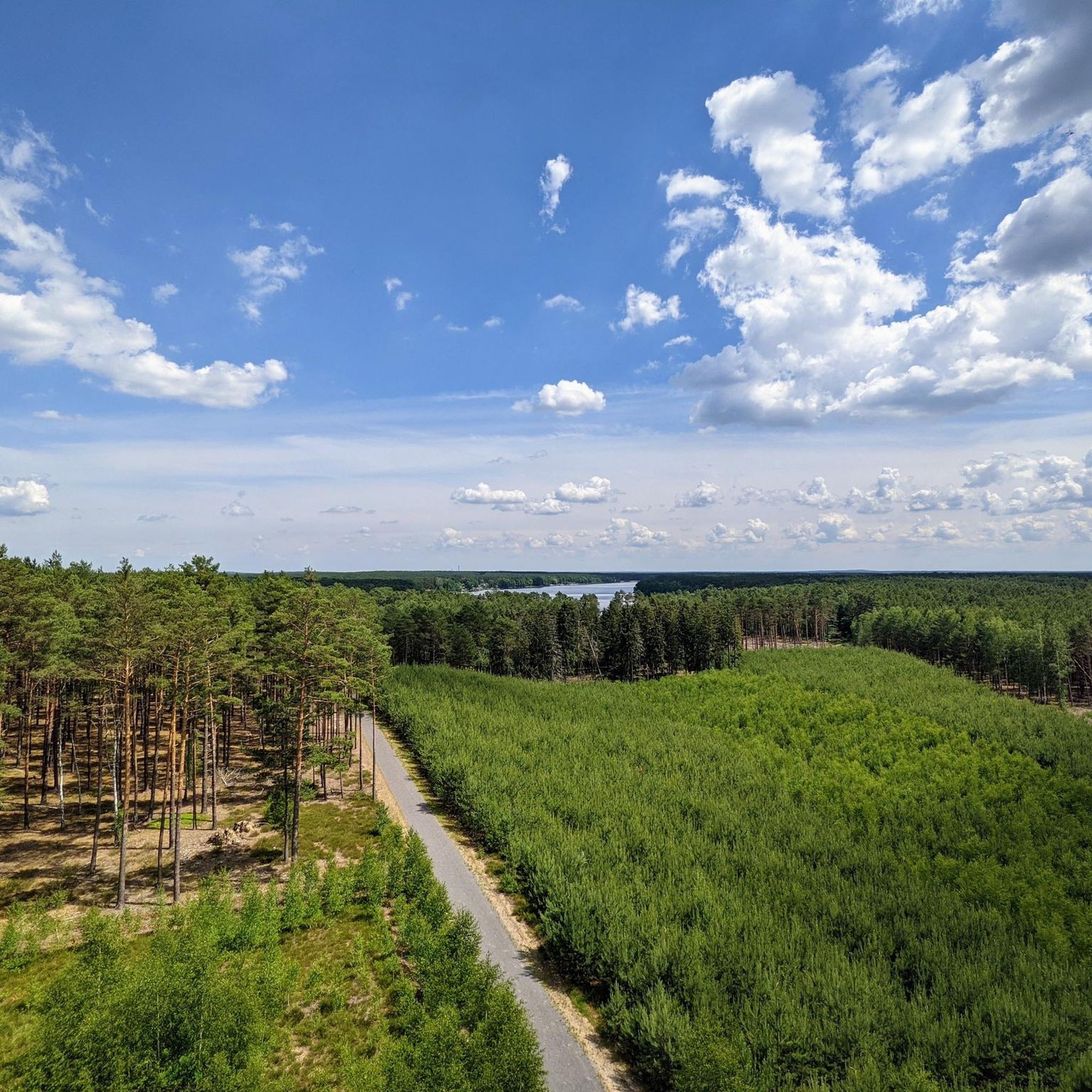
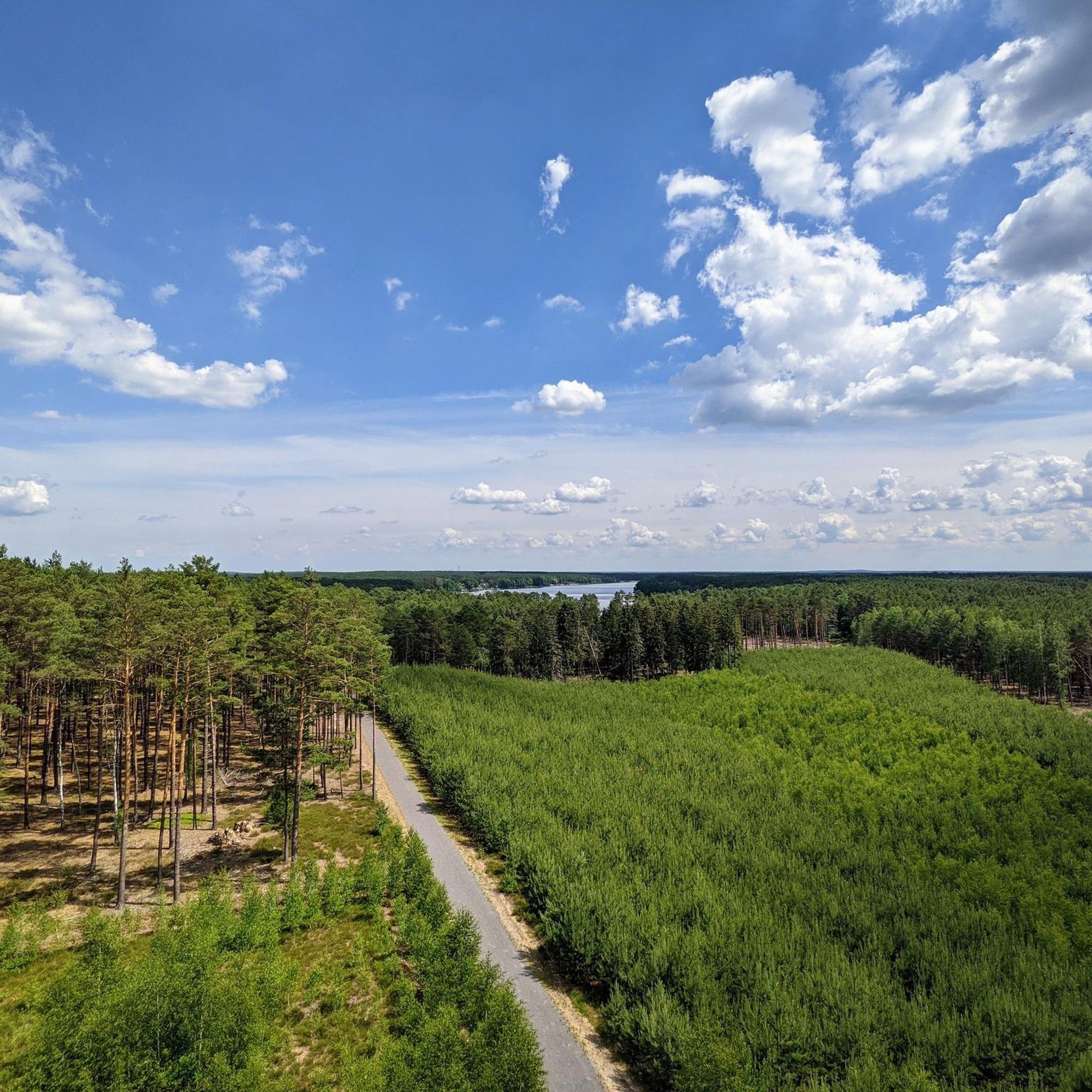
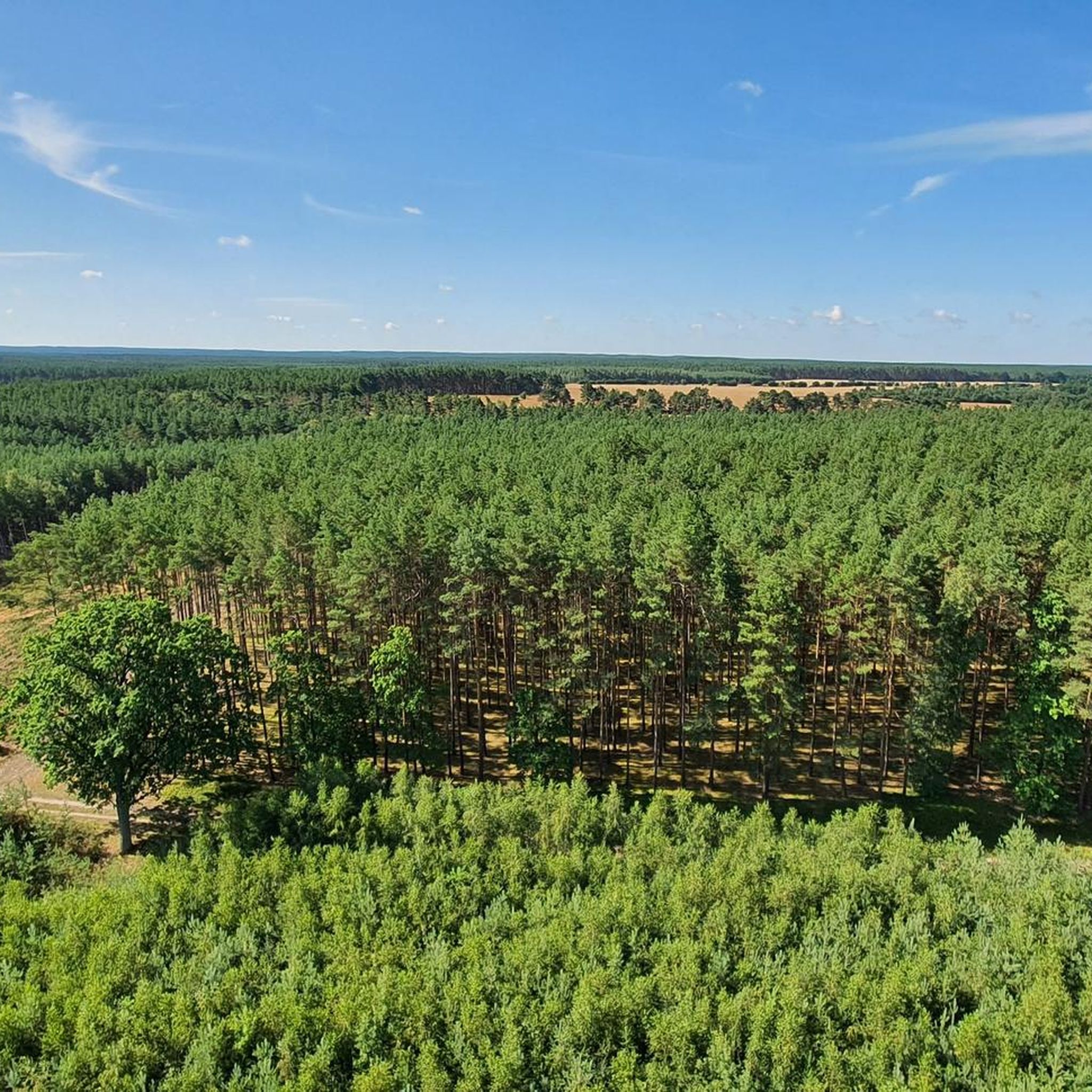
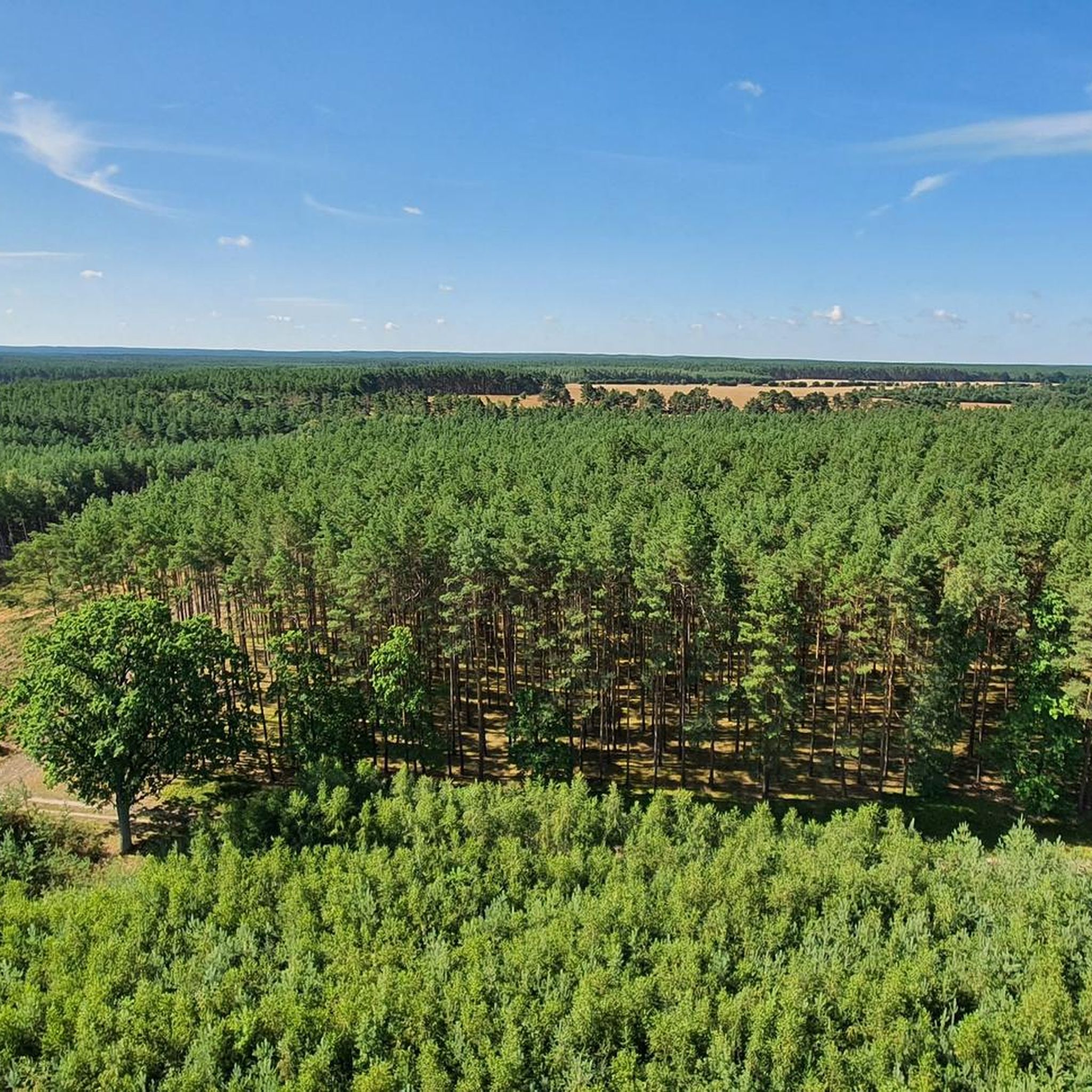

Tips from the Community

The Napoleon Oak (Dąb Napoleona) – a now-defunct natural monument, this English oak growing in Zabór was the thickest tree of its species in Poland. It burned down on November 15, 2010, most likely set on fire by vandals. Its circumference was 1,052 cm (at a height of 1.3 meters from the highest point of the tree's base). At 22 meters high, the oak is estimated to have been an acorn tree around 1300 (its age is 660-700 years). The tree had a large hollow inside that could accommodate a dozen people at once. The tree's habit was typical of trees growing in open spaces (a massive trunk and spreading crown) – different from, for example, the Białowieża oaks, such as the Car Oak or the Jagiełło Oak. Before the war, it was listed among 78 natural monuments in the Zielona Góra district. In 1920, the then Princess Hermine von Schönaich-Carolath of the Reuss family personally named the tree after Professor Theodor Schube (a German botanist and nature conservationist who studied Silesian natural monuments and authored, among other works, the Waldbuch von Schlesien). After her husband's death, the Princess became the second wife of former Emperor Wilhelm II in 1922, receiving the title of Empress. This brought the oak fame both locally and throughout Silesia. In 1936, the tree was listed in the "Book of Nature Conservation" kept by the starost of Zielona Góra. The tree's Polish name comes from a legend that Napoleon Bonaparte rested under its branches after crossing the Oder River during his expedition to Russia in 1812. Before it finally burned down, the oak was set on fire several times by vandals.
0
0

Bukowa Góra Reserve is the oldest post-war forest reserve in the former Zielona Góra Voivodeship, currently in the Lubuskie Voivodeship. It was established on November 30, 1954.
3
0
Gaj Wandy is a charming and symbolic place located in the heart of the Tarnów Forest, near the town of Wschowa, in the Wschowa district in the Lubuskie province. It is an area of both natural and historical importance, especially for the local community. Gaj Wandy is a fragment of the forest that is often treated as a type of natural monument or place of remembrance. It lies within the extensive forest complexes of the Tarnów Forest, which is characterized by large areas of pine, oak and mixed forests, intersected by numerous watercourses and forest paths.
3
0

Hello. The photo is already in its place, i.e. at the place where the provincial road intersects with fire access road no. 3. Thank you.
0
0
The photo is OK, but the location where it was taken is completely different. The wooden stone is located at the intersection of provincial road 325 with fire access roads 3 and 9.
0
0

Former palace park. Currently a nicely maintained city park.
0
0


The park stretches from the village to the beach at Jez. Sławskie.
0
0
Frequently Asked Questions
What are some other notable natural monuments to explore near Kolsko?
Beyond the most popular spots, you can discover Napoleon Oak, a historically significant site where Poland's thickest English oak once stood, estimated to be 660-700 years old. Another unique feature is Drewniany Kamień, a distinctive stone located by the road.
Are there hiking trails near the natural monuments around Kolsko?
Yes, the Kolsko area, being part of the Lubusz Voivodeship, offers various hiking opportunities. You can find easy hikes, such as the "Wanderer's Bench – Natural Monument loop from Uście" (6.1 km) or the "Joanna Observation Tower loop from Lubiatów" (7.3 km). For more options, explore the Easy hikes around Kolsko guide.
Are there family-friendly natural monuments or activities near Kolsko?
Many natural monuments in the area are suitable for families. Gaj Wandy Nature and Landscape Complex is a charming forest fragment with both natural and historical importance, perfect for a family outing. The Beech old-growth "Bird's Backyard", with its mature trees providing habitats for birds, also offers an engaging experience for children.
What kind of terrain can I expect when visiting natural monuments in the Kolsko area?
The region around Kolsko is characterized by diverse natural landscapes. You can expect to encounter extensive forests, river valleys, and post-glacial lakes. The terrain often includes wooded paths, lakeside trails, and gentle slopes, making it suitable for various outdoor activities. The Protected Landscape Areas, like the Sława and Przemięt Lake District, feature picturesque water bodies and varied ecosystems.
What outdoor activities can I do near the natural monuments around Kolsko?
Besides hiking, the area offers excellent opportunities for cycling and mountain biking. You can find easy to moderate MTB trails, such as the "Joanna Observation Tower – Sława Park and Lakeside loop from gmina Sława" (28.7 km). For road cycling, routes like the "Lake Sławskie – Municipal Park in Sława loop from Rezerwat przyrody Jezioro Święte" (23.6 km) are available. Check out the MTB Trails around Kolsko and Cycling around Kolsko guides for more details.
Do any natural monuments near Kolsko have historical significance?
Yes, some natural monuments carry historical weight. The site of the Napoleon Oak is particularly notable, as legend says Napoleon Bonaparte rested under its branches. This ancient oak was once the thickest of its species in Poland and was listed as a natural monument before it sadly burned down. Gaj Wandy Nature and Landscape Complex also holds historical importance for the local community.
What is the best time of year to visit the natural monuments around Kolsko?
The Lubusz Voivodeship, where Kolsko is located, offers beauty throughout the year. Spring brings lush greenery and blooming flora, while summer is ideal for water-based activities on the lakes and rivers. Autumn transforms the forests with vibrant colors, making it perfect for hiking. Even winter can be picturesque, with snow-covered landscapes, though some trails might be less accessible.
Can I bring my dog to the natural monuments around Kolsko?
Generally, dogs are welcome on trails and in natural areas around Kolsko, especially within the extensive forests and protected landscapes. However, it's always recommended to keep them on a leash to protect local wildlife and ensure a pleasant experience for all visitors. Specific rules might apply to nature reserves, so check local signage.
What kind of wildlife can I expect to see in the natural areas around Kolsko?
The Protected Landscape Areas around Kolsko are designated to conserve valuable ecosystems, implying a rich variety of plant and animal life. You might spot various bird species, especially in areas like the Beech old-growth "Bird's Backyard". The forests, lakes, and river valleys provide habitats for diverse fauna, including deer, wild boar, and smaller mammals, as well as amphibians and insects.
Are there any unique or lesser-known natural features worth discovering?
Beyond the well-known sites, the region's charm lies in its extensive natural landscapes. The Sława and Przemięt Lake District Protected Landscape Area and the Channels of Obrzyca and Odra rivers Protected Landscape Area offer vast, unspoiled natural spaces. Exploring these areas can lead to discovering hidden forest clearings, serene lakeside spots, and quiet riverbanks that are less frequented but equally beautiful.
Is parking available at the natural monuments, and how accessible are they by public transport?
While specific parking details for each natural monument are not always provided, many natural areas and trailheads in the Kolsko region typically have designated parking spots, especially near popular access points or villages. Public transport options might be limited, as many natural monuments are situated in more rural settings. It's advisable to plan your visit with a car or check local bus schedules for routes connecting to nearby towns.
Are there cafes or accommodation options near the natural monuments?
The Kolsko region, while rich in natural beauty, is less densely populated than major urban centers. You'll find cafes, restaurants, and accommodation options primarily in the larger towns and villages surrounding the natural monuments, such as Kolsko itself or nearby Sława. It's recommended to plan your meals and stays in these settlements before heading out to explore the more secluded natural areas.
Most popular routes around Kolsko
Most popular attractions around Kolsko

Get inspired with the komoot mobile app


Explore more
Extend your search for the best caves by checking out these guides of the top ones around Kolsko:
