Top 12 Natural Monuments around Sosnowica
Best natural monuments around Sosnowica are concentrated within the Polesie Lubelskie region of Poland, an area recognized for its natural beauty and protected landscapes. The commune features a significant portion of its land under legal protection, including parts of Poleski National Park. This region offers diverse ecosystems such as vast forests, numerous lakes, and peat bogs. These areas provide habitats for a variety of plant and animal life, making them notable for ecological and aesthetic value.
Best natural monuments around…
Last updated: August 23, 2026
Perehod Trail
Highlight • Trail
Translated by Google •
Tip by

Mietiułka Bike Trail
Highlight • Cycleway
Translated by Google •
Tip by
Sign up now to discover places like this
Get recommendations on the best single tracks, peaks, & plenty of other exciting outdoor places.
Sign up for free
Dominik Oak
Highlight • Natural Monument
Translated by Google •
Tip by
Lake Łukie
Highlight • Lake
Translated by Google •
Tip by
Moszne Lake Boardwalk
Highlight • Trail
Translated by Google •
Tip by
Sign up for free to discover even more natural monuments around Sosnowica.
Sign up for free
Already have an account?
Start today with a free account
Your next adventure awaits.
Login or Signup

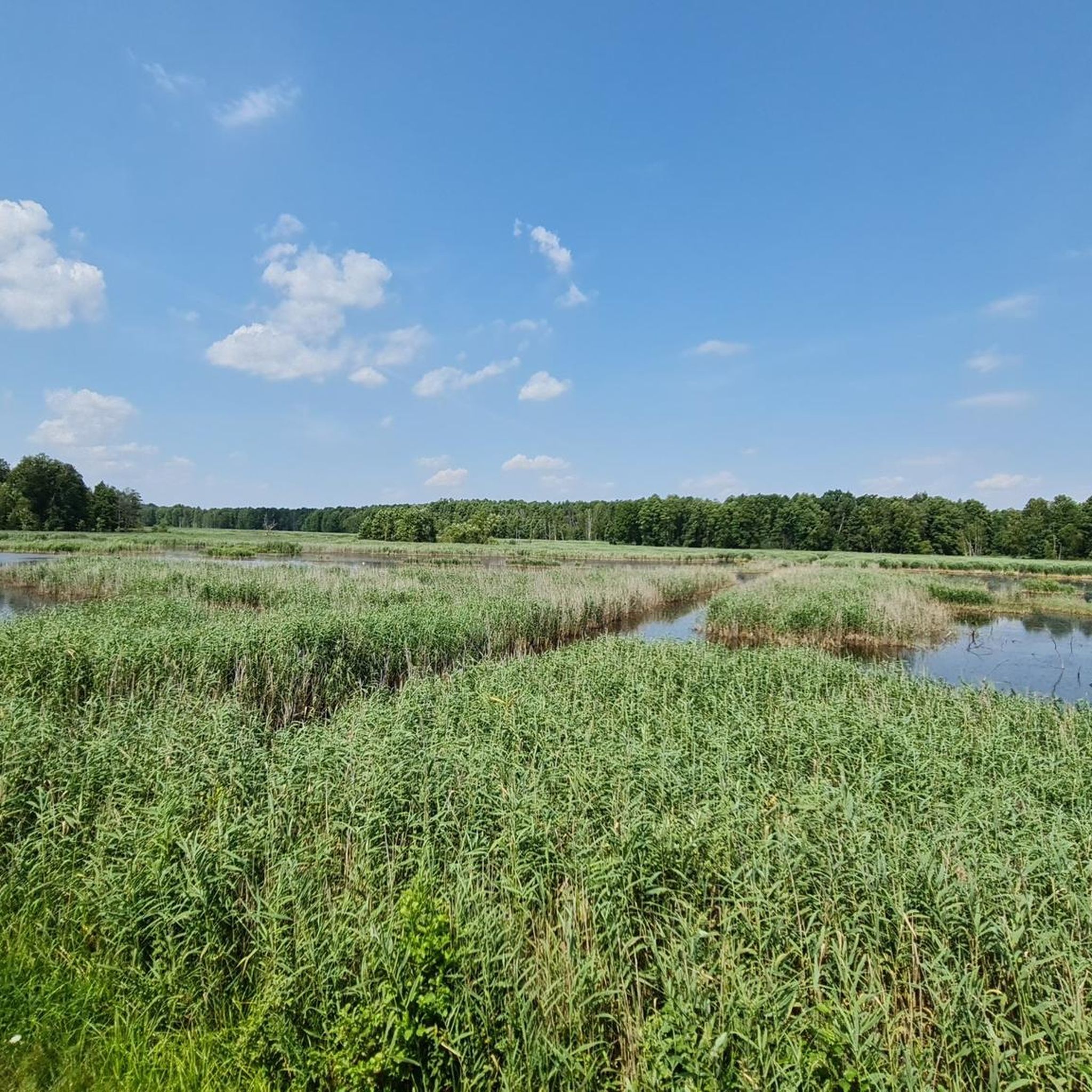
Tips from the Community

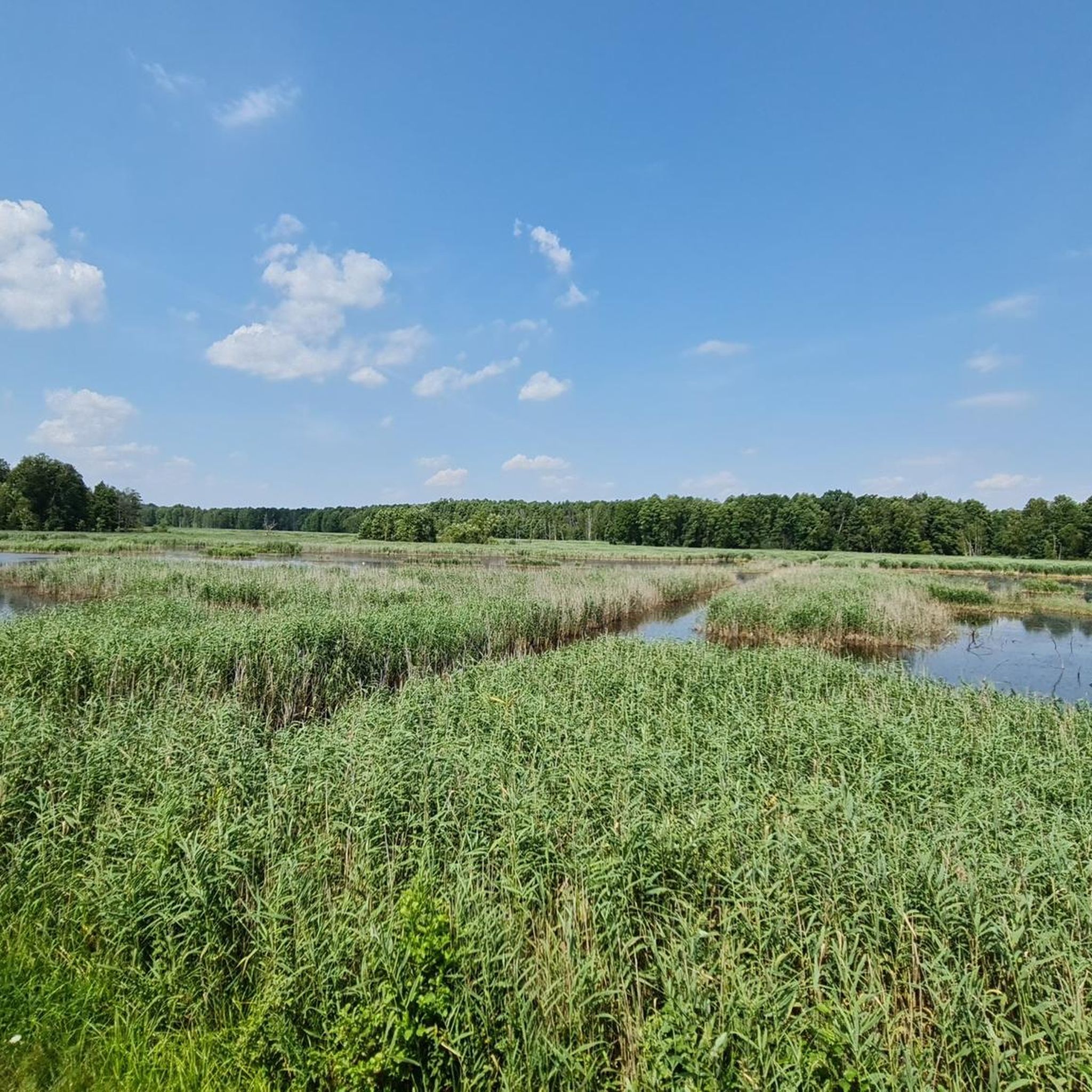
The "Mietiułka" bike path is a 21-kilometer route for nature and active recreation lovers. It runs through various ecosystems, including some of the oldest forests in the Park, and leads to a viewing tower with a panorama of Durne Bagno. A particularly picturesque place is the viewing point in Wielki Łan, from where there is a view of the meadows and forests of the Polesie National Park. The route crosses the habitats of wolves and moose, and near the river you can see water birds, including cranes. The path starts at the Border Protection Corps monument, where there is a parking space for cars.
4
0
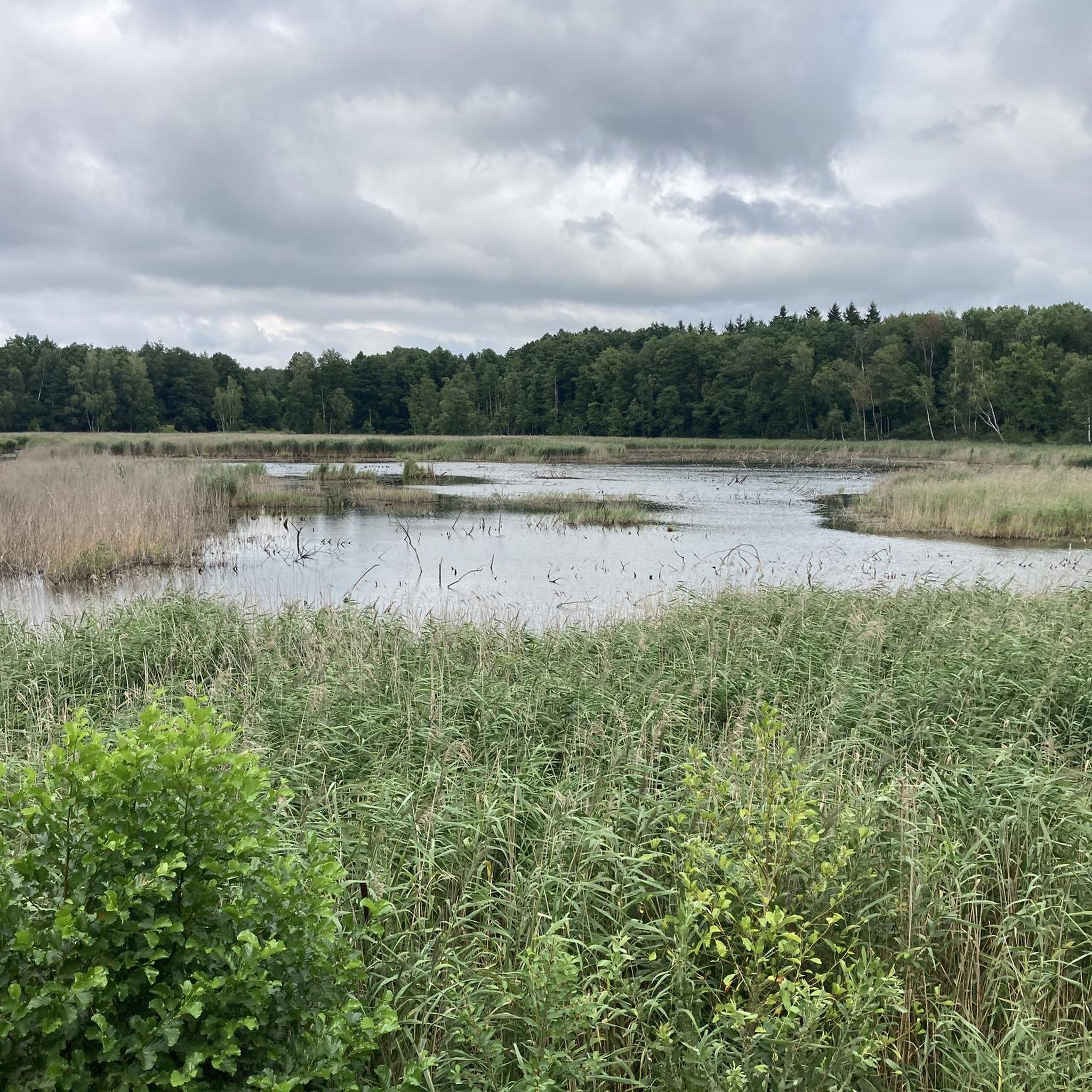
The "Perehod" path is a treat for ornithologists, but lovers of beautiful landscapes will also not be disappointed. It is a nature trail that leads between the Pieszowolskie Ponds. In addition to many species of birds such as cormorants, cranes, herons and even kingfishers, we can also observe the European pond turtle. The path leads along dirt roads, there are no footbridges like on other paths in the Polesie National Park, but they are also friendly to people in wheelchairs and families with children (except on days after rain, because the roads become muddy). Remember that entry to the path is subject to a fee, you can buy a ticket at the Educational and Administrative Center and the Educational and Museum Center, as well as via the eParki.pl platform at https://poleskipn.eparki.pl/.
4
0
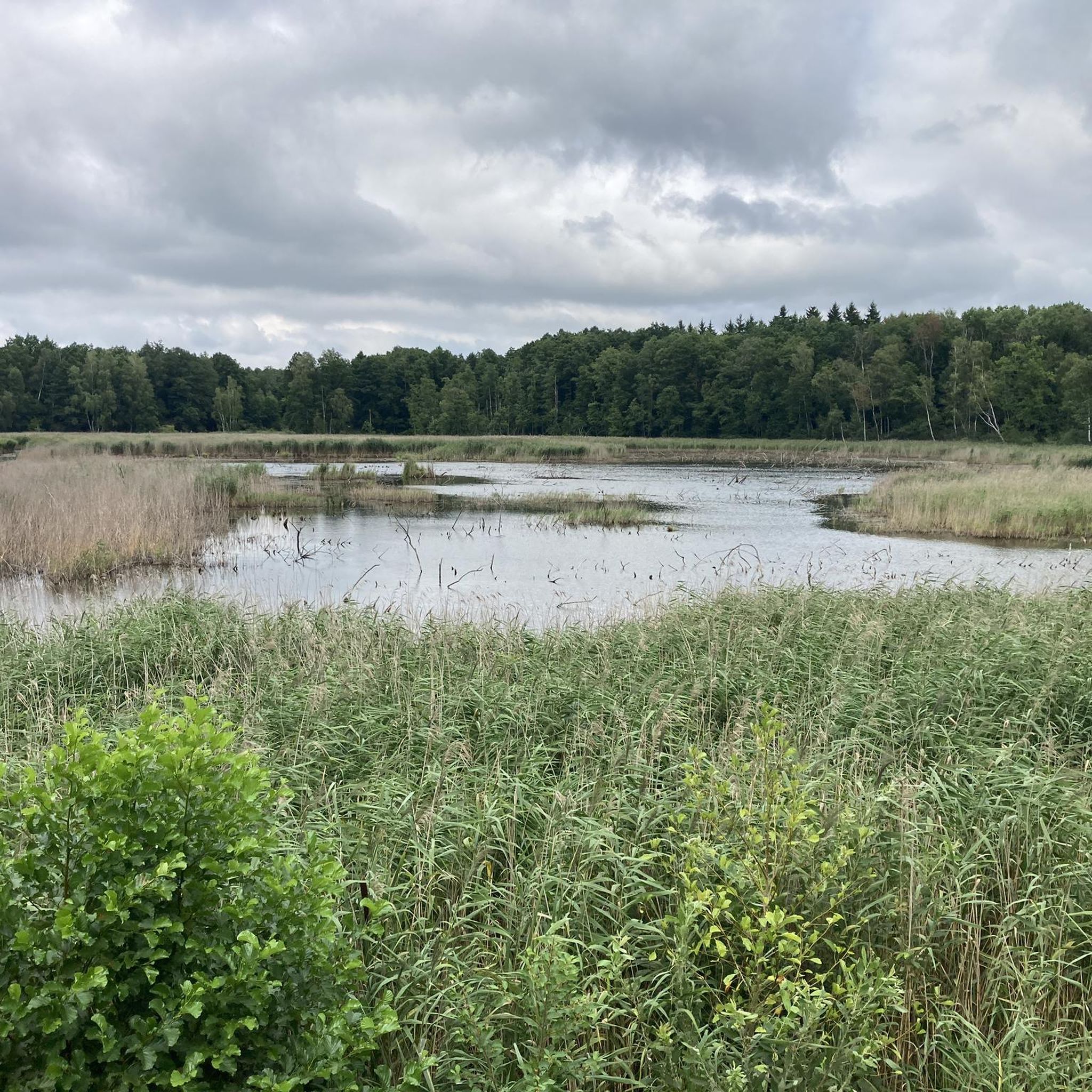
The overgrowing Moszna Lake is the biggest attraction of the "Dominik" path. We can reach it via wooden footbridges that will take us right to the water. Part of the lake's surface is covered with a blanket of vegetation, the so-called they will weave. We can see plants such as insectivorous sundews, flowering orchids, and marsh cranberries.
2
0
The Dominik Oak is an impressive, over 300-year-old pedunculate oak, after which the path in the Poleski National Park that you are walking along is named after. The oak was named in honor of prof. Dr. hab. Dominik Fijałkowski, who has been creating reserves in Polesie for years. The path is very easy, perfect for walking with little ones, but it can be crowded on weekends. Remember that entry to the path is subject to a fee, you can buy a ticket at the Educational and Administrative Center and the Educational and Museum Center, as well as via the eParki.pl platform at https://poleskipn.eparki.pl/.
2
0
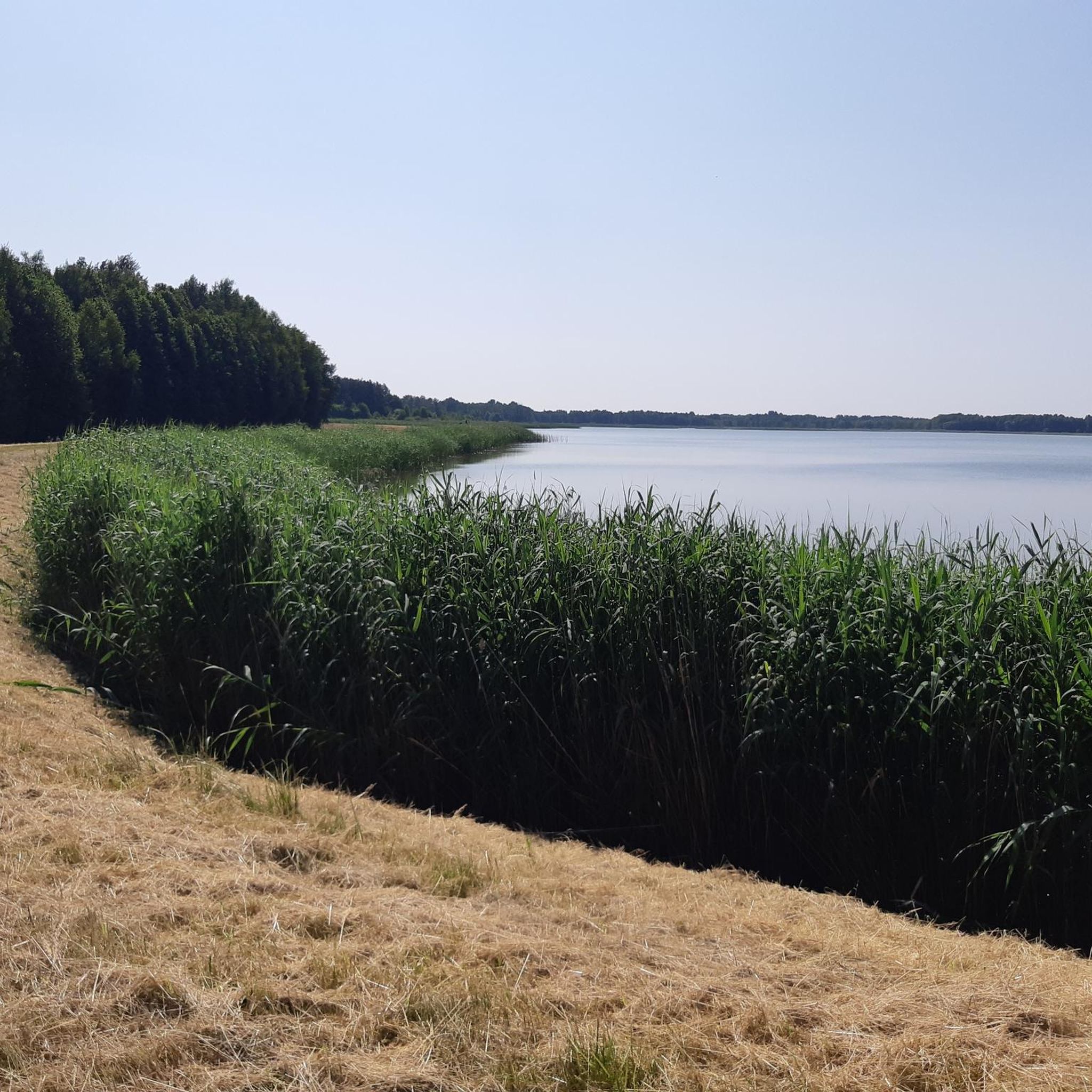
Lake Łukie is one of the largest reservoirs in the Polesie National Park, which offers beautiful landscapes and diverse ecosystems. It is a popular place for nature lovers and tourists who want to enjoy peace and observe the local fauna and flora. We can reach this view point on the pier via the "Spławy" nature trail, less than 4 kilometers from the Educational and Museum Center of the Polesie National Park.
2
0

Nice lake, shelter, fireplace and beautiful swamps all around
1
0
Beautiful lake, you can see sundew.
0
0
Frequently Asked Questions
What are some of the most popular natural monuments to visit around Sosnowica?
Visitors frequently enjoy Lake Łukie, one of the largest reservoirs in Polesie National Park, known for its beautiful landscapes and diverse ecosystems. Another favorite is the Perehod Trail, which winds between the Pieszowolskie Ponds and is excellent for birdwatching.
Are there family-friendly natural monuments or trails in the Sosnowica area?
Yes, several natural monuments and trails are suitable for families. The Dominik Oak path is very easy and perfect for walking with little ones. The Perehod Trail is also accessible for families, though it can be muddy after rain. The Mietiułka Bike Trail is a 21-kilometer route that is family-friendly and offers diverse ecosystems.
What kind of unique natural features can I expect to see in Sosnowica's natural monuments?
The region is rich in diverse ecosystems. You can explore vast forests, numerous lakes, and significant peat bogs. For instance, the Moszne Lake Boardwalk takes you over an overgrowing lake where you can observe insectivorous sundews, flowering orchids, and marsh cranberries. The Torfowisko Reserve at Lake Czarny also protects valuable peat bog ecosystems.
Are there any natural monuments with historical significance in Sosnowica?
Absolutely. The former manor park in Sosnowica is home to several historic oaks. The most notable is "Dąb Kościuszki" (Kościuszko's Oak), named after Tadeusz Kościuszko, a Polish national hero who lived in Sosnowica. Another significant site is the "Monument of Love," an oak linked to the legendary love story between Kościuszko and Ludwika Sosnowska.
What outdoor activities can I do near the natural monuments in Sosnowica?
The area offers excellent opportunities for various outdoor activities. You can find numerous hiking trails, such as those mentioned in the Hiking around Sosnowica guide, including the "Path Perehod" and "Path Dąb Dominik." Cycling is also popular, with routes like the Mietiułka Bike Trail and other options in the Cycling around Sosnowica guide. The Poleski National Park is also great for nature observation and mushroom picking.
Are there any specific trails for cycling through the natural monuments?
Yes, the Mietiułka Bike Trail is a 21-kilometer route that takes you through some of the oldest forests in Polesie National Park. It leads to a viewing tower with a panorama of Durne Bagno and crosses habitats of wolves and moose. You can find more cycling options in the Cycling around Sosnowica guide.
What is the best time of year to visit the natural monuments around Sosnowica?
The Polesie Lubelskie region offers opportunities for rest and recreation throughout the year. Spring and autumn are ideal for hiking and cycling due to milder temperatures and vibrant nature. Summer is great for enjoying the lakes, while winter can offer unique snowy landscapes, though some trails might be less accessible.
Are dogs allowed on trails near the natural monuments?
While Poleski National Park offers many natural attractions, specific regulations regarding dogs on trails can vary. It's always best to check the current park rules or local signage before bringing your dog to ensure compliance and protect the delicate ecosystems.
What are some of the less-known or 'hidden gem' natural monuments in the area?
Beyond the main attractions, consider exploring the "Kahiża" Landscape Nature Reserve, which covers a former lake basin filled with peat and gyttja, offering a unique ecological interest. The ancient "Dąb Rybak" (Rybak Oak), estimated to be 400 years old, is another impressive natural monument found along the black tourist trail.
What do visitors enjoy most about the natural monuments in Sosnowica?
Visitors particularly appreciate the tranquility and the rich biodiversity of the area. Many enjoy the opportunities for birdwatching, observing rare plant species like those found along the Moszne Lake Boardwalk, and the blend of natural beauty with historical connections, such as the ancient oaks.
How long does it typically take to visit some of the natural monuments?
The duration of your visit depends on the specific monument and your activity. Shorter trails like the Dominik Oak path can be enjoyed in an hour or two. Longer routes, such as the 21-kilometer Mietiułka Bike Trail, might take half a day or more, especially if you stop to enjoy viewpoints and nature.
Are there any running trails near the natural monuments?
Yes, the region offers several running opportunities. You can find various routes in the Running Trails around Sosnowica guide, including loops around Jezioro Wytyckie and from villages like Białka and Lejno, providing scenic paths through the natural surroundings.
Most popular routes around Sosnowica
Most popular attractions around Sosnowica

Get inspired with the komoot mobile app


