Top 15 Natural Monuments around Wałbrzych
Natural monuments around Wałbrzych are situated in Poland's Lower Silesia region, characterized by its diverse natural features and historical significance. The area offers unique geological formations, ancient trees, and historical sites within a protected landscape. These locations provide opportunities to explore both the natural environment and cultural heritage.
Best natural monuments around Wałbrzych
- The most popular natural monuments is Terrace with a view of Książ Castle, a viewpoint that offers an eastern perspective of Książ Castle. This location provides…
Last updated: August 22, 2026
Terrace with a view of Książ Castle
Highlight • Viewpoint
Translated by Google •
Tip by

Daisy Lake Ruins
Highlight • Historical Site
Translated by Google •
Tip by

Sign up now to discover places like this
Get recommendations on the best single tracks, peaks, & plenty of other exciting outdoor places.
Sign up for free
Around Książ Castle
Highlight • Castle
Translated by Google •
Tip by
Kamyki Quarry in Głuszyca
Highlight • Structure
Translated by Google •
Tip by

Kanciarski Buk
Highlight • Natural Monument
Translated by Google •
Tip by
Sign up for free to discover even more natural monuments around Wałbrzych.
Sign up for free
Already have an account?
Start today with a free account
Your next adventure awaits.
Login or Signup

Tips from the Community

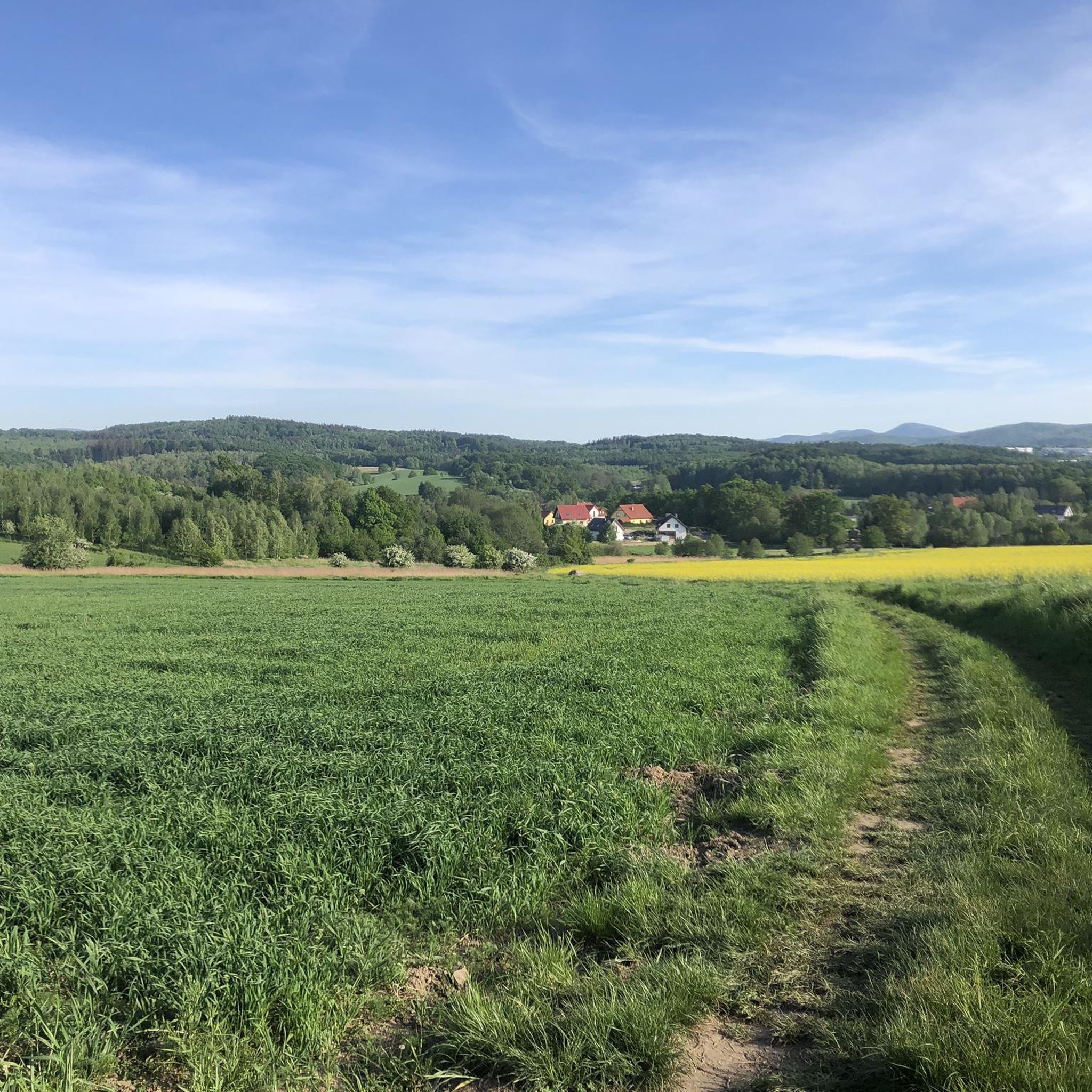
Easy blue part of the route, on the platform behind the Lodospady point there is a one-way blue part (steeper, first stairs, upper viewpoint and return via rocky roads)
0
0

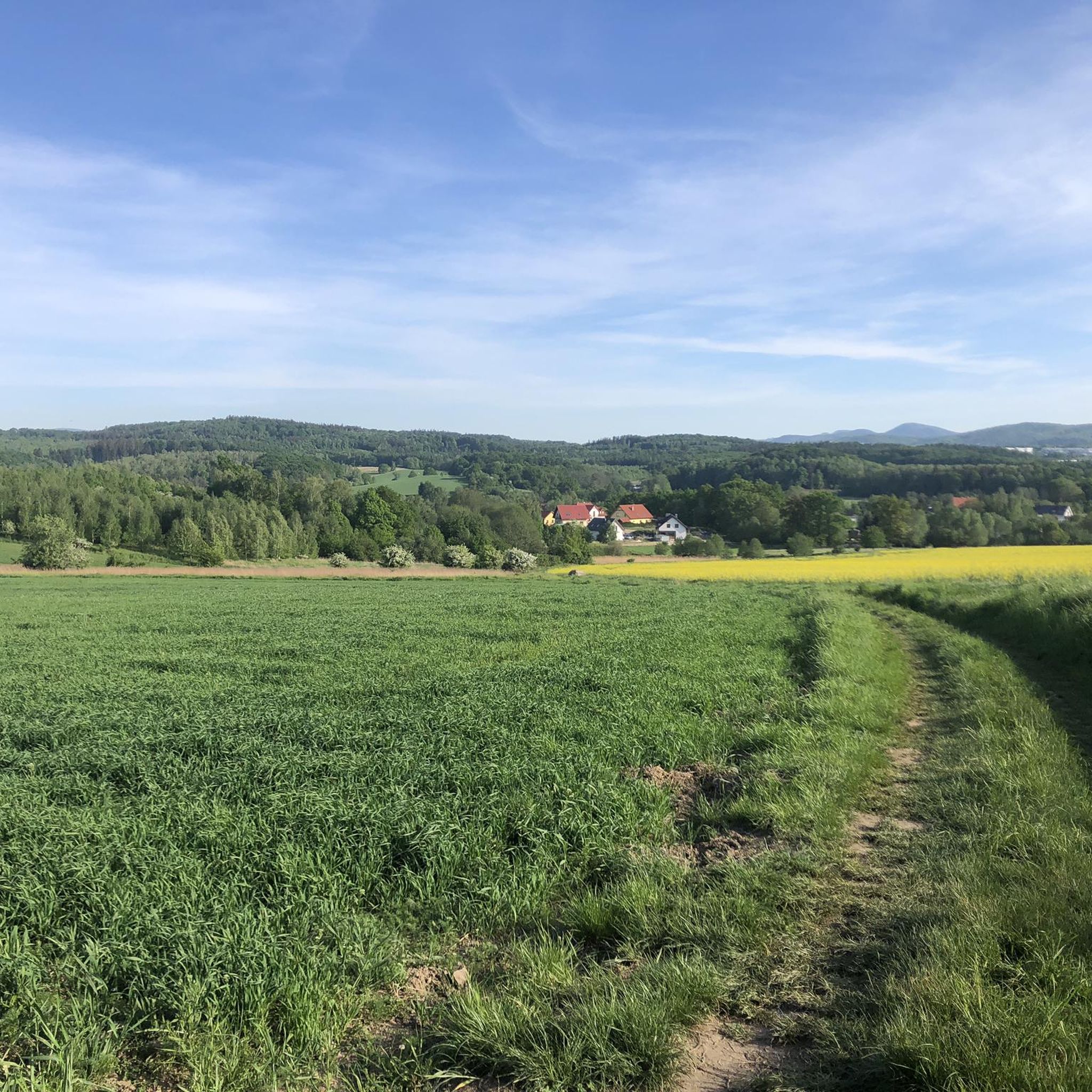
The name of this small lake comes from Princess Daisy Hochberg von Pless (1873–1943), the last owner of Książ. It was one of her favorite places to relax. Interesting ruins here include a viewing tower with a hunting lodge, which the princess ordered built here. The lake itself, sometimes called Zielony, was created in the 19th century as a result of quarrying reef limestone on the slopes of Mount Witosz. The lake has a false bottom due to sediments, dead trees and vegetation. The real depth may be as much as 23 meters.
0
0

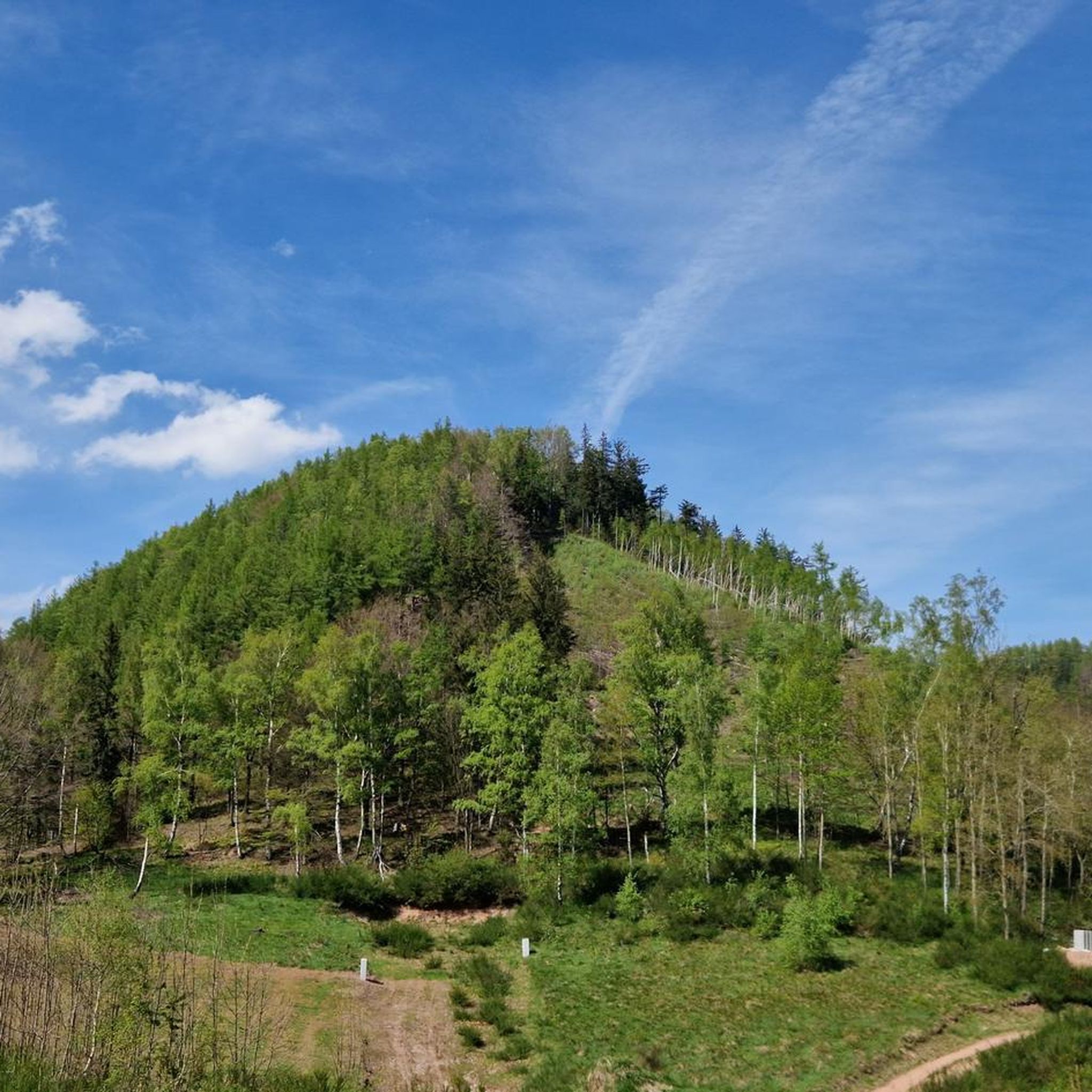
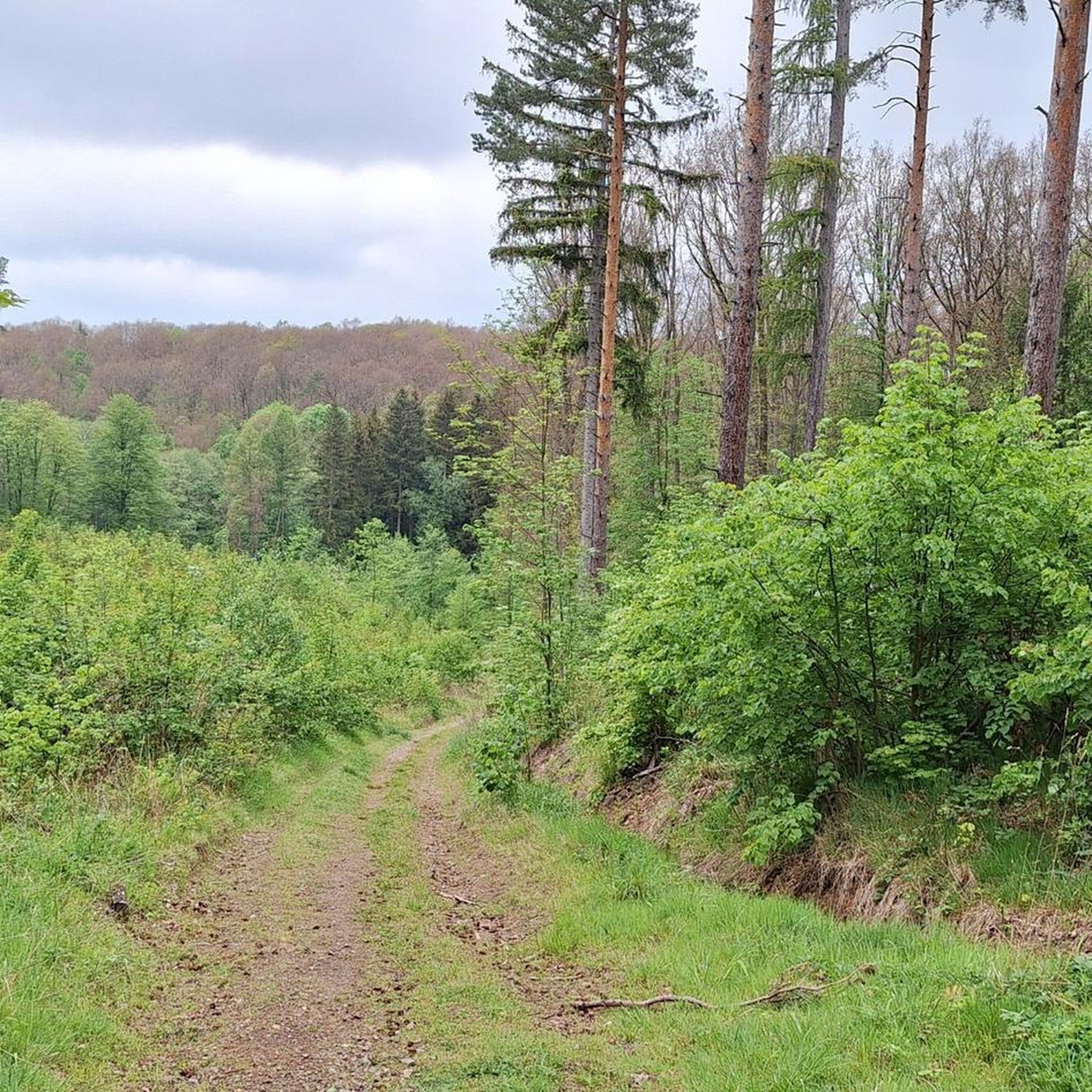
So what is this Kanciarski Buk? This place is not just a crossroads. This beech here - a tall tree growing here alone - is a forgotten monument of nature, unfortunately now dying. But it is tall and impressive! It is good to rest under it before pedaling further (although there is a bench here too).
0
0
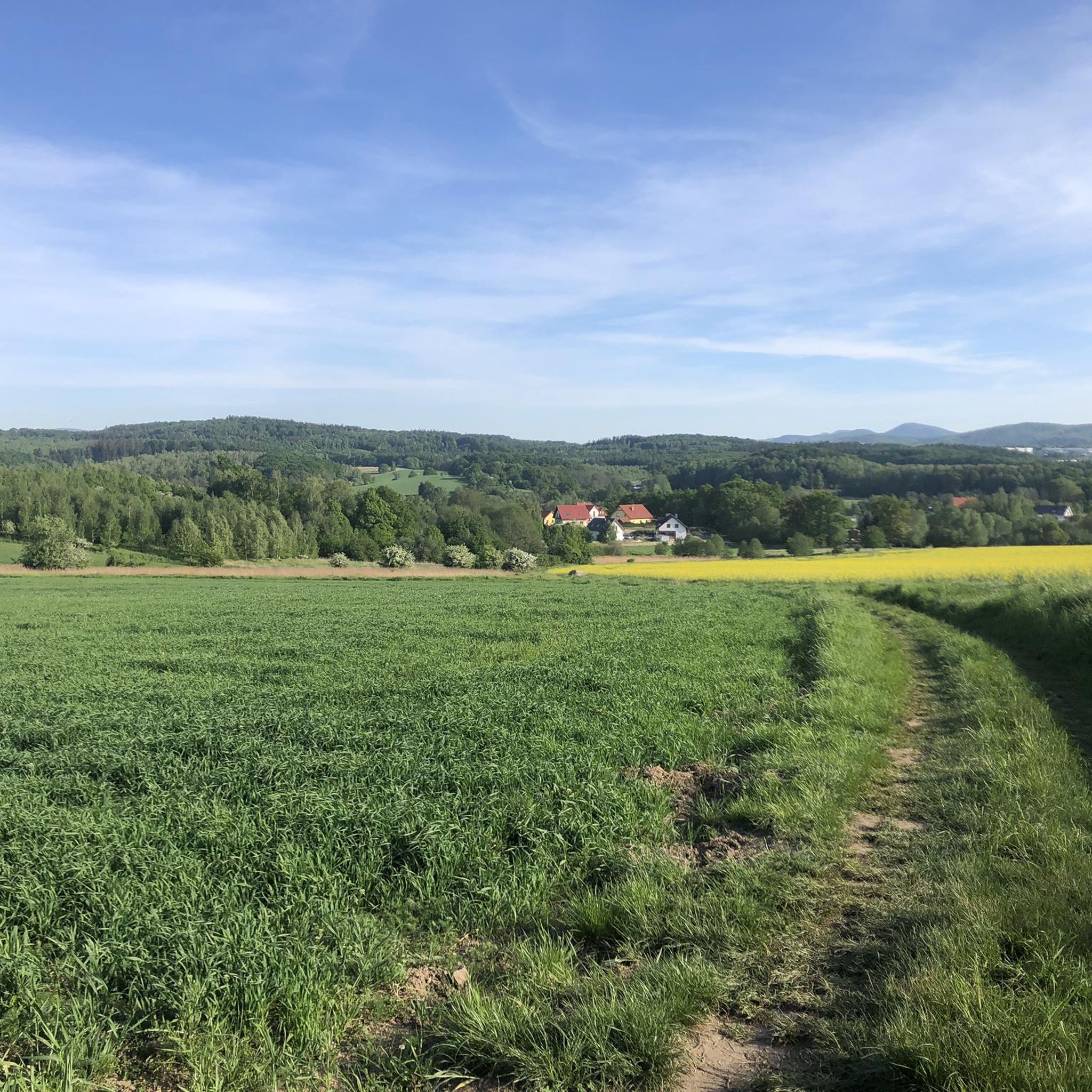
A great viewpoint of an old melaphyre quarry, now flooded with water. A dramatic view! The quarry was closed in the 1970s. It is worth stopping here - and watching the combination of beautiful greenery around with the view of these violent rocks.
0
0


Moving around the park itself by bike is difficult, the overgrown gravel paths have a barrier on the trail and in some places you have to walk.
0
0
Frequently Asked Questions
Which natural monuments around Wałbrzych offer the best scenic viewpoints?
For breathtaking views, visit the Terrace with a view of Książ Castle, which provides an eastern perspective of the castle. Another dramatic viewpoint is the Kamyki Quarry in Głuszyca, offering a striking view of an old melaphyre quarry now flooded with water. Zamkowa Góra also provides panoramic vistas of Kozia Przełęcz and Borowa from a small viewpoint.
Are there family-friendly natural monuments to visit in the Wałbrzych area?
Yes, several natural monuments are suitable for families. The Terrace with a view of Książ Castle, Daisy Lake Ruins, and the area Around Książ Castle are all categorized as family-friendly. The Historic Linden Alley near Książ Castle also offers a tranquil setting for leisurely family strolls.
What unique geological formations can be found among Wałbrzych's natural monuments?
Wałbrzych is notable for its unique geological features, particularly at Zamkowa Góra (Castle Mountain). This site protects remarkable non-magmatic breccias found within a volcanic chimney. The mountain itself is composed of rhyolites and melaphyres from the Permian period, featuring distinctive pillow-like formations and smaller breccias scattered across its slopes. The Kamyki Quarry in Głuszyca also showcases dramatic rock formations from an old melaphyre quarry.
Which natural monuments have historical significance in Wałbrzych?
The Heraldic Oak in Jan III Sobieski Park holds deep historical significance, being the successor to the original oak that inspired Wałbrzych's coat of arms in 1764. The Daisy Lake Ruins are historical sites with old buildings that served as hunting outlooks for Princess Daisy. Additionally, the area Around Książ Castle and the Historic Linden Alley contribute to the region's rich historical context.
Are there hiking trails near the natural monuments, and what are their difficulty levels?
Yes, the broader Książański Landscape Park, where many natural monuments are located, offers numerous hiking and cycling trails. For specific hiking options, you can explore routes like those found in the Mountain Hikes around Wałbrzych guide, which includes trails ranging from easy to difficult, such as the Waligóra loop or the Przełęcz Kozia loop. Some natural monuments, like Zamkowa Góra, involve challenging ascents due to steep slopes.
What is the best time of year to visit the natural monuments around Wałbrzych?
The natural monuments around Wałbrzych can be enjoyed throughout the year, but each season offers a different experience. Spring and autumn provide pleasant temperatures and vibrant colors, ideal for hiking and exploring. Summer is excellent for longer days outdoors, while winter can offer a unique, serene landscape, though some trails might be more challenging due to snow and ice. The Historic Linden Alley is particularly beautiful when the trees are in full foliage.
Are there any wheelchair-accessible natural monuments in the Wałbrzych area?
While many natural monuments involve trails and varied terrain, specific information on wheelchair accessibility for individual sites is limited. Generally, natural areas with unpaved paths or steep inclines, like Zamkowa Góra, may not be fully accessible. It is advisable to check specific conditions for each location if accessibility is a primary concern.
What are the parking and public transport options for reaching Wałbrzych's natural monuments?
Specific parking facilities vary by monument. For popular sites like those near Książ Castle, designated parking areas are usually available. Public transport options to reach the general vicinity of Wałbrzych's natural monuments exist, but access directly to trailheads or specific sites might require further walking or local transport. It's recommended to research public transport routes to the nearest towns or entry points for each monument.
Are there dog-friendly natural monuments or trails in the Wałbrzych area?
Many natural areas and trails within the Książański Landscape Park are generally dog-friendly, provided dogs are kept on a leash and owners clean up after them. The Historic Linden Alley and the trails around Książ Castle are popular choices for walks with dogs. Always check local regulations or signage at specific sites for any restrictions.
What should I bring for a hike to the natural monuments around Wałbrzych?
For hikes to the natural monuments, it's advisable to bring appropriate footwear, especially if you plan to tackle challenging terrain like Zamkowa Góra. Water, snacks, a map or navigation app (like komoot), and weather-appropriate clothing are essential. Depending on the season, consider sun protection, insect repellent, or extra layers for colder conditions.
How long does it typically take to explore the natural monuments around Wałbrzych?
The time required to explore varies greatly depending on the monument and your activity. A visit to a single site like the Heraldic Oak or the Kanciarski Beech might take less than an hour. Exploring larger areas like the Historic Linden Alley or hiking Zamkowa Góra could take several hours. If you plan to visit multiple sites or undertake longer hikes, a full day or even a weekend might be needed to fully appreciate the region.
Are there less crowded natural monuments for a more peaceful experience?
While popular sites like those around Książ Castle can attract many visitors, some natural monuments might offer a more tranquil experience, especially during off-peak hours or seasons. The Kanciarski Beech, described as a forgotten monument, might offer a quieter spot for reflection. Exploring lesser-known trails within the Książański Landscape Park can also lead to more secluded natural beauty.
What are the conditions for winter hiking around Wałbrzych's natural monuments?
Winter hiking around Wałbrzych's natural monuments can be beautiful but requires preparation. Trails may be covered in snow or ice, making them more challenging and potentially slippery. It's crucial to wear warm, waterproof clothing, sturdy winter boots, and possibly bring trekking poles for stability. Always check weather forecasts and trail conditions before heading out, as some areas might become inaccessible or hazardous in heavy snow.
Most popular routes around Wałbrzych
Most popular attractions around Wałbrzych

Get inspired with the komoot mobile app


Explore more
Extend your search for the best caves by checking out these guides of the top ones around Wałbrzych:
