Top 20 Natural Monuments around gmina Świdnica
Best natural monuments around gmina Świdnica are located in southwestern Poland, offering diverse natural heritage. The region features protected areas recognized for their ecological, scientific, and aesthetic values. These sites include ancient forests, unique geological formations, and locations that combine natural beauty with historical elements. Visitors can explore a variety of landscapes shaped by natural processes.
Best natural monuments around gmina Świdnica
- The most popular natural monuments is Mount Ślęża, a summit that is the highest peak of the…
Last updated: May 17, 2026
Mount Ślęża
Highlight • Summit
Translated by Google •
Tip by

Terrace with a view of Książ Castle
Highlight • Viewpoint
Translated by Google •
Tip by

Sign up now to discover places like this
Get recommendations on the best single tracks, peaks, & plenty of other exciting outdoor places.
Sign up for free
Bear and Maiden with Fish Sculptures on Mount Ślęża
Highlight • Monument
Tip by

Daisy Lake Ruins
Highlight • Historical Site
Translated by Google •
Tip by

Around Książ Castle
Highlight • Castle
Translated by Google •
Tip by
Sign up for free to discover even more natural monuments around gmina Świdnica.
Sign up for free
Already have an account?
Start today with a free account
Your next adventure awaits.
Login or Signup


Tips from the Community

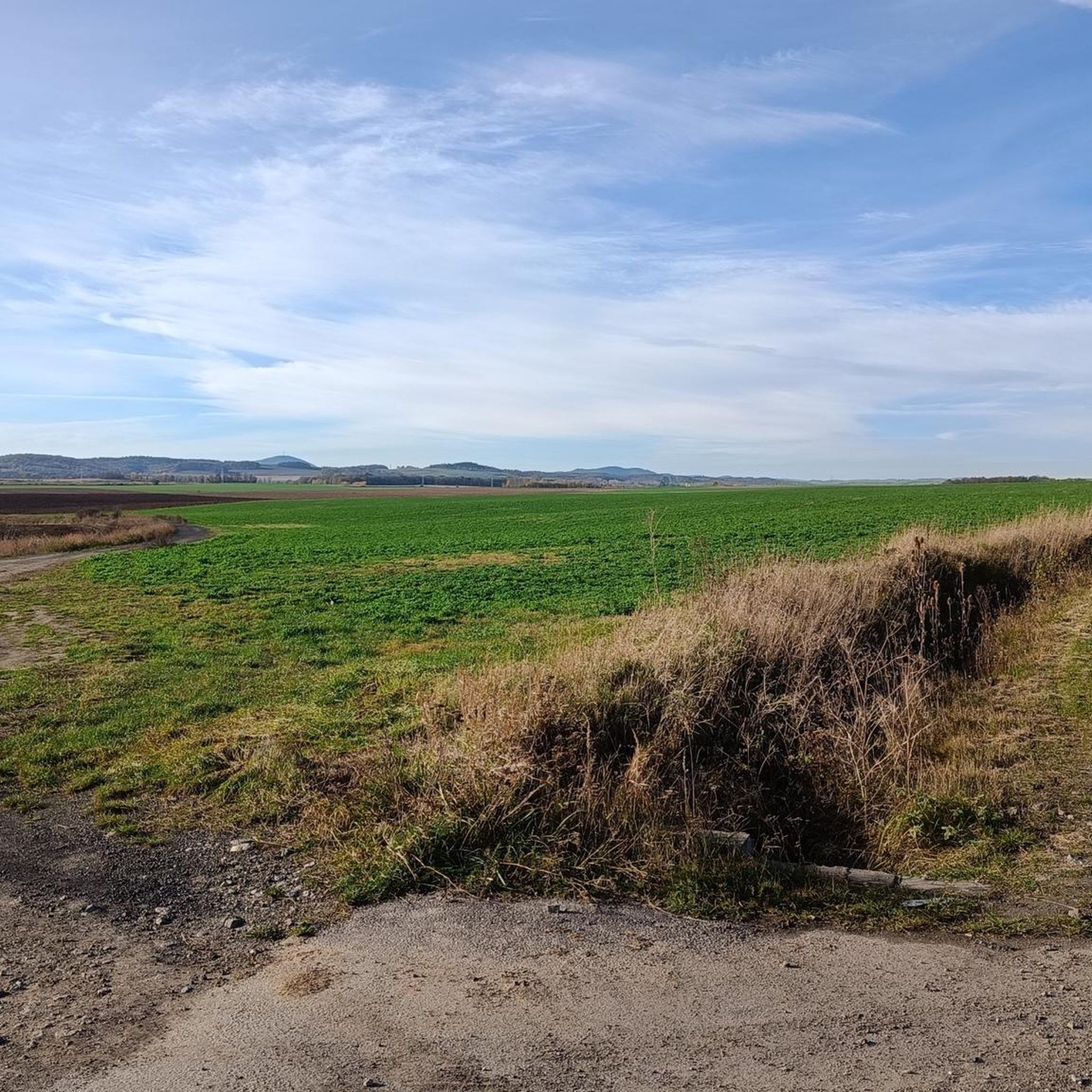
The mountain has two archaeological trails marked with the symbol of the Ślęża bear, allowing visitors to discover the ancient stone sculptures while trekking. Despite its relatively modest elevation, Ślęża offers impressive views due to its prominent rise of over 500 meters above the surrounding lowlands.
1
0
Mount Ślęża is the highest peak of the Sudeten Foothills at 717.5 meters above sea level, located near the town of Sobótka in southwestern Poland. The mountain served as a pagan solar worship center from the Bronze Age until Christianization in the 10th-11th centuries, with ancient stone sculptures including "the maiden with fish," "the monk," and "the bear" still visible today. A 12th-century church now stands on the summit alongside a concrete observation tower, while the PTTK tourist shelter provides accommodation for hikers exploring the well-marked trail network.
1
0
The "Maiden with Fish" is a Celtic cult statue from the La Tène period (circa 400-200 BCE) carved from local granodiorite and standing about 2.2 meters tall, located near the summit of Mount Ślęża in Poland. The anthropomorphic sculpture depicts a human figure holding a large fish (likely a trout or salmon) vertically against their chest, though the statue is missing its head, neck, right arm, and parts of the legs due to erosion over time. The statue was rediscovered in 1733 by Gottfried Heinrich Burghart in a rocky debris field on the northern slope of Ślęża, possibly in its original location which may have been a main cult site.
1
0

The name of this small lake comes from Princess Daisy Hochberg von Pless (1873–1943), the last owner of Książ. It was one of her favorite places to relax. Interesting ruins here include a viewing tower with a hunting lodge, which the princess ordered built here. The lake itself, sometimes called Zielony, was created in the 19th century as a result of quarrying reef limestone on the slopes of Mount Witosz. The lake has a false bottom due to sediments, dead trees and vegetation. The real depth may be as much as 23 meters.
0
0


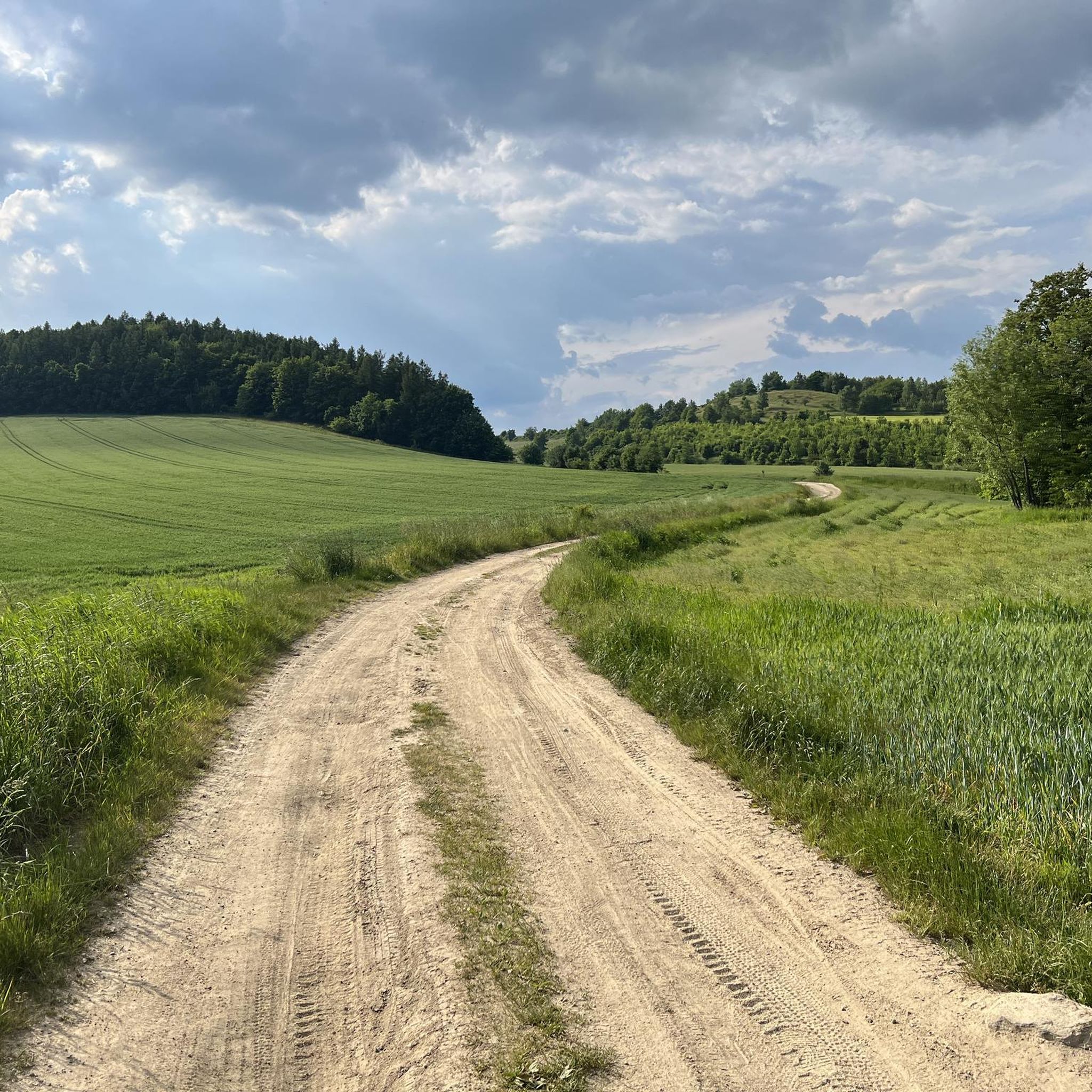
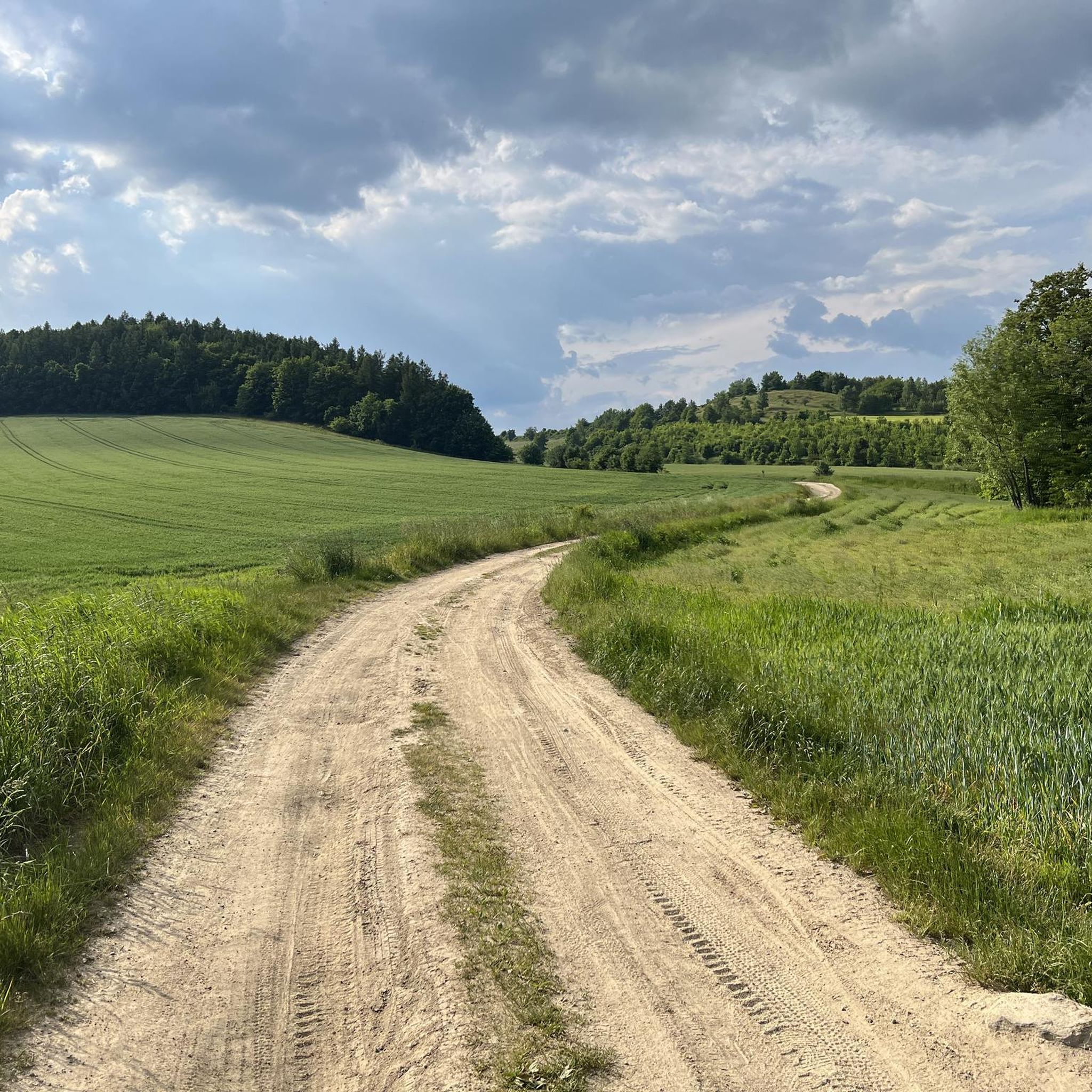
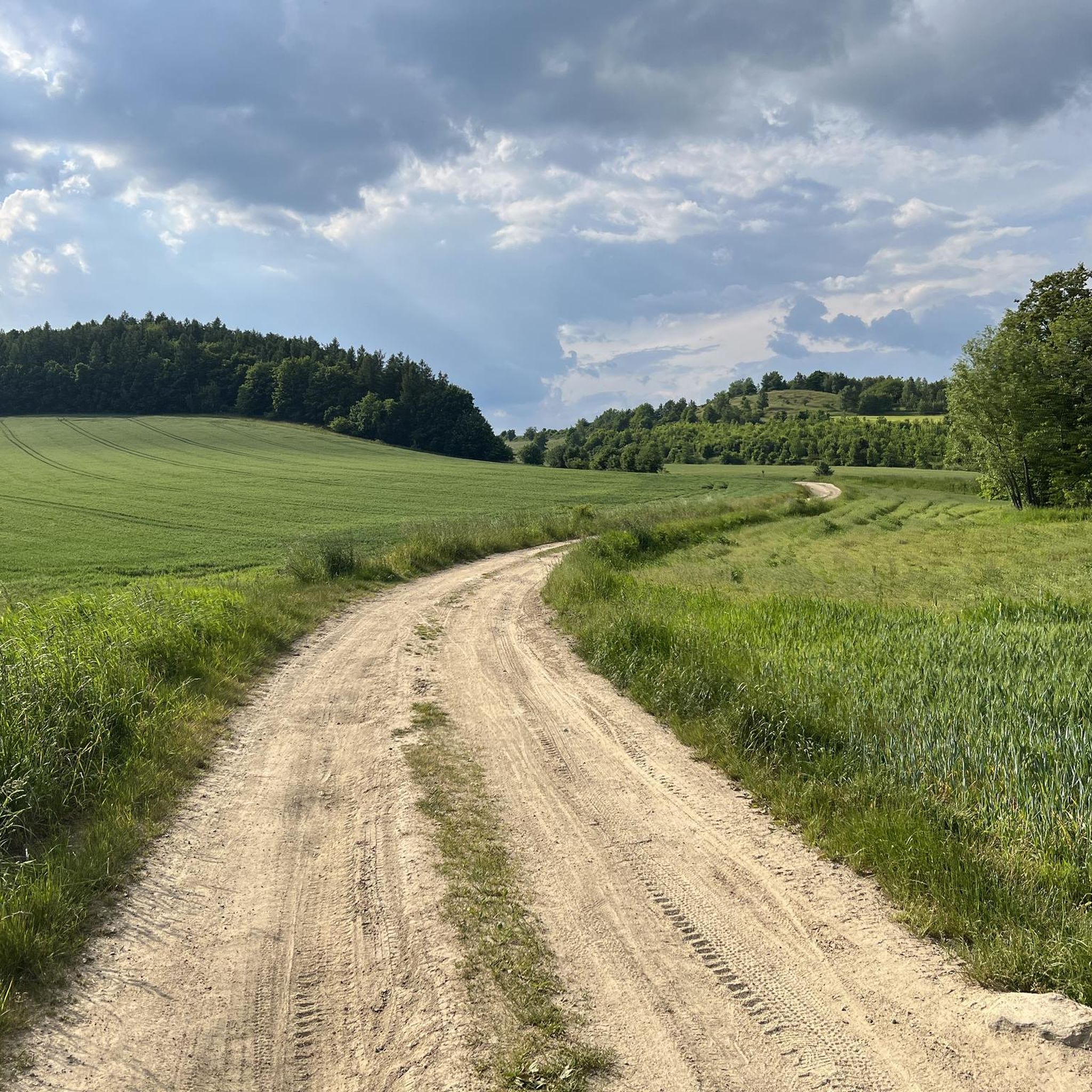
Moving around the park itself by bike is difficult, the overgrown gravel paths have a barrier on the trail and in some places you have to walk.
0
0
Frequently Asked Questions
What are some of the most unique natural monuments to explore in Gmina Świdnica?
Gmina Świdnica offers several unique natural monuments. You can visit Daisy Lake Ruins, a mysterious place within a reserve featuring a lake and impressive ruins, significant for its geological and paleontological sites. Another notable site is the Góra Choina Reserve, which protects a mixed forest and is home to the historic Grodno Castle ruins, blending natural beauty with historical significance.
Are there natural monuments in Gmina Świdnica that are good for families?
Yes, several natural monuments in Gmina Świdnica are suitable for families. Mount Ślęża is a popular choice, offering well-marked trails, a tourist house, and historical sculptures. The area around Terrace with a view of Książ Castle also provides scenic views and paths suitable for family walks.
What kind of historical or cultural elements can be found among the natural monuments?
Many natural monuments in Gmina Świdnica are rich in history and culture. Mount Ślęża, for instance, was a significant pagan solar worship center from the Bronze Age, with ancient stone sculptures like the "Maiden with Fish" and "Bear" still visible. The Góra Choina Reserve also combines natural forest protection with the historical Grodno Castle ruins.
What outdoor activities can I do near the natural monuments in Gmina Świdnica?
The natural monuments in Gmina Świdnica are excellent for various outdoor activities. You can find numerous trails for hiking, running, and cycling. For example, explore Running Trails around gmina Świdnica or discover MTB Trails around gmina Świdnica. The region offers diverse landscapes for nature observation and active exploration.
Are there any natural monuments with significant geological features?
Absolutely. The Daisy Lake Ruins reserve is particularly unique as it safeguards fossil fauna from the Upper Devonian period, exposed in a disused limestone quarry. It holds important geological and soil paleontological sites, making it a fascinating spot for those interested in earth sciences.
What is the best time of year to visit the natural monuments in Gmina Świdnica?
The natural monuments in Gmina Świdnica can be enjoyed throughout the year, but spring and autumn offer particularly pleasant conditions. Spring brings blooming flora and mild temperatures, while autumn showcases vibrant fall foliage. Summer is also popular for hiking, though it can be warmer. Winter offers a different, serene experience, especially for those interested in winter hiking, but some trails might be more challenging.
Are there any natural reserves focused on preserving ancient forests?
Yes, the Bukowa Kalenica Reserve is dedicated to preserving fragments of an ancient beech forest located on the edge of the Sowie Mountains. It is protected for its significant scientific and educational value, offering a glimpse into old-growth forest ecosystems and their biodiversity.
What do visitors enjoy most about the natural monuments in Gmina Świdnica?
Visitors frequently appreciate the diverse offerings, from preserved ancient forests and unique geological formations to areas that combine natural beauty with historical elements. Many enjoy the scenic views, the opportunities for hiking, and the chance to connect with both nature and the rich history of the region, as evidenced by the numerous photos and upvotes shared by the komoot community.
Can I find viewpoints offering panoramic scenery among the natural monuments?
Yes, there are excellent viewpoints. The Terrace with a view of Książ Castle offers a stunning perspective of the castle and its surroundings. Additionally, Radunia Summit provides amazing views of the Sowie Mountains and Mount Ślęża.
Is there a natural monument related to extraterrestrial phenomena in the region?
While not a traditional standing natural monument, the Wilkanowski Meteorite is a notable natural phenomenon associated with the region. A meteorite fell in the vicinity of present-day Wilkanowo in 1841, and a commemorative stone marks this historical event. Fragments of this meteorite are now housed in major geological museums worldwide, offering a unique connection to extraterrestrial natural history.
Are there any challenging natural monuments for experienced hikers?
For experienced hikers, Radunia Summit offers a challenging experience. It is the second peak on the Ślęża Massif and is part of the Góra Radunia Nature Reserve. While the tourist trail was previously closed to protect nature, it remains a significant natural monument with beautiful views for those who can access it responsibly.
What kind of wildlife can be observed in the natural monuments?
The natural reserves like Bukowa Kalenica and Góra Choina, with their ancient forests and diverse ecosystems, provide habitats for various wildlife. Visitors might observe local bird species, small mammals, and a rich diversity of insects and plant life. These areas are protected to preserve their ecological value, making them ideal for nature observation.
Most popular routes around gmina Świdnica
Most popular attractions around gmina Świdnica

Get inspired with the komoot mobile app


Explore more
Extend your search for the best caves by checking out these guides of the top ones around gmina Świdnica:
