Top 10 Natural Monuments around Węgrów
Best natural monuments around Węgrów include a variety of natural features, from river valleys to unique dune ecosystems. The region is characterized by its tranquil waterways, such as the Liwiec River, and significant natural areas that provide diverse habitats. These sites offer opportunities for recreation and observation of local flora and fauna. Węgrów County provides a connection with the serene Polish landscape through its protected natural features.
Best natural monuments around Węgrów
- The most popular natural monuments is View of…
Last updated: May 17, 2026
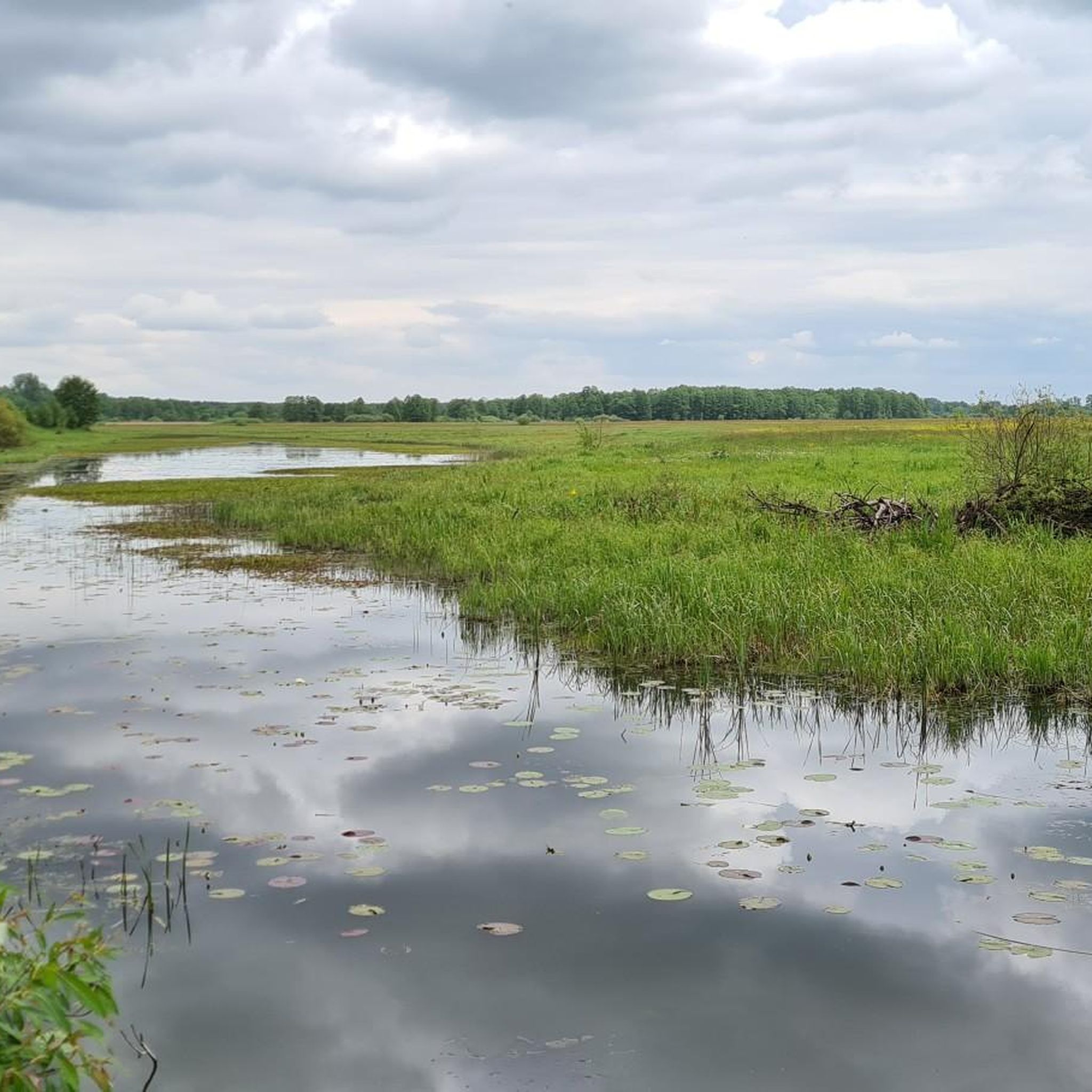
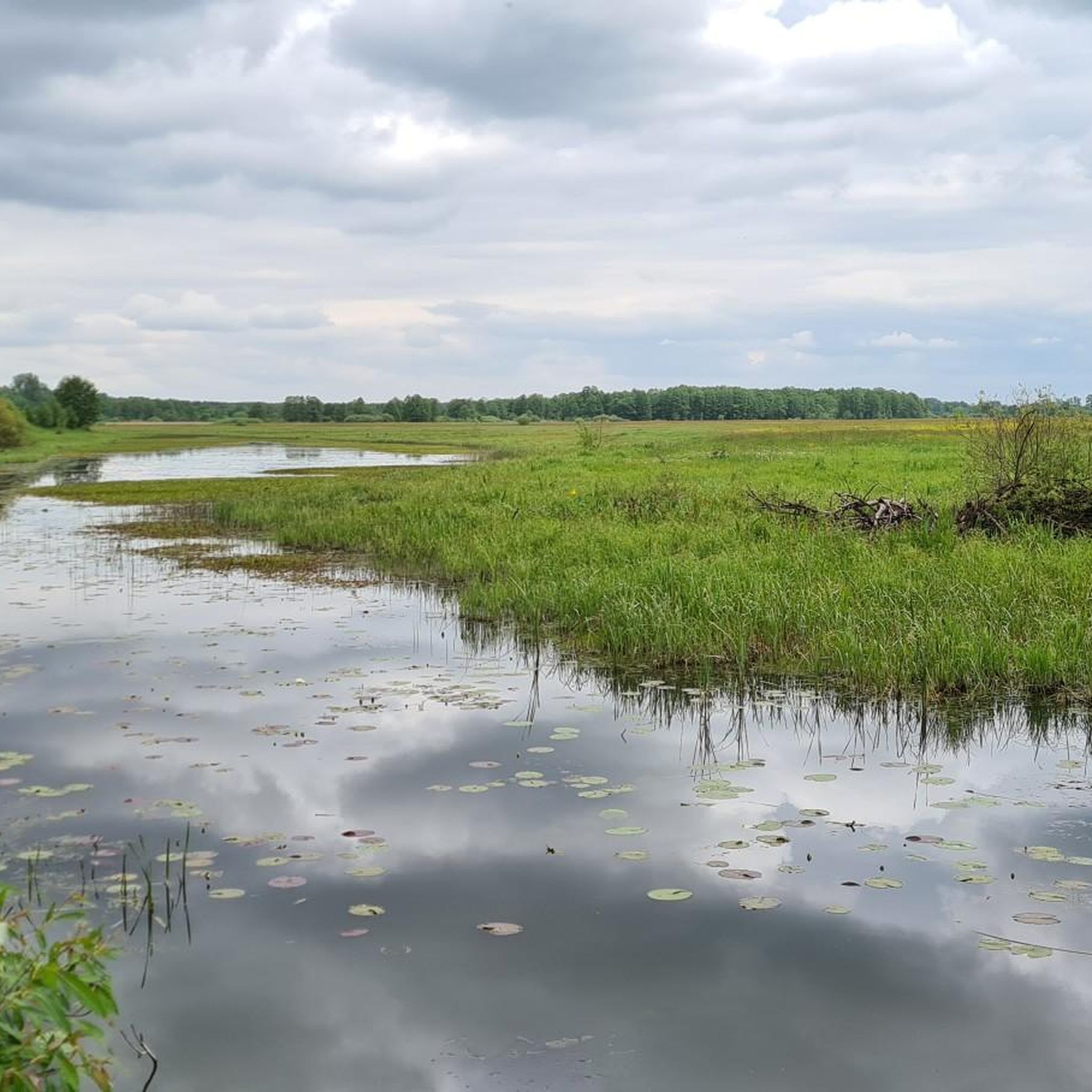
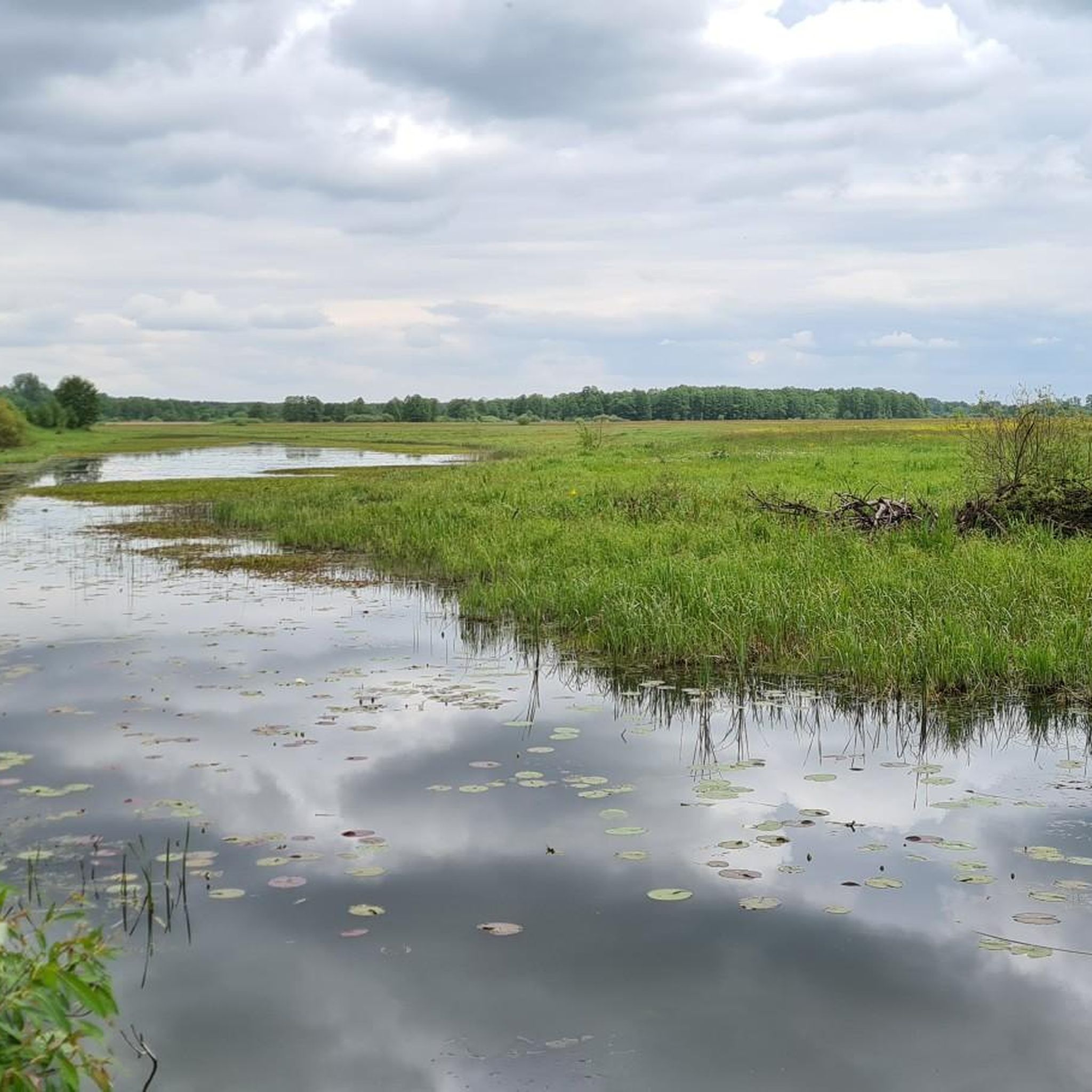
Oxbow Lake of the Bug River
Highlight • Lake
Translated by Google •
Tip by

Trail Through Jęgiel Nature Reserve
Highlight • Trail
Translated by Google •
Tip by

Sign up now to discover places like this
Get recommendations on the best single tracks, peaks, & plenty of other exciting outdoor places.
Sign up for free
View of the Liwiec Valley from Sowia Góra
Highlight • Viewpoint
Translated by Google •
Tip by

Natura 2000 Area, Kostrzynia Valley
Highlight • Natural Monument
Translated by Google •
Tip by

Zieleniec Dunes
Highlight • Natural Monument
Translated by Google •
Tip by

Forest Chapel and Oak 'Edward' at the Birthplace of Blessed Edward Grymała
Highlight • Religious Site
Translated by Google •
Tip by

Zieleniec Dunes
Highlight • Natural Monument
Translated by Google •
Tip by
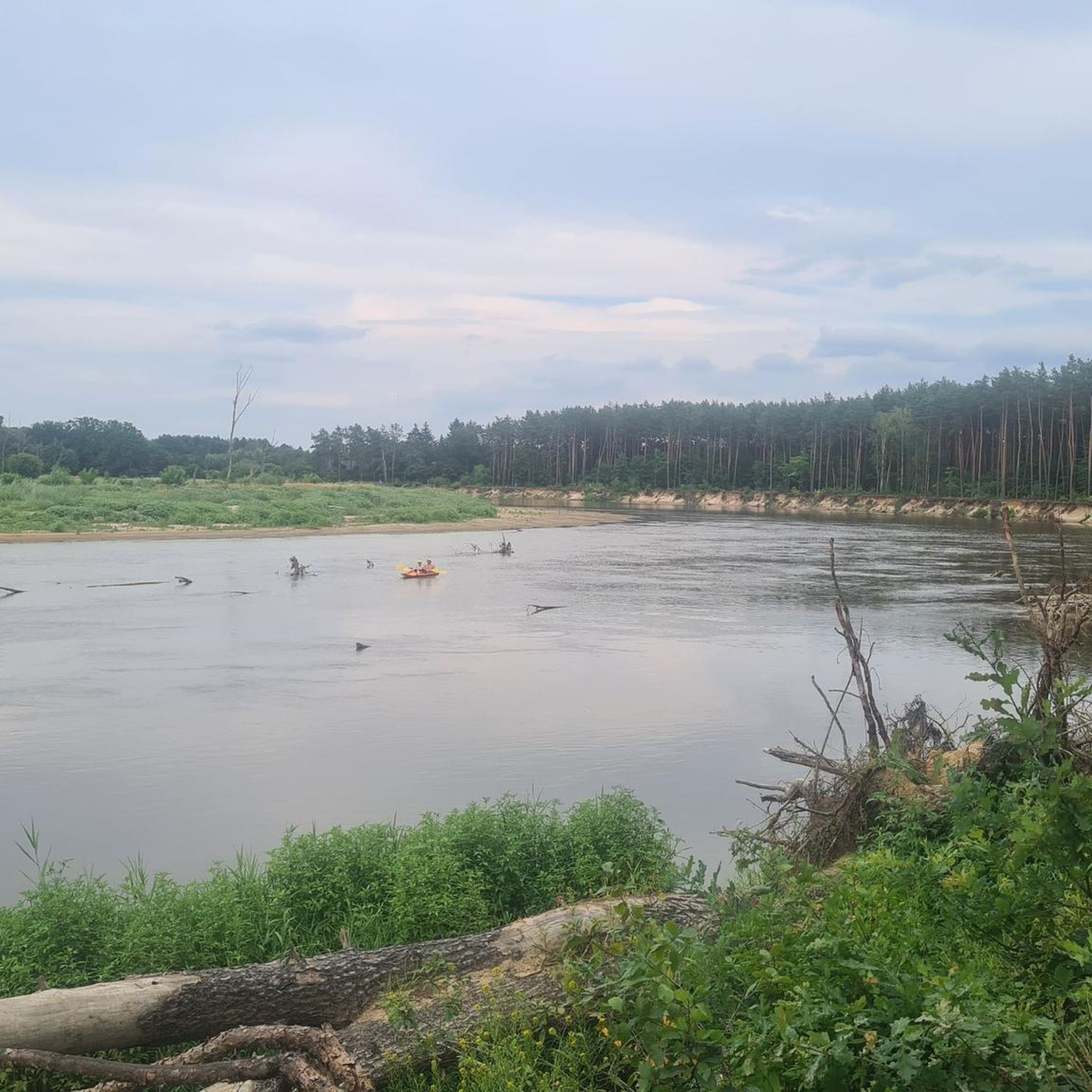
Bug River Bend
Highlight • River
Translated by Google •
Tip by

Cliffs at the Bend of the Bug River in Szumin
Highlight (Segment) • River
Translated by Google •
Tip by

Moczydło Nature Reserve
Highlight • Forest
Translated by Google •
Tip by

Sign up for free to discover even more natural monuments around Węgrów.
Sign up for free
Already have an account?
Start today with a free account
Your next adventure awaits.
Login or Signup
Tips from the Community


A fauna nature reserve established in the Stoczek commune, Stoczek forest district, Łochów forest district. The reserve is located within the Nadbużański Landscape Park. The purpose of protection is to preserve breeding sites of rare and endangered bird species and a rich group of birds in terms of the number of species for scientific and educational reasons. The presence of 66 species of birds has been recorded in the reserve, including 48 breeding species, such as: little grebe, common reed bunting, water hen, mallard, black stork, solitary sandpiper, tufted duck, common teal and marsh harrier.
1
0

Big, beautiful, powerful! Worth a visit!
1
0
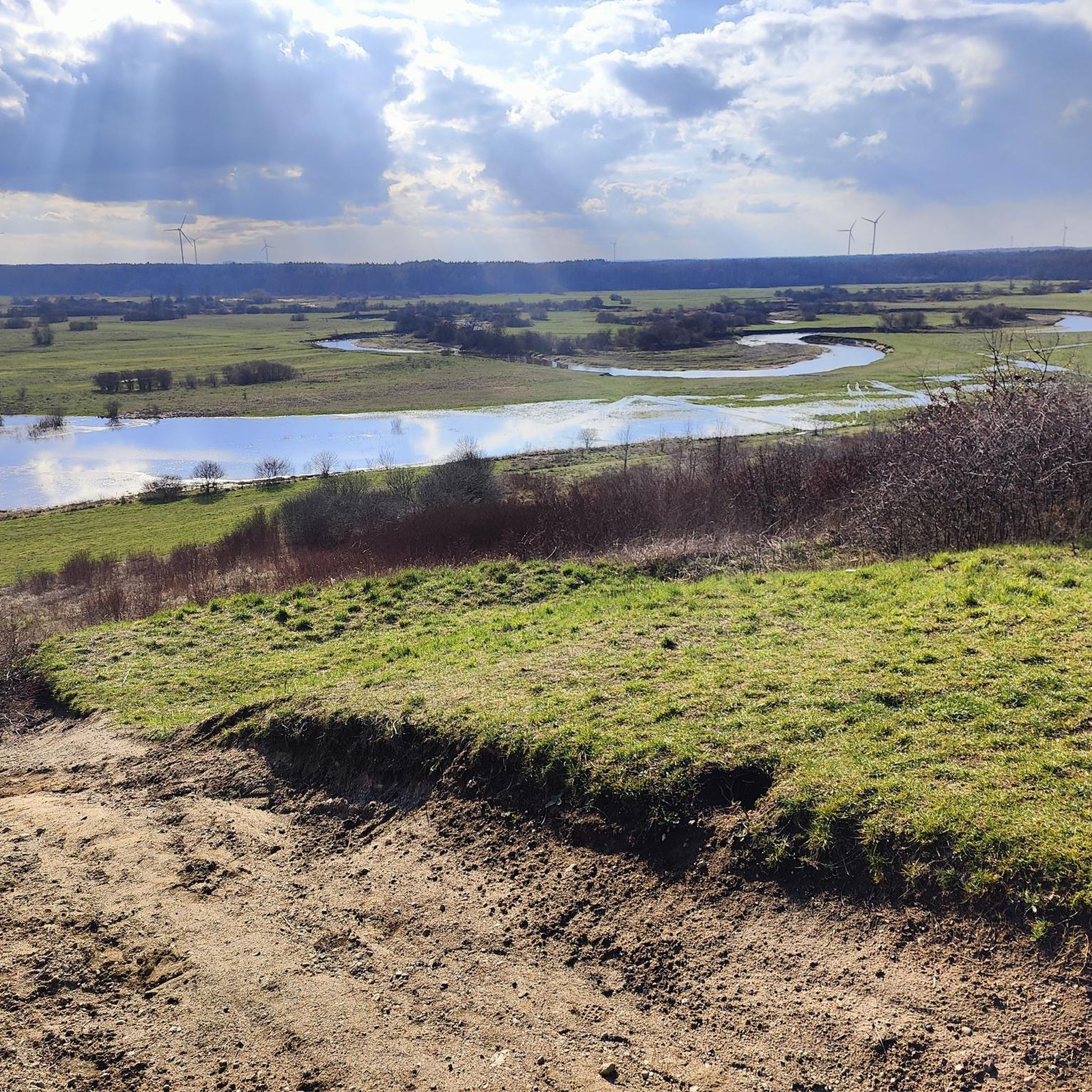
We drive out onto a beautiful escarpment along a forest road, from where there is a view of a beautiful bend in the Bug River, sandy escarpments and charming meadows. A fairy tale!
2
0

A beautiful smooth asphalt road runs through the entire area of the Kostrzyn Valley. It is worth making a longer stop at the Kostrzyn River Valley, which is surrounded by breeding forests, alders and numerous thickets. The Kostrzyn Valley is an important area for birds, including rare and endangered species such as the corncrake, lesser spotted eagle, black stork, kingfisher, white-tailed eagle, honey buzzard, marsh harriers, quail, snipe, black woodpecker, nightjar, common tern, black tern and ortolan bunting.
0
0
We will come across Sowia Góra by driving the road from Liwo to Węgrów and turning right just after the bridge over the Liwiec River. The elevation is located about 1.5 km just behind the town of Jarnice. Sowia Góra is a famous hill in the area, quite high, from which there is a beautiful view of the Liwiec Valley, the large and irregular bend of this river, where local residents and tourists relax from spring to summer.
0
0

The section of the Bug with high escarpments near Szumin is one of the most beautiful places in Mazovia. In this section, the winding and forking Bug washes away the sandy escarpment covered with pine forest. An ideal place for walking and admiring this river.
0
0
In addition to the fishing grounds near Szumin, Wywłóka is a mecca for Mazovian anglers from the surrounding area. From the stories of anglers we have met, pike, zander, asp and perch are the most desirable fish in these fishing grounds (although of course these are not the only fish that can be found there). But fish are a magnet, not only for anglers who fish for them here at different times of the year, also in winter, from under the ice. There are many more people willing to fish in this fish kingdom, in the form of numerous species of waterfowl, including such ornithological rarities as corncrakes, curlews, black-tailed godwits and sandpipers. In the vicinity of Szumin and Wywłóka, one can observe almost exemplary effects of the meandering of the Bug, which leaves behind old branches and small "lakes". These areas are subject to flooding in spring; backwaters are created that facilitate the movement of fish. That is why it is here, on the "bużyska", as the old riverbeds of the Bug are called, that you can observe many anglers trying to catch the golden crucian carp, which they call the "Japanese carp", or the tench, which likes to hide in the mud, in small, often overgrown reservoirs.
0
0
Frequently Asked Questions
What types of natural monuments can I explore around Węgrów?
The Węgrów region offers a diverse range of natural monuments, including picturesque river valleys like the Liwiec River Valley, unique oxbow lakes of the Bug River, and distinctive dune ecosystems such as the Zieleniec Dunes. You can also find nature reserves with specific forest types, like the Trail Through Jęgiel Nature Reserve, and scenic river bends with high escarpments.
Are there any unique geological features to see near Węgrów?
Yes, the area features unique geological formations. You can visit the Oxbow Lake of the Bug River, which is an ecologically significant U-shaped body of water formed when a river's meander is cut off. Additionally, the Zieleniec Dunes present a rare juxtaposition of sandy dunes alongside a peat bog, creating a distinctive landscape.
What are some notable viewpoints in the Węgrów area?
One of the most impressive viewpoints is the View of the Liwiec Valley from Sowia Góra, offering a panoramic perspective of the winding Liwiec River. Another scenic spot is the Cliffs at the Bend of the Bug River in Szumin, where you can admire high escarpments covered with pine forest overlooking the river's course.
What outdoor activities are popular near Węgrów's natural monuments?
The natural monuments around Węgrów are excellent for various outdoor activities. The Liwiec River is popular for kayaking, and its valley is great for hiking and cycling. You can also find numerous trails for walking and exploring, such as the Trail Through Jęgiel Nature Reserve. For more structured routes, consider exploring the Gravel biking around Węgrów or MTB Trails around Węgrów guides.
Are there specific trails for hiking or walking through natural areas?
Yes, you can find trails that lead through natural areas. The Trail Through Jęgiel Nature Reserve offers a path through a spruce forest on a peat substrate. The areas around the Liwiec River Valley and the Bug River, including the Cliffs at the Bend of the Bug River in Szumin, are also suitable for walking and enjoying nature. For more options, check out the Gravel biking around Węgrów guide, which includes routes that can be adapted for walking.
Can I go cycling near the natural monuments around Węgrów?
Absolutely! The Węgrów region is well-suited for cycling. The Kostrzynia Valley, part of the Natura 2000 Area, features a smooth asphalt road perfect for cycling. The Liwiec River Valley also offers scenic routes. You can find detailed cycling options in the Gravel biking around Węgrów, Road Cycling Routes around Węgrów, and MTB Trails around Węgrów guides.
Are there family-friendly natural monuments suitable for children?
Many natural monuments around Węgrów are suitable for families. The View of the Liwiec Valley from Sowia Góra offers a pleasant spot with tables for relaxation. The Natura 2000 Area, Kostrzynia Valley, and the Bug River Bend are also categorized as family-friendly, providing gentle environments for exploration and nature observation.
What is the best time of year to visit the natural monuments around Węgrów?
The spring and summer months are generally recommended for visiting the natural monuments around Węgrów. During this time, the weather is pleasant for outdoor activities like kayaking, hiking, and cycling. The landscapes, especially the river valleys and dunes, are vibrant, and wildlife is more active. Sowia Góra, for instance, is a popular spot from spring to summer.
Can I observe wildlife at the natural monuments?
Yes, the natural monuments are rich in wildlife. The Oxbow Lake of the Bug River and the Natura 2000 Area, Kostrzynia Valley, are vital wetland ecosystems that provide habitats for diverse species of fish and birds. The Kostrzynia Valley is particularly important for rare and endangered bird species, including corncrakes, lesser spotted eagles, and kingfishers. Information boards about birds are also present at the View of the Liwiec Valley from Sowia Góra.
Are there any nature reserves to visit in the Węgrów area?
Yes, the region includes several nature reserves. You can explore the Trail Through Jęgiel Nature Reserve, known for its spruce trees on a peat substrate. Another significant area is the Natura 2000 Area, Kostrzynia Valley, which is an important bird habitat. The Moczydło Nature Reserve also offers a natural forest environment for visitors.
What should I know about visiting the Zieleniec Dunes?
The Zieleniec Dunes are a unique ecological area featuring sandy dunes alongside a peat bog. It's protected for its role as a habitat for rare plant and animal species. Visitors describe it as a distinctive landscape, almost like a 'desert between the lake and the sea and the treetops.' It's recommended to visit early in the day to experience its tranquility, and exploring by bicycle is a popular option.
Are there any historical or cultural sites combined with natural beauty?
While primarily focused on natural beauty, some sites offer a blend. For instance, the Forest Chapel and Oak 'Edward' at the Birthplace of Blessed Edward Grymała combines a religious building and a significant oak tree within a forest setting, offering both natural and historical interest.
Most popular routes around Węgrów
Most popular attractions around Węgrów

Get inspired with the komoot mobile app


Didn’t find what you were looking for?
Find even more amazing natural monuments around Węgrów by checking out the top Highlights region by region:
Explore more
Extend your search for the best caves by checking out these guides of the top ones around Węgrów:
