Top 6 Natural Monuments around Jelenia Góra
Best natural monuments around Jelenia Góra are found in the Lower Silesia region of Poland, a city surrounded by diverse landscapes. The area is characterized by ancient trees and unique rock formations, offering insights into the region's natural heritage. Jelenia Góra and its surroundings provide opportunities to explore geological features and botanical wonders. The region is home to more than 19 natural monuments, primarily ancient trees and rock formations.
Best natural monuments around Jelenia Góra
- The most popular natural monuments is Mužské Kameny (Man Rocks), a natural monument and summit that offers expansive views. It is known for its gentle slopes and requires sure-footedness on its paths.
- Another must-see spot is Śląskie Kamienie / Dívčí Kameny rock formations, a group of granite rocks on the Silesian Ridge. Visitors can expect photo opportunities and views from these formations.
- Visitors also love Cudowne Źródełko Spring, a natural spring located at the foot of Mount Kapliczna. This popular spot is known for its drinkable water, which locals often collect.
- Jelenia Góra is known for its ancient trees, such as oaks and willows, and distinctive rock formations like granite massifs and crevice caves. The variety of natural monuments provides diverse exploration opportunities, from geological features to ancient living organisms.
- The natural monuments around Jelenia Góra are appreciated by the komoot community, with more than 97 upvotes and 57 photos shared across 5 highlights.
Last updated: June 29, 2026
Śląskie Kamienie / Dívčí Kameny rock formations
Highlight • Natural Monument
Translated by Google •
Tip by

Mužské Kameny (Man Rocks)
Highlight • Natural Monument
Translated by Google •
Tip by

Sign up now to discover places like this
Get recommendations on the best single tracks, peaks, & plenty of other exciting outdoor places.
Sign up for free
Cudowne Źródełko Spring
Highlight • Natural Monument
It is not known, but the place is popular, although the water does not seem to have any special powers!
Translated by Google •
Tip by
Kunigunden Spring Picnic Area
Highlight • Rest Area
Translated by Google •
Tip by

Perforated Rock
Highlight • Natural Monument
Translated by Google •
Tip by

View of the Giant Mountains
Highlight • Viewpoint
Translated by Google •
Tip by
Start today with a free account
Your next adventure awaits.
Login or Signup

Tips from the Community


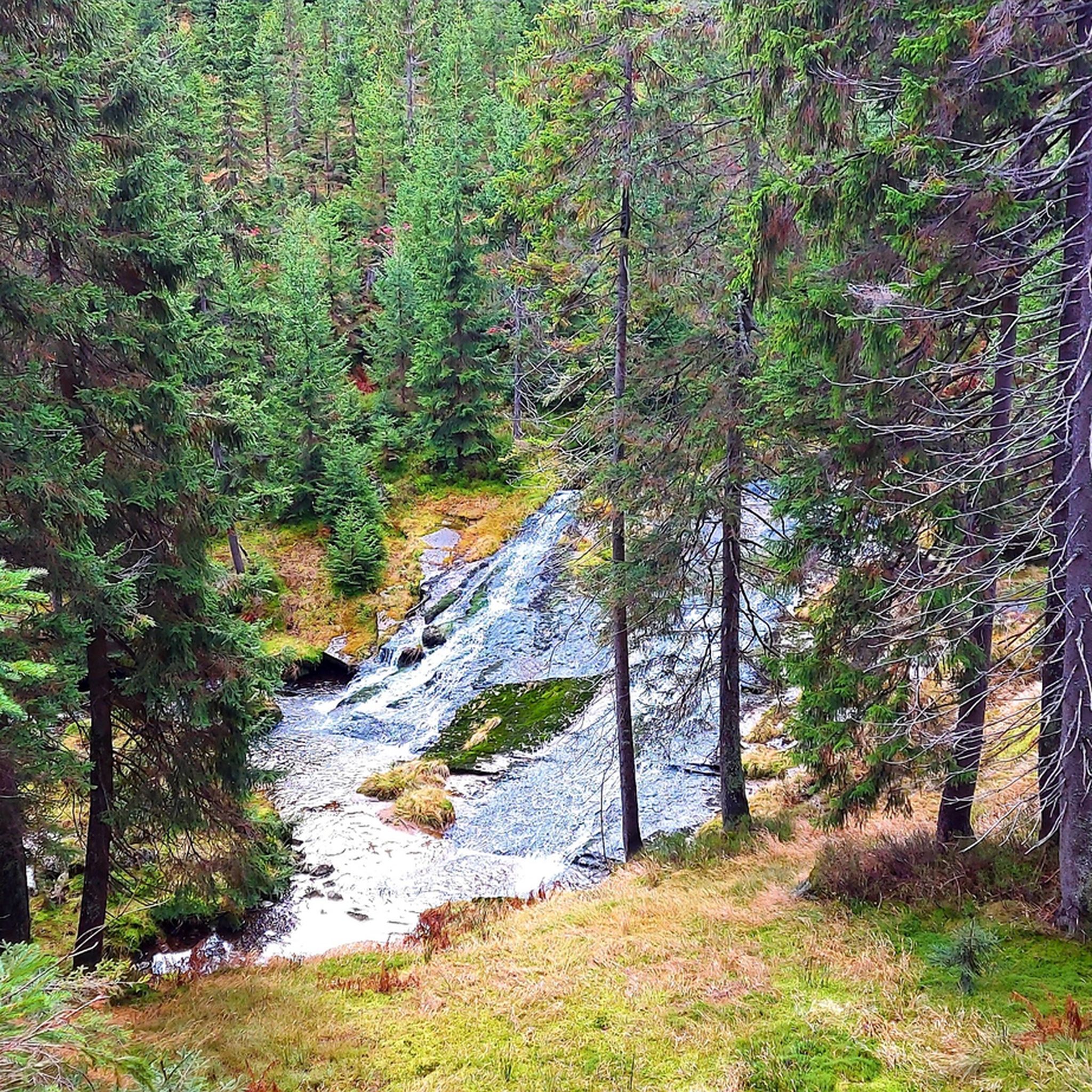
At the beginning of the 20th century, there was a watering hole for horses that brought tourists to Chojnik Castle. After World War II, this place fell into disuse. Currently, the renovated Kunigunde Spring is a place of tranquility.
2
0

The Miraculous Spring is located at the foot of Mount Kapliczna, just behind Jelenia Góra on the Bóbr River. It is not known when it was created - sometimes it is said to be connected with the old castle nearby on Krzywousty Hill, and sometimes with the chapel on Mount Kapliczna. It is not known, but the place is popular, although the water does not seem to have any special powers!
4
0
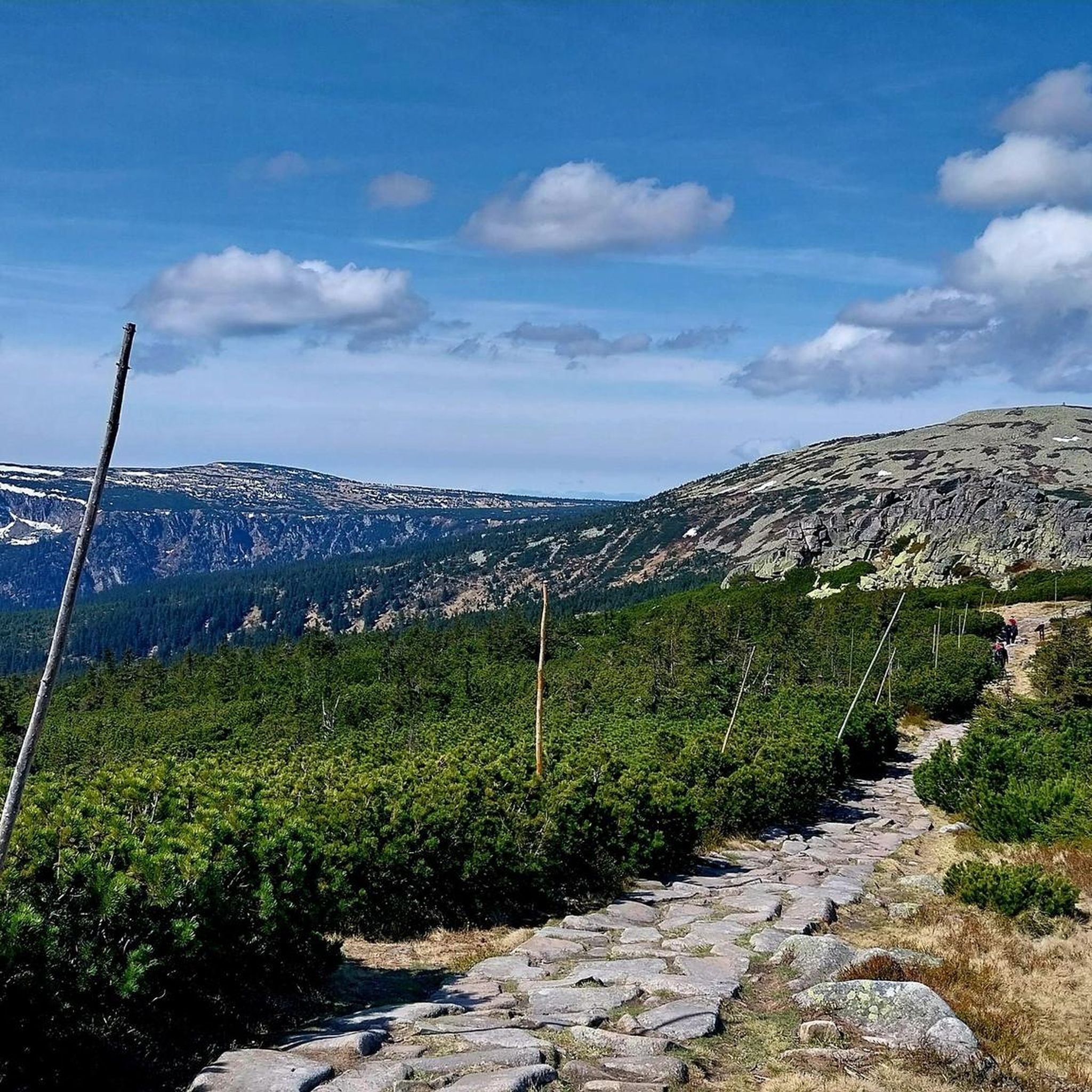
Silesian Stones or in Czech Dívčí kameny are a group of rocks on the Silesian Ridge made of Karkonosze granite. A good photo opportunity for tourists and beautiful views, as everywhere here.
0
0
After having the privilege of seeing this view from here, there is nothing more you need to achieve in life! A magnificent view of the Karkonosze Mountains at Koralowa Góra.
0
0

Unlike the neighboring Mädelsteine, the sprawling Mannsteine are more like a rock castle. At 1417 m, they are only a few meters higher than the Mädelsteine.
0
0
Very impressive rock formations (1413m high) directly on the border ridge. Great view of the Hoher Rad and the Rübezahlkamm with the transmitter station and in the other direction to the Schneekoppe. To the northeast the view extends to the Hirschberger valley. To the southwest you can see the Elbe valley and the Panschenfall. The most interesting are certainly the three rock towers that resemble women in skirts.
0
0
Frequently Asked Questions
What unique natural features can I explore around Jelenia Góra?
The Jelenia Góra area is rich in diverse natural monuments, primarily ancient trees and distinctive rock formations. You can find impressive old trees like various species of oaks, a white willow, and a ginkgo, particularly concentrated in the Sobieszów district. Additionally, there are unique geological formations such as granite massifs and crevice caves, offering a glimpse into the region's natural heritage.
Are there any family-friendly natural monuments to visit near Jelenia Góra?
Yes, several natural monuments are suitable for families. For instance, the Śląskie Kamienie / Dívčí Kameny rock formations are considered family-friendly and offer great photo opportunities. Another excellent spot is Cudowne Źródełko Spring, a popular natural spring where locals often collect drinkable water. The Kunigunden Spring Picnic Area also provides a tranquil spot for families to rest.
What kind of rock formations can I see in the Jelenia Góra region?
The region features several intriguing rock formations. You can explore Śląskie Kamienie / Dívčí Kameny rock formations, which are groups of granite rocks offering beautiful views. Another notable site is Dziurawy Kamień (Holed Stone) in Sobieszów, the longest crevice cave in the Karkonosze Mountains, formed within granite rocks. While slightly outside Jelenia Góra, Skałki Marianki near Szklarska Poręba also showcases compact, fractured granite massifs with unique weathering pits.
Where can I find ancient trees around Jelenia Góra?
Jelenia Góra is home to many ancient trees, with a significant concentration in the Sobieszów district. You can find impressive pedunculate oaks, some with circumferences exceeding 5 meters, and a small-leaved lime. The oldest white willow in Poland is also located in Sobieszów. These monumental trees offer a chance to connect with ancient living organisms and appreciate their role in the local ecosystem.
What are some popular hiking trails near the natural monuments?
The Jelenia Góra area offers various hiking opportunities. You can find easy trails like the 'Jelenia Góra to the Pearl of the West: Beaver Valley Landscape Park' or the 'View of Chojnik Castle – Chojnik Castle loop from Jelenia Góra'. For more challenging hikes, consider the 'Snowy Cauldrons – Wysoka Kopa loop from Dom Gerharta Hauptmanna'. You can explore more options on the Hiking around Jelenia Góra guide.
Are there cycling routes available near the natural monuments?
Yes, there are numerous cycling routes in the vicinity of Jelenia Góra's natural monuments. Options range from moderate to difficult, such as the 'Wojanów Palace – Lomnica Palace loop' or the 'Wrzeszczyńskie Lake – Pilchowice Dam loop'. For a comprehensive list of routes, check the Cycling around Jelenia Góra guide.
What do visitors enjoy most about the natural monuments in Jelenia Góra?
Visitors frequently appreciate the stunning views from rock formations like Śląskie Kamienie / Dívčí Kameny and Mužské Kameny (Man Rocks). The unique geological features, such as the climbing fun at Perforated Rock, are also highly rated. The tranquility and the opportunity to collect fresh water at Cudowne Źródełko Spring are also popular highlights.
How much time should I plan for visiting the natural monuments?
The time required varies depending on the monument. Exploring Dziurawy Kamień (Holed Stone) takes approximately 5 minutes. For rock formations like Śląskie Kamienie / Dívčí Kameny or Mužské Kameny (Man Rocks), you might spend an hour or two enjoying the views and taking photos. If you plan to combine visits with hiking, a full day or more would be ideal to explore multiple sites and trails.
Is it possible to visit the natural monuments during winter?
While specific conditions vary, many natural monuments in the Jelenia Góra area can be visited in winter. However, trails might be covered in snow or ice, especially at higher elevations or near rock formations. It's advisable to wear sturdy, waterproof shoes and appropriate winter clothing. Always check local weather conditions and trail reports before heading out for winter hiking.
Are there any natural springs in the area where I can get drinking water?
Yes, the Cudowne Źródełko Spring, located at the foot of Mount Kapliczna, is a popular spot known for its drinkable water, which locals frequently collect. Additionally, the renovated Kunigunden Spring Picnic Area offers a place to rest and fill your bottle with cold spring water.
Can I find mountain biking trails near the natural monuments?
Absolutely. The Jelenia Góra region is well-suited for mountain biking, with trails like the 'Borowy Sections 28–30 – Szarzat Trail Section 38 loop' or the 'Start of Trail 18 (Szlak 18) – Trail Map for Sections 21–25 loop'. These trails often pass through diverse landscapes, including areas near natural monuments. More details can be found in the MTB Trails around Jelenia Góra guide.
Most popular routes around Jelenia Góra
Most popular attractions around Jelenia Góra

Get inspired with the komoot mobile app


Explore more
Extend your search for the best caves by checking out these guides of the top ones around Jelenia Góra:
