Top 6 Natural Monuments around powiat gnieźnieński
Best natural monuments around powiat gnieźnieński are found in a region in central-western Poland, known as the "cradle of the Polish state." The landscape features glaciated terrain with moraine hills and lakes, notably within the Lednicki Landscape Park. The area is recognized for its ancient and magnificent trees, which are often designated as natural monuments due to their age, size, and ecological value. These protected natural features offer diverse opportunities for nature observation and outdoor activities.
Best natural monuments around…
Last updated: May 17, 2026
Lake Lednica
Highlight • Lake
Translated by Google •
Tip by

Lednica Lake and Wooden Warriors Sculptures
Highlight • Lake
Translated by Google •
Tip by

Sign up now to discover places like this
Get recommendations on the best single tracks, peaks, & plenty of other exciting outdoor places.
Sign up for free
Bielawy Nature Reserve
Highlight • Forest
Translated by Google •
Tip by

Wincenty and Hektor Oaks Nature Monuments
Highlight • Natural Monument
Translated by Google •
Tip by

Tarcza Olbrzyma Glacial Erratic
Highlight • Natural Monument
Translated by Google •
Tip by
Lake Białe
Highlight • Lake
Translated by Google •
Tip by

Start today with a free account
Your next adventure awaits.
Login or Signup
Popular around powiat gnieźnieński
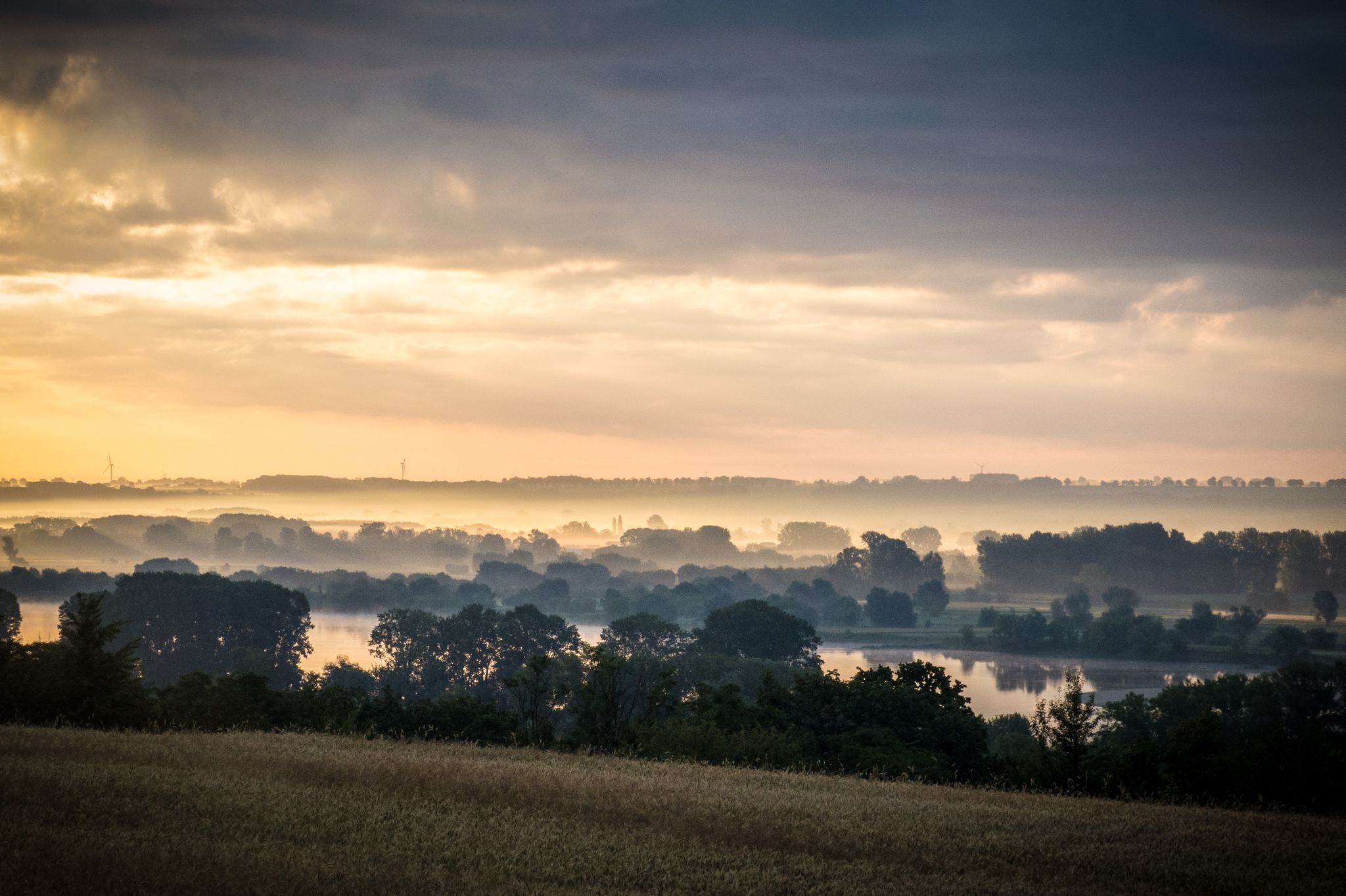
EuroVelo 9 – The Amber Route from the Baltic to Adriatic Sea
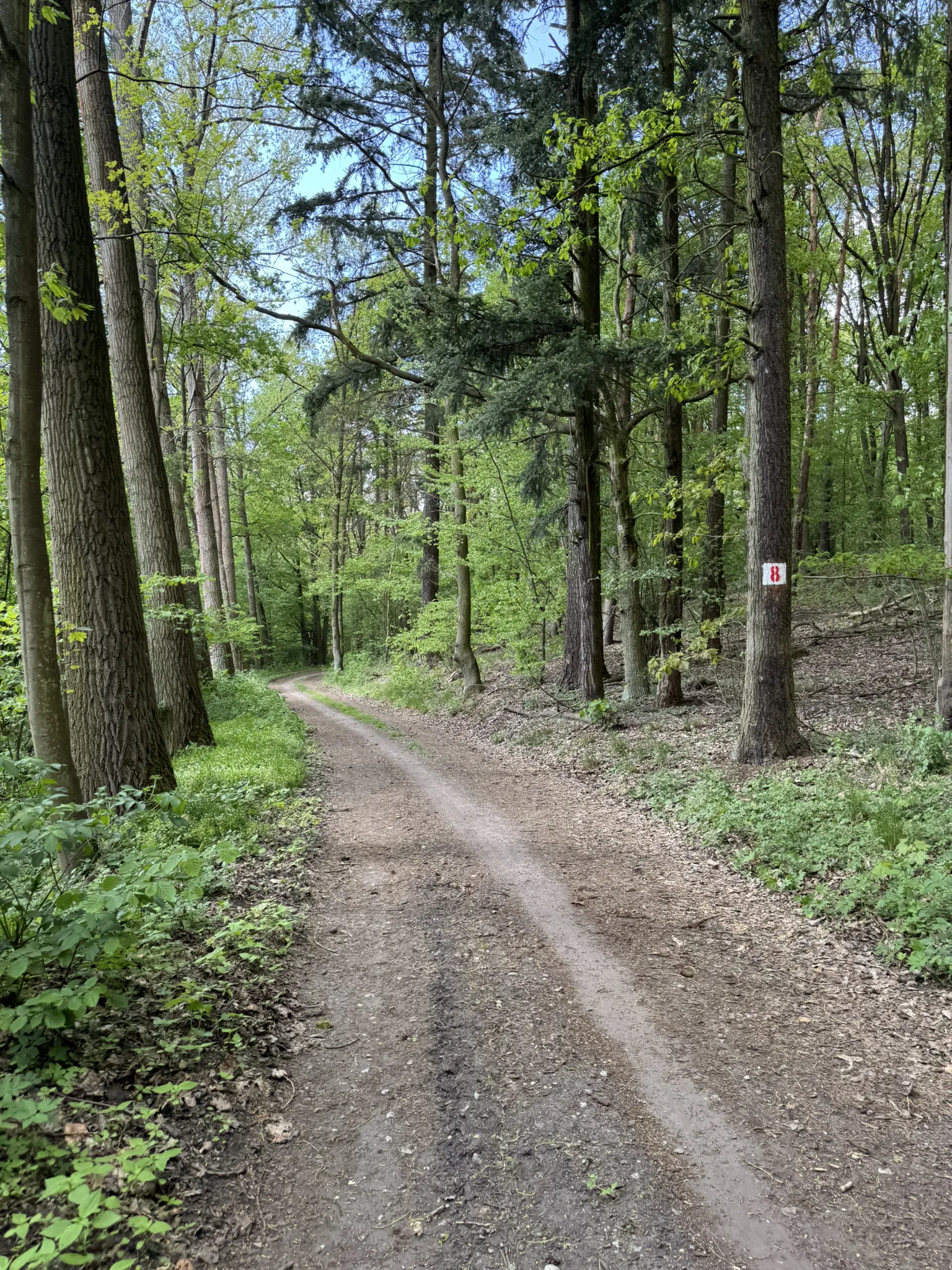
Piast Bicycle Route - by bicycle through the cradle of the Polish state
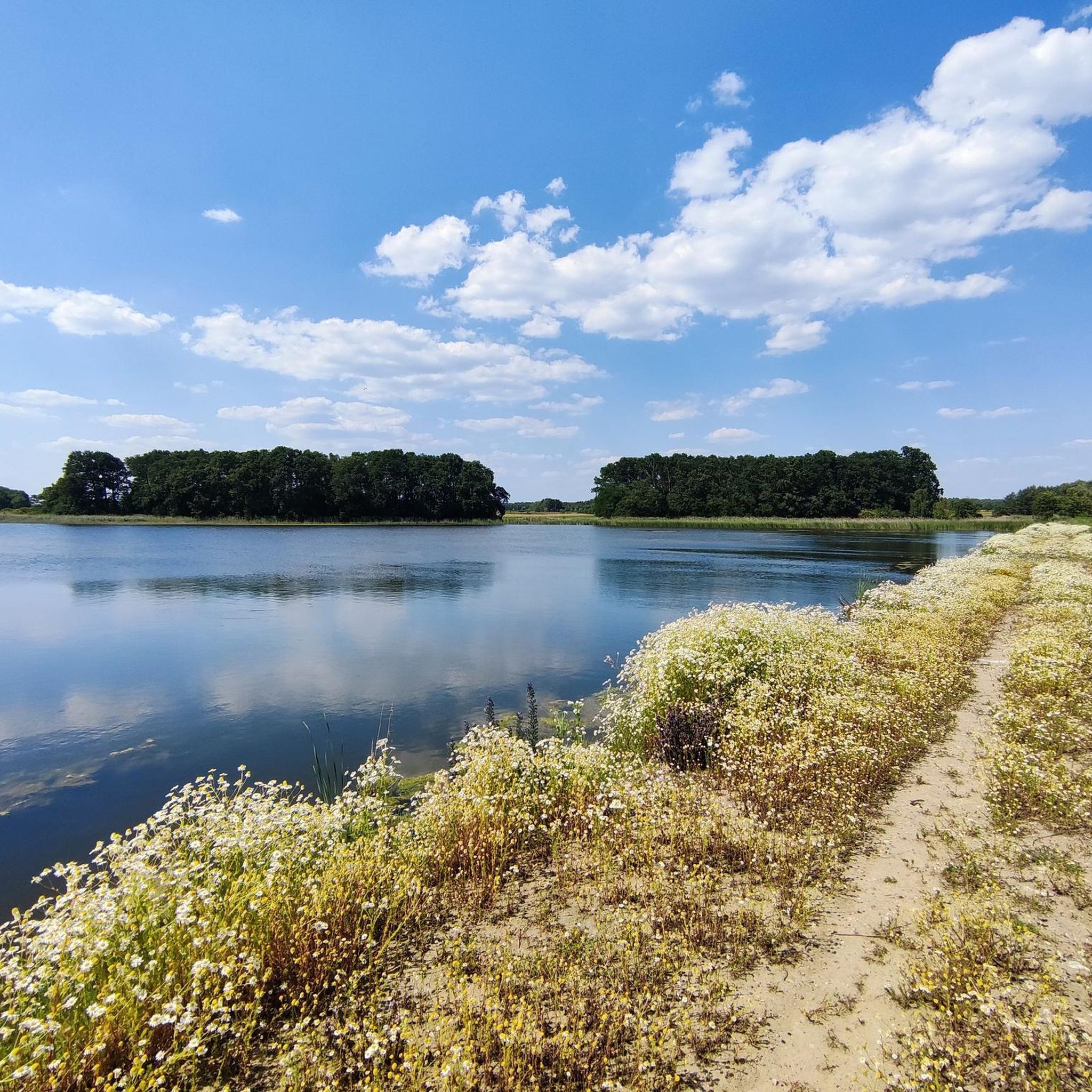
Cycling around powiat gnieźnieński
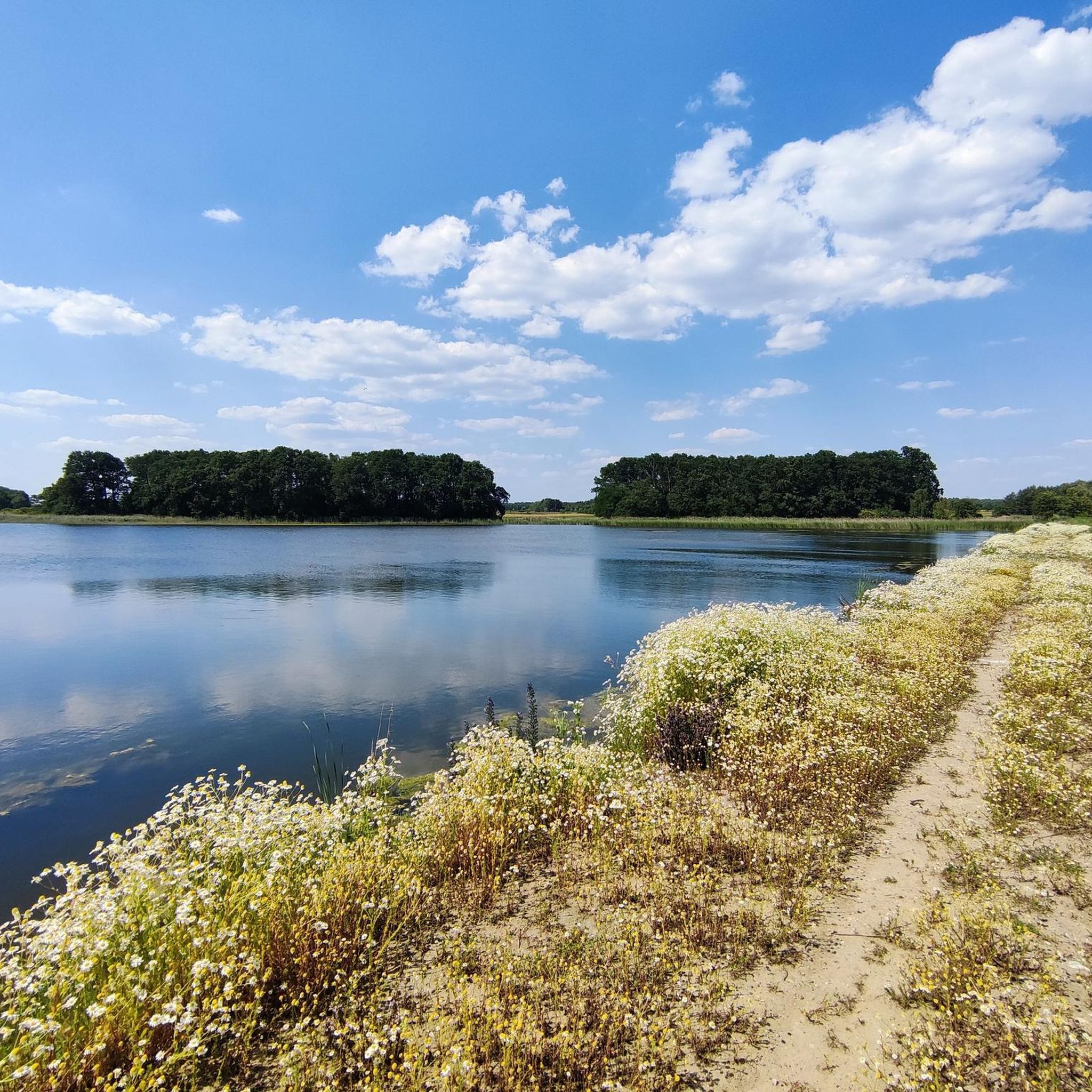
Hiking around powiat gnieźnieński
Road Cycling Routes around powiat gnieźnieński
Running Trails around powiat gnieźnieński
MTB Trails around powiat gnieźnieński
Gravel biking around powiat gnieźnieński


Tips from the Community

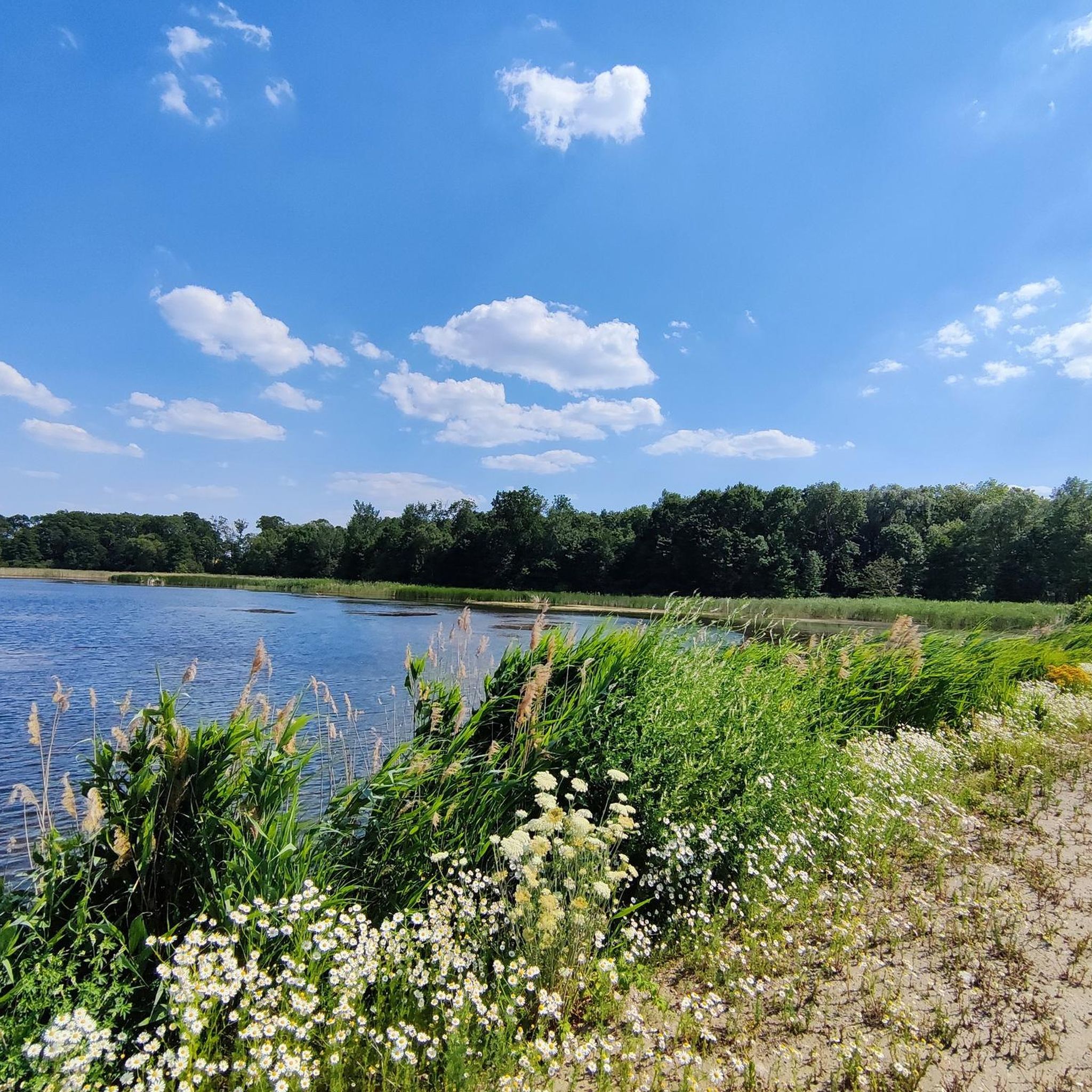
Beautiful Lake Białe right next to Skorzęcin. Its shores are almost completely covered with forest - very picturesque and atmospheric. There are many oaks here, many of which are natural monuments.
0
0

Lake Lednickie is a picturesque spot on the map of the Lednica Landscape Park, perfect for a bike break. From here you can admire Ostrów Lednicki, the place of the baptism of Poland, to which ferries run in the summer. The area offers peaceful bike trails with views of the lake and the surrounding nature. It is worth planning a longer moment to relax by the water.
2
0

"Natural Monument Record Sheet" dated 12.06.1949: "Monument description: Oak - age - 980 years - circumference breast height - 7.10 m, height 22 m; Oak - age - 608 years - circumference breast height - 3.40 m, height 26 m; Oak - age - 607 years - circumference breast height - 3.30 m, height 25 m. Spreading shape with thick branches". We also learn from the document that the oaks grow on the "southern slope, 120 meters from the lake". This means that one of the three oaks growing here is probably the oldest English oak in Poland. (fundacjahistoryczna.pl)
0
0
According to legend, the Falconers, obedient to their Lord, who is the King in Heaven, decided to build a temple here. Satan did not like this idea very much. In order to prevent the Eternal from rejoicing at the crowning work, he decided to demolish the church under construction. Under cover of night, he rolled a huge boulder from the far north. When he was close to his desired goal, the morning dawn rose and woke up the village roosters. The moment they crowed loudly, the prince of darkness lost his hellish power. The rolled stone got stuck in the place where it is to this day. The "Giant's Shield" is impressive in its dimensions: its circumference is about 17 m, and its height is 1.7 m. The weight of the "Giant's Shield" is difficult to estimate, but some claim that the boulder can weigh up to 200 tons! It is worth noting that the Germans were interested in this boulder during World War II, because it was lying on an agricultural field and was an obstacle. That is why they tried to blow it up, traces of which can still be found today. /pojezierze24.pl/
0
0

Next to the boulder there is a shelter with tables and a place for a bonfire. A nice place to rest on the route.
0
0
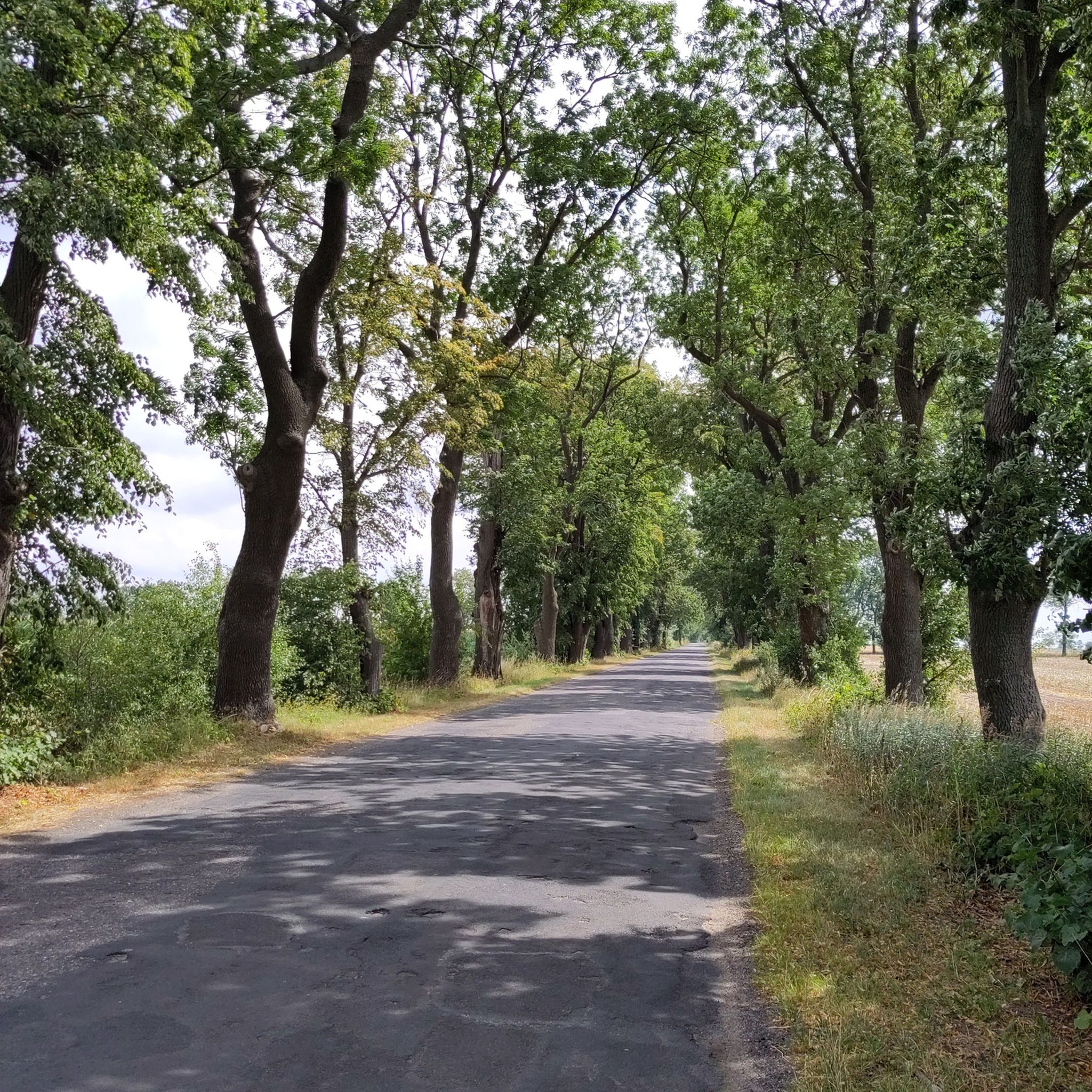
The largest oaks in the area - natural monuments
0
0

The lake is located between the provincial road number 197 and the provincial road number 194. The S5 expressway is also nearby, so access via the main roads is very good. There are several villages on the shores of the lake: Lednogóra, Dziekanowice, Rybitwy, Imiołki and Waliszewo. These are agricultural towns, not tourist ones.
0
0

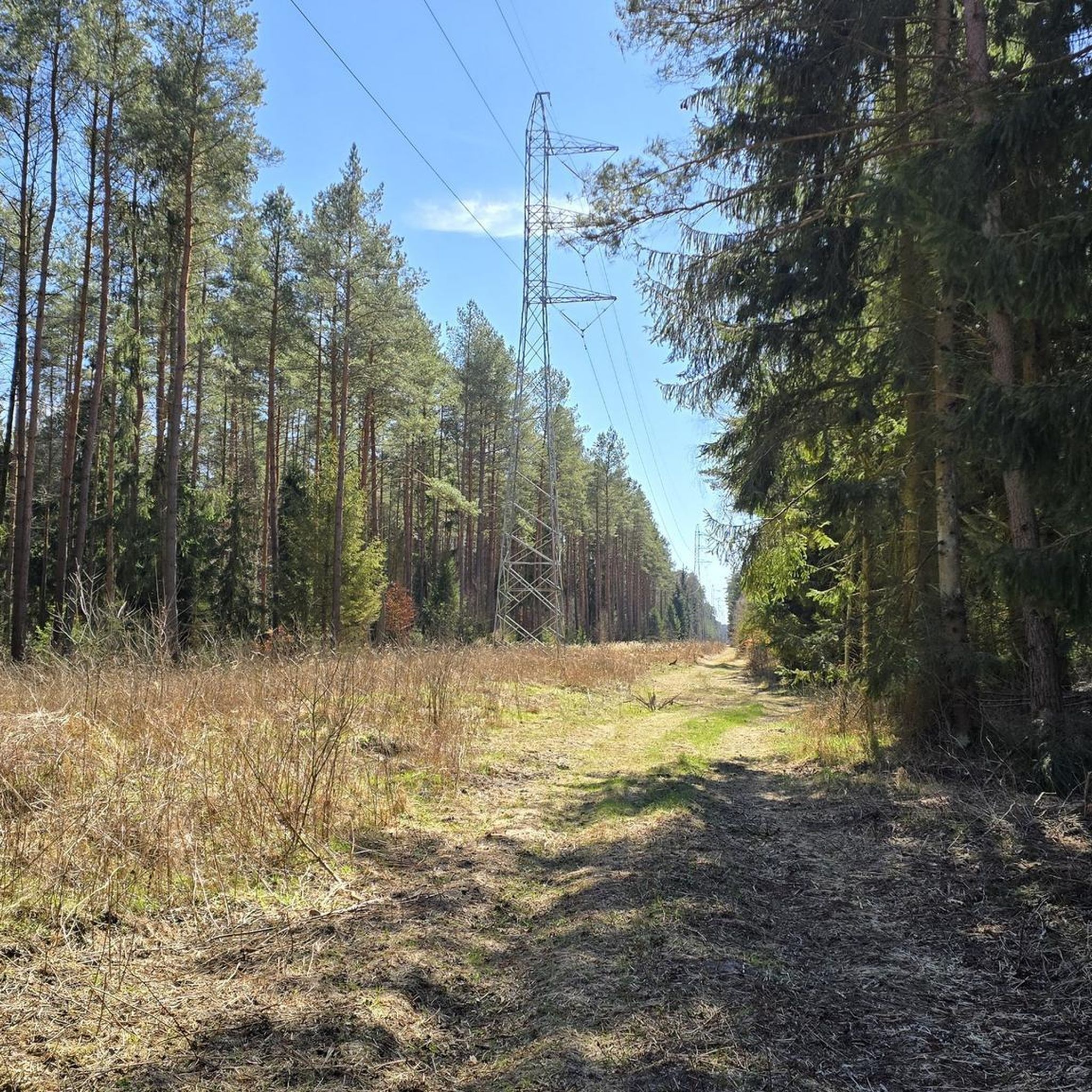
Actively protected forest reserve with an area of 20 ha. It was created to preserve a fragment of a deciduous forest in the nature of a natural complex with the participation of oak, ash, hornbeam, elm and Polish larch.
0
0
Frequently Asked Questions
What unique natural monuments can I find in Powiat Gnieźnieński?
Powiat Gnieźnieński is particularly known for its ancient and magnificent trees, many of which are designated natural monuments. You can also find significant geological features like glacial erratics and protected landscapes within the Lednicki Landscape Park. The region offers a diverse range of natural attractions, from individual trees to broader protected areas.
Are there any ancient or historically significant trees to visit in the region?
Yes, the region is rich in such trees. Notable examples include the impressive Wincenty and Hektor Oaks, which are among the largest in the area and potentially include one of Poland's oldest English oaks. In Gniezno, you can also find the Dąb Lech in Park Piastowski, the Jesion wyniosły "Staś", and the historically named Buk "Piast" and Jesion "Siemomysł" in the Municipal Park. More recently designated are the Klon polny "Mieszko I" and Wiąz szypułkowy "Dąbrówka" in the Park Trzech Kultur, all named after figures from early Polish history.
What natural features define the Lednicki Landscape Park?
The Lednicki Landscape Park, located west of Gniezno, is characterized by its glaciated landscape, featuring moraine hills, ground moraine plains, and glacial gutters filled with lakes, including Lake Lednica. While largely agricultural, its natural beauty lies in these undulating uplands and the imposing gully of the lake. The park is also home to a group of 10 monumental oaks near Kamionki and preserves rare vegetation like marsh orchids and over 160 bird species.
Are there any nature reserves in the area to explore?
Yes, you can visit the Bielawy Nature Reserve. This actively protected forest reserve spans 20 hectares and is dedicated to preserving a fragment of a deciduous forest. It features a natural complex of oak, ash, hornbeam, elm, and Polish larch trees, offering a glimpse into the region's native woodland ecosystems.
Can I see any geological natural monuments in Powiat Gnieźnieński?
Absolutely. A prominent geological natural monument is the Tarcza Olbrzyma Glacial Erratic, also known as the "Giant's Shield." This impressive boulder has a circumference of about 17 meters and a height of 1.7 meters, with an estimated weight of up to 200 tons. It's a fascinating remnant of the last glaciation and a local legend surrounds its origin.
What outdoor activities can I do near these natural monuments?
The area around Powiat Gnieźnieński offers various outdoor activities, especially cycling and hiking. You can explore numerous trails that often pass by natural monuments and through scenic landscapes. For cycling, consider routes like the Lednica red trail or the Gniezno County Yellow, Green, and Blue Bicycle Trails. Hikers can enjoy easy trails such as the Skorzęcin Beach loop or walks around Jezioro Winiary. You can find more details on these activities in the cycling guide and easy hikes guide for the region.
Are the natural monuments in Powiat Gnieźnieński family-friendly?
Many natural monuments and surrounding areas are suitable for families. For instance, Lake Lednica and the Bielawy Nature Reserve are categorized as family-friendly. The Tarcza Olbrzyma Glacial Erratic even has a shelter with tables and a place for a bonfire nearby, making it a good spot for a family rest. Many of the individual trees in Gniezno are located within urban parks, offering easy access for all ages.
What is the best time of year to visit the natural monuments?
The natural monuments in Powiat Gnieźnieński can be enjoyed throughout the year, but each season offers a different experience. Spring brings lush greenery and blooming flora, while summer is ideal for longer outdoor activities and enjoying the lakes. Autumn is particularly picturesque, with the deciduous trees displaying vibrant colors. Even in winter, the stark beauty of the ancient trees and glaciated landscapes can be quite striking, especially for those interested in quiet contemplation or winter walks.
Are there any dog-friendly natural monuments or trails?
While specific regulations for each natural monument may vary, many of the outdoor trails and parks in Powiat Gnieźnieński are generally dog-friendly, provided dogs are kept on a leash. The broader landscapes of the Lednicki Landscape Park and the various cycling and hiking routes offer ample space for walks with your canine companion. Always ensure to clean up after your dog to preserve the natural environment.
How accessible are the natural monuments in Gniezno by public transport?
Many of the individual tree natural monuments within Gniezno, such as those in Park Piastowski, Municipal Park, and Park Trzech Kultur, are located within the city limits and are generally accessible by local public transport or are within walking distance from central areas. For monuments further afield, like those in the Lednicki Landscape Park, public transport options might be more limited, and a car or bicycle would offer greater flexibility.
What do visitors enjoy most about the natural monuments here?
Visitors frequently appreciate the impressive dimensions and age of the ancient trees, such as the Wincenty and Hektor Oaks, finding them awe-inspiring. The serene beauty of Lake Lednica and the opportunity to view Ostrów Lednicki are also highly valued. Many enjoy the peaceful bike trails and the chance to relax by the water. The Tarcza Olbrzyma Glacial Erratic is noted as a nice place to rest, often with facilities for a bonfire, making it a pleasant stop on a route.
Are there any hidden natural monuments worth discovering?
Beyond the most prominent sites, Gniezno itself has identified a broader list of local natural monuments that are less commonly known but equally significant. These include a yew tree on Wrzesińska Street, a white willow on Kawiary Street, a catalpa on Ludwiczaka Street, and various other oaks, ashes, and elms scattered throughout the city. Additionally, avenues of trees, such as the chestnut avenues on Ludwiczaka and Wodna Streets, and an elm avenue on Orzeszkowej Street, offer picturesque, less-traveled routes for appreciating the region's arboreal heritage.
Most popular routes around powiat gnieźnieński
Most popular attractions around powiat gnieźnieński

Get inspired with the komoot mobile app


Didn’t find what you were looking for?
Find even more amazing natural monuments around powiat gnieźnieński by checking out the top Highlights region by region:
Explore more
Extend your search for the best caves by checking out these guides of the top ones around powiat gnieźnieński:
