Alpine Lakes Wilderness
Alpine Lakes Wilderness
Top 5 Mountain Passes in Alpine Lakes Wilderness
Best mountain passes in Alpine Lakes Wilderness are located within a vast area of over 400,000 acres in Washington State. This region is characterized by rugged terrain, glacier-carved valleys, and numerous alpine lakes. The passes offer access to diverse landscapes, from dense forests to high alpine meadows. Many routes provide expansive views of surrounding peaks and wilderness areas.
Best mountain passes in Alpine Lakes Wilderness
- The most popular mountain passes is Piper Pass, a mountain pass that offers a…
Last updated: May 17, 2026
Aasgard Pass
Highlight • Mountain Pass
Tip by

Longs Pass
Highlight • Mountain Pass
Tip by

Sign up now to discover places like this
Get recommendations on the best single tracks, peaks, & plenty of other exciting outdoor places.
Sign up for free
Navaho Pass
Highlight • Mountain Pass
Tip by

Piper Pass
Highlight • Mountain Pass
Tip by

Cathedral Pass
Highlight • Mountain Pass
Tip by
Start today with a free account
Your next adventure awaits.
Login or Signup

Tips from the Community

To reach this point involves an intense climb, covering over 2000 feet of elevation change in about 3 miles. The effort is rewarding, offering stunning views of the surrounding area. The terrain is steep and rocky, so be sure to wear appropriate shoes for this hike.
1
0

The highest point of the Enchantments Traverse, Aasgard Pass from Colchuck Lake is the most popular route to climb into the Enchantments Core. When it is snow free, the route is pretty straightforward and marked with user cairns. It climbs nearly 2,000 feet in a mile over scree and rock. When covered in snow, it is important to stay to the left to avoid the creeks that may not be visible. Poles and microspikes will be helpful, especially if you are going down this route. I would recommend doing additional research on this route before attempting it so that you have a solid understanding of what the climb entails.
0
0

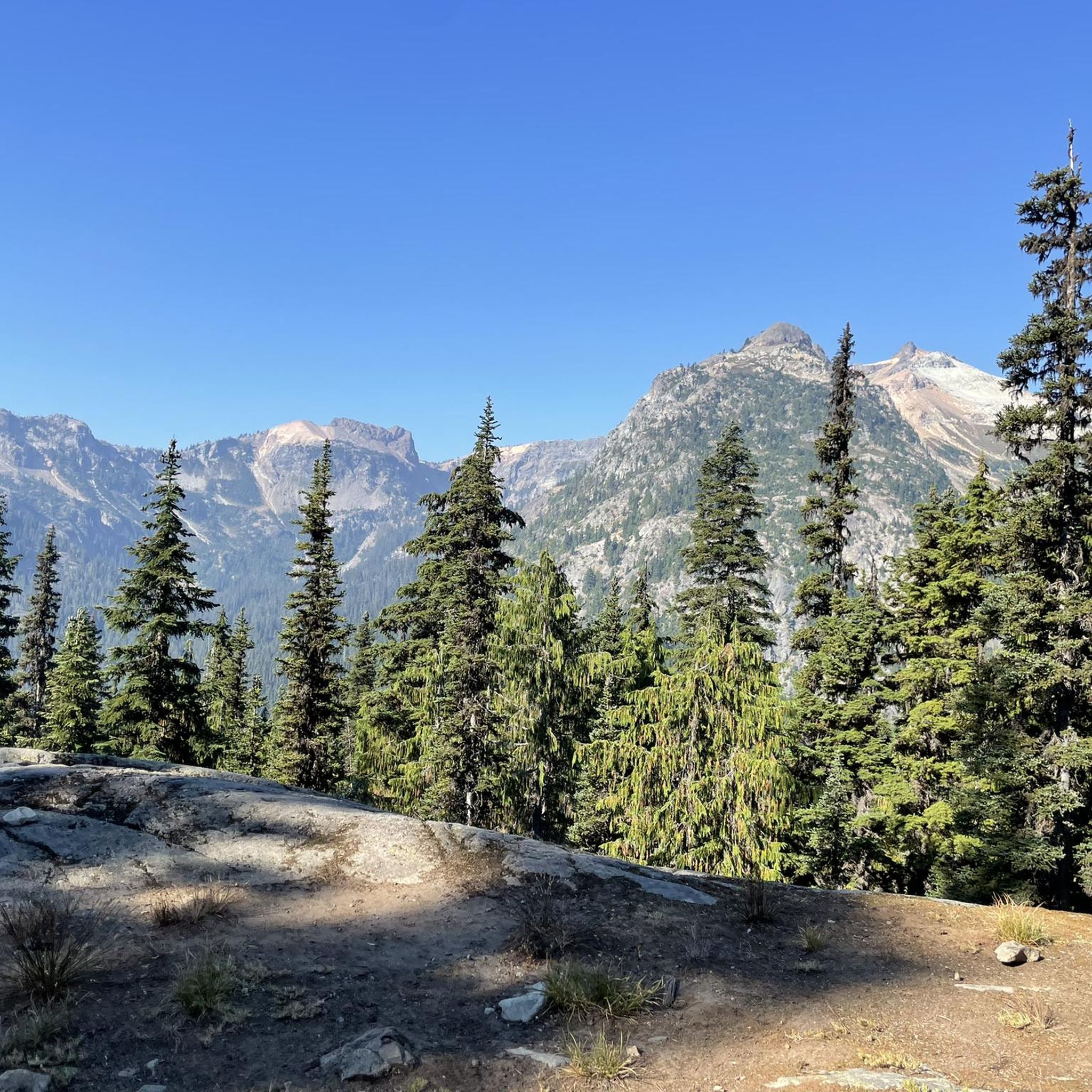
The views from Navaho Pass are stellar, and this makes a fine destination. But if you have the energy to continue up the steep (but very doable) direct path to Navaho Peak, you can look forward to even better 360-degree views of the surrounding peaks.
0
0

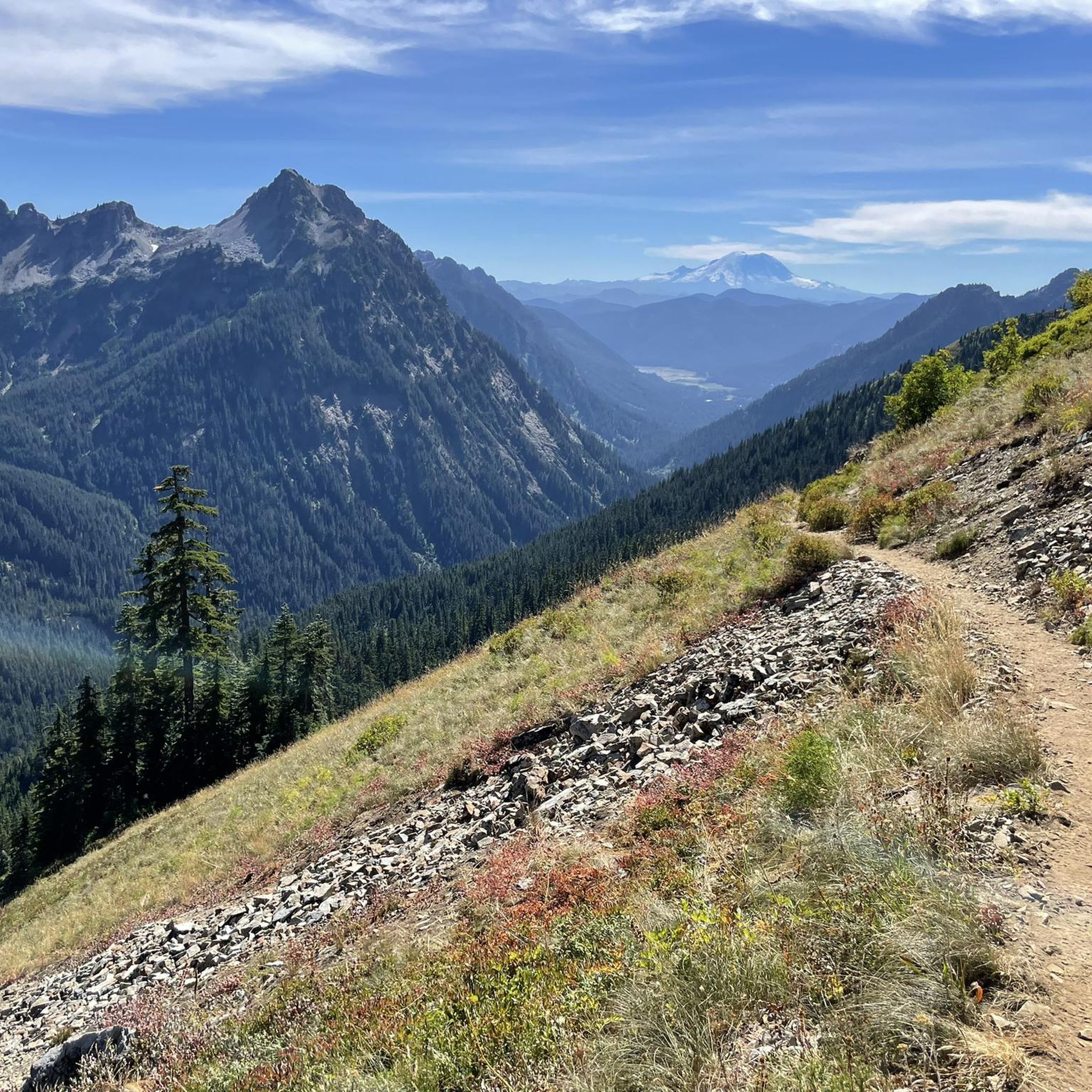
After a lot of elevation gain, you finally reached the top at Piper Pass. The reward is a stunning view towards Glacier Peak in the distance and Surprise Mountain just next to you.
5
0
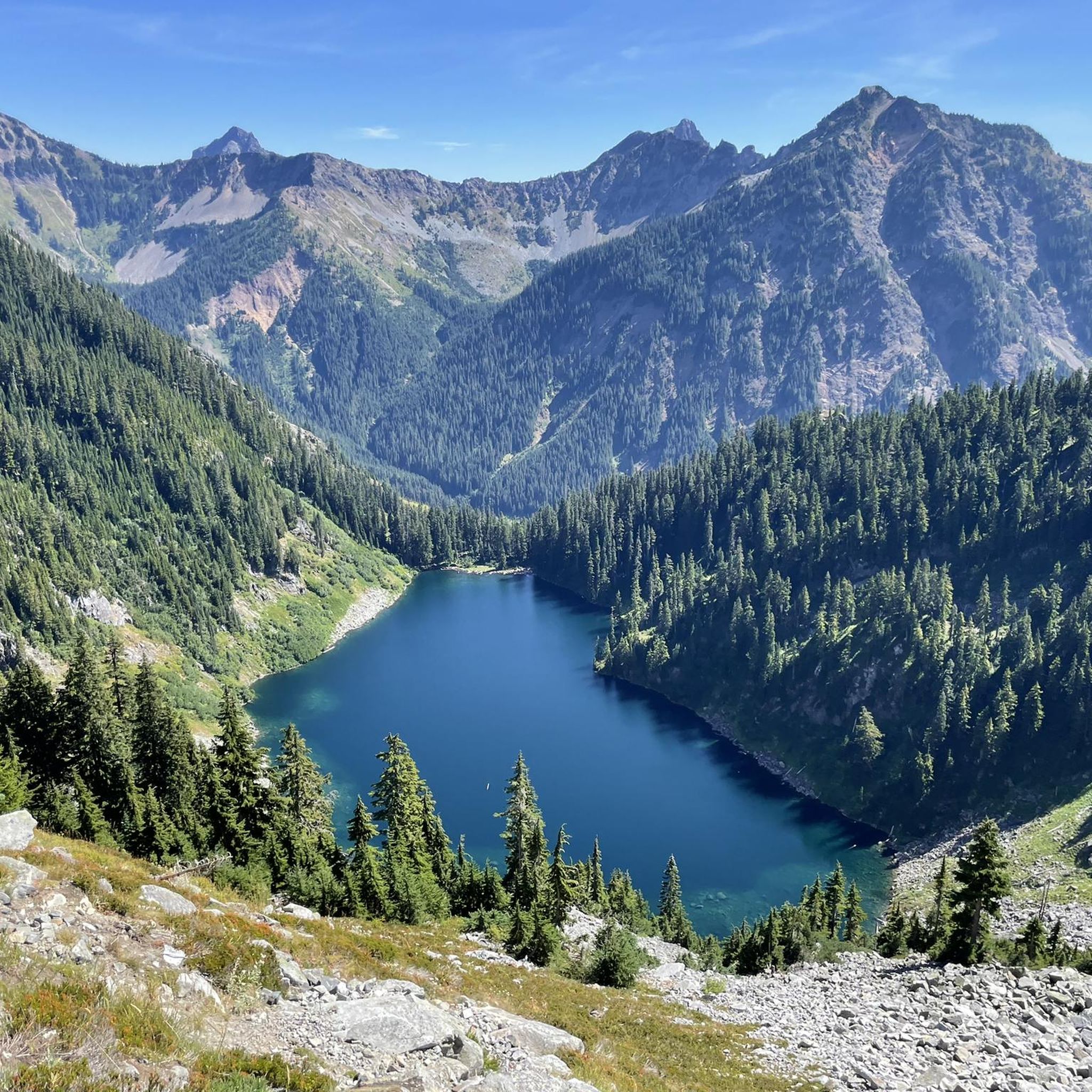
You have just mastered a hard climb, so take your time and rest below Cathedral Rock at this pass. There are really nice campsites for at least four tents in the area.
5
1
Frequently Asked Questions
What are some of the most notable mountain passes in the Alpine Lakes Wilderness?
The Alpine Lakes Wilderness offers numerous remarkable mountain passes. Some of the most notable include Piper Pass, known for its stunning views towards Glacier Peak, and Aasgard Pass, a challenging route into the Enchantments Core. Other significant passes include Cathedral Pass, offering views of Deep Lake and Cathedral Rock, and Longs Pass, which provides rewarding views after a steep climb.
What is the best time of year to visit the mountain passes in Alpine Lakes Wilderness?
The best time to visit largely depends on your desired experience. Late spring and summer (June to September) are ideal for wildflowers and generally snow-free trails. Fall (late September to October) is spectacular, especially around passes like Frosty Pass and Deadhorse Pass, due to the vibrant golden larches and expansive views of the Cascade Range. Always check current conditions before heading out, as snow can persist at higher elevations well into summer.
How challenging are the mountain passes in Alpine Lakes Wilderness?
Many mountain passes in the Alpine Lakes Wilderness are considered challenging, involving significant elevation gain and rugged terrain. For instance, Aasgard Pass climbs nearly 2,000 feet in a mile over scree and rock. Similarly, the route to Longs Pass involves over 2,000 feet of elevation change in about 3 miles. Hikers should be prepared for steep inclines, switchbacks, and potentially exposed sections.
Are there mountain passes suitable for multi-day backpacking trips?
Yes, several passes are excellent for multi-day backpacking. Cathedral Pass, for example, is part of a significant loop known for its rugged beauty and offers nice campsites below Cathedral Rock. The Pacific Crest Trail (PCT) Section J, which runs through the wilderness, is another prime example, offering a 75-mile challenging multi-day trip with continuous majestic mountain scenery and abundant alpine lakes.
What kind of natural features can I expect to see when visiting these passes?
The mountain passes in Alpine Lakes Wilderness offer diverse natural beauty. You can expect to see glacier-carved valleys, hundreds of alpine lakes, dense forests, and high alpine meadows. Many passes provide panoramic views of surrounding peaks like Glacier Peak, Mount Rainier, and Mount Stuart. Wildflowers are abundant in season, and in the fall, golden larches create stunning landscapes, particularly around Frosty Pass and Deadhorse Pass. You might also spot wildlife like mountain goats and marmots.
Are there less crowded mountain passes for a more solitary experience?
While popular passes can see significant traffic, areas like Dutch Miller Gap are known for offering a true wilderness experience and solitude. The trail gently ascends through forests and open avalanche slopes, providing diverse landscapes and opportunities for extended backpacking away from larger crowds. Similarly, the remote nature of Frosty Pass and Deadhorse Pass in the Chiwaukum Mountains can offer a more peaceful journey, especially outside peak season.
What outdoor activities can I do near the mountain passes in Alpine Lakes Wilderness?
Beyond hiking the passes themselves, the Alpine Lakes Wilderness offers a wide range of outdoor activities. You can explore various hiking trails, from easy strolls to challenging multi-day treks. For more ideas, check out guides like Easy hikes in Alpine Lakes Wilderness or Waterfall hikes in Alpine Lakes Wilderness. Mountain biking is also popular, with trails like the Middle Fork Trail loop. For more information on cycling, see MTB Trails in Alpine Lakes Wilderness.
Are there opportunities for wild swimming near the mountain passes?
Yes, the Alpine Lakes Wilderness is renowned for its numerous alpine lakes, many of which are accessible from mountain passes. Melakwa Lake, accessible via the challenging Denny Creek Trail to Melakwa Pass, is known for its clear green water. The PCT section through the wilderness also promises and delivers numerous superb lakeside camping spots, offering opportunities for a refreshing dip in pristine waters. Cup Lake and Larch Lake, found after descending from Deadhorse Pass, are other examples of crystal-clear waters surrounded by granite peaks.
Where can I find trailheads for these mountain passes?
Trailheads vary depending on the pass. For example, Melakwa Pass is accessible via the Denny Creek Trail near Snoqualmie Pass. Cathedral Pass can be reached from a trailhead near the Cle Elum River, accessible from Forest Road 4330. Dutch Miller Gap is accessed via the Dutch Miller Gap Trail from the Dingford Creek Trailhead. For passes like Frosty Pass and Deadhorse Pass, trailheads such as White Pine Creek Trailhead or those connecting to the Icicle Ridge trails are used.
What makes Navaho Pass a unique destination?
Navaho Pass offers stellar views, making it a fine destination on its own. However, for those with extra energy, continuing up the steep but very doable path to Navaho Peak provides even better 360-degree views of the surrounding peaks, offering a truly rewarding experience.
What is the Kendall Katwalk and where can I find it?
The Kendall Katwalk is an impressively engineered portion of the Pacific Crest Trail (PCT) Section J, located between Snoqualmie Pass and Stevens Pass. It features a narrow path with a dangerous drop-off to one side, offering breathtaking views. It's a unique and memorable hiking experience for experienced backpackers traversing this segment of the PCT.
Can I find wildflowers near the mountain passes?
Absolutely. Many mountain passes in the Alpine Lakes Wilderness are known for their vibrant wildflower displays, especially in late spring and summer. The trail to Melakwa Pass, for instance, can be lush with wildflowers in season. Dutch Miller Gap also features open avalanche slopes that burst with wildflowers, and the PCT section showcases diverse flora including columbine, Indian paintbrush, and tiger lilies.
Most popular routes in Alpine Lakes Wilderness
Most popular attractions in Alpine Lakes Wilderness

Get inspired with the komoot mobile app


