Alpine Lakes Wilderness
Alpine Lakes Wilderness
Top 20 Natural Monuments in Alpine Lakes Wilderness
Best natural monuments in Alpine Lakes Wilderness are found within a vast and rugged expanse in Washington State's Central Cascades. This wilderness is characterized by dramatic mountain vistas, deep glacial valleys, and over 700 alpine lakes and mountain ponds. The landscape features diverse ecosystems, from wet forests to expansive meadows and dry forestlands, sculpted by millions of years of geologic activity and glaciation. This creates numerous natural landmarks valued for their beauty and recreational opportunities.
Best natural monuments in Alpine…
Last updated: May 17, 2026
Kendall Katwalk
Highlight • Trail
Tip by

Granite Mountain Lookout
Highlight • Summit
The type of snow that falls in this mountain range tends to …
Tip by

Sign up now to discover places like this
Get recommendations on the best single tracks, peaks, & plenty of other exciting outdoor places.
Sign up for free
Colchuck Lake
Highlight • Lake
Tip by

Alpine Lakes Wilderness boundary
Highlight • Natural Monument
Tip by
Lake Stuart
Highlight • Lake
Tip by

Sign up for free to discover even more natural monuments in Alpine Lakes Wilderness.
Sign up for free
Already have an account?
Start today with a free account
Your next adventure awaits.
Login or Signup

Tips from the Community

The Enchantments Core Zone may be one of the most popular destinations in Washington state, but those who venture to Lake Stuart may receive the particularly enchanting reward of relative solitude in a highly trafficked area. Most hikers heading into the Enchantments use the Lake Stuart Trailhead, but make it into the Core Zone via Colchuck Lake and Aasgard Pass. However, taking the right trail 2.2 miles from the trailhead will lead you into an adjacent valley with a large, shallow lake at the base of the imposing massif of Mount Stuart.
0
0
Experience this 14.1-mile (22.7-kilometer) round-trip trail near Snoqualmie Pass, Washington. The trail is generally rated as difficult and can be completed in about 7 hours 20 minutes. Since the trail is ideal for trekking, camping, and hiking, you'll rarely be alone and will likely meet other adventurers during your trip. The best time to visit this trail is from June to October.
0
0

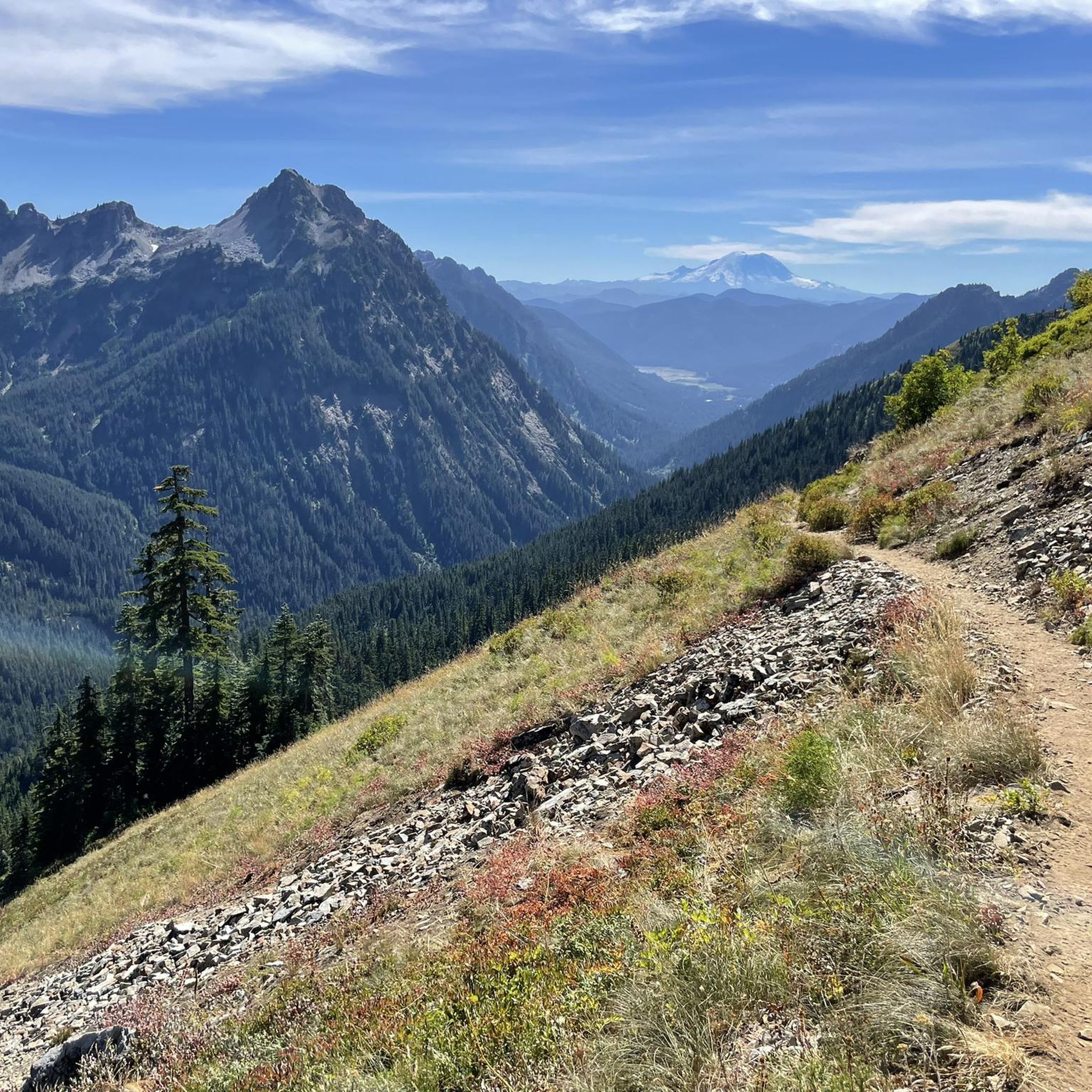
A worthy destination even in the clouds. The approach from Snoqualmie Pass offers plenty of views and the calls of pika as you cross the scree fields towards the Katwalk. It's amazing to consider that this portion of blasted out trail cost nearly $10,000 per foot to construct!
0
0

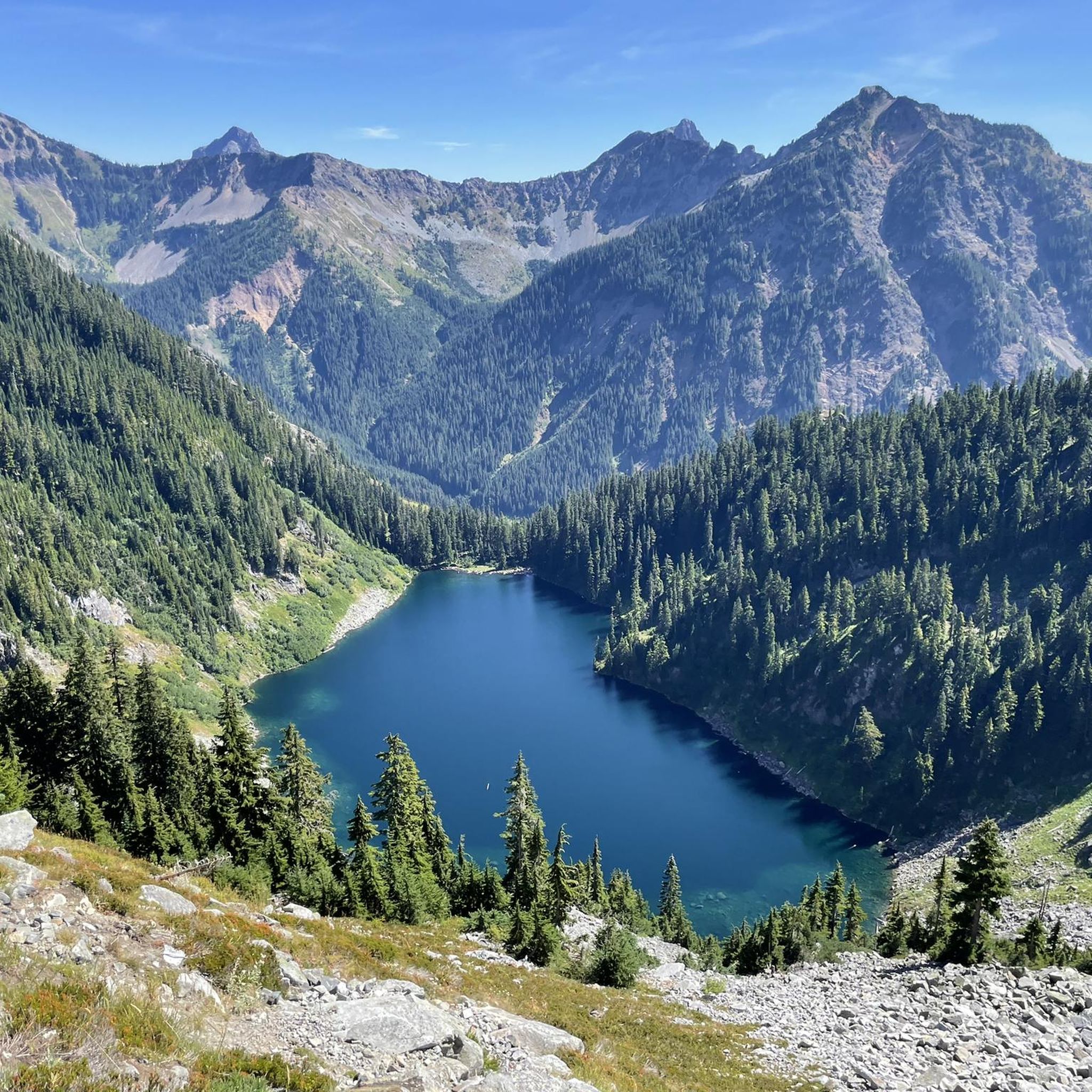
Colchuck Lake is a stunningly beautiful destination in its own right, or as a gateway to Aasgard Pass and the Enchantments. It's worth walking south along the lakeshore; there are some dry campsites here that you can use if you have the appropriate permit.
0
0

At the summit stands a lookout cabin/fire tower, which was originally built in 1924 to keep watch for fires. While it is no longer used for its original purpose, the lookout deck has a spectacular view for those who make it to the top.
0
0
At the Granite Mountain summit awaits a privileged view of the surrounding mountains, including the beautiful Mount Rainier. The type of snow that falls in this mountain range tends to be wet and heavy, because of the proximity to high moisture air near the ocean. This results in high avalanche danger, so be sure to research conditions before hiking to the summit.
0
0

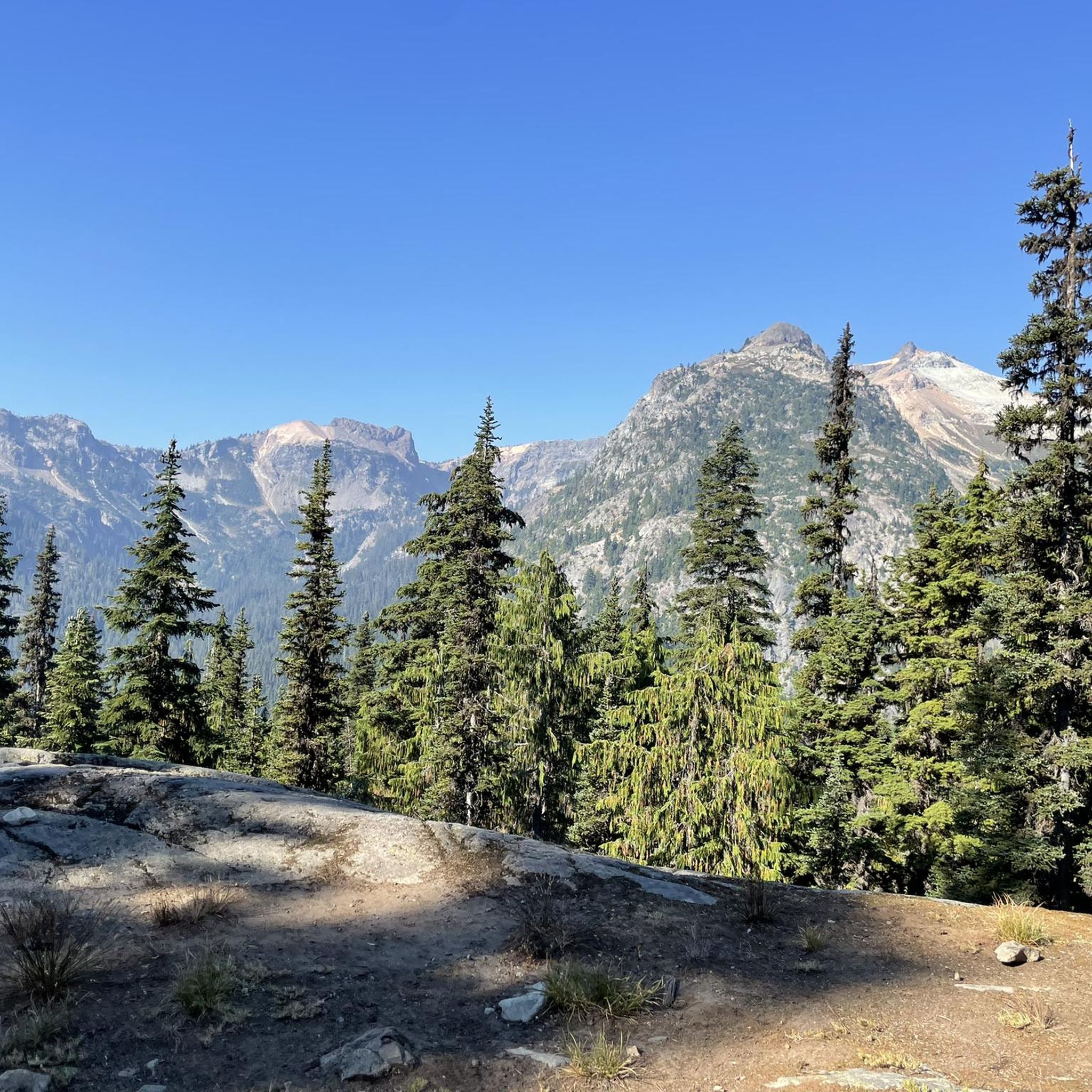
This is the southern boundary of the amazing Alpine Lakes Wilderness. To get to the idyllic landscape with towering mountains and shimmering lakes, you have to get up and over this climb. It is worth the effort.
4
1
Expect nothing less than breathtaking views from the so called Kendall Katwalk – provided it's not a cloudy day. Since this section has a dangerous drop off to one side, you should walk carefully along here. Especially if the first snow has already fallen.
7
1
Frequently Asked Questions
What are some of the most notable natural monuments to visit in the Alpine Lakes Wilderness?
Beyond the well-known spots, consider exploring Colchuck Lake, which serves as a stunning destination itself or as a gateway to the Enchantments. Another unique experience is the Granite Mountain Lookout, offering panoramic views of the surrounding mountains, including Mount Rainier, from its historic fire tower.
Are there any natural monuments in the Alpine Lakes Wilderness that are particularly challenging to access?
Yes, some natural monuments require significant effort. For instance, reaching the summit of Mount Stuart or Mount Daniel involves challenging climbing and mountaineering. The Enchantments area, including the Cashmere Crags, also presents demanding routes for experienced climbers. Even trails like the Kendall Katwalk, while offering breathtaking views, require careful navigation due to steep drop-offs, especially if snow is present.
What is the best time of year to visit the natural monuments in Alpine Lakes Wilderness?
The best time to visit is generally from June to October, when trails are most accessible and weather conditions are favorable for hiking and exploring. Fall is particularly popular for "larch hunting" around Lake Ingalls, when the larch trees turn a brilliant gold, offering a unique autumnal spectacle.
Are there any natural monuments suitable for families or beginners in the Alpine Lakes Wilderness?
Yes, Talapus Lake is considered suitable for beginners and offers opportunities for swimming in warmer months. It's also dog-friendly and can be combined with a hike to Olallie Lake for a slightly longer adventure. Snow Lake is another popular and scenic option, known for its accessibility and classic alpine scenery, making it a great choice for day hikes.
What kind of wildlife can I expect to see around the natural monuments in Alpine Lakes Wilderness?
The diverse ecosystems of the Alpine Lakes Wilderness provide habitat for a variety of wildlife. You might encounter mountain goats, deer, pikas (especially in scree fields), and various bird species. Keep an eye out for marmots and other small mammals in higher elevations. Always observe wildlife from a distance and avoid disturbing their natural habitat.
What outdoor activities can I do near these natural monuments?
The Alpine Lakes Wilderness offers extensive opportunities for outdoor activities. You can enjoy hiking on trails like the Snow Lake Trail or Ingalls Way Trail, as well as backpacking, fishing, and climbing. For cycling enthusiasts, there are road cycling routes such as the Icicle Road loop from Leavenworth, and gravel biking options like the Keechelus Lake loop. You can find more details on these activities in the Hiking in Alpine Lakes Wilderness, Road Cycling Routes in Alpine Lakes Wilderness, and Gravel biking in Alpine Lakes Wilderness guides.
Are permits required to visit certain natural monuments or for overnight stays?
Yes, permits are required for overnight stays in popular areas like The Enchantments. For example, if you plan to stay overnight at Lake Stuart, you'll need to reserve an overnight permit in advance. It's always best to check with the US Forest Service for the most current permit requirements before your visit, especially for highly sought-after destinations.
What are some of the unique geological features found in the Alpine Lakes Wilderness?
The wilderness is characterized by its dramatic geological history, featuring raw granite spires, glacier-carved valleys, and numerous alpine lakes. These formations are the result of millions of years of geologic activity and glaciation, creating the rugged and scenic topography seen today, including prominent peaks like Mount Stuart and Mount Daniel.
Can I bring my dog to the natural monuments in Alpine Lakes Wilderness?
Many trails in the Alpine Lakes Wilderness are dog-friendly, such as the one leading to Talapus Lake. However, it's crucial to check specific trail regulations and wilderness area rules before you go, as some areas may have restrictions to protect wildlife or sensitive ecosystems. Always keep your dog on a leash and practice Leave No Trace principles.
What is the Pacific Crest National Scenic Trail, and does it pass through any natural monuments here?
The Pacific Crest National Scenic Trail (PCT) is an iconic long-distance trail, and a significant portion of it, specifically Section J, traverses the Alpine Lakes Wilderness. This section offers hikers a chance to experience diverse landscapes, from glacier-carved terrain to forests and meadows, making it a prime destination for extended backpacking trips through the region's natural beauty.
Are there any natural monuments that offer impressive viewpoints?
Absolutely. The Kendall Katwalk is renowned for its breathtaking views, provided the weather is clear. The Granite Mountain Lookout also offers a privileged perspective of the surrounding mountains, including Mount Rainier. Additionally, the Snow Lake Lookout provides impressive views of Snow Lake and its alpine surroundings.
Most popular routes in Alpine Lakes Wilderness
Most popular attractions in Alpine Lakes Wilderness

Get inspired with the komoot mobile app


Explore more
Extend your search for the best caves by checking out these guides of the top ones in Alpine Lakes Wilderness:
