Mount Washington Wilderness
Mount Washington Wilderness
Top 5 Natural Monuments in Mount Washington Wilderness
Best natural monuments in Mount Washington Wilderness are shaped by volcanic activity and ancient glaciation. This 52,738-acre wilderness in Central Oregon features rugged terrain, including jagged peaks, vast lava fields, and numerous lakes. The landscape offers a unique environment for exploration, showcasing a distinct geological history. Visitors can experience a range of natural features, from volcanic cones to extensive lava flows.
Best natural monuments in Mount Washington Wilderness
- The most popular natural monuments is Lava fields at Mount Washington Wilderness…
Last updated: May 1, 2026
Little Belknap Crater
Highlight • Volcano
Tip by

Belknap Crater Summit
Highlight • Summit
Tip by

Sign up now to discover places like this
Get recommendations on the best single tracks, peaks, & plenty of other exciting outdoor places.
Sign up for free
Mount Washington Wilderness
Highlight • Natural Monument
Tip by
Lava fields at Mount Washington Wilderness
Highlight • Natural Monument
Tip by
Scott Mountain
Highlight • Summit
Tip by

Sign up for free to discover even more natural monuments in Mount Washington Wilderness.
Sign up for free
Already have an account?
Start today with a free account
Your next adventure awaits.
Login or Signup
Tips from the Community

This smooth, yellow shield volcano rises above the sharp, black lava flows - a cool contrast in landscape. Yet this crater, and its little sister, Little Belknap, are both responsible for the extensive, young lava flows that cover the landscape. While its last eruption was around 480 AD, you'll still feel the power of the geology from the summit. Expansive views of the lava fields and the surrounding peaks are worth the steep, sandy hike to the summit.
0
0
This smooth golden yellow shield volcano, which rises up above the black lava fields around it, was one of the two principal sources of lava flows in this section of the Cascade Range between 1500 and 3000 years ago. The hike to the summit is steep and sandy, but worth the effort as you can see the expansive lava flows and sparkling summits of the nearby mountains.
1
0

Little Belknap is just a five minute hike from the PCT. Explore around this little volcano to find the lava tubes. The views towards Mount Washington, the Three Sisters, Three Fingered Jack and over the gigantic lava fields are one of a kind. There is even a (rocky) spot for cowboy camping on top of Little Belknap.
2
0

This small volcano is situated just over 2 miles from the PCT trailhead at McKenzie Highway. Enjoy a unique landscape for trail running surrounded by immense lava fields and views of Mount Washington and Three Sisters Wilderness.
1
0

This trail encircles Scott Mountain's north side, weaving through a diverse alpine forest. The last stretch to the summit leads through a flower-dotted meadow, revealing expansive views of surrounding peaks. The open, spacious summit beckons exploration, offering diverse vistas.
0
0
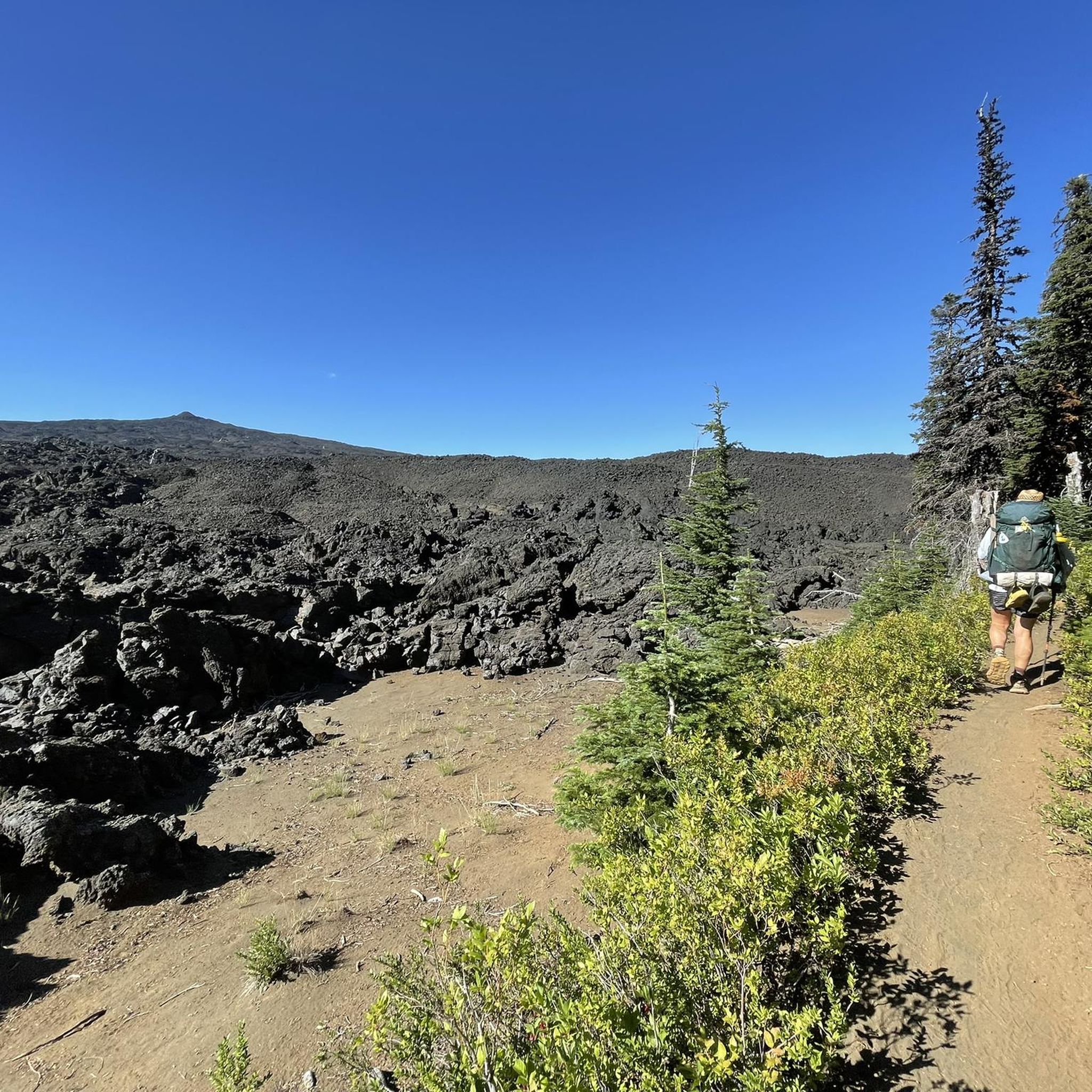
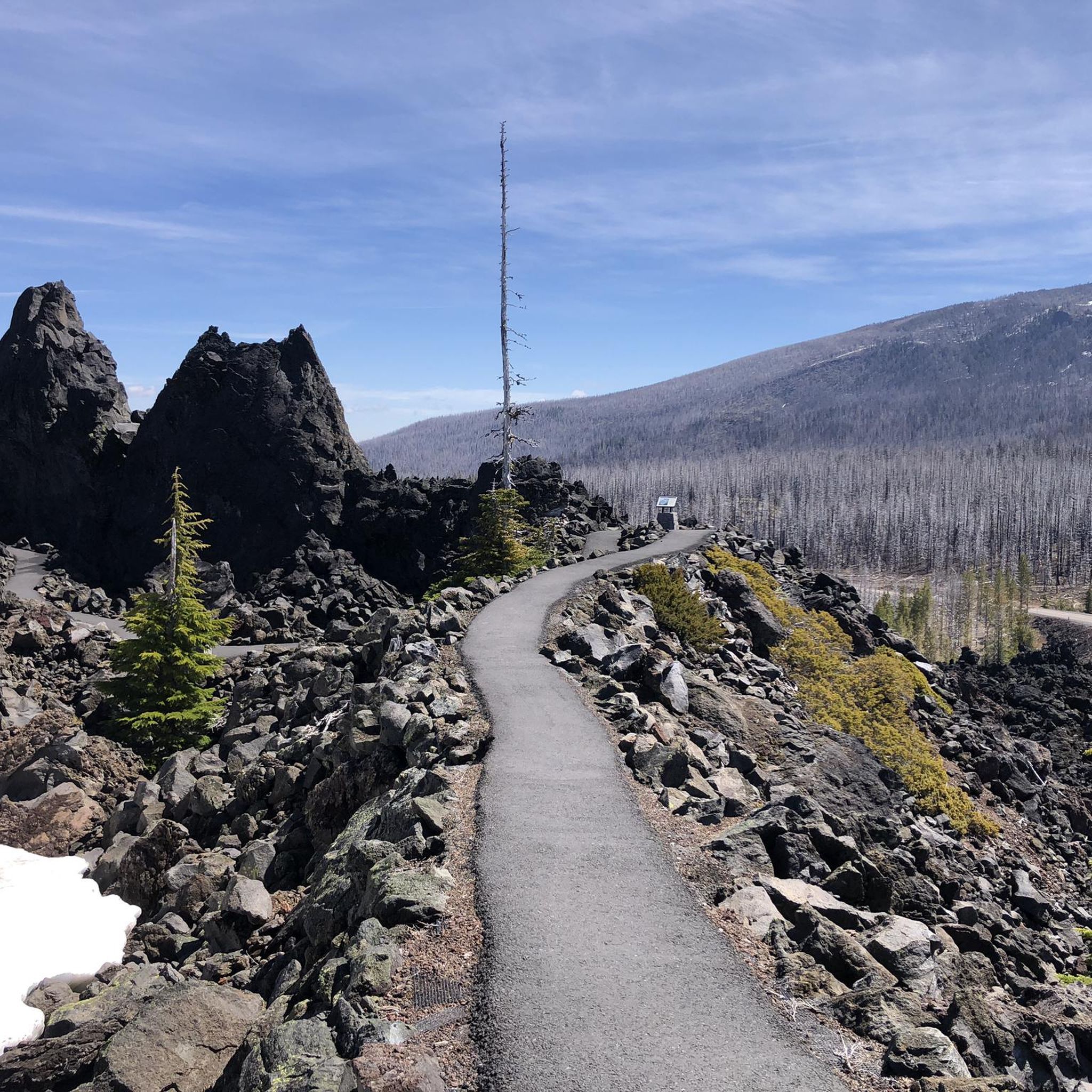
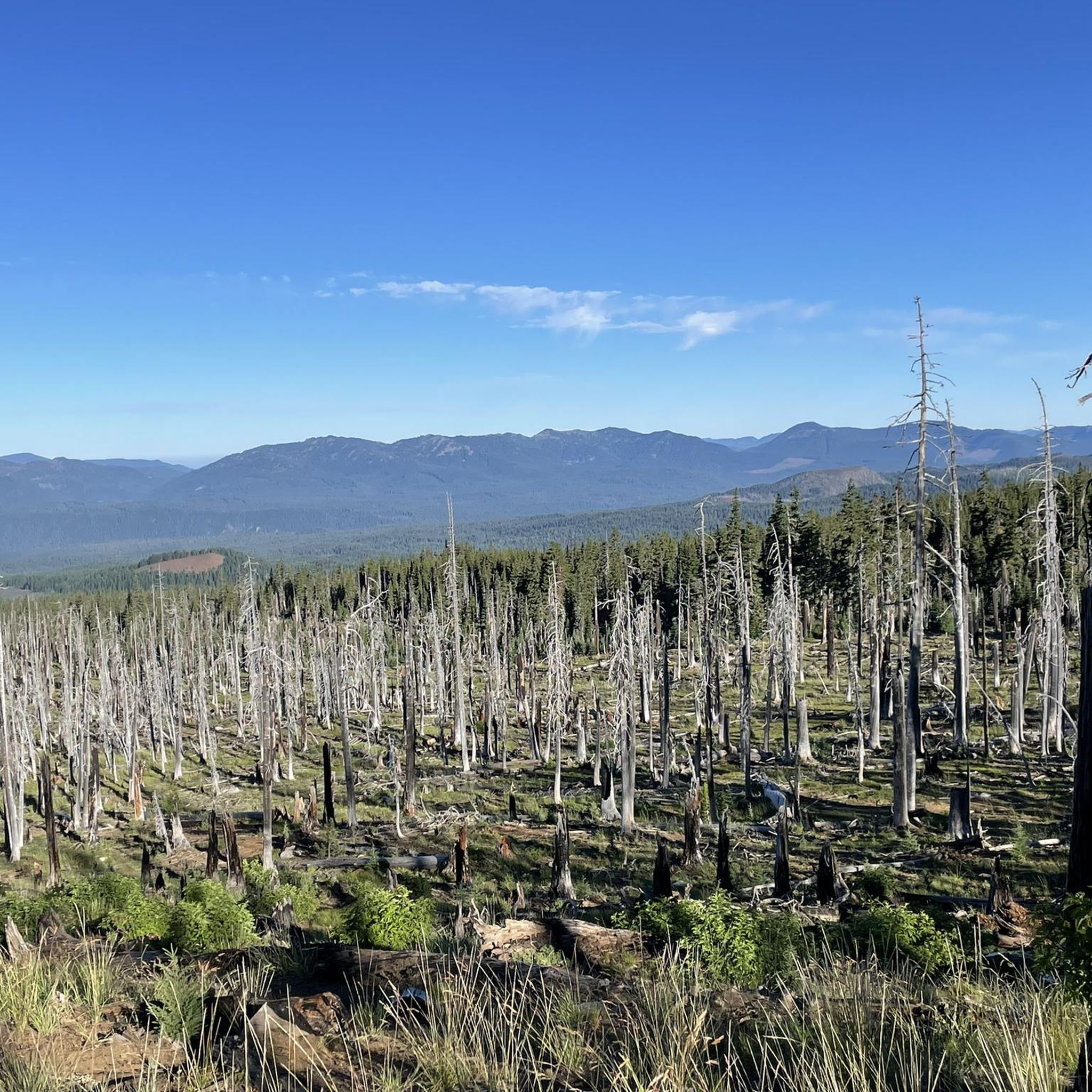
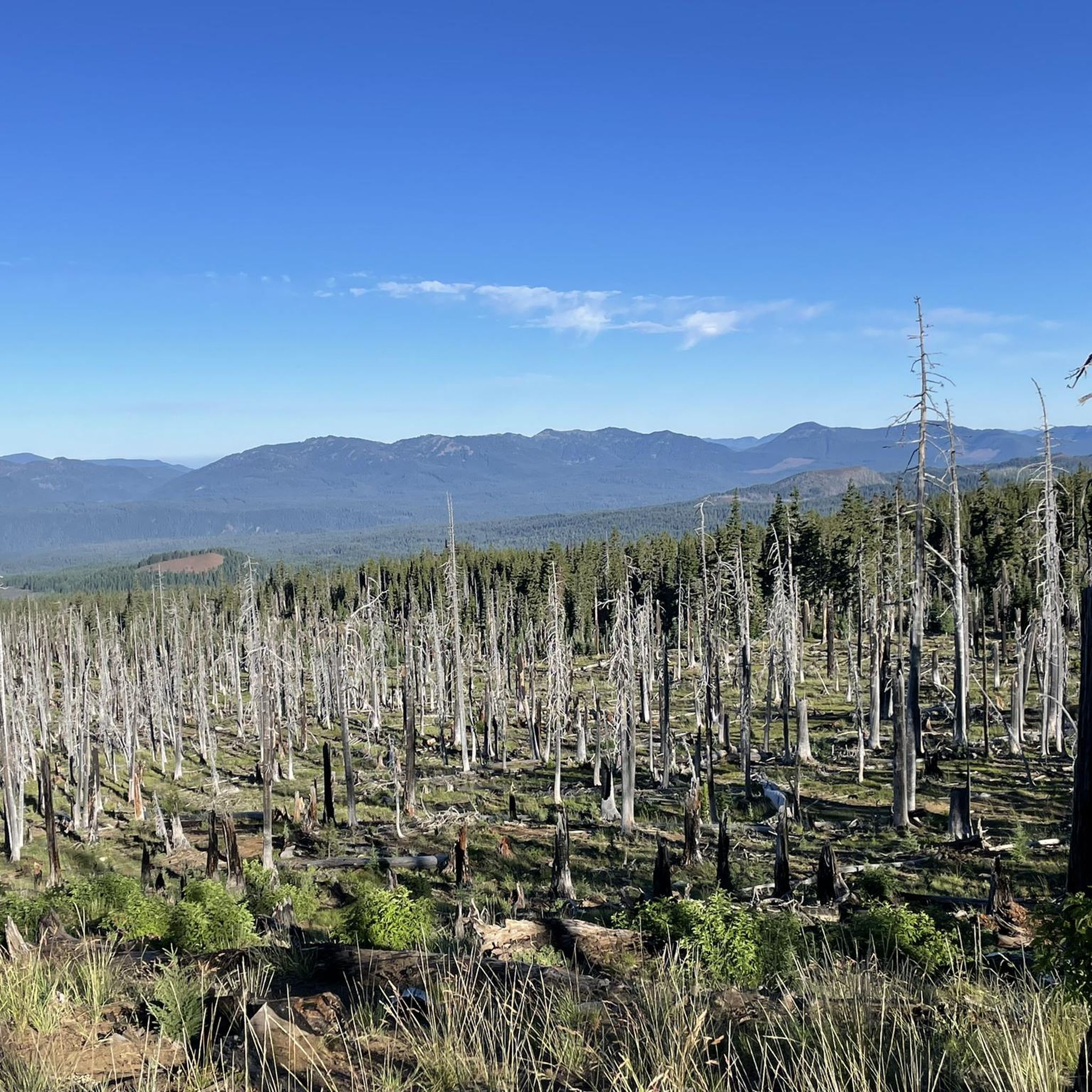
The Mount Washington Wilderness consists mostly of lava fields and burn areas. Although it is a rough landscape, it provides a very unique beauty. You can hike up the volcanic summits of Belknap Crater and Little Belknap Crater and even the rugged peak of Mount Washington itself. Bring plenty of water, as there are very few water sources that you must not rely on. A section of the iconic Pacific Crest Trail runs through the wilderness.
3
0

If you are already up here, take some time to explore and enjoy the view.
1
0
Hiking up the endless lava fields that came out of the Belnap Craters is no piece of cake. It wears on your ankles and your shoes. There is no shade, so avoid the heat.
5
0
Frequently Asked Questions
What unique geological features can I explore in Mount Washington Wilderness?
The Mount Washington Wilderness is a geological wonderland shaped by volcanic activity and ancient glaciation. You can explore vast lava fields, such as the Lava fields at Mount Washington Wilderness, which are extensive sheets of hardened lava. Volcanic cones like Little Belknap Crater offer opportunities to see lava tubes and panoramic views of the surrounding landscape.
Are there any viewpoints offering expansive vistas of the wilderness?
Yes, several spots provide stunning views. From Little Belknap Crater, you can enjoy panoramic views of Mount Washington, the Three Sisters, and Three Fingered Jack across the vast lava fields. Additionally, Scott Mountain offers expansive views of surrounding peaks from its open summit.
What kind of hiking trails are available near the natural monuments?
The wilderness offers a variety of hiking experiences. The Pacific Crest National Scenic Trail (PCT) winds through the area, providing access to many natural monuments. You can find trails ranging from easy to challenging, including routes to volcanic summits and through lava fields. For more detailed information on hiking options, explore the Hiking in Mount Washington Wilderness guide.
Can I find family-friendly natural monuments or trails in the Mount Washington Wilderness?
While many trails in the Mount Washington Wilderness can be rugged, some sections of the Pacific Crest Trail offer more accessible options for families. For example, the hike to Little Belknap Crater is a relatively short five-minute walk from the PCT, allowing for exploration of lava tubes and views without extensive effort. Always check specific trail conditions and difficulty before heading out with family.
What should I know about visiting the lava fields?
The Lava fields at Mount Washington Wilderness are a unique and challenging landscape. Hiking through them can be demanding on your ankles and shoes. There is very little to no shade, so it's crucial to avoid the heat, especially during warmer months, and carry plenty of water. These fields offer a stark, beautiful, and primordial experience.
Are there opportunities for camping near the natural monuments?
Yes, there are opportunities for backcountry camping. For instance, Little Belknap Crater offers a rocky spot for 'cowboy camping' on its summit. Another recommended spot is Great campsites for sunrise, which provides excellent views towards Mount Washington and stunning sunrises after hiking through lava rock. Remember to bring your own water as sources are scarce.
What other outdoor activities can I do in Mount Washington Wilderness besides visiting natural monuments?
Beyond exploring natural monuments, the Mount Washington Wilderness offers various outdoor activities. You can find numerous trails for mountain biking, as detailed in the MTB Trails in Mount Washington Wilderness guide. There are also beautiful waterfall hikes, which you can discover in the Waterfall hikes in Mount Washington Wilderness guide.
What is the best time to visit the natural monuments in Mount Washington Wilderness?
The Mount Washington Wilderness is best visited during the warmer months, typically from late spring to early fall, when trails are clear of snow and weather conditions are more favorable for hiking and exploration. However, be mindful of the lack of shade in lava fields during peak summer heat. Winter access can be challenging due to snow and ice.
Do I need a permit to visit the natural monuments in Mount Washington Wilderness?
Permit requirements can vary depending on the specific area, time of year, and activity. It is always advisable to check with the U.S. Forest Service or relevant authorities for the most current information regarding permits, especially for overnight stays or during peak seasons, to ensure compliance with wilderness regulations.
What should I bring when visiting the natural monuments in Mount Washington Wilderness?
Given the rugged and often exposed terrain, it's essential to be well-prepared. Always carry plenty of water, as natural sources are scarce, especially in the lava fields. Sturdy hiking boots are recommended due to the challenging surfaces. Sun protection, including hats and sunscreen, is crucial, and layers of clothing are advisable for changing weather conditions.
What do visitors enjoy most about the Mount Washington Wilderness?
Visitors frequently appreciate the unique, rugged beauty of the Mount Washington Wilderness. The dramatic volcanic history, evident in the jagged peaks, craters, and vast lava fields, provides a compelling backdrop for exploration. Many enjoy the sense of true wilderness, the panoramic views from volcanic summits, and the opportunity to experience a landscape unlike any other.
Most popular routes in Mount Washington Wilderness
Most popular attractions in Mount Washington Wilderness

Get inspired with the komoot mobile app


Explore more
Extend your search for the best caves by checking out these guides of the top ones in Mount Washington Wilderness:
