Holy Cross Wilderness
Holy Cross Wilderness
Top 5 Natural Monuments in Holy Cross Wilderness
Best natural monuments in Holy Cross Wilderness are characterized by rugged ridgelines, glacier-carved valleys, and abundant alpine features across its 122,797 acres. The area features a diverse alpine ecosystem, with elevations ranging from 8,000 to 14,005 feet, supporting distinct plant and animal communities. Over 150 miles of trails traverse the area, providing opportunities for day hiking and multi-day backpacking trips. The wilderness is known for spruce-fir forests, cascading streams, and magnificent vistas.
Best natural monuments in Holy Cross Wilderness
- The…
Last updated: May 17, 2026
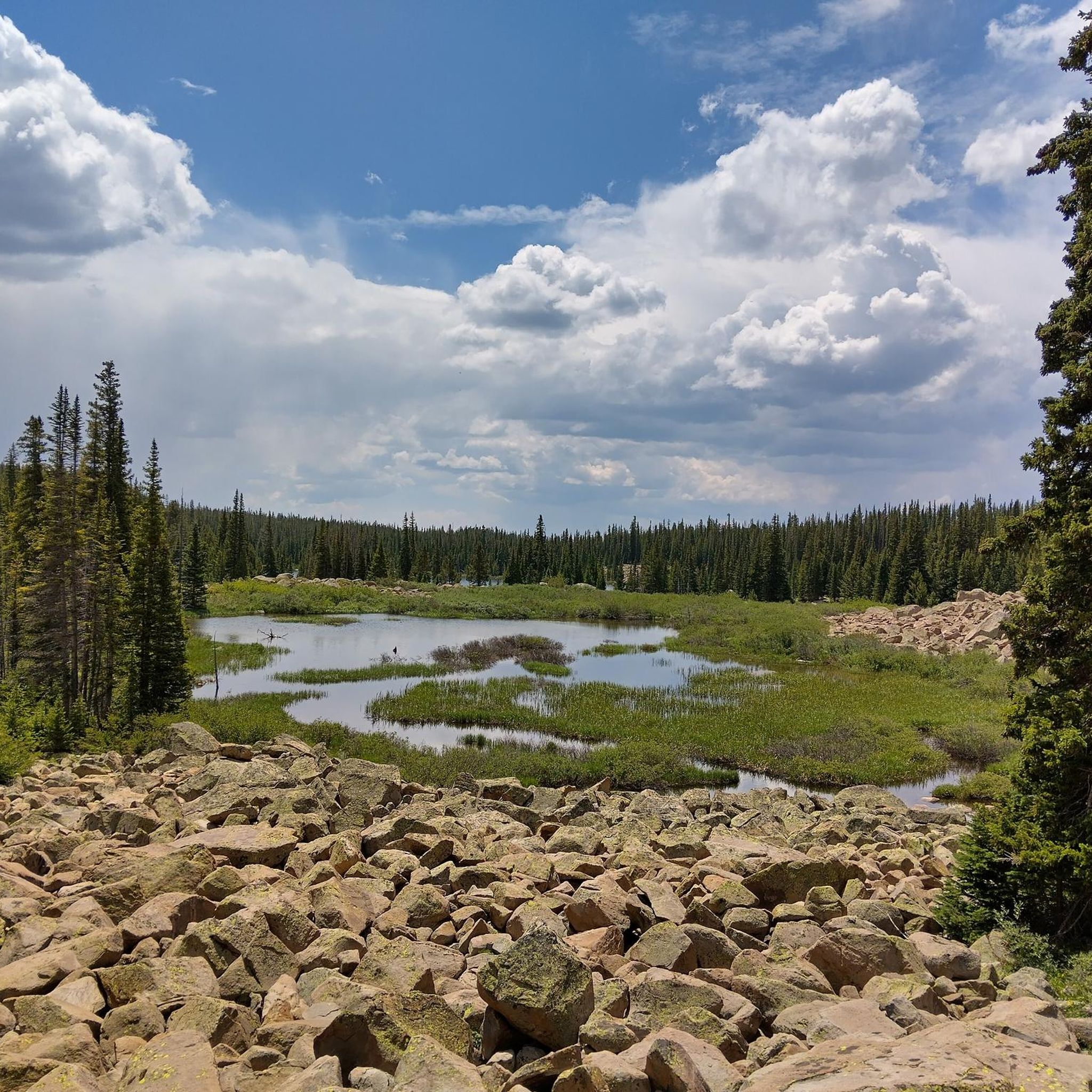
Bear Lake
Highlight • Lake
Tip by

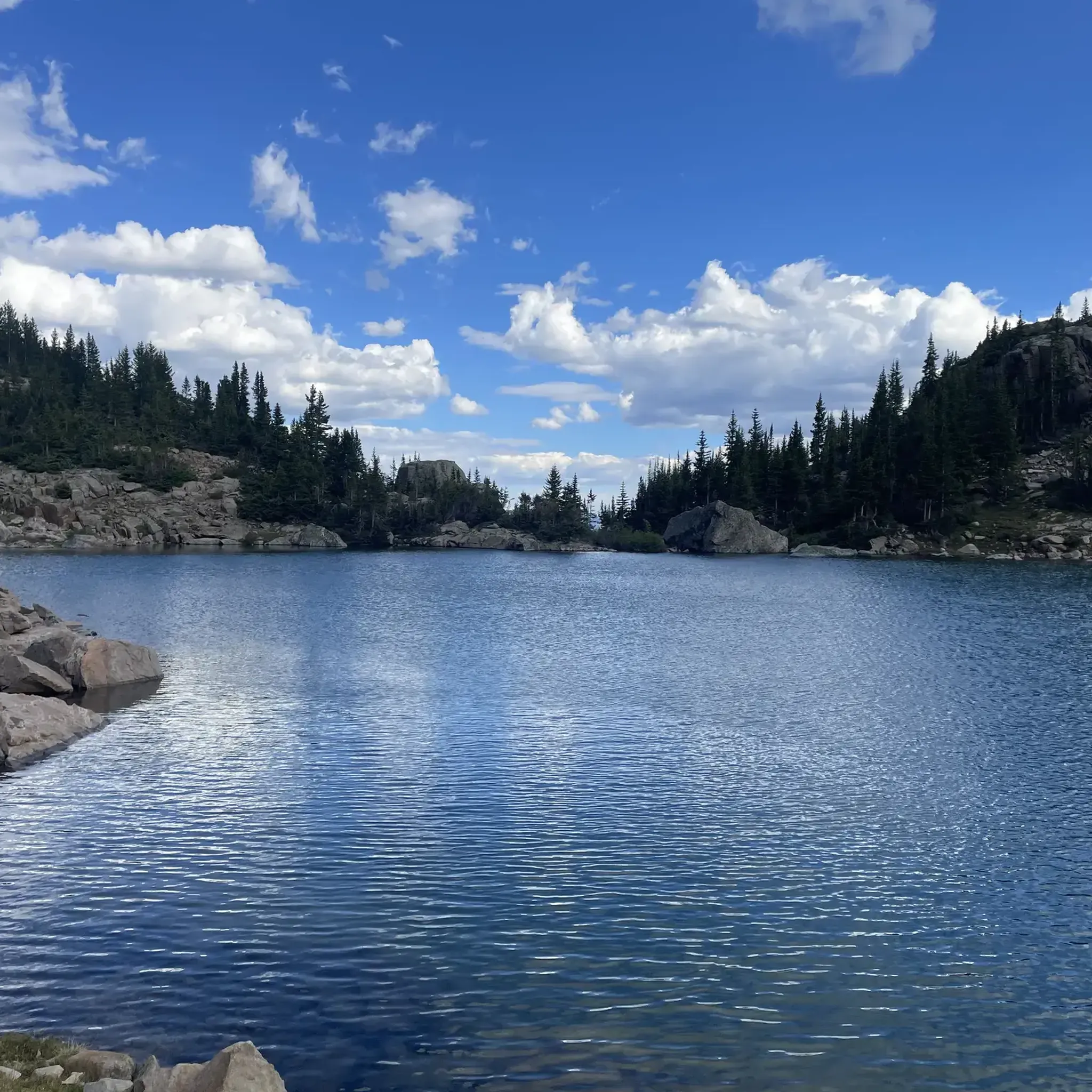
Saint Kevin Lake
Highlight • Lake
Tip by

Sign up now to discover places like this
Get recommendations on the best single tracks, peaks, & plenty of other exciting outdoor places.
Sign up for free
Fancy Pass
Highlight • Mountain Pass
Tip by
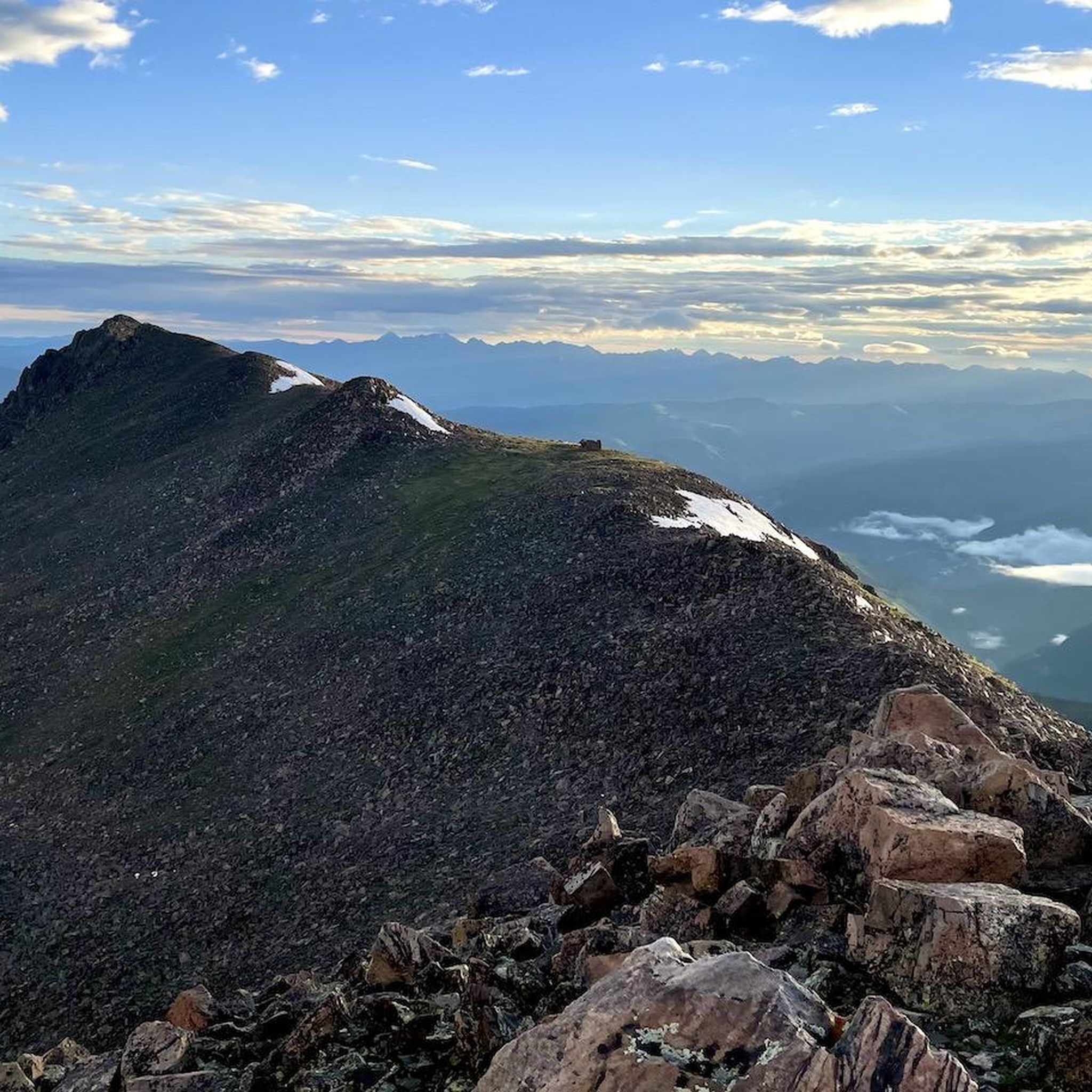
Notch Mountain
Highlight • Summit
A rustic stone shelter built in 1933 for pilgrims is located a little further south past the summit.
Tip by

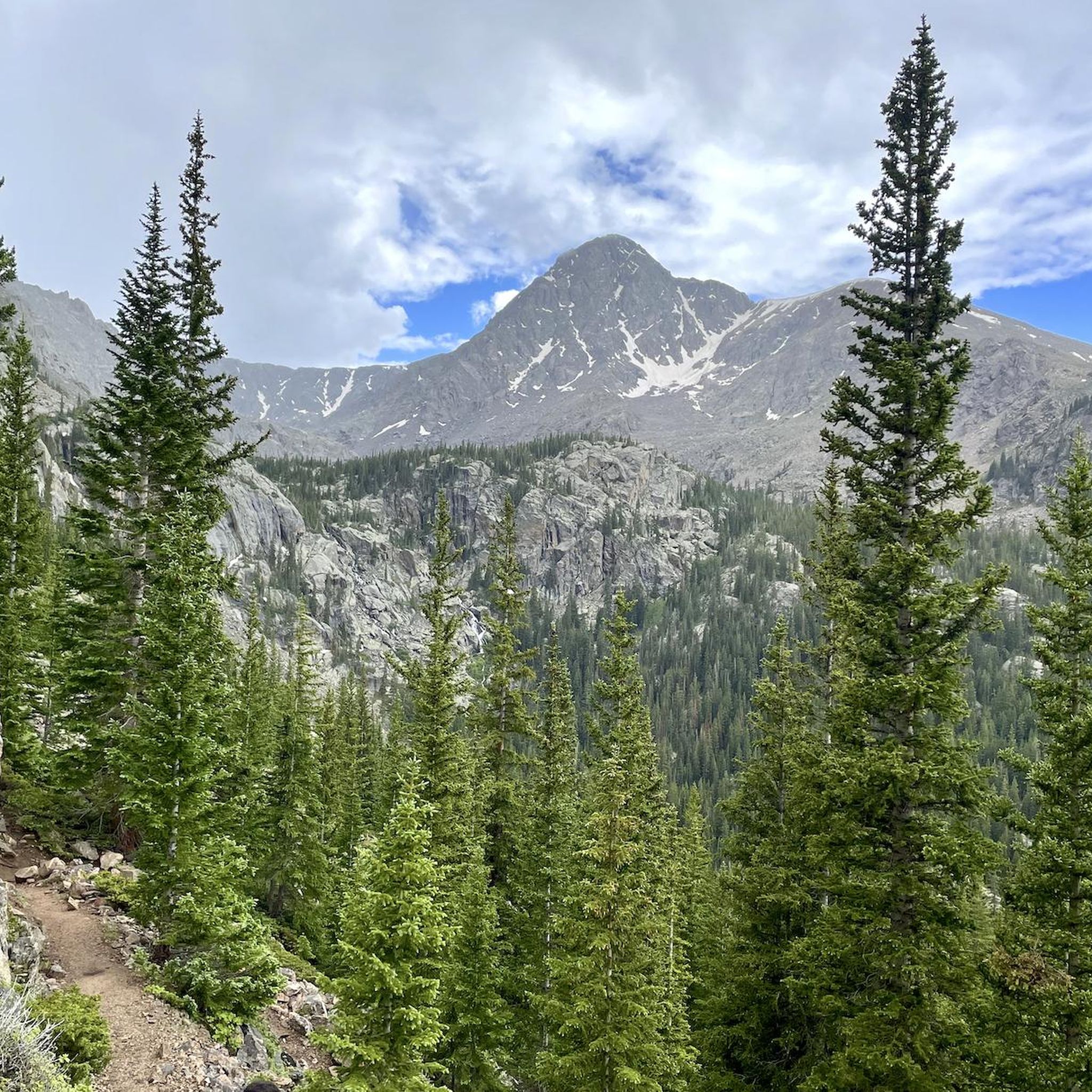
Mount of The Holy Cross
Highlight • Summit
Tip by
Sign up for free to discover even more natural monuments in Holy Cross Wilderness.
Sign up for free
Already have an account?
Start today with a free account
Your next adventure awaits.
Login or Signup
Tips from the Community

Great hike, no people as the Mountain is not as popular, amazing view of Mount Holy Cross 
0
0

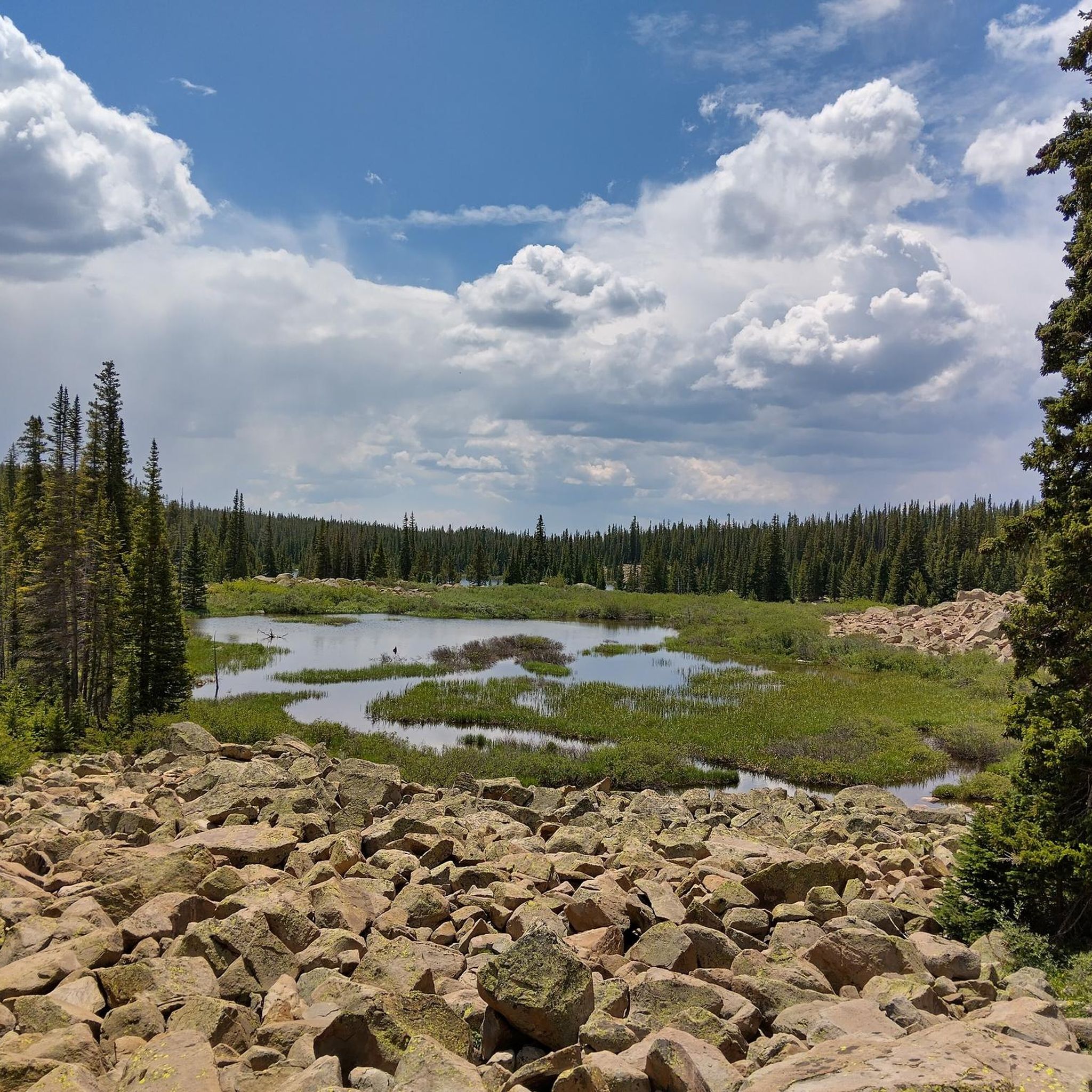
Bear Lake is a beautiful alpine lake close to the Colorado Trail and Continental Divide Trail. There is a spur trail running around the lake. It is a great spot to spend time and is also home to brook trouts.
3
0

Those who connect the Fancy Lake Trail with the Missouri Lake Trail need good physical condition. However, you will be rewarded with a unique circuit (15 km long, 1500m up and down and all between 3000m-3750m), silence, marmots and beautiful nature. Anyone who dares should inquire about the snow conditions at the pass. If it's still there, it can be dangerous.
0
0
Every hiker should ask before crossing whether there is still snow. We hiked in July and there was still quite a bit of snow for a long time. Good equipment is recommended.
0
1

At just under 12,000 feet elevation, Saint Kevin Lake is one of the highest alpine lakes accessible by trail in the Holy Cross Wilderness. The lake is a bit off the beaten trail (There is still a trail leading to the lake from the Colorado Trail, but it is far less used than other trails in the area.) so you can expect a lot of privacy up at the lake. The last bit of trail is pretty steep, but it's well worth the power hike to get up there.
0
0
Bear Lake sits right at 11,070 feet elevation within the Holy Cross Wilderness. There are many ponds off the side of the Colorado Trail close to Bear Lake, but the actual lake is down the spur trail headed south. It's pretty rough terrain for running, but the Colorado Trail offers runnable terrain.
0
0
Bear Lake sits right at 11,070 feet elevation within the Holy Cross Wilderness. There are many ponds off the side of the Colorado Trail close to Bear Lake, but the actual lake is down the spur trail headed south. There are camping areas around the lake, but be aware that this is in a wilderness area and LNT principles should be practiced.
0
0
At just under 12,000 feet elevation, Saint Kevin Lake is one of the highest alpine lakes accessible by trail in the Holy Cross Wilderness. The lake is a bit off the beaten trail (There is still a trail leading to the lake from the Colorado Trail, but it is far less used than other trails in the area.) so you can expect a lot of privacy up at the lake. There are fish in the lake, and a hike to this lake is frequently combined with a trip to the nearby Bear Lake.
0
0
Frequently Asked Questions
What types of natural monuments can I expect to see in the Holy Cross Wilderness?
The Holy Cross Wilderness is renowned for its rugged ridgelines, glacier-carved valleys, and abundant alpine features. You'll find iconic summits like Mount of The Holy Cross, numerous pristine alpine lakes such as Bear Lake and Saint Kevin Lake, and dramatic mountain passes like Fancy Pass. The area also features dense spruce-fir forests, cascading streams, and magnificent vistas.
What is the significance of Mount of the Holy Cross?
Mount of The Holy Cross is the namesake of the wilderness and its most famous natural monument. It's a 14,005-foot peak known for the distinctive cross-shaped snow pattern that forms on its northeast face. This natural phenomenon has captivated visitors for over a century, and the mountain was even protected as a national monument in the early 1930s due to its unique significance.
Are there specific viewpoints to see Mount of the Holy Cross?
Yes, Notch Mountain is a popular destination specifically for its impressive views of Mount of The Holy Cross. From this vantage point, visitors can admire the iconic peak and its famous snowfield.
How challenging are the trails to reach the natural monuments in Holy Cross Wilderness?
Many trails leading to the natural monuments, especially summits like Mount of The Holy Cross or passes like Fancy Pass, are considered challenging due to significant elevation gains and rugged terrain. For example, the hike to the summit of Mount of the Holy Cross is a strenuous 10.7-mile round trip with a 5,280-foot elevation gain. However, there are also easier options available for those seeking less demanding experiences.
What are some notable alpine lakes in the Holy Cross Wilderness?
The wilderness boasts over 160 pristine alpine lakes. Among the most notable are the Missouri Lakes Basin, Seven Sisters Lakes, and Tuhare Lakes, all celebrated for their spectacular alpine scenery. You can also visit Bear Lake, located at 11,070 feet, and Saint Kevin Lake, one of the highest accessible lakes by trail at just under 12,000 feet.
Are there family-friendly natural monuments or trails in the Holy Cross Wilderness?
While many trails are challenging, there are options for families. For easier hikes, you can explore routes like Surprise Lake via Cross Creek Trail or East Lake Creek Trail. These trails offer a chance to experience the natural beauty of the wilderness without extreme difficulty. Always check specific trail conditions and difficulty ratings before heading out with children.
What is the best time of year to visit the natural monuments in Holy Cross Wilderness?
The summer months, typically July through September, are generally the best time to visit. During this period, snow has usually melted from higher elevations, making trails more accessible. However, even in July, passes like Fancy Pass can still have significant snow, so it's always wise to inquire about current conditions before your trip. Fall offers stunning foliage but can bring colder temperatures and early snow.
What outdoor activities can I do near these natural monuments?
The Holy Cross Wilderness offers extensive opportunities for outdoor activities. Hiking is paramount, with over 150 miles of trails for day trips and multi-day backpacking. You can find various hiking options, from easy strolls to challenging summit attempts. Cycling is also popular, with road cycling and touring bicycle routes available. For more details on routes, check out guides like Easy hikes in Holy Cross Wilderness or Cycling in Holy Cross Wilderness.
Are permits required to visit natural monuments in the Holy Cross Wilderness?
The Holy Cross Wilderness is a protected area. While general entry permits for day use are not typically required for simply visiting the natural monuments, specific regulations may apply for overnight backpacking, camping, or certain activities. It's always best to check with the local Forest Service office for the most current information regarding permits and wilderness regulations before your trip.
What kind of wildlife might I encounter in the Holy Cross Wilderness?
The Holy Cross Wilderness is home to diverse wildlife due to its varied alpine ecosystems. You might spot marmots, especially around higher elevation passes like Fancy Pass. The alpine lakes, such as Bear Lake, are known to contain brook trout and native cutthroat trout. The wilderness also supports a variety of other animal communities, including larger mammals, though sightings are less common.
What do visitors enjoy most about the natural monuments in Holy Cross Wilderness?
Visitors frequently praise the stunning panoramic views from high points like Fancy Pass and Notch Mountain. The feeling of solitude and the opportunity to experience pristine nature are also highly valued, especially on less-trafficked trails. The beauty of the alpine lakes and the unique geological features, such as the cross-shaped snowfield on Mount of The Holy Cross, are consistent highlights.
Are there any historical aspects related to the natural monuments?
Yes, Mount of The Holy Cross has a notable historical context. It was first photographed in 1873, and its distinctive snow pattern led to its protection as a national monument in the early 1930s. Additionally, a rustic stone shelter was built in 1933 near Notch Mountain, originally intended for pilgrims visiting the iconic peak.
Most popular routes in Holy Cross Wilderness
Most popular attractions in Holy Cross Wilderness

Get inspired with the komoot mobile app


Explore more
Extend your search for the best caves by checking out these guides of the top ones in Holy Cross Wilderness:
