Collegiate Peaks Wilderness
Collegiate Peaks Wilderness
Top 12 Natural Monuments in Collegiate Peaks Wilderness
Best natural monuments in Collegiate Peaks Wilderness include towering peaks and expansive alpine landscapes. This wilderness spans over 167,000 acres and features some of the highest average elevations in the Lower 48 states. It is characterized by its numerous "fourteeners," peaks exceeding 14,000 feet, and approximately 40 miles of the Continental Divide. The area offers diverse terrain, from dense forests to rocky slopes and alpine tundra.
Best natural monuments in Collegiate Peaks Wilderness
- The most popular natural monuments is Mount…
Last updated: June 29, 2026
Lake Ann
Highlight • Lake
Tip by

Mount Belford
Highlight • Summit
Tip by

Sign up now to discover places like this
Get recommendations on the best single tracks, peaks, & plenty of other exciting outdoor places.
Sign up for free
Huron Peak
Highlight • Summit
Tip by
Missouri Mountain
Highlight • Summit
Tip by
Mount Harvard
Highlight • Summit
Tip by
Sign up for free to discover even more natural monuments in Collegiate Peaks Wilderness.
Sign up for free
Already have an account?
Start today with a free account
Your next adventure awaits.
Login or Signup
Tips from the Community

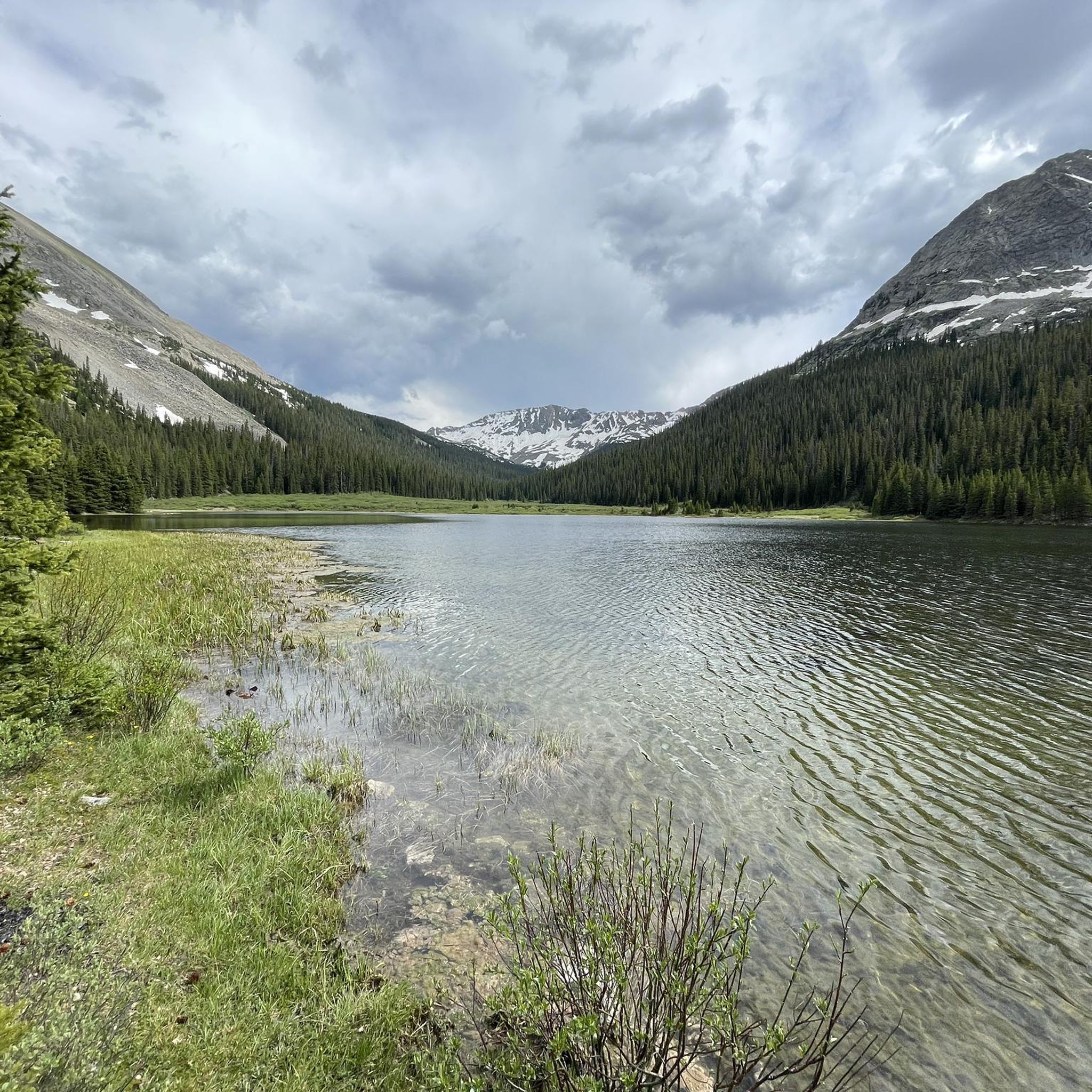
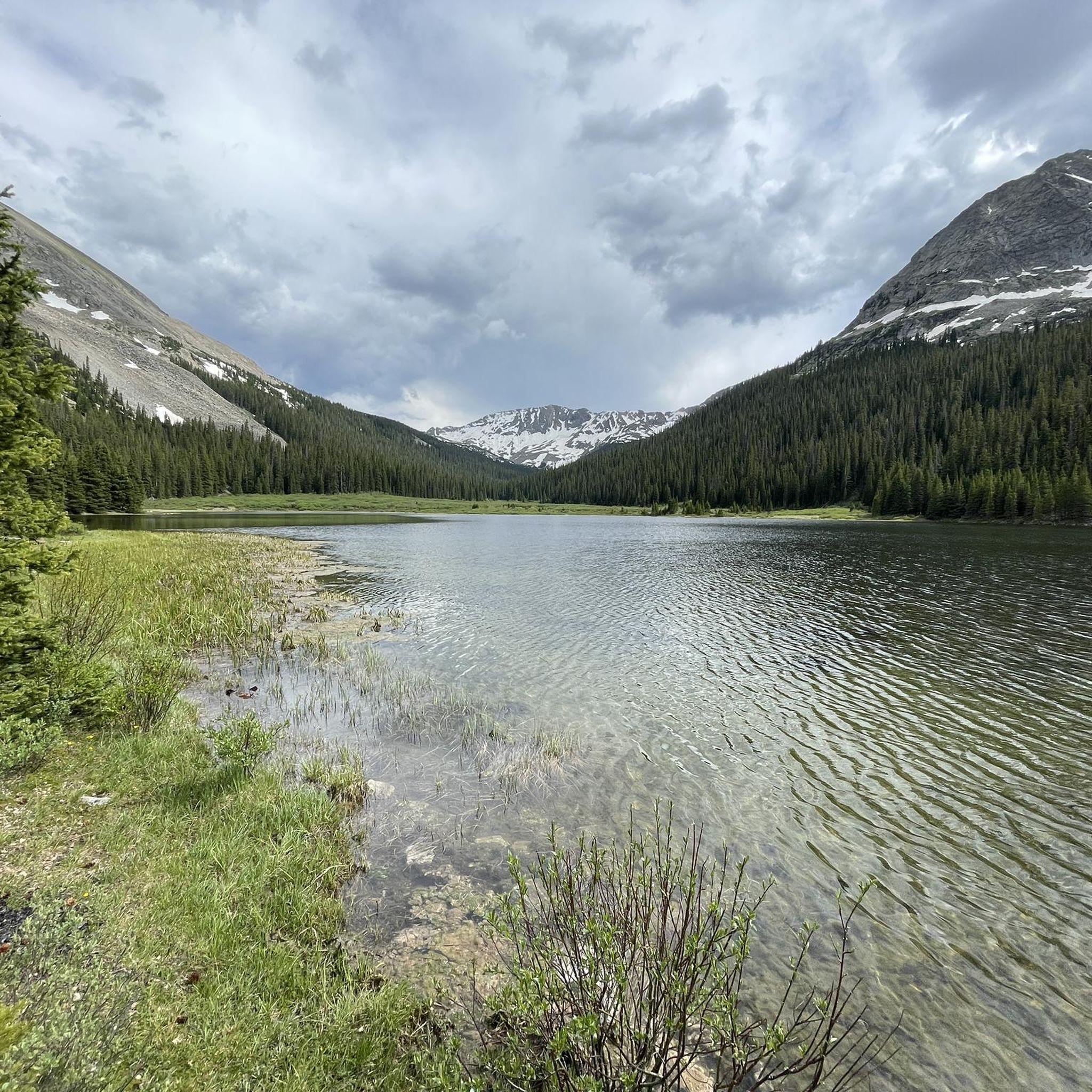
Lake Ann is an amazing alpine lake just below Lake Ann Pass. It sits above treeline and there a just a few spots to pitch a tent that are kind of sheltered. You can pitch next to a small stream in a ditch or hike a little further along the south shore towards a rocky incline with some trees to find suitable spots to spend the night.
1
0

Mount Harvard is the highest mountain in all the Collegiate Peaks at 14,421 feet. Its steep, rocky slopes are similar to that of many Sawatch 14ers, but the high alpine pools and vegetation make it one of the greener high summits. This mountain can be easily paired with the nearby 14er Mount Columbia, but this is a long, tedious traverse. Don't plan to be running a lot after 13,000 feet. With that being said, the lower elevation miles in the basin are great for running when they aren't covered in snow.
0
0
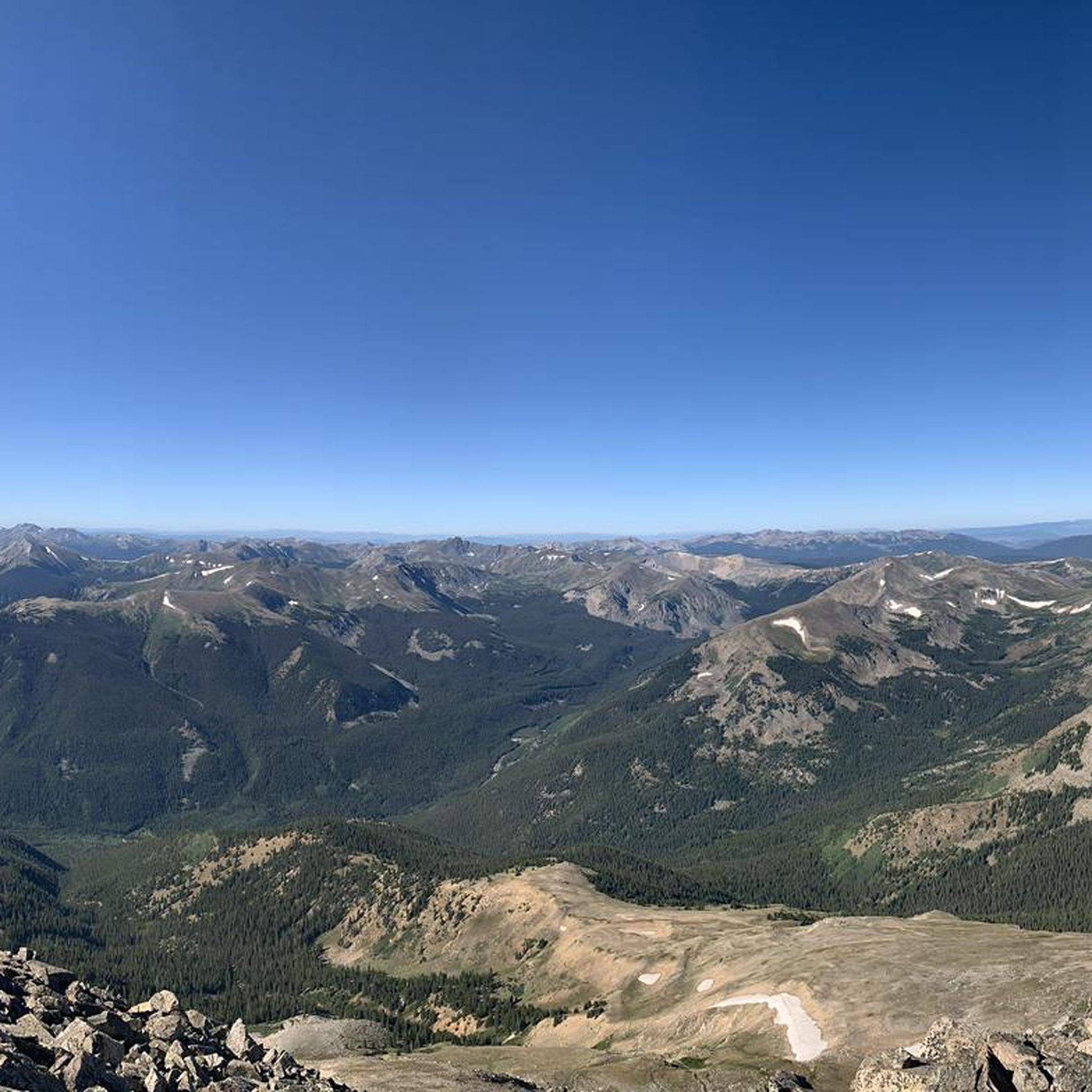
At 14,203 feet tall, Mount Belford is one of three 14ers attainable from the Missouri Gulch Trailhead. The mountain is infamous for its steep switchbacks traveling up it's northwest slopes. It is the 19th highest peak in Colorado, and the views from the top are special, sharing the high elevation with many nearby high peaks. It's easy for this "run" to turn into a slow walk as you come up the switchbacks, but it's almost impossible not to run down the mountain with how steep the trail gets.
0
0
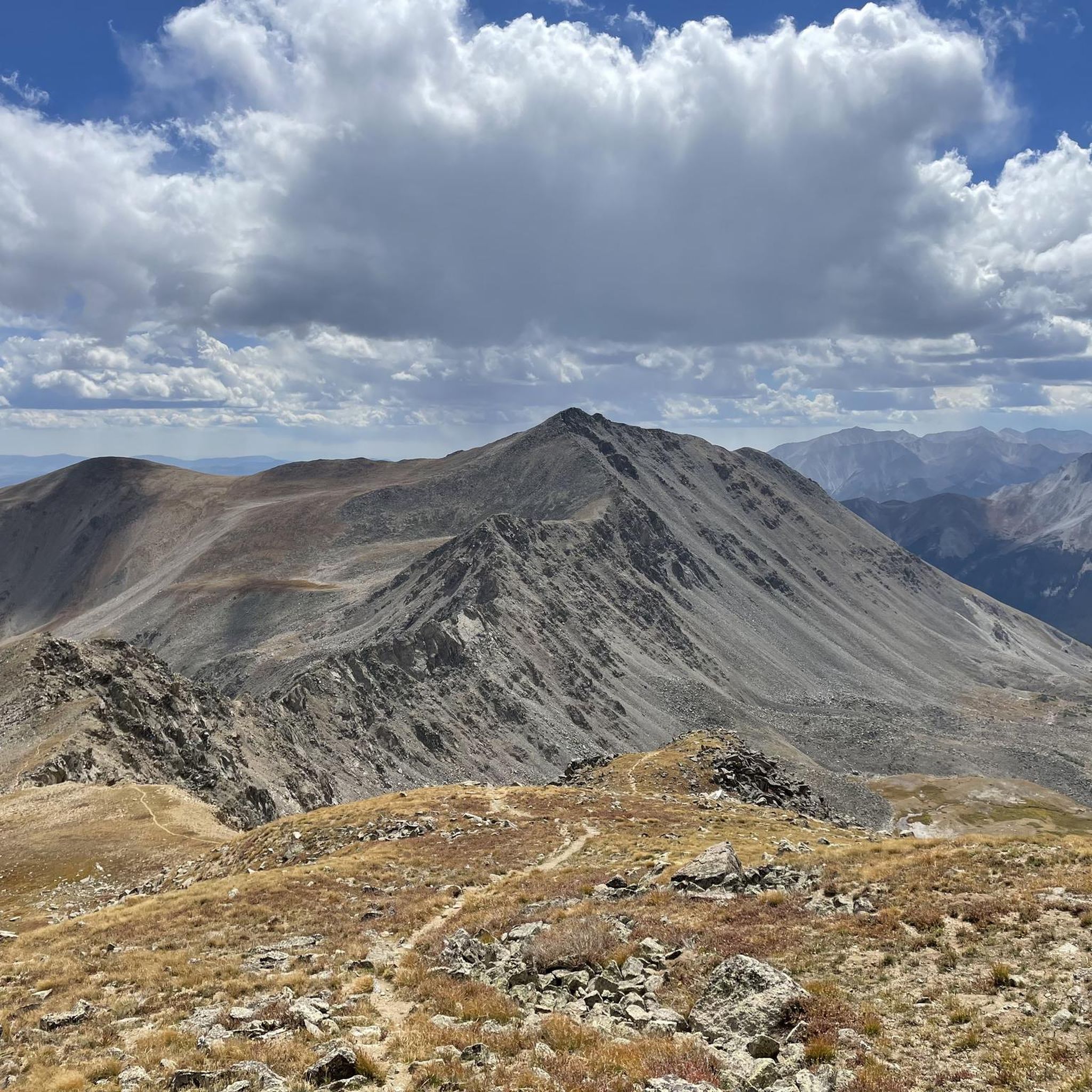
Missouri Mountain, at 14,074 feet, is one of the highest peaks in the Sawatch Range. The ridge that the path follows the final half mile is somewhat washed out and should be traveled with caution. Missouri Mountain is a semi-popular peak that offers a good taste of class 2 alpine travel. Be prepared to have to stop and take turns during certain stretches of the final ridge approach. The trail can be kind of crowded, and there are a couple technical spots that only one person can pass through at a time. Running up to the ridge is tough and is usually just a hike, but the ridge itself offers a couple fun sections of runnable terrain.
0
0
Mount Huron is 14,012 feet tall and towers over the ghost town of Winfield below. Across Missouri Gulch to the east, you can see a number of other 14ers that make up the Collegiate Peaks Wilderness. Huron Peak is accessed via North Huron Trail off of Forest Service Road 390. There is parking both at the back of Winfield or you can park at the base of North Huron Trail (only if you have a high clearance vehicle). A lot of runners choose to start from Winfield since the extra road miles serve as a nice warm-up and cool-down for all the steep hiking on Huron's rocky switchbacks.
0
0
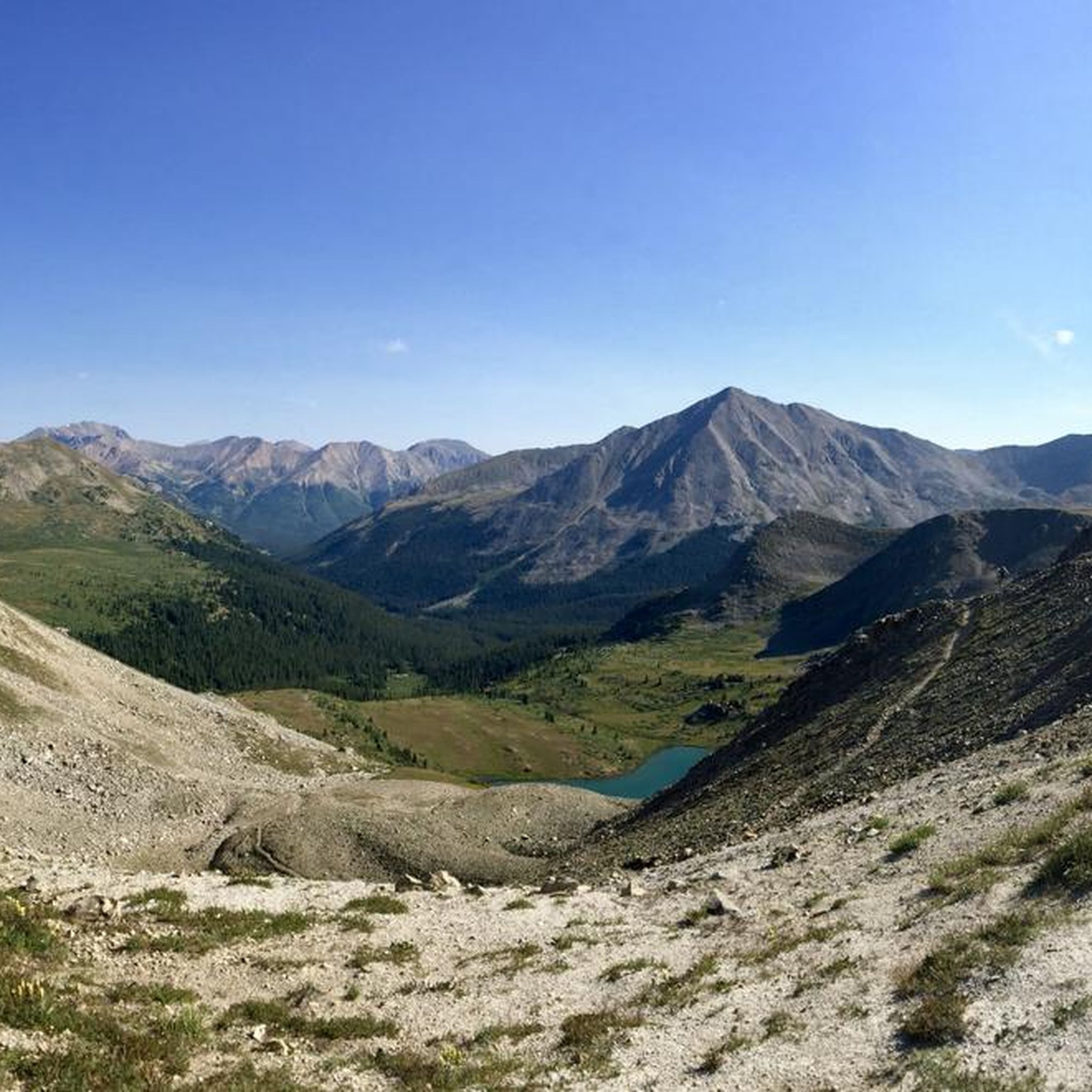
Lake Ann offers up close and personal views of The Three Apostles and Ice Mountain behind Huron Peak and Granite Mountain. This alpine lake is tucked away and stays snowed in later into the season than most of the other alpine lakes in the Collegiate Peaks Wilderness. If you are looking for a run in the Winfield area but don't want to deal with the crowds of a 14er, Lake Ann serves as a much more runnable and private wilderness experience.
0
0
Mount Harvard is the highest mountain in all the Collegiate Peaks at 14,421 feet. Its steep, rocky slopes are similar to that of many Sawatch 14ers, but the high alpine pools and vegetation make it one of the greener high summits. This mountain can be easily paired with the nearby 14er Mount Columbia, but this is a long, tedious traverse.
0
0
Missouri Mountain, at 14,074 feet, is one of the highest peaks in the Sawatch Range. The ridge that the path follows the final half mile is somewhat washed out and should be traveled with caution. Missouri Mountain is a semi-popular peak that offers a good taste of class 2 alpine travel.
0
0
Frequently Asked Questions
What are the most prominent natural monuments in Collegiate Peaks Wilderness?
The Collegiate Peaks Wilderness is renowned for its towering "fourteeners," peaks exceeding 14,000 feet. Among these, Mount Harvard stands as the highest at 14,420 feet, offering unparalleled panoramic vistas. Other significant peaks include La Plata Peak, Mount Yale, and Mount Belford, which is 14,203 feet tall and offers special views from its summit. The wilderness also features approximately 40 miles of the Continental Divide and numerous alpine lakes.
Are there any natural monuments suitable for family visits in Collegiate Peaks Wilderness?
While many trails in the Collegiate Peaks Wilderness are challenging, some areas offer more accessible experiences. For example, the pristine alpine lakes and high mountain streams provide picturesque settings for recreation and photography, which can be enjoyed by families. Always check specific trail difficulties and conditions before heading out.
What kind of wildlife can I expect to see around the natural monuments?
The Collegiate Peaks Wilderness is a haven for abundant wildlife. Visitors often spot elk, deer, mountain goats, and bighorn sheep. The best times for wildlife viewing are typically during early morning or late evening hours.
What is the best time of year to visit the natural monuments in Collegiate Peaks Wilderness?
The best time to visit depends on your activity. Summer (July to early September) offers the most favorable conditions for hiking and climbing the high peaks, with wildflowers in bloom. Fall brings stunning aspen foliage. Be aware that higher elevations can experience snow well into late spring and early summer, and winter conditions can be extreme.
What geological features are prominent in Collegiate Peaks Wilderness?
The Collegiate Peaks Wilderness is characterized by its majestic fourteeners, which are part of the Sawatch Range. The area also features the Continental Divide, marking a significant hydrological boundary. You'll find diverse landscapes ranging from dense forests and open meadows to rocky slopes and alpine tundra, all shaped by ancient geological processes.
What outdoor activities can I do near these natural monuments?
The Collegiate Peaks Wilderness offers a wide range of outdoor activities. You can explore numerous hiking trails, including challenging routes to the summits of fourteeners. There are also opportunities for mountain biking and cycling on various trails and roads. For more detailed information on routes, you can check out guides like Hiking in Collegiate Peaks Wilderness, MTB Trails in Collegiate Peaks Wilderness, and Cycling in Collegiate Peaks Wilderness.
Are there any challenging mountain passes to explore?
Yes, Elkhead Pass is a notable mountain pass in the region. Reaching 13,220 feet, it is considered one of the highest mountain passes in Colorado and serves as a highpoint on the Missouri Gulch Trail, linking many mountains and drainages in the range.
Where can I find serene alpine lakes in the wilderness?
You can find beautiful alpine lakes above the treeline, such as Lake Ann. This lake offers close-up views of The Three Apostles and Ice Mountain and provides a tranquil wilderness experience away from more crowded trails.
What makes Missouri Mountain a notable natural monument?
Missouri Mountain, at 14,074 feet, is one of the highest peaks in the Sawatch Range. It offers a good taste of Class 2 alpine travel, though its final ridge approach can be somewhat washed out and requires caution. The views from its summit are expansive.
What are The Three Apostles and why are they worth visiting?
The Three Apostles are a chain of three 13,000-foot peaks located south of the ghost town of Winfield. While not fourteeners, they present a rugged and beautiful landscape. The middle peak, Ice Mountain, is known for being one of the more difficult climbs in the Sawatch Range, offering challenging trails and stunning views for experienced hikers and climbers.
Do I need a permit to visit the natural monuments in Collegiate Peaks Wilderness?
Generally, permits are not required for day hiking in the Collegiate Peaks Wilderness. However, specific regulations may apply for overnight backpacking, group sizes, or certain activities. It's always best to check with the local Forest Service office (Gunnison, White River, or San Isabel National Forests) for the most current information before your visit.
What do visitors enjoy most about the Collegiate Peaks Wilderness?
Visitors frequently praise the challenging terrain and the incredible scenic vistas from the summits of the fourteeners. The dramatic changes in landscape, from dense forests to rocky slopes and alpine tundra, are a major draw. The profound wilderness experience, coupled with opportunities for wildlife viewing and the sense of accomplishment from summiting a peak, are highly valued.
Most popular routes in Collegiate Peaks Wilderness
Most popular attractions in Collegiate Peaks Wilderness

Get inspired with the komoot mobile app


