Top 13 Natural Monuments in Saguaro Wilderness
Best natural monuments in Saguaro Wilderness showcase the Sonoran Desert's unique beauty and biodiversity within Saguaro National Park. The region is divided into two districts, the Tucson Mountain District and the Rincon Mountain District, preserving diverse landscapes. It is notable for its giant saguaro cactus forests, ancient petroglyphs, and varied mountain ecosystems. The wilderness offers a collection of natural features and cultural sites.
Best natural monuments in Saguaro Wilderness
- The most popular natural monuments is Wasson Peak, a summit…
Last updated: June 29, 2026
Wasson Peak
Highlight • Summit
Tip by

King Canyon Wash Petroglyphs
Highlight • Historical Site
Tip by

Sign up now to discover places like this
Get recommendations on the best single tracks, peaks, & plenty of other exciting outdoor places.
Sign up for free
Hugh Norris Trail towards Apache Peak
Highlight (Segment) • Trail
Tip by

Signal Hill Petroglyphs
Highlight • Historical Site
Tip by
Saguaro National Park
Highlight • Natural Monument
The eastern section is larger …
Tip by
Sign up for free to discover even more natural monuments in Saguaro Wilderness.
Sign up for free
Already have an account?
Start today with a free account
Your next adventure awaits.
Login or Signup
Tips from the Community

From the Signal Hill Trailhead there are stairs, access is easier via Manville Trail. There are also bike racks at the picnic area, with restrooms. The prehistoric petroglyphs are in excellent condition and easy to find.
1
0

Saguaro National Park is home to the largest collection of giant saguaro cacti in the world. From the summit of Mica Mountain at 8,669 feet to the desert floor one can see a vegetation change usually only experienced on a drive from Mexico to Canada. Backcountry camping along the Arizona Trails is only allowed with a permit for Grass Shack Campground or Manning Camp. There are also some other nice official campsites in Saguaro National Park. Permits are available at: https://www.recreation.gov/camping/campgrounds/10028678
0
0

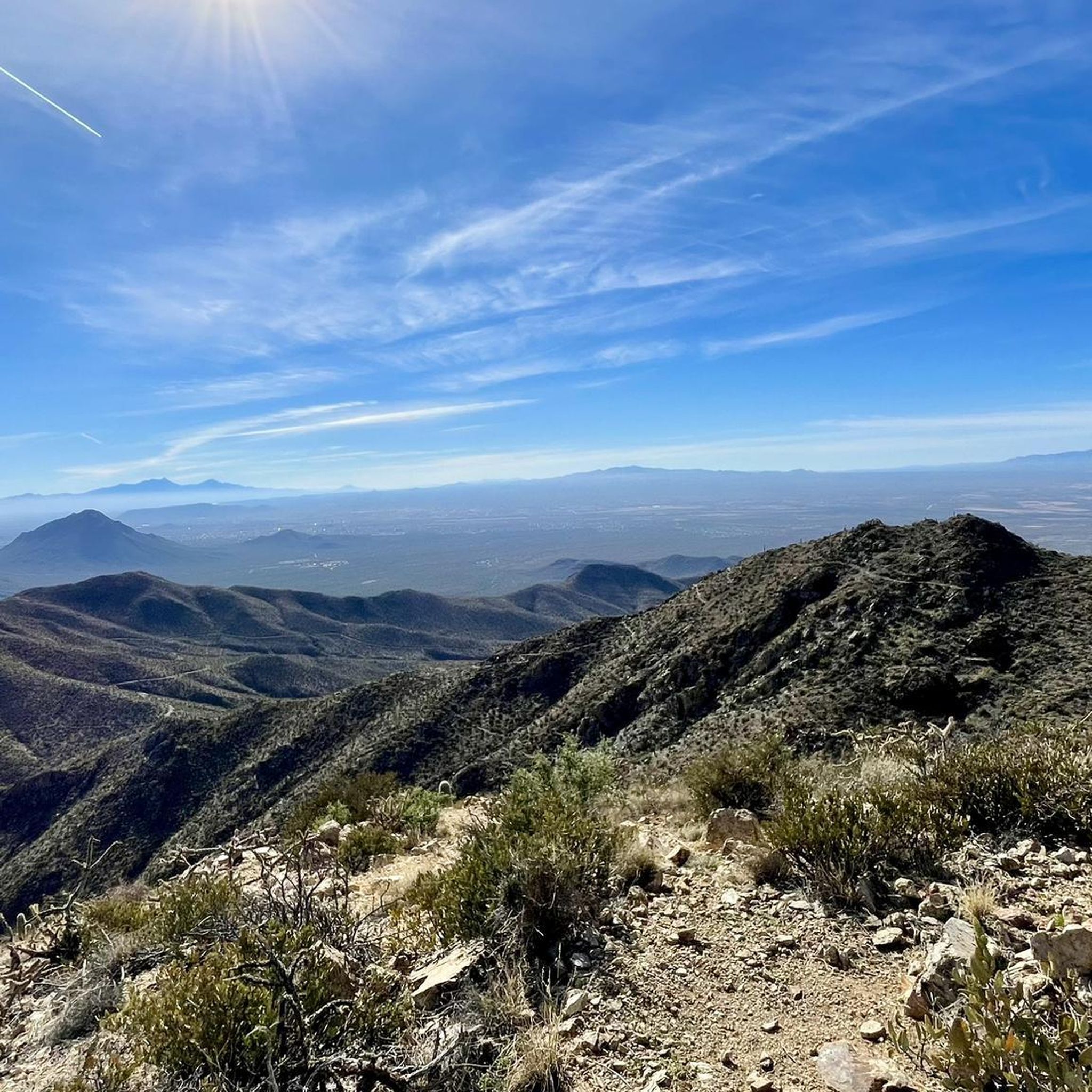
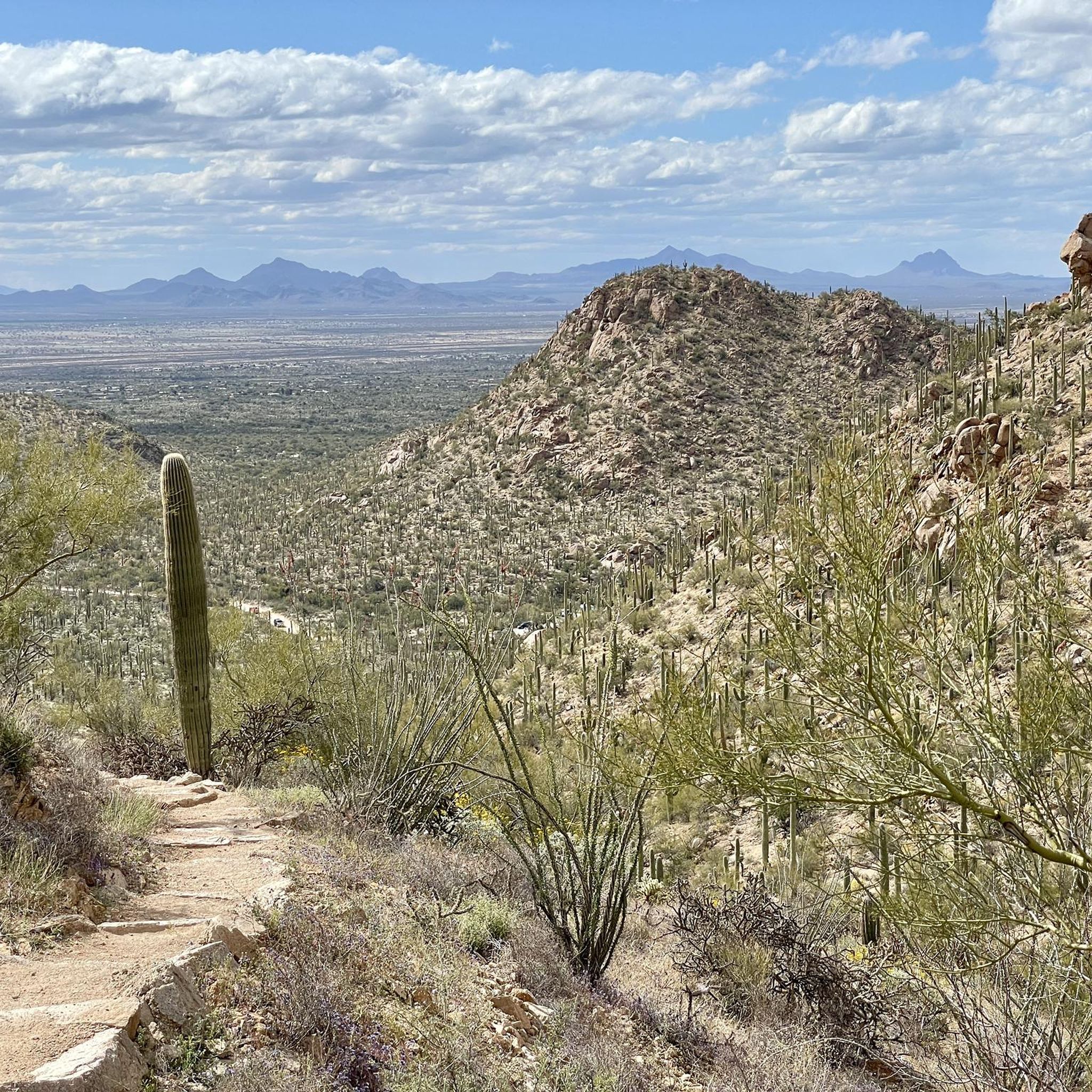
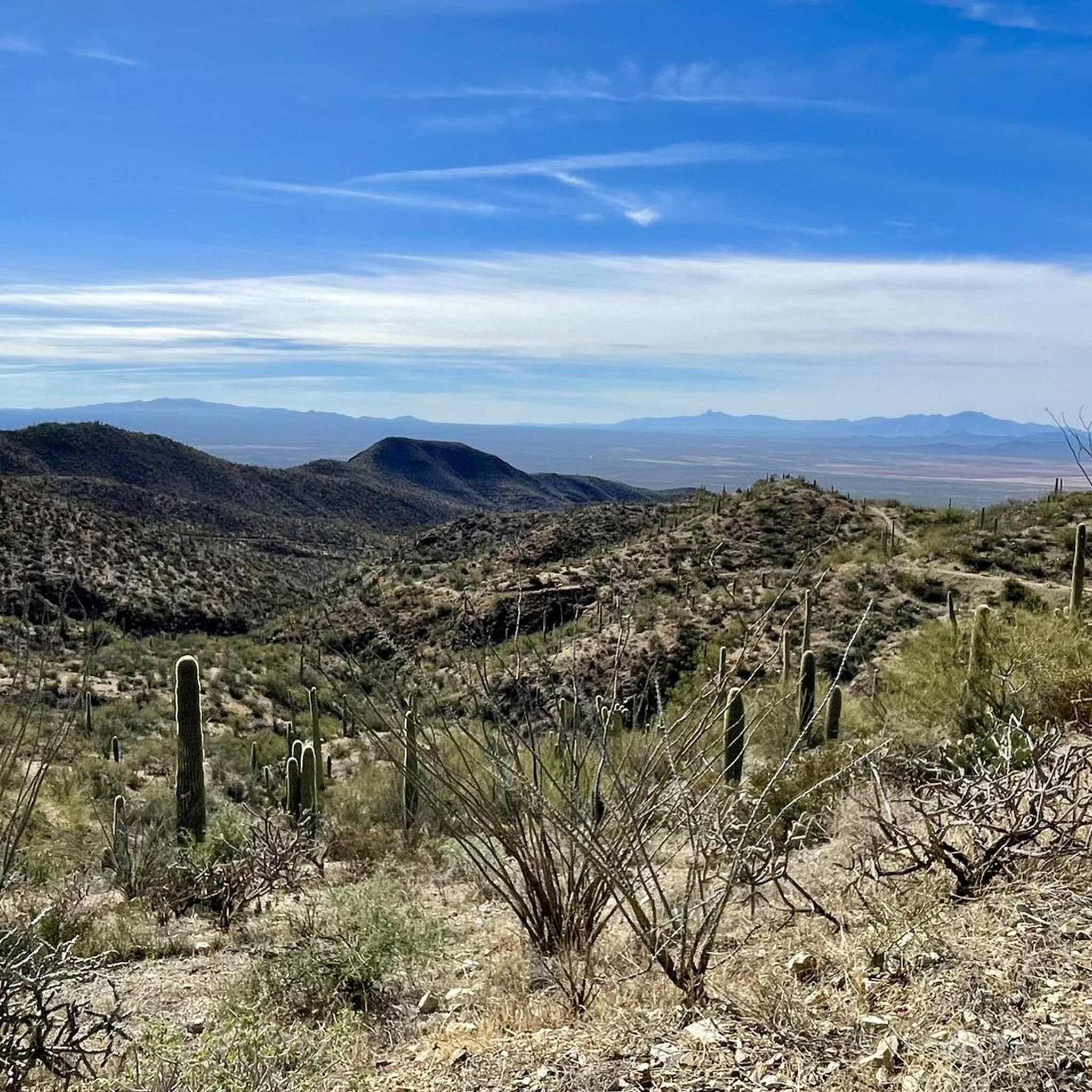
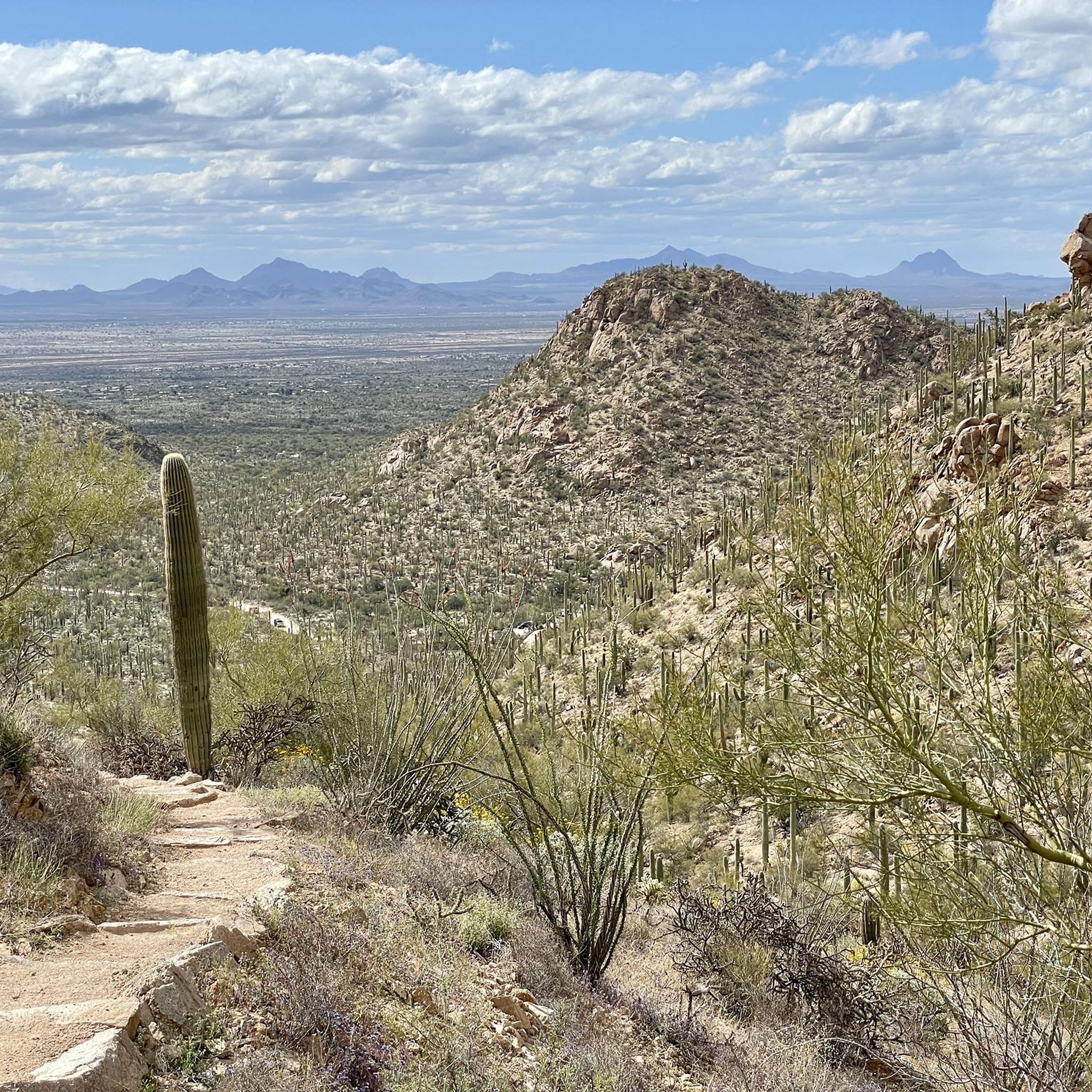
The Hugh Norris Trail offers stunning views of the surrounding mountains, as well as the cactus forests. This loop takes you past Apache Peak and parallel to Hohokam road.
0
0
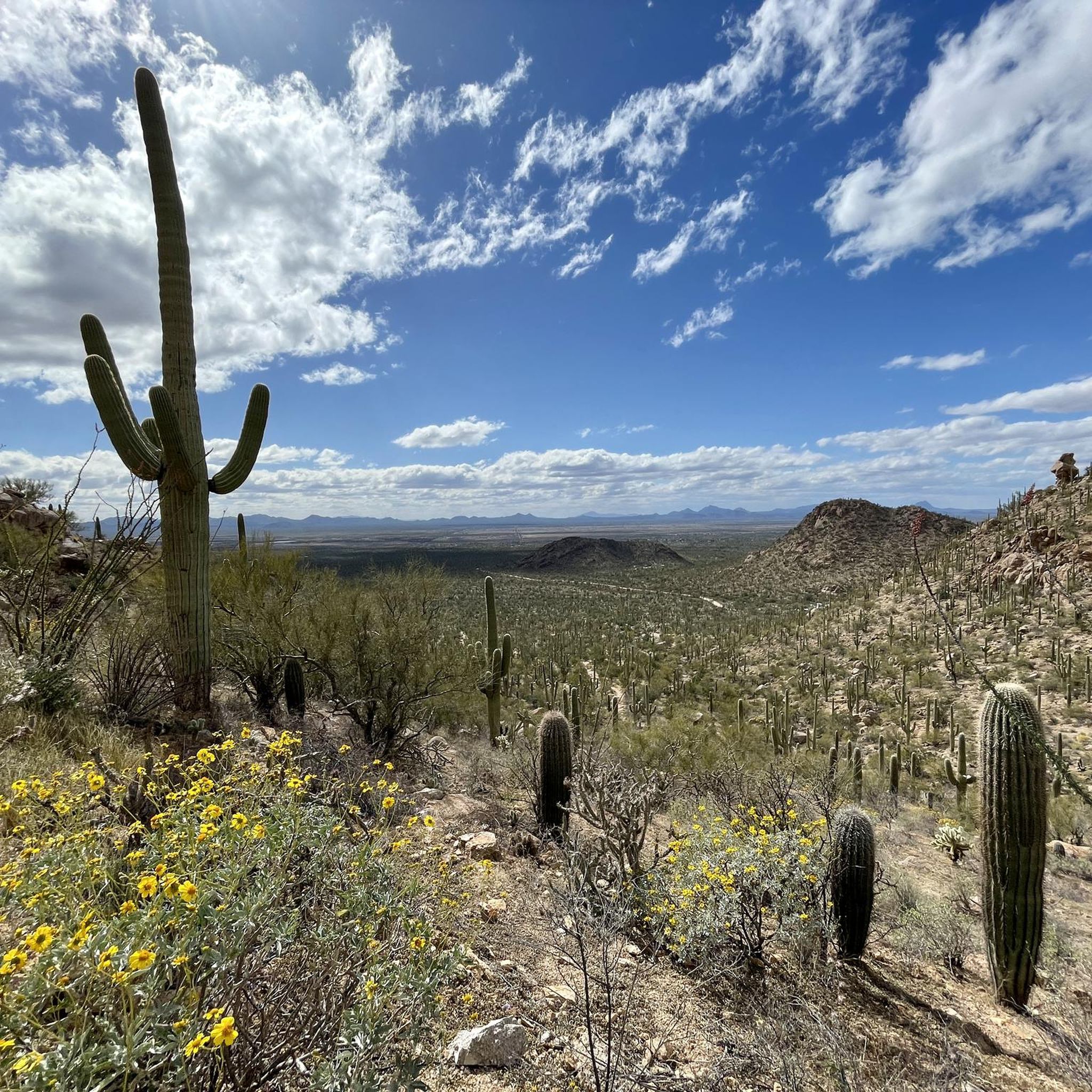
The Cactus Wren Trail is a 3.9-mile loop in the western part of Saguaro National Park. You will stroll along the majestic Saguaro cacti that grow from Mexico to the north side of the Salt River. These cacti are often used as by woodpeckers for nesting, so keep your eyes peeled for some holes in the trunk and it takes roughly a decade for a Saguaro cactus to grow one arm.
1
0

Excellent views of the park. You can see for miles on a clear day.
0
0

Look carefully at the canyon walls and rock formations as you walk along King Canyon Trail. You will see a number of petroglyphs etched into the rock surface. Most of the rock etchings found in Saguaro National Park were created by the Hohokam peoples. Do not touch the petroglyphs as oil from your skin can damage/break them down faster.
1
0
Endless desert trails, with the park to the north of this line.
0
0
As the trail name indicates, good opportunity to explore the famous Saguaro and other cactus environments, including its birdlife such as wrens. Along the way don't miss the chance to see the amazing and well visibile 800 years old rock carvings and petroglyphs
4
0
Frequently Asked Questions
What are some of the most prominent natural monuments in Saguaro Wilderness?
The Saguaro Wilderness is renowned for its iconic saguaro cactus forests, which are the largest in the world. Other prominent natural monuments include Wasson Peak, the highest point in the Tucson Mountain District offering panoramic views, and the ancient Signal Hill Petroglyphs, which provide a glimpse into the region's cultural history.
Where can I find ancient petroglyphs in Saguaro Wilderness?
You can discover ancient petroglyphs at Signal Hill Petroglyphs in the Tucson Mountain District. These carvings, made by the Hohokam people, are easily accessible via a short trail. Another location to see rock etchings is along the King Canyon Trail, where you can find the King Canyon Wash Petroglyphs.
Are there family-friendly natural monuments to visit?
Yes, Signal Hill Petroglyphs is considered family-friendly. The short, gentle trail to the summit makes it suitable for visitors of all ages to explore the ancient rock art. The Saguaro National Park itself offers various accessible areas to view the saguaro forests.
What is the best time of year to visit the natural monuments in Saguaro Wilderness?
The best time to visit is generally during the cooler months, from October to April, when temperatures are more moderate for hiking and exploration. During the warmer months, particularly summer, it's advisable to visit during the morning or evening hours to avoid the intense desert heat.
What kind of unique natural features can I expect to see in the Saguaro Wilderness?
Beyond the iconic saguaro cactus forests, you'll encounter a diverse range of natural features. The Rincon Mountain District, for example, showcases a remarkable ecological gradient, transitioning from desert scrub to pine and mixed conifer forests at higher elevations. You can also observe impressive rock formations, such as the banded Catalina gneiss visible at Javelina Rocks Overlook.
Are there opportunities for panoramic views of the desert landscape?
Absolutely. Wasson Peak offers stunning panoramic vistas of the surrounding mountains and saguaro forests. Another excellent spot for scenic views, especially at sunset, is the Javelina Rocks Overlook in the Rincon Mountain District, known for its unique rock formations and photographic opportunities.
What outdoor activities can I do near these natural monuments?
The Saguaro Wilderness offers numerous outdoor activities, primarily hiking. You can explore a variety of trails, from easy walks to more challenging ascents. For specific hiking routes, you can refer to guides like Easy hikes in Saguaro Wilderness or Hiking in Saguaro Wilderness. Some trails, like the Hugh Norris Trail towards Apache Peak, combine scenic views with historical petroglyphs.
What kind of wildlife might I encounter?
The Saguaro Wilderness is rich in biodiversity. The saguaro cacti themselves provide crucial habitat for birds like Gila woodpeckers and gilded flickers. In the diverse ecosystems of the Rincon Mountains, you might spot black bears, Mexican spotted owls, and white-tailed deer, among many other desert creatures.
Are permits required to visit natural monuments or for backcountry camping?
While general entry to Saguaro National Park does not always require specific permits for day use, backcountry camping within the park, particularly at sites like Grass Shack Campground or Manning Camp, does require a permit. You can check for permit availability and make reservations via the National Park Service website or Recreation.gov.
Are there facilities or amenities available near the natural monuments?
Some trailheads and picnic areas, such as the one at the start of the Hugh Norris Trail towards Apache Peak, offer amenities like shaded tables, restrooms, and water. It's always recommended to carry sufficient water and supplies, especially when venturing into more remote areas of the wilderness.
What do visitors enjoy most about the natural monuments in Saguaro Wilderness?
Visitors frequently highlight the breathtaking views from summits like Wasson Peak and the unique experience of walking among the giant saguaro cacti. The historical significance of sites like Signal Hill Petroglyphs also receives high praise, offering a cultural dimension to the natural beauty. Many appreciate the diverse hiking opportunities and the chance to observe desert wildlife.
Can I find trails that offer both natural beauty and historical insights?
Yes, trails like the Hugh Norris Trail towards Apache Peak are excellent for this. They not only provide stunning views of saguaro forests and mountains but also lead to well-preserved rock carvings and petroglyphs, allowing you to connect with both the natural landscape and the ancient history of the Hohokam people.
Most popular routes in Saguaro Wilderness
Most popular attractions in Saguaro Wilderness

Get inspired with the komoot mobile app


Explore more
Extend your search for the best caves by checking out these guides of the top ones in Saguaro Wilderness:
