Joshua Tree Wilderness
Joshua Tree Wilderness
Top 9 Natural Monuments in Joshua Tree Wilderness
Best natural monuments in Joshua Tree Wilderness are characterized by unique geological formations, diverse desert ecosystems, and iconic flora. The region, encompassing most of Joshua Tree National Park, is renowned for its striking natural features. These natural monuments attract hikers, climbers, and nature enthusiasts. The landscape offers a variety of experiences, from distinctive rock formations to vast desert vistas.
Best natural monuments in Joshua Tree Wilderness
- The most popular natural monument is Split Rock, a natural monument that features…
Last updated: May 17, 2026
Split Rock
Highlight (Segment) • Natural Monument
Tip by

Forty-Nine Palms Canyon
Highlight (Segment) • Natural Monument
Translated by Google •
Tip by

Sign up now to discover places like this
Get recommendations on the best single tracks, peaks, & plenty of other exciting outdoor places.
Sign up for free
Mastodon Peak
Highlight • Summit
Tip by

Vista from second peal Warren peak
Highlight • Viewpoint
Tip by

Warren Peak
Highlight • Summit
Tip by
Sign up for free to discover even more natural monuments in Joshua Tree Wilderness.
Sign up for free
Already have an account?
Start today with a free account
Your next adventure awaits.
Login or Signup
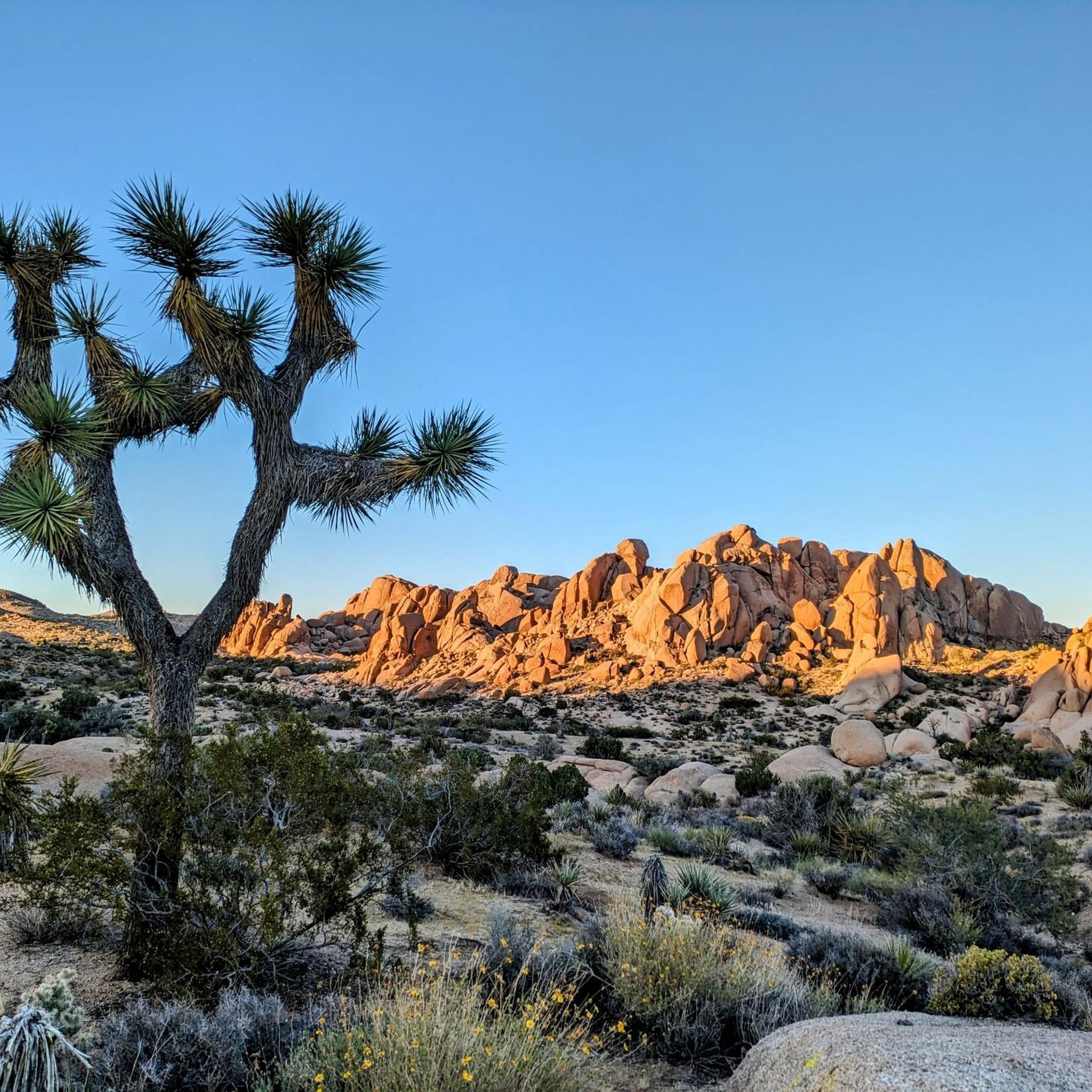
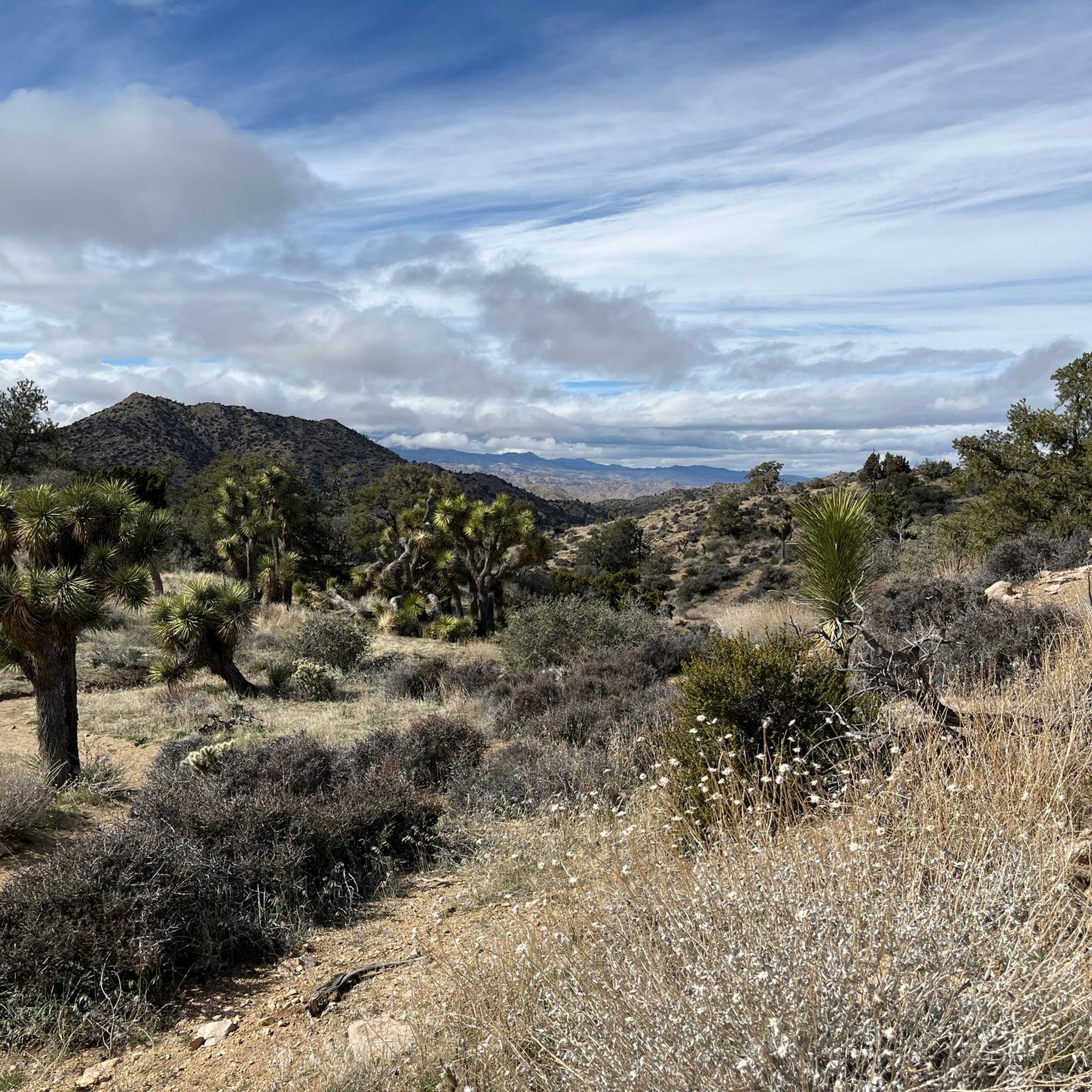
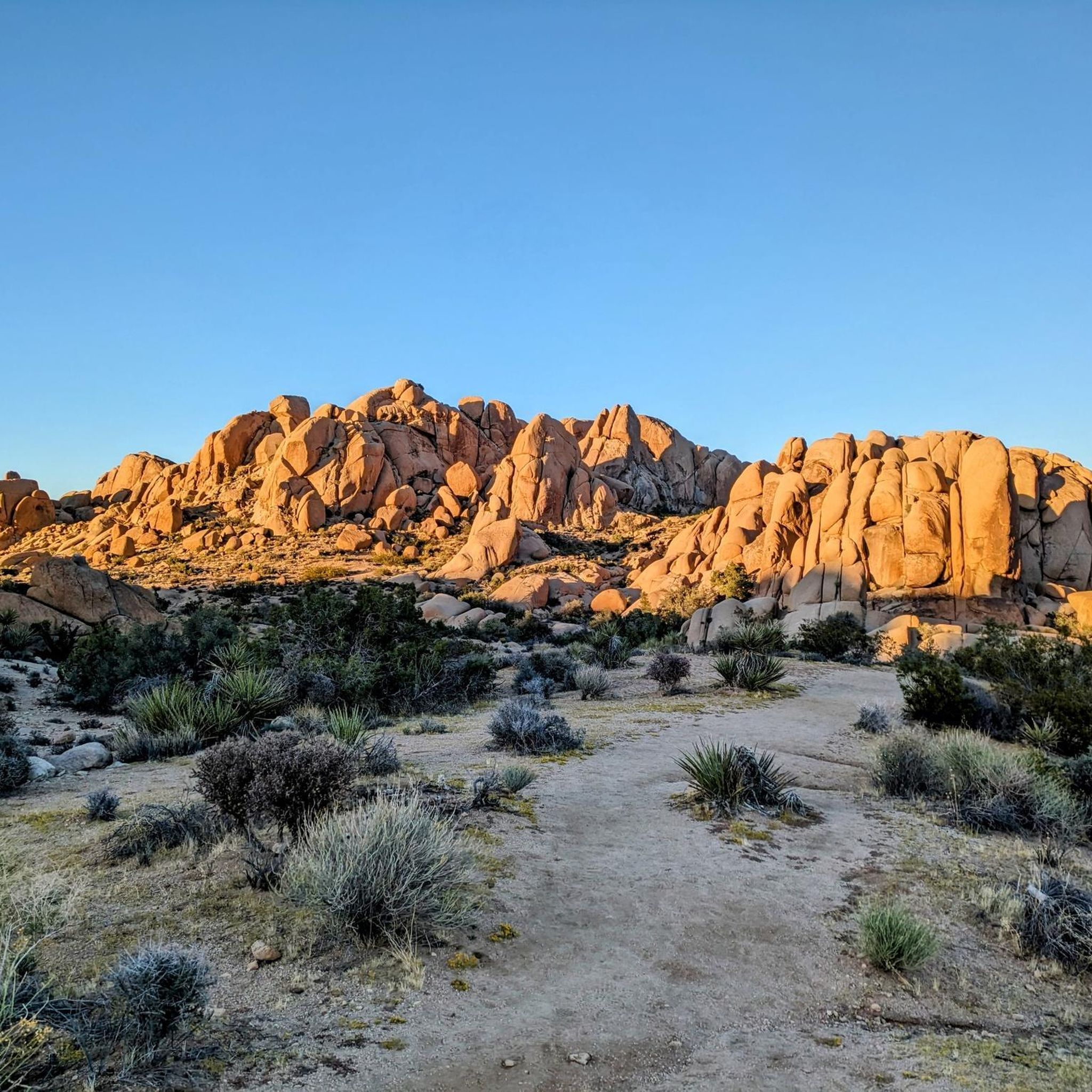
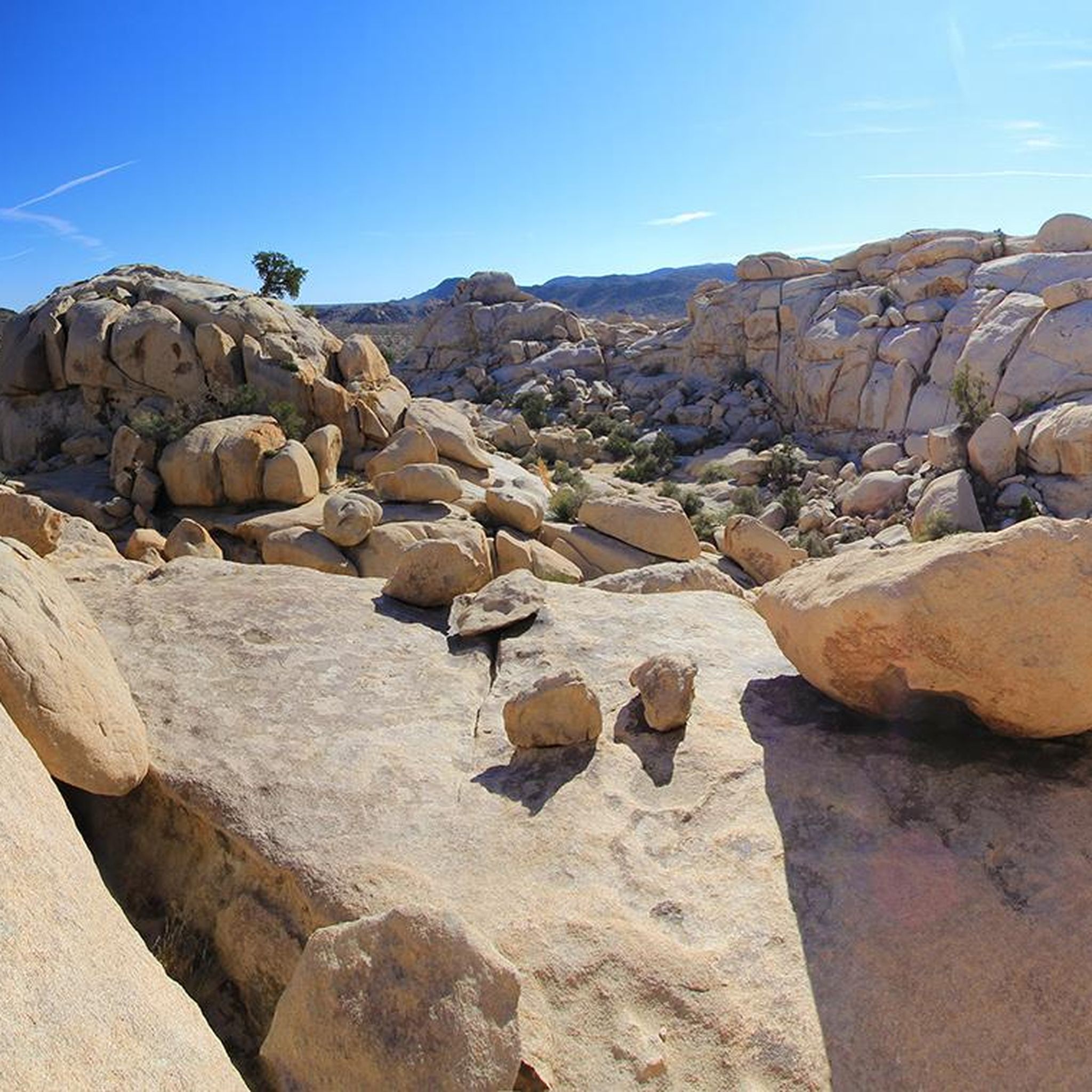
Tips from the Community

It's easy to miss it because it's at the very beginning of the trail :)
0
0


This small mountain in the lower part does not see as many visitors as the center of Joshua Tree National Park. Leave the crowds behind and enjoy a hike to this peak and the scenic ruins of the old Mastodon Mine. In the 1930s, the Hulsey Family found some gold ore, but was not able to get to the main vein, so the mine was abandonded pretty soon.
0
0

Great walk away from many people
0
0

This trail steers you around some of the fascinating rock formations that are so characteristic of this area. It's also very sandy/rocky and exposed to the sun, so make sure you bring plenty of water — probably more than you think you'll need.
1
0

Split Rock is a trailhead and small picnic area nestled among rock formations up a short dirt road from Park Boulevard. The trailhead provides access to Split Rock Loop, a 2.5 mile loop with 150 feet of elevation gain that connects to additional trails for longer hikes. (https://www.nps.gov/places/split-rock.htm)
3
0
Frequently Asked Questions
What are some unique geological features to explore in Joshua Tree Wilderness?
The Joshua Tree Wilderness is renowned for its distinctive rock formations. You can visit Split Rock, known for its fascinating formations and a 2.5-mile loop trail. Other notable features include Skull Rock, a granite monolith shaped by erosion, and Arch Rock, a rare geological arch often visited alongside Heart Rock.
Where can I find panoramic views of the desert landscape?
For breathtaking panoramic views, head to Warren Peak, which offers 360-degree vistas of the park, the desert, and the San Bernardino and San Jacinto mountains. Another excellent spot is Keys View, providing expansive outlooks over the Coachella Valley, the Salton Sea, and even the San Andreas Fault on clear days, especially stunning at sunset.
Are there any natural monuments with historical significance?
Yes, several natural monuments offer a glimpse into the region's past. Mastodon Peak features the scenic ruins of the old Mastodon Mine. Barker Dam is a historic water feature that reflects the area's ranching history, and Hidden Valley is rumored to have been a hideout for cattle rustlers.
What are some family-friendly natural monuments or trails?
Many natural monuments in Joshua Tree Wilderness are accessible for families. The trail to Arch Rock is an easy, mostly flat hike. Hidden Valley offers a popular, easy one-mile nature trail loop. Skull Rock is also easily accessible along a 1.7-mile nature trail loop, making it suitable for families.
Where can I see the iconic Joshua Trees?
The vast forests of the park's namesake, the Joshua tree (Yucca brevifolia), are natural monuments in themselves. These distinctive trees thrive throughout the western Mojave Desert portion of the park, creating an otherworldly landscape. You'll encounter them across many trails and areas within the Joshua Tree Wilderness.
Are there any oases or water features among the natural monuments?
Yes, the Forty-Nine Palms Canyon leads to a fan-palm oasis, a rare ecosystem where surface or near-surface water supports stately fan palms. This lush respite provides habitat for various wildlife. Barker Dam is another historic water feature that can attract wildlife, particularly in cooler seasons.
What outdoor activities can I do near these natural monuments?
The Joshua Tree Wilderness offers a variety of outdoor activities. You can find numerous hiking opportunities, including easy trails like the Split Rock Loop Trail. For more extensive hiking, explore options in the Hiking in Joshua Tree Wilderness guide. Cycling is also popular, with routes like the Joshua Tree National Park Scenic Drive available.
What is the best time to visit the natural monuments in Joshua Tree Wilderness?
The cooler seasons, from October to May, are generally considered the best time to visit. During these months, temperatures are more moderate, making hiking and exploring the natural monuments more comfortable. Summer can be extremely hot, requiring extra precautions like carrying ample water.
What do visitors enjoy most about the natural monuments in Joshua Tree Wilderness?
Visitors frequently appreciate the unique geological formations and the striking desert landscape. The opportunity to hike trails that wind around fascinating rock structures, discover hidden oases, and witness panoramic views from summits like Warren Peak are often highlighted. The distinct beauty of the Joshua trees themselves also leaves a lasting impression.
Are there any less crowded natural monuments to explore?
If you're looking to avoid larger crowds, consider a hike to Mastodon Peak. This area, located in the lower part of the park, sees fewer visitors than the central areas, offering a more tranquil experience along with historical mine ruins.
What should I know about hiking to Forty-Nine Palms Canyon?
The hike to Forty-Nine Palms Canyon is a three-mile round trip with a 300-foot elevation gain in each direction. It leads to a beautiful palm oasis. It's crucial to carry plenty of water, especially during warmer months, as the trail is exposed to the sun, and shade is primarily found at the oasis itself.
Most popular routes in Joshua Tree Wilderness
Most popular attractions in Joshua Tree Wilderness

Get inspired with the komoot mobile app


Explore more
Extend your search for the best caves by checking out these guides of the top ones in Joshua Tree Wilderness:
