Sequoia-Kings Canyon Wilderness
Sequoia-Kings Canyon Wilderness
Top 20 Natural Monuments in Sequoia-Kings Canyon Wilderness
Best natural monuments in Sequoia-Kings Canyon Wilderness protect a vast expanse of high peaks, deep canyons, lush meadows, and ancient forests across over 768,000 acres. This immense wilderness makes up nearly 90 percent of the combined area of Kings Canyon and Sequoia National Parks. The region offers a profound experience of nature, largely accessible through backpacking and overnight hiking. It contains stunning, often remote, natural monuments that showcase dramatic alpine scenery and ancient forests.
Best natural monuments in Sequoia-Kings Canyon…
Last updated: May 17, 2026
Mount Whitney
Highlight • Summit
Tip by

Tokopah Falls
Highlight • Waterfall
Showing Translation
Tip by

Sign up now to discover places like this
Get recommendations on the best single tracks, peaks, & plenty of other exciting outdoor places.
Sign up for free
Tunnel Log, Sequoia National Park
Highlight • Natural Monument
Tip by

View from Moro Rock
Highlight • Viewpoint
Tip by

Smithsonian Institution Shelter
Highlight • Mountain Hut
Only four days after the first trail to the summit was completed in 1904, an employee of …
Tip by
Sign up for free to discover even more natural monuments in Sequoia-Kings Canyon Wilderness.
Sign up for free
Already have an account?
Start today with a free account
Your next adventure awaits.
Login or Signup
Popular around Sequoia-Kings Canyon Wilderness
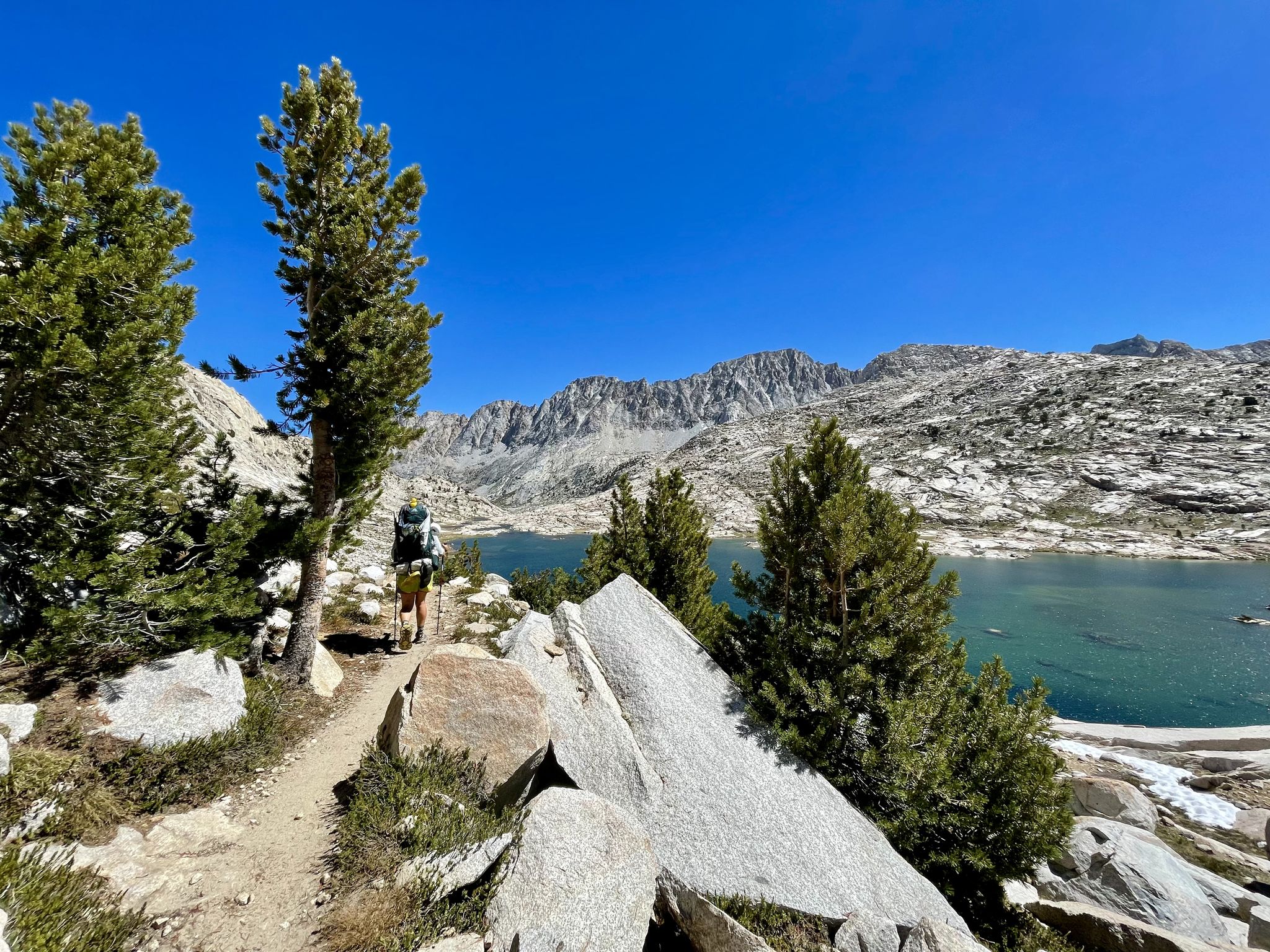
John Muir Trail – Along the legendary trail through the magical Sierra Nevada
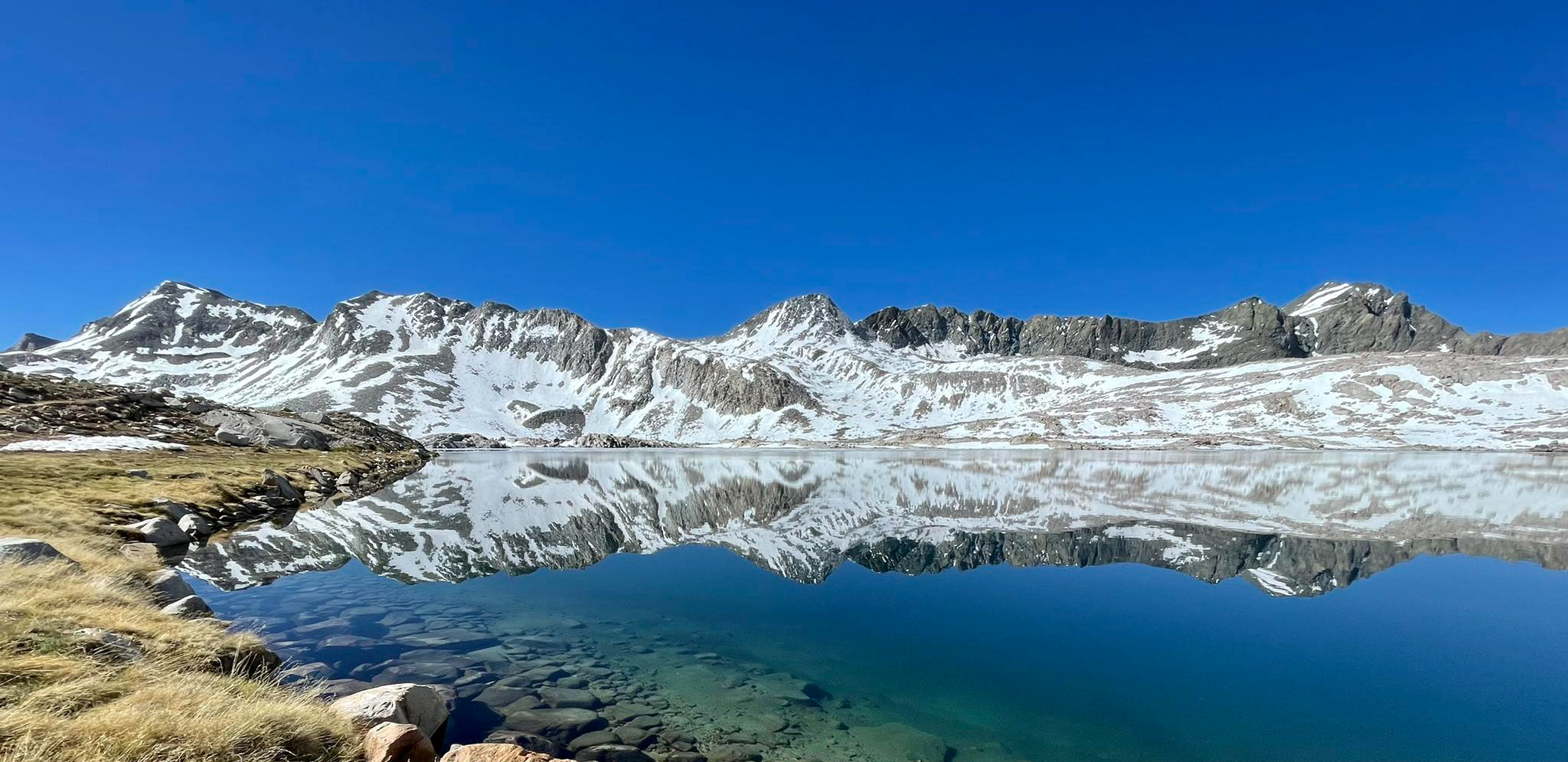
The Sierra High Route — Solitude in California's alpine country

Pacific Crest Trail from Mexico to Canada – 4,200 kilometres of wilderness
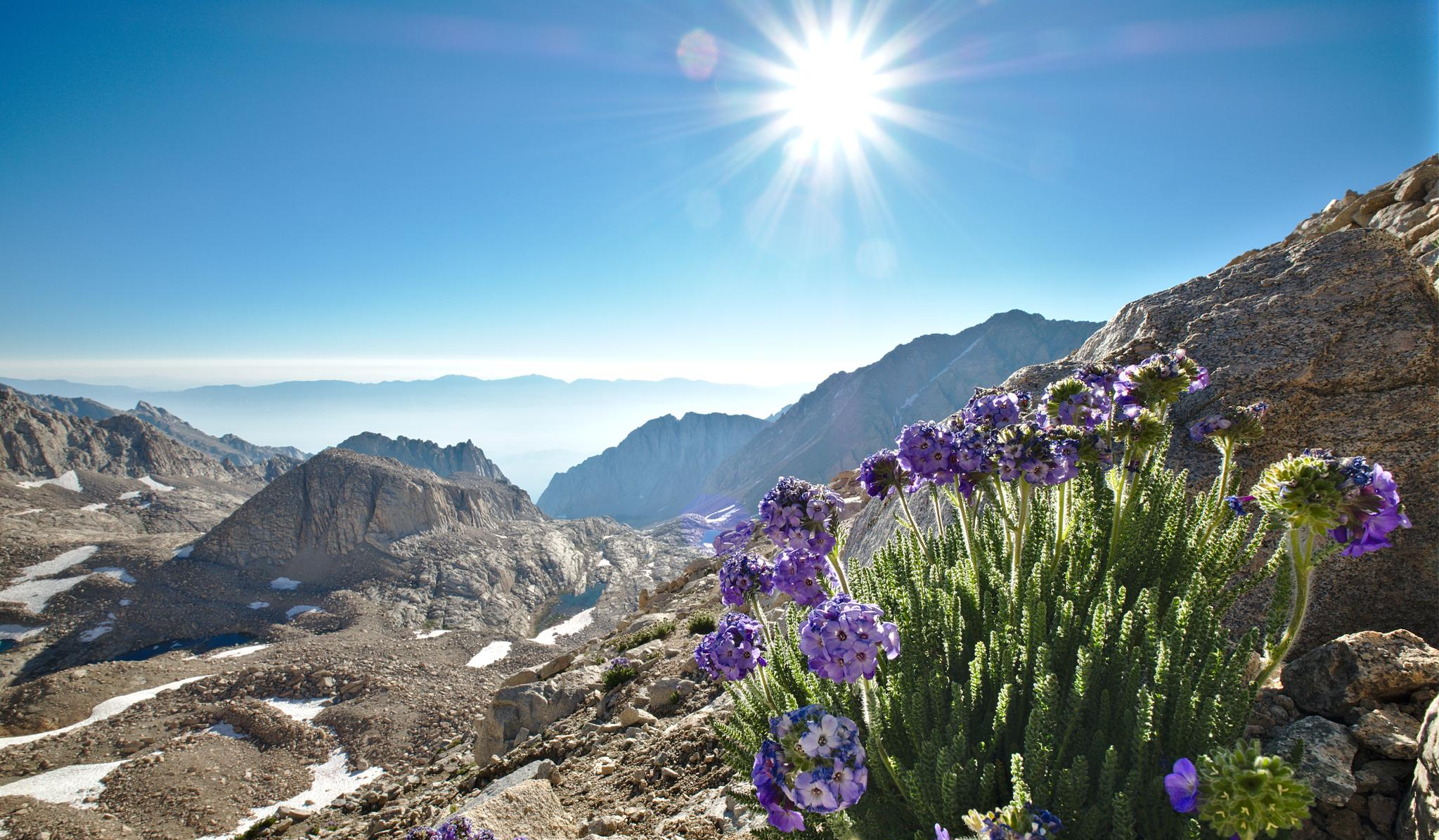
The High Sierra Trail — The Ultimate Sierra Experience
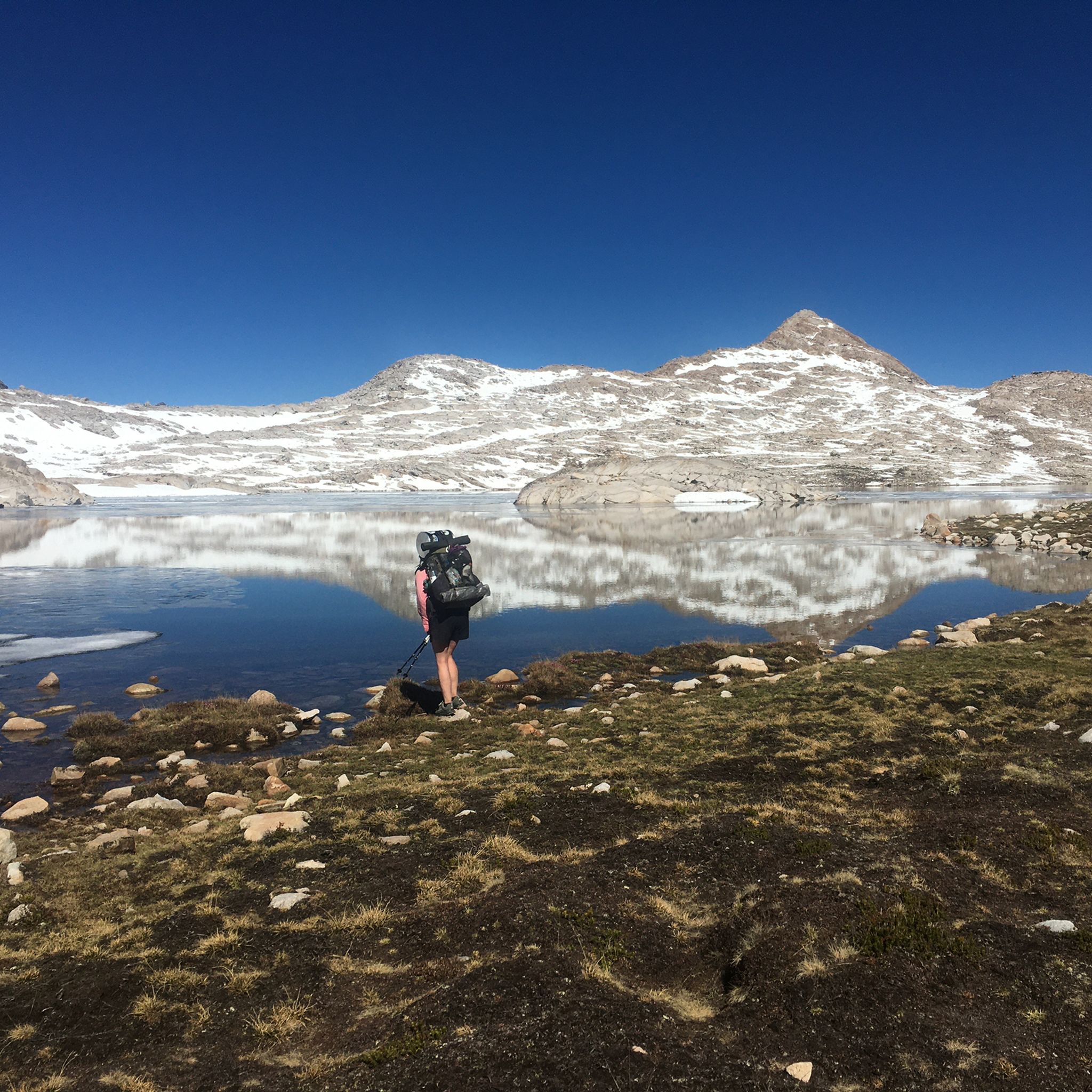
Hiking in Sequoia-Kings Canyon Wilderness
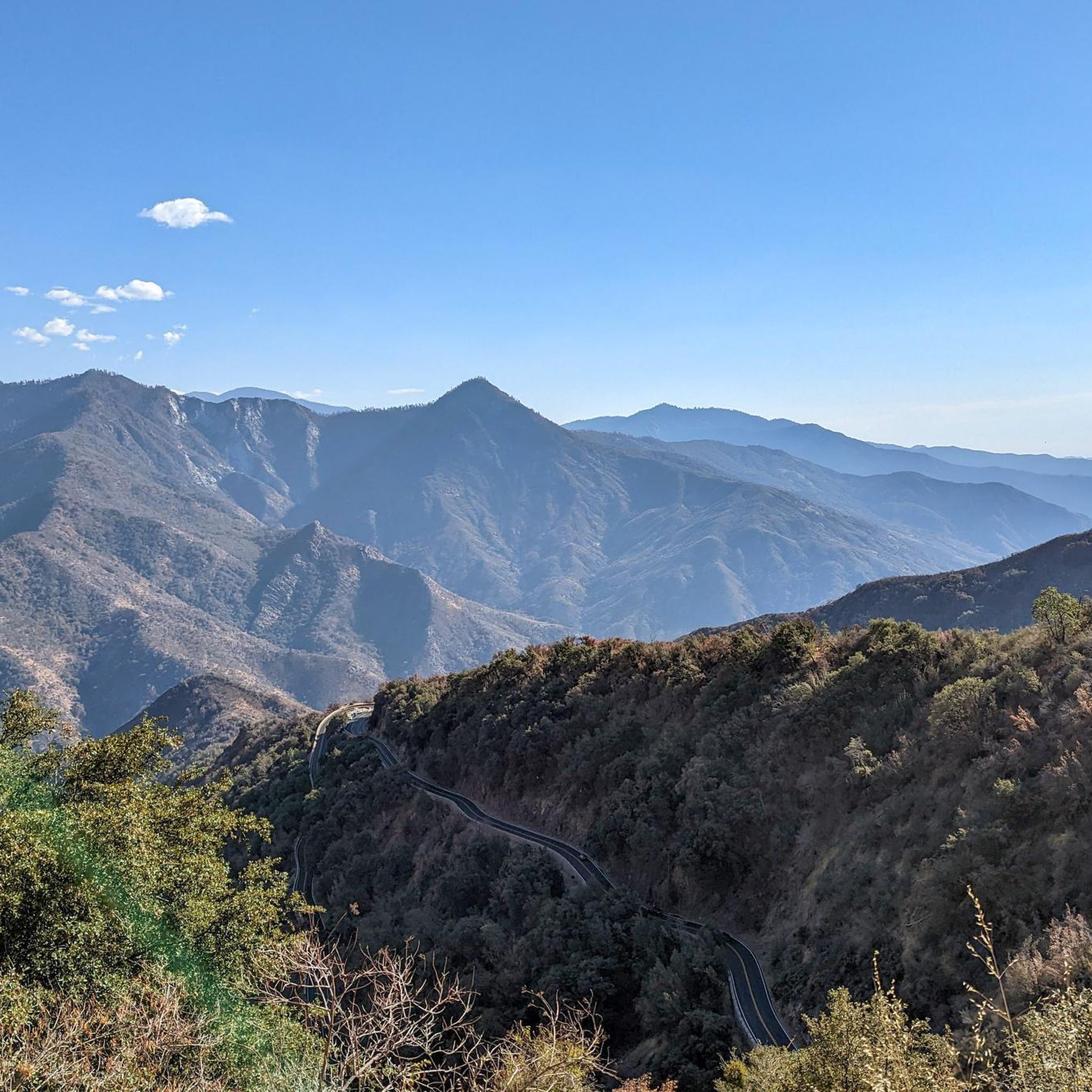
Cycling in Sequoia-Kings Canyon Wilderness
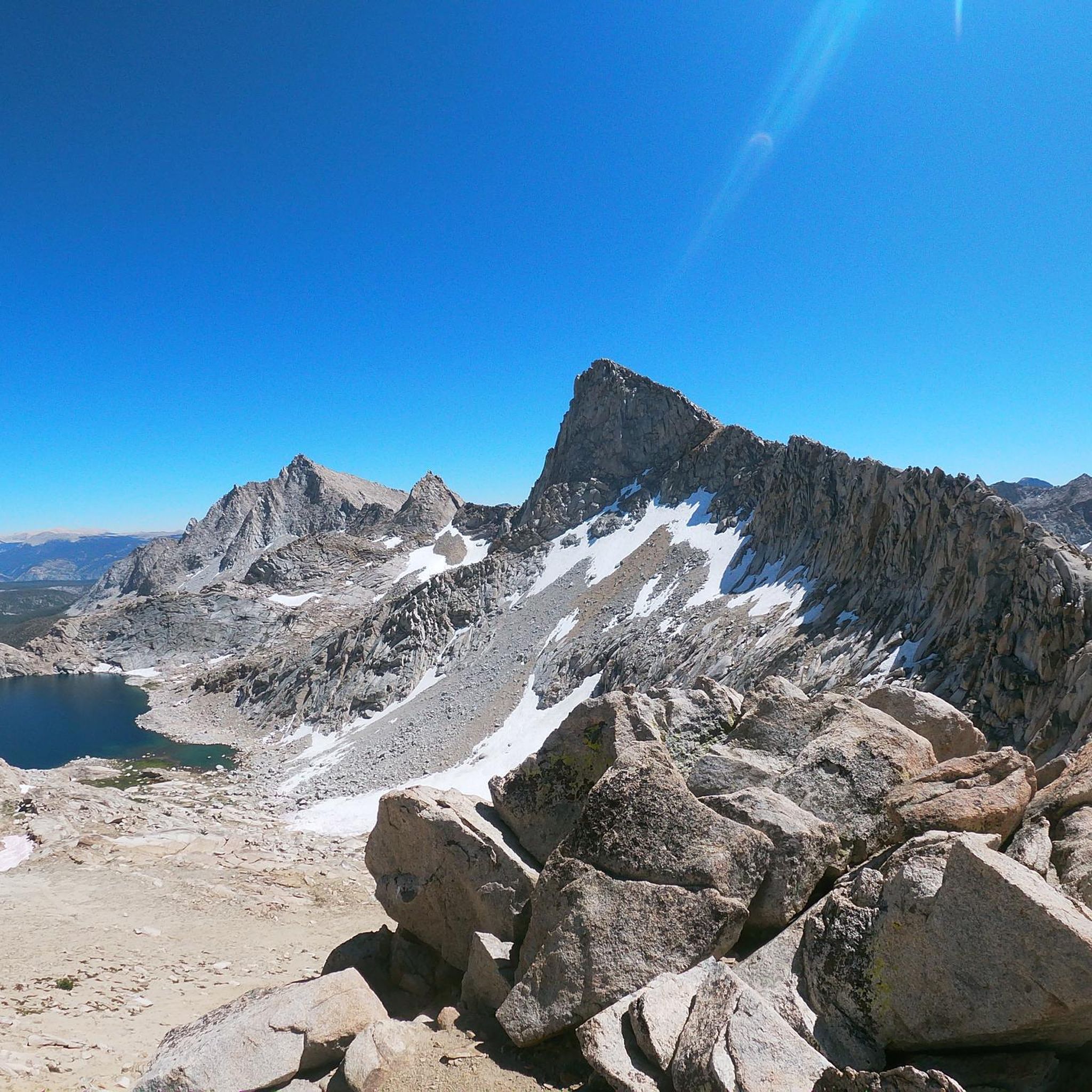
Running Trails in Sequoia-Kings Canyon Wilderness
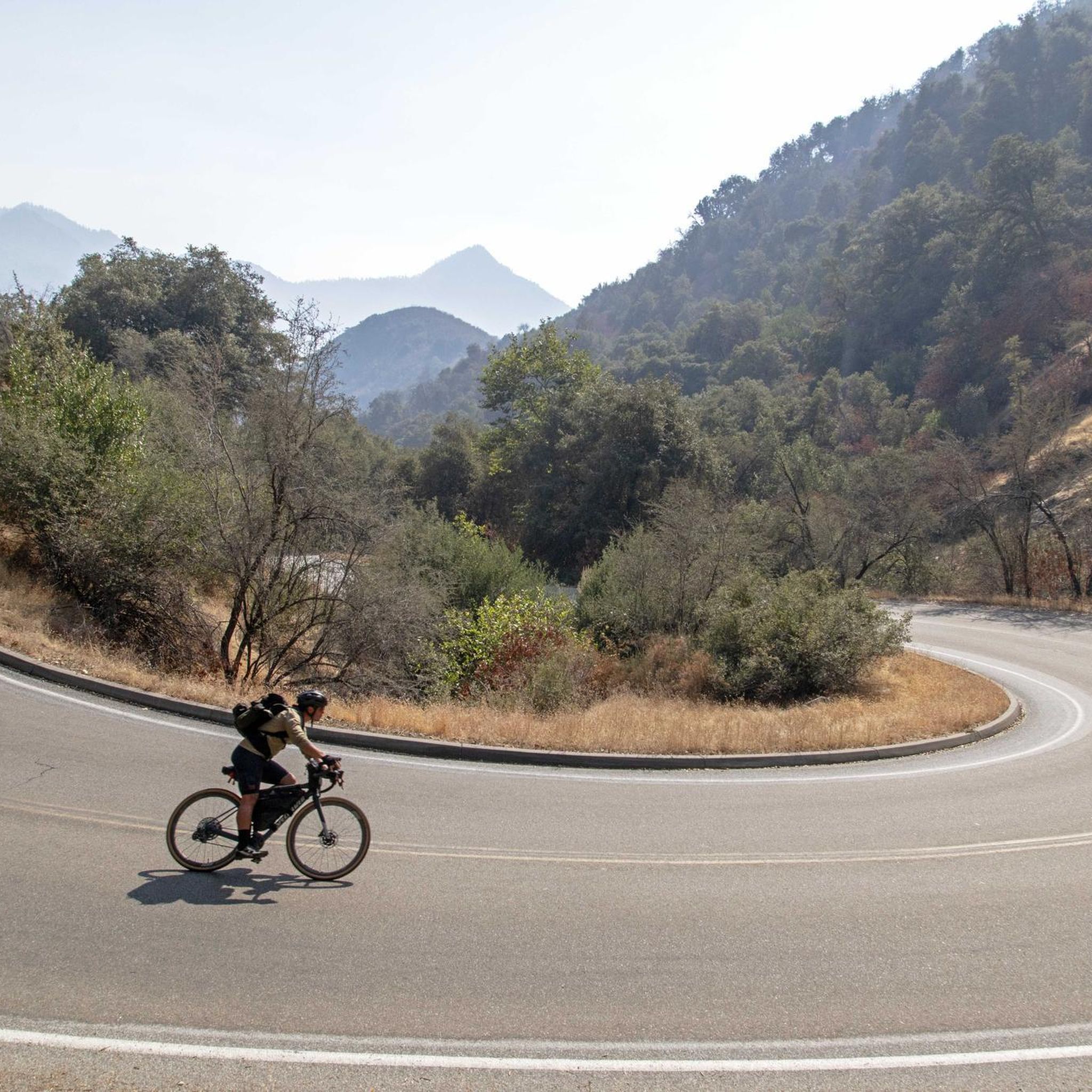
Road Cycling Routes in Sequoia-Kings Canyon Wilderness
Other adventures in Sequoia-Kings Canyon Wilderness


Tips from the Community

One of several tunnels created from giant sequoias. Passing through the trunk helps to give you some perspective on how massive these trees really are!
0
0

After about 350 steps, a magnificent view rewards the (manageable) effort :-)
0
0
One of the many tree tunnels that you can admire on a hike through the park.
0
0

Hikers can walk through a tunnel carved into the trunk of a fallen sequoia near the start of the Sherman Tree Trail, close to the restrooms on the west side of the trail. To avoid crowded trails, it's best to visit early or late in the day. Along the path, informative signs offer insights into the lives of these ancient trees, surrounded by towering sequoias.
1
0

Once you have climbed the 350 steps, you have a fantastic panoramic view of the Sierra Nevada and the surrounding valleys. If you don't want to walk the trail, you can take the free shuttle to Moro Rock and then "just" have to climb the steps.
1
0

The path to Tokopah Falls is a fairly easy run. The cascade is located in a beautiful canyon among pines and cliffs. There are several cascades along the trail, but Tokopah Falls is one of the most impressive.
0
0

The path is well paved, but not boring. No slopes or other difficulties for people who are afraid of heights. The path goes close to the river with plenty of places to splash around. The waterfall itself is beautiful and worth seeing, although not as impressive as other waterfalls in Zion or Yosemite.
0
1
Frequently Asked Questions
What are some notable natural features to explore in the Sequoia-Kings Canyon Wilderness?
The wilderness offers a diverse range of natural features. You can explore towering granite peaks like Mount Whitney, deep canyons such as Kings Canyon itself, and impressive waterfalls like Tokopah Falls. The area also features serene alpine lakes, lush meadows, and ancient, remote sequoia groves.
Are there challenging natural monuments for experienced hikers in the Sequoia-Kings Canyon Wilderness?
Yes, the Sequoia-Kings Canyon Wilderness is home to some of the most challenging natural monuments. The High Sierra Peaks, including Mount Whitney, the highest peak in the contiguous United States, offer rugged terrain and vast panoramic views. Reaching these summits often requires multi-day backpacking trips and significant preparation.
What are some family-friendly natural monuments or trails in the Sequoia-Kings Canyon Wilderness?
For families, the trail to Tokopah Falls is a pleasant and relatively easy hike, leading to an impressive cascade in a beautiful canyon. Additionally, areas like Crescent Meadow are known for their tranquil beauty, wildflowers, and wildlife viewing opportunities, offering a more relaxed experience.
When is the best time to visit the natural monuments in Sequoia-Kings Canyon Wilderness?
The best time to visit largely depends on what you want to see. Late spring and early summer (May to July) are ideal for witnessing powerful waterfalls like Tokopah Falls and Mist Falls, as snowmelt is highest. For high-altitude areas and challenging hikes, late summer to early fall (August to September) often provides more stable weather conditions.
What kind of wildlife can I expect to see near these natural monuments?
The wilderness is rich in wildlife. In high mountain meadows and lake basins like Middle Rae Lake, you might spot diverse wildlife, including bears. It's common to find bear boxes at campsites, such as those near Middle Rae Lake, to secure food and scented items from curious animals.
Are there any historical natural monuments in the Sequoia-Kings Canyon Wilderness?
Yes, the Smithsonian Institution Shelter, also known as the Mount Whitney Summit Shelter, is a notable historical site. Built in 1909, this granite shelter on Mount Whitney was constructed to protect hikers from storms and served as housing for scientists studying altitude.
Where can I find impressive waterfalls in the Sequoia-Kings Canyon Wilderness?
The wilderness boasts several impressive waterfalls. Tokopah Falls is a prominent 1,200-foot cascading waterfall accessible via a 3.4-mile roundtrip hike. Mist Falls, often requiring an 8-mile round trip hike deeper into Kings Canyon, and Roaring River Falls are other powerful examples, especially during peak snowmelt. You can find more information about Mist Falls on the NPS website.
Can I see giant sequoias in the wilderness areas of Sequoia-Kings Canyon?
While the most famous giant sequoia groves are in more accessible park areas, the wilderness protects significant, less-visited groves. Redwood Mountain Grove, adjacent to the Grant Grove area, is the largest unlogged sequoia grove globally and offers longer trails for a quieter, more intimate encounter with these majestic trees. For details on Grant Grove, visit the NPS site.
What are the best places for panoramic views in the Sequoia-Kings Canyon Wilderness?
For breathtaking panoramic views, climbing the 350 stairs to the summit of Moro Rock offers an incredible bird's-eye perspective of the Sierra mountain range and the winding General's Highway. Additionally, the high peaks, including Mount Whitney, provide unparalleled solitude and vast vistas of pristine wilderness.
What outdoor activities are available near the natural monuments in Sequoia-Kings Canyon Wilderness?
The area offers a wide range of outdoor activities. You can find numerous hiking opportunities, from easy trails like the Big Baldy Ridge Trail to more challenging multi-day treks. Cycling routes, such as Mineral Road to Mineral King Valley, and running trails, including the Congress Trail, are also popular. For more details on routes, explore the easy hikes, cycling, and running guides for the region.
Are permits required to visit certain natural monuments or areas in the Sequoia-Kings Canyon Wilderness?
Yes, permits are often required for overnight stays and for accessing certain high-demand areas. For example, if you plan to climb Mount Whitney, a permit is essential, and there is an annual lottery for access. Camping at designated sites like Lone Pine Lake or Trail Camp also requires a valid permit from the forest service.
What makes Kings Canyon a significant natural monument?
Kings Canyon is a significant natural monument due to its immense scale and dramatic geological features. It plunges to depths that rival or even exceed the Grand Canyon in some areas, with vertical relief of thousands of feet. The South Fork of the Kings River carves through massive granite cliffs, creating a powerful and intense wilderness experience that John Muir himself compared to Yosemite.
Are there any serene lakes or meadows worth visiting in the Sequoia-Kings Canyon Wilderness?
Absolutely. The wilderness areas contain numerous lush meadows and bright lake basins. Middle Rae Lake is a dreamlike alpine lake, offering beautiful scenery and excellent camping spots. Other notable serene locations include Zumwalt Meadow in Cedar Grove, known for its scenic beauty surrounded by granite cliffs, and Crescent Meadow, famous for its tranquility and wildflowers.
Most popular routes in Sequoia-Kings Canyon Wilderness
Most popular attractions in Sequoia-Kings Canyon Wilderness

Get inspired with the komoot mobile app


Explore more
Extend your search for the best caves by checking out these guides of the top ones in Sequoia-Kings Canyon Wilderness:
