Top 3 Natural Monuments around Port Townsend
Best natural monuments around Port Townsend offer diverse landscapes from coastal bluffs to forested trails. The region is characterized by its position on the Olympic Peninsula, providing views of the Salish Sea and the Olympic Mountains. These natural areas often blend historical significance with ecological features, reflecting the area's rich past and varied ecosystems. Visitors can explore a range of environments, from saltwater shorelines to old-growth forests.
Best natural monuments around Port Townsend
- The most popular natural monuments is Bluff…
Last updated: May 16, 2026
Fort Ebey State Park
Highlight • Historical Site
Tip by

Ebey's Landing National Historical Reserve
Highlight • Historical Site
Tip by

Sign up now to discover places like this
Get recommendations on the best single tracks, peaks, & plenty of other exciting outdoor places.
Sign up for free
Fort Townsend State Park
Highlight • Historical Site
Tip by

Bluff Trail, Ebey's Landing National Historical Reserve
Highlight • Trail
Tip by

Tamanowas Rock Sanctuary
Highlight • Natural Monument
Tip by

Start today with a free account
Your next adventure awaits.
Login or Signup
Popular around Port Townsend


Tips from the Community

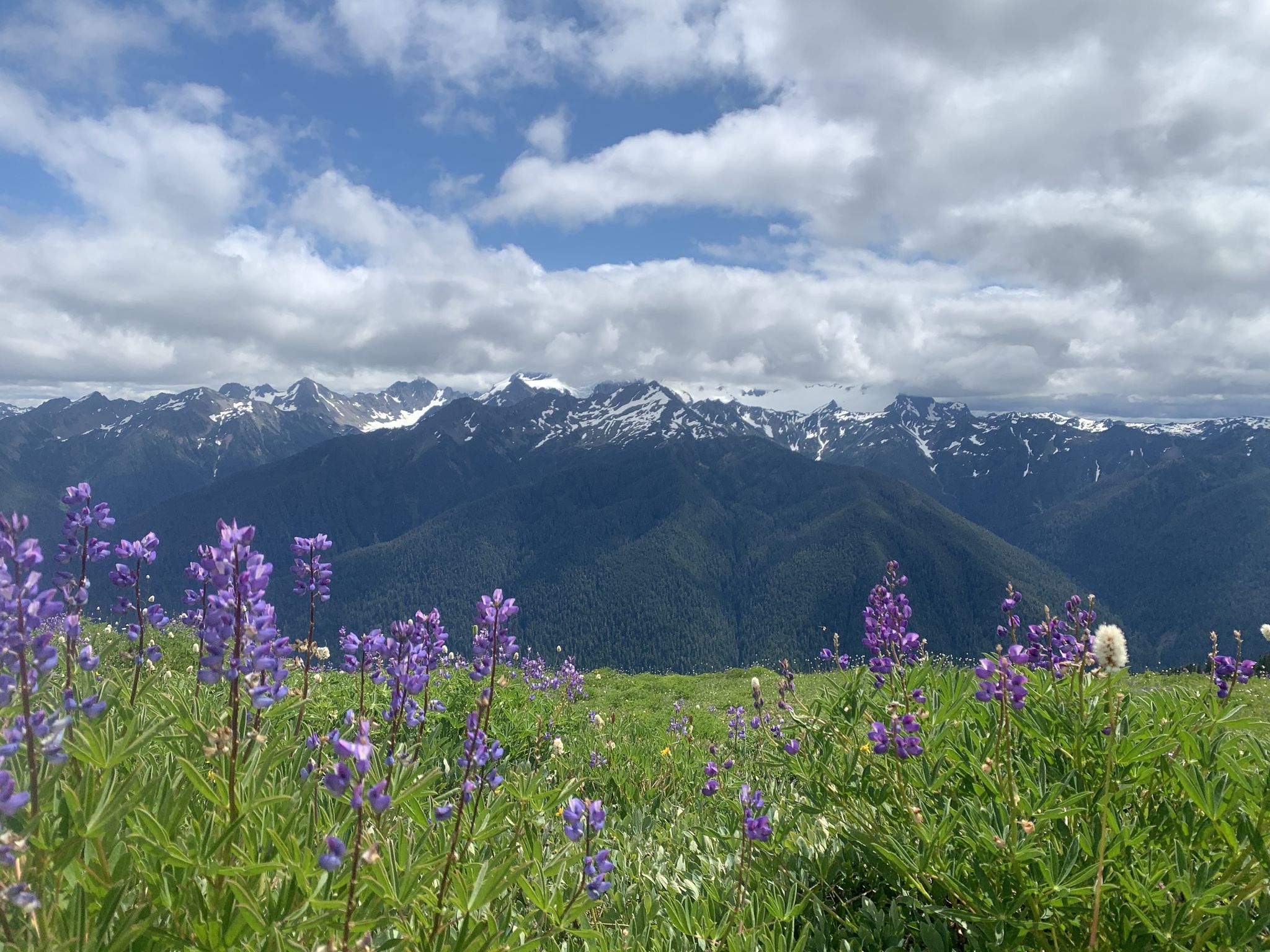
Ebey's Landing National Historical Reserve was established in 1978 as the nation's first historical reserve. Today, it spans over 17,500 acres of farms still under cultivation, as well as the 19th-century seaport town of Coupeville, Battery Worth, Fort Ebey, the Jacob and Sarah Ebey House, and the Ferry House. The views from the trails on the bluffs offer a glimpse of the Salish Sea and the Olympic Mountains.
0
0

Tamanowas Rock Sanctuary is a protected area featuring Tamanowas Rock, a 150-foot-high geological formation with caves and crevices, considered sacred by the Coast Salish peoples. The trail gets steeper and narrower as you get closer to the rock. The sanctuary is privately owned by the Jamestown S'Klallam Tribe, so visitors are welcome but should be mindful of its cultural importance. It’s also a great spot for fungi enthusiasts to explore.
1
0

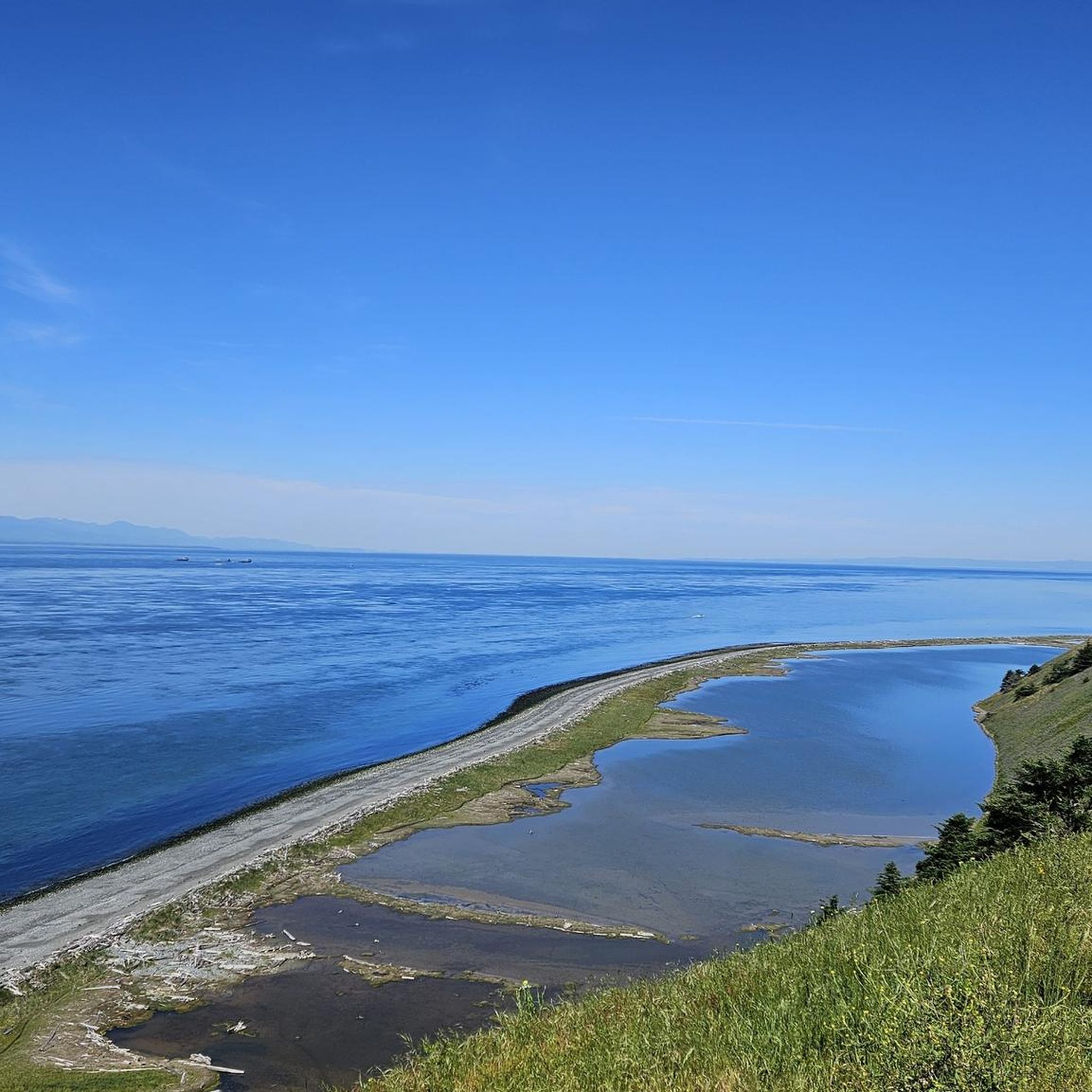
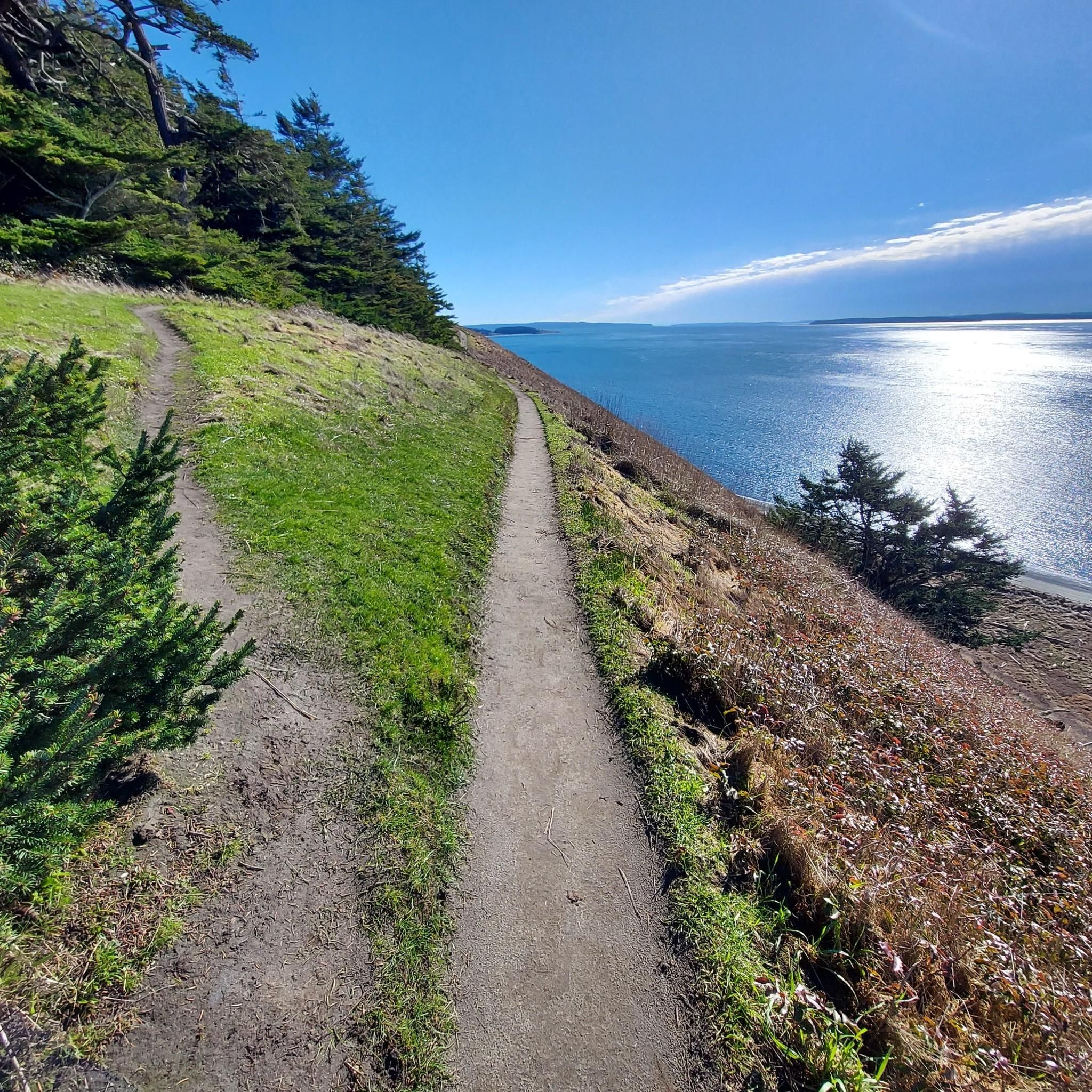
The Bluff Trail offers awe-inspiring vistas of the Strait of Juan de Fuca and the beach below. Ebey's Landing, a remarkable expanse perched above Puget Sound, calls for exploration—whether along the Bluff Trail, in the picturesque seaport town of Coupeville, amid working farms, or amidst the abundant wildlife in this intimate Whidbey Island national reserve.
0
0
On Whidbey Island's western shore, Fort Ebey State Park, formerly a military outpost, stretches along 3 miles (ca. 5 km) of saltwater shoreline, encompasses Lake Pondilla, and weaves 25 miles (ca. 40 km) of trails. A segment of the Pacific Northwest National Scenic Trail traverses this haven, offering opportunities for picnicking, camping, fishing, beachcombing, and even paragliding.
0
0
On Whidbey Island's western shore, Fort Ebey State Park, formerly a military outpost, stretches along 3 miles of saltwater shoreline, encompasses Lake Pondilla, and weaves 25 miles of trails. A segment of the Pacific Northwest National Scenic Trail traverses this haven, offering opportunities for picnicking, camping, fishing, beachcombing, and even paragliding.
0
0

This park was built in 1856 as an on-and-off U.S. Army site for a short time until a fire destroyed its barracks in 1895. Since then, it has returned to nature and is an excellent place for boating, crabbing, fishing and exploring the grounds. Six miles of trails run through the park amongst a lovely forest filled with Douglas-firs, cedars and western hemlock that rise above the understory of ferns. From the beach, there are beautiful views of the Port Townsend Bay. It is a quieter park than its northern neighbor, Fort Worden, and is an excellent spot for a run through the forest or along the sandy shoreline. Parking at this location does require a Discover Pass for vehicle access for day use.
0
0

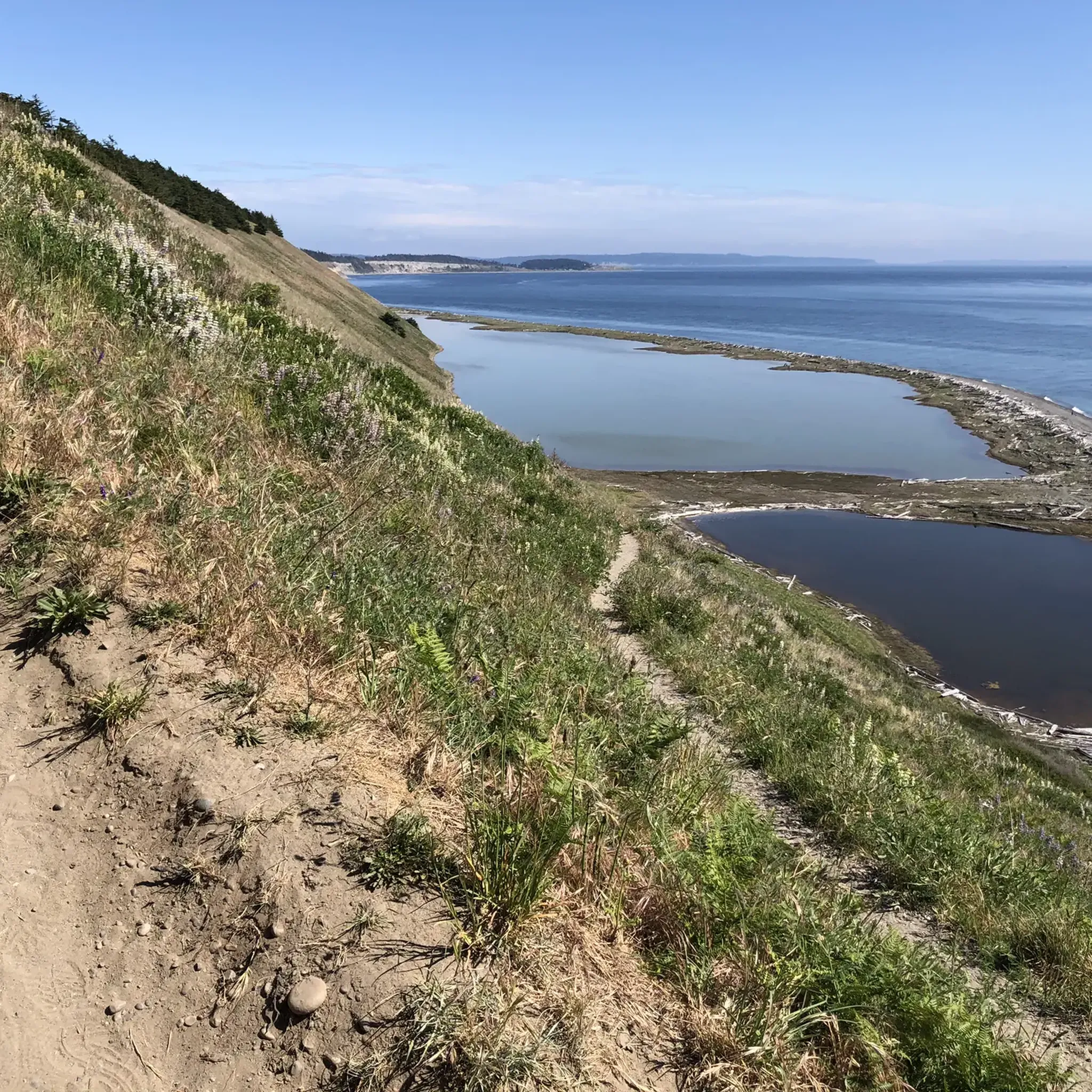
Beautiful ocean view. If you have pets or kids keep them close. the path is about 3 feet away from the side of a hill that drops very far down to the rocky beach.
0
0
Frequently Asked Questions
What are some of the most popular natural monuments to visit around Port Townsend?
The region offers a variety of natural monuments, each with unique features. Some highly regarded options include Fort Ebey State Park on Whidbey Island, known for its extensive shoreline and trails, and Ebey's Landing National Historical Reserve, which combines natural beauty with significant historical context. For a quieter experience, Fort Townsend State Park offers serene forests and bay views.
Are there family-friendly natural monuments in the Port Townsend area?
Yes, several natural monuments are great for families. Fort Ebey State Park is very family-friendly, offering picnicking, camping, fishing, and beachcombing along its 3 miles of saltwater shoreline. Fort Townsend State Park also provides a relaxed environment with easy trails through forests and along the beach, perfect for all ages.
What kind of natural features can I expect to see at these monuments?
You'll encounter diverse natural features. At Fort Ebey State Park, you can explore saltwater shoreline, Lake Pondilla, and wooded trails. Ebey's Landing National Historical Reserve offers stunning bluff views of the Salish Sea and Olympic Mountains, along with beaches. Fort Townsend State Park features old-growth Douglas-fir forests and views of Port Townsend Bay. Additionally, Tamanowas Rock Sanctuary showcases a unique 150-foot-high geological formation with caves and crevices.
Are there historical sites integrated with the natural monuments?
Absolutely. Many natural monuments in the area have significant historical elements. Fort Ebey State Park and Fort Townsend State Park were both former military outposts, offering a blend of natural beauty and historical exploration. Ebey's Landing National Historical Reserve is particularly notable as the nation's first historical reserve, preserving 19th-century towns, farms, and military batteries alongside its natural landscapes. Tamanowas Rock Sanctuary is also considered a historical site, sacred to the Coast Salish peoples.
What outdoor activities can I do near these natural monuments?
The area around Port Townsend's natural monuments is excellent for various outdoor activities. You can enjoy hiking, cycling, picnicking, camping, fishing, beachcombing, and even paragliding at places like Fort Ebey State Park. For more specific routes, you can find numerous options for hikes from bus stations or explore cycling routes around Port Townsend, including the popular Larry Scott Memorial Trail.
Are there hiking trails available at these natural monuments?
Yes, hiking is a primary activity at many of these sites. Fort Ebey State Park boasts 25 miles of trails, including a segment of the Pacific Northwest National Scenic Trail. Fort Townsend State Park offers over 6 miles of trails through old-growth forests. At Ebey's Landing National Historical Reserve, the Bluff Trail provides awe-inspiring vistas. For more hiking options, check out the city hikes around Port Townsend.
Do I need a special pass or permit to visit these natural monuments?
For some state parks, like Fort Townsend State Park, a Discover Pass is required for vehicle access for day use. It's always a good idea to check the specific requirements for each park or reserve before your visit to ensure you have the necessary passes.
What is the best time of year to visit the natural monuments around Port Townsend?
The natural monuments around Port Townsend can be enjoyed year-round, but each season offers a different experience. Spring and summer bring warmer weather, ideal for hiking, beachcombing, and water activities, with lush greenery and blooming wildflowers. Fall offers beautiful foliage and cooler temperatures, perfect for longer hikes. Winter can be serene, with fewer crowds and opportunities for wildlife viewing, though some facilities or trails might have limited access due to weather.
Are there any natural monuments that are less crowded or considered 'hidden gems'?
While popular sites like Fort Worden can draw crowds, Fort Worden State Park, Fort Townsend State Park is often described as a quieter alternative to its northern neighbor. It offers a more remote experience with enchanting forests and peaceful beach access. Tamanowas Rock Sanctuary, being privately owned and culturally significant, also offers a unique and often more tranquil experience for those seeking a deeper connection with nature and history.
Can I bring my dog to the natural monuments?
Many natural areas in Washington State Parks are dog-friendly, but leash rules and specific restrictions often apply. For example, dogs are generally welcome on trails and in campgrounds at state parks like Fort Ebey State Park and Fort Townsend State Park, provided they are on a leash. Always check the specific park's regulations before visiting to ensure a pleasant experience for both you and your pet.
What makes <a href="https://www.komoot.com/highlight/2317243" target="_blank" rel="noopener">Tamanowas Rock Sanctuary</a> unique?
Tamanowas Rock Sanctuary is unique for its 150-foot-high geological rock formation, featuring caves and crevices. It holds deep cultural significance as a sacred site for the Coast Salish peoples. The sanctuary is privately owned by the Jamestown S'Klallam Tribe, and visitors are asked to be mindful of its cultural importance while exploring its trails and natural beauty.
Most popular routes around Port Townsend
Most popular attractions around Port Townsend

Get inspired with the komoot mobile app


Explore more
Extend your search for the best caves by checking out these guides of the top ones around Port Townsend:
