Top 4 Natural Monuments around Folly Beach
Best natural monuments around Folly Beach showcase the region's diverse coastal landscape and ecological significance. Folly Beach, often called the "Edge of America," is characterized by its wide sandy beaches, intricate tidal creeks, and salt marshes. These natural features support a variety of wildlife and offer opportunities for exploration and observation. The area provides a blend of oceanfront and marshland environments.
Best natural monuments around Folly Beach
- The most popular natural monument is Marion Square, a natural monument that…
Last updated: April 30, 2026
Marion Square
Highlight • Natural Monument
Tip by

Charleston Light (Sullivan's Island Lighthouse)
Highlight • Monument
Tip by

Sign up now to discover places like this
Get recommendations on the best single tracks, peaks, & plenty of other exciting outdoor places.
Sign up for free
Fort Moultrie Cannons
Highlight • Historical Site
Tip by
Battery Thomson
Highlight • Historical Site
Tip by
Angel Oak Tree
Highlight • Natural Monument
Tip by

Sign up for free to discover even more natural monuments around Folly Beach.
Sign up for free
Already have an account?
Start today with a free account
Your next adventure awaits.
Login or Signup



Tips from the Community

A truly historic place worth visiting. This is where the Civil War began
0
0

The Angel Oak is a magnificent Southern live oak tree located in Angel Oak Park on Johns Island near Charleston, South Carolina. Estimated to be between 400 and 500 years old, the Angel Oak is one of the oldest living organisms in the United States. The tree stands at a height of around 65 feet and has a canopy that shades an area of approximately 17,000 square feet, making it an awe-inspiring sight to behold. The Angel Oak is not only notable for its age and size but also for its sprawling, twisting branches. Visitors from around the world come to visit at this natural wonder and is an amazing spot to check out if in the area!
0
0

Marion Square in Charleston is a historic park hosting farmers markets, events, and the annual Spoleto Festival. It features a grand statue of John C. Calhoun and vibrant, lush green spaces.
3
0
The Angel Oak is a magnificent Southern live oak tree located in Angel Oak Park on Johns Island near Charleston, South Carolina. Estimated to be between 400 and 500 years old, the Angel Oak is one of the oldest living organisms in the United States. The tree stands at a height of around 65 feet and has a canopy that shades an area of approximately 17,000 square feet, making it an awe-inspiring sight to behold. The Angel Oak is not only notable for its age and size but also for its sprawling, twisting branches. Visitors from around the world come to visit at this natural wonder and is an amazing spot to check out if in the area!
0
0
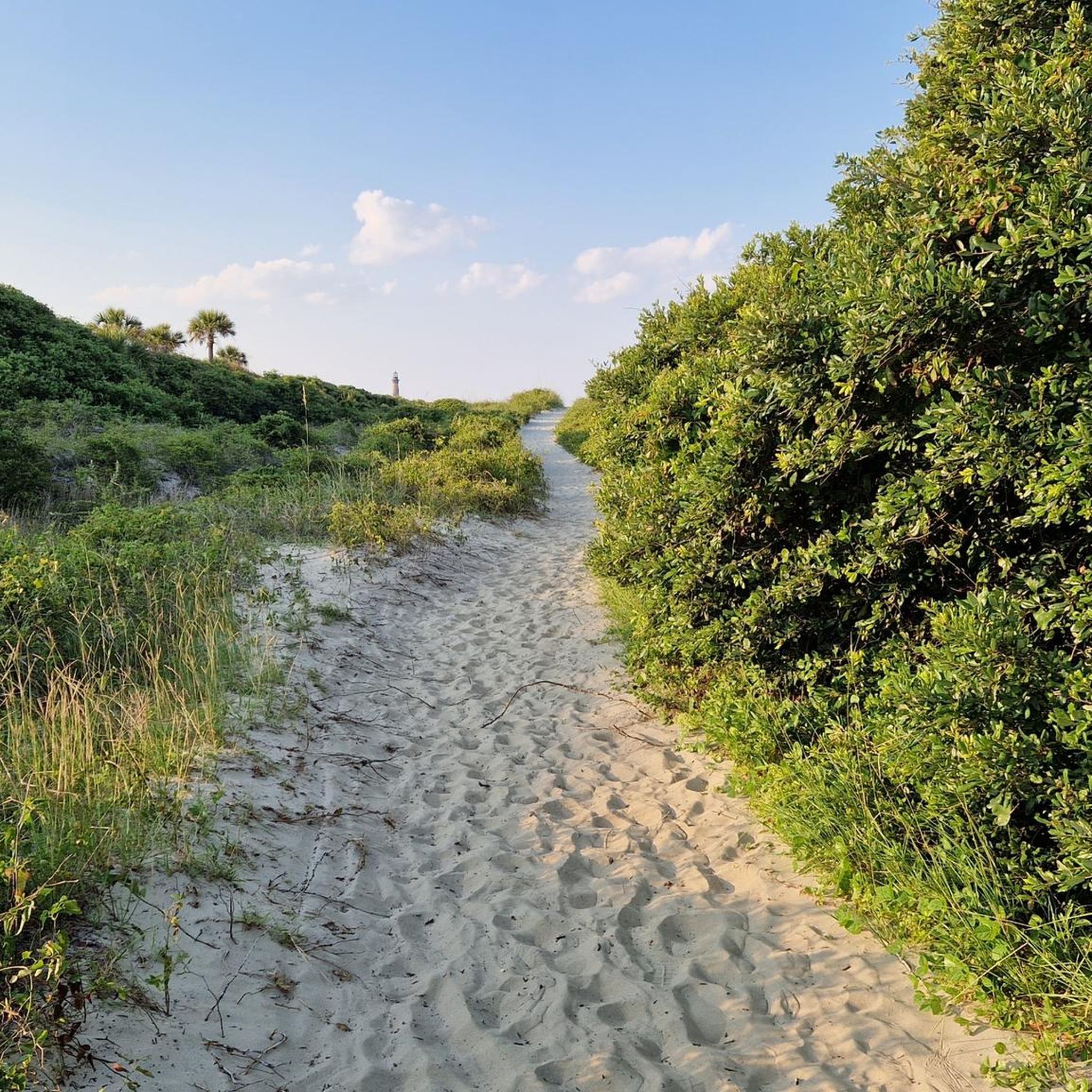
Charleston Light, also known as Sullivan's Island Lighthouse, is on Sullivan's Island, South Carolina, and marks the northern gateway to Charleston Harbor. Constructed in 1960, this 140-foot tall structure replaced the eroding Morris Island Light. Its triangular, steel frame can withstand winds of 125 mph. The unique lighthouse has been in operation since1962 and boasts an elevator and air conditioning. It is also the last federally-built onshore manned beacon. Despite its current role in the Coast Guard Historic District, structural issues prevent public access. Visitors can, however, explore the scenic surroundings and nearby public beach.
1
0

Battery Thomson Fort is an interesting historic artillery battery here on Sullivan's Island. It is one of three batteries stretching from Fort Moultrie to the eastern end of the Island. It is listed on the National Register of Historic Places.
0
0
The Fort Sumter and Fort Moultrie National Historical Park Visitor Center is a brilliant historical visit. Fort Moultrie comprises a series of citadels that were constructed with the purpose of protecting the city of Charleston. This famed and historical site offers a unique insight into the defensive strategies and architectural designs of the past.
0
0
Charleston Light, or otherwise known as Sullivan’s Island Lighthouse, has guided mariners into the harbor since 1962. It is a very distinctive lighthouse with an unusual design. It is part of the United States Coast Guard Historic District that includes historic buildings dating back to 1894. It is still a working lighthouse but it is surrounded by a fence. However, members of the public are more than welcome to walk around the perimeter as the lighthouse is a favorite photo opportunity location.
1
0
Frequently Asked Questions
What are the most prominent natural monuments to explore around Folly Beach?
Folly Beach and its surroundings offer a variety of significant natural monuments. Key areas include the iconic Morris Island Lighthouse, best viewed from the beach at the end of East Ashley Avenue or Lighthouse Inlet Heritage Preserve. You can also explore the serene Folly River County Park, the extensive Folly Beach County Park, and the ancient Angel Oak Tree on Johns Island.
Are there family-friendly natural attractions near Folly Beach?
Yes, several natural monuments around Folly Beach are great for families. Folly Beach County Park offers guarded swimming areas during summer, picnic tables, and restrooms. The Folly River County Park provides walking trails and observation decks perfect for birdwatching. The Angel Oak Tree is also a popular and awe-inspiring spot for all ages.
What kind of wildlife can I expect to see at Folly Beach's natural monuments?
The natural monuments around Folly Beach are rich in wildlife. At Folly River County Park and the tidal creeks, you can often spot dolphins feeding, along with various coastal birds like herons and egrets. Lighthouse Inlet Heritage Preserve is an Audubon Birding Hotspot, home to American Oystercatchers, Willets, and Least Terns, and a nesting site for endangered loggerhead sea turtles. Folly Beach County Park offers views of Bird Key, a significant shorebird rookery for brown pelicans, blackskimmers, and royal terns.
What are the best places for birdwatching around Folly Beach?
For avid and amateur birdwatchers, the Lighthouse Inlet Heritage Preserve is an excellent choice, recognized as an Audubon Birding Hotspot. Folly River County Park also features an observation deck ideal for spotting various coastal birds. Additionally, Folly Beach County Park provides views of Bird Key, a vital bird sanctuary.
Where can I go hiking or walking near the natural monuments of Folly Beach?
You can find several easy hiking and walking opportunities around Folly Beach. The Folly River County Park offers peaceful walking trails through marshlands. Folly Beach County Park has a 1.1-mile path with beach views. For more options, explore the hiking routes around Folly Beach, including the James Island County Green Loop and James Island County Park Orange Trail.
Are there any historical sites considered natural monuments in the area?
While many natural monuments are purely ecological, some sites blend natural beauty with historical significance. The Morris Island Lighthouse, though man-made, is considered a natural monument due to its dramatic setting amidst changing tides. You can also visit historical sites like Fort Moultrie Cannons and Battery Thomson on Sullivan's Island, which offer insights into the region's past defense strategies alongside scenic views.
What are the best ways to experience the tidal creeks and marshes around Folly Island?
The intricate network of tidal creeks and salt marshes is a unique natural experience. Paddling through these waterways via kayak or paddleboard is highly recommended. This allows you to explore the Lowcountry ecosystem up close, observe dolphins and various coastal birds, and enjoy breathtaking sunsets. Many local outfitters offer tours and rentals for these activities.
Is there good surfing at Folly Beach's natural areas?
Yes, 'The Washout,' a stretch of beach between 8th and 14th Streets East, is famous for its consistent waves and vibrant surf culture. Its natural formation provides ideal conditions for surfing, attracting surfers of all skill levels.
What is the best time to visit Folly Beach's natural monuments?
Folly Beach's natural monuments can be enjoyed year-round. Spring and fall offer pleasant temperatures for outdoor activities like hiking and birdwatching. Summer is ideal for beach activities and swimming, though it can be warmer. Winter provides a quieter experience, often with good opportunities for wildlife viewing without the crowds.
Are there any natural monuments accessible for visitors with limited mobility?
Folly Beach County Park offers amenities like restrooms and guarded swimming areas, making parts of it more accessible. While specific accessibility details vary, many of the wider, hard-packed sandy beaches at low tide can be navigated. It's always advisable to check specific park facilities or contact them directly for detailed accessibility information.
Can I bring my dog to the natural monuments around Folly Beach?
Many natural areas around Folly Beach are dog-friendly, but leash laws and specific restrictions apply. For example, dogs are generally allowed on Folly Beach itself, but often with time restrictions during peak seasons (e.g., not allowed on the beach from 10 AM to 6 PM from May 1 to September 30). Always check local regulations for each specific park or preserve you plan to visit to ensure a pleasant experience for everyone.
What are some unique natural features to look out for at Folly Beach?
Beyond the wide sandy beaches, look for the intricate tidal creeks and salt marshes that define the Lowcountry ecosystem. The dramatic setting of the Morris Island Lighthouse, standing amidst changing tides, is a unique sight. Also, keep an eye out for the rare strand feeding behavior of Atlantic bottlenose dolphins in the Folly River and surrounding waters.
Most popular routes around Folly Beach
Most popular attractions around Folly Beach

Get inspired with the komoot mobile app


Explore more
Extend your search for the best caves by checking out these guides of the top ones around Folly Beach:
