Top 11 Natural Monuments around Cannon Beach
Best natural monuments around Cannon Beach include dramatic coastal formations and diverse ecosystems. The region is characterized by basalt sea stacks, tide pools, and historical coastal features. These geological wonders offer opportunities for observing marine life and seabirds. The area provides a blend of natural beauty and historical significance for visitors.
Best natural monuments around Cannon Beach
- The most popular natural monuments is Haystack Rock, a natural monument that reaches a height of 235 feet. At low tide, its…
Last updated: October 1, 2026
Haystack Rock
Highlight • Natural Monument
Tip by

Crescent Beach
Highlight • Beach
Tip by
Sign up now to discover places like this
Get recommendations on the best single tracks, peaks, & plenty of other exciting outdoor places.
Cannon Beach
Highlight • Beach
Tip by
Klootchy Creek Park
Highlight • Natural Monument
Tip by
Hug Point Waterfall
Highlight • Waterfall
Tip by

Sign up for free to discover even more natural monuments around Cannon Beach.
Already have an account?
Start today with a free account
Your next adventure awaits.
Tips from the Community

I would have a look at the tide tables before planning a visit. There is a tidal pool where you can see fascinating marine life. Please don’t walk on any rocks anywhere here, it’s somebody’s home.
0
0

Klootchy Creek Park is known for its famous centerpiece, the Klootchy Creek Giant Sitka Spruce, one of the state's largest and oldest living things. It was the first honoree in the Oregon Heritage Tree program. A windstorm caused the tree to fall in 2007, although the two fallen sections remain and still attract visitors to the park. Klootchy Creek Park is the gateway to the new mountain bike trail system, with several miles of exciting riding, with more in the planning stages in the future. It's a fantastic addition for some awesome riding on great dirt! **Use of the trails requires a free recreational permit from GreenWood Resources. Here is the link, including closure notices: https://nncpermits.com/
0
0
Cannon Beach has earned recognition as the best overall beach in Oregon, and for good reason. This four-mile-long beach boasts breathtaking coastline views and is crowned by the iconic Haystack Rock. This picturesque spot attracts more than 750,000 visitors each year.
0
0
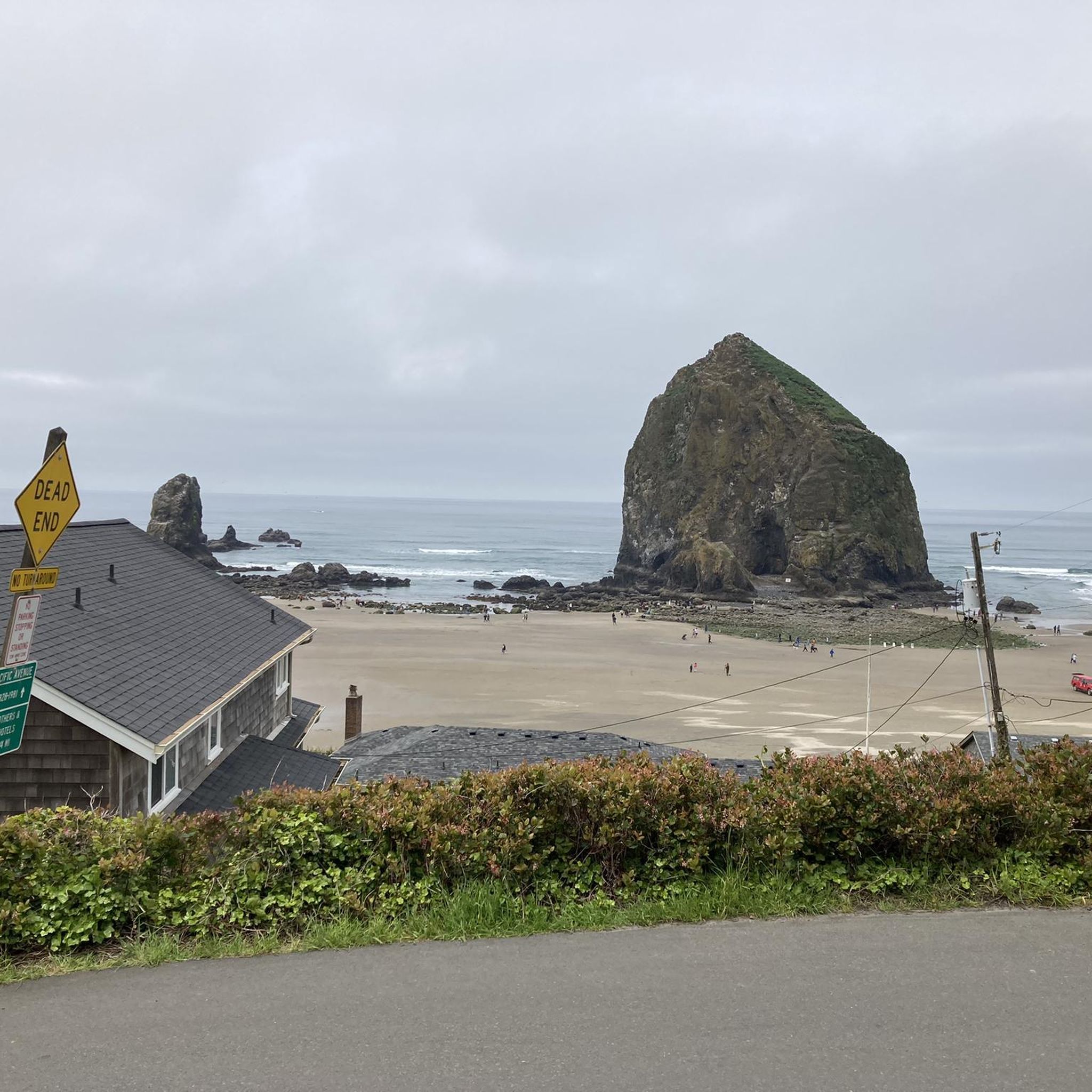
Haystack Rock is a basalt sea stack that reaches a height of 235 feet (71.63m). From April to September, bring binoculars to view the puffins flying in and out of the crevices as they nest for the season. Other sea birds that can be viewed during spring include murres and cormorants. During low tide, you can explore the tide pools full of sea stars, anemones, colorful nudibranchs and sea slugs at the base of the rock. Avoid going beyond the signs disallowing passage, as Haystack is part of the Oregon Islands National Wildlife Refuge.
1
0
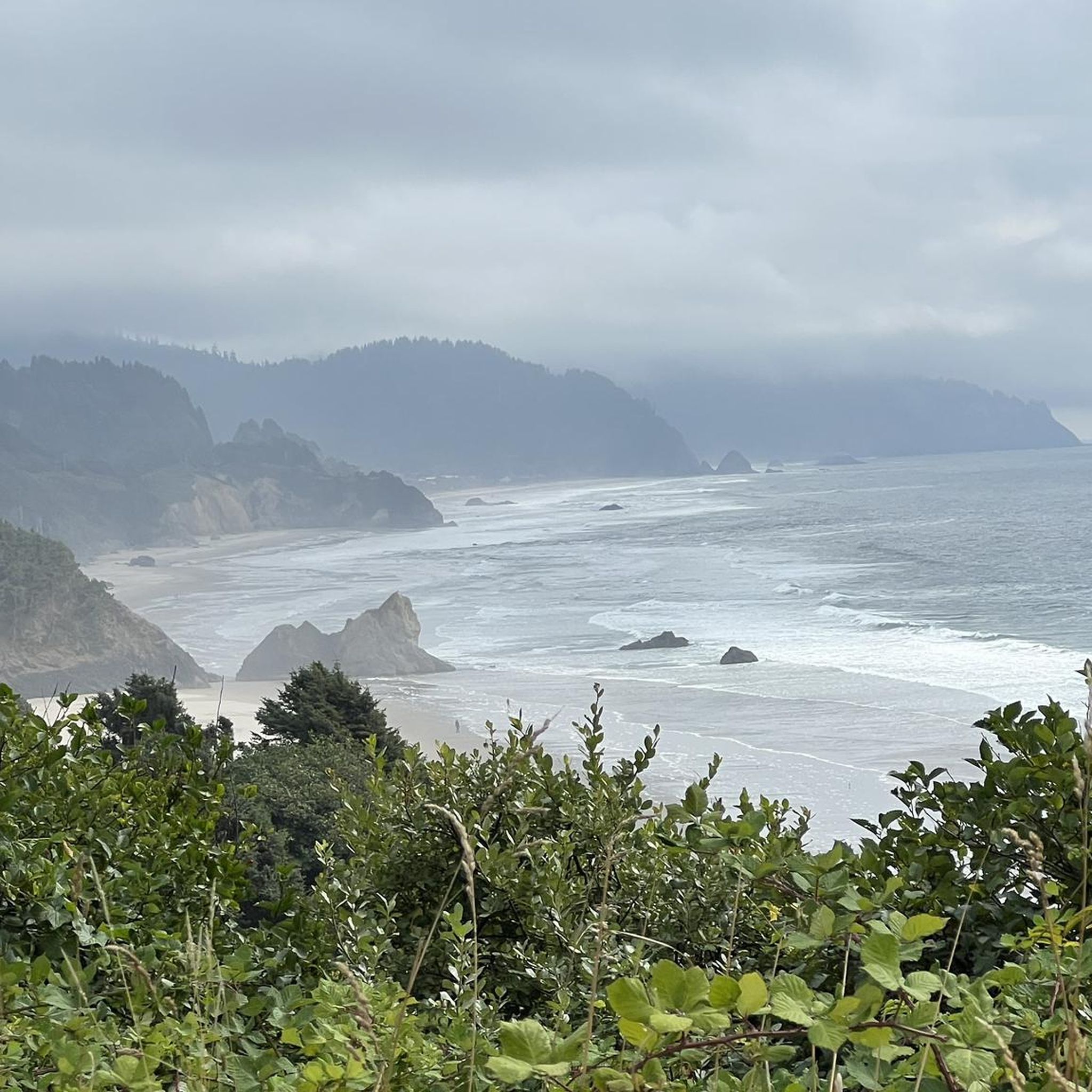
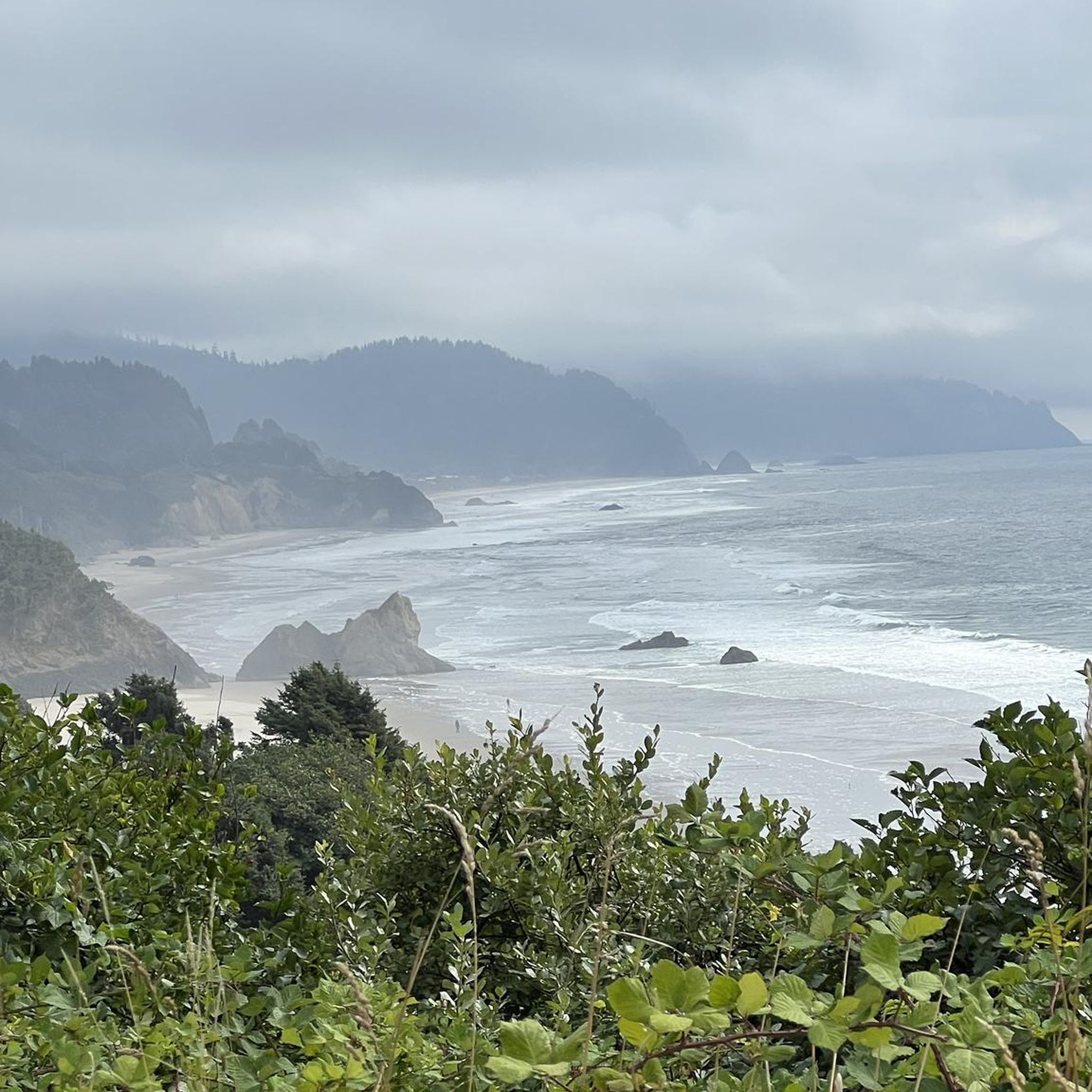
This beautiful secluded beach sees fewer visitors than other beaches in the area. Exploring the beach and viewing the impressive, majestic rocks up close is a fantastic experience. At the north end of the beach, there is a lovely waterfall. Continue past the waterfall and discover the hidden sea caves near Ecola Point. Along with the caves, there are two tunnels, which are tall enough to walk through and explore. Choose your passage's time carefully to ensure it is low tide.
0
0


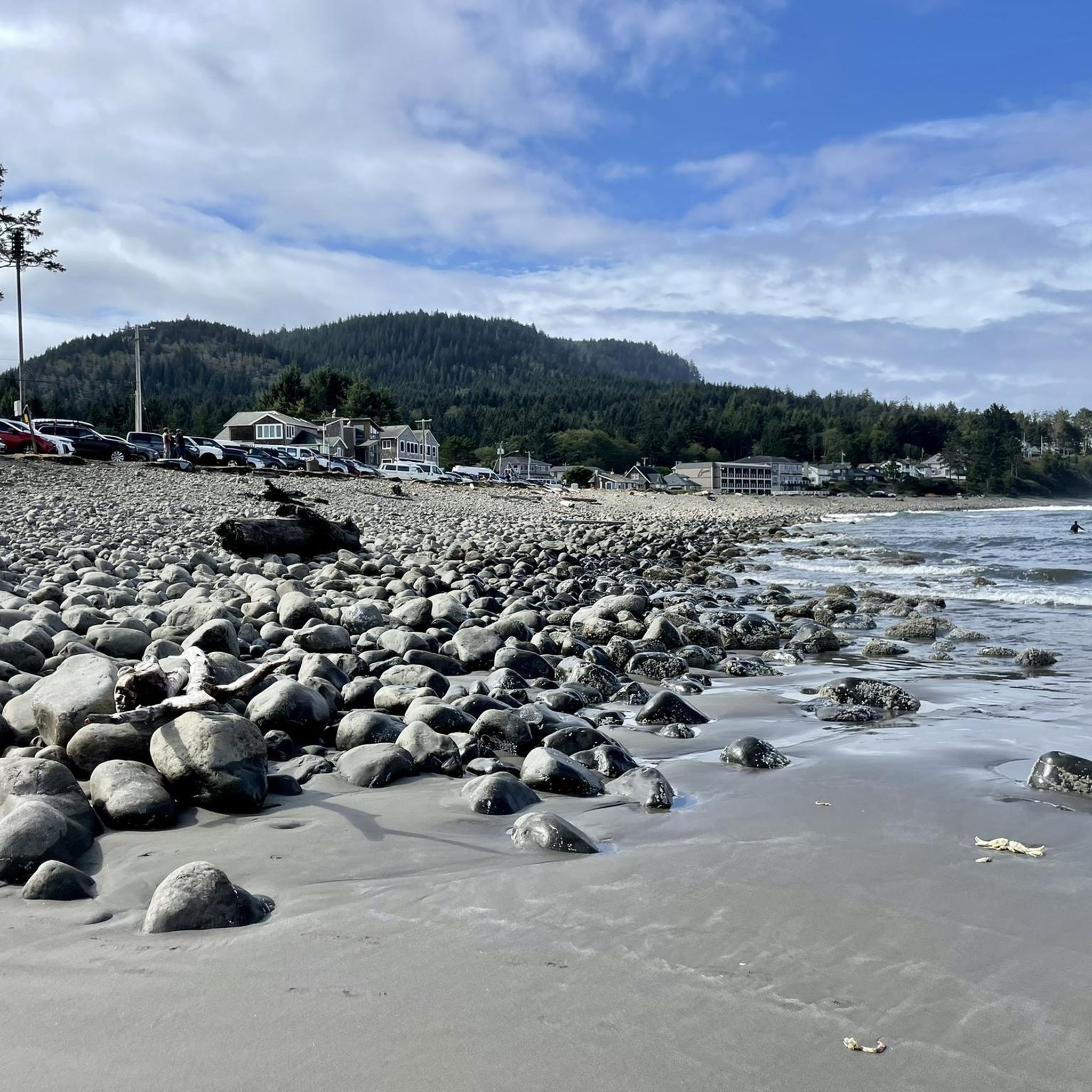
Before the highway was built, the beach was the only way to travel along this stretch of coast. The original stagecoach road still has wheel ruts carved into the rock around the point. You can get around the point only at low tide and you'll probably have to do some wading too. This location is named because you have to hug the cliff to get past it. It's easy to get stranded at mid to high tide. Be aware of the tides.
0
0
Frequently Asked Questions
What kind of wildlife can I observe at the natural monuments around Cannon Beach?
The natural monuments in Cannon Beach offer diverse wildlife viewing opportunities. At Haystack Rock, you can spot various seabirds like Tufted Puffins (from early spring to mid-summer), pigeon guillemots, common murres, and black oystercatchers. Its tide pools teem with intertidal animals such as sea stars, anemones, crabs, and nudibranchs. The Tillamook Rock Lighthouse, visible from shore, is now a refuge for thousands of sea lions, seals, and seabirds.
Are there tide pools to explore near Cannon Beach's natural monuments?
Yes, tide pools are a prominent feature of the natural monuments here. Haystack Rock is famous for its vibrant tide pools, designated as one of Oregon's seven Marine Gardens, where you can find sea stars, anemones, and other marine life at low tide. Hug Point also offers diverse intertidal marine life in its tide pools, accessible during low tide.
What unique geological features can I find among Cannon Beach's natural monuments?
The region is characterized by dramatic basalt sea stacks, formed from ancient lava flows. Haystack Rock is the most iconic example, rising 235 feet from the shore. Just south, The Needles are a group of smaller, rocky spires with the same basaltic origin. Hug Point features sea caves carved into sandstone cliffs, and Crescent Beach is known for its impressive rock formations and tunnels that can be explored at low tide.
Are there any natural monuments with historical significance near Cannon Beach?
Yes, Hug Point offers a blend of natural beauty and history. At low tide, you can see remnants of an old stagecoach road with visible wheel ruts, telling the story of early travelers who had to 'hug' the point to get around it. The Tillamook Rock Lighthouse, though not directly accessible, is a historic landmark built in 1881 on an isolated sea stack and is listed on the National Register of Historic Places.
Which natural monuments are suitable for families with children?
Several natural monuments are family-friendly. Haystack Rock is excellent for families, especially at low tide when children can explore the tide pools and observe seabirds. Indian Beach and Crescent Beach are also great for beachcombing and exploring. Klootchy Creek Park, with its forest setting, offers a different kind of family experience.
What is the best time of year to visit Cannon Beach's natural monuments?
While beautiful year-round, spring and summer (February to October) are particularly good for wildlife viewing, especially for seeing Tufted Puffins nesting at Haystack Rock. Low tide is crucial for exploring tide pools at Haystack Rock and Hug Point, and for accessing sea caves and waterfalls at Hug Point and Crescent Beach. Always check tide charts before your visit.
Are there any natural monuments that are dog-friendly?
Yes, several natural monuments and beaches in the area welcome dogs. Indian Beach and Crescent Beach are noted as dog-friendly. Always ensure your dog is on a leash and that you clean up after them to protect the delicate coastal environment and wildlife.
What outdoor activities can I do near these natural monuments?
The area around Cannon Beach offers various outdoor activities. You can explore tide pools, go beachcombing, or birdwatching at Haystack Rock and Hug Point. For cycling, there are routes like the Oregon Coast Trail and the Oregon Coast Scenic Bikeway. Runners can enjoy trails such as the Oregon Coast Trail: Cannon Beach Loop or the Indian Beach Trail run. You can find more details on these activities in the cycling, road cycling, and running guides for Cannon Beach.
Are there hiking trails near these natural monuments?
Yes, there are several hiking and running trails that allow you to experience the natural beauty of the area. For example, you can find routes like the Oregon Coast Trail: Cannon Beach Loop or the Indian Beach Trail run. These trails offer opportunities to explore the coastal landscape and get closer to the natural monuments. More information on these routes can be found in the running guide for Cannon Beach.
What do visitors enjoy most about the natural monuments in Cannon Beach?
Visitors frequently highlight the dramatic coastal scenery, the opportunity for wildlife viewing (especially the puffins at Haystack Rock), and the unique experience of exploring tide pools. The blend of natural beauty with historical elements, such as the old stagecoach road at Hug Point, also captivates many. The secluded feel of places like Crescent Beach and the chance to discover sea caves and waterfalls are also highly appreciated.
Is there a natural monument known for mountain biking trails?
Yes, Klootchy Creek Park is known for its mountain biking trails. It serves as the gateway to a new mountain bike trail system with several miles of riding. Please note that use of these trails requires a free recreational permit from GreenWood Resources, which can be obtained via their website.
Most popular routes around Cannon Beach
Most popular attractions around Cannon Beach

Get inspired with the komoot mobile app


Explore more
Extend your search for the best caves by checking out these guides of the top ones around Cannon Beach:
