Top 8 Natural Monuments around Lake Oswego
Best natural monuments around Lake Oswego offer diverse outdoor experiences, from tranquil forested trails to scenic viewpoints. The region features a landscape shaped by its proximity to the Willamette River and volcanic buttes, providing varied environments for exploration. These natural areas support local wildlife and offer opportunities for hiking and connecting with nature.
Best natural monuments around Lake Oswego
- The most popular natural monuments is Hoyt Arboretum, a forest that features over 2,000 species of trees and shrubs. This…
Last updated: October 1, 2026
Clackamas River
Highlight • River
Tip by

Hoyt Arboretum
Highlight • Forest
Tip by

Sign up now to discover places like this
Get recommendations on the best single tracks, peaks, & plenty of other exciting outdoor places.
Council Crest
Highlight • Viewpoint
Tip by

Portland Heritage Tree #134
Highlight • Natural Monument
Tip by

Tualatin River National Wildlife Refuge
Highlight • Natural
Tip by

Sign up for free to discover even more natural monuments around Lake Oswego.
Already have an account?
Start today with a free account
Your next adventure awaits.

Tips from the Community

Home to 2,000+ species of trees and shrubs, this park features several trails through fantastic tree groves and beautiful gardens. It's an ideal place for a short or extended run, especially in the fall when the leaves are changing.
0
0

The Clackamas River gets its name from the Clackamas people who have lived in the area for hundreds of generations. Though much of the river's course has been developed 47 of its 83 miles are designated as NWSRS (National Wild and Scenic River System)
0
0

Great diversion spot just off the road that that takes you to some closer views of the river along the Cross Park Trail.
0
0

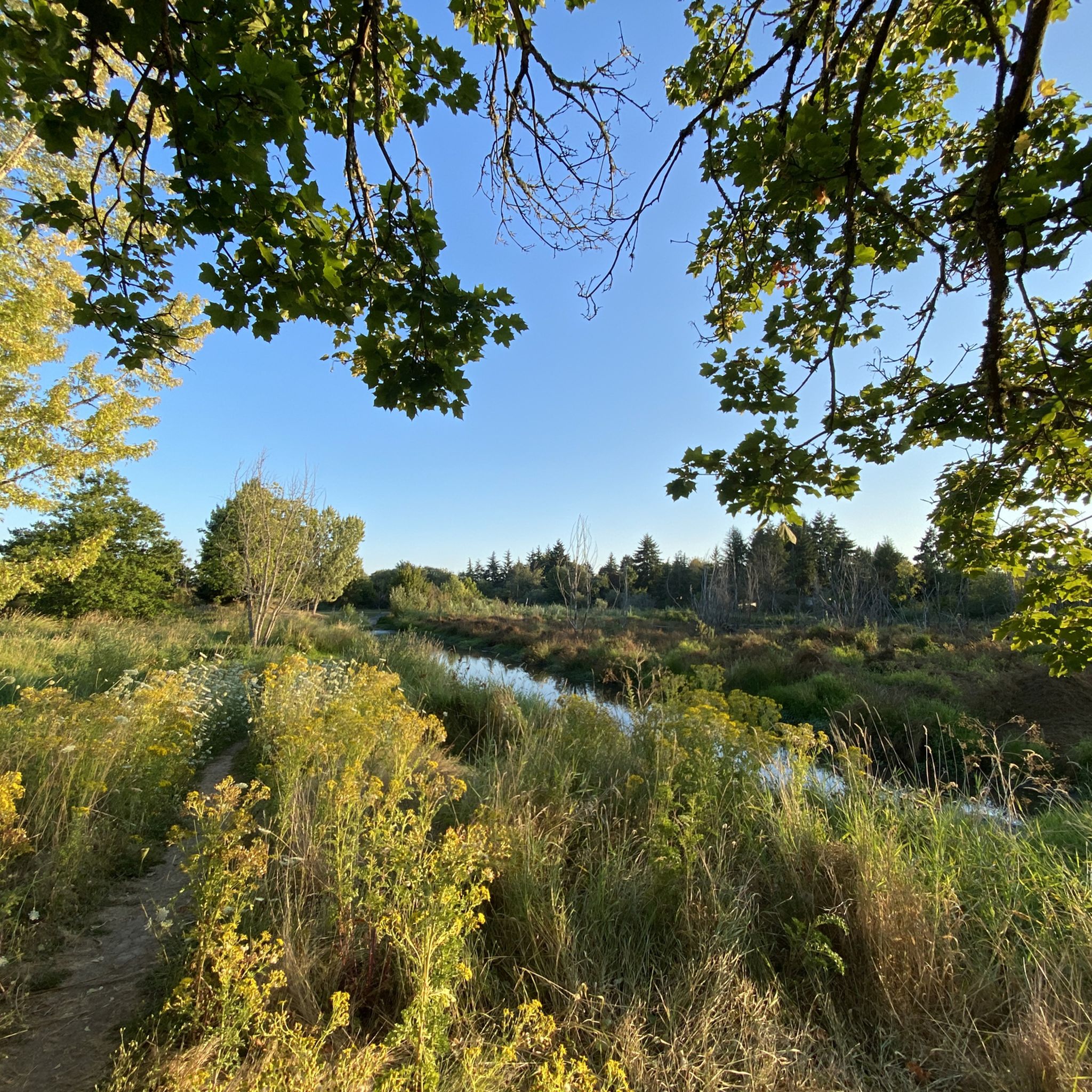
This beautiful wildlife refuge is located on the outskirts of Portland. The Tualatin Refuge is one of only a handful of urban national wildlife refuges in the entire USA. It is situated within the floodplain of the Tualatin River where there is an abundance of incredible varied wildlife in the watershed. It would be prudent to call for trail updates before coming to visit after wet weather spells. When visiting, please stay on the trail and no collecting of animals or plants.
0
0

The Clackamas River, spanning about 83 miles, weaves through untamed forests and rugged mountains in its upper reaches, later gracing agricultural and urban landscapes. This river's old-growth woodlands, diverse bird havens, thriving fish populations, and opportunities for recreation, including fishing and exciting whitewater rafting, have earned over half of its length a cherished spot in the National Wild and Scenic Rivers System.
0
0
Council Crest, once known as Talbot's Mountain, stands among Portland's highest points. This 43.51-acre haven, managed by Portland Parks & Recreation, offers a wealth of amenities, including scenic paths, art, and a historic past as a former amusement park from 1907 to 1929. It beckons visitors from 5 a.m. to midnight year-round.
0
0
This amazing native Douglas-fir is the largest in Portland. The tree is estimated to be between 300 and 450 years old, is more than 242 feet tall, and has a girth of 18.3 feet.
0
0

Frequently Asked Questions
What are some of the most popular natural monuments to visit around Lake Oswego?
Lake Oswego offers a variety of natural monuments. Among the most appreciated are Hoyt Arboretum, known for its over 2,000 species of trees and shrubs, and the Clackamas River, a significant waterway with 47 miles designated as part of the National Wild and Scenic River System. Visitors also enjoy Council Crest, which offers panoramic views from one of Portland's highest points.
Are there family-friendly natural areas in Lake Oswego?
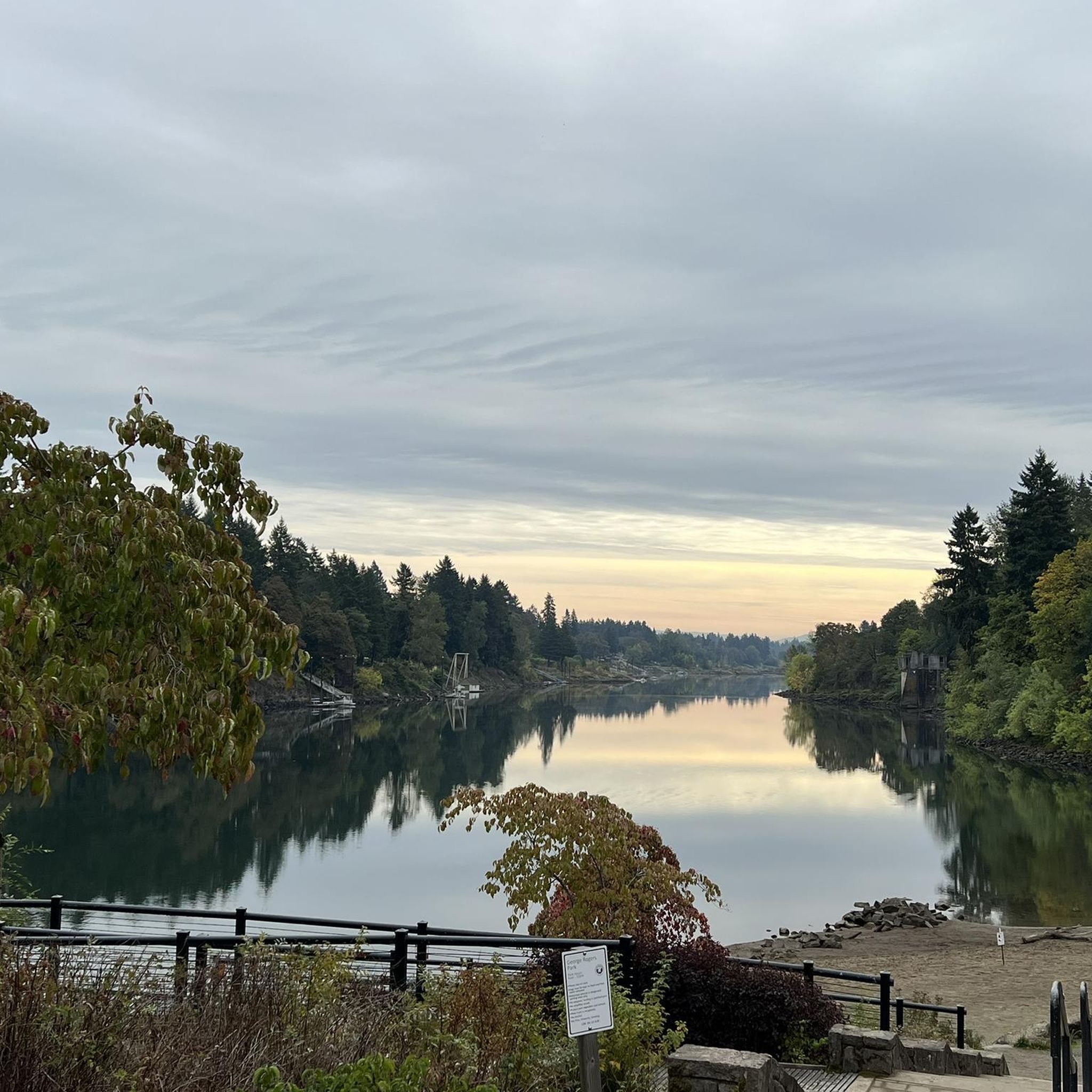
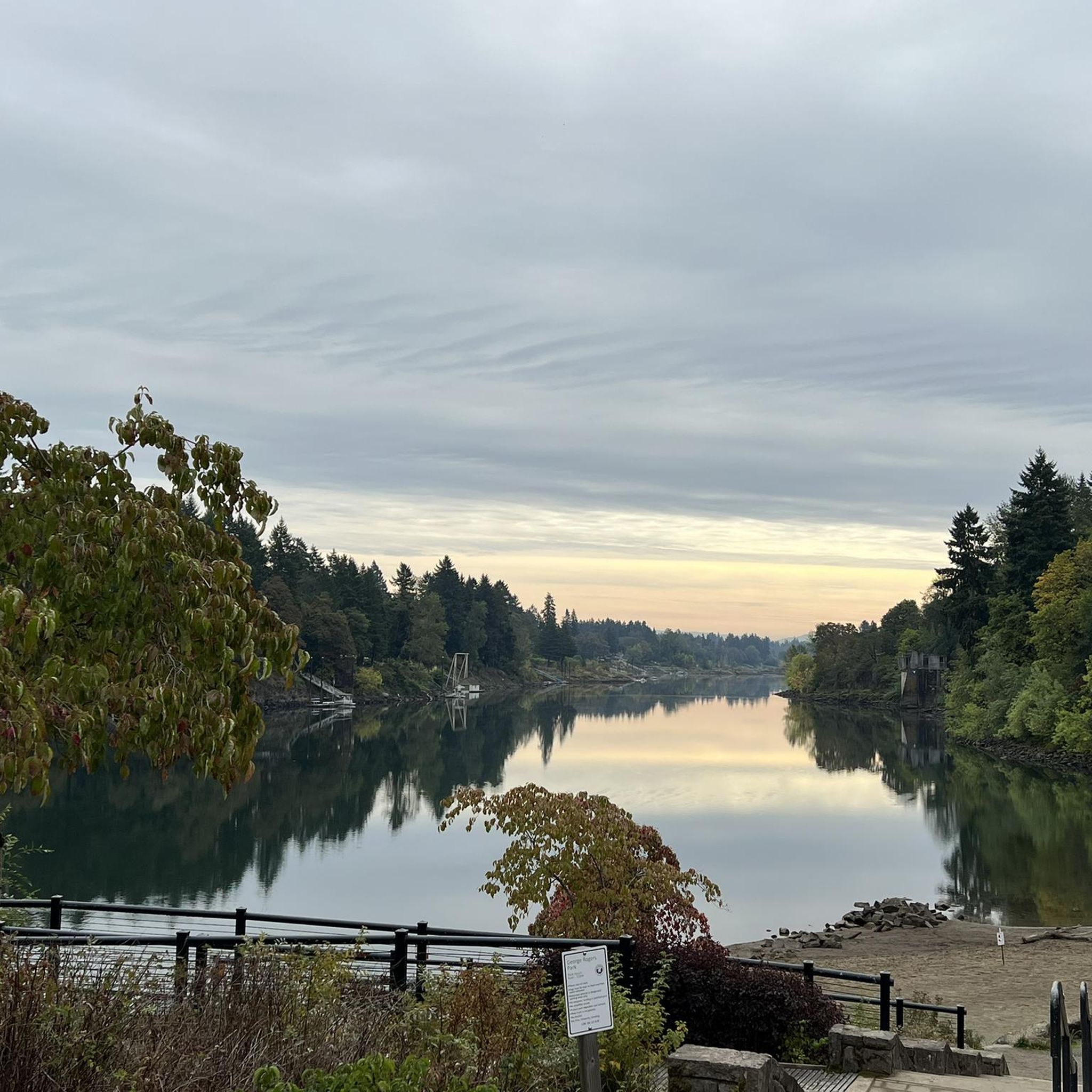
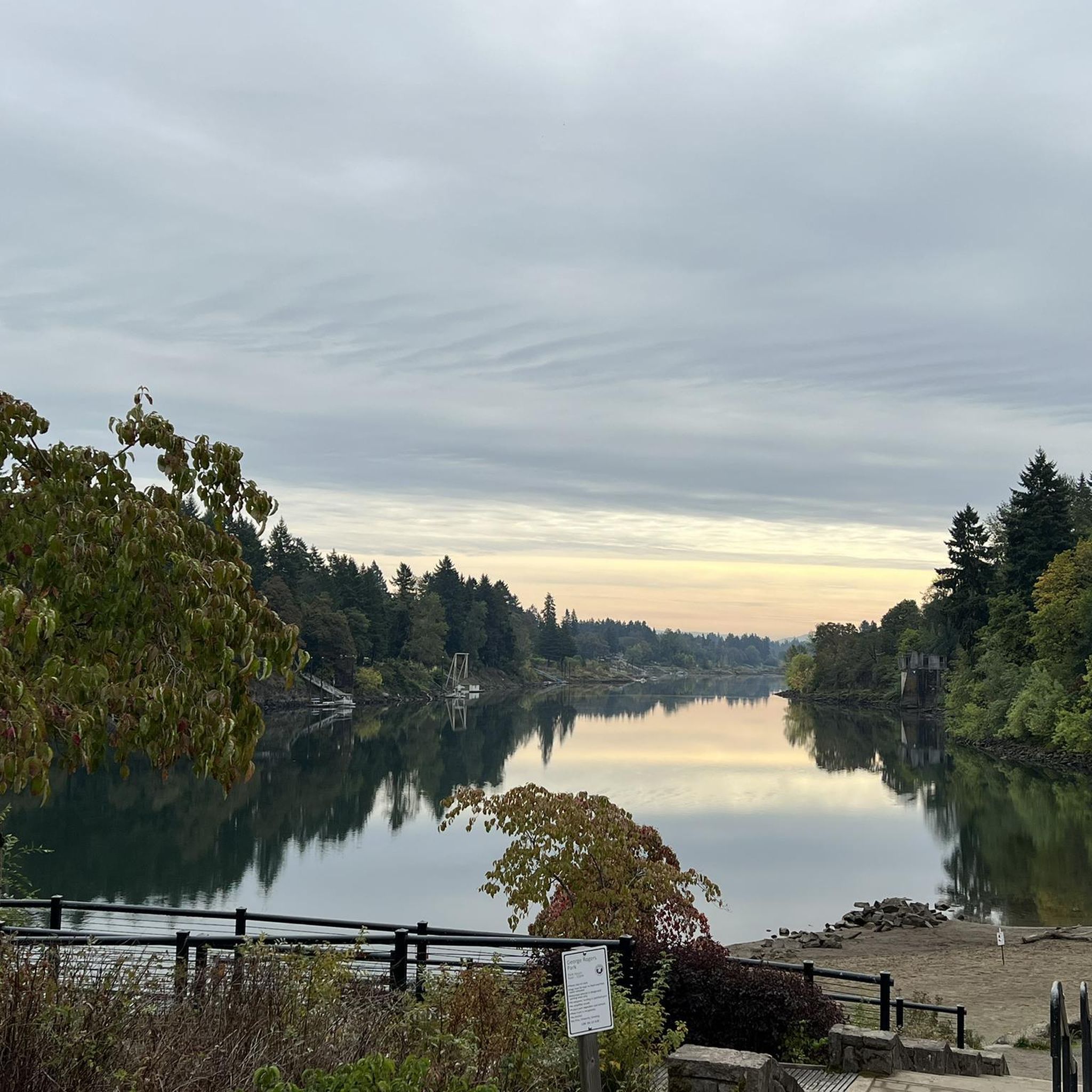
Yes, many natural monuments around Lake Oswego are suitable for families. Hoyt Arboretum and Clackamas River are both considered family-friendly, offering trails and scenic spots. Additionally, Council Crest provides scenic paths and a historic past that can be enjoyed by all ages. Tryon Creek State Natural Area and George Rogers Park also offer great options for family outings with trails and recreational activities.
What kind of hiking trails can I find near Lake Oswego's natural monuments?
You'll find a diverse range of hiking trails. Tryon Creek State Natural Area, partially in Lake Oswego, features an extensive network of trails through woodlands and meadows. Cooks Butte Park offers soft surface trails on a volcanic butte with fantastic views, including the 1.1-mile Cooks Buttes Loop. Springbrook Park has nearly 2 miles of relatively flat trails, ideal for easy walks. For more options, explore the hiking routes around Lake Oswego.
Are there natural monuments with historical significance in the Lake Oswego area?
Yes, several natural monuments have historical ties. The Clackamas River is named after the Clackamas people who lived in the area for generations. Council Crest has a rich history, once known as Talbot's Mountain and serving as an amusement park. George Rogers Park is also historically significant as a site of Native American activity and Lake Oswego's industrial iron history.
Where can I experience panoramic views of Lake Oswego and the surrounding landscape?
For breathtaking panoramic views, consider visiting Council Crest, one of Portland's highest points. Iron Mountain Park also offers summit views of Lake Oswego and the Cascade Range. Mount Sylvania, standing at 827 feet, provides expansive views of the surrounding landscape from its winding trails.
What opportunities are there for wildlife viewing in Lake Oswego's natural areas?
Lake Oswego's natural areas are rich in wildlife. The Tualatin River National Wildlife Refuge is an urban refuge known for its abundant and varied wildlife within the Tualatin River floodplain. Tryon Creek State Natural Area, Iron Mountain Park, and Springbrook Park also offer excellent opportunities for wildlife observation, including various bird species and other local fauna.
Are there any unique natural features or specific trees to see?
Absolutely. Hoyt Arboretum is home to over 2,000 species of trees and shrubs, making it a living museum of plant life. You can also find the impressive Portland Heritage Tree #134, a native Douglas-fir estimated to be between 300 and 450 years old and over 242 feet tall.
What cycling opportunities are available near Lake Oswego's natural monuments?
Cycling is a popular activity in the area. You can enjoy scenic rides along the Clackamas River. Hoyt Arboretum is also delightful for cycling, especially during seasonal changes. For more cycling routes, check out the cycling guides around Lake Oswego, which include routes like the Lake Oswego Loop and the Mount Sylvania & Oswego Lake loop.
Are there any natural areas that are particularly good for trail running?
Yes, several natural areas are great for trail running. Hoyt Arboretum, with its extensive network of trails through tree groves, is an ideal place for short or extended runs, particularly in the fall. Tryon Creek State Natural Area also offers meandering trails suitable for joggers and nature enthusiasts.
What kind of natural landscapes can I expect to see in Lake Oswego?
Lake Oswego's natural monuments offer a diverse range of landscapes. You'll find lush forests, tranquil woodlands, open meadows, and seasonal wetlands. The region features volcanic buttes like Cooks Butte, riverfront areas along the Willamette and Clackamas Rivers, and even restored areas like Woodmont Natural Park with oak savannahs and enhanced wetlands. This variety provides rich environments for exploration and connecting with nature.
Are there any natural areas that are particularly quiet or tranquil?
For tranquil experiences, Tryon Creek State Natural Area offers a delightful escape with its quiet woodlands and meandering trails. Mount Sylvania's winding hiking trails immerse visitors in lush forests, providing a serene outdoor adventure. Springbrook Park also offers relatively flat trails through peaceful natural surroundings.
What should I know before visiting the Tualatin River National Wildlife Refuge?
The Tualatin River National Wildlife Refuge is an urban refuge known for its incredible wildlife. It's prudent to call ahead for trail updates, especially after wet weather spells, as conditions can change. When visiting, remember to stay on designated trails and refrain from collecting animals or plants to help preserve the natural environment.
Most popular routes around Lake Oswego
Most popular attractions around Lake Oswego

Get inspired with the komoot mobile app


Explore more
Extend your search for the best caves by checking out these guides of the top ones around Lake Oswego:
