Top 13 Natural Monuments around Mount Charleston
Best natural monuments around Mount Charleston are found in a unique "sky island" environment, characterized by diverse ecosystems and geological formations. This region features impressive limestone formations and deep canyons, which are remnants of ancient marine sediment. Mount Charleston offers a refreshing escape with its elevated and isolated position amidst the desert lowlands.
Best natural monuments around Mount Charleston
- The most popular natural monuments is North side of White Rock Loop, an other natural site that offers a variety…
Last updated: August 20, 2026
North side of White Rock Loop
Highlight (Segment) • Natural
Tip by

Fletcher Canyon Narrows
Highlight (Segment) • Canyon
Tip by

Sign up now to discover places like this
Get recommendations on the best single tracks, peaks, & plenty of other exciting outdoor places.
Sign up for free
Mummy Spring
Highlight • Waterfall
Tip by

The Raintree
Highlight • Natural Monument
Tip by
Small Waterfall
Highlight • Waterfall
Tip by
Sign up for free to discover even more natural monuments around Mount Charleston.
Sign up for free
Already have an account?
Start today with a free account
Your next adventure awaits.
Login or Signup
Popular around Mount Charleston
Other adventures around Mount Charleston

Tips from the Community

White Rock Hills Loop Trail is a 6.2 mile moderately climbed loop trail located near Las Vegas, NV that features beautiful wild flowers and is rated as moderately difficult.
1
0

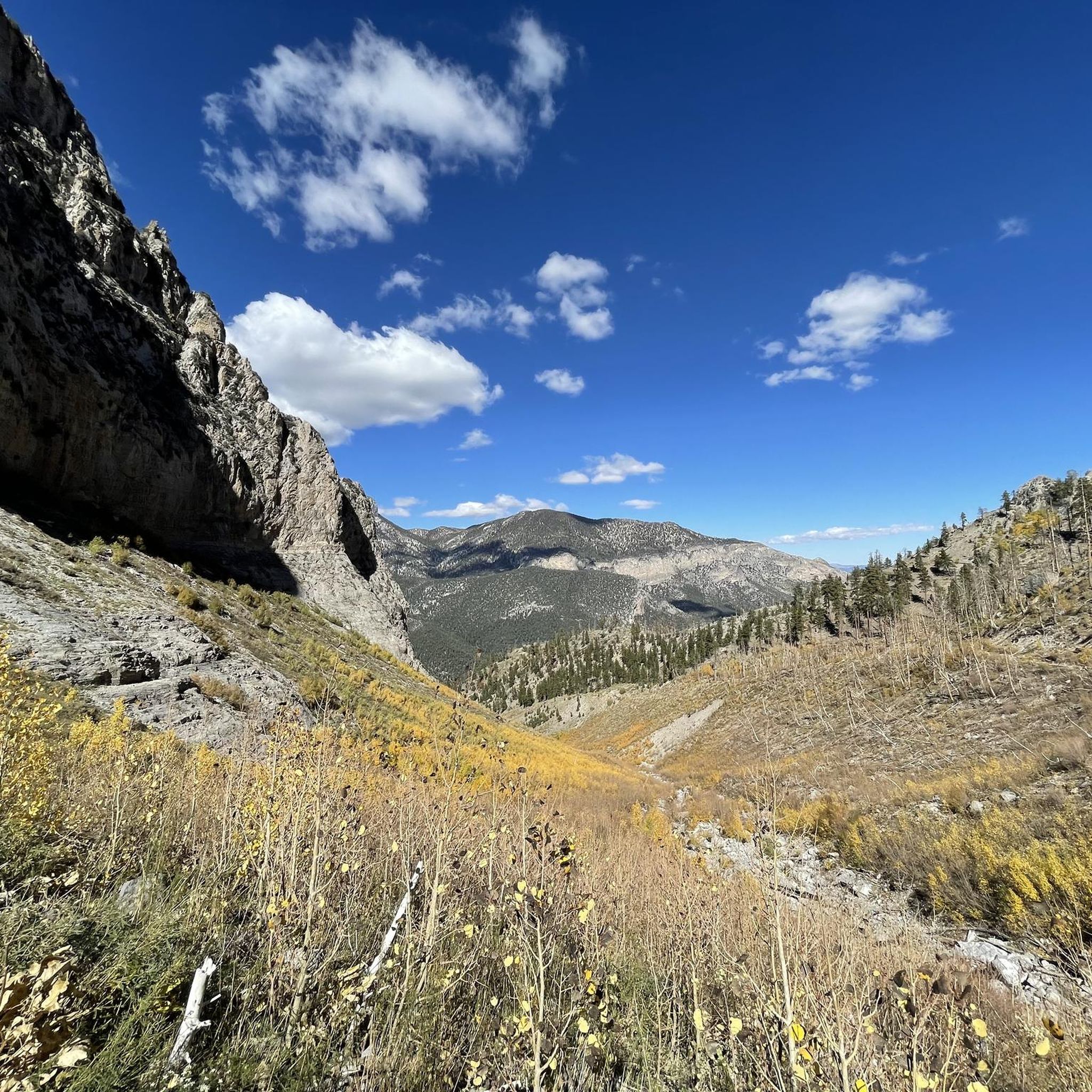
The north side offers a variety of trails suiting all abilities. This side is also has a little more diverse plant life where the pine and juniper mix with the craggy rocks.
1
0

This section of Fletcher Canyon is known as the narrows. Although the trail fades somewhat as you continue up into the narrows, it is difficult to get truly lost because you are hiking between sheer, water-polished limestone cliffs. This unique, shaded section of Fletcher canyon is a fantastic adventure and a great way to end your hike; it's amazing to be able to explore a narrow, sheer canyon hidden in a mountain environment!
0
0
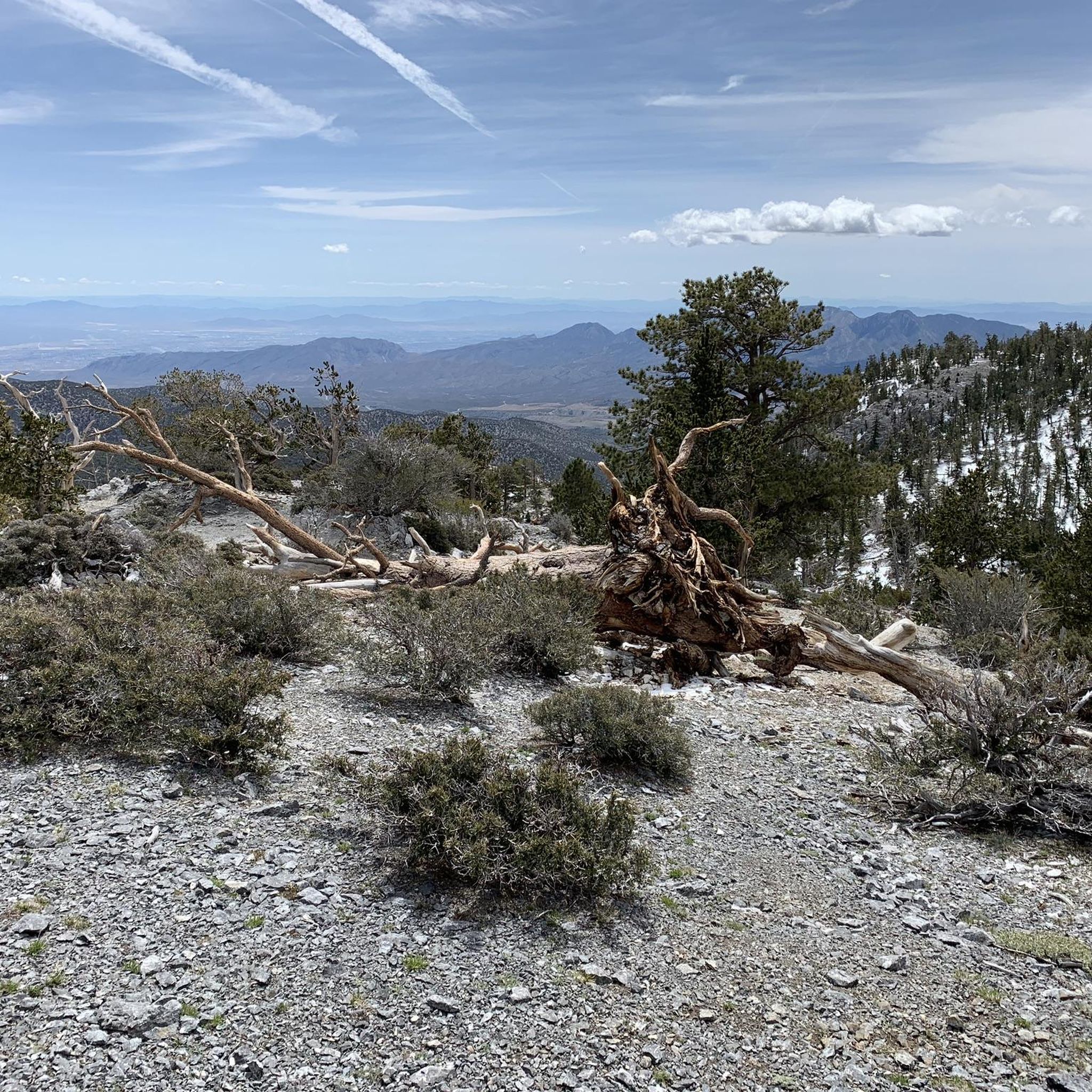
This massive Bristlecone Pine Tree, known as "Raintree" or "the Raintree," is over 3,000 years old and is one of the oldest living things in Nevada! Bristlecone Pines are some of the longest-living organisms on the planet and can survive for centuries in incredibly dry, harsh environments. Regardless of your destination, this tree is an amazing piece of natural history and is well worth a stop on your hike on the North Loop Trail.
0
1
On the east slope of Mummy Mountain, you pass through an open, gravelly hillside dotted with ancient Bristlecone Pines and reach Mummy Springs. Just 0.3 miles off the main North Loop Trail (0.6 miles round trip from the North Loop) this peaceful spring waters a picturesque alpine meadow and a lovely place to take photos and rest.
0
1
Just a few hundred feet off the main trail is a small waterfall flowing down a two-tiered limestone cliff (well technically three, but you can only see two from the base). It is a great little detour on your way up or down from Cathedral Rock.
0
0

Great hiking area with different trails. There's something for everyone, whether it's a steep ascent or a leisurely lap at the foot of Red Rock.
2
1

The Mummy Spring Trail splits at this point. The path up leads to the spring and a small waterfall. If you want to follow the trail down (not marked on all maps), you have to struggle a little through the scrub to find the partly quite steep but rarely used path along Deer Creek.
5
0
Frequently Asked Questions
What are some popular natural monuments and trails in Mount Charleston?
Mount Charleston offers several popular natural monuments. The North side of White Rock Loop is a popular area with diverse plant life and trails for various abilities. Another must-see is Fletcher Canyon Narrows, known for its unique, shaded section between towering limestone cliffs. For a scenic waterfall, visit Mary Jane Falls, especially in spring.
Are there family-friendly natural monuments or easy trails in Mount Charleston?
Yes, Mount Charleston has options suitable for families. While specific 'family-friendly' categories aren't always explicit, trails like the North side of White Rock Loop offer a variety of trails, including easier sections. The Bristlecone Trail (not listed as a highlight but mentioned in research) is also noted as a moderate, scenic walk ideal for families and first-time visitors, offering stunning scenery and a chance to see ancient trees.
What unique natural features can I expect to see in Mount Charleston?
Mount Charleston is a 'sky island' with diverse ecosystems. You can expect to see impressive limestone formations, ancient bristlecone pines like The Raintree (a 3,000-year-old specimen), and deep canyons. Seasonal waterfalls such as Mary Jane Falls are also a highlight, especially during spring snowmelt.
When is the best time to visit the natural monuments in Mount Charleston?
The best time to visit depends on your activity. Spring offers the chance to see seasonal waterfalls like Mary Jane Falls fed by snowmelt. Summer provides a refreshing escape from the desert heat. Fall brings beautiful foliage. Winter can offer unique snowshoeing or cross-country skiing experiences, but some trails may be inaccessible due to snow.
What kind of wildlife might I encounter in Mount Charleston's natural monuments?
Mount Charleston's diverse ecosystems support various wildlife. While specific sightings are never guaranteed, the region is home to unique species, including those found in the fragile alpine plant zone above 11,000 feet. Keep an eye out for birds, small mammals, and potentially larger animals, especially in quieter areas.
What other outdoor activities are available near Mount Charleston's natural monuments?
Beyond exploring the natural monuments, Mount Charleston offers a range of outdoor activities. You can find numerous hiking trails, mountain biking routes, and running paths. For more detailed information on routes, check out the Hiking around Mount Charleston, MTB Trails around Mount Charleston, and Running Trails around Mount Charleston guides.
Are there any lesser-known natural monuments worth exploring in Mount Charleston?
While not as widely known as some other sites, Mummy Spring offers a peaceful spot with a small waterfall and an alpine meadow, just a short detour from the North Loop Trail. It's a lovely place for photos and rest, away from the more crowded areas.
What is the geological significance of Mount Charleston's natural monuments?
Mount Charleston is characterized by impressive limestone formations, which are remnants of marine sediment accumulated between 520 and 280 million years ago. These formations often contain fossilized remains of ancient marine organisms. Deep canyons, such as Fletcher Canyon Narrows, are also notable geological features carved into this ancient landscape, showcasing dramatic cliffs and varied topography.
How long does it typically take to explore these natural monument sites?
The duration varies greatly depending on the monument and your chosen activity. Shorter walks to viewpoints or specific features might take an hour or two, while longer hikes to places like Mary Jane Falls or through Fletcher Canyon Narrows can be half-day excursions. Summiting Charleston Peak (not a highlight in this guide but mentioned in research) is a strenuous full-day hike.
What should I wear when visiting the natural monuments in Mount Charleston?
Due to the varied terrain and elevation changes, it's advisable to wear layers, even in summer, as temperatures can fluctuate significantly. Sturdy hiking boots are recommended for most trails, especially those with uneven surfaces or inclines. Always bring plenty of water, sun protection (hat, sunscreen), and snacks, particularly for longer excursions.
Are there any specific regulations or tips for visiting the ancient Bristlecone Pines?
When visiting ancient bristlecone pines like The Raintree, it's crucial to stay on marked trails to protect these fragile and long-lived organisms. These trees thrive in extreme environments, and their root systems are sensitive to disturbance. Always practice Leave No Trace principles to preserve these natural wonders for future generations.
Most popular routes around Mount Charleston
Most popular attractions around Mount Charleston

Get inspired with the komoot mobile app


Explore more
Extend your search for the best caves by checking out these guides of the top ones around Mount Charleston:
