Top 10 Natural Monuments around Lexington
Best natural monuments around Lexington offer a blend of historical significance and diverse natural landscapes. This region in Massachusetts features numerous conservation areas, glacial kettle-hole lakes, and historical sites intertwined with natural beauty. Visitors can explore woodlands, wetlands, and elevated viewpoints that showcase the area's unique ecosystems. The natural monuments here provide opportunities for outdoor recreation alongside a rich historical context.
Best natural monuments around Lexington
- The most popular natural monuments is Walden Pond Beach, a beach and natural…
Last updated: September 29, 2026
Lexington Battle Green
Highlight • Historical Site
It was at this site that the opening shots …
Tip by

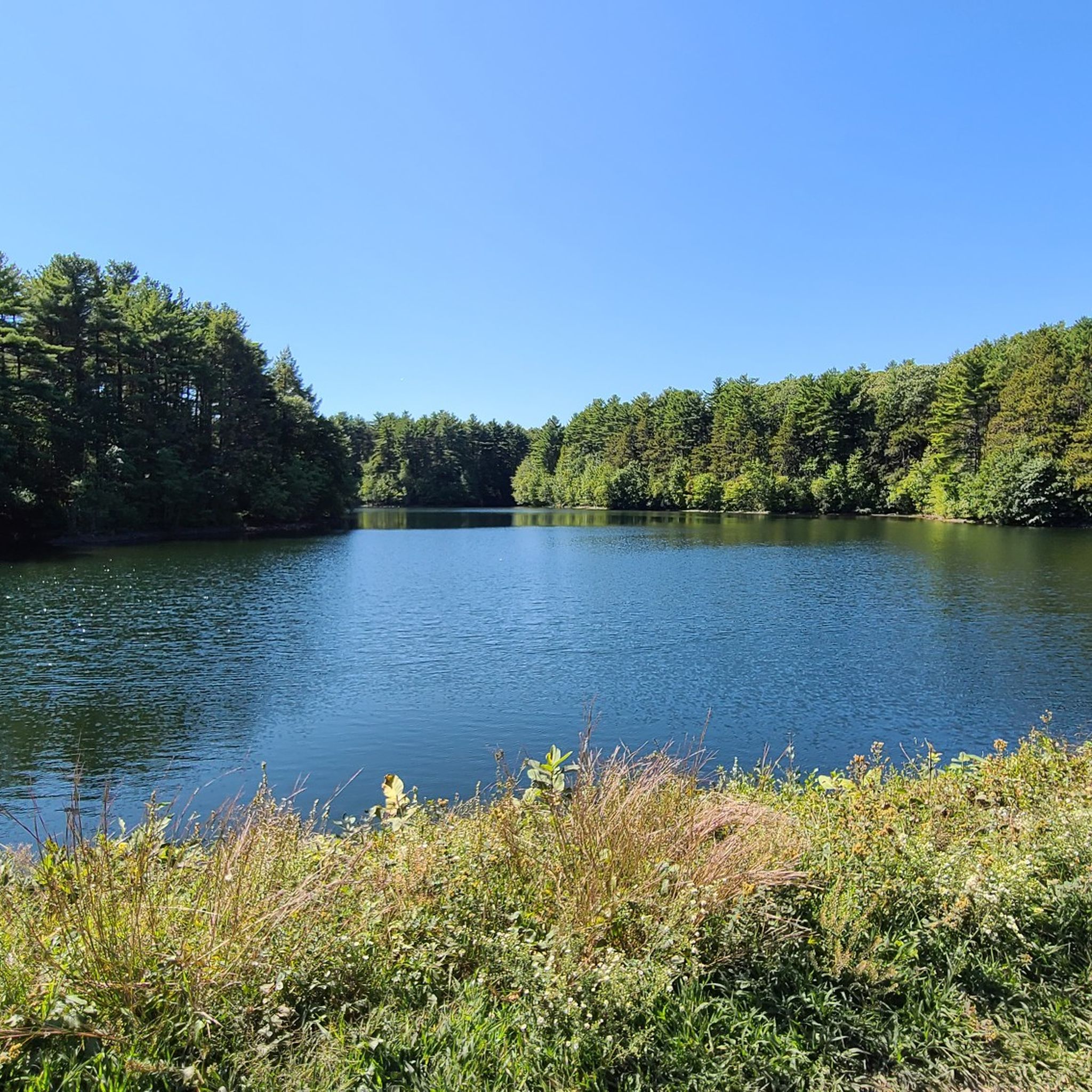
Ice Fort Cove — Walden Pond
Highlight • Lake
Tip by

Sign up now to discover places like this
Get recommendations on the best single tracks, peaks, & plenty of other exciting outdoor places.
Panther Cave
Highlight • Cave
Tip by
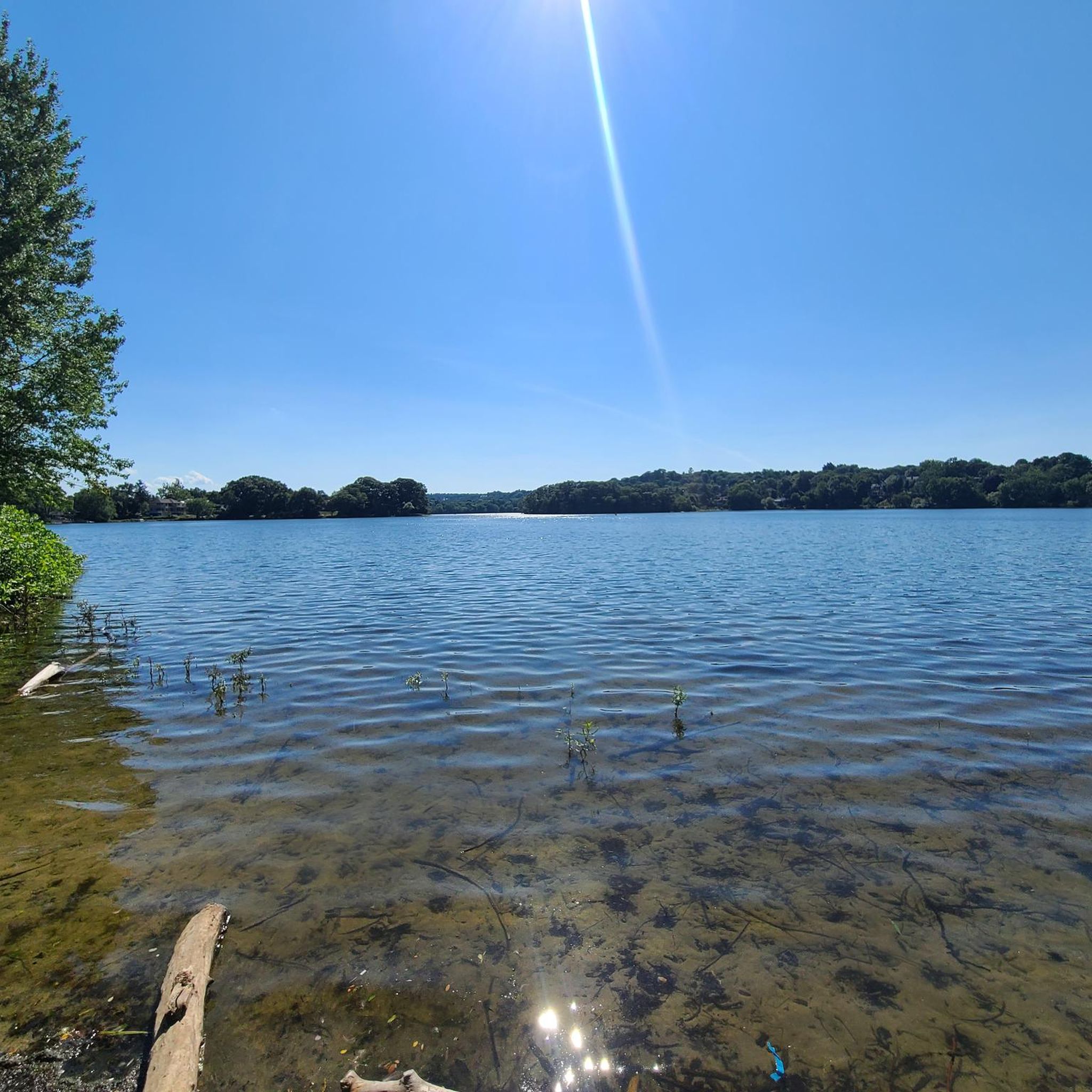
Walden Pond
Highlight • Lake
Tip by

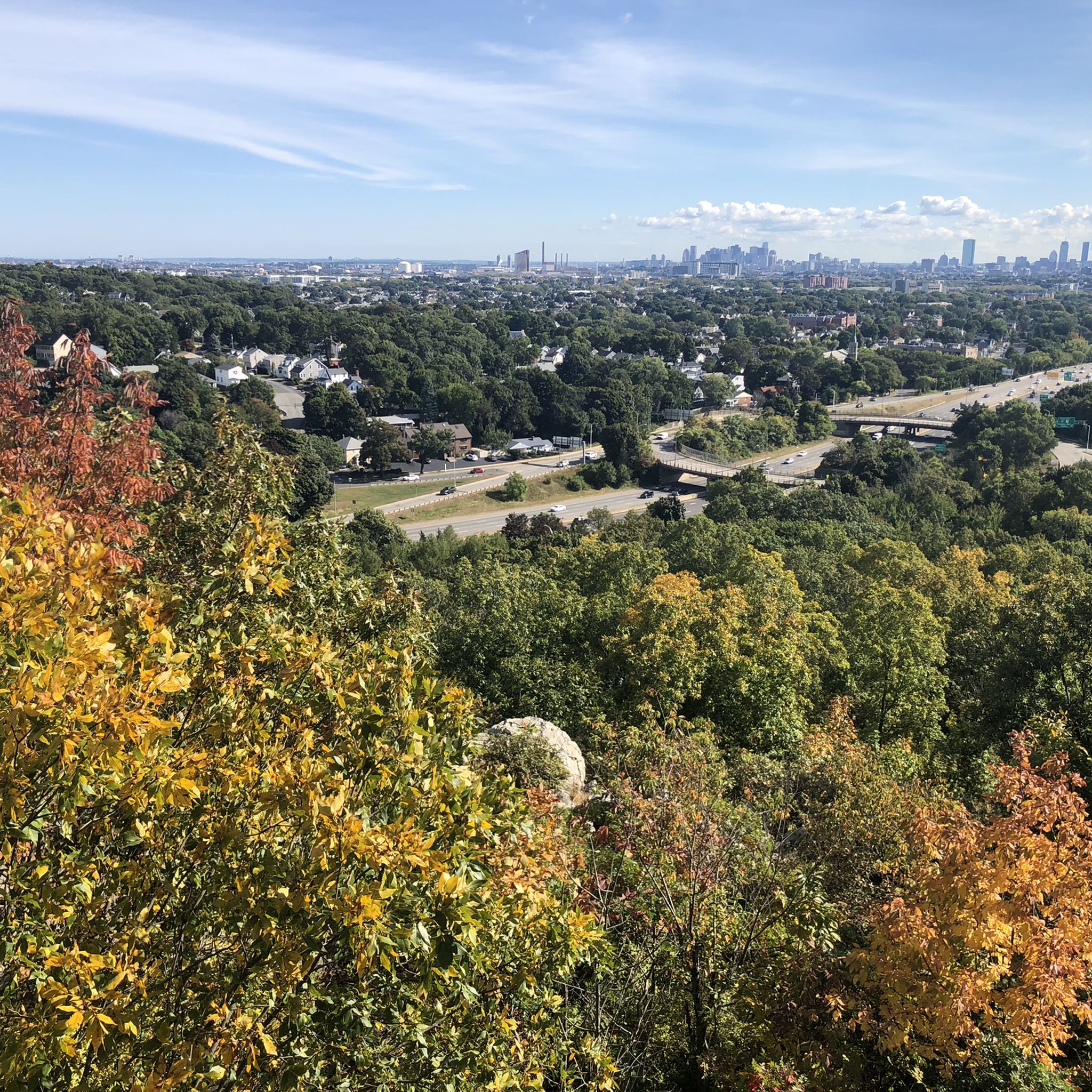
Eagle Rock
Highlight • Viewpoint
Tip by
Sign up for free to discover even more natural monuments around Lexington.
Already have an account?
Start today with a free account
Your next adventure awaits.
Tips from the Community

Many hand built shelters on the way here! Showcasing many styles of shelter making and was very interesting to come across so many… the cave was small but a fun stop! Especially because the trail was adorned with hand built shelters!
0
0


One of the most historically important places in the USA. This is where the first battle of the Revolutionary War took place.
1
0

The Lexington Battle Green, also known as Lexington Common, is a historic site in Lexington, Massachusetts. On April 19, 1775, this green was the site of the first armed conflict between colonial militiamen and British soldiers, marking the start of the Revolutionary War. Known as the "shot heard 'round the world," this skirmish began the colonies' fight for independence from England. The Battle Green is now a National Historic Landmark and features key monuments, including the iconic Minuteman Statue, the Revolutionary War Monument, and the nearby Belfry, a reproduction of the structure that summoned the militia.
2
0
https://en.m.wikipedia.org/wiki/Lexington_Battle_Green If you are interested in the history of US you should visit this historical ground. Have a look to the website for a historical play
2
0

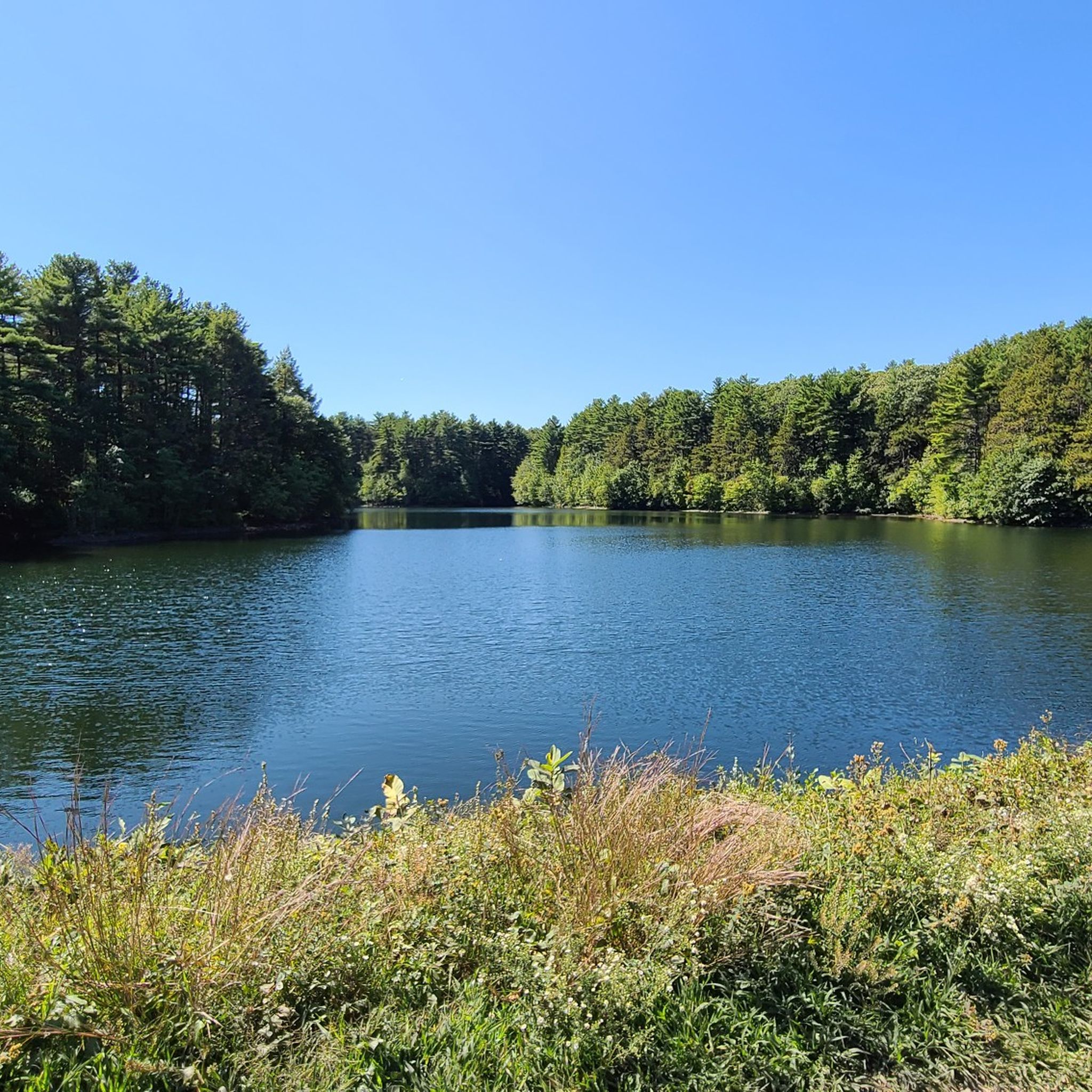
Walden Pond, in Concord, is a revered and celebrated cultural and historical icon. Walden Pond was made famous by transcendentalist philosopher and writer Henry David Thoreau, who lived there in the 1840s for two years while writing one of his most famous works, "Walden". This serene site remains a source of inspiration for writers, nature enthusiasts, seekers of contemplation, and some believe that Walden Pond was also the start of the conservation movement. Geologically, Walden Pond formed from a glacial depression during the last Ice Age, around 10,000-12,000 years ago. As a block of ice melted, it left a depression that filled with water, resulting in the pond we know today in Concord, Massachusetts.
0
0
Walden Pond, in Concord, is a revered and celebrated cultural and historical icon. Walden Pond was made famous by transcendentalist philosopher and writer Henry David Thoreau, who lived there in the 1840s for two years while writing one of his most famous works, "Walden". This serene site remains a source of inspiration for writers, nature enthusiasts, seekers of contemplation, and some believe that Walden Pond was also the start of the conservation movement. Geologically, Walden Pond formed from a glacial depression during the last Ice Age, around 10,000-12,000 years ago. As a block of ice melted, it left a depression that filled with water, resulting in the pond we know today in Concord, Massachusetts.
0
0

The battle fought on the Lexington Common between the British and the Americans on April 19, 1775 was one of the first great events of the American Revolution. But it wasn’t until the Centennial Celebration (1875) and President Grant’s official visit to Lexington that locals really started to value how important the site was.
2
0
Frequently Asked Questions
What are the most popular natural monuments around Lexington, Massachusetts?
Lexington, Massachusetts, offers a blend of historical significance and natural beauty. Among the most popular natural monuments are Walden Pond Beach, a glacial kettle-hole lake famously associated with Henry David Thoreau, and Eagle Rock, which provides stunning panoramic views without tree obstruction. Visitors also frequently explore Prospect Hill Park for its elevated views and historic tower.
Are there family-friendly natural monuments in the Lexington area?
Yes, several natural monuments around Lexington are great for families. Walden Pond Beach is ideal for swimming and exploring the protected land. Prospect Hill Park offers trails and views suitable for all ages. Additionally, within Lexington's Conservation Lands, areas like Willard's Woods provide easy, well-traveled loops through pine groves and wetlands, perfect for family strolls and birdwatching.
What kind of natural features can I expect to see around Lexington?
The Lexington area is characterized by diverse natural features. You can find glacial kettle-hole lakes like Walden Pond, offering opportunities for swimming and enjoying tranquil waters. There are also elevated viewpoints such as Eagle Rock and Prospect Hill Park, providing scenic outlooks. The region also boasts extensive conservation areas with forests, fields, wetlands, and gentle brooks, as seen in places like Willard's Woods and Lower Vine Brook Conservation Area.
Are there historical sites intertwined with natural monuments in Lexington?
Absolutely. Lexington is rich in history, and many natural areas have historical significance. The Lexington Battle Green is a prime example, being the site of the first armed conflict of the Revolutionary War. Walden Pond is famously linked to Henry David Thoreau's philosophical work, and you can visit Thoreau Cove & Cabin, the site where his cabin once stood. The Minute Man National Historical Park also features the Battle Road Trail, combining historical landmarks with scenic natural resources.
What outdoor activities can I do near these natural monuments?
The natural monuments around Lexington offer various outdoor activities. You can enjoy hiking on trails like those in Lexington's Conservation Lands, including Willard's Woods and Whipple Hill. For running, there are routes like the Beaver Brooks & Rock Meadow Reservation Loop. Cycling enthusiasts can explore options such as the Acton loop via Minuteman & Assabet River Trail. For more detailed routes, check out the Hiking around Lexington, Running Trails around Lexington, and Road Cycling Routes around Lexington guides.
Are there easy hiking trails suitable for beginners near Lexington's natural monuments?
Yes, many natural areas in Lexington offer easy trails perfect for beginners. Willard's Woods, part of Lexington's Conservation Lands, features about a mile of well-traveled loops. The Lower Vine Brook Conservation Area also provides roughly 1.8-mile loops through quiet woods. These trails are generally flat and well-maintained, making them accessible for those new to hiking or looking for a gentle stroll. You can find more easy options in the Hiking around Lexington guide.
What is the best time of year to visit the natural monuments in Lexington?
The natural monuments around Lexington can be enjoyed year-round, but each season offers a unique experience. Spring brings blooming flora and active wildlife, while summer is perfect for swimming at Walden Pond Beach and enjoying lush greenery. Autumn showcases vibrant fall foliage, especially beautiful on trails through conservation areas. Winter offers serene, snow-covered landscapes for quiet walks, though some trails might be less accessible depending on snow conditions.
Are dogs allowed on trails and at natural monuments in Lexington?
Many of Lexington's conservation areas and trails are dog-friendly, often requiring dogs to be on a leash. For specific regulations, it's always best to check the local conservation land rules. Areas like Willard's Woods and other parts of Lexington's Conservation Lands generally welcome leashed dogs, making them great spots for walks with your canine companion.
Where can I find information about parking and accessibility for these natural monuments?
Parking is generally available at or near most natural monuments and conservation areas in Lexington. For detailed information on specific locations, including parking lots and accessibility features, it's recommended to consult the official town resources. You can find useful information regarding trails and public lands on the Lexington town website: lexingtonma.gov/Trails and lexingtonma.gov/Public-Land-Trails.
What are some lesser-known or 'hidden' natural monuments worth exploring in Lexington?
Beyond the well-known spots, Lexington's extensive network of Conservation Lands offers many quieter natural experiences. Areas like Whipple Hill Conservation Lands provide a more rugged experience with nearly 4 miles of trails through hardwood woods and rocky terrain, offering scenic views on clear days. Lower Vine Brook Conservation Area is another tranquil spot, perfect for peaceful nature strolls along a gentle brook, away from larger crowds.
What wildlife can I observe in the natural monuments around Lexington?
Lexington's diverse natural monuments, including its conservation areas, provide habitats for various wildlife. Birdwatching is particularly popular in areas like Willard's Woods and Arlington's Great Meadows, where you can spot numerous bird species. The forests and wetlands also support small mammals, amphibians, and a variety of insects. Keep an eye out for deer, foxes, and various waterfowl, especially near ponds and wetlands.
Are there any natural monuments that offer panoramic views?
Yes, several natural monuments in the Lexington area provide excellent panoramic views. Eagle Rock is renowned for its unobstructed scenic outlook. Prospect Hill Park also offers elevated views, including glimpses of the Boston skyline on clear days. Whipple Hill Conservation Lands, with its higher elevations, can also provide scenic vistas over the surrounding landscape.
Most popular routes around Lexington
Most popular attractions around Lexington

Get inspired with the komoot mobile app


Explore more
Extend your search for the best caves by checking out these guides of the top ones around Lexington:
