Top 3 Natural Monuments around Four Corners
Best natural monuments around Four Corners showcase diverse geological formations and rich cultural history where Arizona, Colorado, New Mexico, and Utah meet. This region offers unique natural features and opportunities for exploration. The landscape includes canyons, mesas, and rock formations, providing insight into ancient cultures and natural processes. Visitors can experience a variety of natural settings, from desert badlands to river-carved bridges.
Best natural monuments around Four Corners
- The most popular natural monuments is Rock Creek Park, a forest…
Last updated: June 26, 2026
Rock Creek Park
Highlight • Forest
Tip by

Boulder Bridge
Highlight • Bridge
Translated by Google •
Tip by

Sign up now to discover places like this
Get recommendations on the best single tracks, peaks, & plenty of other exciting outdoor places.
Sign up for free
Rock Creek Park
Highlight • Forest
Tip by

Rock Creek
Highlight • River
Translated by Google •
Tip by
Herring Highway
Highlight • Structure
Tip by

Start today with a free account
Your next adventure awaits.
Login or Signup




Tips from the Community

Rock Creek Park, spanning 1,754 acres, is a natural escape from city life, offering trails, wildlife, and historic landmarks. Founded by Congress in 1890, this national park features not only natural beauty but also family-friendly activities. Visitors can explore its flat paved trails, visit the Smithsonian National Zoo, or learn about history at the 19th-century Peirce Mill. Families can enjoy the Nature Center, and Discovery Room. The park also hosts stargazing at its planetarium, guided ranger walks, picnic spots, and opportunities to visit historic sites like Fort Stevens, where Lincoln stood during the Civil War.
0
0

A beautiful stone bridge with an arch. The construction is completely different from the pedestrian bridges around it.
4
0
Quite a large nature reserve, actually in the middle of Washington D.C. It's hard to believe that you can get here quickly by subway and enjoy nature with countless trails and picnic spots. The animal world here also seems to be quite diverse.
3
0
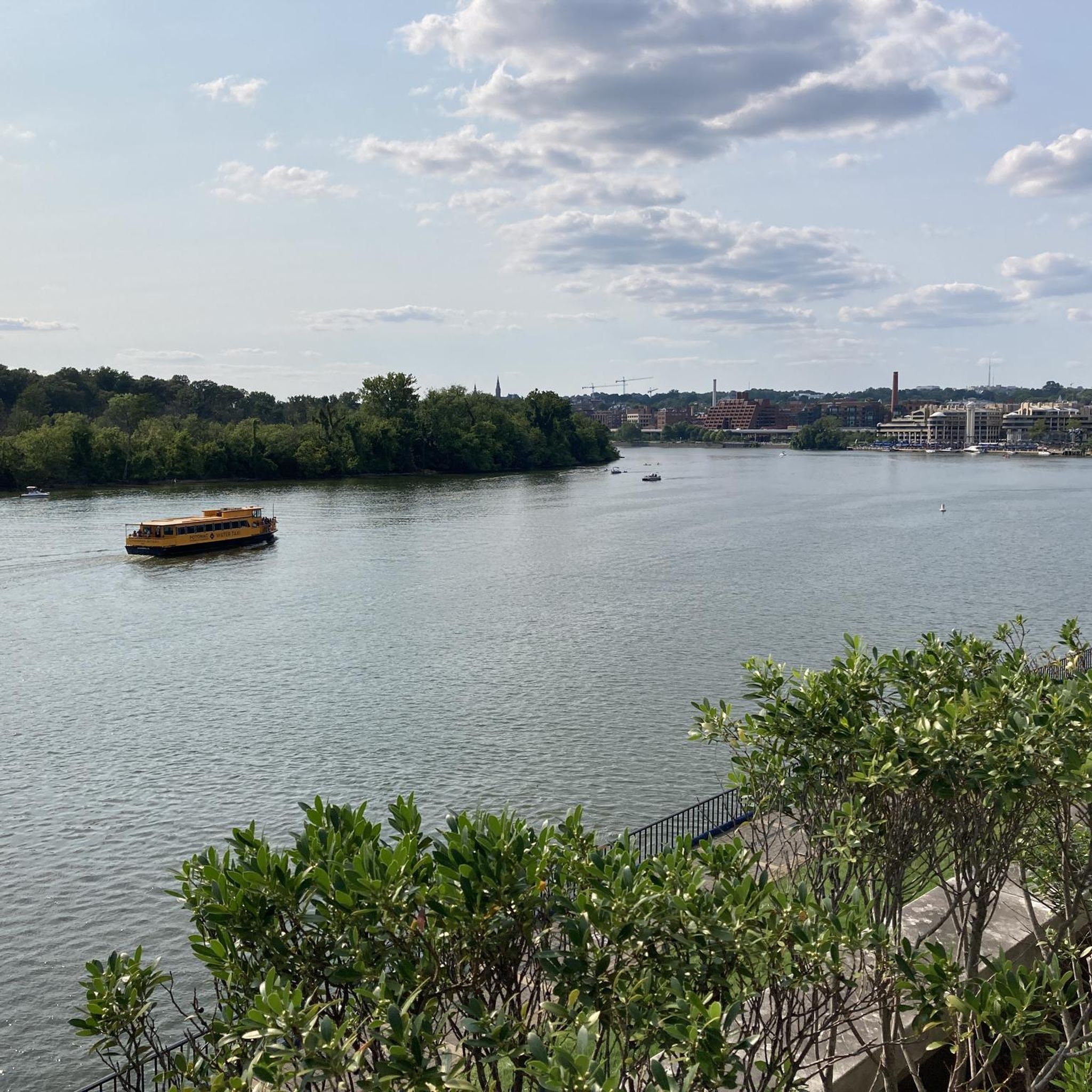
A small river flows through the park, which is also a nature reserve. Beautiful nature, many hiking and cycling trails meander through the valley.
3
0

I suppose this little creek is to thank for the existence of the nearby Rock Creek Park and Piney Branch Parkway. Eventually Rock Creek flows into the Potomac River, but for now it is a calm, flowing breath of nature cutting straight into the northern part of Washington D.C. You'll find lots of pretty forested trails in the park, usually meandering close to the creek.
0
0

Hey. An excellent paper will explain its point of view clearly and well, will make a good case for its conclusions, and will be able to refute plausible and important objections from other philosophers. I grade philosophy paper https://writepaper.com/write-my-philosophy-paper based on the depth and quality of their explanations. A decent paper will have a clear message, but it will not explain it as well or thoroughly.
0
0
Water, forest, pure nature. Here you actually forget to be in the middle of the capital.
2
0
Impressive, because invisible but functional building!
1
1
Frequently Asked Questions
What unique natural features can I explore in the Four Corners region?
The Four Corners region offers a diverse range of natural features. You can discover magnificent natural bridges at Natural Bridges National Monument, otherworldly badlands and hoodoos at Bisti/De-Na-Zin Wilderness, and iconic red sandstone buttes at Monument Valley Tribal Park. The region also features sheer-walled canyons at Canyon de Chelly National Monument and river-carved landscapes like those found at Rock Creek.
Are there natural monuments in the Four Corners region that offer insights into ancient cultures?
Yes, several natural monuments in the Four Corners region are rich in cultural history. Bears Ears National Monument features canyons, mesas, and rock art panels, including Newspaper Rock, offering a connection to Ancestral Puebloan cultural sites. Hovenweep National Monument showcases remarkably well-preserved Ancestral Puebloan structures and towers, providing insight into their skilled masonry and astronomical knowledge. Additionally, Canyon de Chelly National Monument contains numerous Ancestral Puebloan dwellings nestled within its spectacular canyons.
Which natural monuments are suitable for families with children?
Many natural monuments in the Four Corners region are family-friendly. Rock Creek Park offers trails, a Nature Center, Discovery Room, and picnic spots. Boulder Bridge is a great spot for a photo opportunity on a bike path, and the Herring Highway provides an interesting look at an engineering feat that helps fish migration. The Four Corners Monument itself is a unique geographical landmark where families can stand in four states at once.
What kind of hiking opportunities are available near the natural monuments?
The Four Corners region provides numerous hiking opportunities. You can hike to each of the three natural bridges at Natural Bridges National Monument or explore the unique geological formations of Bisti/De-Na-Zin Wilderness. Hovenweep National Monument offers trails like the Square Tower Loop. For more structured hiking routes, you can explore options like the Wheaton Regional Park Inner Loop or the Northwest Branch Trail. Find more details on various hiking trails in the region on our Hiking around Four Corners guide.
Can I go cycling near the natural monuments in Four Corners?
Yes, the area around the natural monuments in Four Corners offers various cycling routes. You can find road cycling options like the Anacostia Riverwalk Trail – Rock Creek Trail loop, or explore gravel biking routes such as Horseshoe Bend at Great Falls. For a comprehensive list of routes, check out our guides for Road Cycling around Four Corners and Gravel biking around Four Corners.
Which natural monuments are known for stargazing or dark skies?
Natural Bridges National Monument in Utah was the world's first accredited Dark Sky Park, offering exceptional stargazing opportunities. Hovenweep National Monument is also recognized as an International Dark Sky Park, providing excellent conditions for experiencing night skies away from light pollution.
What is the best time of year to visit the natural monuments in the Four Corners region?
The best time to visit the natural monuments in the Four Corners region is generally during the spring (April to May) and fall (September to October). During these seasons, temperatures are milder, making outdoor activities like hiking and exploring more comfortable. Summer can be very hot, especially in lower elevations, while winter can bring snow and colder temperatures, potentially limiting access to some areas.
Are there any unique geographical landmarks in the Four Corners region?
The Four Corners Monument is a unique geographical landmark where the borders of Arizona, Colorado, New Mexico, and Utah meet at a single point. While not a natural monument in the geological sense, its significance as the only place in the United States where four states converge makes it a popular and distinctive attraction.
What do visitors enjoy most about the natural monuments in the Four Corners region?
Visitors frequently appreciate the diverse natural beauty, from the impressive geological formations to the serene wilderness areas. Many are drawn to the rich cultural history embedded in sites like Bears Ears and Hovenweep, offering a glimpse into ancient civilizations. The opportunity for solitude, unique photo opportunities, and family-friendly activities also contribute to a memorable experience.
Are there any natural monuments that are less crowded and offer a sense of solitude?
The Bisti/De-Na-Zin Wilderness in New Mexico is known for offering a chance to experience solitude and connect with unique natural beauty away from more crowded destinations. Bears Ears National Monument also provides numerous off-the-beaten-path places to explore, as it lacks extensive infrastructure, allowing for a more secluded experience.
What kind of wildlife can I expect to see in the Four Corners natural monuments?
The diverse ecosystems of the Four Corners region support a variety of wildlife. Depending on the specific monument and time of year, you might encounter desert animals such as various lizard species, snakes, and small mammals like rabbits and prairie dogs. Birdwatching is also popular, with raptors, songbirds, and waterfowl inhabiting different areas. Larger mammals like deer or bighorn sheep can occasionally be spotted in more remote or mountainous areas.
What should I bring for a day trip to a natural monument in the Four Corners region?
For a day trip to a natural monument in the Four Corners region, it's essential to bring plenty of water, especially during warmer months, as many areas are arid. Sun protection, including sunscreen, a hat, and sunglasses, is highly recommended. Comfortable hiking shoes, snacks, a map, and a first-aid kit are also crucial. Depending on the activity, binoculars for wildlife viewing or stargazing, and a camera for capturing the stunning landscapes, would enhance your experience.
Most popular attractions around Four Corners

Get inspired with the komoot mobile app


Explore more
Extend your search for the best caves by checking out these guides of the top ones around Four Corners:
