Top 4 Natural Monuments around New Orleans
Best natural monuments around New Orleans showcase the region's unique position within the Mississippi River Delta, featuring diverse ecosystems. The area offers a blend of expansive urban green spaces and extensive wetlands, providing opportunities to experience Louisiana's distinct natural environment. These locations are characterized by ancient live oak trees, rich biodiversity, and significant waterways. Visitors can explore a variety of natural settings, from urban parks to protected wildlife refuges.
Best natural monuments around New Orleans
- The most popular natural monuments…
Last updated: November 9, 2026
Big Lake City Park
Highlight • Lake
Tip by

Dueling Oaks
Highlight • Natural Monument
Translated by Google •
Tip by

Sign up now to discover places like this
Get recommendations on the best single tracks, peaks, & plenty of other exciting outdoor places.
Couturie Forest
Highlight • Forest
Translated by Google •
Tip by
Top of the “mountain”
Highlight • Viewpoint
Tip by
Tree of Life
Highlight • Natural Monument
Tip by

Start today with a free account
Your next adventure awaits.
Popular around New Orleans





Tips from the Community

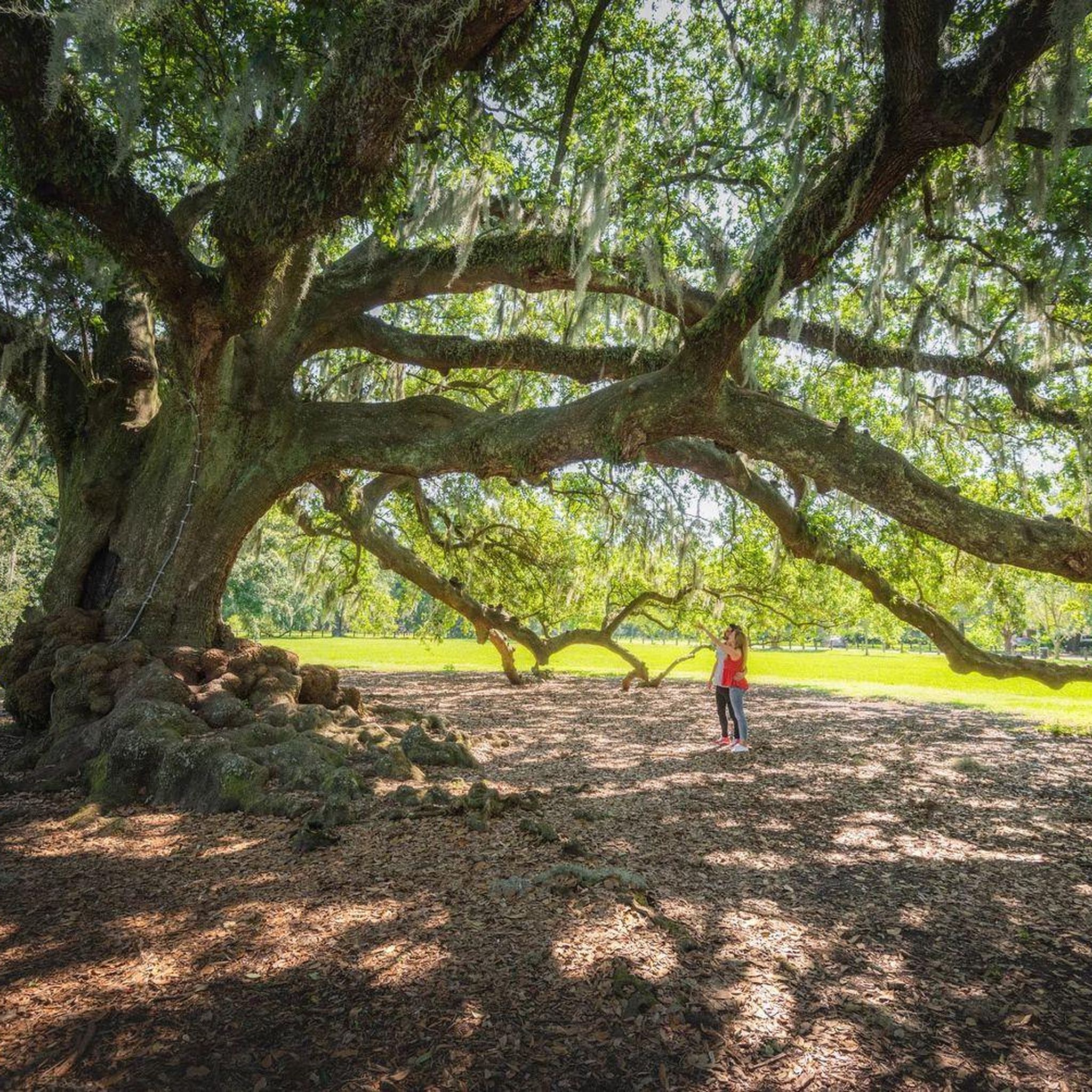
Beautiful atmosphere with the cat-like oaks and their symbiotic vegetation. It's wonderful to create a pleasant atmosphere in the shade.
2
0

The Tree of Life is a well known oak in Audubon Park. It is a popular site for visitors and locals to visit. The tree was planted around 1740.
1
0

Beautiful, old oak trees in the park, which provide pleasant shade in the sultry heat
3
0
Beautiful green area in the middle of the city, where you can relax and escape the hustle and bustle
3
0

Couturie Forest is made up of eight distinct ecosystems, as well as New Orleans' highest point of elevation, Labored Mountain (27 feet). It was also named "New Orleans' top bird-watching destination".
1
0

It's New Orleans' highest elevation point.
0
0
The platform on top of "the mountain", called LaBorde Lookout, has the map of New Orleans etched in the stone ground.
0
0
Really nice and dense forrest within City Park. Perfect place to observe wildlife and experience nature.
1
0
Frequently Asked Questions
What unique natural features can I expect to see at New Orleans' natural monuments?
New Orleans' natural monuments showcase a rich variety of ecosystems. You'll encounter ancient live oak trees draped in Spanish moss, some centuries old, particularly at Dueling Oaks and the Tree of Life. The region also features extensive wetlands, bayous, and lagoons, providing habitats for diverse wildlife and unique plant life like bald cypress trees and palmettos.
Are there family-friendly natural monuments in New Orleans?
Yes, many natural monuments in New Orleans are excellent for families. City Park, with highlights like Big Lake City Park and Couturie Forest, offers wide-open spaces, easy paths, and attractions like the Botanical Garden. Audubon Park, home to the Tree of Life, is also very popular for family strolls and picnics.
Where can I observe wildlife in New Orleans' natural monuments?
For prime wildlife viewing, head to the Barataria Preserve within Jean Lafitte National Historical Park and Preserve, where you can spot alligators, turtles, otters, and numerous bird species. Couturie Forest in City Park is also considered New Orleans' top bird-watching destination, while Bayou Sauvage National Wildlife Refuge is ideal for spotting pelicans, egrets, and migratory birds in its marshlands.
What outdoor activities can I enjoy near New Orleans' natural monuments?
You can enjoy a variety of outdoor activities. City Park and Audubon Park offer excellent opportunities for walking, jogging, and cycling on paved paths. For hiking, consider exploring the trails within Jean Lafitte National Historical Park and Preserve. You can find specific routes like the Audubon Park Loop or the New Orleans City Park South Loop in our Hiking around New Orleans guide.
What is the best time of year to visit New Orleans' natural monuments?
The best time to visit is typically during the cooler, drier months from late fall to early spring (November to April). The weather is more comfortable for exploring, and you'll avoid the intense heat and humidity of summer. This period is also excellent for birdwatching as migratory species pass through.
Are New Orleans' natural monuments accessible for all visitors?
Many natural monuments offer accessible options. City Park and Audubon Park feature paved paths suitable for strollers and wheelchairs. The Barataria Preserve within Jean Lafitte National Historical Park and Preserve has elevated boardwalks that make exploring the wetlands accessible. It's always advisable to check specific park websites for detailed accessibility information before your visit.
Is parking available at New Orleans' natural monuments?
Yes, parking is generally available at the major natural monuments. City Park offers multiple parking areas, some free and some paid depending on the specific attraction. Audubon Park also has parking facilities. For places like Jean Lafitte National Historical Park and Preserve and Bayou Sauvage National Wildlife Refuge, designated parking lots are provided at visitor centers and trailheads.
How challenging are the trails and paths at New Orleans' natural monuments?
Most paths within New Orleans' urban parks like City Park and Audubon Park are easy, paved, and suitable for all fitness levels. For a slightly more natural experience, Couturie Forest offers unpaved trails. The Barataria Preserve features easy boardwalks, while some of its natural trails might be considered moderate depending on conditions. The Top of the “mountain” in City Park is a short, easy climb to the highest point in New Orleans.
Are dogs allowed at natural monuments in New Orleans?
Many natural monuments in New Orleans are dog-friendly, particularly City Park and Audubon Park, where leashed dogs are generally welcome on trails and in open areas. However, specific rules can vary, especially in wildlife refuges like Bayou Sauvage or Jean Lafitte National Historical Park and Preserve, where pets might be restricted to certain areas or not allowed to protect wildlife. Always check individual park regulations.
Do I need permits or reservations to visit natural monuments in New Orleans?
Generally, you do not need permits or reservations for general entry to most natural monuments like City Park, Audubon Park, or Jean Lafitte National Historical Park and Preserve. Some specific attractions within these parks, such as botanical gardens or special events, may require tickets or reservations. It's always best to check the official website of the specific monument you plan to visit for any current requirements.
What do visitors enjoy most about New Orleans' natural monuments?
Visitors frequently highlight the serene escape these natural spaces offer from the city's hustle. They particularly enjoy the majestic, ancient live oak trees, the peaceful atmosphere for relaxation, and the opportunities for birdwatching and wildlife spotting. The accessibility of these natural havens within or just outside the city limits is also highly appreciated.
Are there any lesser-known natural spots worth visiting in New Orleans?
While City Park and Audubon Park are well-known, Couturie Forest within City Park is a fantastic, slightly less-trafficked gem. It offers a dense woodland experience with diverse ecosystems and is a prime spot for birdwatching. Bayou Sauvage National Wildlife Refuge, though large, can also feel like a hidden escape for those looking for a pure wetland experience close to the city.
Most popular routes around New Orleans
Most popular attractions around New Orleans

Get inspired with the komoot mobile app


Explore more
Extend your search for the best caves by checking out these guides of the top ones around New Orleans:
