Top 4 Natural Monuments around Kaloko
Best natural monuments around Kaloko are found within a rugged coastal landscape shaped by lava flows from the Hualālai volcano, offering a blend of ecological beauty and historical significance. This area preserves unique natural features, including brackish anchialine pools, vibrant coral reefs, and extensive volcanic landscapes. Visitors can explore diverse habitats that support unique Hawaiian biodiversity and provide insights into ancient Hawaiian life. The region offers opportunities to observe marine life and native birds within its protected natural settings.
Best…
Last updated: June 25, 2026
Ka‘elehuluhulu Beach
Highlight • Beach
Tip by

Lava Tube
Highlight • Cave
Tip by

Sign up now to discover places like this
Get recommendations on the best single tracks, peaks, & plenty of other exciting outdoor places.
Sign up for free
Makalawena Beach
Highlight • Beach
Tip by

Kīholo Overlook
Highlight • Viewpoint
Tip by
Kaloko-Honokōhau National Historical Park
Highlight • Historical Site
Tip by
Start today with a free account
Your next adventure awaits.
Login or Signup

Tips from the Community


Breathtaking landscapes, beautiful routes to tackle!
0
1


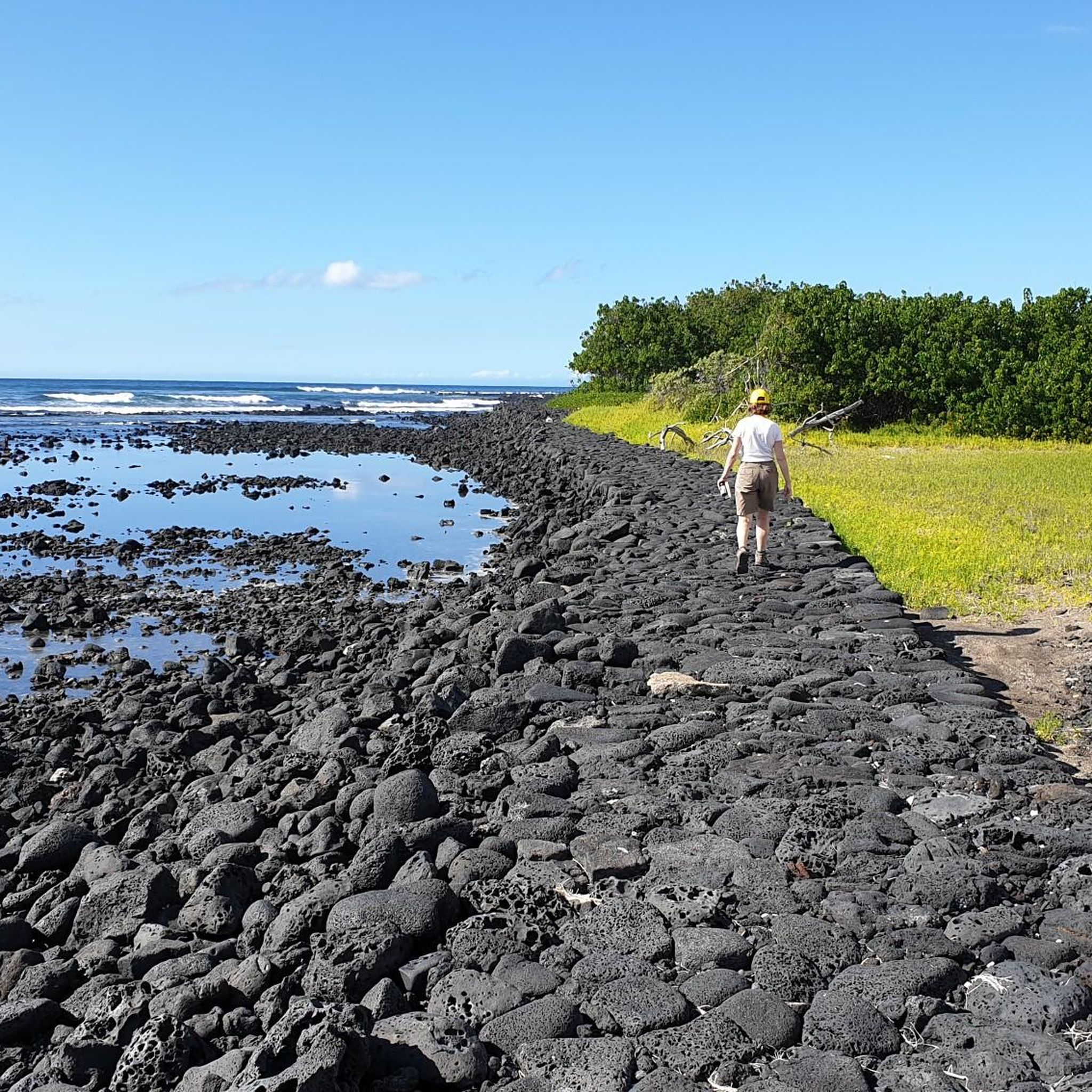
Ka'elehuluhulu Beach is part of the Kekaha Kai State Park and the easiest of the beaches in the state park to reach due to some of the roads. Here you can find restrooms, BBQ grills, picnic tables, and plenty of shade. The waters surrounding the beach are part of the Hawaiian Islands Humpback Whale National Marine Sanctuary!
0
0

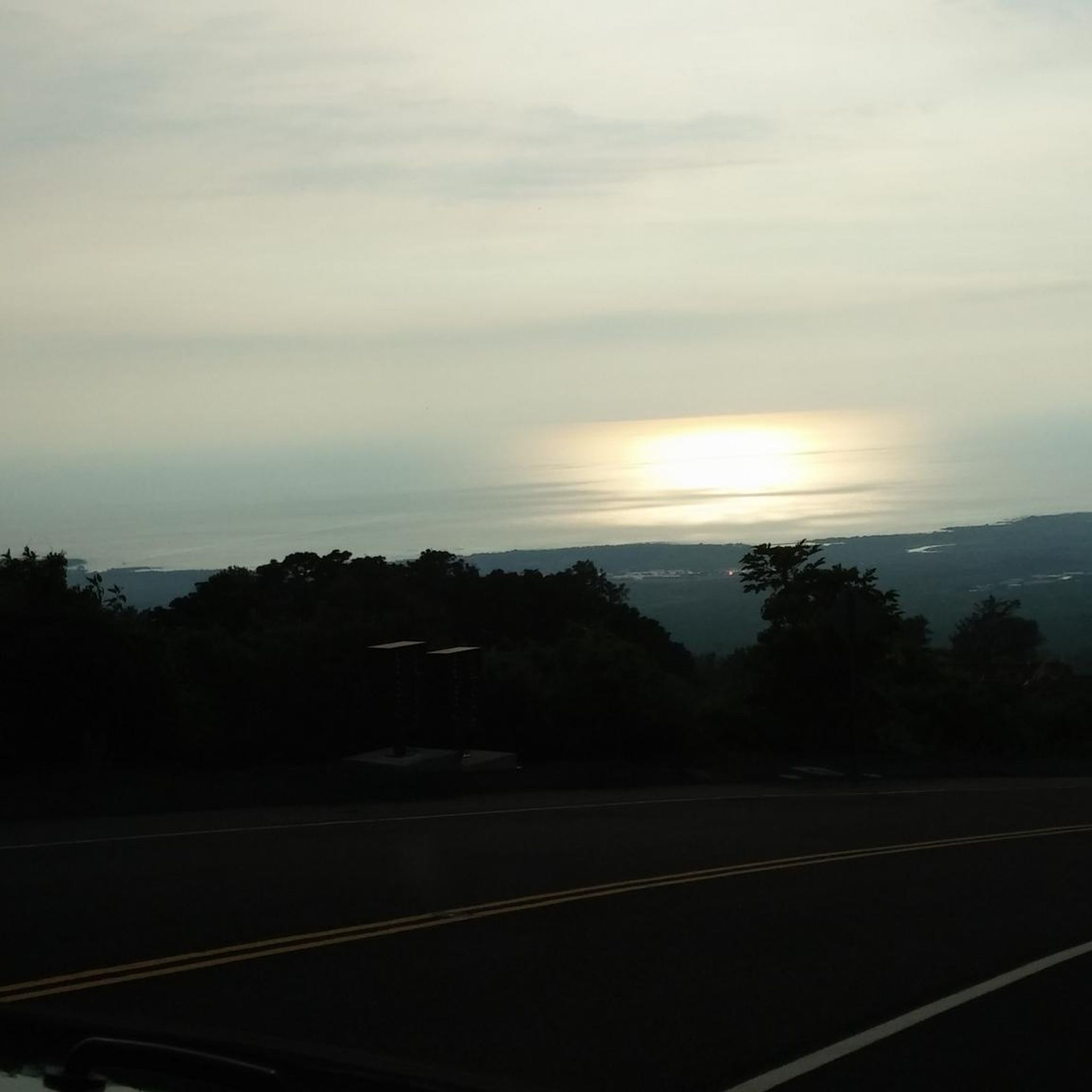
Kīholo Bay and State Park Reserve is a protected group of turquoise-colored tidepools inside a calm bay. This overlook gives cyclests a good chance to look down into the area without having to brave the road there that is a rough ride. Kīholo Bay a great place to go with fewer crowds compared to other beaches in the area, and recent conservation action has improved this area. Letting people drive on the beach stopped, which helped the ecosystem a lot.
3
0
The Kaloko-Honokōhau Park showcases the engineering of Native Hawaiians with two amazing Hawaiian fishponds. Visitors can go to the visitor center by the parking lot open from 8:30 a.m.– 4 p.m. daily; while Kaloko Road is open to cars from 8 a.m.–5 p.m. daily. At the beaches, visitors can see local wildlife, including honu which are the green sea turtles. Visitors can also see native birds, and maybe even a Hawaiian monk seal getting warm in the sunshine.
1
0
Frequently Asked Questions
What unique natural features can I discover around Kaloko?
The Kaloko area, particularly within Kaloko-Honokōhau National Historical Park, is rich in diverse natural features. You can explore unique brackish anchialine pools, vibrant coral reefs, and extensive volcanic landscapes shaped by the Hualālai volcano. The park also features tidepools teeming with marine life and beautiful sandy beaches like Makalawena Beach, known for its clear water and tranquil atmosphere.
Are there hiking trails to explore the natural monuments around Kaloko?
Yes, there are several hiking opportunities to explore the natural monuments. Kaloko-Honokōhau National Historical Park offers trails that meander through lava fields and along the coast, providing serene retreats and access to historic sites. For specific routes, you can find options like the 'Petroglyph Boardwalk Trail loop' or 'Makāula ʻOʻoma Trail loop' in the Hiking around Kaloko guide.
What kind of wildlife can I expect to see at the natural monuments?
The natural monuments around Kaloko are vital sanctuaries for unique Hawaiian biodiversity. You can frequently spot green sea turtles (honu) basking on the sandy shores, and sometimes even endangered Hawaiian monk seals. The park is also excellent for birdwatching, home to native species like the Hawaiian stilt (āeʻo) and the nēnē (Hawaiian goose), especially around the 'Aimakapā fishpond. The clear waters and coral reefs teem with colorful fish and invertebrates, making it a great spot for marine life observation.
Are there family-friendly natural monuments to visit in Kaloko?
Absolutely. Kaloko-Honokōhau National Historical Park is considered family-friendly, offering beaches and trails where visitors can observe local wildlife like green sea turtles. Ka‘elehuluhulu Beach is another family-friendly option, suitable for a picnic and enjoying the atmosphere, though swimming might be limited due to reefs.
When is the best time to visit the natural monuments around Kaloko?
The natural monuments around Kaloko, particularly Kaloko-Honokōhau National Historical Park, are generally pleasant to visit year-round due to Hawaii's consistent tropical climate. However, visiting during the cooler, drier months (roughly April to October) might be more comfortable for hiking and exploring. Early mornings are often best for wildlife viewing and avoiding midday heat on trails.
Do the natural monuments around Kaloko have historical or cultural significance?
Yes, the natural landscape around Kaloko is deeply intertwined with the rich history and culture of ancient Hawaiians. Kaloko-Honokōhau National Historical Park, for instance, showcases Hawaiian fishponds and other sites that demonstrate how early Hawaiian settlements ingeniously utilized natural resources. The coexistence of natural beauty with ancient fishponds and petroglyphs provides a deeper understanding of traditional Hawaiian life and sustainable resource management.
What activities can I do at the natural monuments besides hiking?
Beyond hiking, the natural monuments offer various activities. You can enjoy sunbathing and picnicking on less crowded beaches like Ka‘elehuluhulu Beach or Makalawena Beach. The clear waters and coral reefs are excellent for snorkeling, allowing you to explore diverse marine life. Birdwatching is also popular, especially for native species like the nēnē. Additionally, you can explore unique geological formations such as the Lava Tube, offering an exciting insight into volcanic processes.
Where can I find the best viewpoints of the natural monuments?
For stunning views of the coastal natural monuments, consider visiting Kīholo Overlook. This spot provides a great vantage point to look down into Kīholo Bay and its protected group of turquoise-colored tidepools. The trails within Kaloko-Honokōhau National Historical Park also offer ocean views as they traverse the rugged coastal landscape.
How can I access the natural monuments, and is parking available?
Access to natural monuments varies. For Ka‘elehuluhulu Beach, there's a parking lot right next to the beach, though a 4WD vehicle is recommended for the dirt road leading from the highway. Kaloko-Honokōhau National Historical Park has a visitor center with parking, and Kaloko Road is open to cars daily from 8 a.m. to 5 p.m. For Makalawena Beach, you'll typically park and then walk about a mile across a lava field to reach it.
Are there any accessible natural monuments or trails in the Kaloko area?
While specific wheelchair-accessible trails are not extensively detailed, Kaloko-Honokōhau National Historical Park offers a visitor center and roads that are open to cars, suggesting some level of accessibility for viewing certain areas. For detailed accessibility information, it's recommended to check the official National Park Service website for Kaloko-Honokōhau National Historical Park.
What are the most popular natural monuments around Kaloko?
Among the most appreciated natural monuments around Kaloko are Ka‘elehuluhulu Beach, which is easily reachable by car (4WD recommended for the dirt road) and perfect for a picnic. Another favorite is Makalawena Beach, a stunning white sand beach accessible via a walk across a lava field, offering clear water and tranquility. Kaloko-Honokōhau National Historical Park is also highly popular for its historical sites, beaches, and wildlife viewing opportunities.
Most popular routes around Kaloko
Most popular attractions around Kaloko

Get inspired with the komoot mobile app


Explore more
Extend your search for the best caves by checking out these guides of the top ones around Kaloko:
