Top 15 Natural Monuments around Washington D.C
Best natural monuments around Washington D.C. offer serene escapes and a chance to connect with nature within and around the city. The region is characterized by its blend of urban development and significant green spaces, including expansive parks and riverine landscapes. These areas provide diverse ecosystems, from forests and stream valleys to tidal marshes, supporting a variety of flora and fauna. The natural landscape complements the city's historical and cultural landmarks, providing accessible outdoor experiences.
Best natural monuments around Washington…
Last updated: July 9, 2026
World War II Memorial
Highlight • Monument
Tip by

Korean War Veterans Memorial
Highlight • Monument
Translated by Google •
Tip by

Sign up now to discover places like this
Get recommendations on the best single tracks, peaks, & plenty of other exciting outdoor places.
Sign up for free
Roosevelt Memorial
Highlight • Monument
Tip by
Rock Creek Park
Highlight • Forest
Tip by
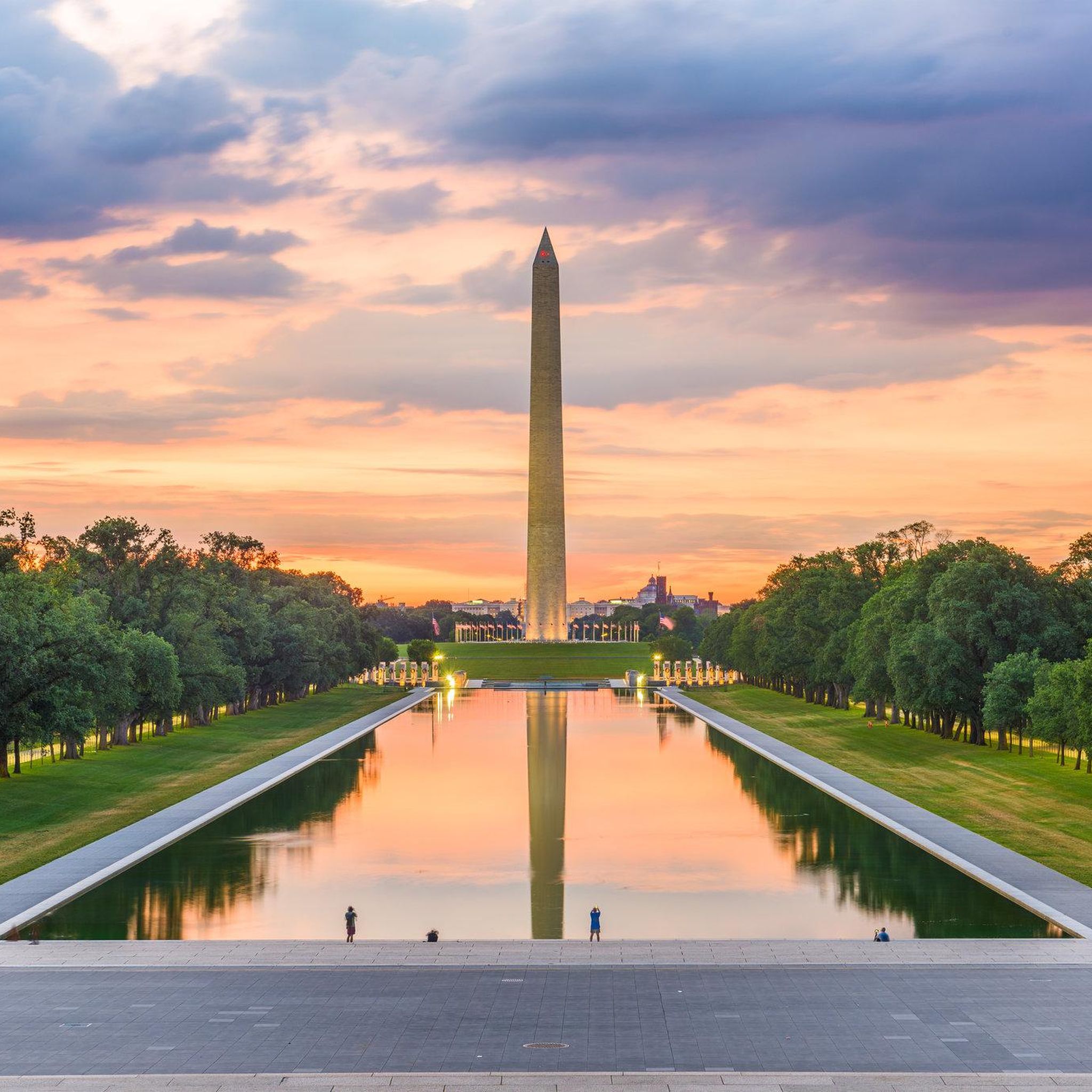
Washington Monument
Highlight • Monument
Tip by

Boulder Bridge
Highlight • Bridge
Translated by Google •
Tip by

Rock Creek Park
Highlight • Forest
Tip by

Rock Creek
Highlight • River
Translated by Google •
Tip by
Herring Highway
Highlight • Structure
Tip by

United States Botanic Garden
Highlight • Natural
en.wikipedia.org/wiki/United_States_Botanic_Garden
Tip by

Sign up for free to discover even more natural monuments around Washington D.C.
Sign up for free
Already have an account?
Start today with a free account
Your next adventure awaits.
Login or Signup
Popular around Washington D.C
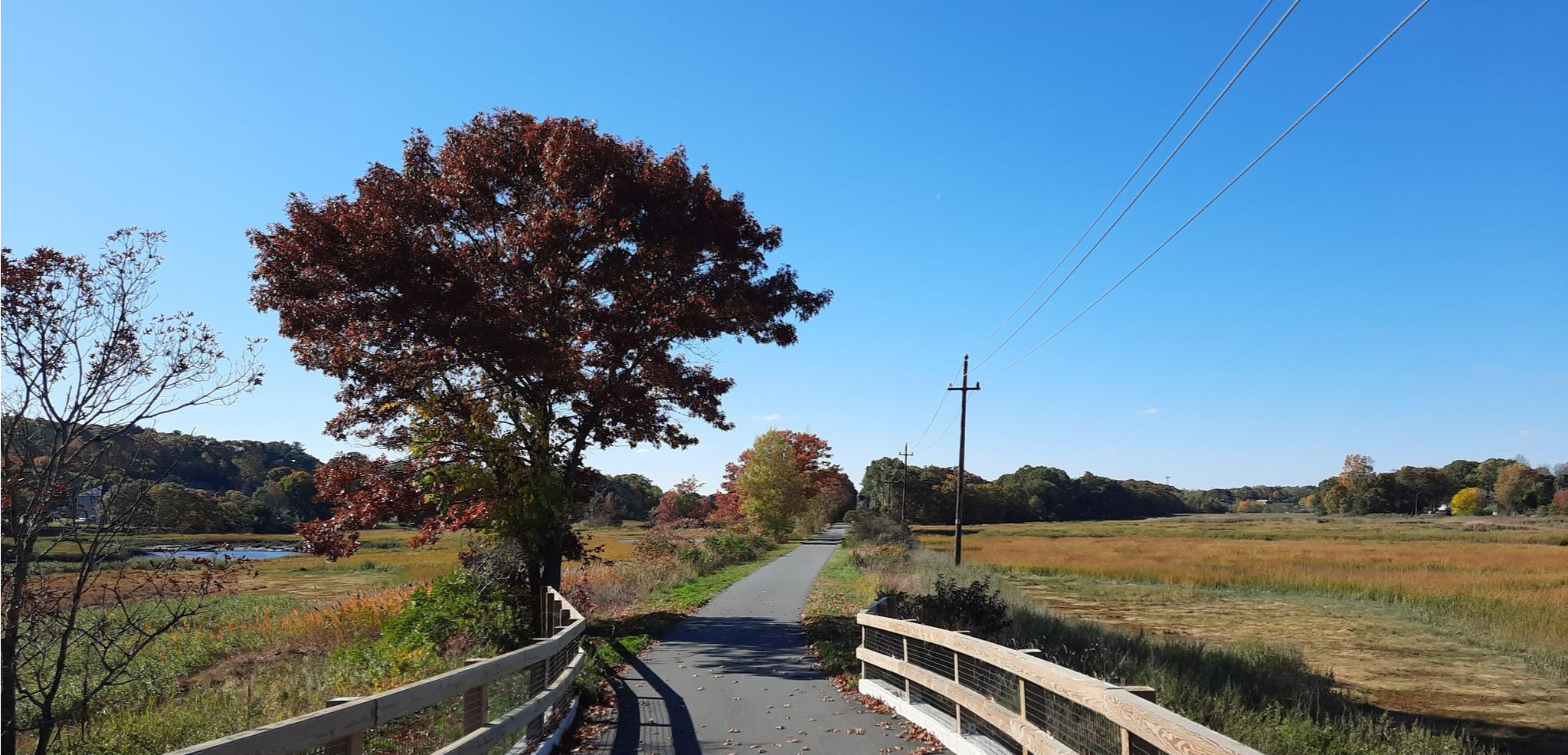
East Coast Greenway — An unforgettable ride along the Atlantic Seaboard
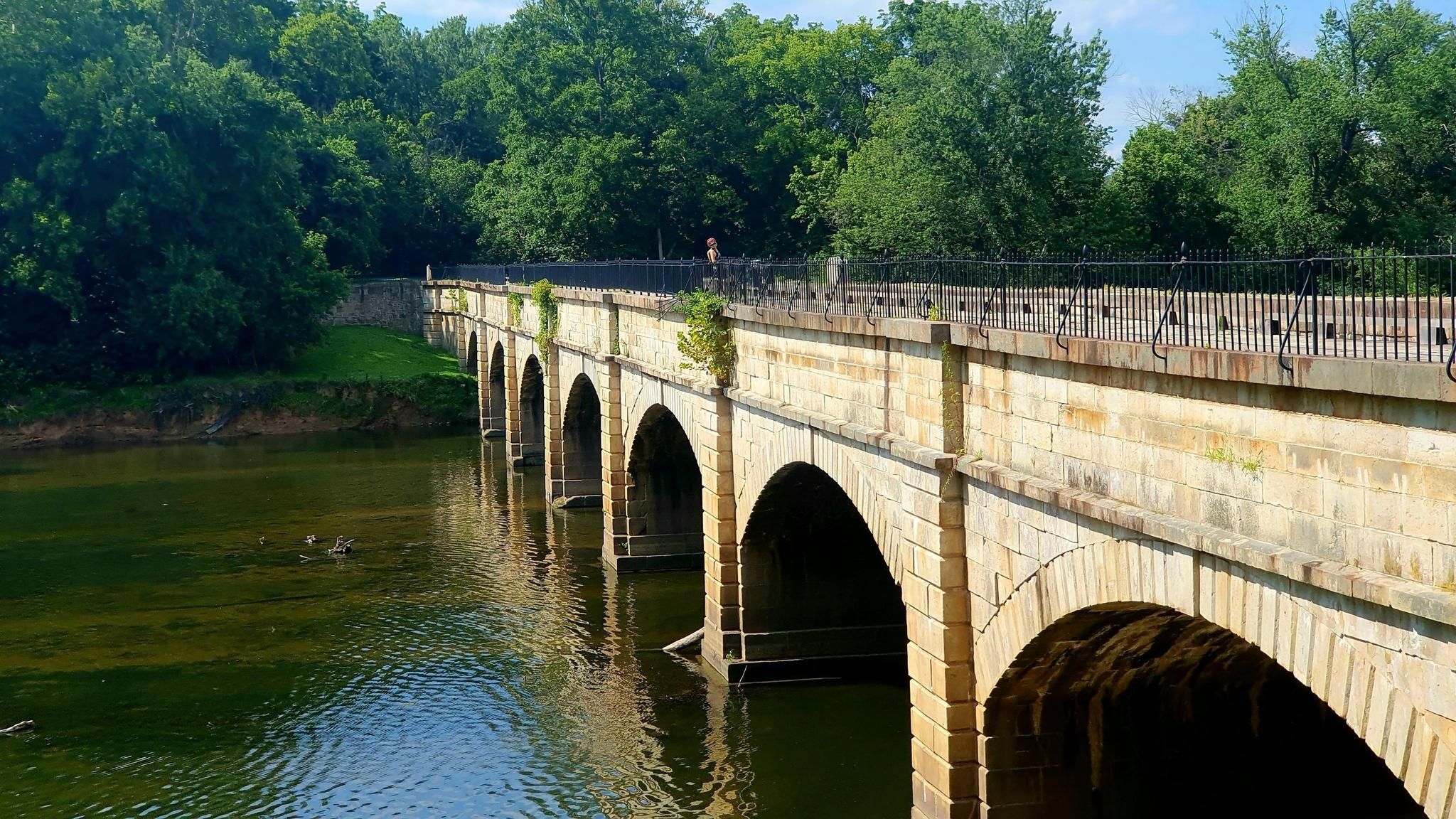
Potomac Heritage National Scenic Trail — Exploring a historic corridor
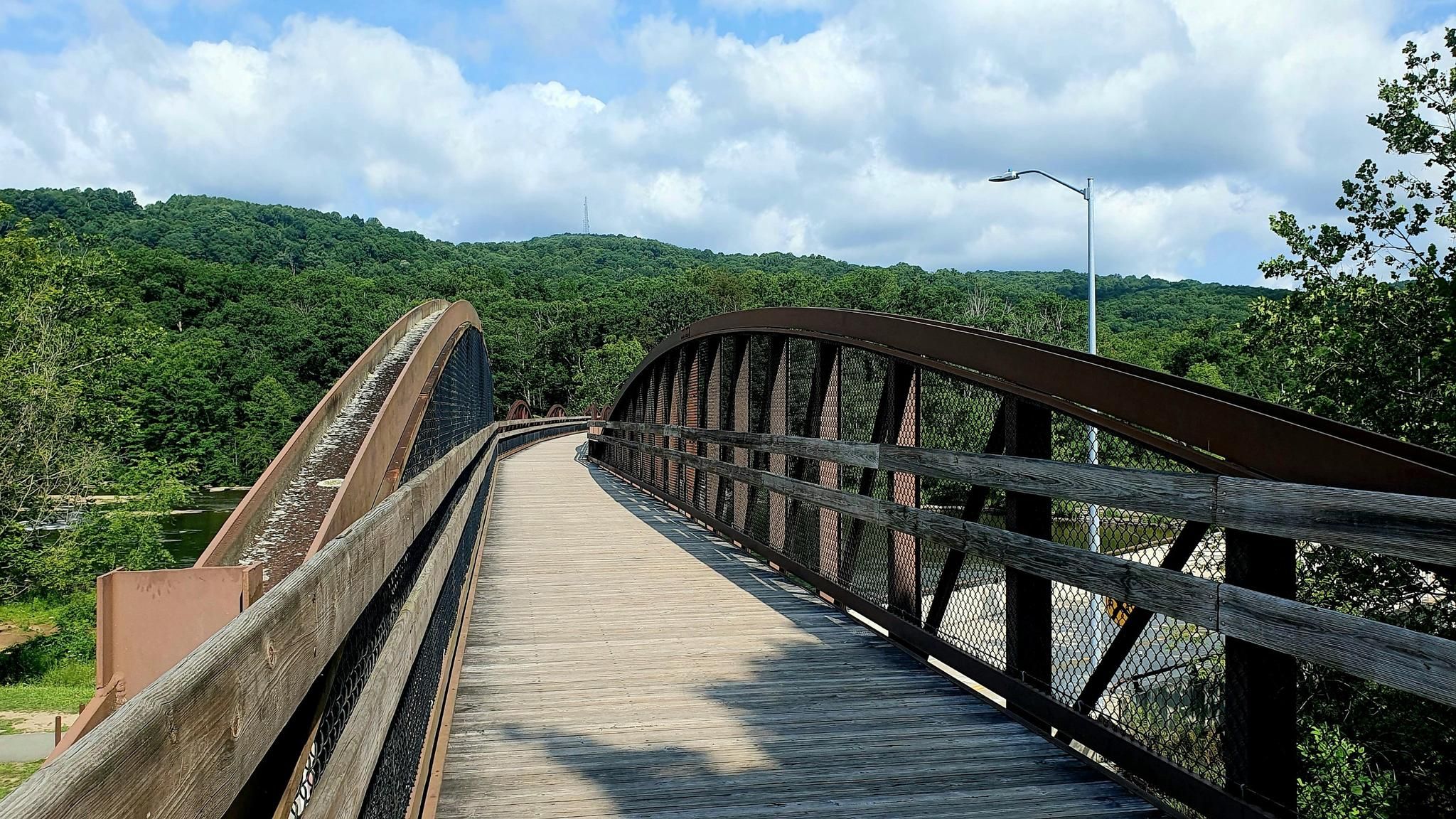
Potomac Heritage National Scenic Trail — Cycle the nation's river
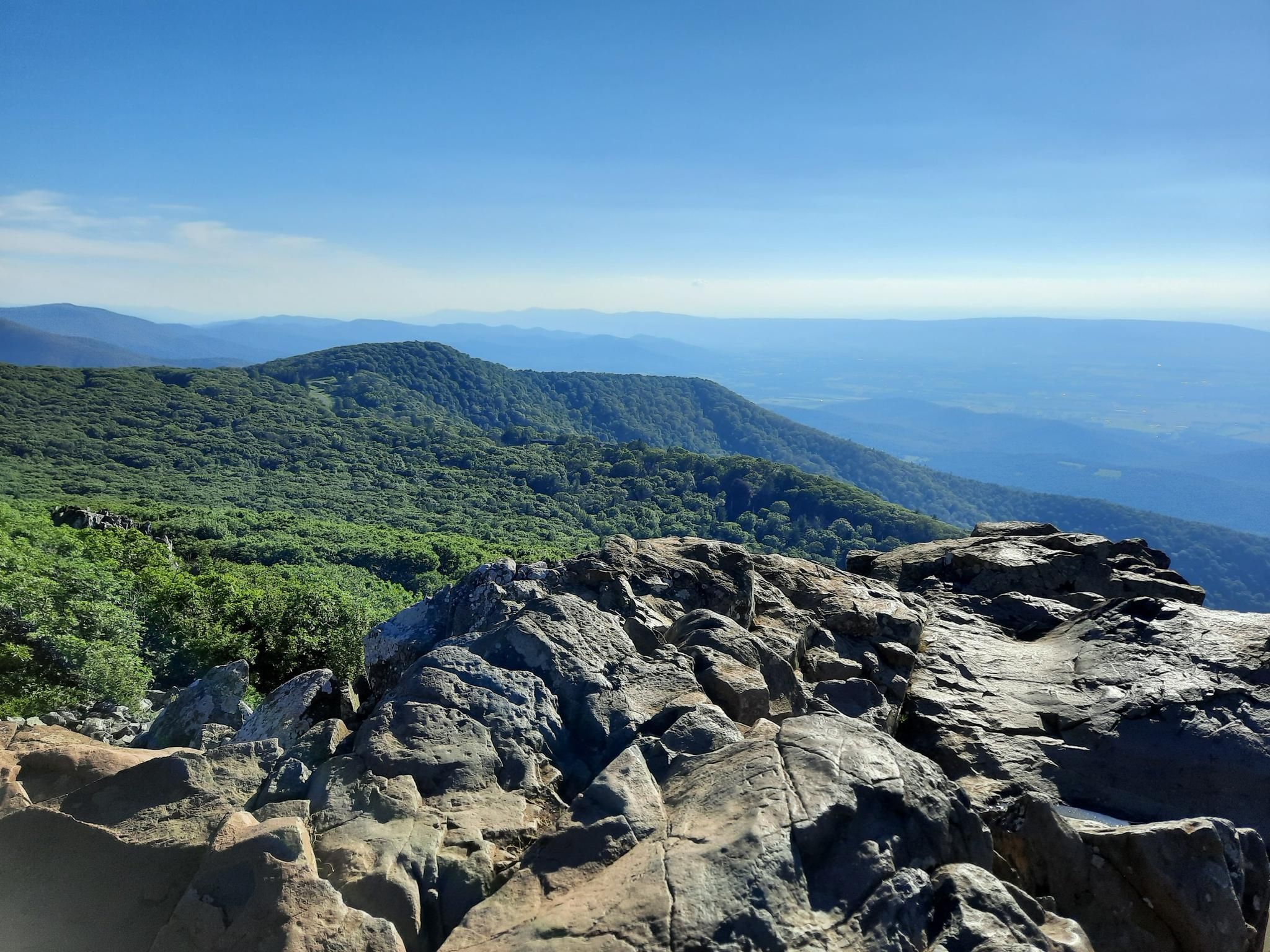
Stunning views, waterfalls and adventures in northeast USA
Hiking around Washington D.C
Road Cycling Routes around Washington D.C
Cycling around Washington D.C
Running Trails around Washington D.C
Gravel biking around Washington D.C
MTB Trails around Washington D.C
Other adventures around Washington D.C


Tips from the Community

What is the Washington Monument? The Washington Monument is an iconic obelisk of white marble, granite, and bluestone, built in honor of George Washington, the first president of the United States. It stands at the center of the National Mall in Washington, D.C. At 553 feet (169 meters), it was the tallest structure in the world upon its completion in 1884. It remains the tallest freestanding stone structure and obelisk in the world.
2
0

one of the sights in the National Mall
1
0
very big and basically tells a story
1
0
This important man in the US story deserves such a big monument.
0
0
Great place and definitely worth visiting
0
0

Rock Creek Park, spanning 1,754 acres, is a natural escape from city life, offering trails, wildlife, and historic landmarks. Founded by Congress in 1890, this national park features not only natural beauty but also family-friendly activities. Visitors can explore its flat paved trails, visit the Smithsonian National Zoo, or learn about history at the 19th-century Peirce Mill. Families can enjoy the Nature Center, and Discovery Room. The park also hosts stargazing at its planetarium, guided ranger walks, picnic spots, and opportunities to visit historic sites like Fort Stevens, where Lincoln stood during the Civil War.
0
0

The Washington Monument is an obelisk on the National Mall and is one of the most well-known landmarks in Washington, DC. The monument was constructed to memorialize George Washington, one of the Founding Fathers of the US and the first president.
2
0
An impressive representation, I think
1
0
Frequently Asked Questions
What are some of the most popular natural monuments to visit in Washington D.C.?
Among the most popular natural monuments in Washington D.C. is Rock Creek Park, a vast urban oasis offering trails, wildlife, and historic landmarks. Visitors also frequently enjoy the World War II Memorial and the Korean War Veterans Memorial, which are significant man-made monuments integrated with natural elements and extensive landscaping.
Are there family-friendly natural monuments in the Washington D.C. area?
Yes, several natural monuments in and around Washington D.C. are great for families. Rock Creek Park offers family-friendly activities, including a Nature Center, Discovery Room, and picnic spots. Boulder Bridge is located on a great bike path, perfect for a family ride. The Japanese Cherry Trees are also a popular family destination, especially during bloom season.
What kind of natural features can I expect to see at these monuments?
Washington D.C.'s natural monuments offer a diverse range of features. At Rock Creek Park, you'll find forests, stream valleys, and the Rock Creek itself. Theodore Roosevelt Island features swampy bottomlands, upland forests, and tidal marshes. The U.S. National Arboretum showcases a vast collection of trees, shrubs, and plants from around the world, including a California redwood.
What historical or cultural sites are integrated with the natural monuments?
Many natural monuments in Washington D.C. have significant historical connections. Rock Creek Park includes historic sites like Peirce Mill and the Joaquin Miller Cabin, and Fort Stevens. Theodore Roosevelt Island is a living memorial to the 26th President, featuring a statue and inscribed granite monoliths. The Roosevelt Memorial also uses elements of water, stone, and landscaping to tell the president's story.
Are there hiking opportunities near the natural monuments in Washington D.C.?
Yes, there are numerous hiking opportunities. Rock Creek Park offers over 32 miles of trails with significant elevation changes. Theodore Roosevelt Island has 2.5 miles of trails winding through diverse ecosystems. For more detailed routes, you can explore the Hiking around Washington D.C. guide, which includes routes like the Theodore Roosevelt Island trail and the Western Ridge and Valley Trail Loop.
What other outdoor activities can I do near these natural monuments?
Beyond hiking, you can enjoy a variety of outdoor activities. Rock Creek Park is popular for biking and horseback riding, and also features a golf course and tennis courts. You can find mountain biking routes in the MTB Trails around Washington D.C. guide, and running trails in the Running Trails around Washington D.C. guide, which features routes like the Rock Creek Park Loop.
Are any of the natural monuments wheelchair accessible?
Yes, several monuments are designed to be wheelchair accessible. The World War II Memorial, Korean War Veterans Memorial, and Roosevelt Memorial are all wheelchair accessible. Additionally, the United States Botanic Garden also offers wheelchair accessibility.
What do visitors enjoy most about the natural monuments in Washington D.C.?
Visitors frequently praise the serene escape these natural monuments offer from city life. They appreciate the genuine forest experience and diverse ecosystems, as well as the blend of natural beauty with historical significance. Many enjoy the extensive trail networks for walking, biking, and running, and the opportunities for wildlife observation. The peaceful atmosphere and the chance to connect with nature are often highlighted.
Is there a good time of year to visit these natural monuments?
The natural monuments in Washington D.C. can be enjoyed year-round. Spring is popular for the blooming Japanese Cherry Trees and other flora. Fall offers vibrant seasonal foliage, particularly in places like Rock Creek Park. Even in winter, the parks offer a tranquil experience, though some unpaved sections might be muddy during rainy periods.
Where can I see unique plant collections or botanical gardens?
The U.S. National Arboretum is a premier destination for unique plant collections. It features the National Bonsai & Penjing Museum, the Gotelli Dwarf and Slow Growing Conifer Collection, and extensive azalea and flowering tree collections. The United States Botanic Garden also offers a diverse array of plants and educational exhibits.
Are there any natural monuments that offer great viewpoints?
Yes, several natural monuments provide excellent viewpoints. Rock Creek Park offers various scenic spots, and the Roosevelt Memorial provides great views of the city. Boulder Bridge is also noted as a beautiful photo spot.
What is Theodore Roosevelt Island and what makes it unique?
Theodore Roosevelt Island is an 88.5-acre wilderness preserve in the Potomac River, serving as a living memorial to President Theodore Roosevelt's conservation efforts. It's unique because it's accessible only by a footbridge from Virginia, making it a pedestrian-only haven. The island offers 2.5 miles of trails through diverse ecosystems and features a memorial plaza with a 17-foot bronze statue of Roosevelt.
Most popular routes around Washington D.C
Most popular attractions around Washington D.C

Get inspired with the komoot mobile app


Explore more
Extend your search for the best caves by checking out these guides of the top ones around Washington D.C:
