Top 8 Natural Monuments around Blue River
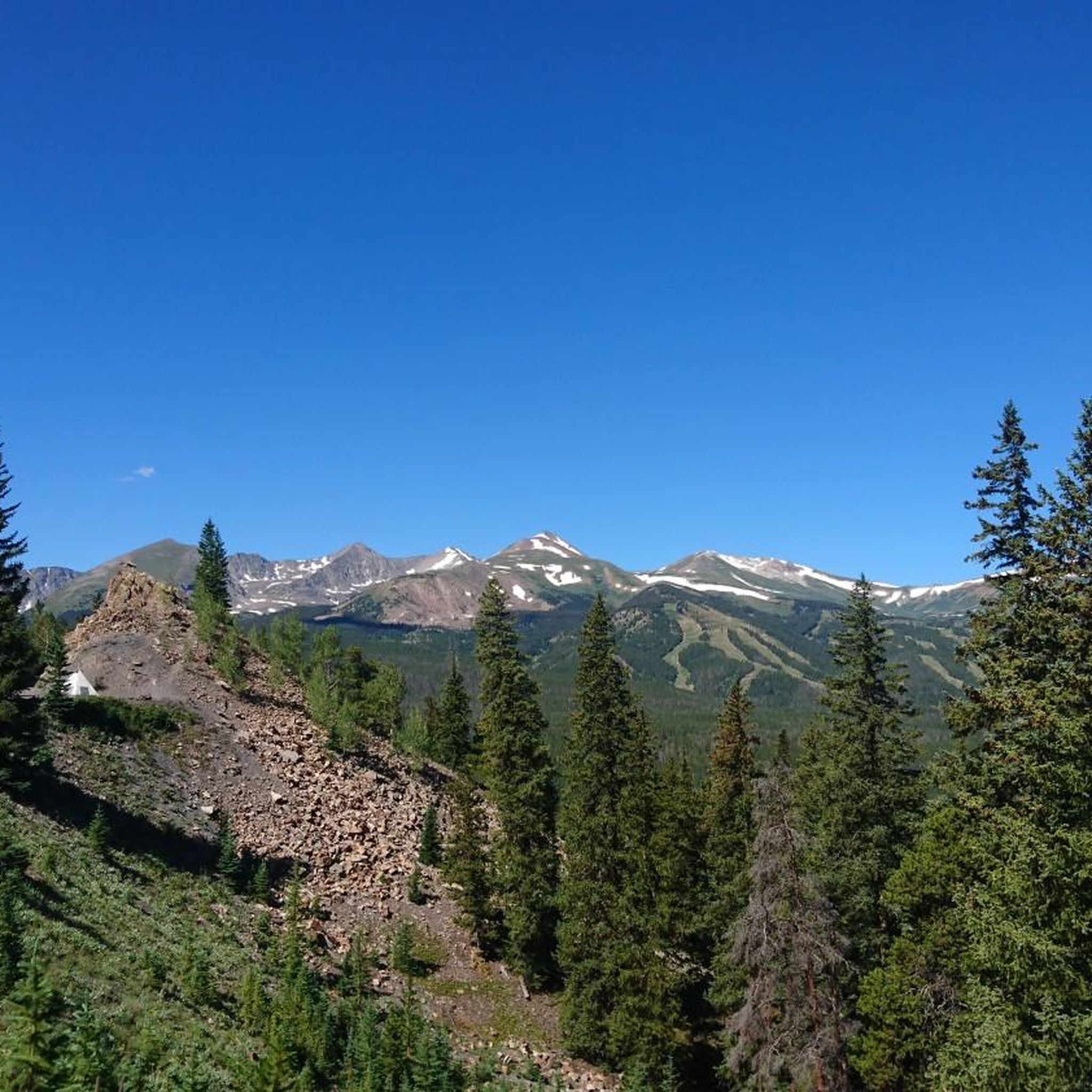
Best natural monuments around Blue River are characterized by high-elevation mountain landscapes and diverse outdoor features. The region, particularly in Colorado, is known for its prominent 14,000-foot peaks, alpine lakes, and significant river systems. These areas offer opportunities for hiking, wildlife viewing, and experiencing the natural environment. The Blue River itself is a notable natural attraction, providing recreation options and scenic views.
Best natural monuments around Blue River
- The most popular natural monuments is Summit of Quandary Peak, a…
Last updated: June 25, 2026
Mount Bross
Highlight • Summit
Tip by

Crystal Peak
Highlight • Summit
Tip by
Sign up now to discover places like this
Get recommendations on the best single tracks, peaks, & plenty of other exciting outdoor places.
Sign up for free
Summit of Quandary Peak
Highlight • Summit
She owes this popularity to the notorious lack of difficulties in climbing it.
Tip by

Mount Lincoln
Highlight • Summit
Tip by
French Pass
Highlight • Mountain Pass
Tip by
Sign up for free to discover even more natural monuments around Blue River.
Sign up for free
Already have an account?
Start today with a free account
Your next adventure awaits.
Login or Signup
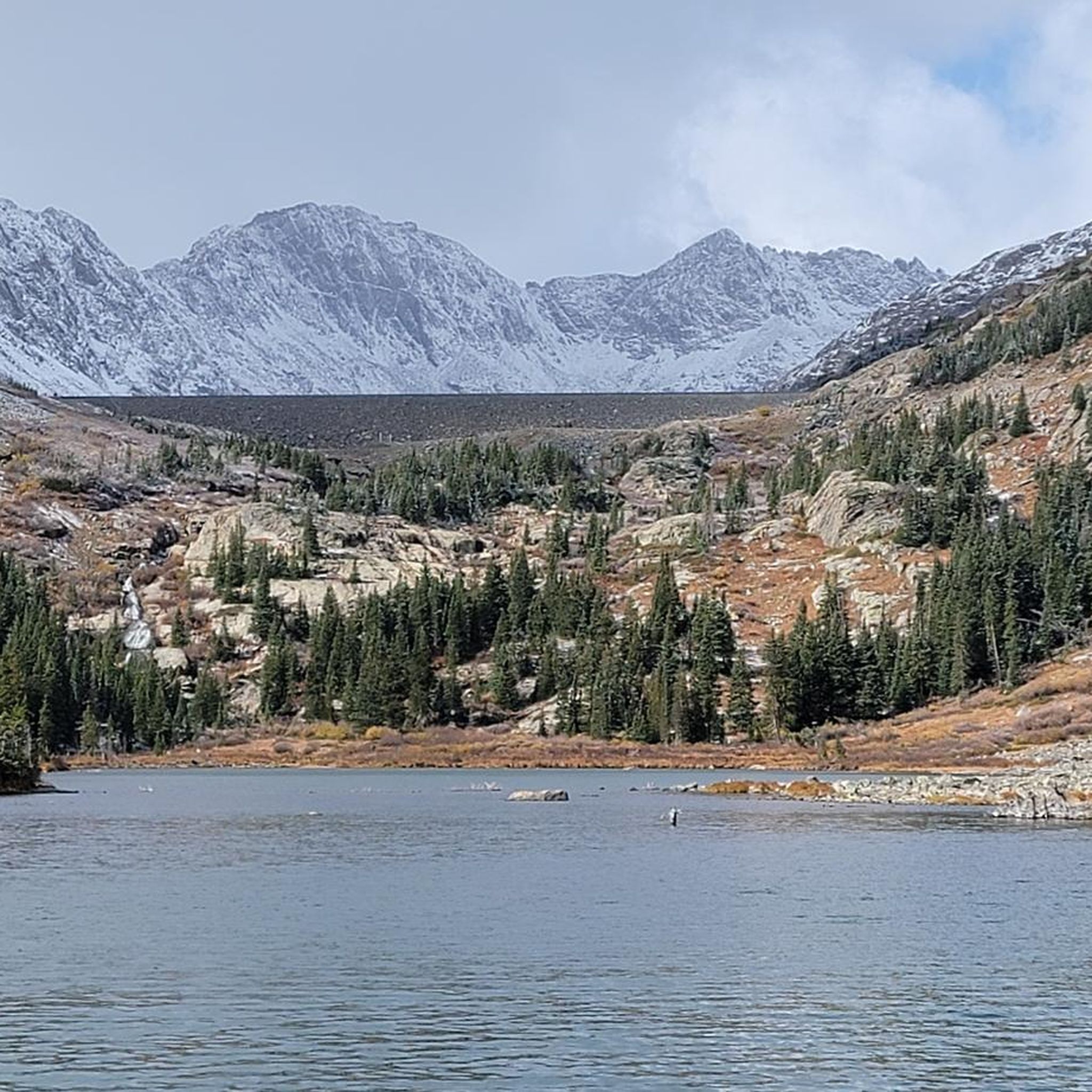
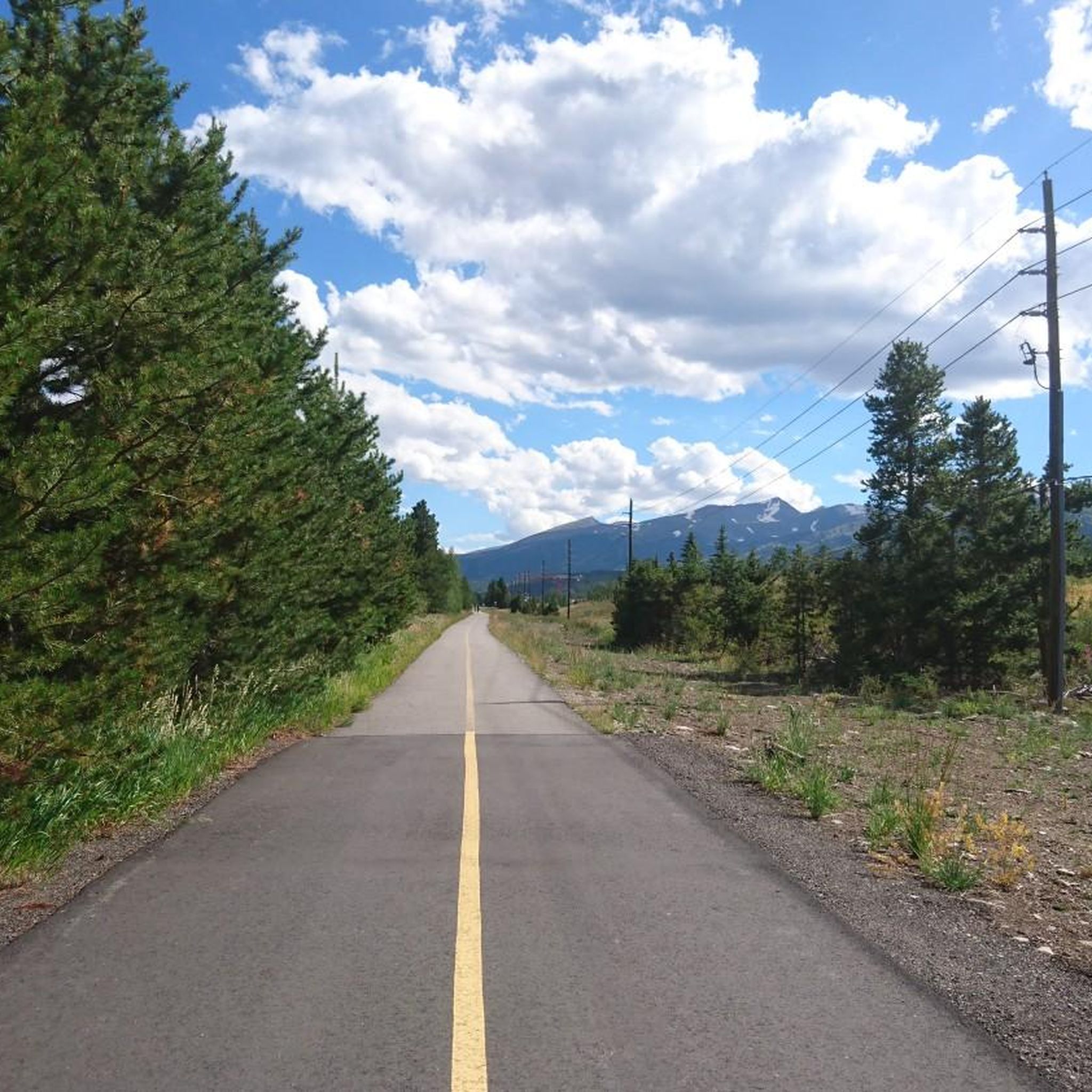
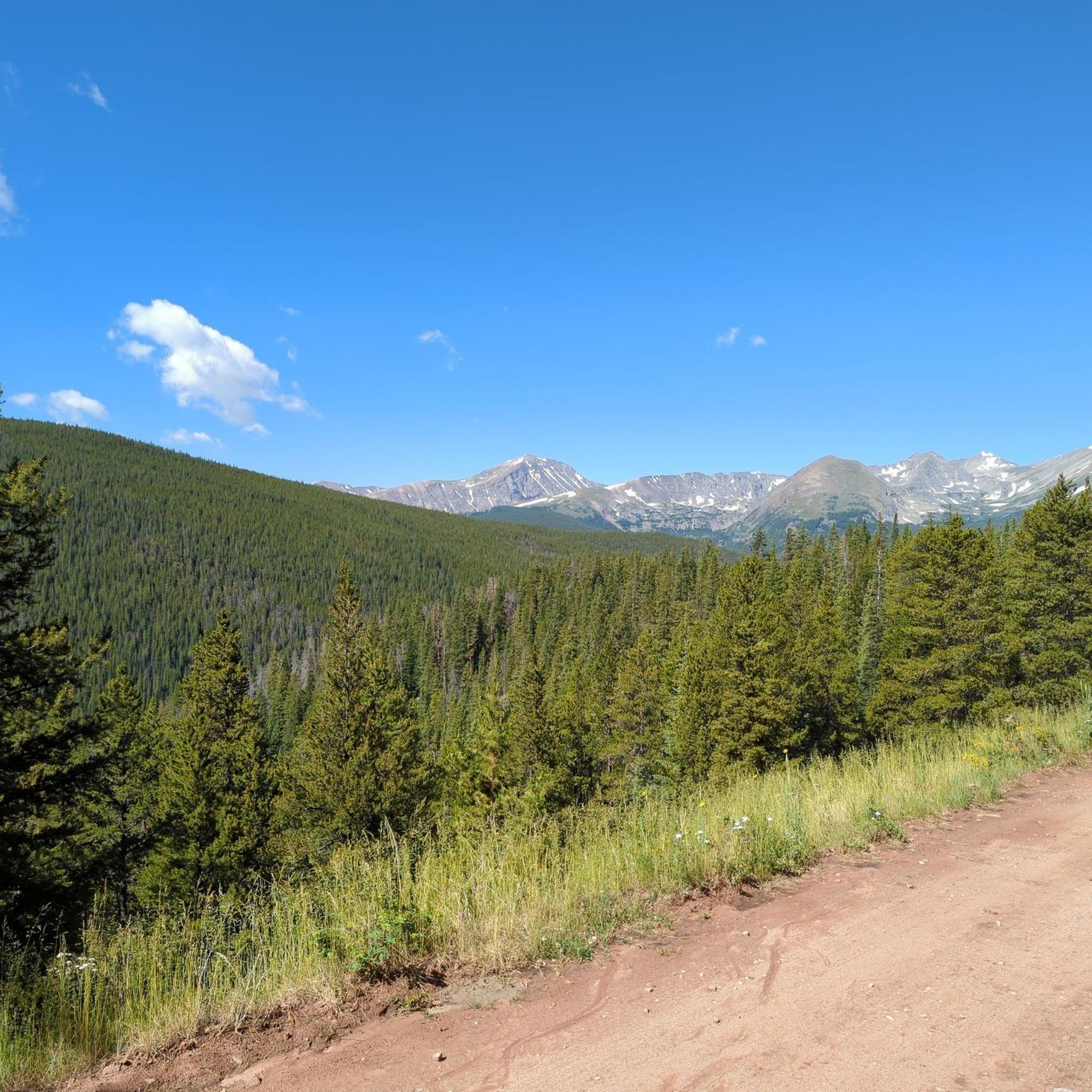
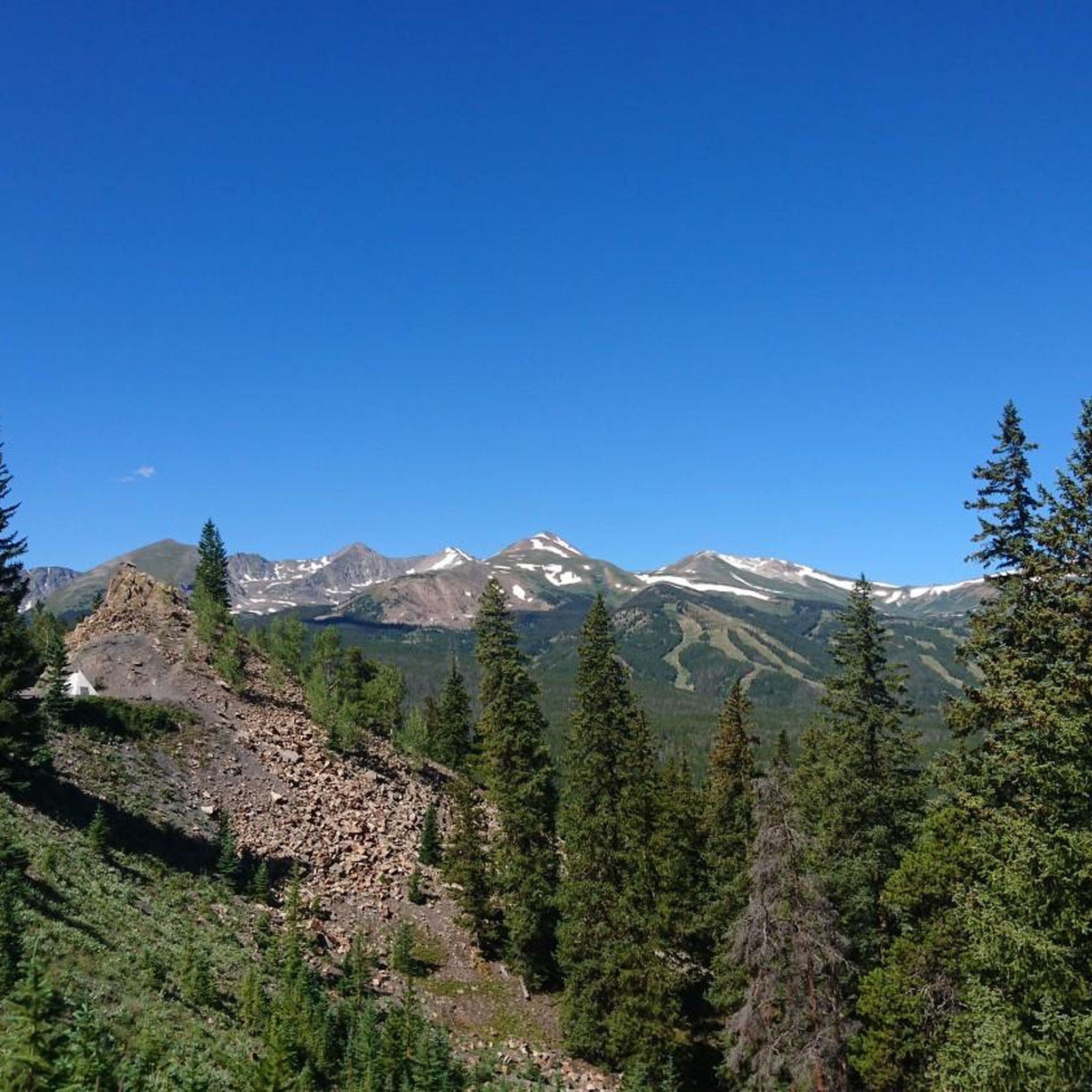

Tips from the Community

French Pass reaches up just over 12,000 feet and offers great views of the surrounding mountains and valleys. The trail to the top starts off on an old service road and eventually turns into tough singletrack. This area is prone to avalanches in the winter so should only be utilized in the dry months.
0
0
Crystal Peak reaches up to 13,852 feet and one of the southernmost peaks in the Tenmile Range. There are a few glacial lakes below the summit that add to the alpine views. The route to the top is rocky and trying and feels a lot like a 14er without the trail maintenance and the crowds. All in all, summiting Crystal Peak can be a tough and rewarding experience.
0
0
Crystal Peak reaches up to 13,852 feet and one of the southernmost peaks in the Tenmile Range. There are a few glacial lakes below the summit that add to the alpine views. The route to the top is rocky and trying and feels a lot like a 14er without the trail maintenance and the crowds. All in all, summiting Crystal Peak can be a tough and rewarding experience.
0
0
French Pass reaches up just over 12,000 feet and offers great views of the surrounding mountains and valleys. The trail to the top starts off on an old service road and eventually turns into tough singletrack. This area is prone to avalanches in the winter so should only be utilized in the dry months.
0
0
Mount Bross is a 14,178 foot mountain making up the final peak in the DeCaLiBron loop (when done clockwise). This mountain has lots of mines and mining claims associated with it, which leads to the private property issues often faced in the area. Coming down off of Bross is chossy and can be safer to hike at times. Get ready to surf some scree. The mountain is notorious for having limited and restricted access since the actual summit lies on private property. In fact, the entirety of the DeCaLiBron loop is sometimes restricted/closed to the public.
0
0
Mount Lincoln is another one of the 14ers making up the DeCaLiBron loop. It stands at 14,293 feet and has incredible head-on view of two different mountain ranges: the Tenmile Range to the north and the Mosquito Range to the south.
0
1
Mount Bross is a 14,178 foot mountain making up the final peak in the DeCaLiBron loop (when done clockwise). This mountain has lots of mines and mining claims associated with it, which leads to the private property issues often faced in the area. The mountain is notorious for having limited and restricted access since the actual summit lies on private property. In fact, the entirety of the DeCaLiBron loop is sometimes restricted/closed to the public.
0
0
Mount Lincoln is another one of the 14ers making up the DeCaLiBron loop. It stands at 14,293 feet and has incredible head-on view of two different mountain ranges: the Tenmile Range to the north and the Mosquito Range to the south.
1
0
Frequently Asked Questions
What are some of the most prominent natural monuments to explore around Blue River?
The Blue River area, particularly in Colorado, is known for its high-altitude mountain landscapes. Key natural monuments include challenging 14,000-foot peaks like Summit of Quandary Peak, Mount Lincoln, and Mount Bross. You can also find scenic alpine lakes such as Blue Lakes (Quandary Peak) and significant mountain passes like French Pass.
What kind of natural features can I expect to see in the Blue River area?
The Blue River region is characterized by its stunning mountain scenery. You'll encounter majestic 14,000-foot peaks, serene alpine lakes, dense forests, and dramatic mountain passes. The Blue River itself is a significant natural attraction, offering scenic views and opportunities for fishing and water activities.
Are there family-friendly natural monuments or trails around Blue River?
Yes, for a relatively easy and family-friendly experience, the hike to Blue Lakes (Quandary Peak) is a great option. It's an easy hike that leads to several beautiful lakes at the foot of Quandary Peak, with a dirt road providing access close to the main lake.
What outdoor activities can I do near these natural monuments?
The Blue River area offers a wide range of outdoor activities. You can enjoy hiking on trails like Spruce Creek Trail or Mohawk Lakes Trail, explore various road cycling routes such as the Upper Blue Recpath, or try gravel biking on routes like Boreas Pass Road. For more details on routes, check out the guides for hiking, road cycling, and gravel biking around Blue River.
What is the best time of year to visit the natural monuments around Blue River?
The warmer months are generally best for visiting the high-elevation natural monuments around Blue River, especially for hiking and water activities. During winter, areas like French Pass are prone to avalanches and should only be utilized in the dry months. Always check local conditions before planning your trip.
Are there any challenging hikes or climbs among the natural monuments?
Absolutely. The Blue River area is renowned for its challenging 14,000-foot peaks. Summit of Quandary Peak is a popular 14er, while Mount Lincoln and Mount Bross are part of the demanding DeCaLiBron loop. French Pass also offers tough singletrack trails with significant elevation gain.
What should I know about accessing the summits like Mount Bross?
Access to some summits, such as Mount Bross, can be limited or restricted as the actual summit often lies on private property. The entire DeCaLiBron loop, which includes Mount Bross, is sometimes subject to restrictions or closures. Always check current access regulations before planning your ascent.
Are there any specific parking considerations for popular natural monuments?
Yes, for popular spots like Quandary Peak, new regulations may apply. For example, as of 2021, hikers planning to visit Quandary Peak may need a parking reservation for the lot or be required to take a shuttle to the trailhead. It's advisable to check current requirements before your visit.
Can I find viewpoints with panoramic scenery in the Blue River region?
Yes, the Blue River area is rich with panoramic viewpoints. Summit of Quandary Peak offers breathtaking views, and Mount Lincoln provides incredible head-on views of the Tenmile and Mosquito Ranges. French Pass also boasts great views of the surrounding mountains and valleys from over 12,000 feet.
What is unique about the Blue River itself?
The Blue River in Colorado is a significant natural attraction, particularly famous for excellent trout fishing. It's a high-elevation river, approximately 65 miles long, offering various outdoor recreation options such as rafting, kayaking, and paddleboarding during warmer months. Its scenic course through ranch land, lined by cottonwood trees and crowned by the rugged Gore Mountains, makes for a beautiful drive along Highway 9. For more information, you can visit visitgrandcounty.com.
What do visitors enjoy most about the natural monuments in the Blue River area?
Visitors frequently praise the stunning mountain vistas and the sense of accomplishment from summiting peaks. The lack of extreme technical difficulties on popular climbs like Quandary Peak makes it appealing. The serene beauty of alpine lakes like Blue Lakes and the challenging yet rewarding trails through mountain passes are also highly appreciated.
Most popular attractions around Blue River

Get inspired with the komoot mobile app


Explore more
Extend your search for the best caves by checking out these guides of the top ones around Blue River:
