Top 14 Natural Monuments around Mendocino
Best natural monuments around Mendocino showcase a diverse landscape shaped by geological forces and coastal processes. The region features ecological wonders such as pygmy forests and marine terraces, alongside dramatic coastal bluffs and redwood groves. These sites highlight Mendocino's varied natural beauty, offering opportunities to observe unique ecosystems and geological formations. The area provides a range of natural features, from pristine redwood forests to unique coastal environments.
Best natural monuments around Mendocino
- The most popular natural monuments is Waterfall,…
Last updated: September 28, 2026
Jug Handle State Natural Reserve
Highlight • Natural Monument
Tip by

Pygmy Forest Discovery Trail
Highlight (Segment) • Forest
Tip by

Sign up now to discover places like this
Get recommendations on the best single tracks, peaks, & plenty of other exciting outdoor places.
Ecological Staircase Trail
Highlight (Segment) • Trail
As you venture from the …
Tip by
Russian Gulch State Park 🌳 and historic bridge
Highlight • Bridge
Tip by
Waterfall
Highlight • Waterfall
Tip by
Sign up for free to discover even more natural monuments around Mendocino.
Already have an account?
Start today with a free account
Your next adventure awaits.


Tips from the Community

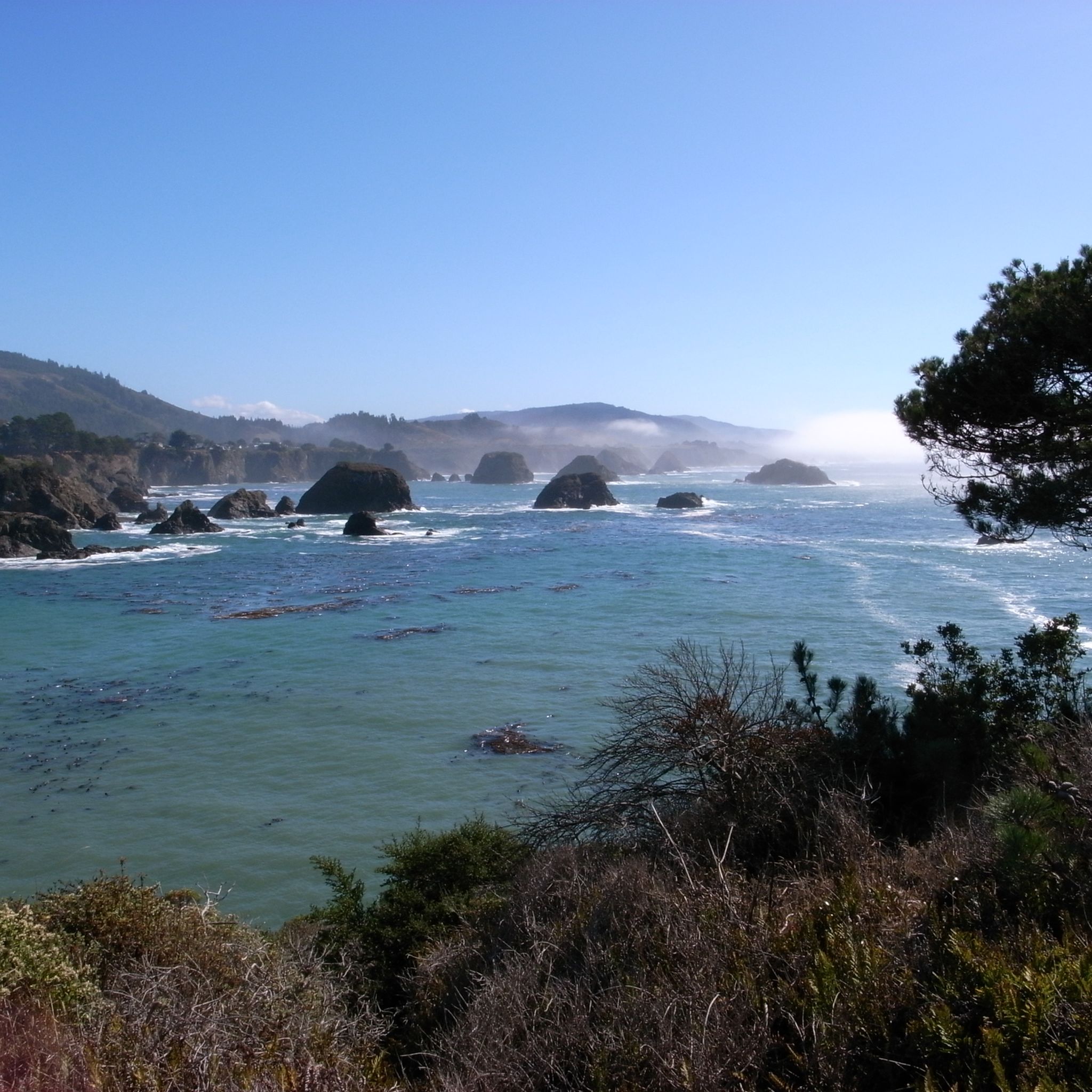
Jug Handle State Natural Reserve is a state park unit in California, United States, that preserves a series of marine terraces, each exhibiting a different stage of ecological succession. It is located on California State Route 1 north of the village of Caspar, five miles (8 km) equidistant between the towns of Mendocino and Fort Bragg. The 776 hectare park (314 ha) was founded in 1976
0
0
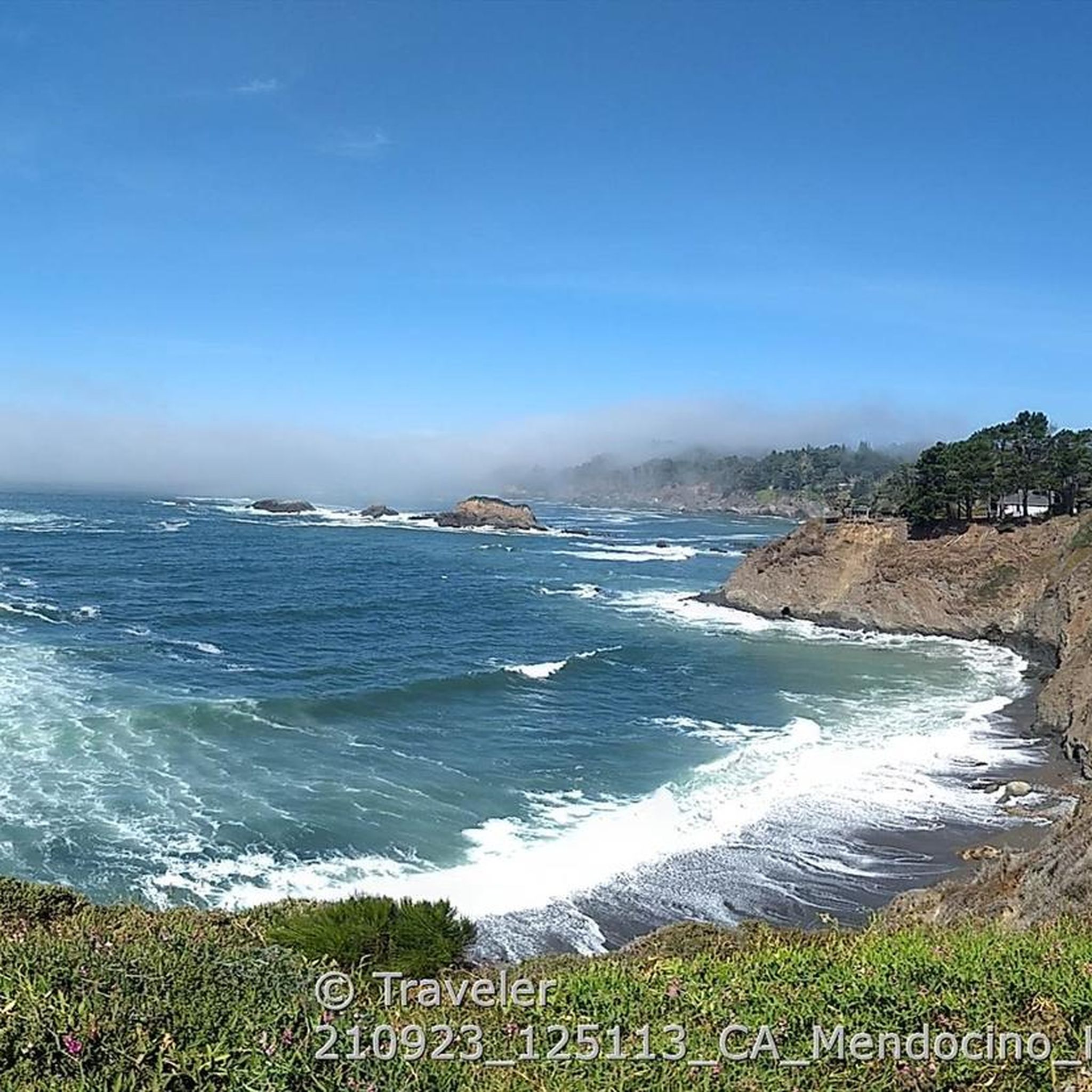
Russian Gulch State Park is a California state park in coastal Mendocino County, California, 2 miles (3.2 km) north of Mendocino and 7 miles (11.2 km) south of Fort Bragg.
0
0

This trail is a very well maintained pathway that serves as Jug Handle's unique natural stairway. This trail showcases an astounding array of diverse environments. As you venture from the coastal edge and travel 2.5 miles inland, you'll encounter three distinct marine terraces. Each terrace, formed 100,000 years before the one below it due to tectonic uplift, presents a world of its own. The lowest terrace boasts a serene prairie landscape, the second is adorned with majestic pines, and the third unveils a fascinating pygmy forest where knee-high trees have thrived for possibly several decades.
1
0
Explore the Pygmy Forest Discovery Trail, a short 300-yard loop boardwalk at Van Damme's eastern end, just two miles inland from Highway One. Over the course of 300,000 years, the forces of nature, including poor acidic soil and hardpan, have created a miniature wonderland resembling a bonsai forest. As you stroll along the boardwalk, you'll encounter interpretive panels that reveal the fascinating story behind these diminutive trees. Here, you'll find Bollander pine (exclusive to the pygmy forest), bishop pine, dwarf manzanita, and Mendocino cypress. Trees that would typically grow over 100 feet tall elsewhere are only a few feet tall here, with trunks as thin as a quarter-inch. The boardwalk hovers just above the forest floor to protect the nutrient-rich lichen. In some spots, you'll be eye-level with these ancient, tiny treetops. Don't miss the chance to explore this living testament to nature's forces!
0
0
Stunning waterfall that nestles among lush ferns and moss. Great place to stop for a break anytime of year. There are wild mushrooms in the winter months and colorful wildflowers in the spring.
0
0

This trail takes the visitor on a tour of the geological updrift from the coast to the Pygmy Forest two and a half mile inland. This marine terrace sequence illustrates a successional story unparalleled elsewhere in California. The composition and processes responsible for this unique ecological setting offer a diverse selection of interpretive opportunities. Jug Handle State Natural Reserve is a special place. Few places on earth display a more complete record of ecological succession. Each of the five terraces represents one stage in a progression of successional environments. Jug Handle, then, is one of the few opportunities to interpret this aspect of the coastal spectrum of ecological succession and landscape evolution. The material base from which the terraces were fashioned is composed of a uniform body of graywacke sandstone (Bailey and Erwin 1959). Although each terrace has evolved from the same parent material, each has been weathered for different lengths of time. The soils, plants, and hydrologic associations on each terrace are affected by the degree of change the weathering has produced in the sandstone (Fox 1976 p. 5). The structure of the terraces at Jug Handle is a result of the movement of the earth's crust (plate tectonics) and the fluctuation of sea level during the Pleistocene. In the last several million years, the continent of North America has moved northwest, and the coastline along the Mendocino coast has risen slowly in relationship to the increase of the sea level brought on by the melting of the continental glaciers. These two factors are massive agents in the shaping of land forms and are rarely seen so clearly outside the desert regions of the world. The principal sculpturing agent at Jug Handle has been the sea. During periods of the Pleistocene when the glaciers were retreating northward, sea level rose more rapidly than the land was rising. As the pounding waves were uplifted onto the land, they fashioned a smooth underwater terrace. With renewal of glaciation, the waves slowly receded as the sea level fell. Deposits of gravel and sand (beach material) were spread across the emerging terrace by the retreating waves (Jenny 1973 p. 8). Continued uplifting raised the terrace clear of subsequent rises in sea level. In this fashion, new terraces were created where older ones had existed. Terrace No. 5 (the oldest) was once at the elevation now occupied by No. 4 and so on. This repetitive sequence proceeded at intervals of approximately 100,000 years and involved about 100 feet of uplift to form each of the terraces. The higher the terrace the older it is, and the longer its beach materials have been subjected to weathering. Another active agent forming the land at Jug Handle has been the wind. Coastal breezes have been depositing beach material on the first terrace where the bluffs are low. Similarly, in the past the seaward edge of each terrace was covered with dune-building material that is now ancient. https://www.parks.ca.gov/?page_id=441
0
0
Verdant nature reserve reaching from the Pacific ocean beach to the inland hills. This trailhead connects with both sides of the reserve, separated by the Coastal Hwy 1. It offers picnic and bathroom facilities, as well as information panels with maps and natural history.
1
0
Nice park on the coast with trails to a beach at the river mouth, others along the water, and more into the uplands, as well as a campground with lots of space and shaded sites, and a nice day use area at the trailhead with picnic tables and restroom.
0
0
Frequently Asked Questions
What are some unique natural features to explore in Mendocino?
Mendocino boasts a variety of unique natural features. You can explore the fascinating Jug Handle State Natural Reserve, known for its Ecological Staircase, which showcases five distinct marine terraces. Another highlight is the rare pygmy forest, where mature trees grow only a few feet tall due to unique soil conditions, found at both Jug Handle and Van Damme State Park. The region also features dramatic coastal bluffs, ancient redwood groves, and the distinctive sea glass at Glass Beach.
What are the most popular natural monuments around Mendocino?
Among the most appreciated natural monuments are Waterfall, nestled among lush ferns, and Jug Handle State Natural Reserve, celebrated for its ecological succession. Visitors also enjoy Russian Gulch State Park, which features a historic bridge and panoramic views.
Are there family-friendly natural monuments around Mendocino?
Yes, several natural monuments in Mendocino are great for families. Jug Handle State Natural Reserve offers trails and picnic facilities. Russian Gulch State Park is also family-friendly, with its historic bridge and scenic views. Van Damme State Park provides a protected cove for activities and a wheelchair-accessible boardwalk through its pygmy forest, making it suitable for various ages and abilities.
Where can I see a pygmy forest in Mendocino?
Mendocino is home to unique pygmy forests. You can experience this ecological wonder at Pygmy Forest Discovery Trail in Van Damme State Park, which offers a short, wheelchair-accessible boardwalk. Another pygmy forest can be found at the culmination of the Ecological Staircase trail within Jug Handle State Natural Reserve.
What kind of geological features can I expect to see along the Mendocino coast?
The Mendocino coast is rich in geological features shaped by tectonic uplift and ocean erosion. You can witness the unique marine terraces at Jug Handle State Natural Reserve, which illustrate geological time and ecological progression. Point Arena-Stornetta Unit features dramatic coastal bluffs, sea arches, and cavernous holes formed by constant wave action. Glass Beach also showcases a unique geological transformation where discarded glass has been smoothed by the ocean.
Are there wheelchair accessible natural monuments in Mendocino?
Yes, Van Damme State Park offers a 0.25-mile wheelchair-accessible boardwalk through its pygmy forest, known as the Pygmy Forest Discovery Trail. This allows visitors of all mobilities to experience the unique ecosystem.
What outdoor activities can I do near these natural monuments?
Near Mendocino's natural monuments, you can enjoy a variety of outdoor activities. Hiking is popular, with options ranging from easy bluff trails to more challenging routes. You can also find opportunities for running and road cycling. For detailed routes and guides, explore the easy hikes around Mendocino, running trails, and road cycling routes in the area.
Are there hiking trails near Mendocino's natural monuments?
Absolutely. Many natural monuments offer excellent hiking opportunities. For instance, Jug Handle State Natural Reserve features the 2.5-mile Ecological Staircase trail. Van Damme State Park has the Fern Canyon scenic trail system. Point Arena-Stornetta Unit offers eight miles of hiking trails along dramatic coastline. You can find more hiking options in the easy hikes around Mendocino guide.
What kind of wildlife can I spot at Mendocino's natural parks?
Mendocino's natural parks are rich in wildlife. At Van Damme State Park, you might see salmon spawning in the river during the right season, along with harbor seals and various marine life in the protected cove. Point Arena-Stornetta Unit is a prime habitat for migratory waterfowl, shorebirds, raptors, and marine animals like harbor seals and migrating gray whales. Montgomery Woods State Natural Reserve is excellent for birdwatching within ancient redwood groves.
What is special about Glass Beach in Fort Bragg?
Glass Beach near Fort Bragg is a unique natural monument where decades of ocean waves have transformed discarded glass and pottery into smooth, colorful sea glass. It's a visually striking and unusual shoreline, offering a testament to nature's ability to repurpose human impact into beauty. The northernmost section, Glass Beach #3, is part of MacKerricher State Park and is considered the most scenic.
What is the best time to visit Mendocino's natural monuments?
Mendocino's natural monuments can be enjoyed year-round due to the mild coastal climate. Spring brings vibrant wildflowers, especially in places like Mendocino Coast Botanical Gardens. Summer offers pleasant weather for coastal activities. Fall provides clear skies and comfortable temperatures for hiking. Even winter can be beautiful, with lush ferns and moss around waterfalls like Waterfall, and opportunities for whale watching along the coast.
Can I bring my dog to natural monuments in Mendocino?
Dog policies vary by specific park or reserve. Generally, dogs are permitted on leash in developed areas, campgrounds, and on some designated trails. However, sensitive ecological areas like pygmy forests or wildlife habitats may have restrictions. It's always best to check the specific regulations for each natural monument you plan to visit, such as Van Damme State Park or Jug Handle State Natural Reserve, before bringing your pet.
Most popular attractions around Mendocino

Get inspired with the komoot mobile app


Explore more
Extend your search for the best caves by checking out these guides of the top ones around Mendocino:
