Top 5 Natural Monuments around Yucca Valley
Natural monuments around Yucca Valley are situated in the high desert of Southern California, serving as a gateway to diverse natural landscapes. This region is characterized by the convergence of the Mojave and Colorado desert ecosystems, creating unique plant and animal life. Visitors can explore rugged canyons, volcanic mesas, and prominent granite formations, offering a variety of outdoor experiences. The area provides opportunities to observe distinct desert environments and their associated wildlife.
Best natural monuments around Yucca Valley
- The most…
Last updated: September 28, 2026
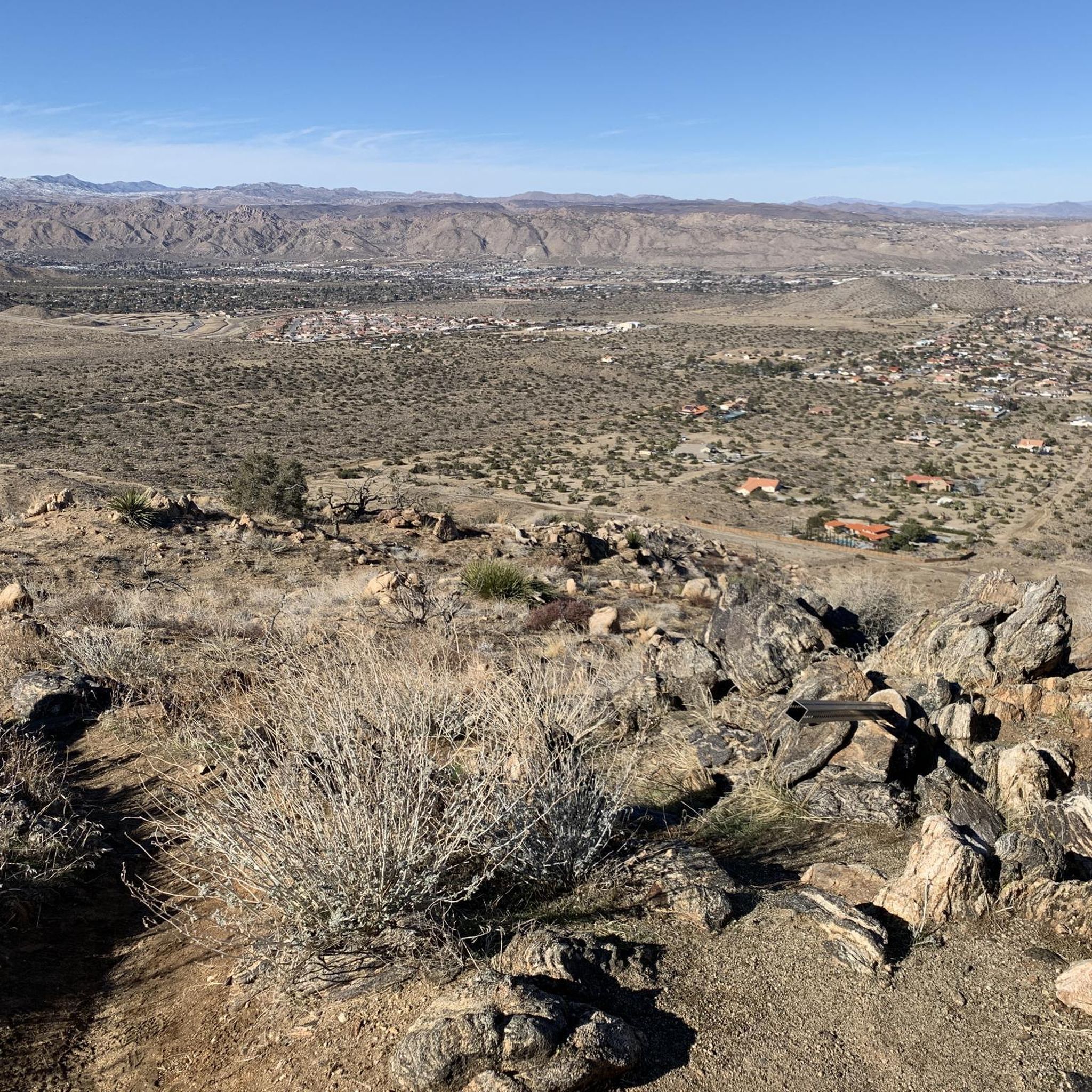
Vista from second peal Warren peak
Highlight • Viewpoint
Tip by

Warren Peak
Highlight • Summit
Tip by
Sign up now to discover places like this
Get recommendations on the best single tracks, peaks, & plenty of other exciting outdoor places.
Eureka Peak
Highlight • Summit
Tip by

Big Morongo Canyon Preserve
Highlight • Natural Monument
Tip by
Joshua Tree National Park Entrance Station
Highlight • Rest Area
Tip by

Start today with a free account
Your next adventure awaits.
Popular around Yucca Valley
Tips from the Community

Starting point for some of the scenic trails in Joshua Tree National Park, this spot offers convenient amenities, including toilets and water fountains.
0
0

A great summit to do, offering 360 views to the park, the desert, the San Bernardino and the San Jacinto mountains.
0
0
I recommend to combine warren Peak with panoramic trail - this peak offer amazing views and first hand sight of San Jacinto high mountains.
0
0

Public toilets are available at the entrance to Joshua Tree National Park.
1
0

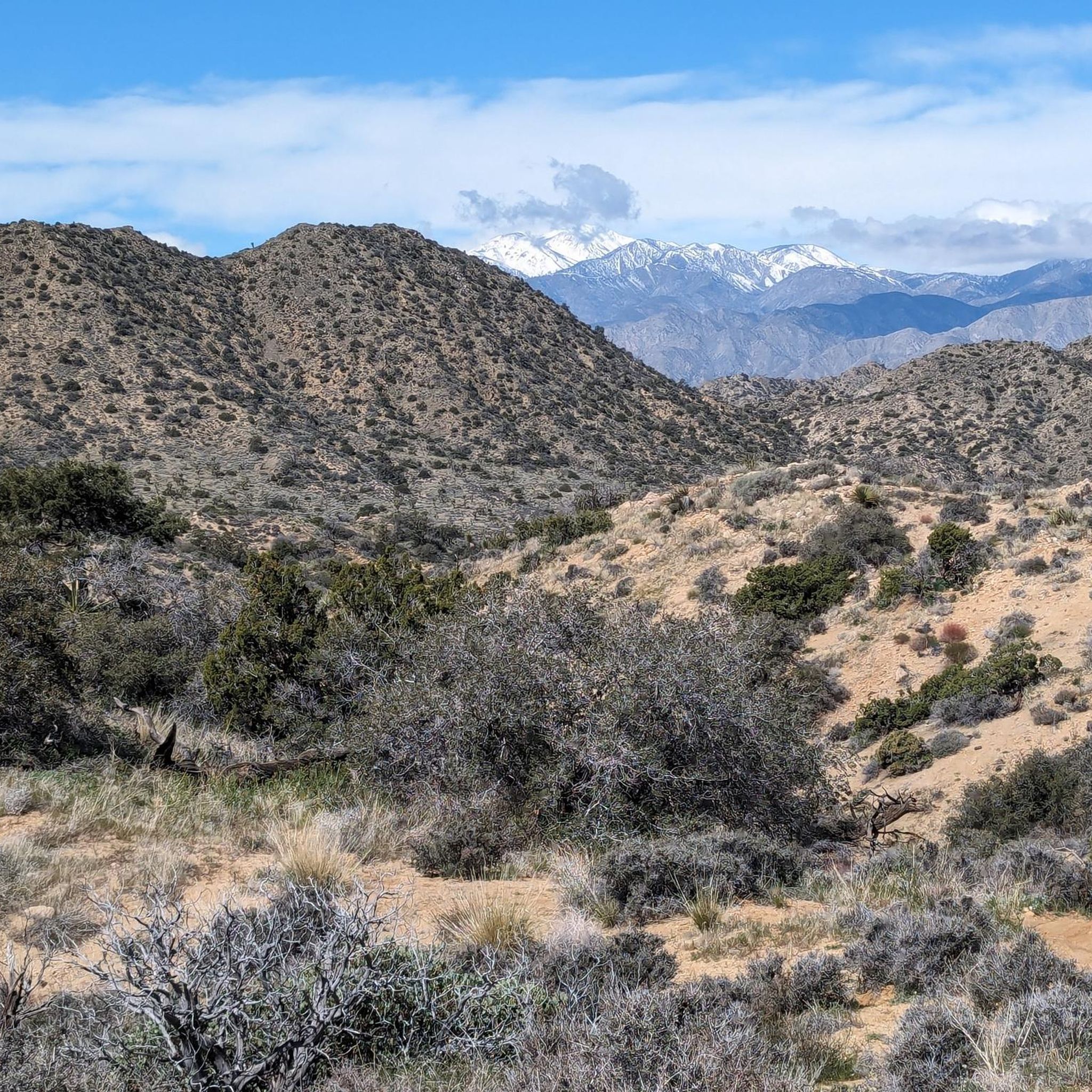
Eureka Peak is not the highest mountain in Joshua Tree National Park, but a great workout for running, especially if you like to get away from the crowds. At a height of 5,518 feet the summit offers a scenic panorama over the park, its canyons, and snow capped mountains in the distance.
1
1
Eureka Peak is not the highest mountain in Joshua Tree National Park, but worth a hike if you like to get away from the crowds. At a height of 5,518 feet the summit offers a scenic panorama over the park, its canyons, and snow capped mountains in the distance.
4
0
Right between the Sonora Desert and the higher elevated Mojave Desert you will find this little oasis nestled in among the Little San Bernardino Mountains in the Sand to Snow National Monument. Hike on nice boardwalks and enjoy the nature preserve with its wildlife like big horn sheep, mule deer, and mountain lions as well as amphibians and reptiles and a unique flora thanks to perennial water within the area.
4
0
Frequently Asked Questions
What unique natural features define the monuments around Yucca Valley?
The natural monuments around Yucca Valley are characterized by the convergence of two distinct desert ecosystems, the Mojave and the Colorado. This creates a diverse landscape featuring iconic Joshua trees, striking rock formations like those found in Joshua Tree National Park, rugged canyons, volcanic mesas, and rare fan palm oases. You can also find significant riparian habitats, such as those at Big Morongo Canyon Preserve, which support unique flora and fauna.
What kind of wildlife can I expect to see in the natural monuments near Yucca Valley?
The diverse ecosystems around Yucca Valley support a variety of wildlife. At places like Big Morongo Canyon Preserve, you might spot desert bighorn sheep, mule deer, and numerous bird species, especially during migration seasons. Pioneertown Mountains Preserve also provides habitat for gray foxes and various birds. Joshua Tree National Park is home to a range of desert animals, including reptiles, small mammals, and birds adapted to the arid environment.
Are there family-friendly natural monuments around Yucca Valley?
Yes, Big Morongo Canyon Preserve is an excellent family-friendly option. It features easy boardwalks and trails that are suitable for all ages, allowing visitors to explore the unique marsh habitat and observe wildlife. Joshua Tree National Park also offers several shorter, less strenuous trails that are great for families, such as Hidden Valley Nature Trail or Barker Dam Nature Trail.
Are there dog-friendly trails or natural monuments near Yucca Valley?
While dogs are generally restricted on trails within Joshua Tree National Park, the Pioneertown Mountains Preserve is a great dog-friendly alternative. Leashed dogs are welcome on its trails, allowing you and your canine companion to explore its rugged canyons and scenic vistas. Always ensure your dog is on a leash and you clean up after them.
What is the best time of year to visit the natural monuments around Yucca Valley?
The best time to visit the natural monuments around Yucca Valley is typically during the cooler months, from October to May. Spring (March-May) offers pleasant temperatures and the chance to see desert wildflowers in bloom. Fall (October-November) also provides comfortable weather for hiking and exploration. Summer months (June-September) can be extremely hot, making early morning or late afternoon visits essential, with plenty of water.
What outdoor activities can I do near these natural monuments?
The natural monuments around Yucca Valley offer a wide range of outdoor activities. You can enjoy hiking, rock climbing, and bouldering in Joshua Tree National Park. Pioneertown Mountains Preserve is ideal for hiking, picnicking, and birdwatching. Big Morongo Canyon Preserve is a renowned birdwatching destination with easy walking trails. For more specific hiking routes, you can explore guides like Hiking around Yucca Valley or Easy hikes around Yucca Valley.
Where can I find panoramic views of the desert and mountains?
For breathtaking panoramic views, consider hiking to Warren Peak. This summit offers 360-degree vistas of Joshua Tree National Park, the surrounding desert, and the distant San Bernardino and San Jacinto mountains. Another excellent spot is Vista from second peak Warren peak, which provides amazing views and a direct sight of the high San Jacinto mountains.
Are there less crowded natural monuments or trails to explore?
If you're looking to escape the crowds, Eureka Peak in Joshua Tree National Park is a great option. While not the highest, its summit offers a scenic panorama over the park's canyons and distant snow-capped mountains, providing a more secluded experience. Pioneertown Mountains Preserve is also generally less crowded than the national park and offers extensive hiking opportunities.
What should I wear for hiking in the natural monuments around Yucca Valley?
When hiking in the Yucca Valley natural monuments, it's crucial to dress in layers, especially during cooler months, as temperatures can fluctuate. Wear comfortable, sturdy hiking shoes, and bring a hat, sunglasses, and sunscreen to protect against the sun. Always carry plenty of water, regardless of the season, as the desert climate can be dehydrating.
Are there any facilities or amenities available at the natural monuments?
Facilities vary by location. At the Joshua Tree National Park Entrance Station, you'll find convenient amenities such as toilets and water fountains. Other natural monuments like Big Morongo Canyon Preserve have visitor centers and restrooms. However, many trails and remote areas within the preserves and park have limited to no facilities, so it's always best to come prepared with your own water and supplies.
Can I go stargazing at the natural monuments near Yucca Valley?
Yes, Joshua Tree National Park is renowned for its exceptional stargazing opportunities due to its remote location and minimal light pollution. The park is an International Dark Sky Park, making it an ideal place to observe the night sky. Many of the natural monuments in the high desert offer clear views of the stars, providing a truly magical experience.
What makes Big Morongo Canyon Preserve a significant natural monument?
Big Morongo Canyon Preserve is significant because it's a desert oasis and one of California's ten largest cottonwood and willow riparian habitats. Water draining from surrounding mountains creates a unique marsh environment, making it an internationally recognized birding site. It's known for nesting rare or unusual species and hosts abundant migratory birds during spring and fall, offering a vital ecological contrast to the surrounding arid landscape.
Most popular attractions around Yucca Valley

Get inspired with the komoot mobile app


Explore more
Extend your search for the best caves by checking out these guides of the top ones around Yucca Valley:
