Top 19 Natural Monuments around Palm Springs
Natural monuments around Palm Springs showcase diverse landscapes, from arid desert environments to towering mountain peaks. The region features unique oases and sites of cultural significance, including ancestral lands of the Agua Caliente Band of Cahuilla Indians. These areas provide opportunities to explore a range of ecosystems and natural features. The varied terrain offers distinct experiences for outdoor enthusiasts.
Best natural monuments around Palm Springs
- The most popular natural monument is San Jacinto Peak, a summit that is the…
Last updated: November 22, 2026
San Jacinto Peak
Highlight • Summit
Tip by

Andreas Canyon creek crossing
Highlight • Bridge
Tip by

Sign up now to discover places like this
Get recommendations on the best single tracks, peaks, & plenty of other exciting outdoor places.
Palm Canyon
Highlight • Canyon
Tip by
Andreas Canyon Oasis
Highlight • Canyon
Tip by
Palm Canyon Trail — Wild Horse Trail Section
Highlight (Segment) • Trail
Tip by

Sign up for free to discover even more natural monuments around Palm Springs.
Already have an account?
Start today with a free account
Your next adventure awaits.
Other adventures around Palm Springs

Tips from the Community

Beautiful little trail in the desert. Enjoyed the water rushing through the path that the Palm Trees created.
0
0
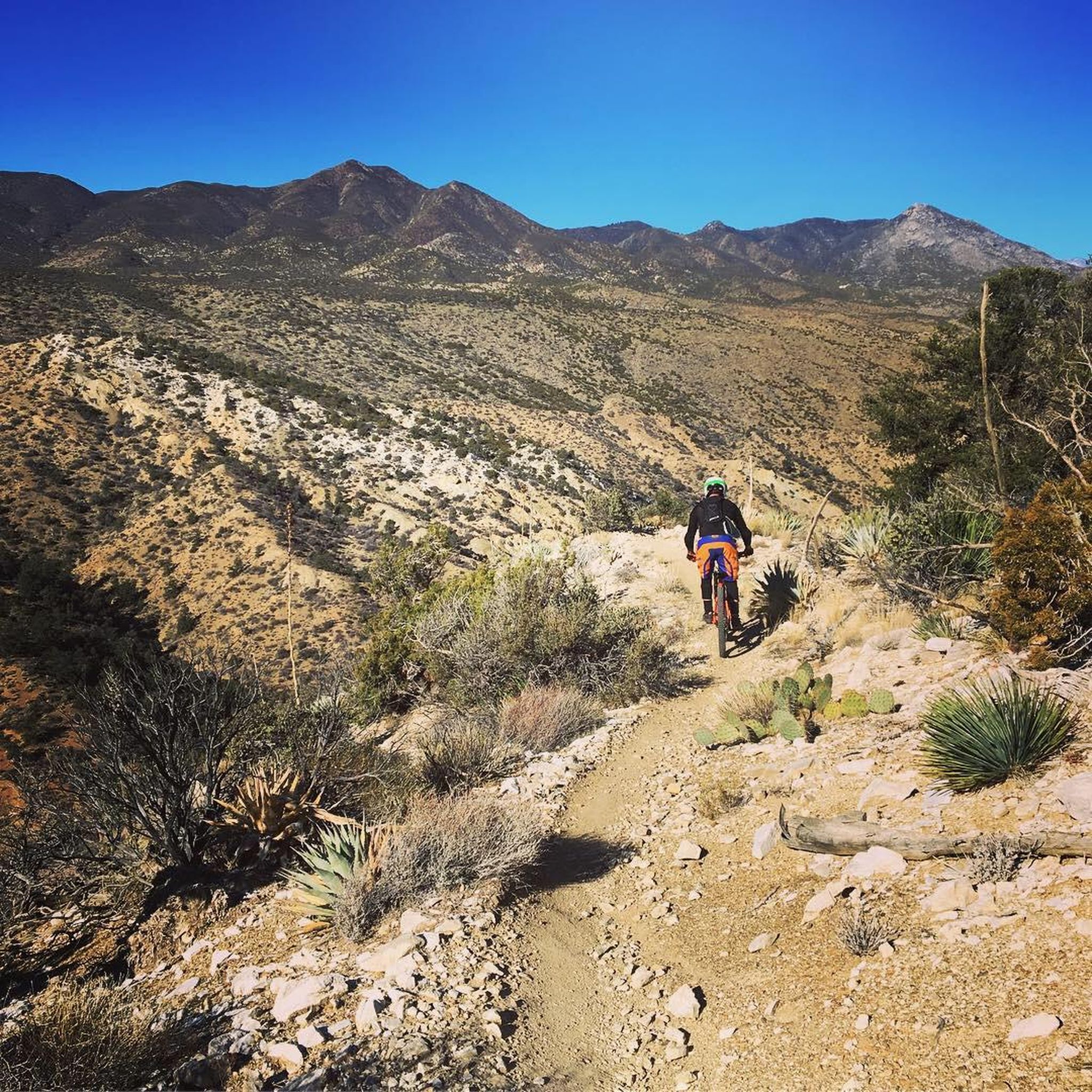
Since 2020, Palm Canyon Trail—a multi-use trail—has seen a significant increase in users: hikers, equestrian and mountain bikers, including eBikes. Most of the trail crosses BLM and US Forest Service land. The Trail crosses private land as well as land owned by Agua Caliente. The properties the Tribe recently received as ancestral land back donations were offered to the Tribe. As a property owner with the right to regulate access to its land, the Agua Caliente chose to improve a portion of Palm Canyon Trail that is on its land—not federal land. The Tribe conducted trail maintenance work within its own property in the Indian Canyons for emergency access, security and safety for our hikers and other lawful users of the Trail. Why did it do this? Because it values its lands and prioritizes proper management of it. Unfortunately, one entitled business owner, [Dave Wood, owner of Bikes and Brews -tgk] who is unhappy over the fact that mountain biking and e-mountain biking is not allowed in this area is acting out by spreading false information, which is unnecessarily causing confusion in the community. His false narrative insultingly prioritizes his desire to financially profit from trespassing on Tribal lands, over the Tribe’s right to protect its property and its cultural resources. Tribal employees are now receiving “anonymous” threats promising more property destruction if tribal staff attempts to interfere with this illegal activity, which generates profits by organizing trail rides for groups of bikers who (unknowingly) trespass on a trail where that activity is not permitted. The Tribe has never permitted mountain biking on its land. The land acquired as land back donations is now Tribal land and consistent with our policy, mountain biking and eBikes are prohibited. Anyone on a mountain or eBike accessing the land is in trespass of Tribal lands. Trespassing on, and damaging, the property of another is never ok. We ask this business owner to ride his bicycle somewhere else where this activity is permitted.
0
0
The Palm Canyon Epic Trail is now closed to mountain biking. In April and June 2024 several landowners of wilderness areas donated their land to the Agua Caliente Band of Cahuilla Indicans (ACBCI). The donated lands included important parts of the Palm Canyon Epic Trail. As part of ACBCI policy on land use, mountain bike travel is prohibited on these lands. Recently Margaret Park-Robinson, Chief Planning Officer of ACBCI released a statement concerning the closure of the PCE. She can be reached at 760-883-1326 or email: mpark@aguacaliente-nsn.gov I append the full statement to this comment. Tom Kohn ACBCI Statement on the PCE closure Since time immemorial, Agua Caliente and other Cahuilla have lived within the lands of the National Monument, including Palm Canyon. Since time immemorial, the Palm Canyon Trail has been a significant cultural and historical pathway for Cahuilla people. Since 2000, the National Monument was established despite concerns by Agua Caliente. The legislation directs the federal agencies (BLM & USFS) to consult with Agua Caliente. Since 2008, Palm Canyon and the portion of the trail was designated as a federal Wild & Scenic River by the US Forest Service despite concerns by Agua Caliente. continues in a following post...
0
0

This desert oasis is home to 150 species of plants, all growing within a half-mile radius. The Andreas Canyon Trail goes through this canyon, passing interesting rock formations, and follows the perennial Andreas Creek.
0
0

With 10,883 feet, Mount San Jacinto is the highest peak in the San Jacinto Mountains. There is a network of hiking trails around the summit and the San Jacinto State Park itself. If the weather turns for the worst, you can find shelter in a little hut close to the summit. You can either take a hike from Idyllwild on the west side of the mountain or Palm Springs on the east side. There is also an aerial tramway you can use to get into the San Jacinto Wilderness. If you feel adventurous, you can cross the mountain range using the Pacific Crest Trail.
0
0
This desert oasis is home to 150 species of plants all growing within a half-mile radius. The Andreas Canyon Trail trail goes through this canyon passing with interesting rock formations and follows the perennial Andreas Creek.
0
0
Reaching this point, hikers are halfway finished with the loop. The creek crossing has a wood boardwalk over it to avoid wet feet. This water source is reliable but bringing water is still highly recommended due to the heat this area can experience.
0
0

Small Waterfall, also a nice picknick location
1
0
Frequently Asked Questions
What are some of the most popular natural monuments to visit around Palm Springs?
Visitors frequently enjoy San Jacinto Peak, the highest point in the San Jacinto Mountains, offering extensive hiking trails and panoramic views. Another highly regarded spot is Palm Canyon, known for its dense groves of tall palm trees that create a striking contrast to the desert landscape.
Are there family-friendly natural monuments in the Palm Springs area?
Yes, several natural monuments are suitable for families. The Andreas Canyon creek crossing within the Indian Canyons offers an easy loop trail with a boardwalk, making it accessible for children. The Coachella Valley Preserve also provides gentle trails and opportunities for birdwatching, while the Moorten Botanical Garden and Cactarium is a unique and engaging experience for all ages.
What kind of natural features can I expect to see at these monuments?
The natural monuments around Palm Springs showcase a diverse range of features. You'll find lush palm oases, dramatic canyons, towering mountain peaks, and unique desert flora. For instance, Andreas Canyon Oasis is home to 150 plant species within a small radius, while the Coachella Valley Preserve features the iconic Thousand Palms Oasis. Mount San Jacinto offers a transition from desert to alpine environments.
What outdoor activities can I do near the natural monuments?
The region offers a wide array of outdoor activities. Hiking is popular, with trails ranging from easy strolls to challenging ascents like those found in the San Jacinto Wilderness, which includes a section of the Pacific Crest Trail. You can also find excellent opportunities for road cycling and touring bicycle routes. For more specific route ideas, check out the Road Cycling Routes around Palm Springs or Cycling around Palm Springs guides.
Are there any easy hiking trails near the natural monuments for beginners?
Yes, there are several easy hiking options. The Indian Canyons, particularly Andreas Canyon, offer relatively gentle trails. The Ed Hastey Garden Trail within the Santa Rosa and San Jacinto Mountains National Monument is also an accessible path with outdoor exhibits. For more easy hiking suggestions, explore the Easy hikes around Palm Springs guide.
What is the best time of year to visit the natural monuments around Palm Springs?
The cooler months from fall to spring (October to April) are generally considered the best time to visit. During these months, temperatures are more moderate, making outdoor activities like hiking more enjoyable. Spring also brings vibrant blooms to the desert plants, especially at places like Moorten Botanical Garden and Cactarium.
Can I experience different climates or ecosystems within the Palm Springs natural monuments?
Absolutely. A unique aspect of the region is the dramatic elevation change. For example, the Palm Springs Aerial Tramway transports visitors from the desert floor to an elevation of 8,516 feet on Mount San Jacinto. This ascent takes you through distinct climate zones, from arid desert to cooler, alpine environments with pine forests, offering a completely different experience within minutes.
Are there opportunities for wildlife viewing at these natural monuments?
Yes, many natural monuments offer chances to spot local wildlife. The Indian Canyons, particularly Andreas Canyon, are known for birdwatching and potential sightings of deer. The Coachella Valley Preserve is a sanctuary for a variety of rare wildlife and desert plants. Keep an eye out for desert birds, lizards, and other native species, especially during cooler parts of the day.
What cultural or historical significance do some of these natural monuments hold?
The Indian Canyons (Palm, Andreas, and Tahquitz Canyons) are ancestral lands of the Agua Caliente Band of Cahuilla Indians, offering a deep connection to cultural heritage. You can find ancient petroglyphs and other signs of early Cahuilla settlements, providing insight into the history of the indigenous people of the region.
Is Joshua Tree National Park considered a natural monument near Palm Springs, and what does it offer?
While about an hour's drive from Palm Springs, Joshua Tree National Park is a highly recommended natural monument. It's famous for its unique rock formations, rugged mountains, and the iconic Joshua Trees. The park is ideal for hiking, rock climbing, camping, and stargazing, as it's a designated Dark Sky Park with some of the darkest night skies in Southern California.
What should I wear when visiting the natural monuments in Palm Springs?
Given the desert environment, it's advisable to wear lightweight, breathable clothing, a wide-brimmed hat, and sunglasses. Sturdy hiking shoes are essential for trails. Even in cooler months, the sun can be intense. If you plan to visit higher elevations like Mount San Jacinto, bring layers as temperatures can be significantly cooler at the summit.
Are there any natural monuments that are particularly good for photography?
Many natural monuments offer stunning photographic opportunities. The unique rock formations and iconic Joshua Trees in Joshua Tree National Park are very popular. The lush palm groves of Palm Canyon provide a beautiful contrast, and the panoramic views from Mount San Jacinto (accessed via the Aerial Tramway) are breathtaking. The vibrant displays at Moorten Botanical Garden and Cactarium are also excellent for capturing desert flora.
Most popular routes around Palm Springs
Most popular attractions around Palm Springs

Get inspired with the komoot mobile app


Explore more
Extend your search for the best caves by checking out these guides of the top ones around Palm Springs:
