Top 5 Natural Monuments around San Mateo
Best natural monuments around San Mateo offer diverse natural features across San Mateo County. The region encompasses coastal areas, redwood forests, and unique geological formations like the San Andreas Fault. These areas provide opportunities for nature walks and exploring varied ecosystems. Visitors can experience significant natural beauty and ecological diversity.
Best natural monuments around San Mateo
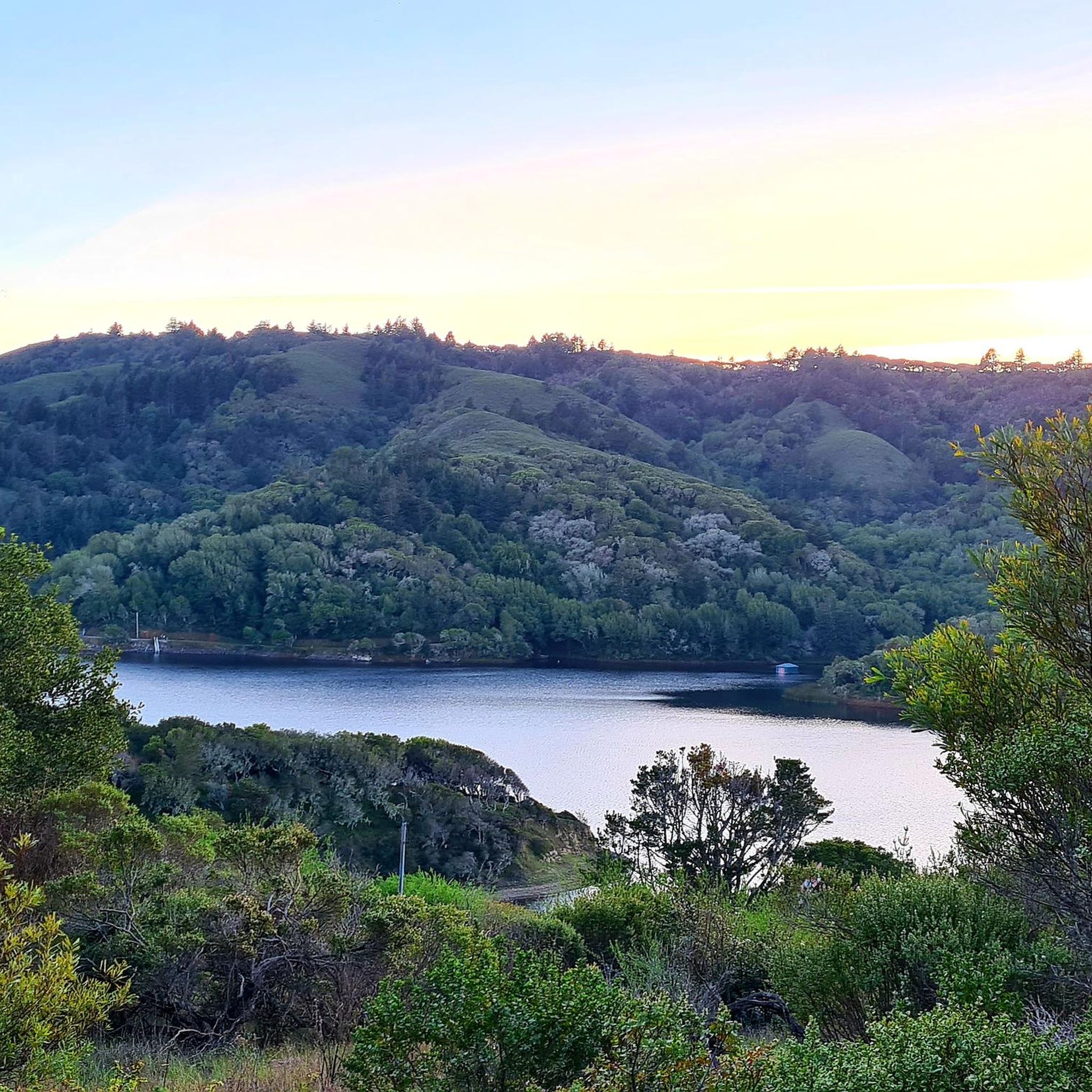
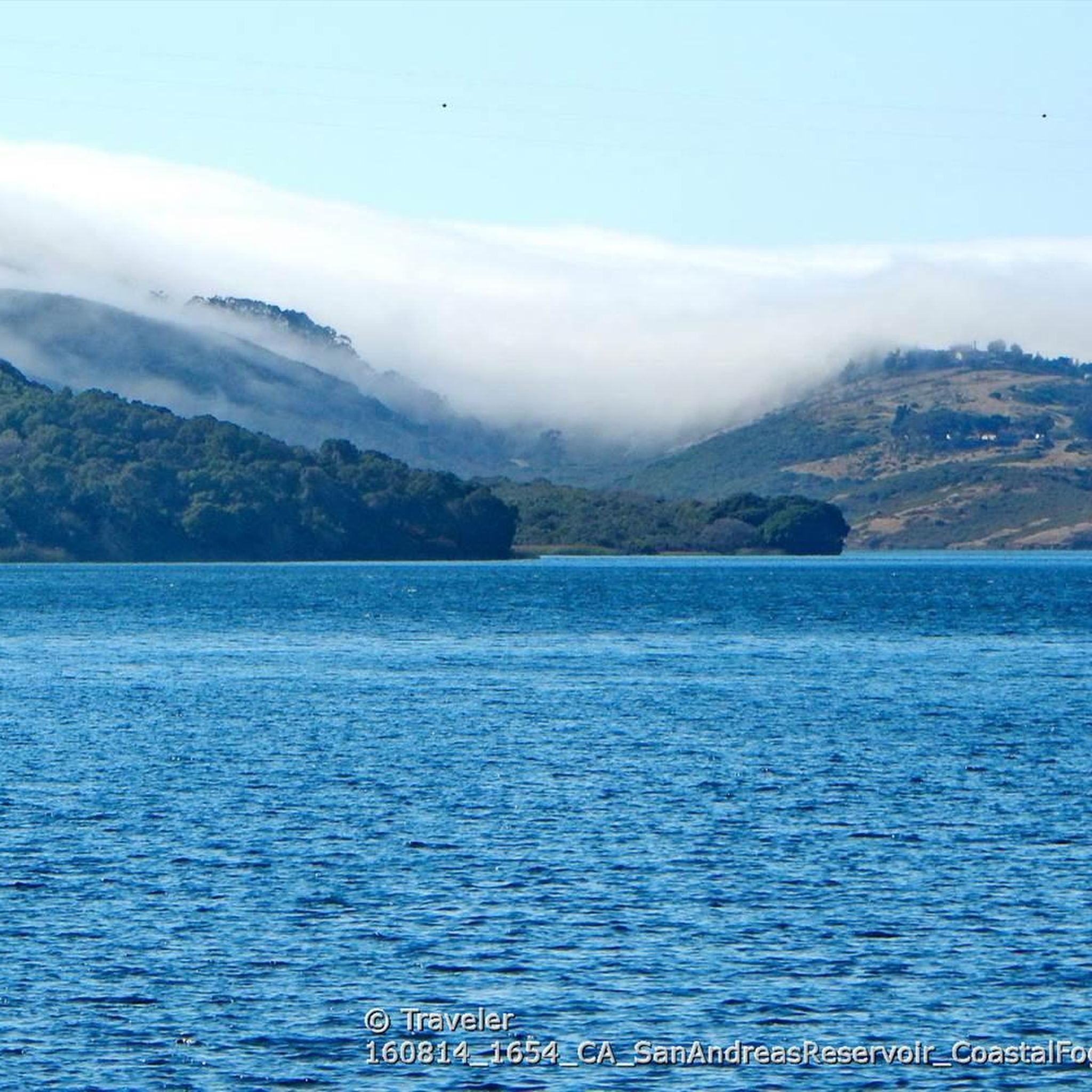
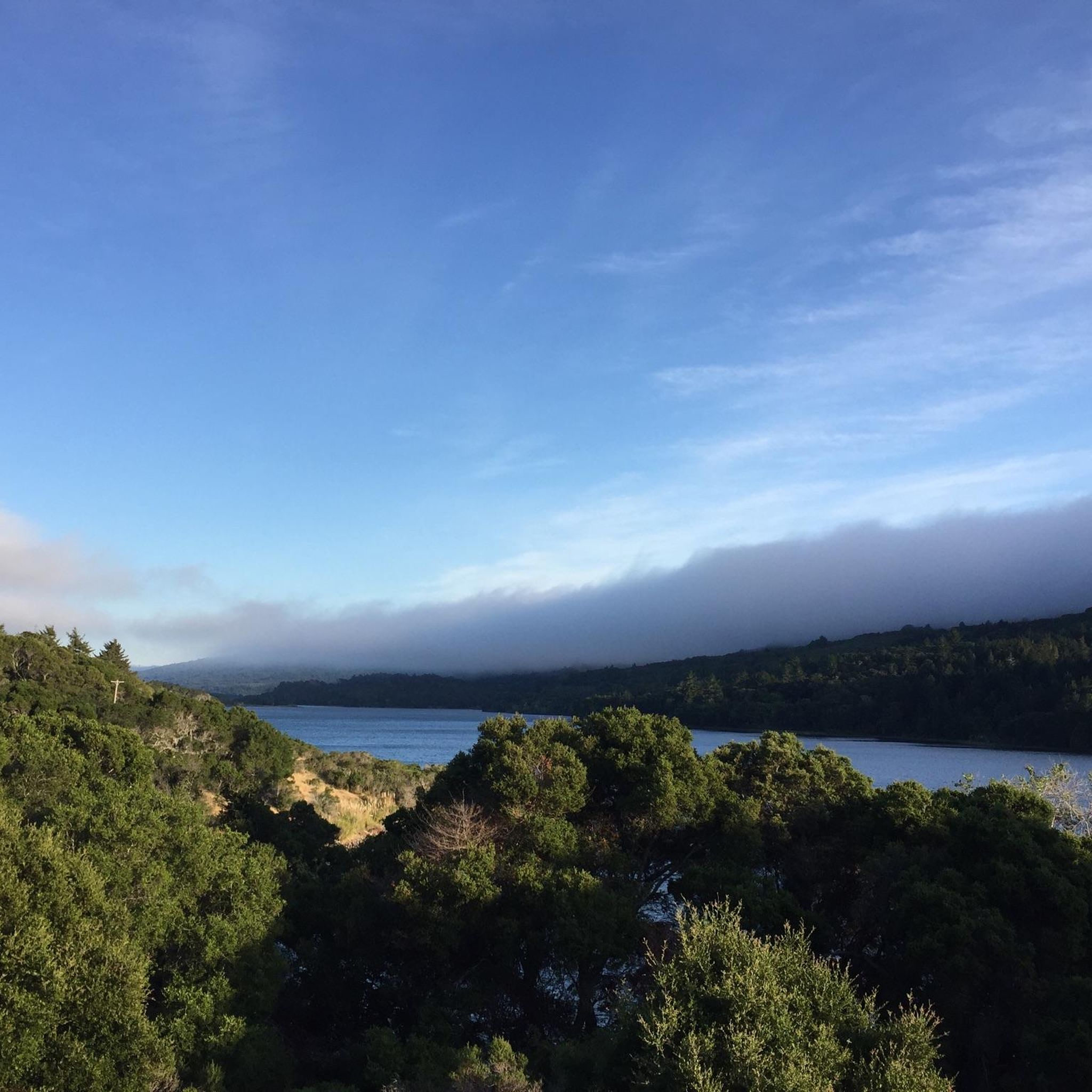
- The most popular natural monument is San Andreas Lake, a lake that is a natural sag pond formed by the San Andreas Fault…
Last updated: June 25, 2026
San Andreas Lake
Highlight • Lake
Tip by

Pulgas Water Temple
Highlight • Monument
Tip by

Sign up now to discover places like this
Get recommendations on the best single tracks, peaks, & plenty of other exciting outdoor places.
Sign up for free
Mezes Park 🌳
Highlight • Rest Area
Tip by

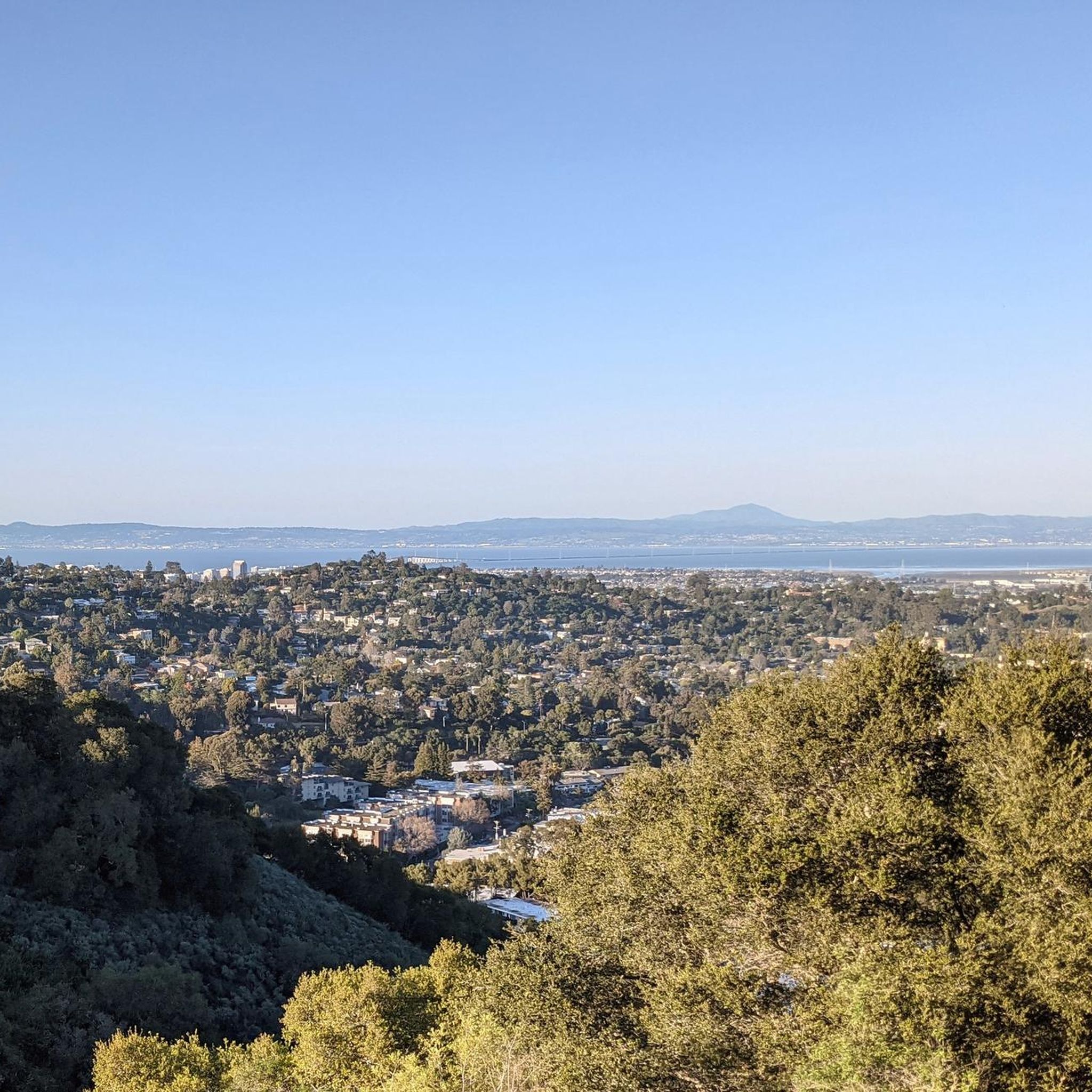
Amazing Sunset Viewpoint
Highlight • Viewpoint
Tip by

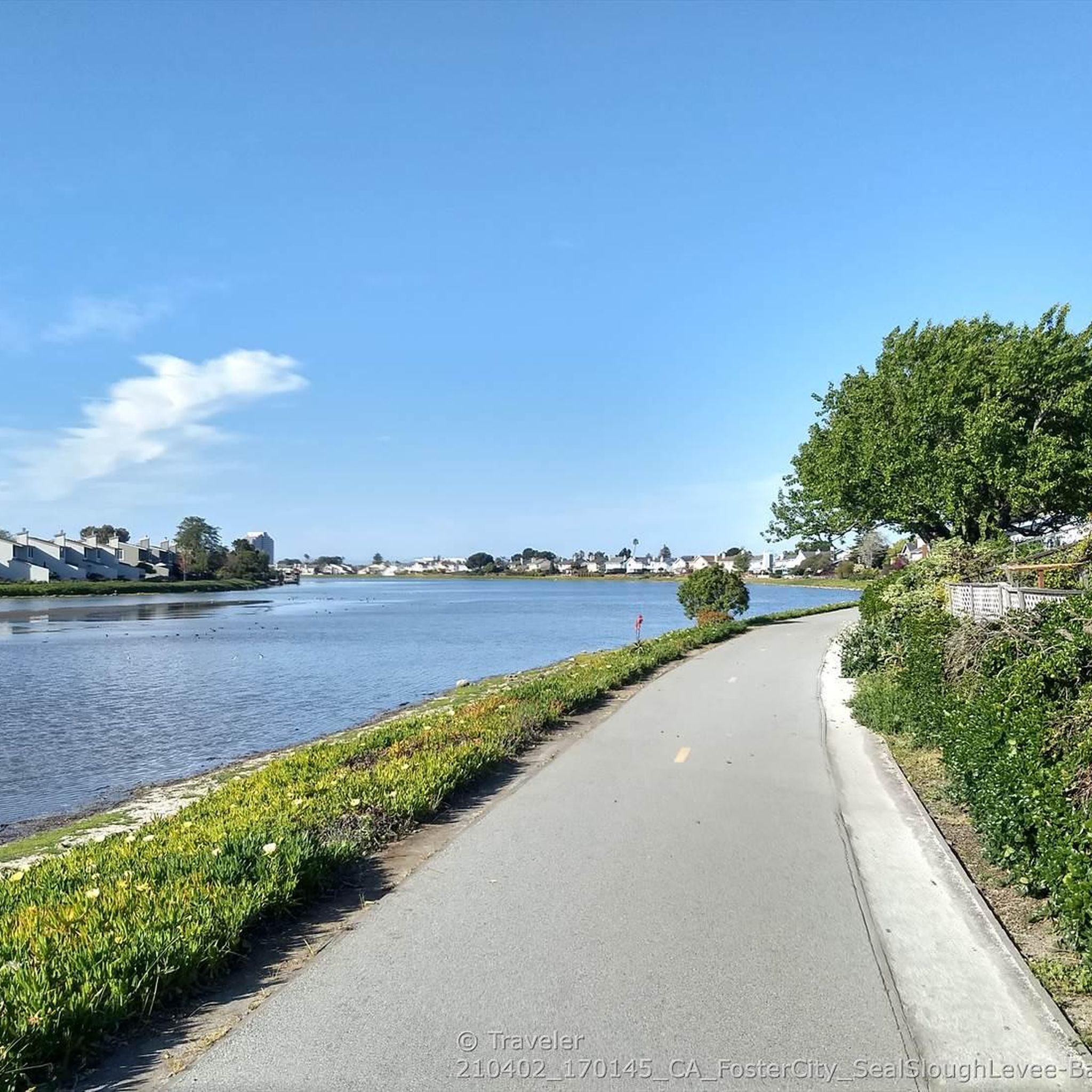
Viewing platform
Highlight • Viewpoint
Tip by

Start today with a free account
Your next adventure awaits.
Login or Signup

Tips from the Community

A fun, pretty place to stop while riding Cañada road. I has water and an air pump and bathrooms. Take a photo with friends.
0
0

San Andreas Lake is a hidden gem tucked into the hills of San Mateo County, just south of San Francisco. Originally a natural sag pond formed by the San Andreas Fault, it was transformed into a reservoir in the late 1800s and now serves as a vital water source for the region. The lake is off-limits for swimming or boating, but you can enjoy its peaceful beauty from the San Andreas Trail or the popular Sawyer Camp Trail, which runs along its eastern edge. It's a serene spot where you can walk or bike with sweeping views of the water and surrounding hills, all while standing right on one of the world’s most famous fault lines. Despite its proximity to urban life, San Andreas Lake offers a quiet, scenic escape steeped in natural and historical significance.
1
0

You're not hallucinating: This monument was deliberately built in the style of ancient Greek and Roman architecture, to commemorate the Great Depression-era Hetchy Hetchy Project that brought water down from the mountains to the Bay Area. The frieze says, “I give waters in the wilderness and rivers in the desert, to give drink to my people.”
1
0
This park is named for a Puerto Rican attorney who helped get a family claim to these lands recognized, then played a major role in the street planning for Redwood City. He donated the land for the park, which includes basketball and tennis courts, a playground, picnic facilities, and an M5 tank, which was placed here as a memorial to those who served in both world wars. It's worth parking your bike to take a look.
1
0

This observation deck is an excellent spot overlooking the slough to view the wildlife in the wetlands and marshes. While you're here, watch for the California clapper rail and the salt marsh harvest mouse, both endangered species protected in this area.
0
0

a nice place to fill up your water bottle and relax a few minutes
0
0

The 1.67 acres park on the corner of Warren Street and Standish Street offers grass lawns, a playground, tot-lot, basketball half court, tennis court, practice wall, picnic tables, and an Army tank, placed in 1947 at the request of the Veterans of Foreign Wars as a memorial to those who had served in the two world wars. The 16-ton M5 Stuart light tank was presented to the city by the American Legion as a war monument. In the 1850’s, all of what is now Redwood City was part of a large estate known as Rancho de las Pulgas. This estate belonged to the Arguello family, who had been granted the land by the government of Mexico in 1835. After the Mexican War, people began to settle along Redwood Creek, hoping that the U.S. government would refuse to recognize the Arguello’s right to the property. Simon M. Mezes, who had come from Puerto Rico to practice law in San Francisco, was hired by the Arguellos as an agent to protect their land title. In 1854 Mezes succeeded in clearing the Arguello family’s title. In return for this service, the Arguellos sold him a large portion of their estate. Mezes then proceeded to sell lots for $75 each to the people already living in the village on Redwood Creek. He also completed a survey for a map of the town, which he named Mezesville. Although this name has vanished into history, the present-day arrangement of Redwood City’s downtown streets can be traced to Mezes’ map. Mezes donated two blocks to Redwood City for plazas. In 1905 one of those blocks was turned into a park then known as California Square. The other block eventually became Mezes Plaza. In 1928 the Veterans Building was moved onto the Mezes Plaza block. Two years later, the park site was cleaned up and shrubbery was planted. Two tennis courts were built in 1934, and in 1937 playground equipment was installed. www.redwoodcityhistory.org/blog/2016/9/29/historical-blog-series-mezes-park-tank-park
0
0
In the 1850’s, all of what is now Redwood City was part of a large estate known as Rancho de las Pulgas. This estate belonged to the Arguello family, who had been granted the land by the government of Mexico in 1835. After the Mexican War, people began to settle along Redwood Creek, hoping that the U.S. government would refuse to recognize the Arguello’s right to the property. Simon M. Mezes, who had come from Puerto Rico to practice law in San Francisco, was hired by the Arguellos as an agent to protect their land title. In 1854 Mezes succeeded in clearing the Arguello family’s title. In return for this service, the Arguellos sold him a large portion of their estate. Mezes then proceeded to sell lots for $75 each to the people already living in the village on Redwood Creek. He also completed a survey for a map of the town, which he named Mezesville. Although this name has vanished into history, the present-day arrangement of Redwood City’s downtown streets can be traced to Mezes’ map. Mezes donated two blocks to Redwood City for plazas. In 1905 one of those blocks was turned into a park then known as California Square. The other block eventually became Mezes Plaza. In 1928 the Veterans Building was moved onto the Mezes Plaza block. Two years later, the park site was cleaned up and shrubbery was planted. Two tennis courts were built in 1934, and in 1937 playground equipment was installed. In 1947, at the request of the Veterans of Foreign Wars, an Army tank was placed in the park as a memorial to those who had served in the two world wars. The 16-ton M5 Stuart light tank was presented to the city by the American Legion as a war monument. There were several models of the light tank made by the Cadillac Division of General Motors, and the M5 was armed with a 37mm cannon as well as two machine guns. It was powered by twin 16-cylinder engines and could hit 36 miles per hour with some drivers reporting that it could go over 45 miles per hour. The M5 was outgunned in Europe but was used extensively against the Japanese. According to the American Armoured Foundation, the M5 tank is now quite rare, with only a dozen still existing. Today the park offers 1.67 acres of grass space, a playground, tot-lot, basketball half court, tennis court, practice wall, picnic tables, and of course the tank, on the corner of Warren Street and Standish Street. https://www.redwoodcityhistory.org/blog/2016/9/29/historical-blog-series-mezes-park-tank-park
0
1
Frequently Asked Questions
What unique natural features can I explore around San Mateo?
San Mateo County offers a diverse range of natural features. You can explore unique geological formations like San Andreas Lake, a natural sag pond formed by the San Andreas Fault. The region also boasts majestic coast redwoods in places like Portola Redwoods State Park, and dramatic coastal promontories such as Mori Point with its restored habitats.
Where can I experience impressive wildlife viewing opportunities?
For unparalleled wildlife viewing, visit Ano Nuevo State Park, world-renowned for its vast elephant seal population. During winter, thousands of these marine mammals come ashore to breed, offering a unique chance to observe them up close. Additionally, the Viewing platform provides an excellent spot to observe wildlife in the wetlands and marshes, including endangered species like the California clapper rail.
Are there family-friendly natural monuments in the San Mateo area?
Yes, several natural monuments are family-friendly. San Andreas Lake offers serene views and trails suitable for families. Pulgas Water Temple, while a man-made monument, is set in a beautiful natural area and is family-friendly. Huddart Park is also a great option with diverse plant communities and wildlife, perfect for family hikes.
What are the best places for hiking and nature walks?
The region offers numerous hiking opportunities. Edgewood Park & Natural Preserve is famous for its spring wildflower displays and excellent hiking trails. Montara Mountain provides some of the best hiking in San Mateo County, with trails ranging from easy to challenging and offering breathtaking 360-degree views. For easy hikes, you can explore routes like the Sugarloaf Mountain loop from Laurelwood Park, or Coyote Point Park loop, as detailed in the Easy hikes around San Mateo guide.
Can I find historical or cultural sites among the natural monuments?
Yes, some natural monuments also hold historical significance. Pulgas Water Temple is a notable example, commemorating the engineering feat of bringing water from the Sierra Nevada to the Bay Area. San Andreas Lake, while a natural formation, was transformed into a vital reservoir in the late 1800s, adding to its historical context.
What are some scenic viewpoints to capture stunning landscapes?
For stunning vistas, the Amazing Sunset Viewpoint offers expansive views, particularly beautiful during sunset. Montara Mountain also provides panoramic views stretching from the Bay to the Pacific. The Sawyer Camp Trail, running along Crystal Springs Reservoir and San Andreas Lake, offers picturesque water and hill views.
Are there opportunities for cycling or mountain biking near these natural monuments?
Absolutely. The Sawyer Camp Trail is ideal for cycling, offering a serene outdoor experience along the Crystal Springs Reservoir. For mountain biking enthusiasts, there are various routes around San Mateo, including the Intermediate Loop at Waterdog Lake Open Space, as highlighted in the MTB Trails around San Mateo guide. Gravel biking options are also available, such as the San Andreas Lake loop, found in the Gravel biking around San Mateo guide.
When is the best time to visit the natural monuments in San Mateo?
The best time to visit depends on your interest. Spring (March-May) is ideal for witnessing the magnificent wildflower displays at Edgewood Park & Natural Preserve. Winter (December-February) is prime for observing elephant seals at Ano Nuevo State Park during their breeding season. Generally, the mild climate of San Mateo makes many natural monuments enjoyable year-round for hiking and outdoor activities.
Are there any natural monuments that are easily accessible or offer paved trails?
The Sawyer Camp Trail is a paved, scenic trail running along the Crystal Springs Reservoir and San Andreas Lake, making it highly accessible for walking, jogging, and cycling. While not explicitly listed as wheelchair accessible, paved trails generally offer better accessibility. Always check specific park websites for detailed accessibility information.
What kind of trees and plant life can I expect to see?
San Mateo's natural monuments showcase diverse plant communities. You can find majestic coast redwoods at Portola Redwoods State Park and Huddart Park. Edgewood Park & Natural Preserve is renowned for its serpentine grasslands and vibrant spring wildflowers. Huddart Park also features mixed evergreen forests with tanbark oak, madrone, and Douglas fir.
What do visitors particularly enjoy about the natural monuments in San Mateo?
Visitors frequently appreciate the diverse natural beauty, from coastal views and redwood forests to unique geological formations. The opportunity for wildlife observation, especially the elephant seals at Ano Nuevo, is a major draw. Many also enjoy the peaceful escape and varied hiking opportunities, as well as the stunning sunset views from spots like the Amazing Sunset Viewpoint.
Are there any parks with facilities or amenities among the natural monuments?
Yes, Mezes Park, while also a historical site, offers facilities such as basketball and tennis courts, a playground, and picnic areas. Huddart Park also provides amenities for visitors, making it a comfortable spot for a day out in nature.
Most popular routes around San Mateo
Most popular attractions around San Mateo

Get inspired with the komoot mobile app


Explore more
Extend your search for the best caves by checking out these guides of the top ones around San Mateo:
