Top 17 Natural Monuments around Tucson Mountains
Best natural monuments around Tucson Mountains are concentrated within Saguaro National Park West and Tucson Mountain Park, showcasing the Sonoran Desert landscape. This region is characterized by dense saguaro cactus forests and diverse wildlife. Ancient petroglyphs offer insight into the area's cultural history. The mountains provide a setting for outdoor activities and natural exploration.
Best natural monuments around Tucson Mountains
- The most popular natural monuments is Wasson Peak, a summit that offers extensive views of the surrounding desert. From…
Last updated: September 28, 2026
Arizona-Sonora Desert Museum
Highlight • Structure
Tip by

Wasson Peak
Highlight • Summit
Tip by

Sign up now to discover places like this
Get recommendations on the best single tracks, peaks, & plenty of other exciting outdoor places.
King Canyon Wash Petroglyphs
Highlight • Historical Site
Tip by

Hugh Norris Trail towards Apache Peak
Highlight (Segment) • Trail
Tip by
Signal Hill Petroglyphs
Highlight • Historical Site
Tip by
Sign up for free to discover even more natural monuments around Tucson Mountains.
Already have an account?
Start today with a free account
Your next adventure awaits.
Tips from the Community

From the Signal Hill Trailhead there are stairs, access is easier via Manville Trail. There are also bike racks at the picnic area, with restrooms. The prehistoric petroglyphs are in excellent condition and easy to find.
1
0

Great place to learn about the desert and see native plants and animals. Well worth the annual membership as it is a great place to wander about. A true Tucson gem.
0
0

I would describe it more as a park than a museum. Not exactly cheap, but very nice. Bring your time and walk around and look at everything in peace! It's better to avoid lunchtime in summer! But you can always cool off in the rooms every now and then ;-)
0
0

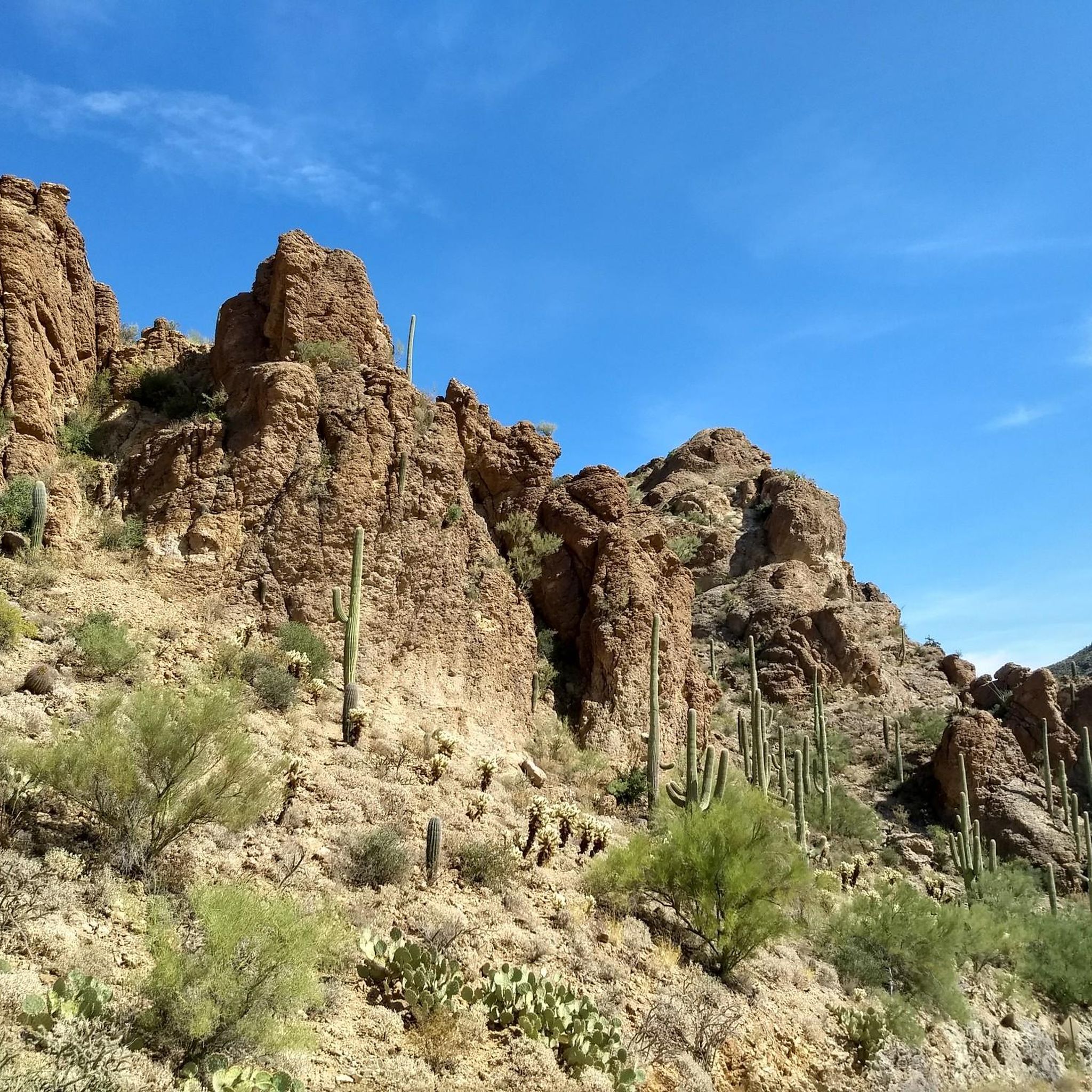
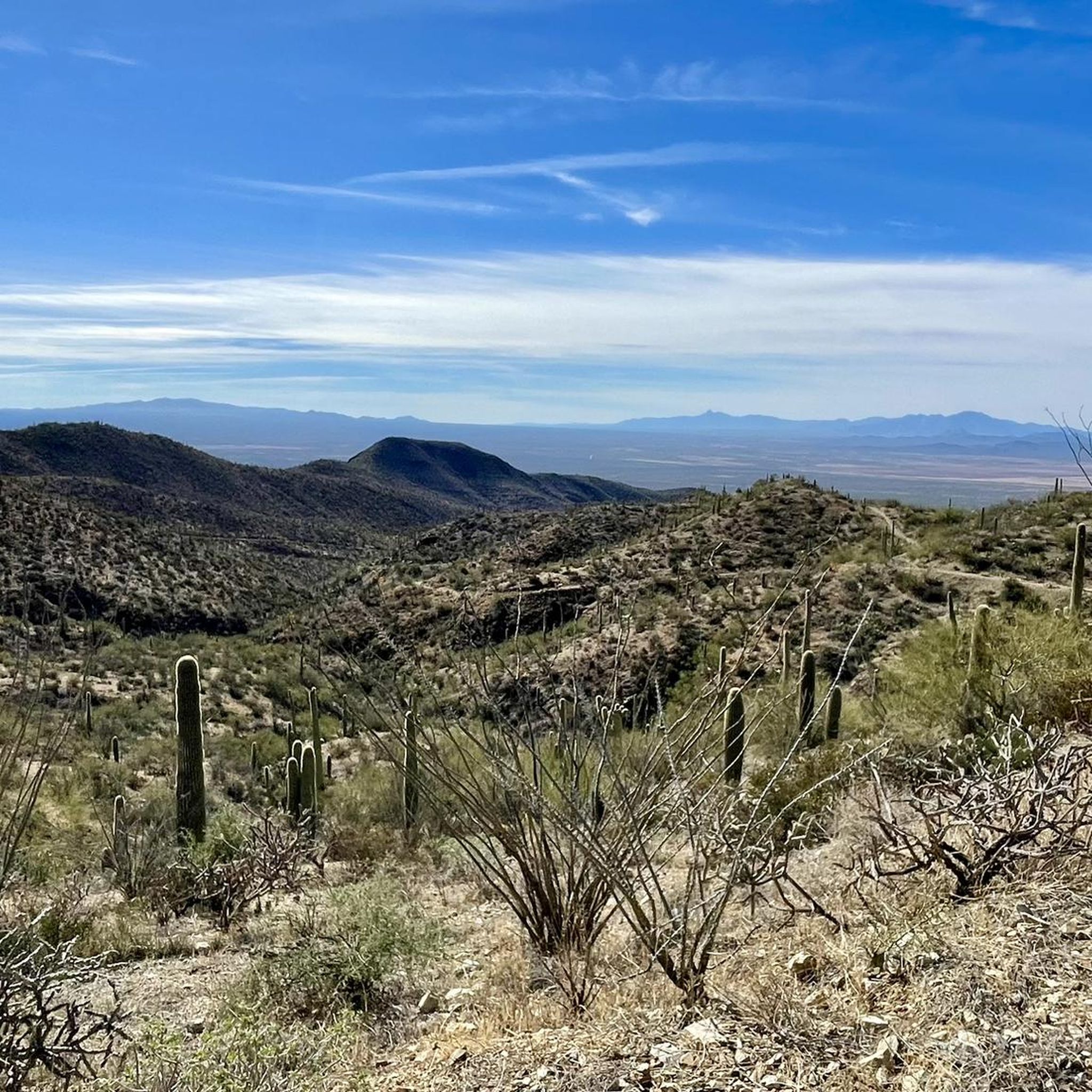
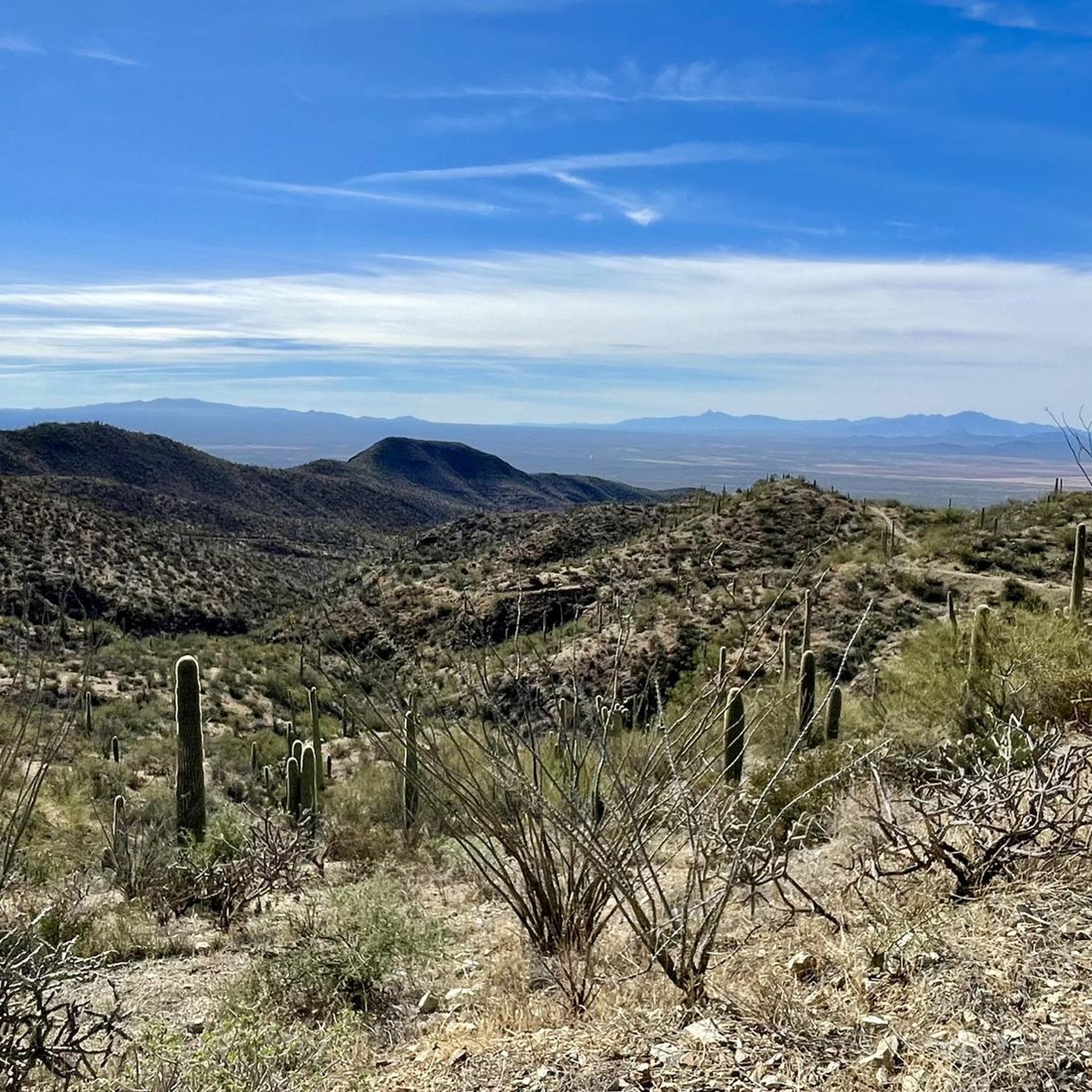
The Hugh Norris Trail offers stunning views of the surrounding mountains, as well as the cactus forests. This loop takes you past Apache Peak and parallel to Hohokam road.
0
0

The Cactus Wren Trail is a 3.9-mile loop in the western part of Saguaro National Park. You will stroll along the majestic Saguaro cacti that grow from Mexico to the north side of the Salt River. These cacti are often used as by woodpeckers for nesting, so keep your eyes peeled for some holes in the trunk and it takes roughly a decade for a Saguaro cactus to grow one arm.
1
0

The Arizona-Sonora Desert Museum is a combination zoo and botanical garden. It is said to be home to 1300 species of plants and 300 different animals.
0
0

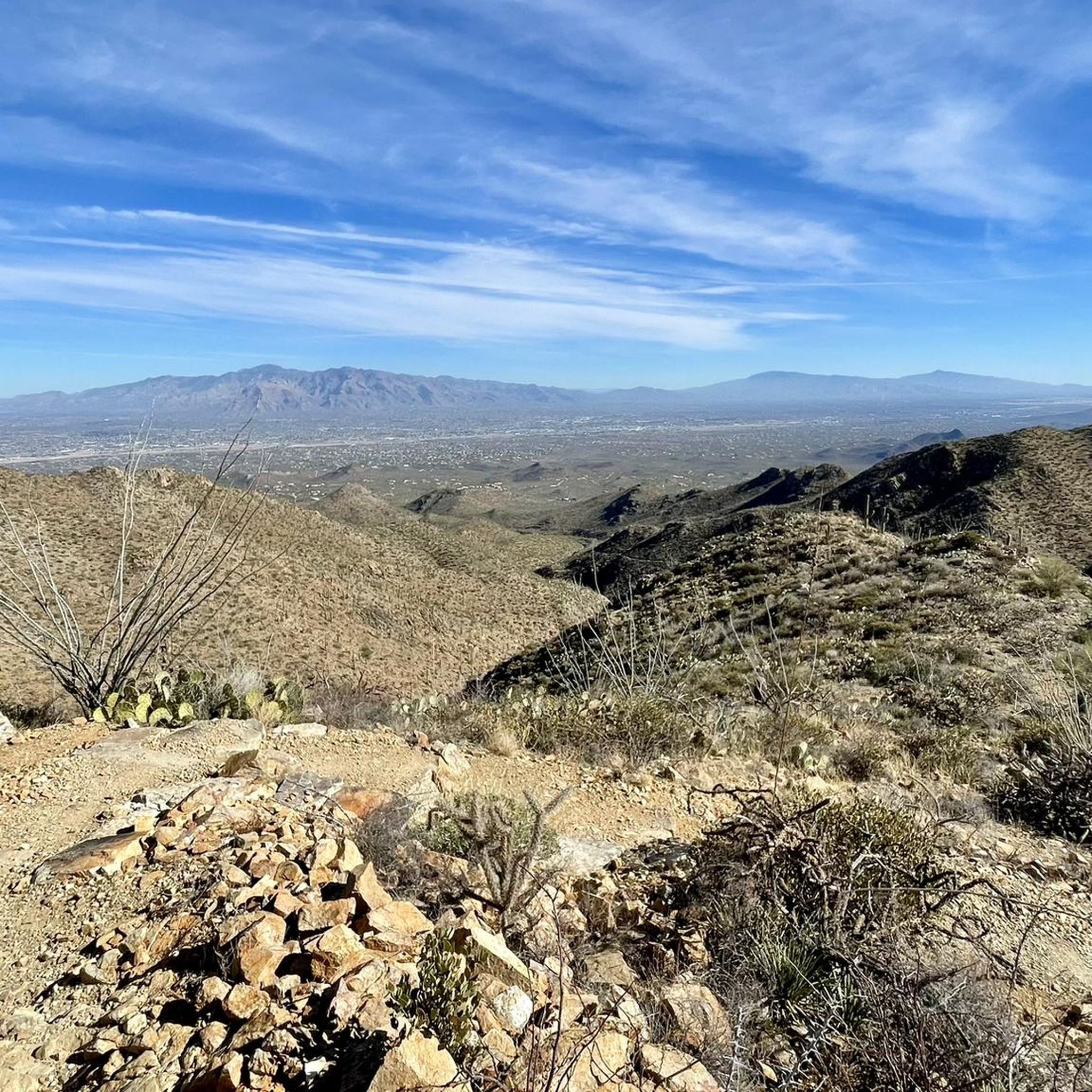
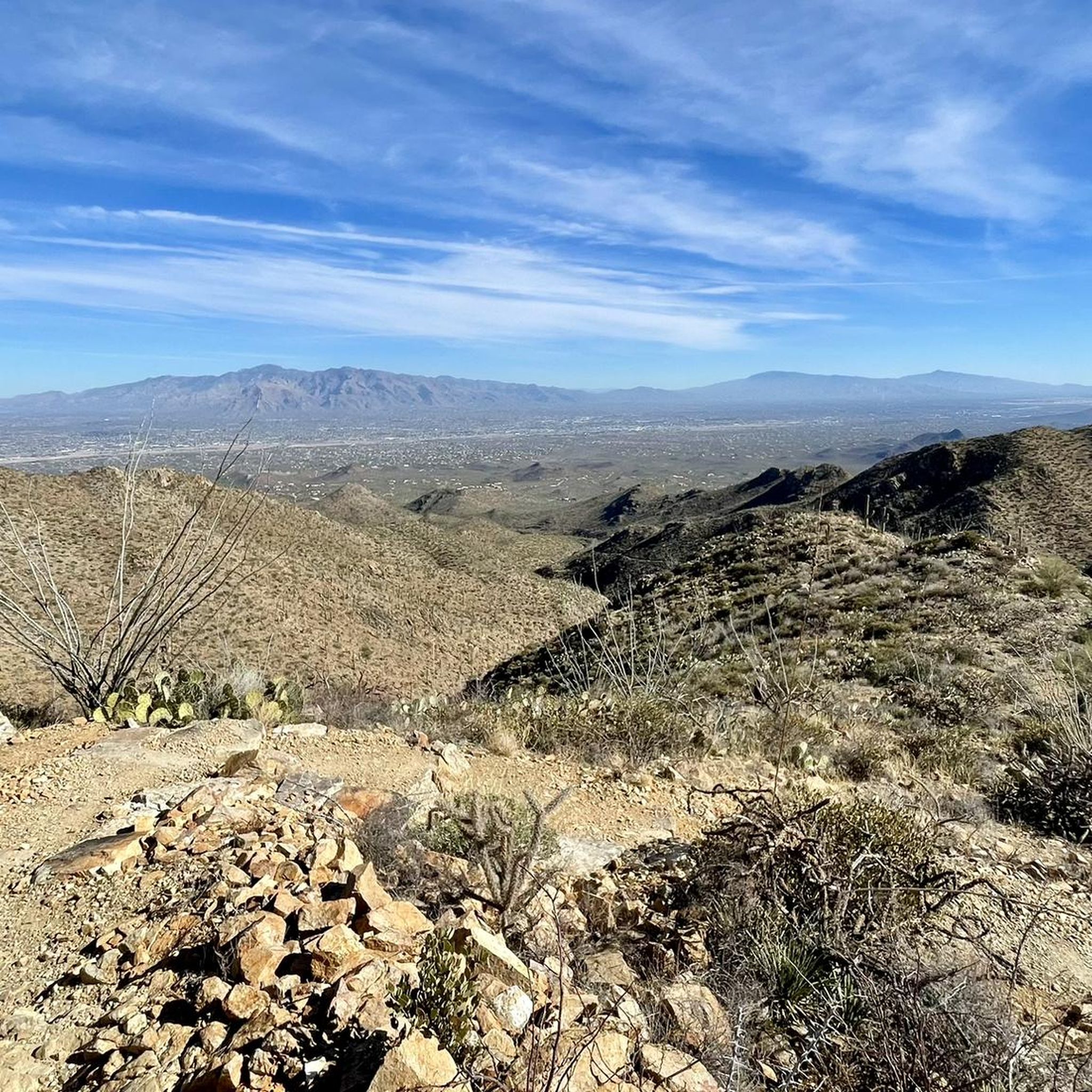
Excellent views of the park. You can see for miles on a clear day.
0
0

Look carefully at the canyon walls and rock formations as you walk along King Canyon Trail. You will see a number of petroglyphs etched into the rock surface. Most of the rock etchings found in Saguaro National Park were created by the Hohokam peoples. Do not touch the petroglyphs as oil from your skin can damage/break them down faster.
1
0
Frequently Asked Questions
What are some popular hiking trails to explore the natural monuments in the Tucson Mountains?
For challenging hikes with extensive views, consider the trail to Wasson Peak, the highest point in the Tucson Mountains. Another popular option is the Hugh Norris Trail towards Apache Peak, which offers stunning views of cactus environments and mountains, including ancient rock carvings. For a diverse and longer trek, the David Yetman Trail in Tucson Mountain Park is well-regarded.
Are there family-friendly natural monuments or trails in the Tucson Mountains?
Yes, the Tucson Mountains offer several family-friendly options. The Arizona-Sonora Desert Museum is a combination zoo and botanical garden with trails and exhibits suitable for all ages. In Saguaro National Park West, the Desert Discovery Trail is a short, accessible loop with interpretive signs, perfect for a quick and informative introduction to the desert landscape. The Signal Hill Petroglyphs trail is also a short, easy walk to ancient rock art, making it a great family activity.
Where can I see ancient petroglyphs in the Tucson Mountains?
You can find ancient petroglyphs at two notable locations. The Signal Hill Petroglyphs in Saguaro National Park West offer a short, easy trail to a boulder-covered summit with dozens of 800-year-old rock carvings. Additionally, along the Hugh Norris Trail towards Apache Peak, you can also see amazing and well-visible 800-year-old rock carvings and petroglyphs etched into the rock surface.
What kind of wildlife can I expect to see in the Tucson Mountains?
The Tucson Mountains, particularly within Saguaro National Park West and Tucson Mountain Park, are rich in Sonoran Desert wildlife. Visitors often spot coyotes, Gambel's quail, and desert tortoises. Other common sightings include mule deer, javelina, and a variety of birds. The dense saguaro forests provide crucial habitats for many species.
What is the best time of year to visit the natural monuments in the Tucson Mountains?
The best time to visit the natural monuments in the Tucson Mountains is generally during the cooler months, from October to April. Temperatures are more moderate, making hiking and outdoor exploration much more comfortable. Spring (March-April) can also bring beautiful wildflower displays. Summer months (May-September) are characterized by extreme heat, making early morning or late evening visits essential if you choose to go during this period.
What should I consider for hiking in the Tucson Mountains during summer?
Hiking in the Tucson Mountains during summer requires careful planning due to extreme heat. It's crucial to start very early in the morning, carry significantly more water than you think you'll need, wear sun protection (hat, sunscreen, lightweight long sleeves), and be aware of signs of heat exhaustion. Many visitors prefer to limit strenuous activities to the cooler morning or evening hours, or opt for shorter, less exposed trails.
What outdoor activities, like cycling or running, can I do near the natural monuments?
The Tucson Mountains area offers a variety of outdoor activities. For cycling, you can explore routes like the Cañada del Oro River Trail or the Rillito River Trail. Runners can enjoy trails such as the Painted Hills Trails Park loop or the challenging Wasson Peak loop. You can find more details on these and other routes in the Cycling around Tucson Mountains, Running Trails around Tucson Mountains, and Road Cycling Routes around Tucson Mountains guides.
What unique geological features can be found in Saguaro National Park West?
Saguaro National Park West is renowned for its incredibly dense saguaro cactus forests, which are a defining geological and ecological feature of the Sonoran Desert. These towering cacti, some standing like ancient sentinels, create a unique landscape. The park also features rolling desert hills, washes, and rocky outcrops that showcase the region's arid environment and geological history.
Where can I find the best panoramic views of the Sonoran Desert?
For breathtaking panoramic views, the summit of Wasson Peak offers extensive vistas of the surrounding desert and distant mountain ranges. Another excellent spot is the Gates Pass Overlook in Tucson Mountain Park, which is particularly popular for stunning sunset views. The Valley View Overlook Trail in Saguaro National Park West also provides spectacular views of saguaro-filled landscapes with minimal effort.
Do I need a permit to hike in the Tucson Mountains?
Generally, you do not need a specific permit for day hiking in Saguaro National Park West or Tucson Mountain Park. However, standard entrance fees apply for Saguaro National Park. Always check the official park websites for the most current information on fees, regulations, and any potential permit requirements for specific activities or overnight stays.
Are there any lesser-known natural monuments worth exploring?
While not a 'hidden gem' in the traditional sense, the Bowen Stone House ruins within Tucson Mountain Park offer a unique blend of history and nature. Accessible via trails like the Bowen Trail or Yetman Trail, these ruins are nestled in lush desert terrain and provide picturesque views of the mountains through their one-time windows, offering a different perspective than the more prominent saguaro forests.
What do visitors enjoy most about the natural monuments in the Tucson Mountains?
Visitors consistently appreciate the unparalleled opportunity to witness the iconic saguaro cactus in its natural, dense habitat. The variety of trails catering to all skill levels, from accessible loops to challenging peak ascents, is a major draw. The scenic drives, ancient petroglyphs, and abundant wildlife further enhance the experience, providing a deep immersion into the unique charm and ecological significance of the Sonoran Desert.
Are there any wheelchair-accessible trails in Saguaro National Park West?
Yes, Saguaro National Park West offers the Desert Discovery Trail, a 0.4-mile paved loop trail near the Red Hills Visitor Center. This accessible path features interpretive signs detailing native plants, animals, and the Sonoran Desert ecosystem, making it suitable for visitors using wheelchairs or strollers.
Most popular routes around Tucson Mountains
Most popular attractions around Tucson Mountains

Get inspired with the komoot mobile app


Explore more
Extend your search for the best caves by checking out these guides of the top ones around Tucson Mountains:
