Top 9 Natural Monuments in Wallowa-Whitman National Forest
Best natural monuments in Wallowa-Whitman National Forest span over 2.3 million acres across northeastern Oregon and western Idaho. This area features diverse landscapes, unique geological formations, and four designated wilderness areas. The forest is characterized by glacier-carved peaks, alpine lakes, and deep river gorges, offering varied natural features for exploration. It provides opportunities to experience wild landscapes and impressive geological formations.
Best natural monuments in Wallowa-Whitman National Forest
- The most popular natural monuments is Ice Lake, a lake known…
Last updated: July 8, 2026
Ice Lake
Highlight • Lake
Tip by

Matterhorn
Highlight • Summit
Tip by
Sign up now to discover places like this
Get recommendations on the best single tracks, peaks, & plenty of other exciting outdoor places.
Sign up for free
Anthony Lake
Highlight • Lake
Tip by

Hells Canyon Overlook
Highlight • Viewpoint
Tip by
Mirror Lake (Eagle Cap Wilderness)
Highlight • Lake
Tip by
Sign up for free to discover even more natural monuments in Wallowa-Whitman National Forest.
Sign up for free
Already have an account?
Start today with a free account
Your next adventure awaits.
Login or Signup
Tips from the Community

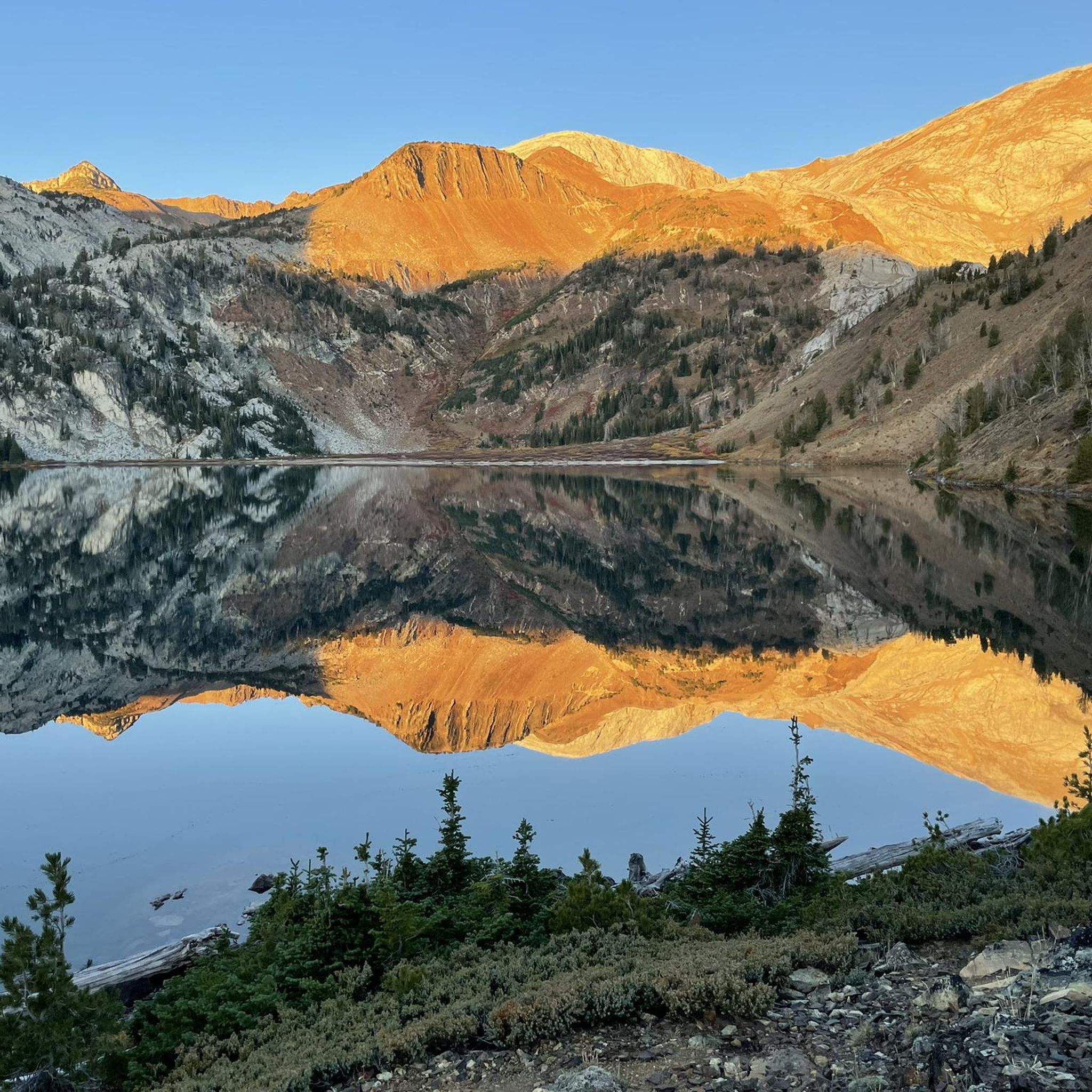
Mirror Lake is one of the most popular destinations in the Wallowa Mountains, so don't be surprised when you find a lot of people camping along its shores. Most maps show a camping symbol on the northwest corner of the lake; this is where people will likely head to set up camp (it's where we went in the dark!). If you are willing to hike further to the east, you'll find some great locations (try crossing the creek on the east side - really great camps up on the granite!). Be sure to pitch your tent at least 100 feet from the lakes or wetlands - you will be asked to move by the rangers if you set up too close.
0
0

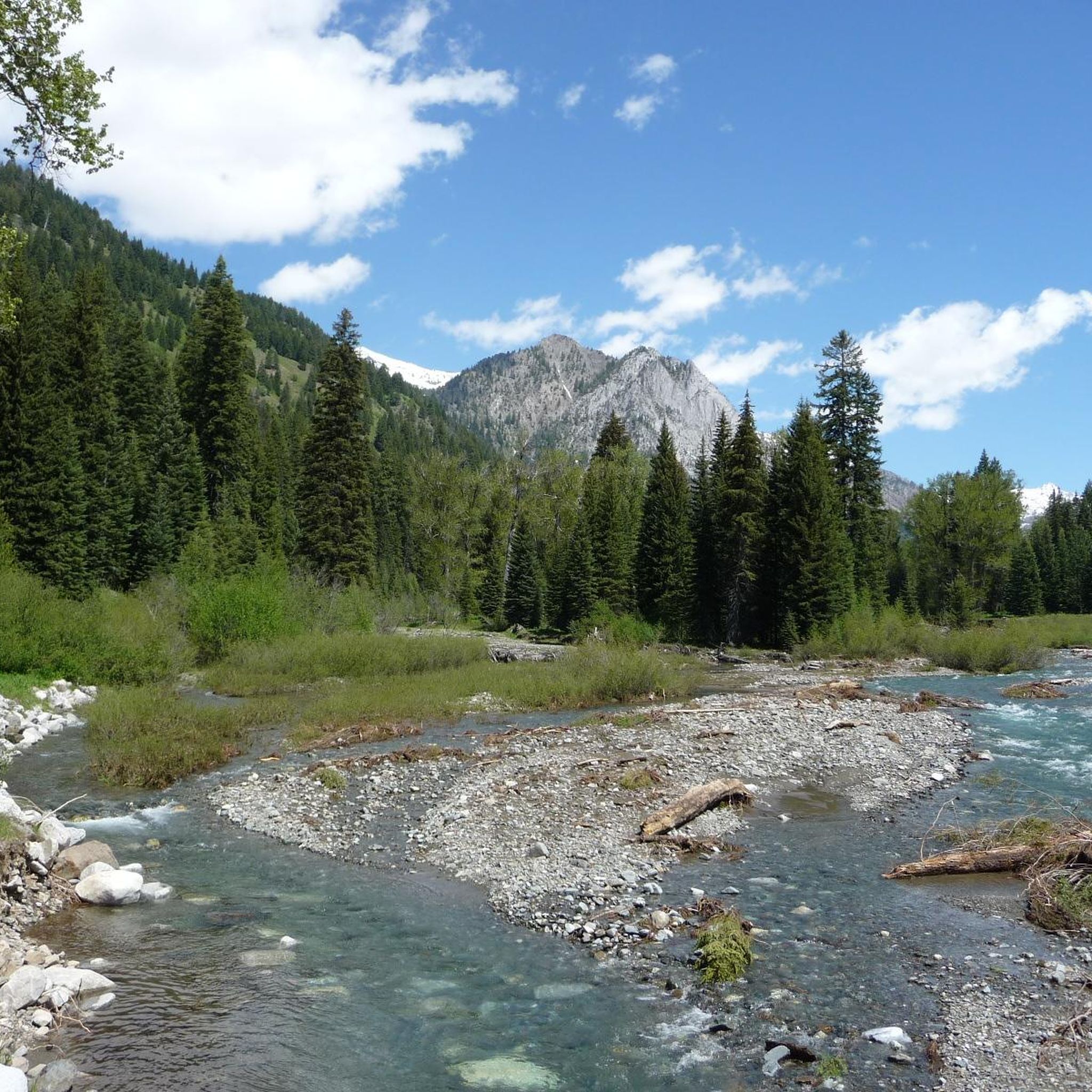
Every time we have enjoyed the atmosphere at Anthony Lake, it has been surprisingly quiet with far fewer people present than expected. The lake has a boat launch and is very accessible for bringing a canoe or other water vessel. A popular place for fishing, the scenic mountains surrounding the lake make you feel truly disconnected from the world in the best way possible. There is a trail around the entire perimeter of the lake that is great for a stroll with pets or children - or even yourself! The lake also has camping, both RV and tent sites available, along with 3 yurts you can reserve to lengthen your stay.
2
0

Anthony Lake is located at a lung burning 7,100 feet. Many people flock here in the summer as the large campground stays pretty cool in the warmest months and the scenery offers a nice mix of rocky boulders, conifers, and tranquil views.
0
0
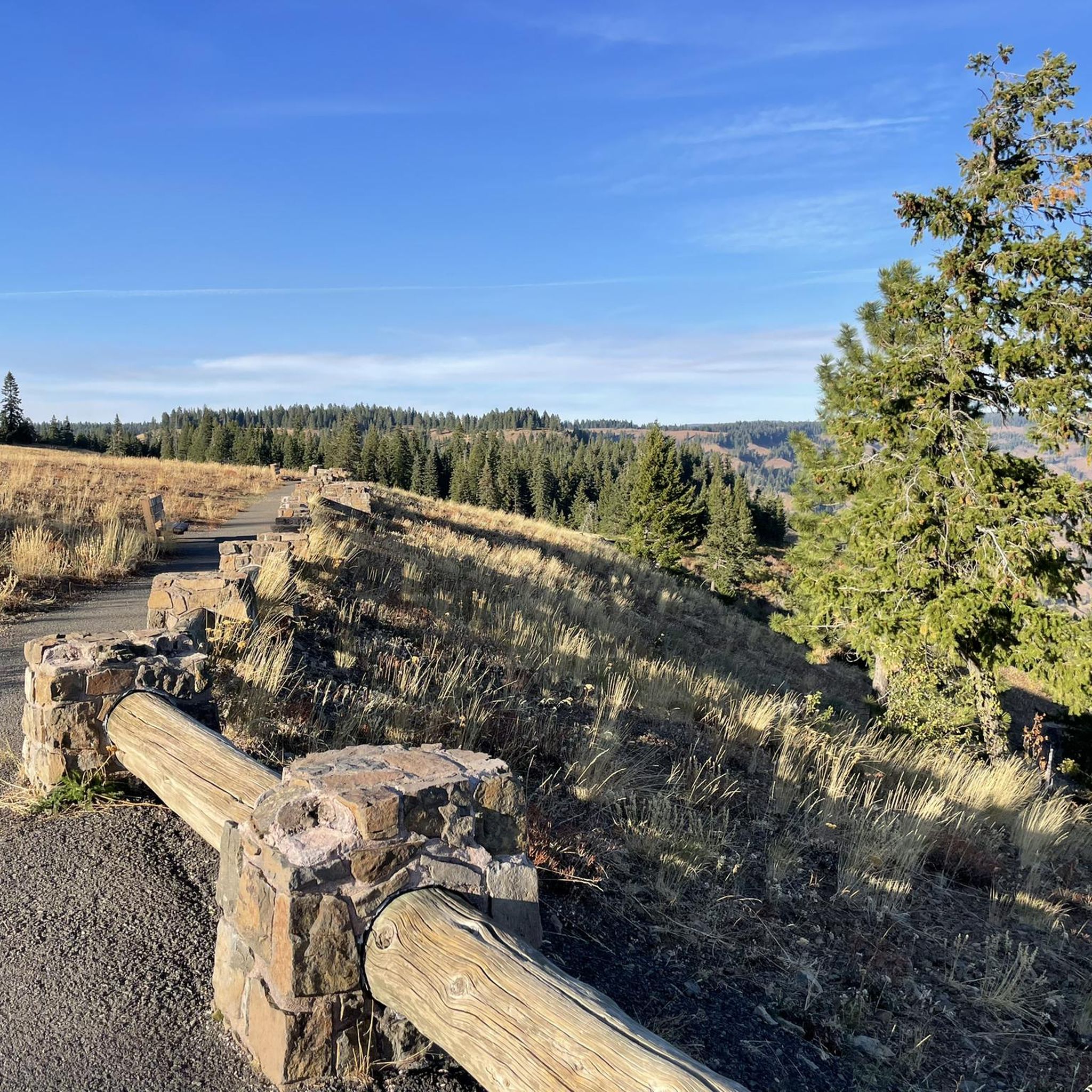
Hells Canyon Overlook is a popular spot to see panoramic views of Hells Canyon and as far as the eye can see! There are signs here with information about the canyon and you can see the Seven Devil Mountains just across the border in Idaho. In the spring & summer there are tons of wildflowers here making it even more scenic.
0
0
The trail to the summit of the Matterhorn is fairly well defined even as a user trail. Accessing this summit is one of the easier options in the area and provides sweeping views of the surrounding peaks.
0
0

Until I got here, I was convinced, the majestic Grand Canyon is the deepest canyon the United States. In fact, Hells Canyon, shaped by the Snake River, takes the cake. The overlook offers a nice panoramic view with some benches to spend more time. There is also a pit toilet available.
3
0
Mirror Lake is a beautiful alpine lake nestled into the Eagle Cap Wilderness of the Wallowa Mountains. You can pitch your tent, but campfires are not allowed.
2
0
Frequently Asked Questions
What are some of the most notable natural monuments in Wallowa-Whitman National Forest?
The Wallowa-Whitman National Forest is home to several impressive natural monuments. Among the most popular are Ice Lake, known for its crystal-clear waters and surrounding mountains, and the challenging ascent to Matterhorn, which offers exceptional panoramic views. Another must-see is the Hells Canyon Overlook, providing breathtaking views into North America's deepest river gorge.
What kind of natural features can I expect to see in Wallowa-Whitman National Forest?
The Wallowa-Whitman National Forest boasts diverse natural features. You'll find dramatic, glacier-carved peaks and valleys, numerous high alpine lakes like Mirror Lake, and the immense Hells Canyon carved by the Snake River. The region also features unique volcanic formations, including scattered large rock outcrops known as monadnocks, particularly in the Monument Rock Wilderness.
Are there opportunities for hiking near these natural monuments?
Yes, the Wallowa-Whitman National Forest offers extensive hiking opportunities. The Eagle Cap Wilderness alone has approximately 534 miles of trails. You can find various routes, from moderate strolls around lakes like Anthony Lake to challenging ascents like the trail to Matterhorn. For more detailed hiking options, explore the Hiking in Wallowa-Whitman National Forest guide.
What other outdoor activities are available in Wallowa-Whitman National Forest?
Beyond hiking, the forest provides a wide range of outdoor activities. Whitewater rafting is popular on the Snake River in Hells Canyon. The North Fork John Day Wilderness is known for rock climbing on its impressive granite cliffs. You can also enjoy road cycling on scenic routes, with options detailed in the Road Cycling Routes in Wallowa-Whitman National Forest guide.
Are there family-friendly natural monuments or activities in the area?
Yes, several natural monuments and areas are suitable for families. The Hells Canyon Overlook is easily accessible and offers panoramic views with amenities like pit toilets. Anthony Lake features a trail around its perimeter that is great for strolls with children or pets, along with camping facilities. The Wallowa Lake Tramway also provides stunning views of the Eagle Cap Wilderness from Mount Howard, which can be a fun family outing.
When is the best time to visit the natural monuments in Wallowa-Whitman National Forest?
The best time to visit largely depends on the activities you plan. Summer (June to September) offers the warmest weather and best access to high-elevation trails and alpine lakes. However, popular spots like Ice Lake can be crowded. For solitude, consider visiting during early spring or fall when temperatures are cooler and fewer people are present. Winter brings snow, making some areas accessible only for winter sports.
What are the unique geological features found in Wallowa-Whitman National Forest?
The Wallowa-Whitman National Forest showcases remarkable geological diversity. The Wallowa Mountains, part of the Eagle Cap Wilderness, are characterized by dramatic, glacier-carved peaks and valleys. Hells Canyon is a testament to the erosive power of the Snake River, forming North America's deepest river gorge. The Monument Rock Wilderness features unique volcanic formations, with soils of volcanic ash and rocks from ancient lava flows, and distinctive monadnocks rising above timber stands.
Can I bring my dog to the natural monuments in Wallowa-Whitman National Forest?
Generally, dogs are allowed on trails and in wilderness areas within the Wallowa-Whitman National Forest, but they must be kept on a leash and under control. Always practice Leave No Trace principles, including packing out pet waste. Specific regulations may apply to certain areas or during certain seasons, so it's always best to check with the local ranger district for the most current rules before your visit.
Are permits required to visit the natural monuments or wilderness areas?
While general entry to the Wallowa-Whitman National Forest typically does not require a permit, some specific activities or areas might. For instance, overnight stays in wilderness areas may require a wilderness permit, which are often free but necessary for tracking visitor use and ensuring safety. Additionally, some trailheads may require a recreation pass or have parking fees. It's advisable to check the official Forest Service website or contact a local ranger station for current permit requirements for your planned activities.
What do visitors enjoy most about the natural monuments in Wallowa-Whitman National Forest?
Visitors frequently praise the pristine beauty and solitude offered by the natural monuments. The crystal-clear waters of Ice Lake and the serene views at Mirror Lake are highly appreciated. The exceptional panoramic views from summits like Matterhorn and the grandeur of Hells Canyon are also major draws, providing a profound wilderness experience and a chance to disconnect.
Are there any hidden gems or less-known natural monuments worth exploring?
While the Eagle Cap Wilderness draws many, the Monument Rock Wilderness offers a more secluded experience with its unique volcanic geology and approximately 15 miles of maintained trails. Similarly, Anthony Lake, despite its accessibility and amenities, often remains surprisingly quiet, providing a tranquil atmosphere amidst scenic mountains. These areas offer a chance to explore without the crowds found at more popular spots.
Where can I find accommodation or amenities near the natural monuments?
While the wilderness areas themselves offer primitive camping, towns near the Wallowa-Whitman National Forest provide various amenities. Joseph, La Grande, and Baker City are good starting points. You can find campgrounds, both RV and tent sites, near lakes like Anthony Lake, and some even offer yurts for reservation. For more extensive options, look for hotels, cafes, and restaurants in the nearby towns.
Most popular routes in Wallowa-Whitman National Forest
Most popular attractions in Wallowa-Whitman National Forest

Get inspired with the komoot mobile app


Explore more
Extend your search for the best caves by checking out these guides of the top ones in Wallowa-Whitman National Forest:
