Columbia River Gorge National Scenic Area
Columbia River Gorge National Scenic Area
Top 20 Natural Monuments in Columbia River Gorge National Scenic Area
Best natural monuments in Columbia River Gorge National Scenic Area include a dramatic 80-mile-long and up to 4,000-foot-deep canyon. This federally protected area, spanning Oregon and Washington, is characterized by towering basalt cliffs, lush forests, and numerous cascading waterfalls. The landscape was shaped by ice-age floods and volcanic eruptions, creating a diverse range of ecosystems.
Best natural monuments in Columbia River Gorge National Scenic Area
- The most popular natural monument is Multnomah Falls and Benson Bridge, a waterfall that…
Last updated: May 28, 2026
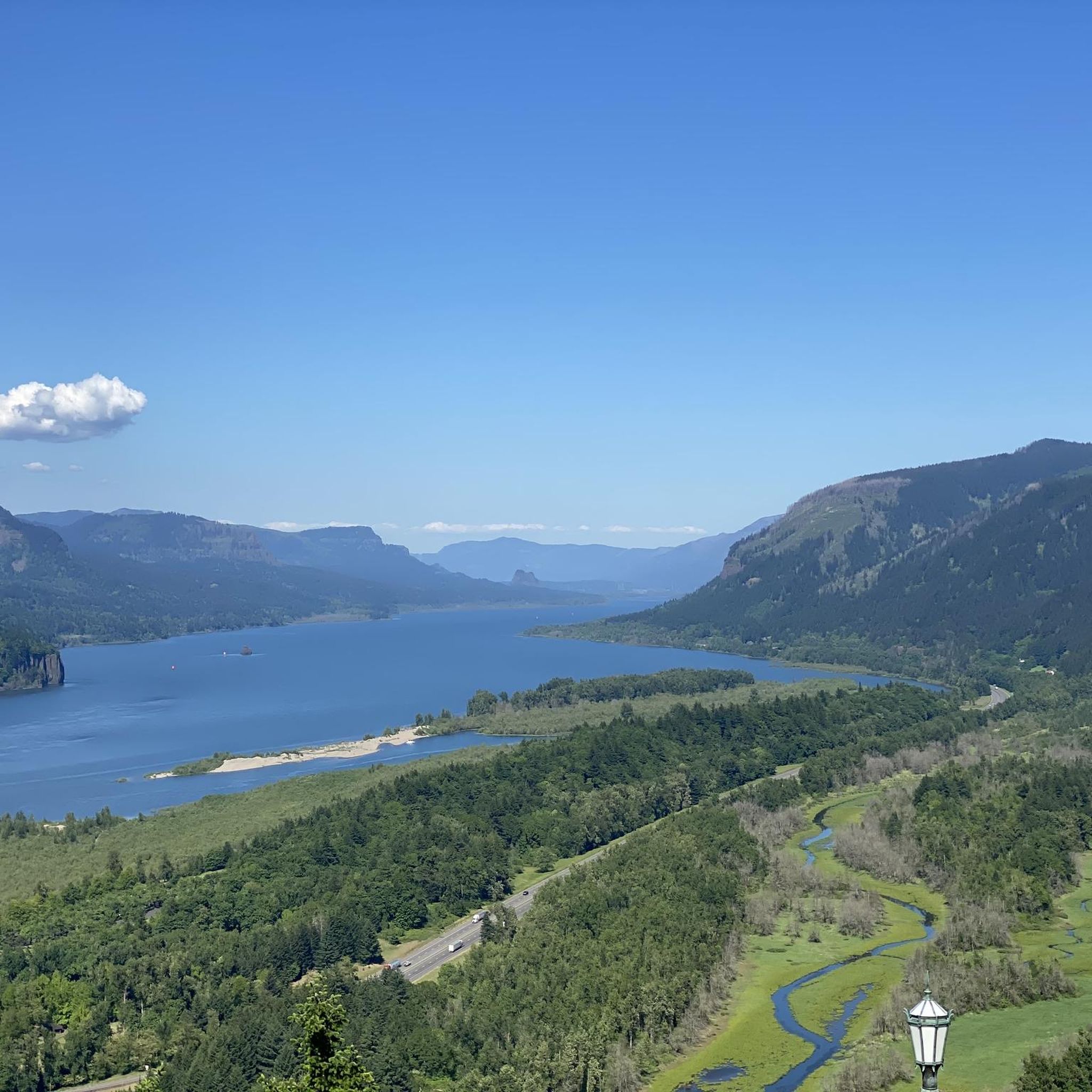
Crown Point
Highlight • Viewpoint
Translated by Google •
Tip by

Multnomah Falls and Benson Bridge
Highlight • Waterfall
Tip by

Sign up now to discover places like this
Get recommendations on the best single tracks, peaks, & plenty of other exciting outdoor places.
Sign up for free
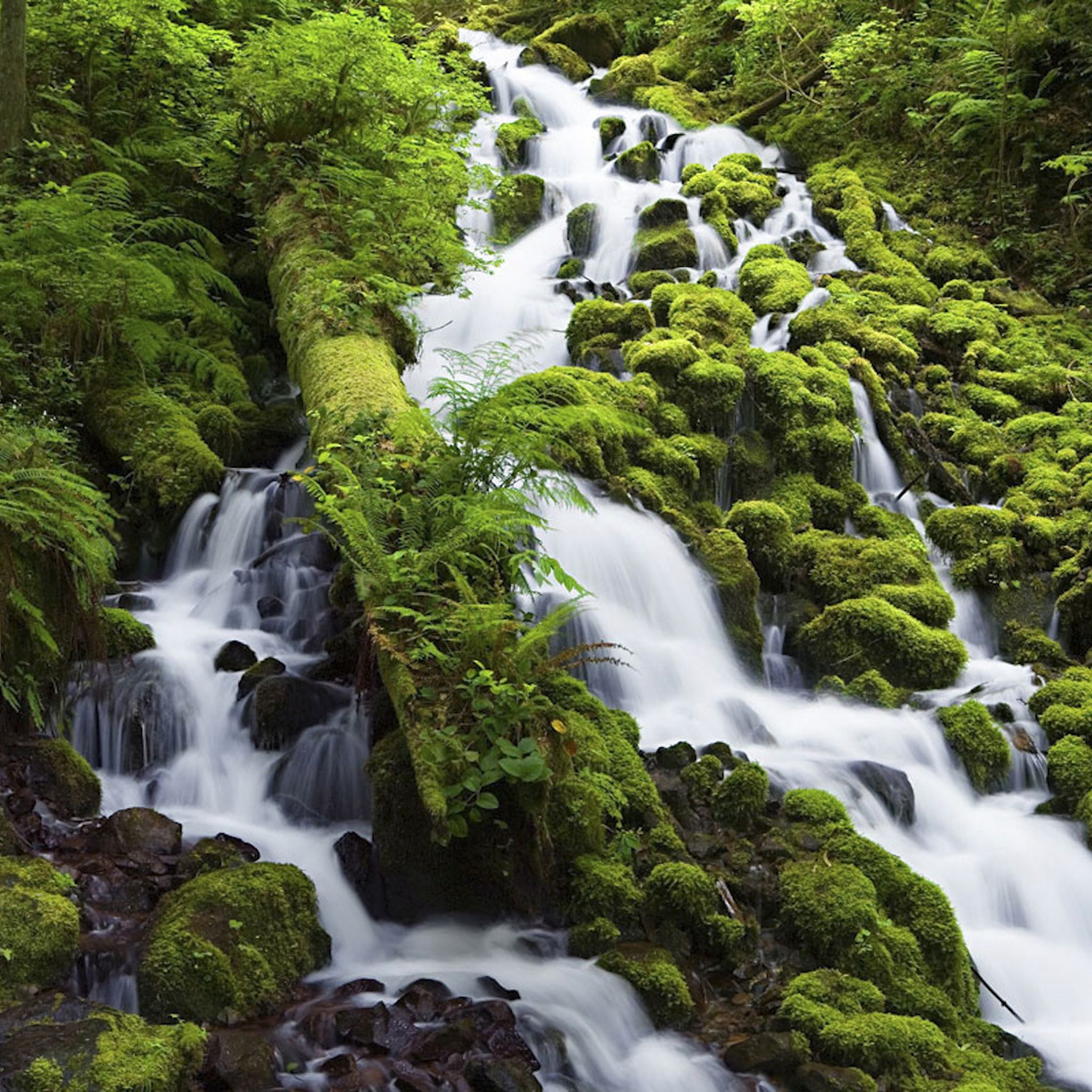
Wiesendanger Falls
Highlight • Waterfall
Tip by

Punch Bowl Falls
Highlight • Waterfall
Tip by
Multnomah Falls
Highlight • Waterfall
Tip by

Sign up for free to discover even more natural monuments in Columbia River Gorge National Scenic Area.
Sign up for free
Already have an account?
Start today with a free account
Your next adventure awaits.
Login or Signup
Popular around Columbia River Gorge National Scenic Area

Pacific Crest Trail from Mexico to Canada – 4,200 kilometres of wilderness
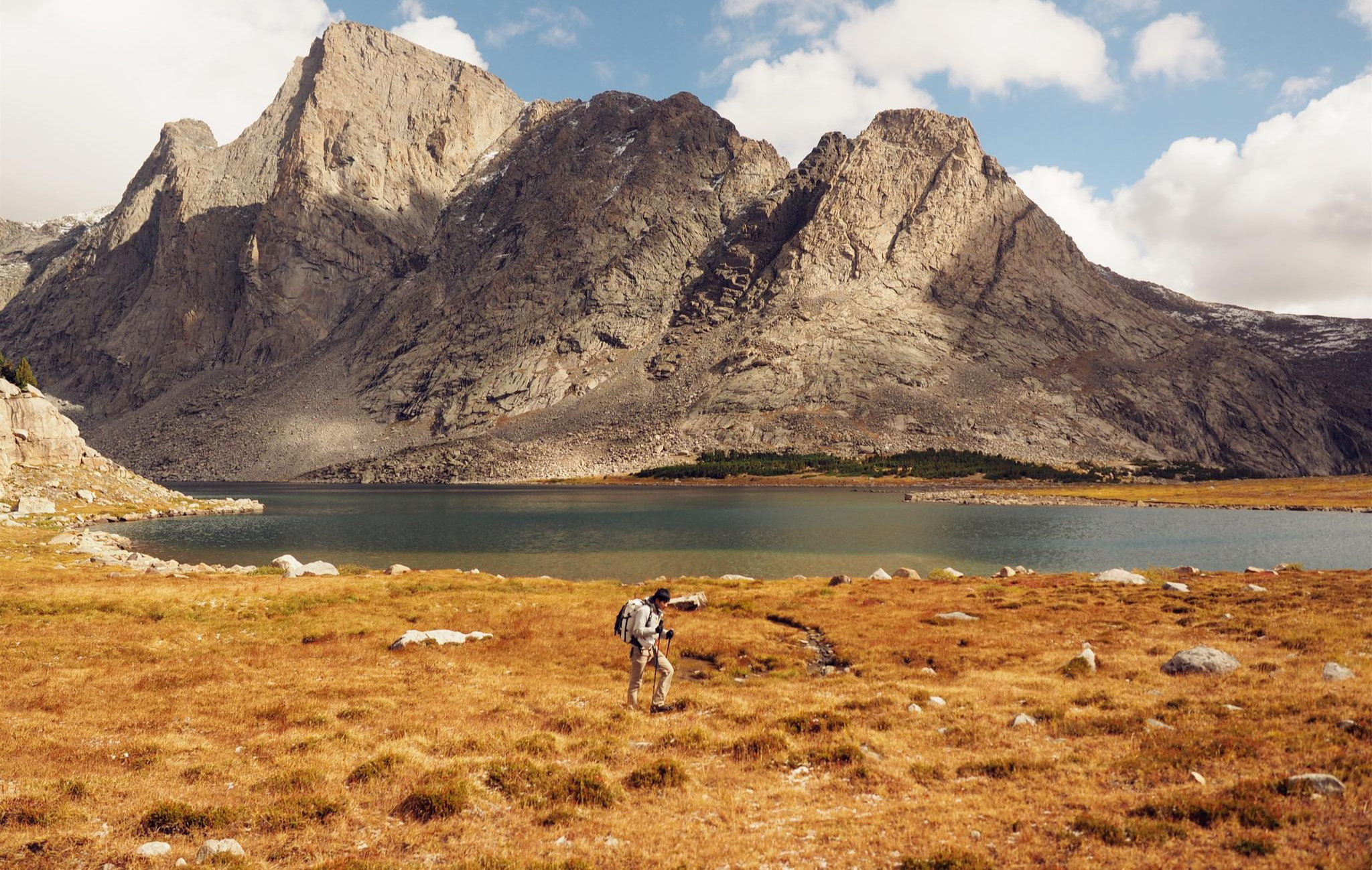
Like in the Wild West – hiking on the Oregon Trail
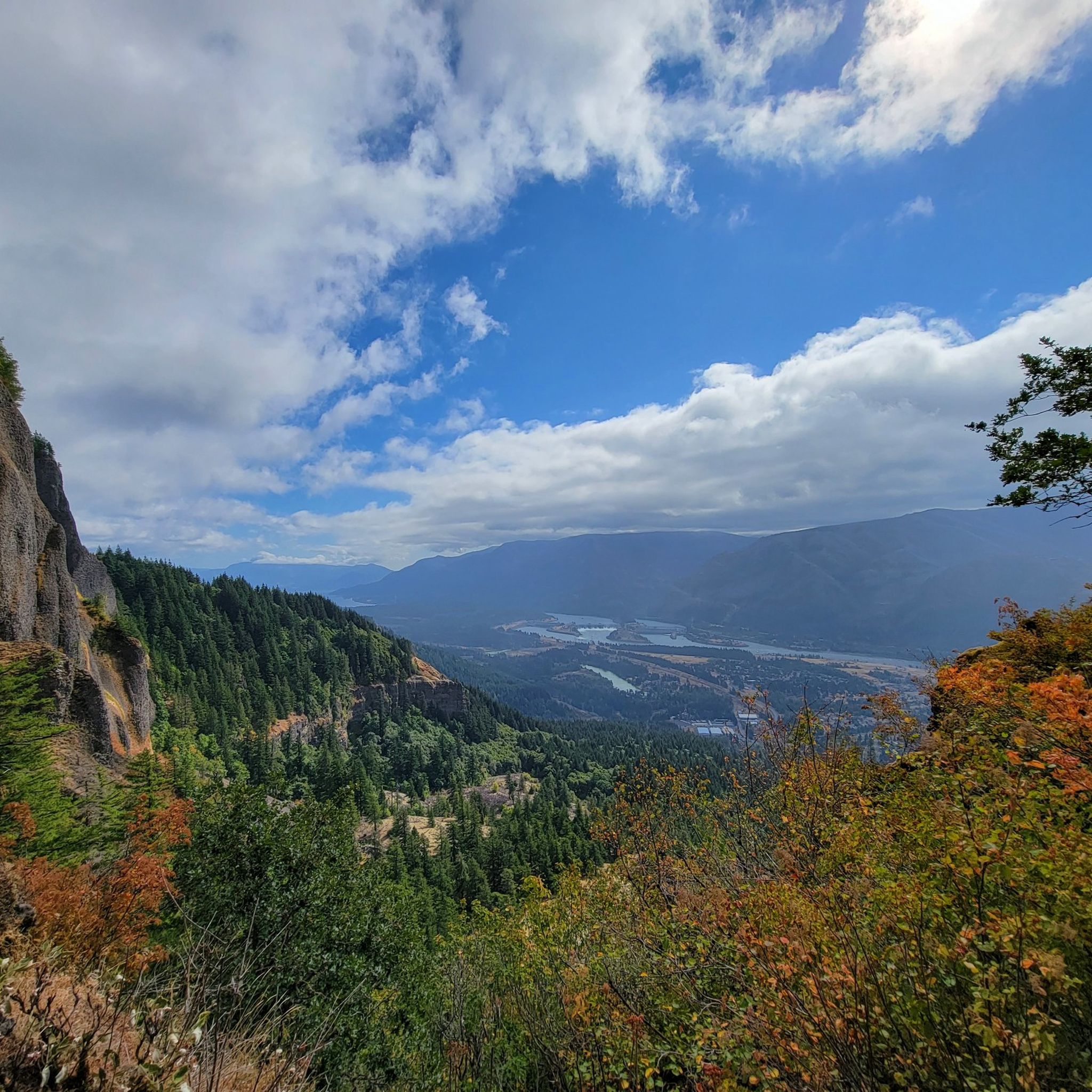
Hiking in Columbia River Gorge National Scenic Area
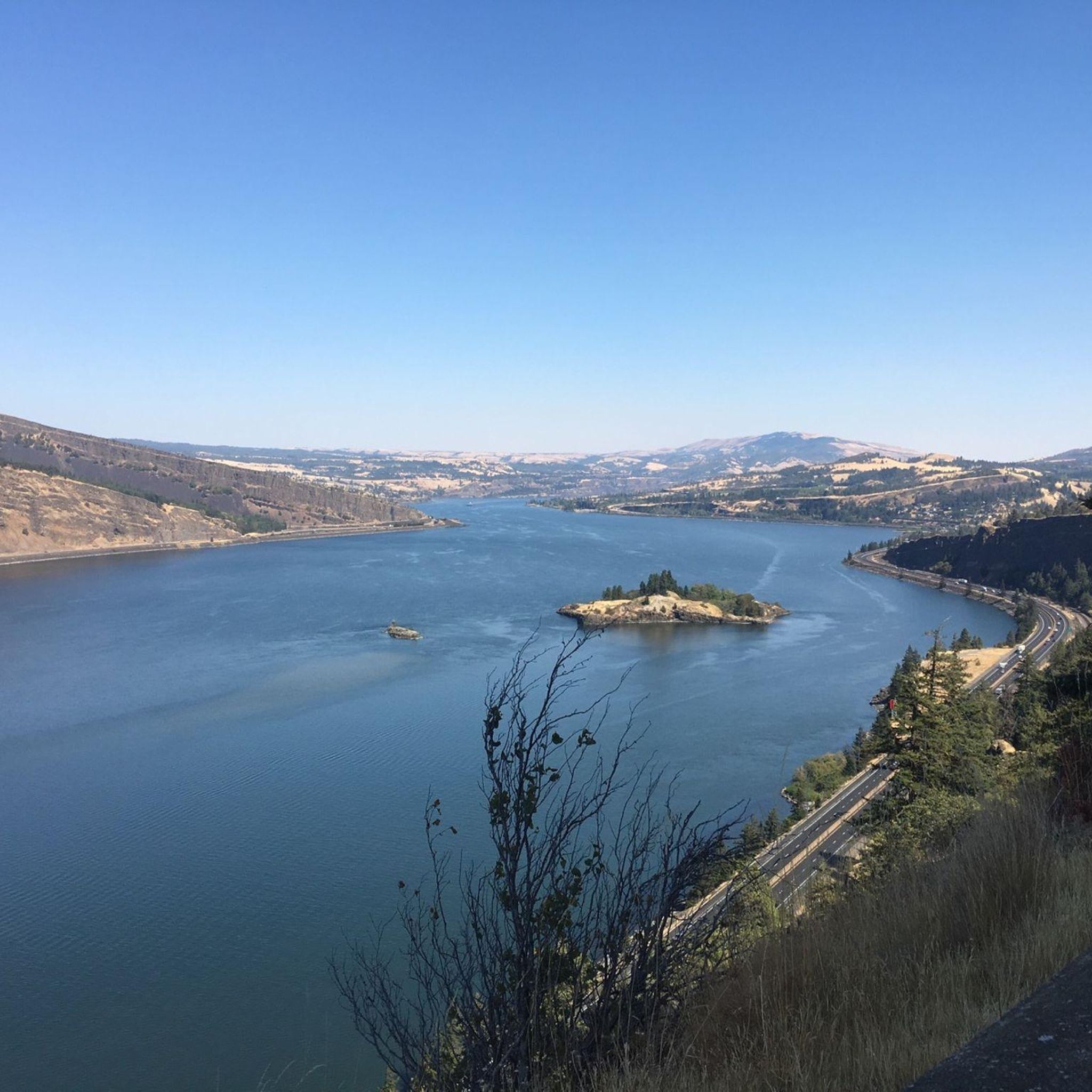
Road Cycling Routes in Columbia River Gorge National Scenic Area
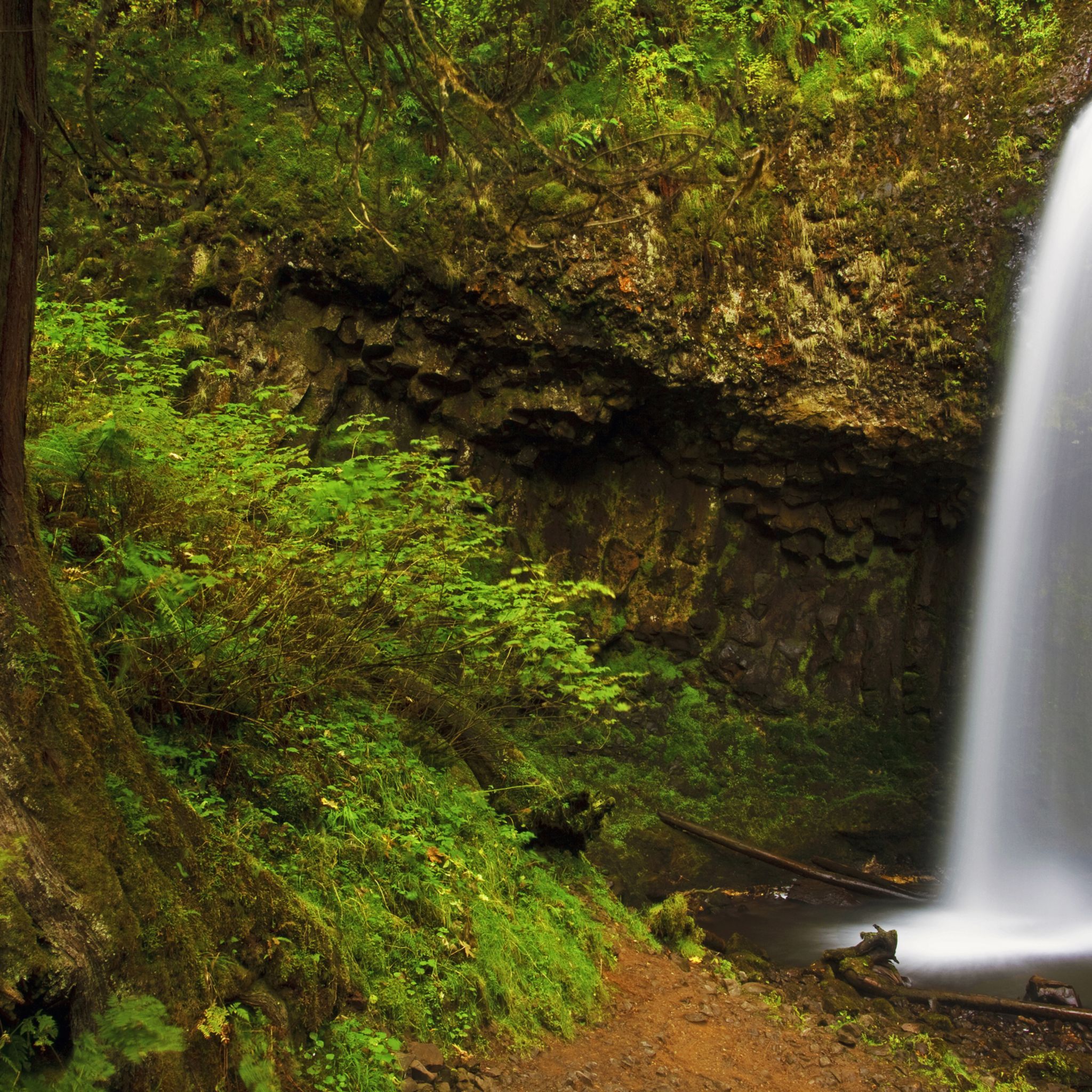
Running Trails in Columbia River Gorge National Scenic Area
Cycling in Columbia River Gorge National Scenic Area
MTB Trails in Columbia River Gorge National Scenic Area
Gravel biking in Columbia River Gorge National Scenic Area
Other adventures in Columbia River Gorge National Scenic Area


Tips from the Community

Here's a perfect spot to take a break, park your bike, and walk up the trail for an excellent view of both Lower and Upper Multnomah Falls.
1
0

Crown Point and Vista House are in close proximity and offer great views of the Columbia River. The Vista House was built in 1916 at the same time as Highway 30 (which is now the historic Columbia River Gorge Highway and the only way to reach Crown Point). The building was designed as a place for refreshment and enjoyment of the Columbia Gorge. The octagonal building with its green ceramic tile roof houses a museum, a gift shop and an interpretive exhibition of historical and geological landmarks in the canyon.
0
0

Partly Paved trail , kids friendly with strollers, seniors friendly, stairs
0
0

This area is very congested. Watch out for automobile traffic.
0
0
Originally nicknamed as "The Million Dollar Toilet," this rest stop provided travellers with a much need rest stop along the highway, albeit at a great cost to construct in the early part of the twentieth century.
1
0

A spur trail leads to a lower level where you have a great view at the falls.
6
0

While the summer is a popular time for the hike up to this gorgeous waterfall, late spring in the rain can be a special experience. With fewer people and a lot more water coming off the mountain, this waterfall is spectacular during the rainy season.
0
0

Here, you have a great view of both the Lower and Upper Multnomah Falls. It's incredible! Make your way to the Benson Bridge to get closer to the Upper Falls.
0
1
Frequently Asked Questions
What are some of the most popular natural monuments to visit in the Columbia River Gorge National Scenic Area?
Among the most popular natural monuments, you'll find Multnomah Falls and Benson Bridge, Oregon's tallest waterfall, offering a spectacular 620-foot plunge. Another favorite is Wahkeena Falls, easily accessible from the Historic Columbia River Highway, where you can climb to Lemmons Viewpoint for great views. Visitors also highly appreciate Wiesendanger Falls, known for its rewarding views after a hike under a basalt overhang.
Are there family-friendly natural monuments in the Columbia River Gorge National Scenic Area?
Yes, several natural monuments are great for families. Multnomah Falls and Benson Bridge is very popular, with easy access to the base and the historic bridge. Wahkeena Falls also offers family-friendly access and trails. Additionally, Crown Point provides stunning panoramic views that are enjoyable for all ages.
What kind of natural features can I expect to see in the Columbia River Gorge?
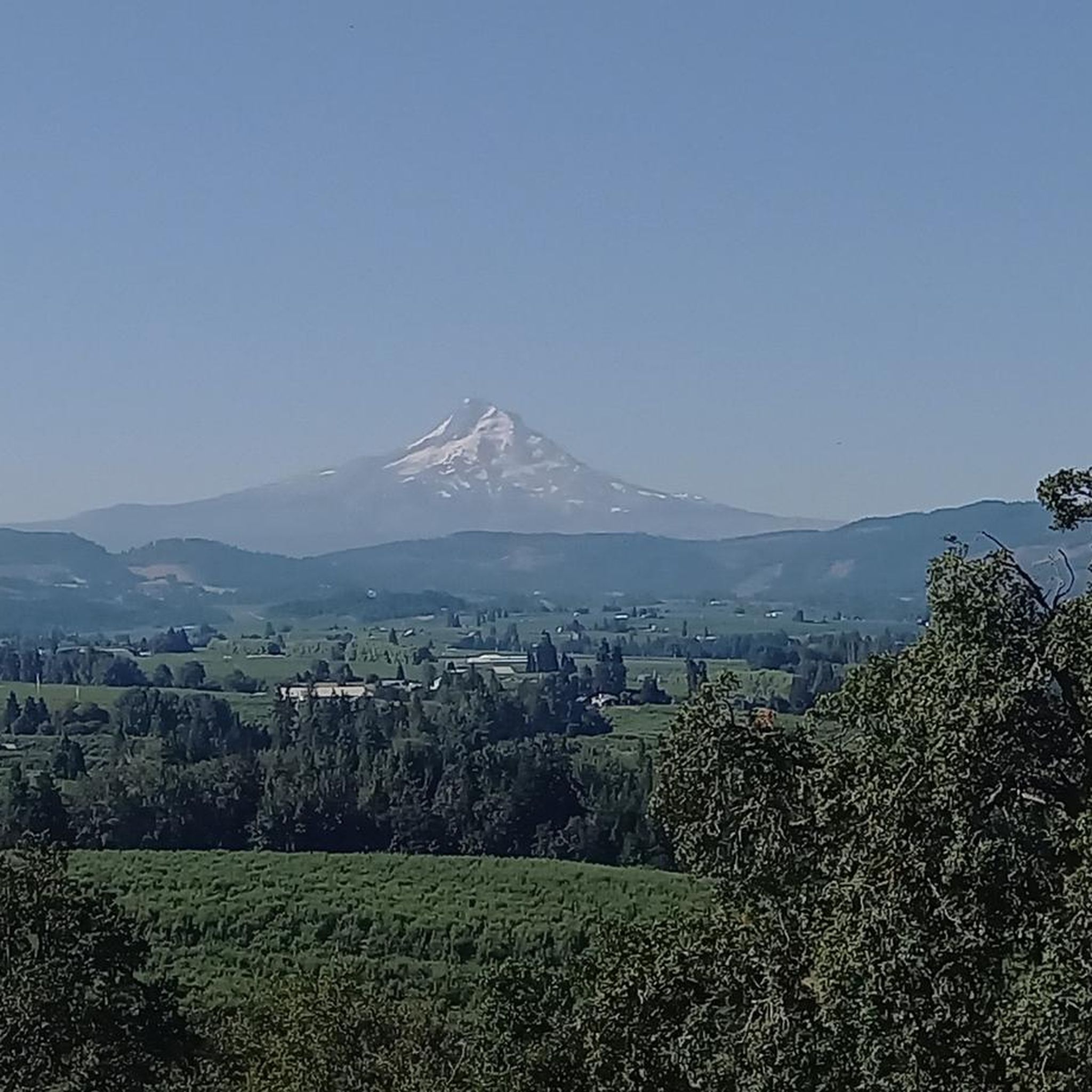
The Columbia River Gorge is renowned for its dramatic landscape, shaped by ice-age floods and volcanic eruptions. You'll encounter towering basalt cliffs, lush forests, and numerous cascading waterfalls. The area features a diverse range of ecosystems, from misty rainforests to dry oak savannas, offering panoramic viewpoints of the river and surrounding mountains like Mount Hood and Mount Adams.
What outdoor activities can I do near these natural monuments?
The area around the natural monuments offers a variety of outdoor activities. You can explore extensive cycling routes, including options for gravel biking, road cycling, and general cycling tours. Many trails lead to viewpoints and waterfalls, providing excellent hiking opportunities.
Are there any notable viewpoints besides the waterfalls?
Absolutely. Crown Point is a National Natural Landmark offering some of the most panoramic views of the gorge, nearly 700 feet above the Columbia River. The historic Vista House located there further enhances the viewing experience. Rowena Crest is another iconic viewpoint, famous for its horseshoe bend on the Historic Columbia River Highway and sweeping vistas.
What is the best time to visit the natural monuments in the Columbia River Gorge?
The Columbia River Gorge is beautiful year-round, but late spring and early summer are particularly renowned for vibrant wildflower displays, especially around Rowena Crest and Tom McCall Preserve. Waterfalls like Multnomah Falls are spectacular throughout the year. For a unique experience with fewer crowds and more water flow, late spring during the rainy season can be special for waterfalls like Wiesendanger Falls.
Are there any natural monuments that involve a more challenging hike?
Yes, for those seeking a more challenging experience, the hike to Punch Bowl Falls is a popular intermediate trail. While the backdrop changed after the 2017 fire, the deep green hues and clear waters of Eagle Creek still impress. The climb to Wiesendanger Falls is also considered rewarding for its views.
What do visitors enjoy most about the natural monuments in the Columbia River Gorge?
Visitors consistently praise the breathtaking views and the sheer power of the waterfalls. Many enjoy the opportunity to get close to the falls, like feeling the mist from Multnomah Falls, or the unique experience of hiking under a basalt overhang to reach Wiesendanger Falls. The diverse landscapes and the historical significance of sites like Crown Point also receive high acclaim.
Are there any natural monuments that are less crowded but still offer great views?
While popular spots can get busy, exploring areas like Latourell Falls, one of the closest major waterfalls to Portland, offers a distinctive single-plunge waterfall over columnar basalt and a rewarding two-mile loop hike through a beautiful rainforest. Beacon Rock, an 848-foot-tall volcanic plug, also provides panoramic views after a hike to its summit, often with fewer crowds than the most iconic waterfalls.
What should I wear when hiking to natural monuments in the Columbia River Gorge?
Given the diverse ecosystems and potential for mist near waterfalls, it's advisable to wear layers. Waterproof or water-resistant outerwear is recommended, especially if you plan to get close to waterfalls or visit during the rainy season. Sturdy hiking shoes with good grip are essential for navigating trails that can be wet or uneven. Even in summer, temperatures can vary, so be prepared for changes.
Are there any historical aspects tied to the natural monuments?
Yes, many natural monuments in the Columbia River Gorge have historical significance. For instance, the historic Vista House at Crown Point serves as an observatory and interpretive center, built in the early 20th century. The Historic Columbia River Highway itself is a monument, connecting many natural wonders. The Benson Bridge at Multnomah Falls is another historic structure, named after Simon Benson, who played a key role in its construction.
Is parking available at the major natural monuments?
Parking is generally available at major natural monuments, though it can be very busy, especially at popular sites like Multnomah Falls. It's always a good idea to arrive early, especially during peak season or weekends, to secure a spot. Some areas may have designated parking lots with varying capacities.
Most popular routes in Columbia River Gorge National Scenic Area
Most popular attractions in Columbia River Gorge National Scenic Area

Get inspired with the komoot mobile app


Explore more
Extend your search for the best caves by checking out these guides of the top ones in Columbia River Gorge National Scenic Area:
