Top 14 Mountain Passes in San Juan National Forest
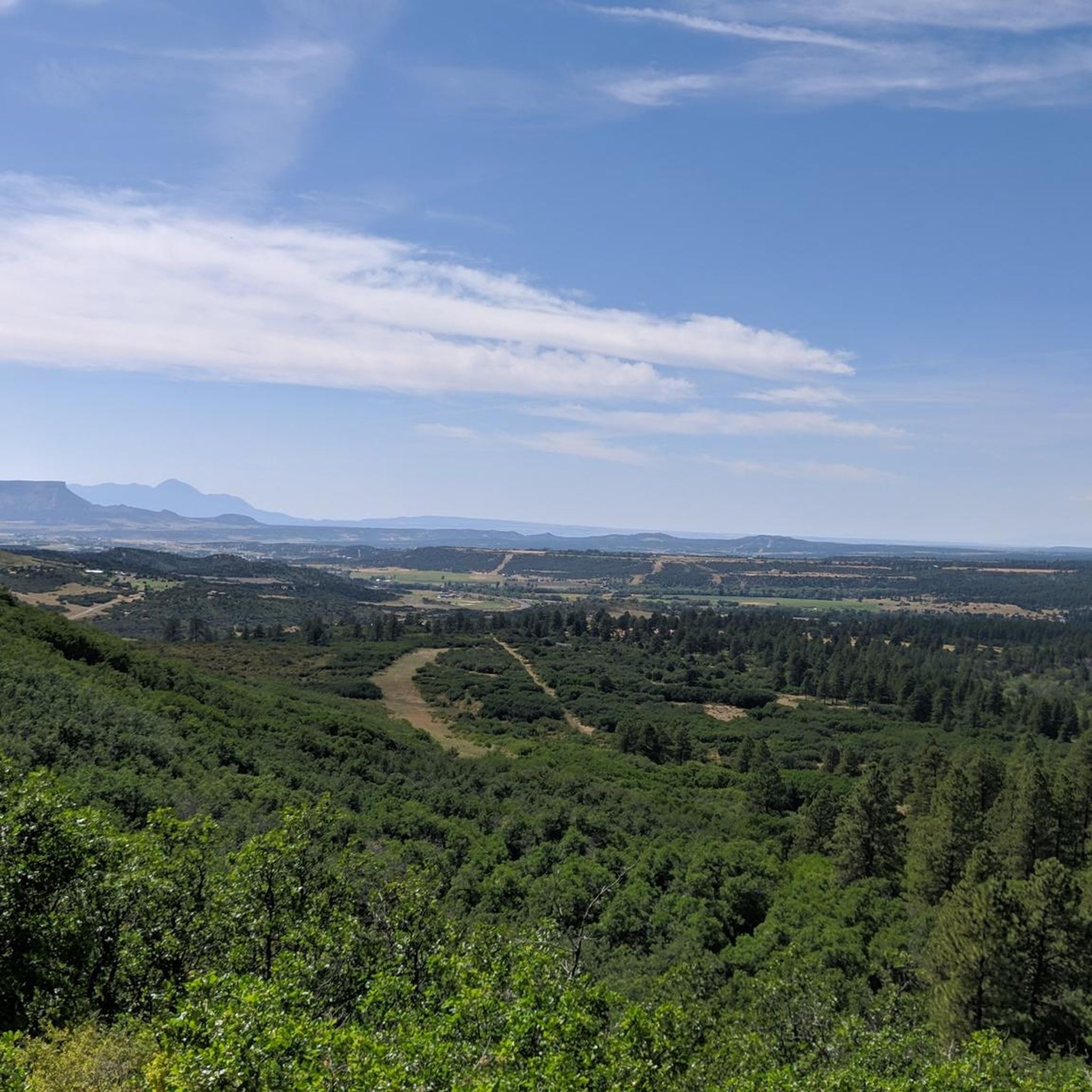
Best mountain passes in San Juan National Forest are located within the San Juan Mountains of Colorado. This region features alpine vistas, historical mining sites, and challenging terrain. The area is characterized by its rugged natural landscape and geological formations. Many passes traverse both the San Juan National Forest and the adjacent Uncompahgre National Forest.
Best mountain passes in San Juan National Forest
- The most popular mountain passes is Blackhawk Pass, a mountain pass that leads up to 12,000 feet. It offers views towards towering mountains like Section Point, Hermosa Peak, and Telescope Mountain.
- Another must-see spot is View on Grenadier Range, a viewpoint offering panoramic views of the Grenadier Range. Visitors can see peaks such as Garfield Peak, Greystone Peak, and Electric Peak.
- Visitors also love Red Mountain Pass, a mountain pass reaching an elevation of 11,018 feet. It is part of the Million Dollar Highway and features dramatic landscapes with red and yellow hues.
- San Juan National Forest is known for mountain passes that offer access to high-elevation terrain, historical mining areas, and scenic viewpoints. The variety of mountain passes provides opportunities for different types of outdoor exploration.
- The mountain passes in San Juan National Forest are appreciated by the komoot community, with 4 upvotes and 2 photos contributed by visitors.
Last updated: April 26, 2026
Baldy Mountain
Highlight • Summit
Tip by

Blackhawk Pass
Highlight (Segment) • Mountain Pass
Tip by

Sign up now to discover places like this
Get recommendations on the best single tracks, peaks, & plenty of other exciting outdoor places.
Sign up for free
Diorite Peak
Highlight • Summit
Tip by
View on Grenadier Range
Highlight • Viewpoint
Tip by

Red Mountain Pass
Highlight • Mountain Pass
Tip by

Sign up for free to discover even more mountain passes in San Juan National Forest.
Sign up for free
Already have an account?
Start today with a free account
Your next adventure awaits.
Login or Signup
Popular around San Juan National Forest
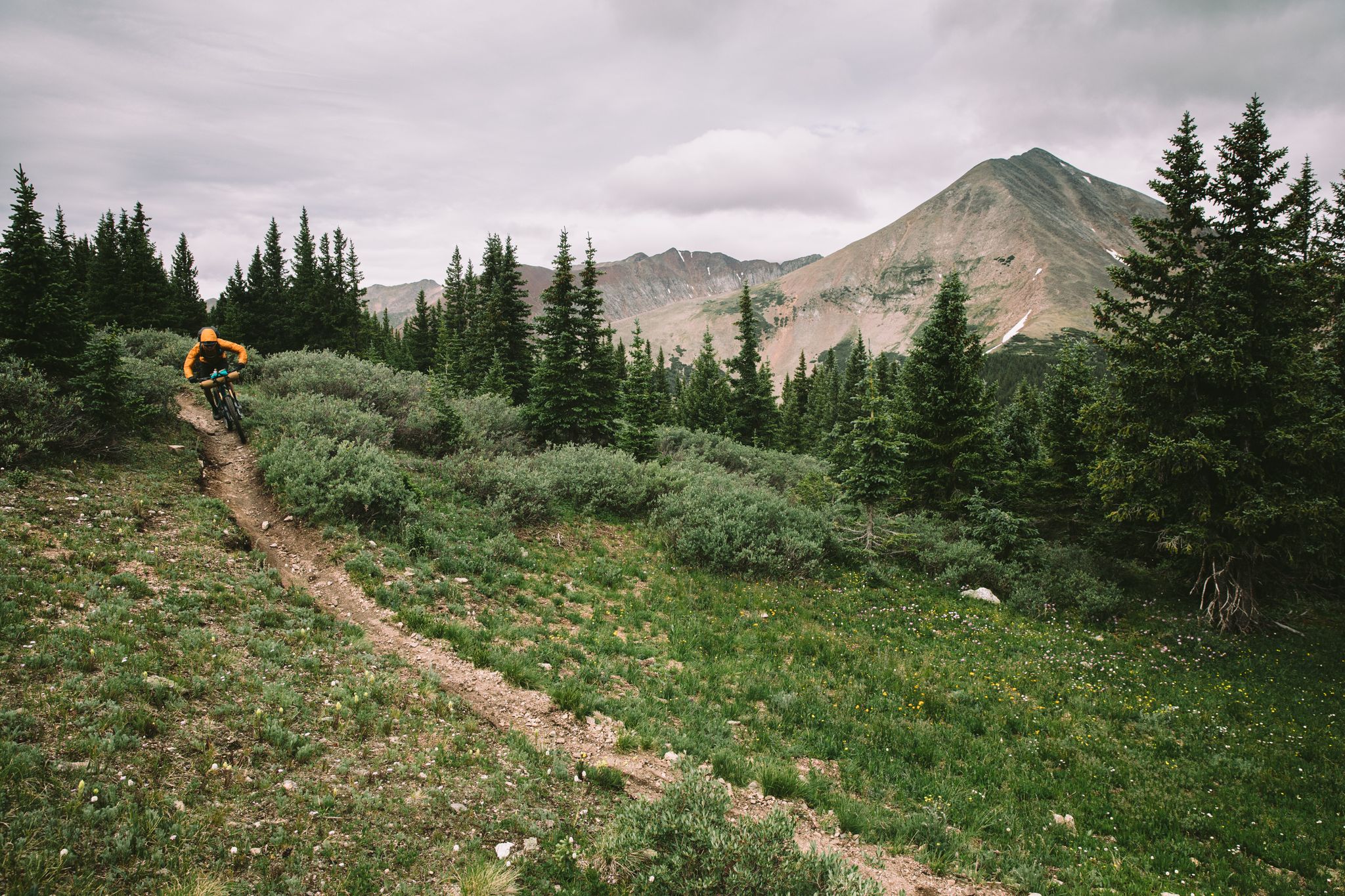
The Colorado Trail — Ten incredible days in the Rocky Mountains
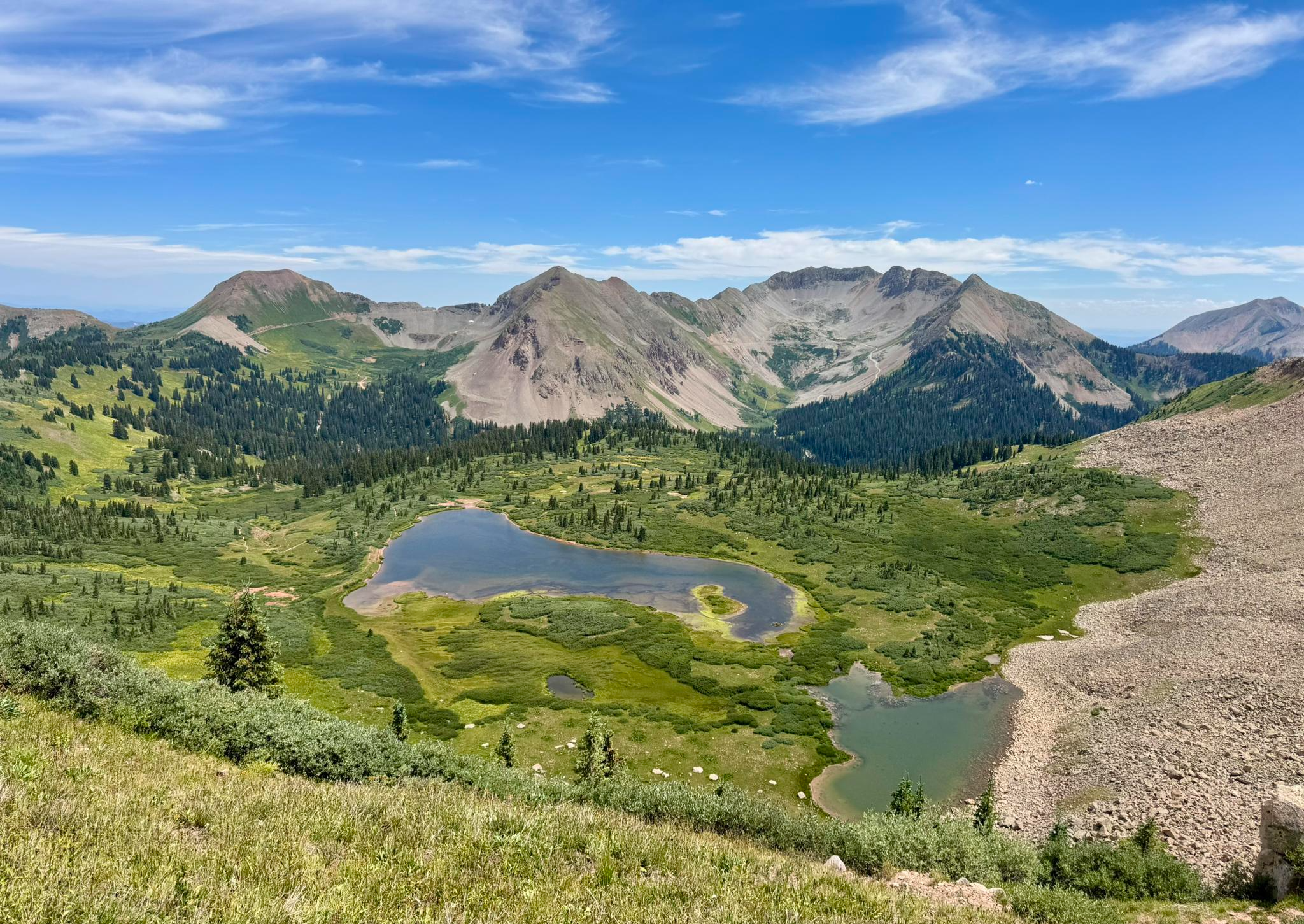
Colorado Trail — The pinnacle of wild Colorado
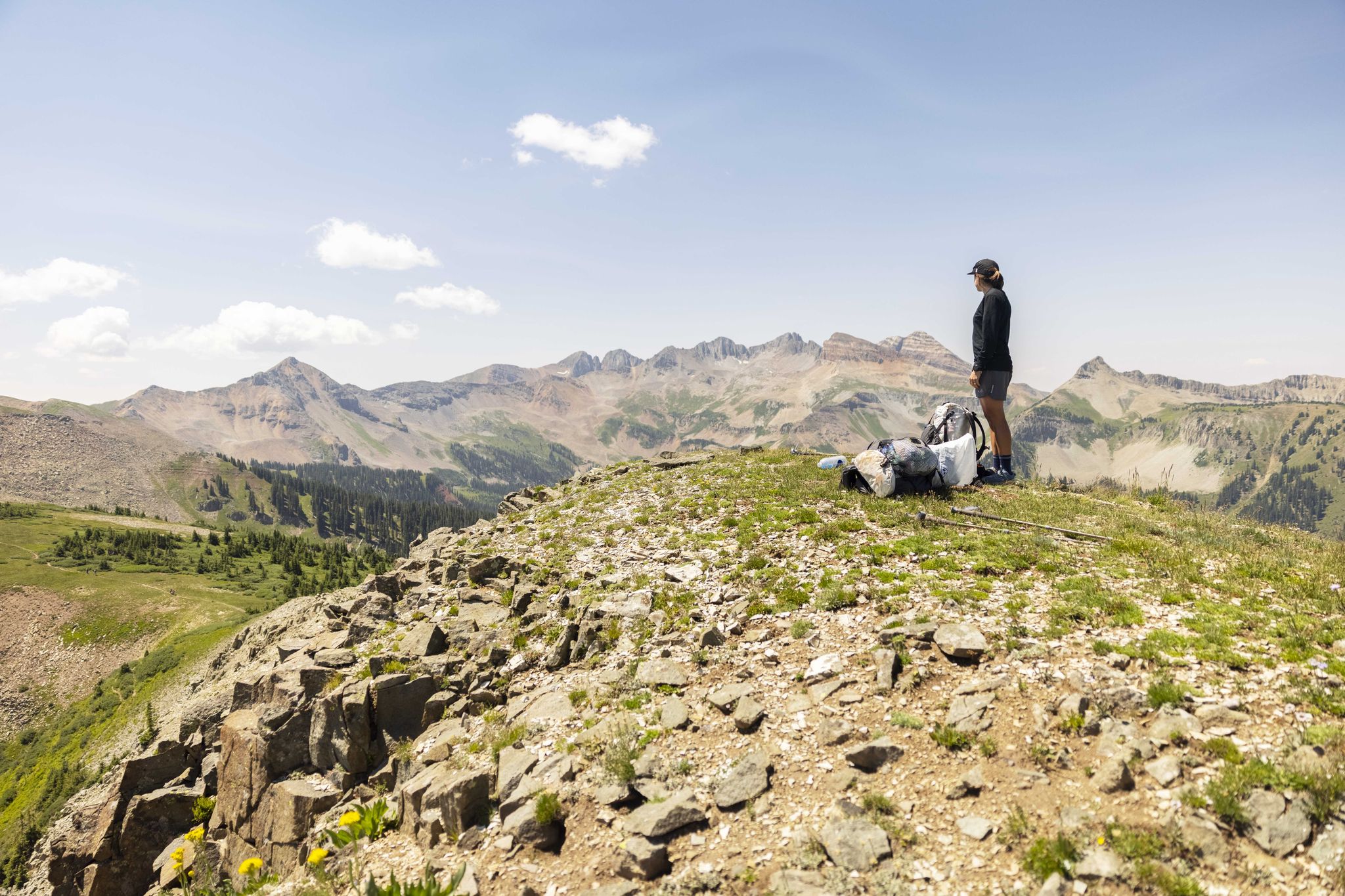
The Colorado Trail — Hiking from Silverton to Durango
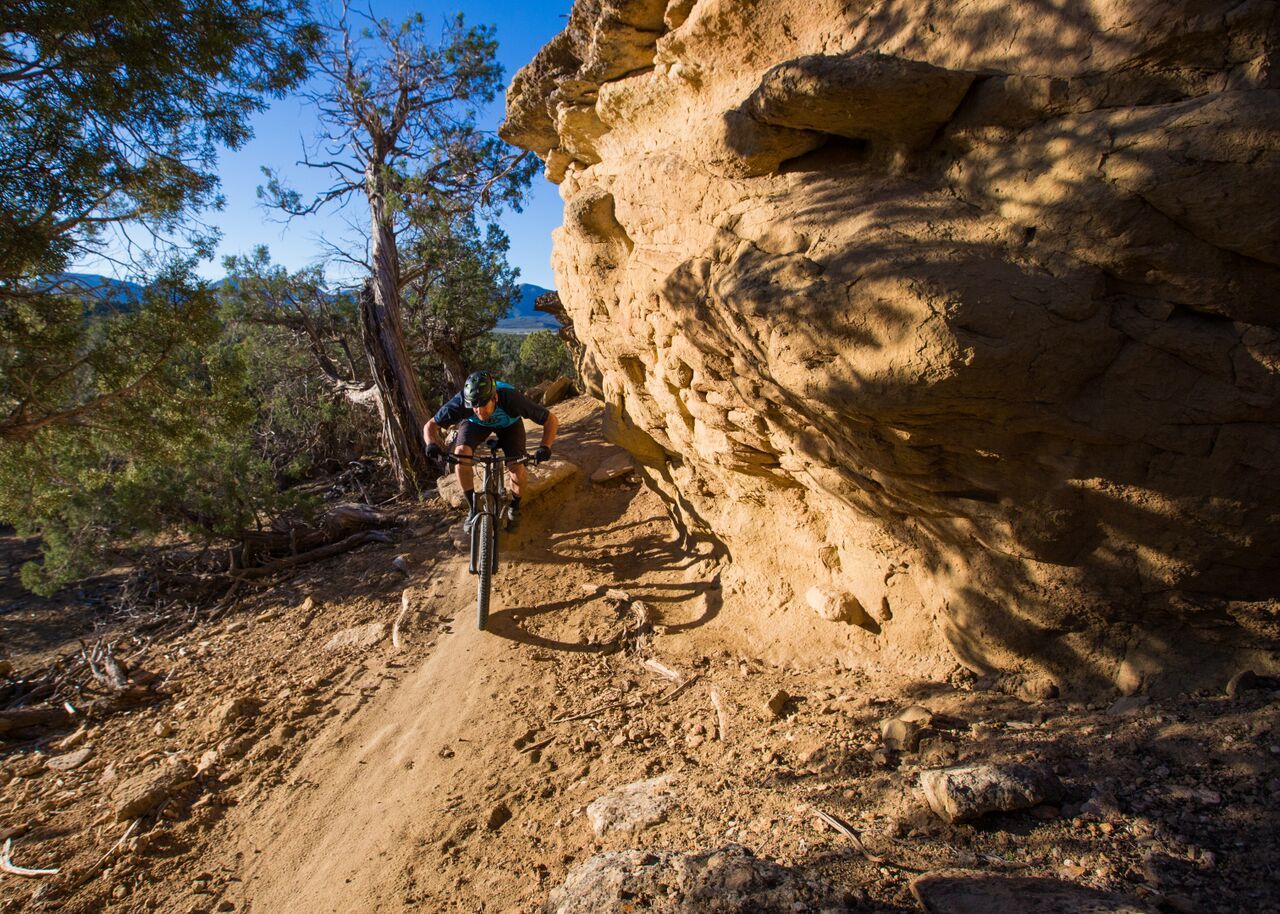
Unforgettable MTB adventures in Colorado's south-west
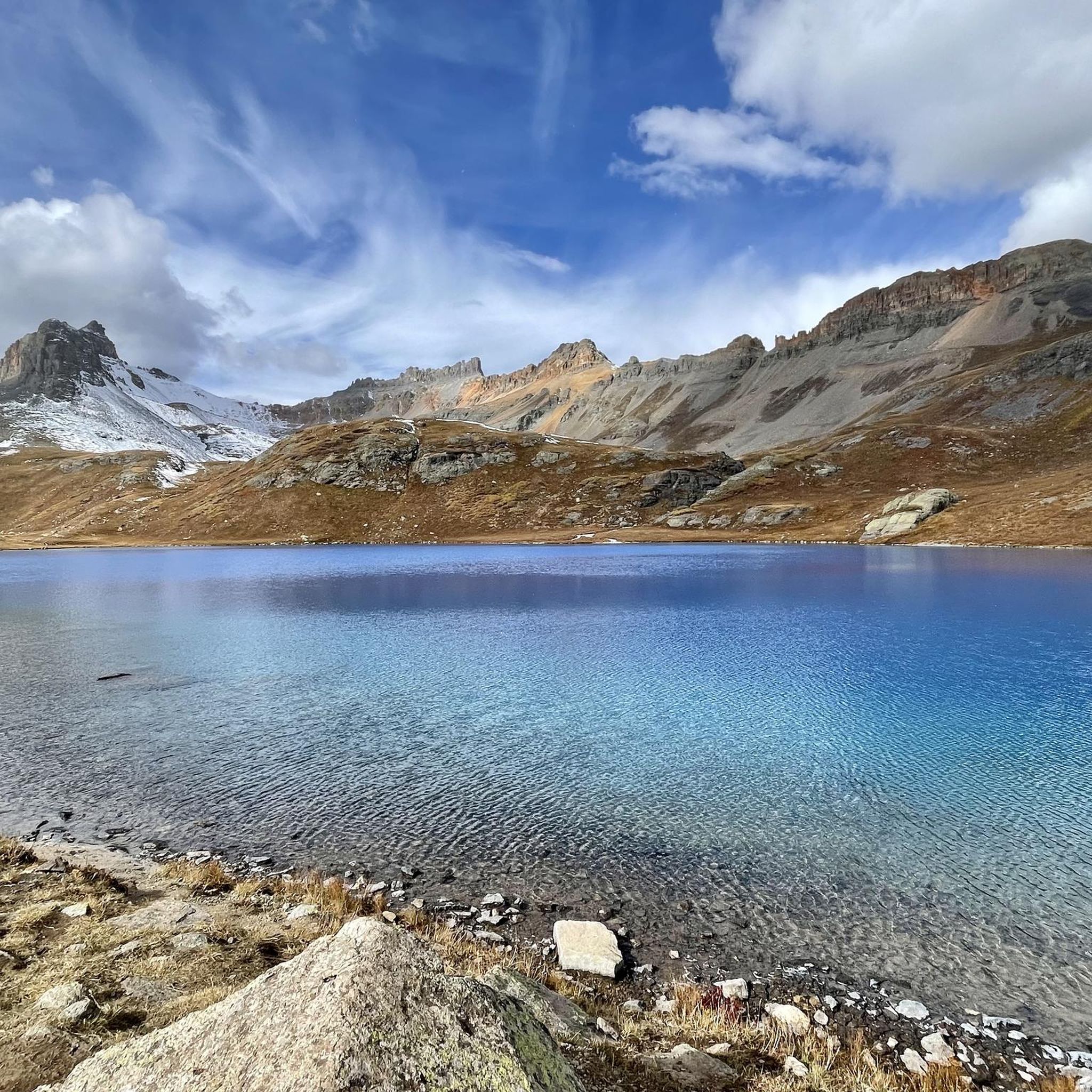
Hiking in San Juan National Forest
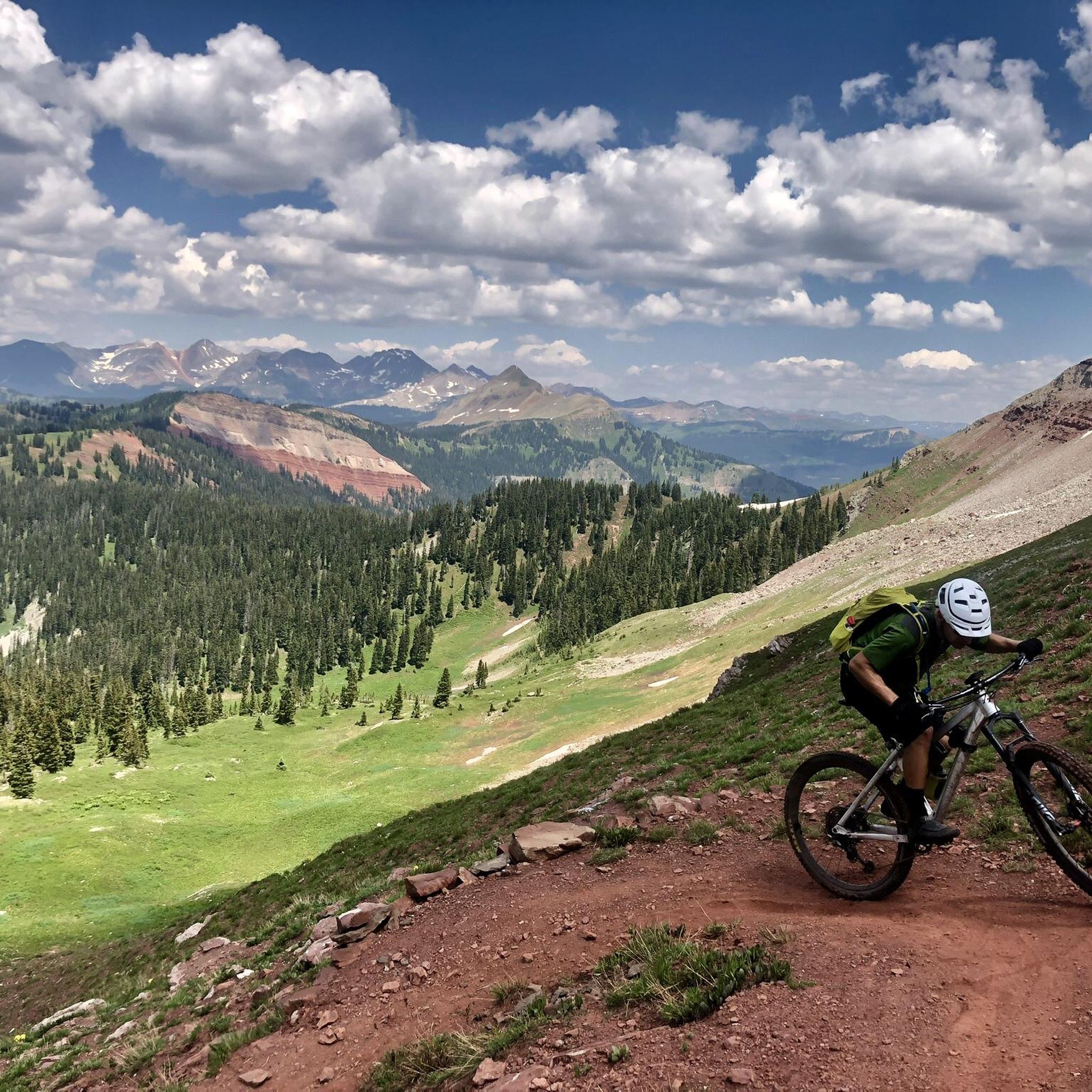
MTB Trails in San Juan National Forest
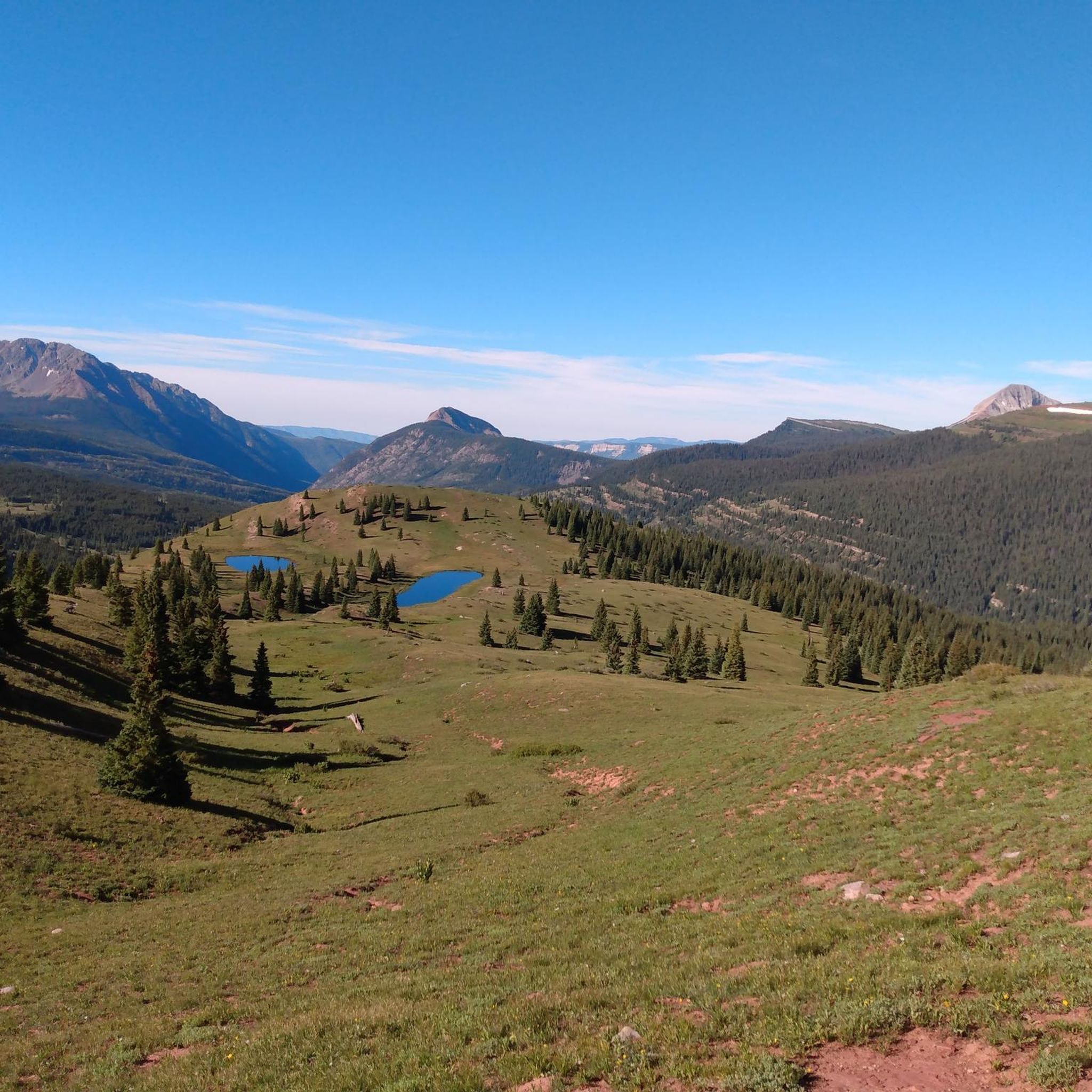
Running Trails in San Juan National Forest
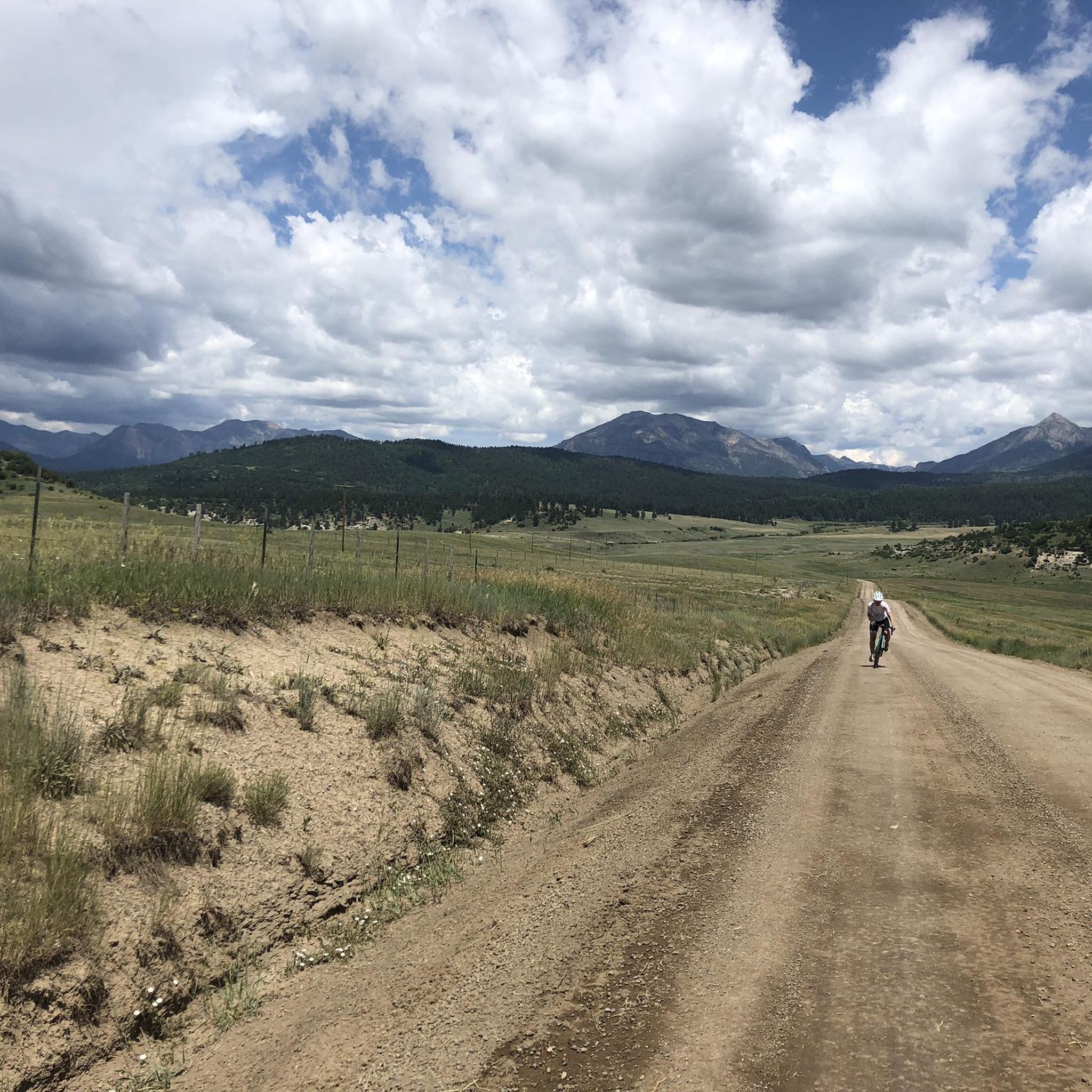
Cycling in San Juan National Forest
Road Cycling Routes in San Juan National Forest

Gravel biking in San Juan National Forest
Other adventures in San Juan National Forest


Tips from the Community

Red Mountain Pass is nestled within the San Juan Mountains and reaches an elevation of 11,018 feet. It is surrounded with dramatic landscapes decked with red and yellow hues, showcasing the region's rich mineral deposits. The pass is also part of the Million Dollar Highway, offering panoramic vistas and towering peaks.
0
0

Blackhawk Pass will amaze you with lush vegetation and stunning views towards towering mountains like Section Point, Hermosa Peak and Telescope Mountain. Colorado at its best!
1
0
This is a perfect spot for a picture postcard view of the Grenadier Range: You can see Garfield Peak, Greystone Peak, Electric Peak with Arrow Peak, Vestal Peak and Trinity Peaks in the background (from right). The Grenadiers and Needles are the only places in the San Juans where the basement rock withstood the range's period of volcanism. The range was uplifted around 70 million years ago. During the San Juans' period of volcanic activity, nearly the entire surface was covered with layers of lava and ash flows, but the volcanic flows would only lap at the Grenadiers' feet.
0
0
Red Mountain Pass is nestled within the San Juan Mountains and reaches an elevation of 11,018 feet. It is surrounded with dramatic landscapes decked with red and yellow hues, showcasing the region's rich mineral deposits. The pass is also part of the Million Dollar Highway, offering panoramic vistas and towering peaks.
0
0

Baldy Mountain is a 9,874-foot peak in the San Juan Mountains just outside of Durango, Colorado. The mountain can be tackled from a couple different trailheads and is located at the end of a forest service road (the road is closed to motor vehicles). There are great views of the La Plata Mountains from the summit.
0
0
Diorite Peak (12,761 feet) is one of the most central mountains in the La Platas. The mountain is usually approached via a rocky logging road that ends in the midst of a bunch of switchbacks climbing up the southern face of the mountain. The trail is mainly class 1, but it is super steep in sections. You can truly see the entire La Plata Mountain Range from the top of this mountain.
0
0
Baldy Mountain is a 9,874-foot peak in the San Juan Mountains just outside of Durango, Colorado. The mountain can be tackled from a couple different trailheads and is located at the end of a forest service road (the road is closed to motor vehicles). There are great views of the La Plata Mountains from the summit.
0
0
Diorite Peak (12,761 feet) is one of the most central mountains in the La Platas. The mountain is usually approached via a rocky logging road that ends in the midst of a bunch of switchbacks climbing up the southern face of the mountain. The trail is mainly class 1, but it is super steep in sections. You can truly see the entire La Plata Mountain Range from the top of this mountain.
0
0
Frequently Asked Questions
What are some of the most challenging mountain passes in the San Juan National Forest region?
For those seeking a challenge, Imogene Pass is the second-highest drivable pass in Colorado, requiring high-clearance 4x4 vehicles due to its steep, rocky, and narrow paths. Engineer Pass and Cinnamon Pass, both part of the Alpine Loop, also feature rugged terrain and are primarily 4x4 routes. Additionally, Blackhawk Pass, a section of the Colorado Trail, leads up to 12,000 feet with switchbacks that make you feel the elevation.
Which mountain passes offer the best scenic viewpoints and natural features?
Many passes boast spectacular views. Imogene Pass offers panoramic vistas of Ouray and San Miguel County, with seasonal wildflowers. Engineer Pass provides views of peaks like Uncompahgre and Wetterhorn, sometimes even reaching Utah. Ophir Pass showcases the upper Ophir Valley and neighboring peaks. Red Mountain Pass, part of the Million Dollar Highway, is known for its dramatic red and yellow landscapes and views of the Uncompahgre Gorge. Coal Bank Pass and Molas Pass also offer sweeping mountain vistas and access to high-elevation forests. For a specific viewpoint, check out View on Grenadier Range, which provides postcard-perfect views of Garfield Peak, Greystone Peak, and Electric Peak.
Can I explore historical mining sites and ghost towns on these mountain passes?
Yes, the San Juan National Forest region is rich in mining history. Imogene Pass allows visitors to explore the Camp Bird Mine and the ghost town of Tomboy. Engineer Pass is a historic route on the Alpine Loop, passing through ghost towns like Animas Forks and other sites like Henson and Capitol City. Ophir Pass also has a history dating back to the mining boom, and Cinnamon Pass features old mining equipment.
What is the best time of year to visit the mountain passes in San Juan National Forest?
The mountain passes are generally accessible from July until early October. However, weather can change quickly at high elevations, so it's always best to check conditions before you go. Some passes, like Ophir Pass, may open as early as mid-June.
What types of vehicles are recommended for navigating these mountain passes?
For many of the more rugged passes like Imogene Pass, Engineer Pass, and Cinnamon Pass, a high-clearance 4x4 vehicle with experienced drivers is essential. Ophir Pass is considered moderately difficult for off-roading, with a challenging shelf road section. Passes like Red Mountain Pass and Coal Bank Pass are on paved highways (US Highway 550) and are accessible by standard vehicles, though they feature dramatic mountain driving.
Are there opportunities for wildlife spotting on the mountain passes?
Yes, the San Juan National Forest is home to various wildlife. On Ophir Pass, you might spot bighorn sheep, pika, and yellow-bellied marmots. Cinnamon Pass is also a good spot to observe deer. Keep an eye out for other high-alpine species throughout the region.
Are there hiking trails near the mountain passes in San Juan National Forest?
Absolutely! The San Juan National Forest offers numerous hiking opportunities. For example, Coal Bank Pass serves as a gateway to various trails. You can find many hiking routes throughout the region, including challenging options like the Ice Lakes Trail or segments of the Colorado Trail. For more details on hiking, check out the Hiking in San Juan National Forest guide.
What other outdoor activities can I do near these mountain passes?
Beyond exploring the passes themselves, the San Juan National Forest provides a wide range of outdoor activities. You can find excellent road cycling routes, such as the Hermosa to Coal Bank Pass ride, or easier loops like Oxbow Park and Preserve. There are also numerous running trails, including the Ice Lakes Trail and Dry Fork Loop Trail. For more information on specific activities, explore the Road Cycling Routes and Running Trails in San Juan National Forest guides.
Are there any family-friendly mountain passes or activities suitable for children?
While many of the high-elevation passes require specific vehicles and experienced drivers, passes like Coal Bank Pass and Molas Pass are easily accessible via paved roads and offer scenic drives with opportunities for short hikes and enjoying the views, which can be suitable for families. The broader San Juan National Forest also offers numerous trails and recreational areas that cater to various skill levels and ages.
What makes the mountain passes in San Juan National Forest unique?
The mountain passes in San Juan National Forest are unique for their combination of breathtaking alpine scenery, rich mining history, and challenging terrain. They provide access to stunning vistas, remnants of the region's past, and a true Colorado off-roading adventure. Many passes traverse both the San Juan National Forest and the adjacent Uncompahgre National Forest, offering diverse landscapes and experiences.
Do I need any special permits to visit the mountain passes?
Generally, you do not need special permits for driving or hiking on the main mountain passes and trails within the San Juan National Forest. However, it's always advisable to check with the local Forest Service office for any specific regulations, especially if you plan extended backcountry trips or camping.
What is Baldy Mountain and Diorite Peak?
Baldy Mountain is a 9,874-foot peak in the San Juan Mountains near Durango, offering great views of the La Plata Mountains. Diorite Peak, at 12,761 feet, is one of the most central mountains in the La Platas, providing panoramic views of the entire range from its summit. Both are accessible via trails, with Diorite Peak featuring steep sections.
Most popular routes in San Juan National Forest
Most popular attractions in San Juan National Forest

Get inspired with the komoot mobile app


Explore more
See even more epic mountain passes by checking out these guides in San Juan National Forest:
