Area F (Columbia Lake/Windermere Lake)
Area F (Columbia Lake/Windermere Lake)
Top 7 Natural Monuments around Area F (Columbia Lake/Windermere Lake)
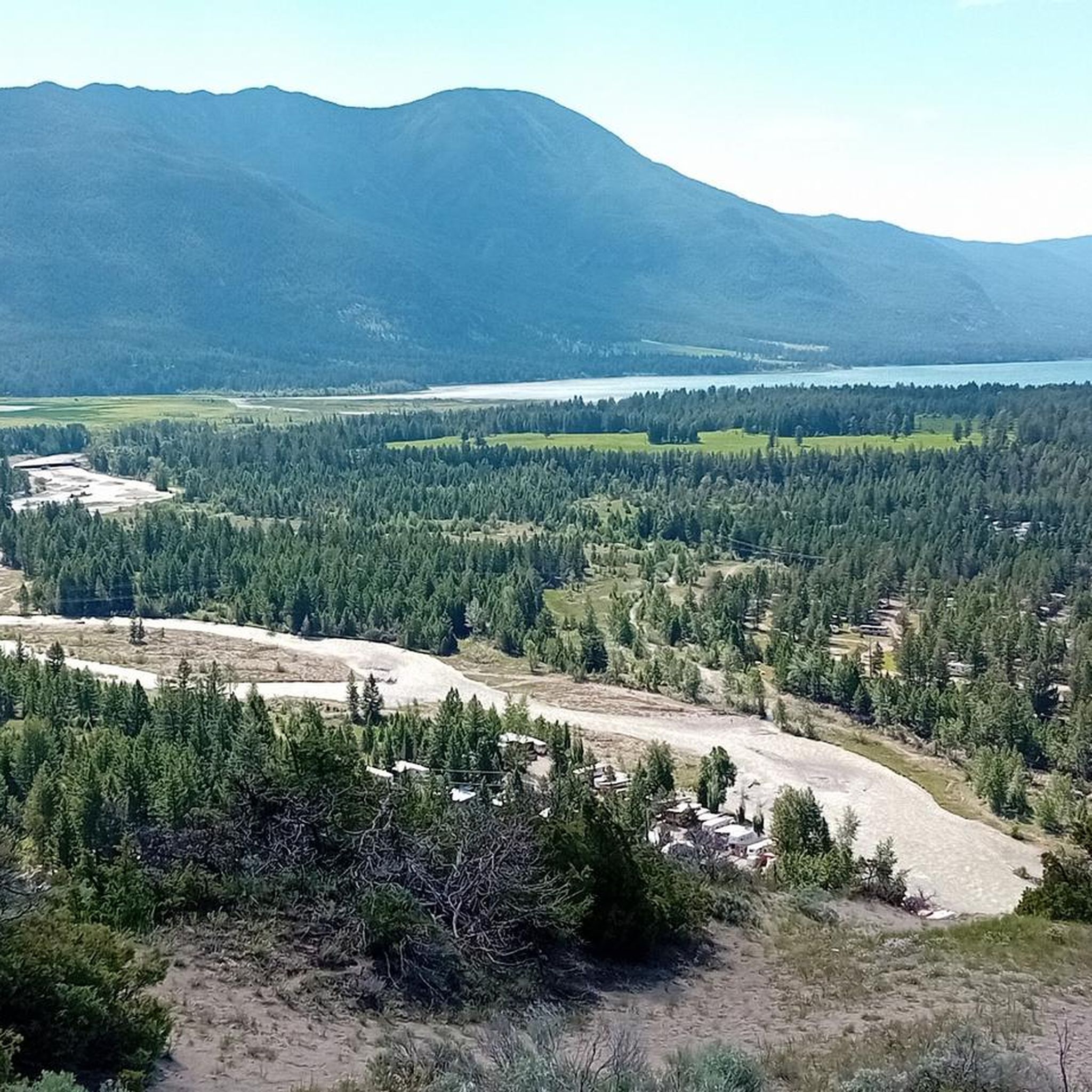
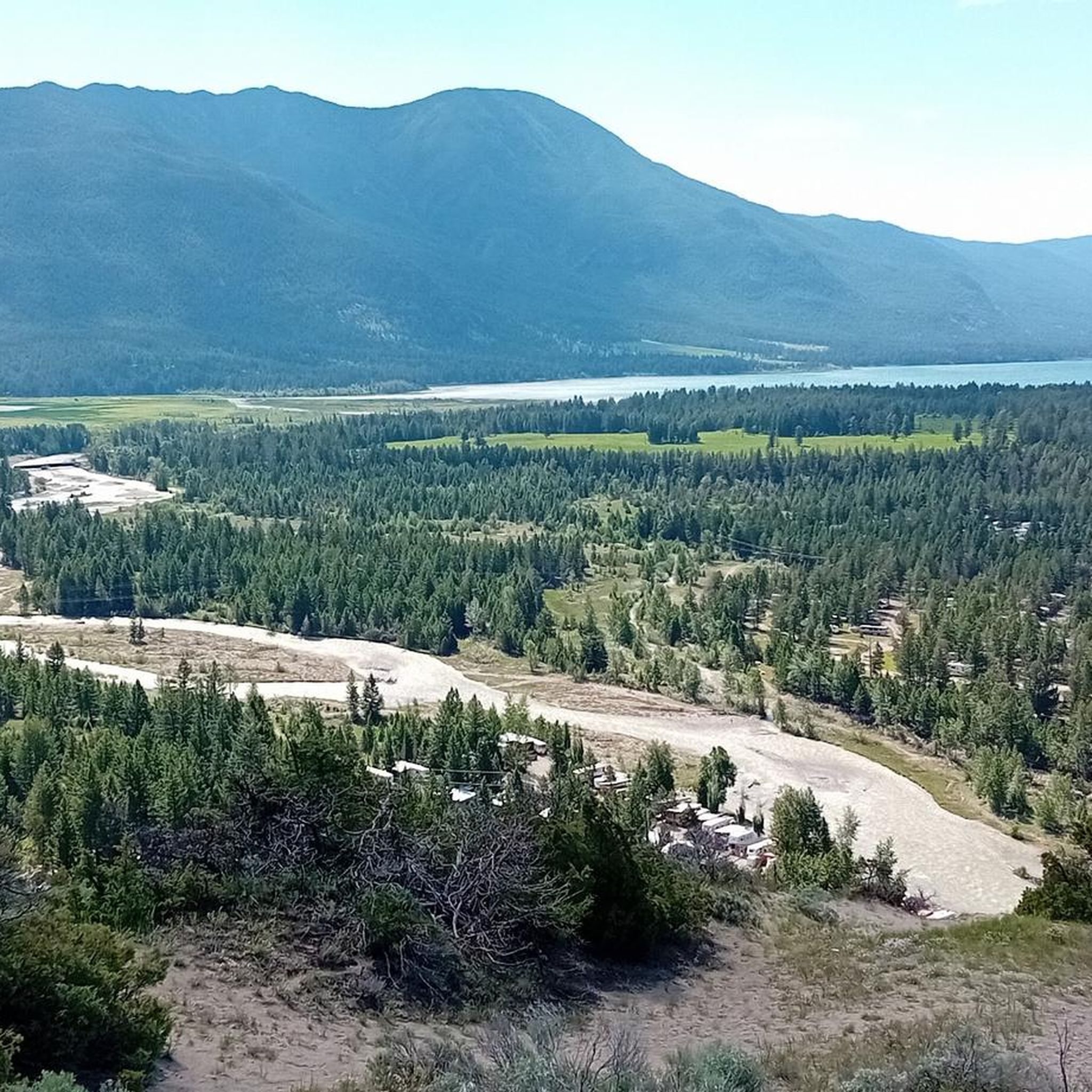
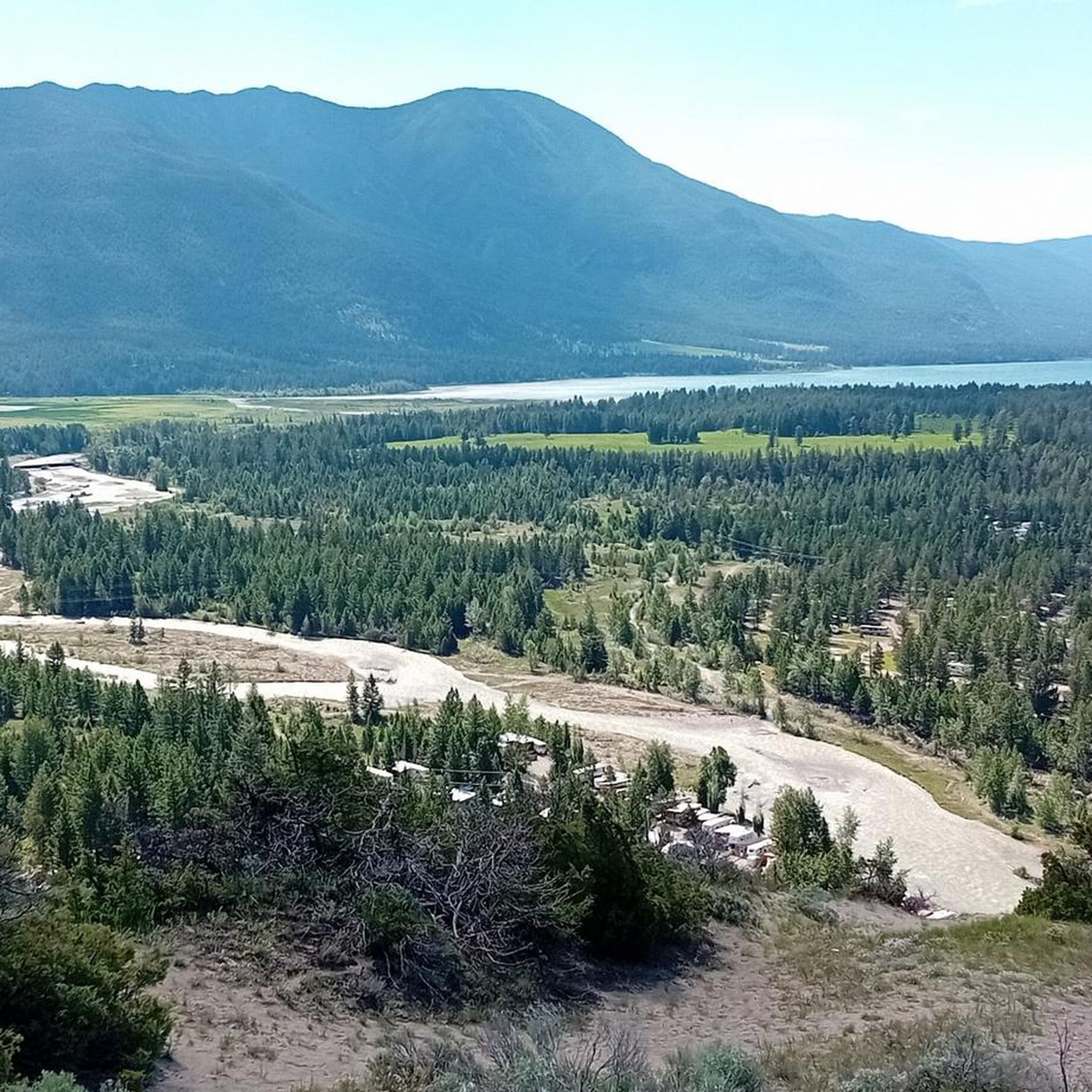
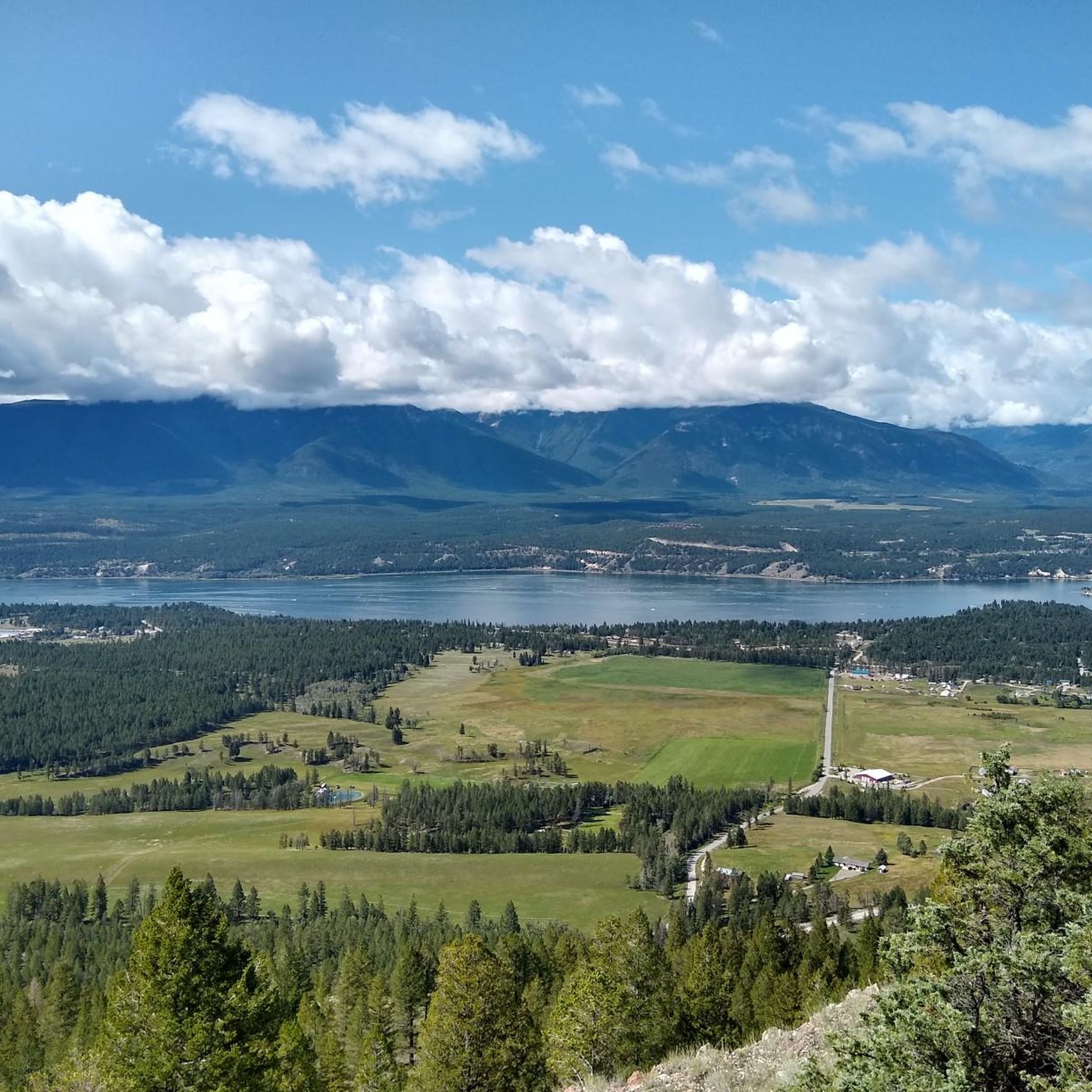
Best natural monuments around Area F (Columbia Lake/Windermere Lake) are situated between the Rocky and Purcell Mountain ranges in British Columbia's East Kootenay. This region is characterized by diverse ecosystems and significant natural features. It encompasses Columbia Lake, the headwaters of the Columbia River, and Windermere Lake, a widening of the Columbia River known for its warm, shallow waters. The area offers a variety of natural attractions, including expansive wetlands, unique rock formations, and dramatic canyons.
Best natural monuments around…
Last updated: May 27, 2026
Turret Falls
Highlight • Waterfall
Tip by

Viewpoint
Highlight • Natural Monument
Tip by

Sign up now to discover places like this
Get recommendations on the best single tracks, peaks, & plenty of other exciting outdoor places.
Sign up for free
Burstall Pass
Highlight • Mountain Pass
Translated by Google •
Tip by

Olive Lake
Highlight • Lake
Tip by

Waterfall
Highlight • Waterfall
Translated by Google •
Tip by

Sign up for free to discover even more natural monuments around Area F (Columbia Lake/Windermere Lake).
Sign up for free
Already have an account?
Start today with a free account
Your next adventure awaits.
Login or Signup
Tips from the Community

You can access this waterfall as part of the loop hike, as a short out and back hike, or via canoe. However you manage to get here, it is a nice waterfall with great views across the lake as well.
1
0


On the right branch of the trail. A few minutes walk only
0
0
On the left branch of the trail. A few minutes walk only.
0
0


A beautiful trail leads to the Burstall Pass, coming from Mudd Lake, near Spray Lake. You climb the glacier heights and cross the Burstall Creeks. The trail starts slightly and increases continuously. The view of the surrounding mountains, the glaciers and valleys is well worth the effort. Here you get an impression of the size, the expanse and the amazing height, which distinguishes the Rockies. Surefootedness, condition and weatherproof equipment are strongly recommended. At the pass a cold, wet wind whistles and you occasionally have to trudge through the water, if you want to get to the destination.
0
0
Frequently Asked Questions
What are some unique natural features to explore in Area F (Columbia Lake/Windermere Lake)?
Area F is rich in diverse natural features. You can explore the expansive Columbia Wetlands, one of North America's largest intact wetland systems, or witness the distinctive geological formations of the Fairmont Hoodoos along the Hoodoos Trail. The region also features dramatic gorges like Sinclair Canyon, marking the entrance to Kootenay National Park.
Are there family-friendly natural monuments to visit in Area F?
Yes, several natural monuments are suitable for families. Olive Lake is known for its vibrant green color and offers opportunities for paddleboarding, kayaking, swimming, and fishing in its warm waters. The public beaches of Windermere Lake, such as Kinsmen Beach, are also excellent for family relaxation and water activities.
Where can I go hiking near these natural monuments?
The area offers numerous hiking opportunities. You can hike the Hoodoos Trail near Fairmont Hot Springs to see the unique rock formations. For wetland views, consider the Wilmer Wetlands Trail in Invermere or the Columbia Wetland Viewpoint trail. For more options, explore the Hiking around Area F (Columbia Lake/Windermere Lake) guide.
What kind of wildlife can I expect to see in the Columbia Lake/Windermere Lake area?
The Columbia Wetlands are a crucial habitat, supporting hundreds of species including over 250 migratory bird species, various fish, rodents, and mammals. Endangered species like the peregrine falcon and American badger can also be found here. Olive Lake is also known for wildlife sightings.
Can I go swimming or paddling in the lakes of Area F?
Absolutely. Windermere Lake is renowned for its warm, shallow waters and wide sandy beaches, making it ideal for swimming, paddleboarding, and kayaking. Olive Lake also offers warm waters suitable for swimming and paddling.
What are the best viewpoints in the Area F region?
For panoramic vistas, Viewpoint offers stunning perspectives over the Columbia Valley, including the Hoodoos. Mount Swansea also provides excellent panoramic views of the valley and lakes below. Sinclair Canyon offers impressive viewpoints of its dramatic gorge and a hidden waterfall.
Is the Area F region accessible in winter, and what activities are available?
Yes, the region transforms in winter. Windermere Lake becomes the Lake Windermere Whiteway, a 30+ km groomed track for ice skating and cross-country skiing, recognized as one of the longest of its kind globally. Many trails remain accessible for snowshoeing or winter hiking, offering a different perspective of the natural monuments.
Are there dog-friendly options for exploring natural monuments in Area F?
Many trails and natural areas in the Columbia Valley are dog-friendly, though leash regulations often apply, especially in protected areas like the Columbia Wetlands to protect wildlife. It's always best to check specific signage at trailheads or park entrances for the most current rules regarding pets.
What is the best time to visit the natural monuments in Area F?
The best time depends on your preferred activities. Summer (June to August) is ideal for water sports on Windermere Lake and hiking. Fall (September to October) offers beautiful foliage and cooler hiking weather. Winter (December to March) is perfect for ice skating and cross-country skiing on Windermere Lake. Spring (April to May) is excellent for birdwatching in the Columbia Wetlands.
What is the significance of Columbia Lake?
Columbia Lake is highly significant as the headwaters of the mighty Columbia River. The area around the lake offers serene natural landscapes and a network of forest service roads that provide open views of the water, making it a peaceful spot for appreciation of nature's origins.
Can I combine visiting natural monuments with other outdoor activities like mountain biking?
Absolutely. Mount Swansea is a popular destination for mountain biking, offering trails with panoramic views. Additionally, you can find various mountain biking routes throughout the region. For more details, refer to the MTB Trails around Area F (Columbia Lake/Windermere Lake) guide.
Are there any notable waterfalls to visit in the Area F region?
Yes, Turret Falls is an impressive waterfall that can be accessed via a loop hike, a short out-and-back hike, or even by canoe, offering great views across the lake. Sinclair Canyon also features a hidden waterfall within its dramatic gorge.
Most popular routes around Area F (Columbia Lake/Windermere Lake)
Most popular attractions around Area F (Columbia Lake/Windermere Lake)

Get inspired with the komoot mobile app


Explore more
Extend your search for the best caves by checking out these guides of the top ones around Area F (Columbia Lake/Windermere Lake):
