Indiana Dunes National Park
Indiana Dunes National Park
Top 8 Natural Monuments in Indiana Dunes National Park
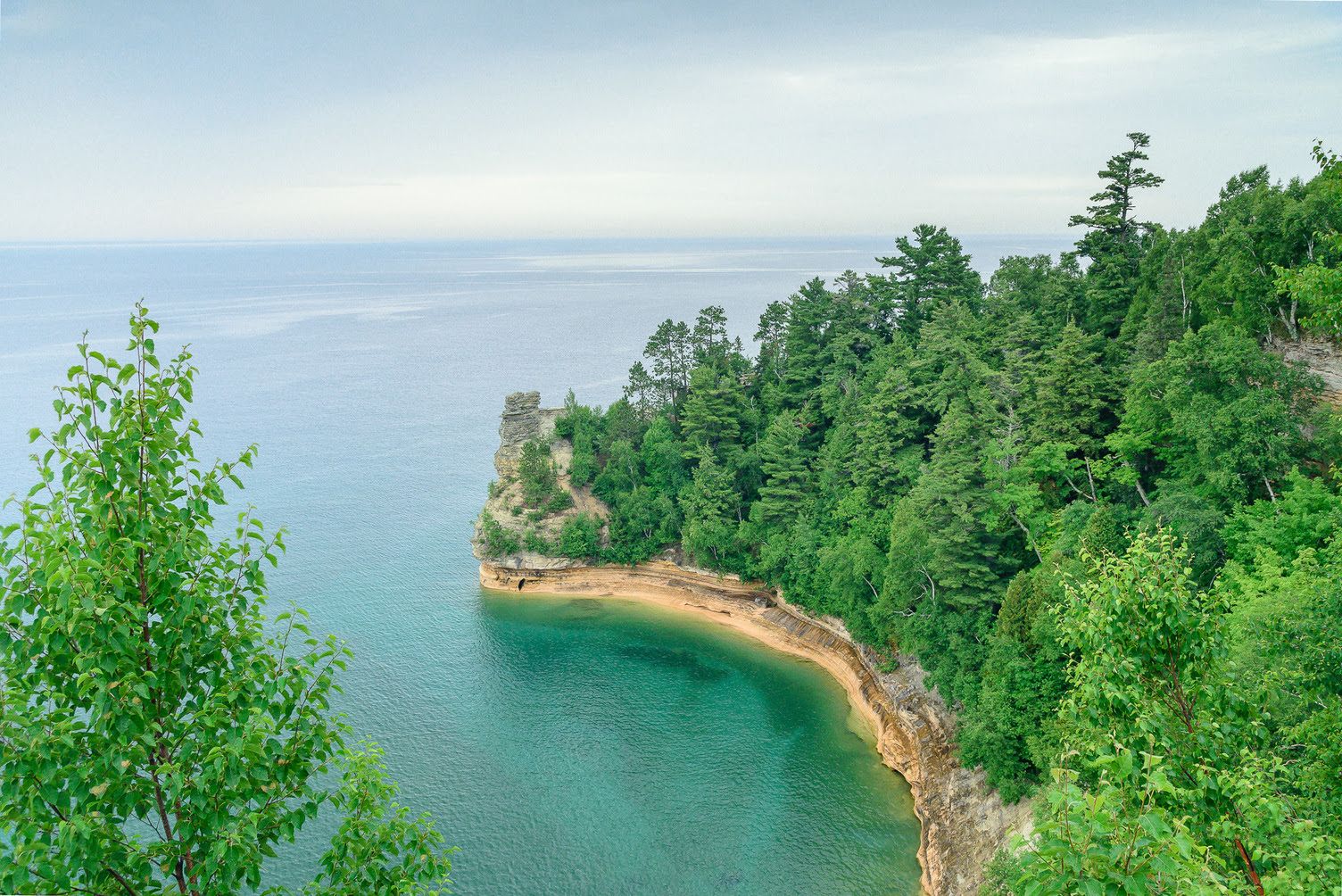
Best natural monuments in Indiana Dunes National Park showcase a diverse landscape along Lake Michigan's southern shore. This area features over 15,000 acres of dunes, oak savannas, swamps, bogs, marshes, prairies, rivers, and forests. The park's geological significance is marked by at least four major successive stages of historic Lake Michigan shorelines, formed by the retreat of the last great continental glacier. It offers a unique environment for exploring various ecosystems and geological formations.
Best natural monuments in Indiana Dunes…
Last updated: July 8, 2026
Dunes Succession Trail
Highlight (Segment) • Trail
Tip by

Mount Holden
Highlight • Summit
Tip by

Sign up now to discover places like this
Get recommendations on the best single tracks, peaks, & plenty of other exciting outdoor places.
Sign up for free
Cowles Bog National Natural Landmark
Highlight • Natural Monument
Tip by

Mount Tom Viewpoint
Highlight • Viewpoint
Tip by
View of Lake Michigan beach
Highlight • Beach
Tip by

Sign up for free to discover even more natural monuments in Indiana Dunes National Park.
Sign up for free
Already have an account?
Start today with a free account
Your next adventure awaits.
Login or Signup

Other adventures in Indiana Dunes National Park

Tips from the Community

The Dune Succession Trail is a fantastic one-mile loop that transitions from bare dunes to oak woodlands, with 250 stairs leading to stunning views of Lake Michigan and the Chicago skyline. Climbing the stairs to the top can be relatively challenging for some, but the incredible vistas make it well worth the trek!
1
0

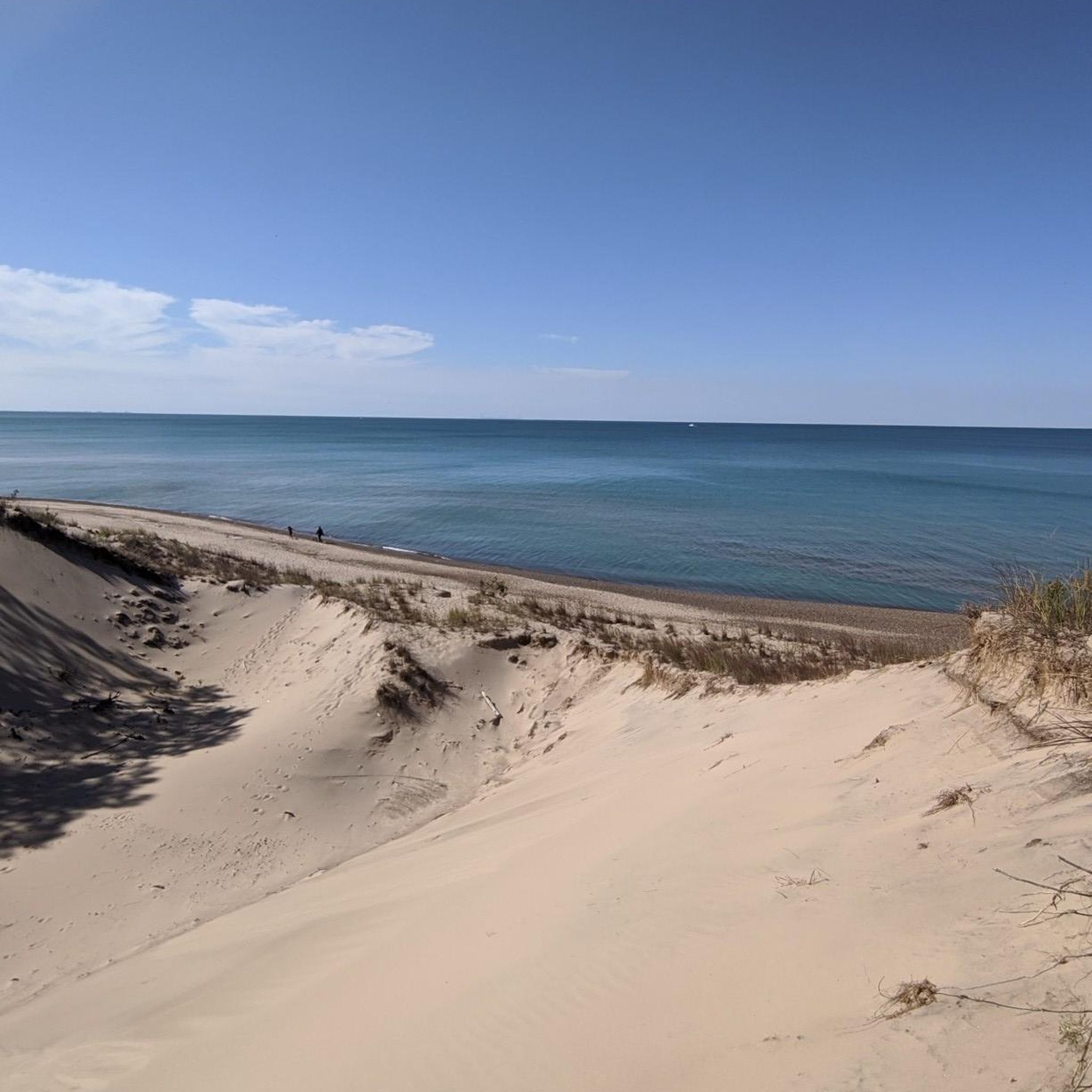
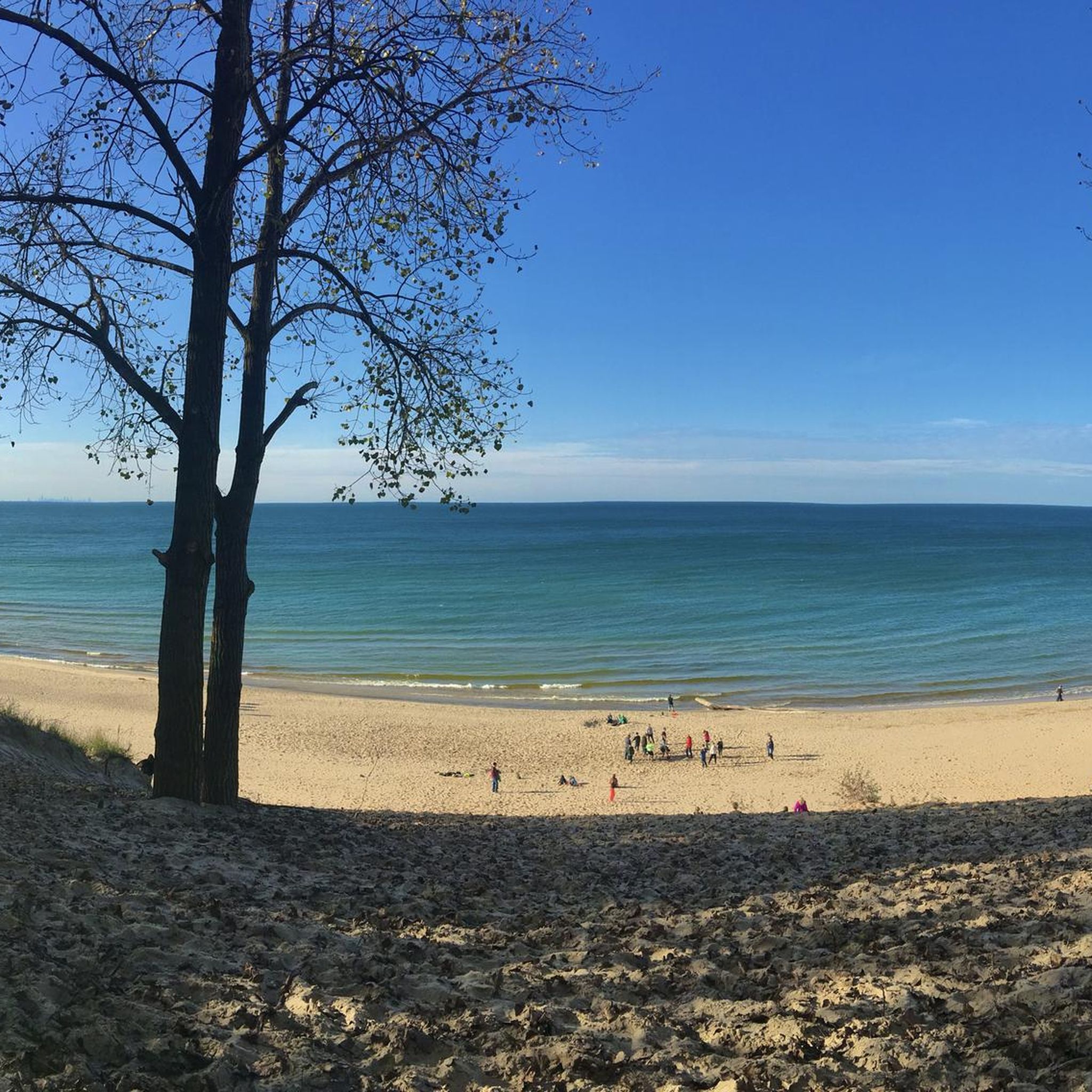
This is a beautiful, walk-in-only spot along the shore of Lake Michigan. Until you reach the beach, please stay on the marked trails to protect the dunes!
0
0

Cowles Bog National Natural Landmark was designated as a national landmark in 1965 due to its outstanding plant diversity.
0
0

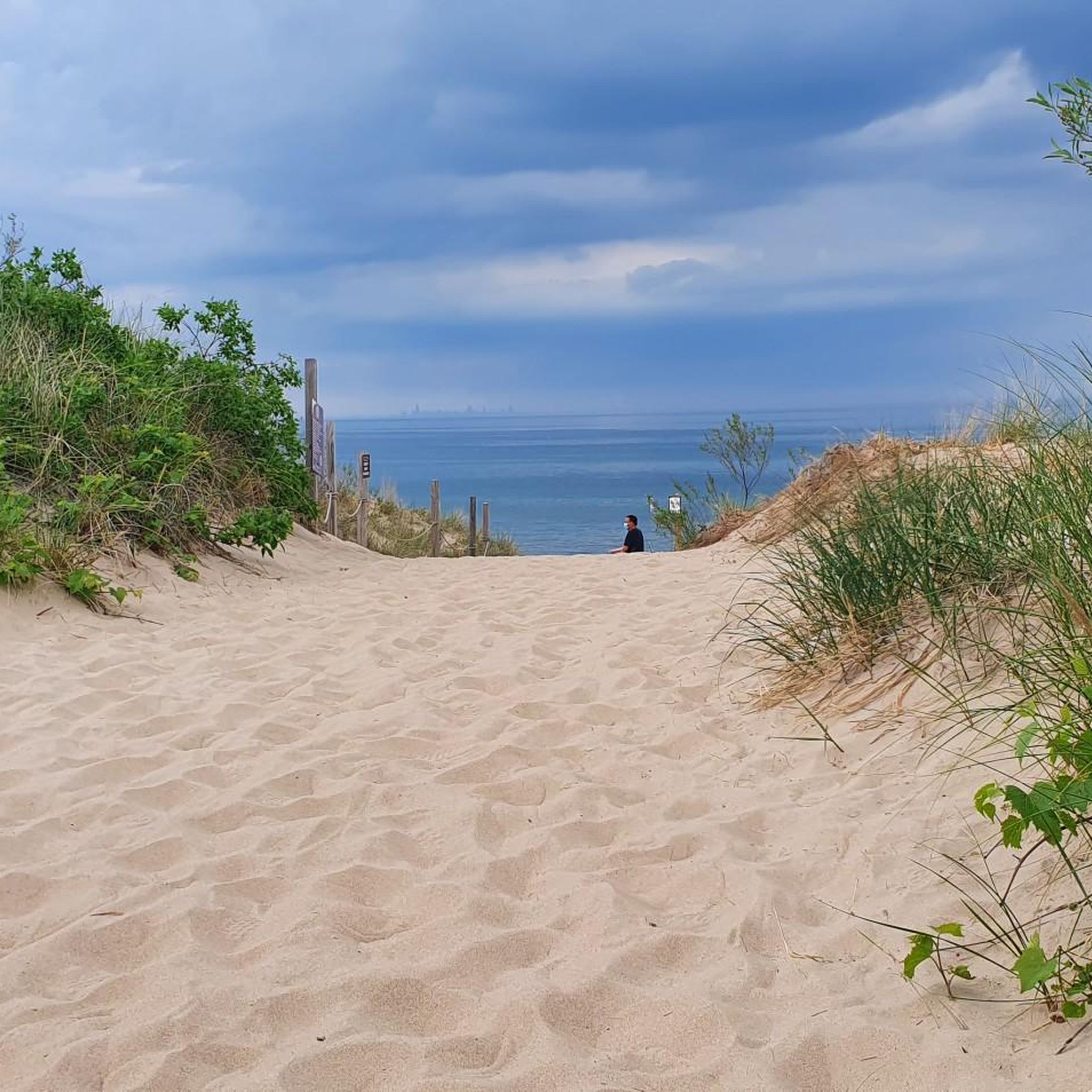
The Dune Succession Trail (Loop 1) highlights the four stages of dune development within its one-mile length. From the parking lot, follow the road north, toward the lake and look for the trail to pick up to the west of the bathhouse. This scenic, but strenuous, trail includes a climb up 270 stairs for a spectacular view of Lake Michigan and Chicago. Support the restoration effort in the fragile dunes and ponds by remaining on designated trails. Spot the skyline of Chicago 28 miles across Lake Michigan from the lookout point! https://www.nps.gov/indu/planyourvisit/wb16.htm
4
0

Mount Tom is the highest dune in the state of Indiana at 192 feet above Lake Michigan. From the top you get stunning views of Lake Michigan and on a clear day you can see the skyline of Chicago.
0
0
Mount Holden stands 184 feet above Lake Michigan, making it the second highest dune in the state of Indiana.
1
0
Frequently Asked Questions
What unique geological features can I observe in Indiana Dunes National Park?
Indiana Dunes National Park is renowned for its dynamic geological features. You can witness the fascinating phenomenon of a "wandering dune" at Mount Baldy, which shifts inland by about 4 feet annually. The entire dune complex, including the Tolleston, Calumet, and Glenwood dunes, showcases various stages of plant succession and was formed by the retreat of glaciers 14,000 years ago. Pinhook Bog also represents a unique remnant from the Ice Age.
Where can I find panoramic views of Lake Michigan and the Chicago skyline?
For breathtaking panoramic views, consider hiking the Dunes Succession Trail. This trail includes 270 stairs leading to sweeping vistas of Lake Michigan and, on clear days, the distant Chicago skyline. Mount Tom, the highest dune in Indiana at 192 feet, also offers stunning views from its summit.
Are there family-friendly natural monuments or trails suitable for all ages?
Yes, several areas are suitable for families. The Dunes Succession Trail, while strenuous due to stairs, offers an engaging experience for active families. Additionally, Bally Beach is a family-friendly spot perfect for a beach day after a pleasant hike.
How challenging are the trails to the natural monuments in Indiana Dunes National Park?
The difficulty varies. The Dunes Succession Trail is considered challenging due to its 270 stairs, but the views are rewarding. Other trails, like those leading to Cowles Bog National Natural Landmark, can be intermediate, involving varied terrain including sand dunes. Always check trail descriptions for specific difficulty levels.
What kind of plant and animal life can I expect to see?
Indiana Dunes National Park is a biodiversity hotspot. Cowles Bog National Natural Landmark is particularly noted for its exceptional plant diversity, crucial for ecological study. The park as a whole boasts over 1,100 flowering plant species and ferns, and more than 350 bird species, making it an excellent location for wildlife viewing across its diverse ecosystems, from bogs to savannas and forests.
When is the best time to visit the natural monuments in Indiana Dunes National Park?
The park offers unique experiences year-round. Spring brings blooming wildflowers, while summer is ideal for beach activities and warmer hiking. Fall showcases vibrant foliage, and winter provides a serene, stark beauty, though some trails might be more challenging due to snow or ice. Each season highlights different aspects of the park's natural beauty.
Are there opportunities for hiking near these natural monuments?
Absolutely! The park offers numerous hiking opportunities. You can explore trails like the Dunes Succession Trail or the paths around Cowles Bog National Natural Landmark. For more hiking options, check out the dedicated guide to Hiking in Indiana Dunes National Park, which includes routes like the Cowles Bog Trail and the Indiana Dunes Trail 9 and 10 Loop.
Can I go cycling or running near the natural monuments?
Yes, the area around Indiana Dunes National Park provides excellent routes for both cycling and running. For cycling enthusiasts, you can find routes like the Pennsy Greenway and Erie Lackawanna Trail Loop. Runners can enjoy trails such as the Mount Holden – Mount Tom Viewpoint loop. Discover more options in the guides for Cycling in Indiana Dunes National Park and Running Trails in Indiana Dunes National Park.
What makes Cowles Bog a significant natural monument?
Cowles Bog National Natural Landmark is a National Natural Landmark recognized for its exceptional plant diversity. It was pivotal for pioneering research on plant ecology in the early 1900s and remains vital for scientific study today. The area features a unique variety of environments, including ponds, marshes, swamps, and black oak savannas.
What do visitors enjoy most about the natural monuments in Indiana Dunes National Park?
Visitors frequently praise the diverse landscapes, from towering dunes to serene bogs and expansive beaches. The challenging yet rewarding hikes, especially those leading to stunning views of Lake Michigan and the Chicago skyline, are highly appreciated. The opportunity to witness unique ecological systems and the dynamic nature of the dunes also leaves a lasting impression.
Are there any specific rules for visiting the natural monuments, especially regarding environmental protection?
To protect the fragile dune ecosystems and diverse plant life, visitors are encouraged to stay on marked trails, especially when approaching beaches or sensitive areas like bogs. This helps preserve the natural environment and supports ongoing restoration efforts. Always follow park regulations and leave no trace.
Most popular routes in Indiana Dunes National Park
Most popular attractions in Indiana Dunes National Park

Get inspired with the komoot mobile app


Explore more
Extend your search for the best caves by checking out these guides of the top ones in Indiana Dunes National Park:
