Great Sand Dunes National Park
Great Sand Dunes National Park
Top 7 Natural Monuments in Great Sand Dunes National Park
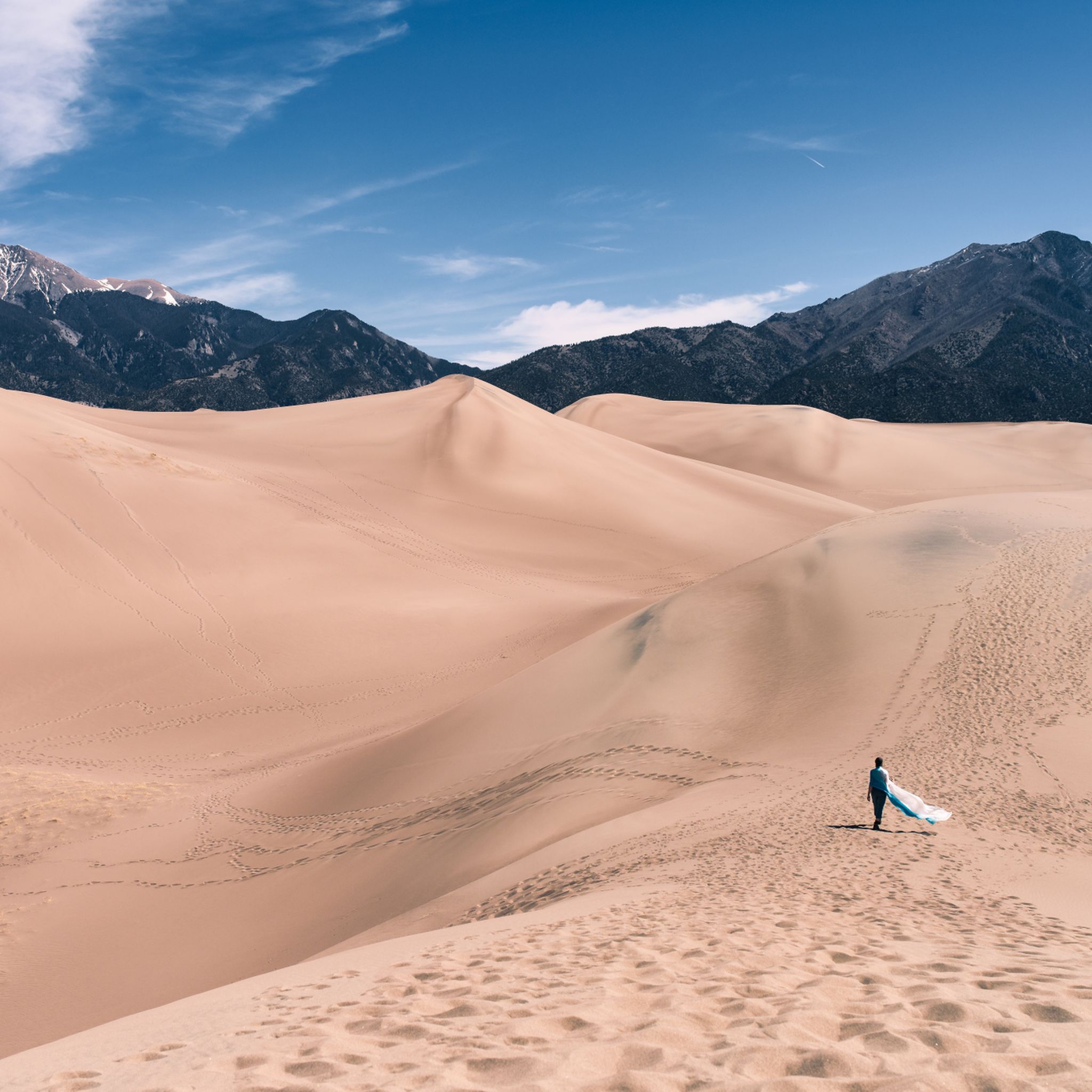
Best natural monuments in Great Sand Dunes National Park include a diverse range of geological formations and ecosystems. The park features the tallest sand dunes in North America, alongside mountains, wetlands, and alpine environments. This unique landscape is shaped by wind and water, creating a dynamic system of sand dunes, seasonal creeks, and towering peaks. The area offers a variety of natural features for exploration and observation.
Best natural monuments in Great Sand Dunes National Park
- The most popular natural…
Last updated: July 8, 2026
High Dune
Highlight • Natural Monument
Tip by

Medano Creek
Highlight • River
Tip by
Sign up now to discover places like this
Get recommendations on the best single tracks, peaks, & plenty of other exciting outdoor places.
Sign up for free
Dunes Trailhead, Great Sand Dunes National Park
Highlight • Parking
Tip by
Overlook/Sand Ramp Trail
Highlight • Trail
Tip by
Dunes Overlook
Highlight • Viewpoint
Tip by

Sign up for free to discover even more natural monuments in Great Sand Dunes National Park.
Sign up for free
Already have an account?
Start today with a free account
Your next adventure awaits.
Login or Signup
Popular around Great Sand Dunes National Park
Tips from the Community


The Great Sand Dunes cover an area of approximately 80 km² and, at a height of approximately 230 meters, are the highest dunes in North America. The sand dunes are approximately 12,000 years old and were formed by sand deposits from the Rio Grande and its tributaries. You should be in good physical shape to hike the dunes. The constant inclines in the loose sand can be very strenuous.
2
0

Just really beautiful! A tough hike through the loose sand.
2
0
The Creek was completely dried up now.
1
0

Unfortunately dried out in summer. But you can see the riverbed from the greenery that is still there.
3
1

With a height of 688 feet (at an elevation of 8,727 feet), High Dune is – along with Star Dune just next to it – one of the tallest sand dunes in North America. There are no trails leading up to the summit, but you can ascent the dune from the Dunes Parking by hiking crosscountry. The view from this majestic dune that is nestled at the foot of the Sangre de Christo Mountains is unique. Bring plenty of water and avoid the heat of the day and stormy weather.
6
0
Frequently Asked Questions
What are the most prominent natural monuments to explore in Great Sand Dunes National Park?
Beyond the iconic sand dunes, you can explore the seasonal Medano Creek, known for its unique 'surge flow' phenomenon. The towering Sangre de Cristo Mountains provide a dramatic backdrop and diverse ecosystems, while high-altitude alpine lakes offer serene hiking destinations. Additionally, Dunes Overlook provides superb panoramic views of the vast dune field.
Are there family-friendly natural monuments or activities in Great Sand Dunes National Park?
Yes, Medano Creek is a popular family-friendly spot, especially in late spring and early summer when it flows. Children can wade, splash, and 'surf' the mini-waves. The base of the dunes near the Dunes Trailhead also offers easy access for sand play and exploration.
What kind of terrain and ecosystems can I expect to see in Great Sand Dunes National Park?
The park is remarkably diverse, featuring not only the tallest sand dunes in North America but also wetlands, forests, and alpine tundra. You'll find a transition from the arid dune field to the riparian environment of Medano Creek, and then up to the montane woodlands, subalpine forests, and high alpine lakes of the Sangre de Cristo Mountains.
What outdoor activities can I do near the natural monuments in Great Sand Dunes National Park?
Hiking is a primary activity, with trails ranging from easy strolls to challenging ascents. You can also enjoy sandboarding and sand-sledding on the dunes. For more structured hikes, consider routes like the Montville Nature Trail or the Sand Ramp Trail. Find more hiking options in the Hiking in Great Sand Dunes National Park guide.
Are there easy hiking trails to natural monuments in Great Sand Dunes National Park?
Yes, several easy trails allow you to experience the park's natural beauty. The Montville Nature Trail and Sand Sheet Loop are good options for a gentle introduction. The Overlook/Sand Ramp Trail also offers great views of the dunes through a high desert landscape. For more easy options, refer to the Easy hikes in Great Sand Dunes National Park guide.
What is the best time to visit Great Sand Dunes National Park to experience its natural monuments?
Late spring and early summer (May and June) are often considered ideal, as Medano Creek is typically flowing, offering a refreshing contrast to the dunes. The weather is also generally pleasant for hiking. However, the park is an all-season destination, with unique experiences available in fall and winter as well.
What should I wear when hiking to natural monuments like High Dune?
When hiking on the dunes, especially to challenging spots like High Dune, wear sturdy, closed-toe shoes (or go barefoot on cooler days) as the sand can get very hot. Bring plenty of water, sun protection (hat, sunglasses, sunscreen), and layers of clothing, as temperatures can vary. Avoid the heat of the day during summer.
What unique natural features can I find just outside the national park boundaries?
Just outside the national park on BLM land, you can visit Zapata Falls. This natural attraction is tucked away in a narrow rock crevasse, offering a refreshing escape and a unique experience of wading through cold water to reach the powerful cascade.
Where can I park when visiting the Great Sand Dunes and accessing the dune field?
The main parking area is the Dunes Trailhead, Great Sand Dunes National Park. This large lot serves as the primary starting point for exploring the massive dune field. It also provides amenities such as restrooms, information boards, and showers to rinse off sand.
What makes the Sangre de Cristo Mountains a significant natural monument in the park?
The Sangre de Cristo Mountains are crucial to the park's ecosystem, forming the watershed that feeds the creeks and alpine lakes. They offer dramatic scenic backdrops to the sand dunes and provide opportunities for hiking through montane woodlands to alpine tundra, with chances for wildlife viewing.
What do visitors enjoy most about the natural monuments in Great Sand Dunes National Park?
Visitors frequently praise the unique contrast of the vast sand dunes against the towering Sangre de Cristo Mountains. The challenge and reward of hiking High Dune for its breathtaking views, the refreshing fun of Medano Creek, and the overall ecological diversity from desert to alpine environments are often highlighted as favorite experiences.
Are there accessible viewpoints for natural monuments in Great Sand Dunes National Park?
The Dunes Trailhead area offers some accessible facilities. While direct access to the dune field itself involves walking on sand, there are paved paths and accessible restrooms at the visitor center and near the trailhead. For specific accessible viewpoints, it's recommended to check the official park website for current information.
Most popular routes in Great Sand Dunes National Park
Most popular attractions in Great Sand Dunes National Park

Get inspired with the komoot mobile app


Explore more
Extend your search for the best caves by checking out these guides of the top ones in Great Sand Dunes National Park:
